

Tokens of love that were crafted when words were risky, etiquette was strict, or distance was cruel
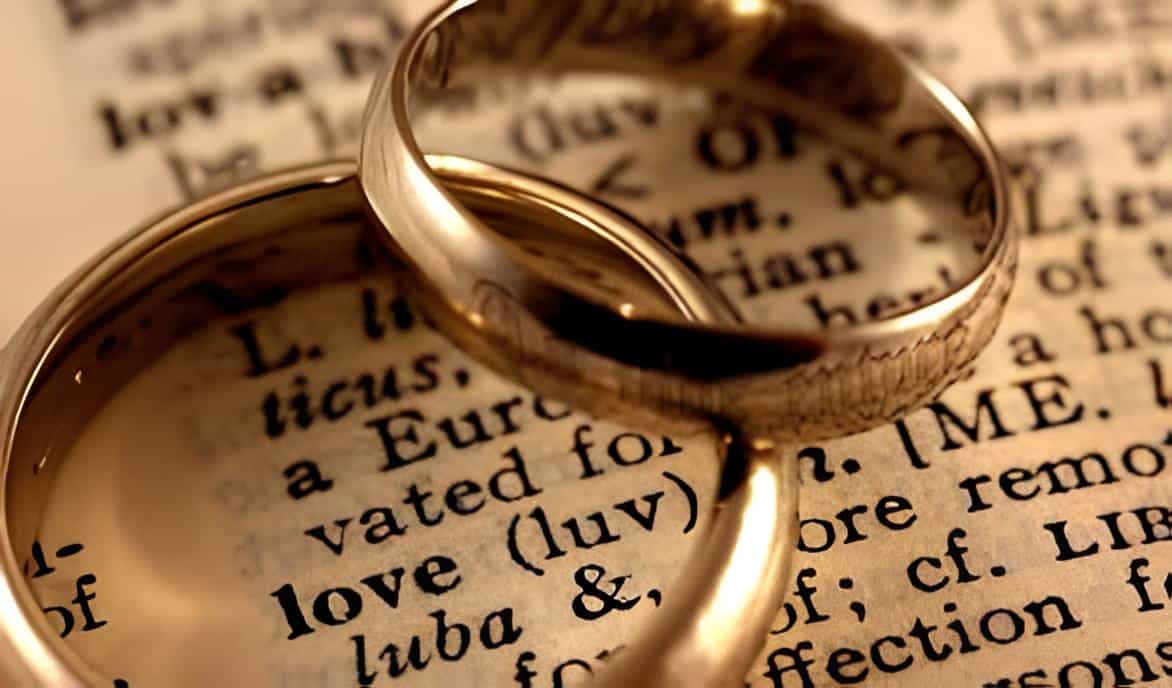
There is a particular kind of romance that does not speak loudly. These love tokens sit in a palm, hide under a glove, hang on a ribbon at the throat, or wait in a workbox. Across centuries, lovers have trusted small handmade things that could carry meaning without inviting scrutiny.
These were not merely pretty objects. They were strategies and proof of time spent, of patience, of skill, of the willingness to carry another person in daily life rather than only in grand declarations. In an age of instant messages, that idea has quietly returned almost as a luxury: love measured in effort.
Welsh Lovespoons
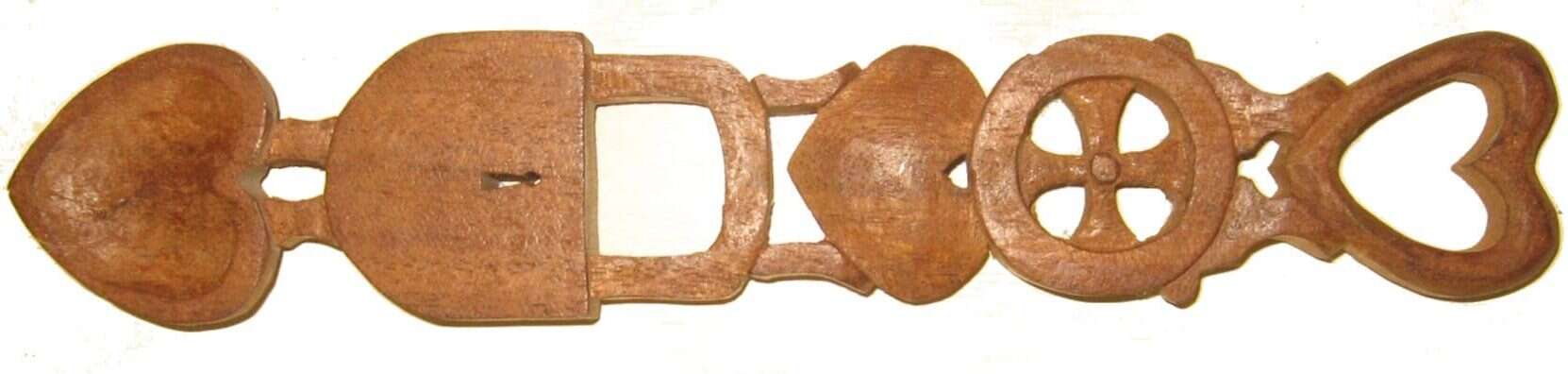
Welsh lovespoons are one in the endless list of items that straddle the line between courting and craftsmanship. Generally traced back to the 17th century, these beautiful creations were usually made from a single piece of wood, turning what is meant to be a commonplace item into a decorative piece meant to be displayed, admired, and remembered.
The lovespoons carry many motifs. Chains and cages reveal the desire to be trapped in love. Keys and keyholes suggest trust, and mean that one person holds the key to another’s heart. Over time meanings of older motifs have been reinterpreted, and newer symbols and motifs have been incorporated, turning the lovespoon into a living art form rather than a tradition trapped in time.
Thimbles and “Useful” Gifts
As society is not accepting of overtly romantic gifts, especially among unmarried individuals, lovers have resorted to giving domestic items that are used daily to carry their sentiments. Ornate thimbles, pin cushions, and small sewing accessories could be given as “useful” objects, while their floral engravings or heart motifs quietly delivered the real message.
In Scandinavia and northern Europe, everyday textile tools entered this romantic economy. The mangle board used in smoothing linen became an expressive courtship gift, often carved and decorated, turning domestic labour into a kind of love letter that would live inside the home.
One of Europe’s most discreet love tokens was the stay busk, a slender strip of wood slipped into the front of a woman’s corset or stays. Suitors sometimes gifted busks carved with initials, hearts, or tiny symbols, turning a proper “support” piece into a private message. Hidden in plain sight, it kept its secret closest to the body.
These items are special also in the sense that they are used frequently, every stitch and weave and use reminds the beloved about the significant other who gifted it to them.
Money Turned Into Memory
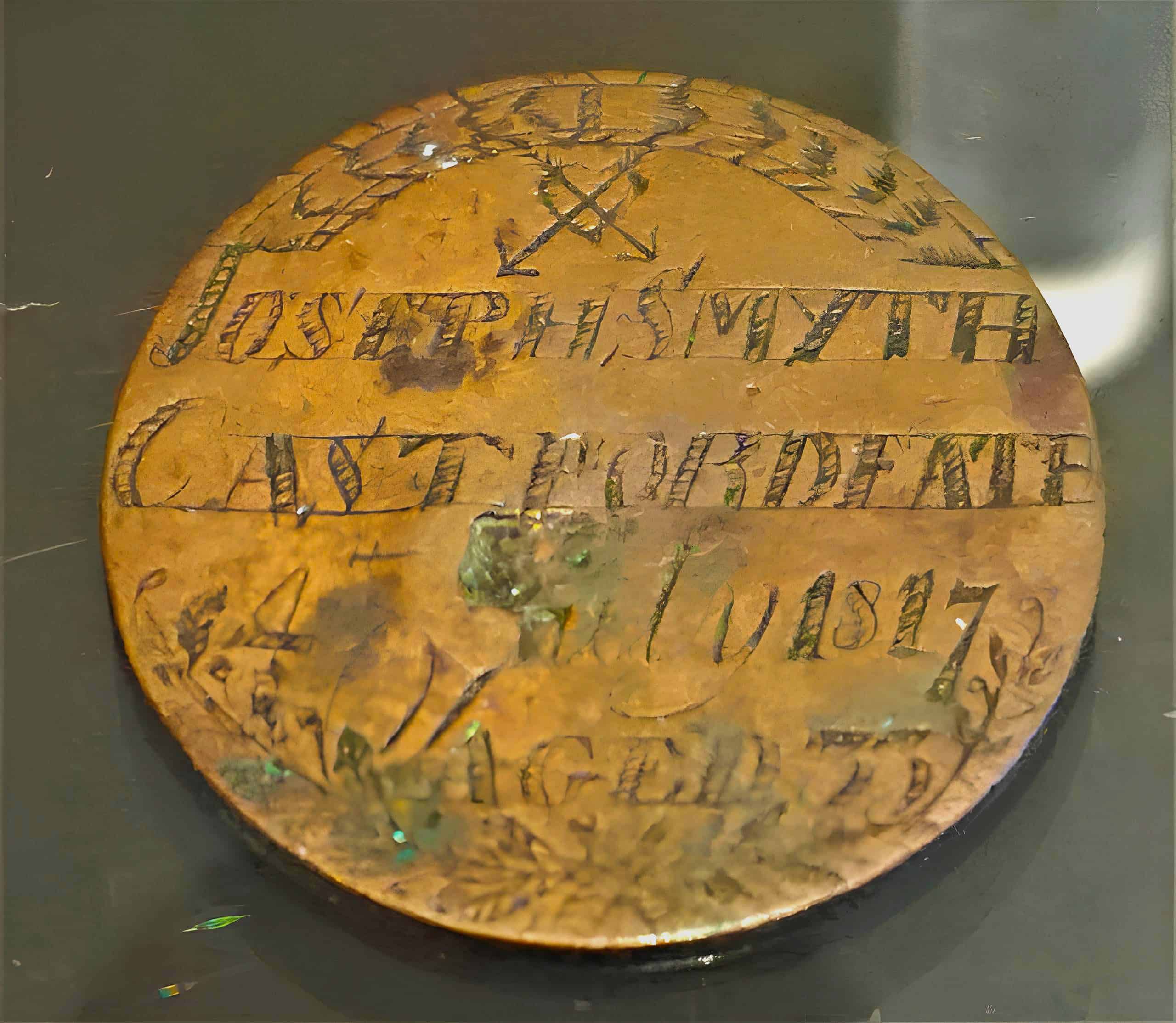
There is something radical about converting currency into sentiment. Turning an economic token designed to be interchangeable, a love token, making it unique and specific. Britain has a long tradition of “love tokens” made by smoothing or defacing coins, engraving initials or names, and sometimes piercing them so they could be worn as pendants.
The river Thames, in particular, has yielded large numbers of such altered objects, which is part of why “crooked coins” have become strongly associated with British love-token folklore.
The darker side of this tradition is perhaps the “Leaden Hearts”, which were similar tokens with sentiments etched on them, but thesewere made by convicts awaiting exile. These tokens were given to lovers and family as a token of remembrance. Here, the tokens become leaden by the weight of grief it carries.
Thread, Linen, and Secret Messages
Across Europe, handkerchiefs slipped past domestic scrutiny, smuggling stitched hearts, initials and short sentiments. Being household items, these tokens of affection passed through without catching eyes and raising eyebrows.
The kerchief could be folded, hidden and carried close to the body. It could live in pockets and bodices, absorbing perfume and warmth, becoming intimate as it travelled with its owner.
One of the most distinct traditions of these handkerchiefs survives in northern Portugal, especially linked to Minho: Lenços de Namorados (“sweetheart handkerchiefs”). These embroidered textiles became a recognised form of romantic communication in a society where direct speech between young women and men could be constrained.
These adorable creations show the tiny imperfections, misspellings and awkward verses revealing the real nerves and effort of the hands that crafted them
Posy Rings
Of all the tokens here, the Posy rings were the most public of them all, adorning the lovers’ hands even in public spaces. Arising from early modern Britain, these rings carried inscriptions in the inner band. Most of them were made of gold, the metal that symbolised permanence and resisted tarnish, symbolising a promise meant to stand the test of time.
Outwardly, many of them look plain and proper, hiding away the improprieties from the peering eyes. The wearer carries the hidden words close to the skin, hiding it away from the public eye; the unadorned ring looks innocent from the outside. This tradition still finds echoes in the modern day as inscriptions of names and initials inside wedding rings.
Lover’s-Eye Miniatures
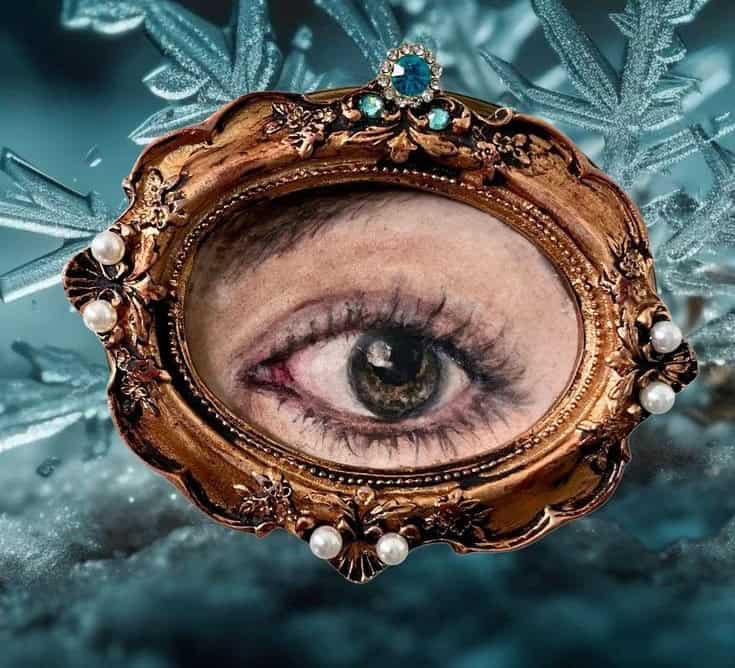
Few objects capture the tension between desire and discretion like the lover’s eye miniature. These small portraits, typically showing only an eye, became fashionable in Britain in the late eighteenth and early nineteenth centuries.
Painting of the eye, widow to one’s soul, is not something that an outsider can use to immediately identify the lover, while being very meaningful in its own right. Set into lockets, brooches, or rings, the recipient would know the gaze instantly. The rest of the world could only wonder.
Some include tears and softened expressions, hinting at longing and shared secrets. A similar spirit can be observed echoing in many modern coded keepsakes: cropped photographs, saved voice notes, private playlists that make sense only inside the relationship.
Vinaigrettes And Scented Sachets
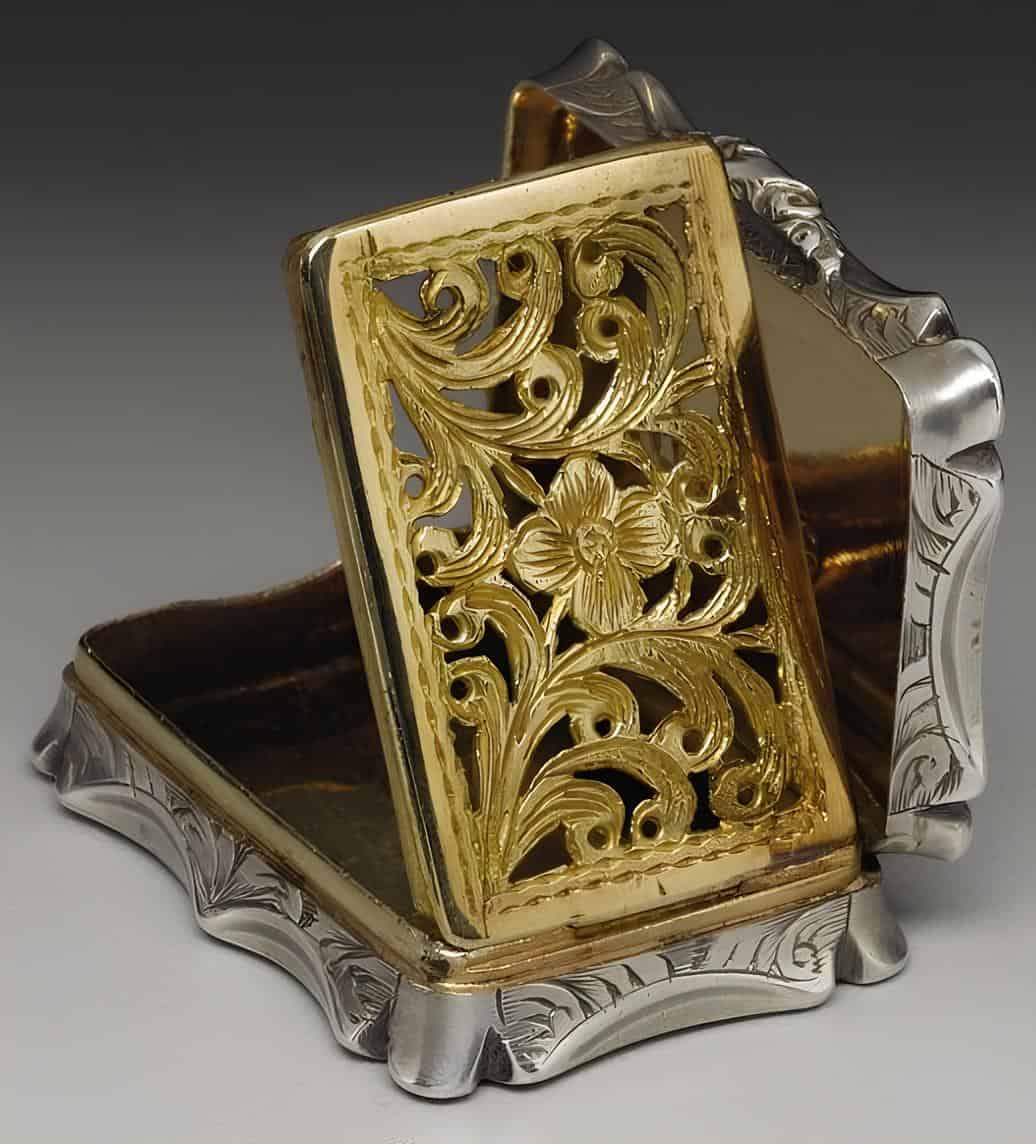
Some cultures used scent, the most memory-stubborn sense of all, as the carriers of their affection.
In the late eighteenth and nineteenth centuries, vinaigrettes were small decorative boxes designed to hold aromatics beneath a pierced grille. Vinaigrettes were worn on a chatelaine, carried in a pocket, or hung around the neck. They were tied to “smelling salts” culture and the management of odour, but their form also lent itself to gifting: intimate, elegant, handled close to the body.
Scented sachets play a parallel role in Chinese folk customs. Worn close to the body, they are seen as symbols of affection and care. They are especially visible around the Dragon Boat Festival, when people display and wear them, often filled with aromatic herbs and decorated with embroidery and tassels, and are believed to ward off evil and illness. In several regions, the same object also slips into romance: couples may exchange sachets as tokens of affection, turning fragrance into a private signature that lingers on clothing and skin long after the meeting ends.
Sweetheart Jewellery And Trench Art
When separation becomes dangerous, love turns practical again. Wartime produced an entire universe of portable tokens, and in Britain, one of the most recognisable forms is sweetheart jewellery: miniature replicas of military badges worn by women to signal connection and support.
Trench art expands the category further. “Trench art” is a modern umbrella term for items made during or soon after the First World War, often repurposing bullets, shell cases, driving bands, wood, bone, or embroideries. It also cautions that few pieces were literally made in trenches; while many were produced in workshops behind the lines, by civilians, or later by commercial trades.
This is love under pressure, one that yearns to be carried, to be touched, to outlast fear.
Combs
The comb is a recurring token of love and marriage across cultures. In parts of India and abroad, it appears both in courtship and in rituals that mark commitment. The logic is simple: a comb belongs to the body, to the private space of home where affection actually lives, and it returns to the hand in small, everyday moments.
In the Bastar region, there are courtship practices in which unmarried boys gift handmade wooden combs to girls they admire, turning patient craft into a wearable signal. Similar practices exist in China, where comb is used as a gift with a clear promise: bai tou xie lao—staying together until hair turns white. In that telling, giving a comb to a loved one is not decorative; it is a statement of duration, a vow translated into an object meant to be used again and again.
Love Tokens Today
Across eras, the pattern is remarkably consistent. People craft for love, they write, they create. Under the gusts of any powerful emotion, the human heart has craved to put it out into the world, to give it form, to give it words and verse and to make another experience the echoes of their own private storms. These tokens have only grown more resonant over the years. They remind us that affection has always needed a vessel, something small enough to carry and solid enough to keep.
In this era of speed, such gifts carved and crafted by hand perhaps hold deeper meaning, as they are not just a product of skill and effort, but also of the truest modern luxury: Time. To take time out to make something for a beloved means so much more in a world where it is scarce. This is your cue to put your hands to work and craft something for them. Even a handwritten letter goes a long way.
Read More: Latest