

56th FHRAI Annual Convention Ananta Kashi Concludes with a Call for Greater Government-Industry Collaboration
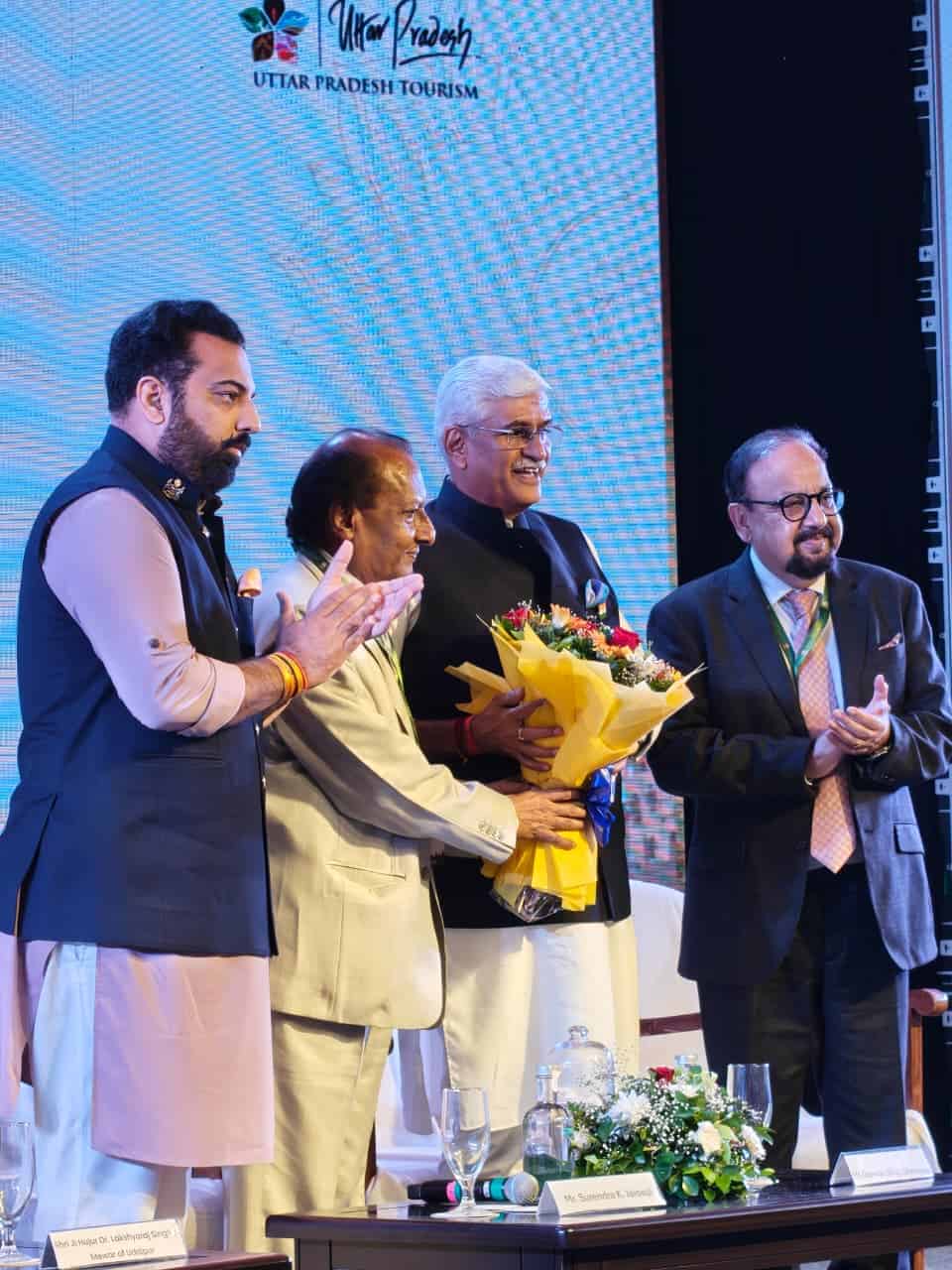
The three-day 56th Annual Convention of the Federation of Hotel & Restaurant Associations of India (FHRAI), themed “Ananta Kashi: Leading the Future of Tourism through Spirit, Culture, Cuisine & Craft,” concluded in Varanasi with a strong call for greater collaboration between government and industry to unlock the next phase of India’s tourism and hospitality growth
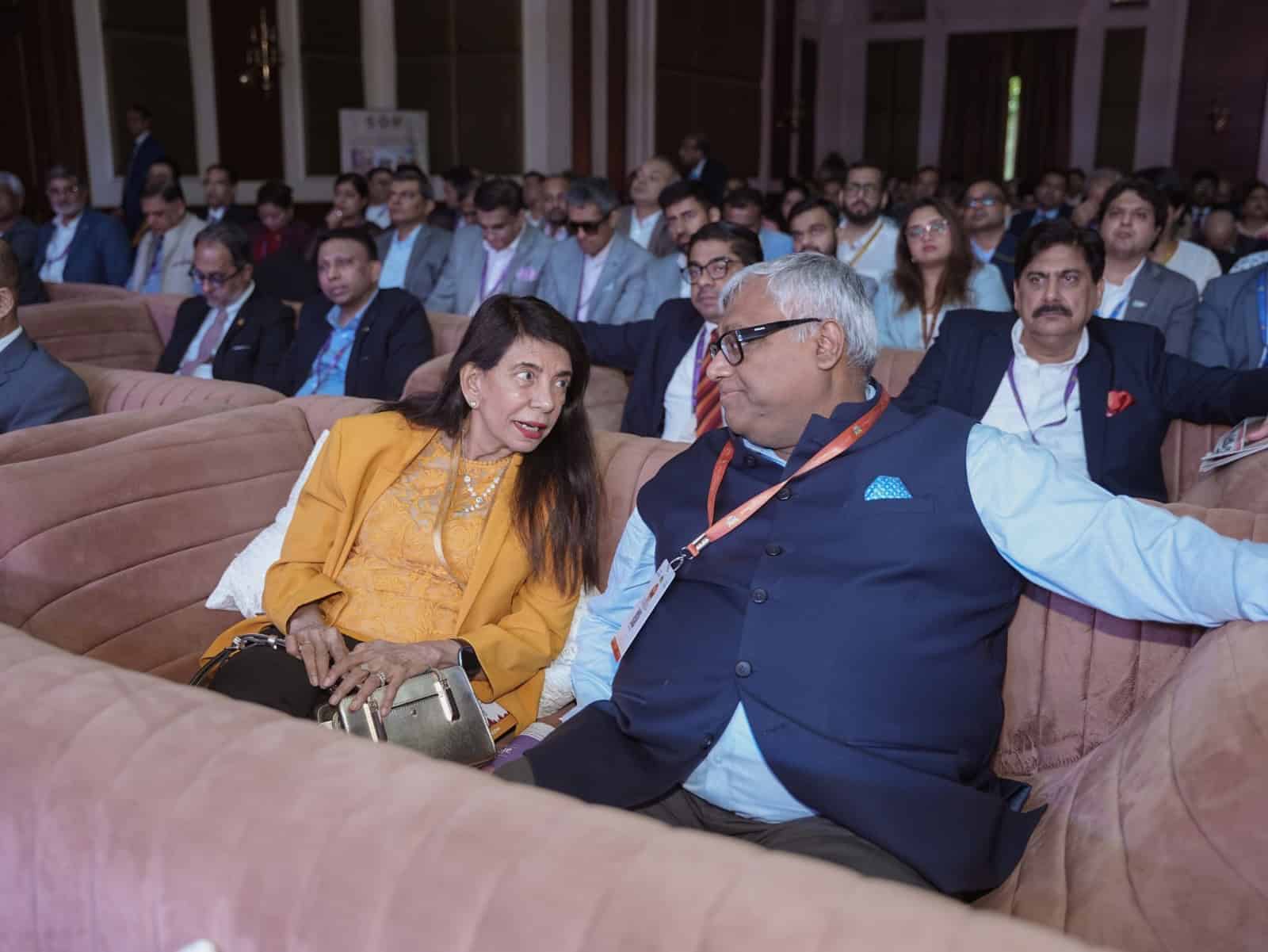
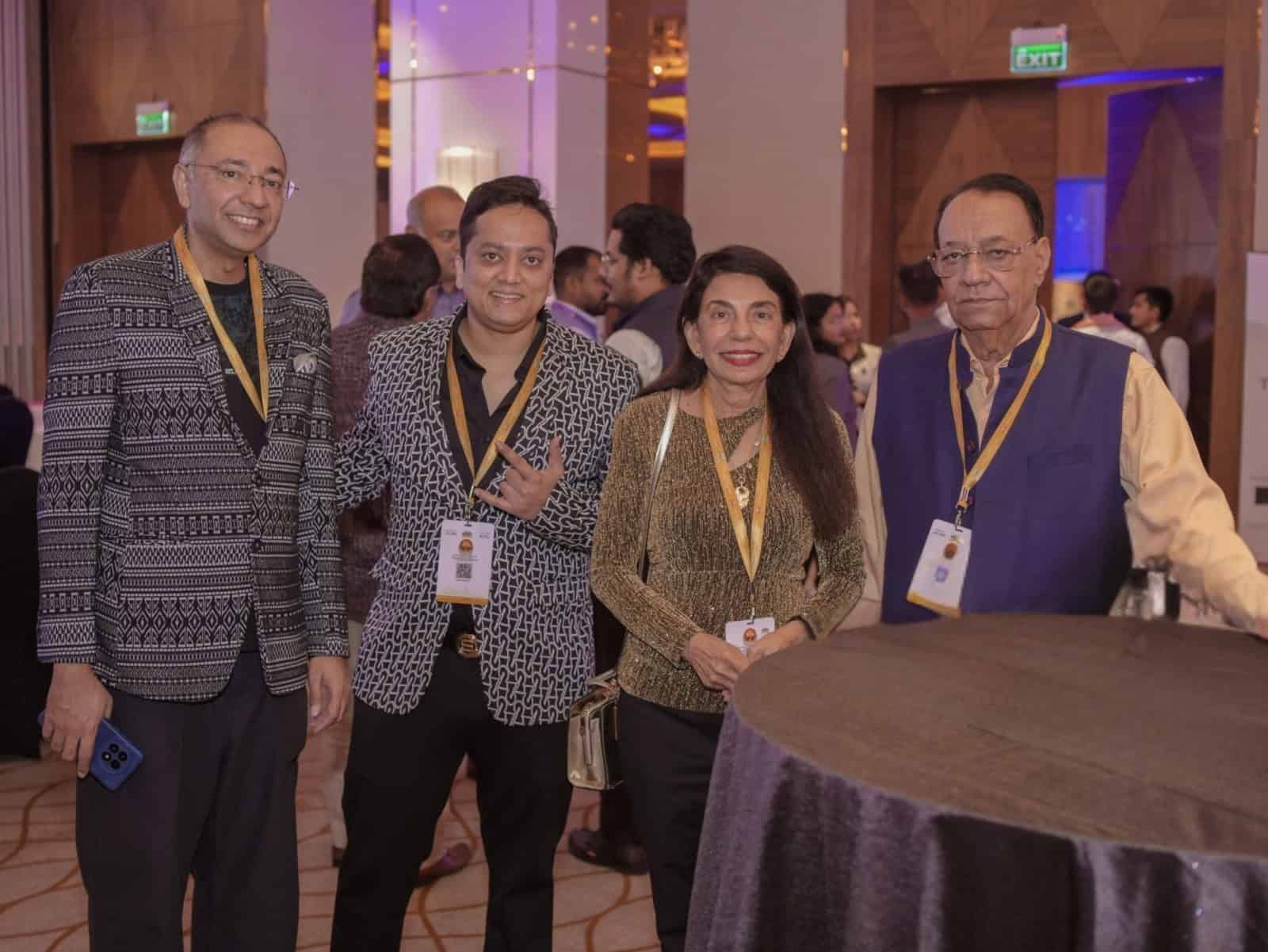
Held at Taj Ganges, Varanasi, the convention brought together approximately 1,500 delegates representing 22 states including leading hospitality companies, hotel chains, tourism stakeholders, policymakers, government officials, international diplomats, investors, travel professionals, technology companies and hospitality students. The convention placed Kashi at the centre of a larger conversation on how India can transform its civilisational heritage, spirituality, culture, cuisine, crafts and natural assets into globally competitive, sustainable and experience-led tourism.
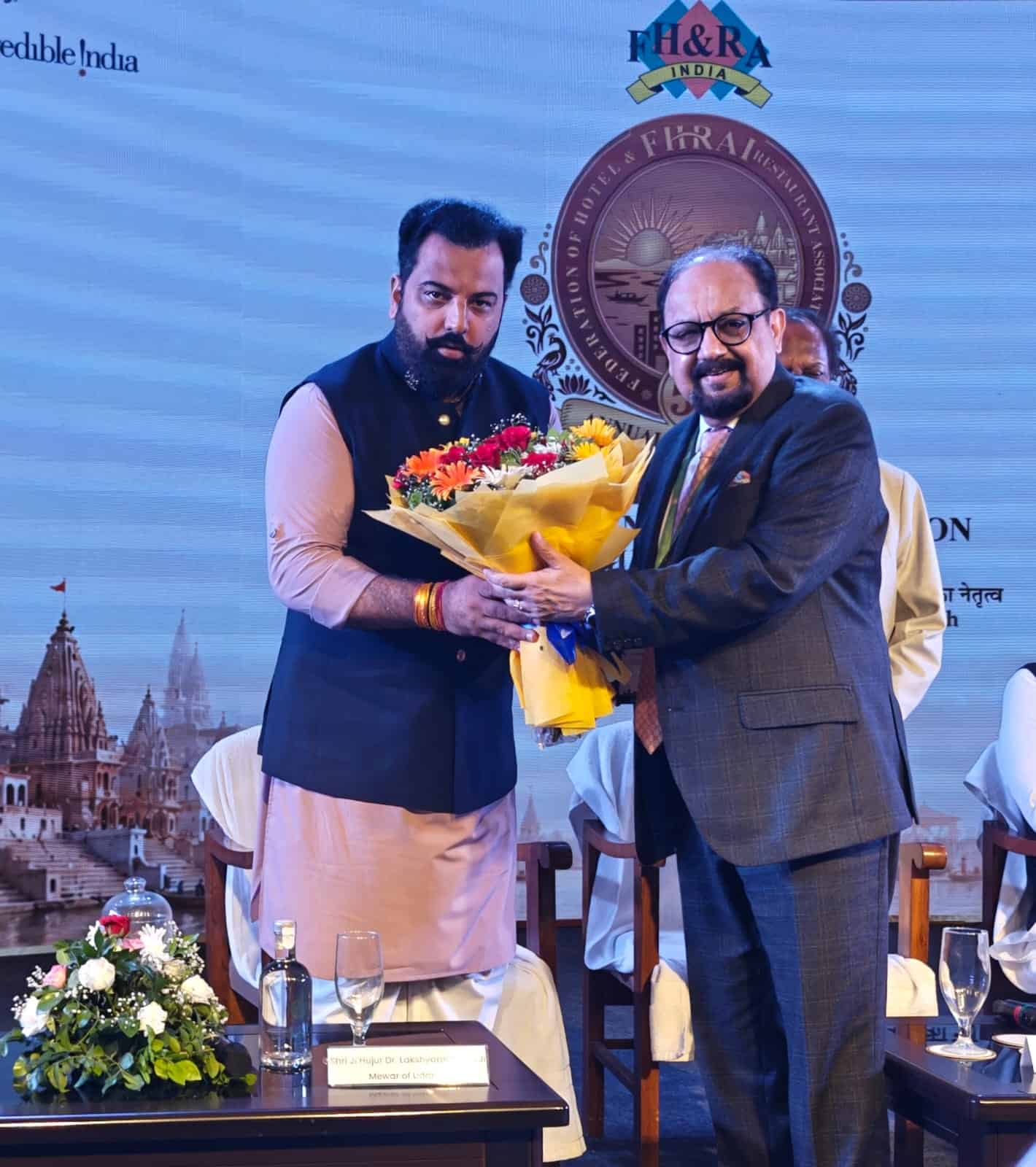
Reimagining the Future of Tourism
“The Future of Tourism Is About Experience, Not Just Destinations”: FHRAI President
The 56th FHRAI Annual Convention was inaugurated on August 21 in the presence of Chief GuestShri Satish Mahana, Hon’ble Speaker, Uttar Pradesh Legislative Assembly; Shri Kanak Vardhan Singh Deo, Hon’ble Deputy Chief Minister of Odisha; H.E. Vithaya Xayavong, Ambassador of the Lao People’s Democratic Republic to India; Shri Rohan A. Khaunte, Hon’ble Minister of Tourism, Goa; Shri Ravindra Jaiswal, Hon’ble Minister of State (Independent Charge), Stamp and Court Fee, Registration, Government of Uttar Pradesh.
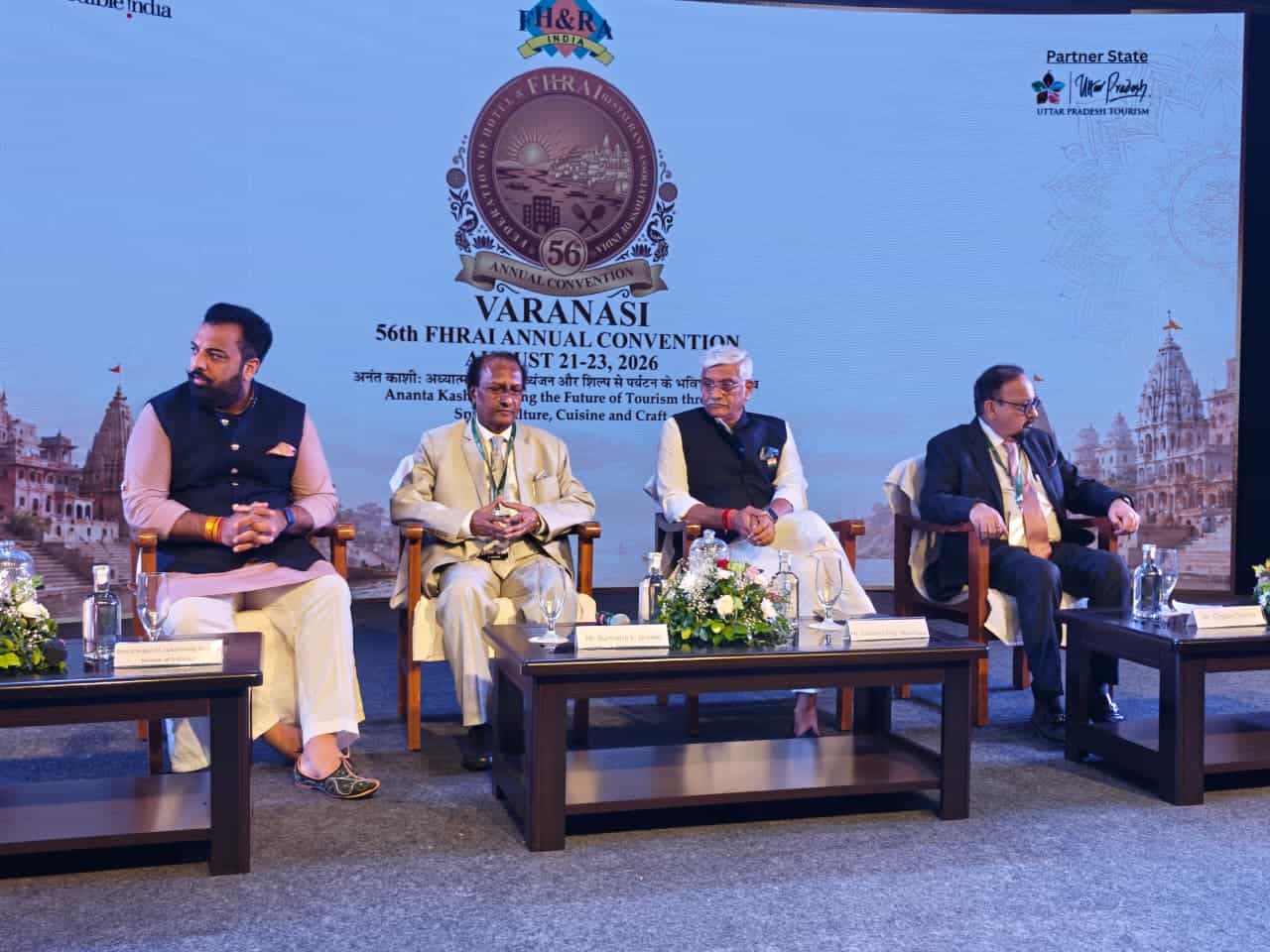
Shriji Huzur Dr. Lakshyaraj Singh Ji Mewar of Udaipur, Patron of the 56th FHRAI Annual Convention; Shri Dimitris Manikis, President & Managing Director – Europe, Middle East, Eurasia and Africa, Wyndham Hotels & Resorts; Shri K.B. Kachru, Chairman – South Asia, Radisson Hotels Group, and Ankita Jaiswal, Chairperson, Sustainable & Responsible Tourism, HRANI & UPHRA among other dignitaries.
The ceremonial inauguration was followed by the Presidential Address by FHRAI President Shri Surendra Kumar Jaiswal, who positioned the convention theme as a statement about the direction in which Indian tourism is moving and the kind of hospitality ecosystem India needs to build for the future.
Welcoming delegates to Kashi, Shri Jaiswal described Varanasi as an eternal city that has witnessed India’s civilisational journey for centuries while continuing to reinvent itself.
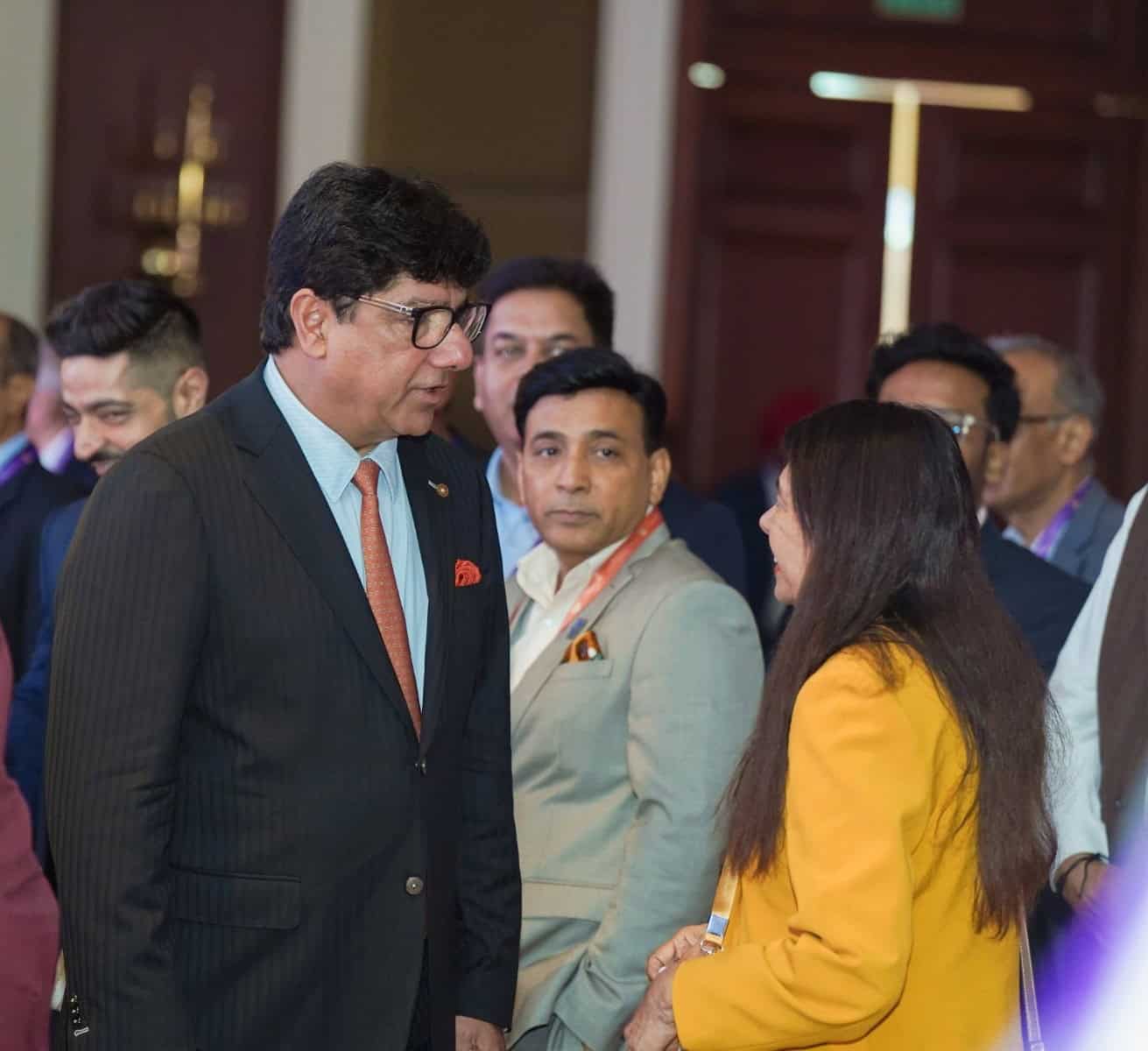
He said the theme “Ananta Kashi: Leading the Future of Tourism through Spirit, Culture, Cuisine & Craft” goes beyond a three-day convention. According to Shri Jaiswal, the future of Indian tourism cannot be defined merely by destinations, attractions, infrastructure or hotel rooms. It must increasingly be defined by experience—by the stories a destination tells, the culture it preserves, the cuisine it celebrates, the crafts it sustains and the human connections it creates.
A significant message of the Presidential Address was that tourism success should not be measured merely by tourist arrivals or the number of hotel rooms added. He cautioned that tourism cannot be called sustainable if local communities do not benefit from its growth.
“If hotels grow but artisans disappear, we have not protected the destination. If tourist numbers increase but local culture becomes weaker, we have not created meaningful tourism,” was the central thrust of his argument.
Garish Oberoi: “A Successful Convention Is Ultimately About People”
In his Welcome Address, Shri Garish Oberoi, Chairman, Convention Organising Committee, described Kashi as one of the most appropriate settings for India’s hospitality industry to reflect on its journey and future.
He said that there are occasions when the location of a convention becomes as important as the convention itself, and the 56th FHRAI Convention was one such occasion.
He highlighted how Kashi demonstrates that heritage can coexist with modern infrastructure, spirituality can coexist with contemporary tourism, and tradition can find renewed relevance in a changing world.
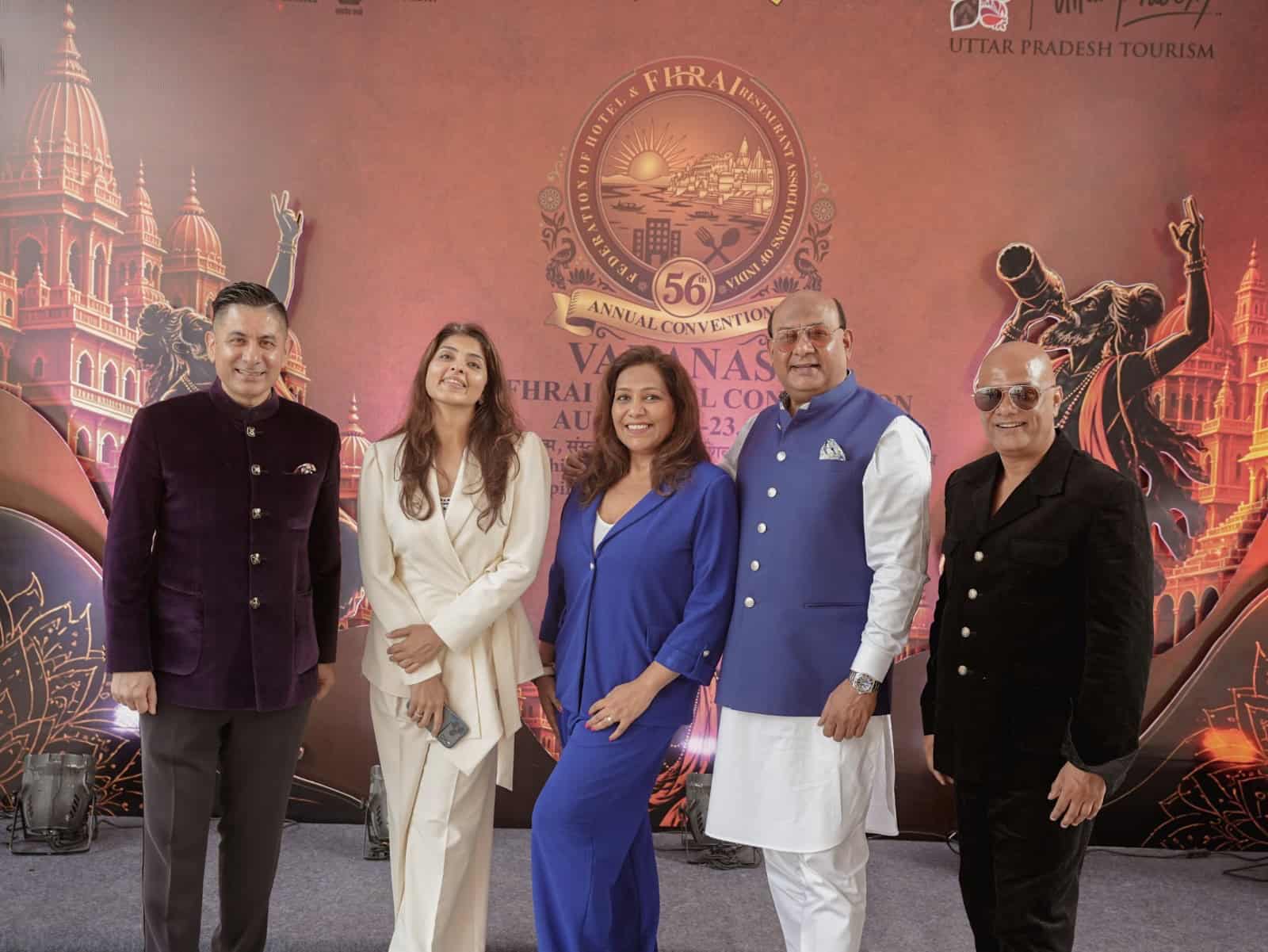
Shri Oberoi emphasised that a successful convention is ultimately about people—bringing the right people together, creating meaningful conversations and providing the environment for ideas and partnerships to emerge.
He concluded with a message that captured the spirit of the convention: “The future does not require us to leave our heritage behind; it requires us to carry that heritage forward in new and contemporary ways.”
Satish Mahana: Indian Diaspora Feels More Respected Since 2014
Chief Guest Shri Satish Mahana, Speaker of the Uttar Pradesh Legislative Assembly, said hospitality is deeply rooted in Indian culture through the philosophy of Atithi Devo Bhava.He said that the leadership and appeal of Prime Minister Narendra Modi have contributed to India becoming increasingly attractive to travellers from around the world.
He highlighted the transformation of Kashi and said that the changes taking place in the city are being recognised globally.“Since 2014, the Indian diaspora has also received greater respect and recognition, and we all feel proud of this,” he said.He added that Generation Z and Generation Alpha are the future of India, and that Kashi has an important role to play in nurturing them with values and cultural traditions.
Laos and India Share a Deep Buddhist Connection
H.E. Vithaya Xayavong, Ambassador of the Lao People’s Democratic Republic to India, said Buddhism provides a strong civilisational link between India and Laos, with Varanasi serving as an important connection. She said bilateral relations have strengthened significantly in recent years and invited Indians to experience Laos.
Kashi and Puri Can Become Strong Tourism Partners
Shri Kanak Vardhan Singh Deo, Deputy Chief Minister of Odisha, said Kashi is not merely a destination but a place where visitors experience spiritual energy. He highlighted the strong cultural and spiritual relationship between Puri and Kashi and expressed interest in strengthening tourism linkages between the two destinations.
Kashi and Goa Share a Special Tourism Bond
Shri Rohan A. Khaunte, Tourism Minister of Goa, said Kashi and Goa are among India’s best-known tourism destinations and share a special relationship, with Goa also being referred to as “Dakshin Kashi. “He said efforts are underway to strengthen religious tourism linkages between Goa and Kashi.
Shri Ravindra Jaiswal, Minister of State (Independent Charge), Stamps and Registration, Uttar Pradesh, highlighted the contribution of tourism and hospitality to India’s economic growth.
Maharaja Dr Lakshyaraj Singh Mewar said Kashi has become a world of tourism in itself and that India’s culture and traditions will remain among its greatest strengths in the 21st century.
Dimitris Manikis, President & Managing Director – EMEA, Wyndham Hotels & Resorts, said that having travelled to more than 100 countries, he considered Indian hospitality unique because of its Atithi Devo Bhava tradition.
Shri K B Kachru, Chairman- South Asia, Radisson Hotels Grouphighlighted how hotels are increasingly growing day by day. He also stated that this convention gives a most relevant platform to all the stakeholders of the tourism and hospitality sector.
He said he is very delighted to be part of this grandeur convention and future of India’s tourism.
FHRAI Honour 15 Maestros of Varanasiwith the Bharat Gourav Awards
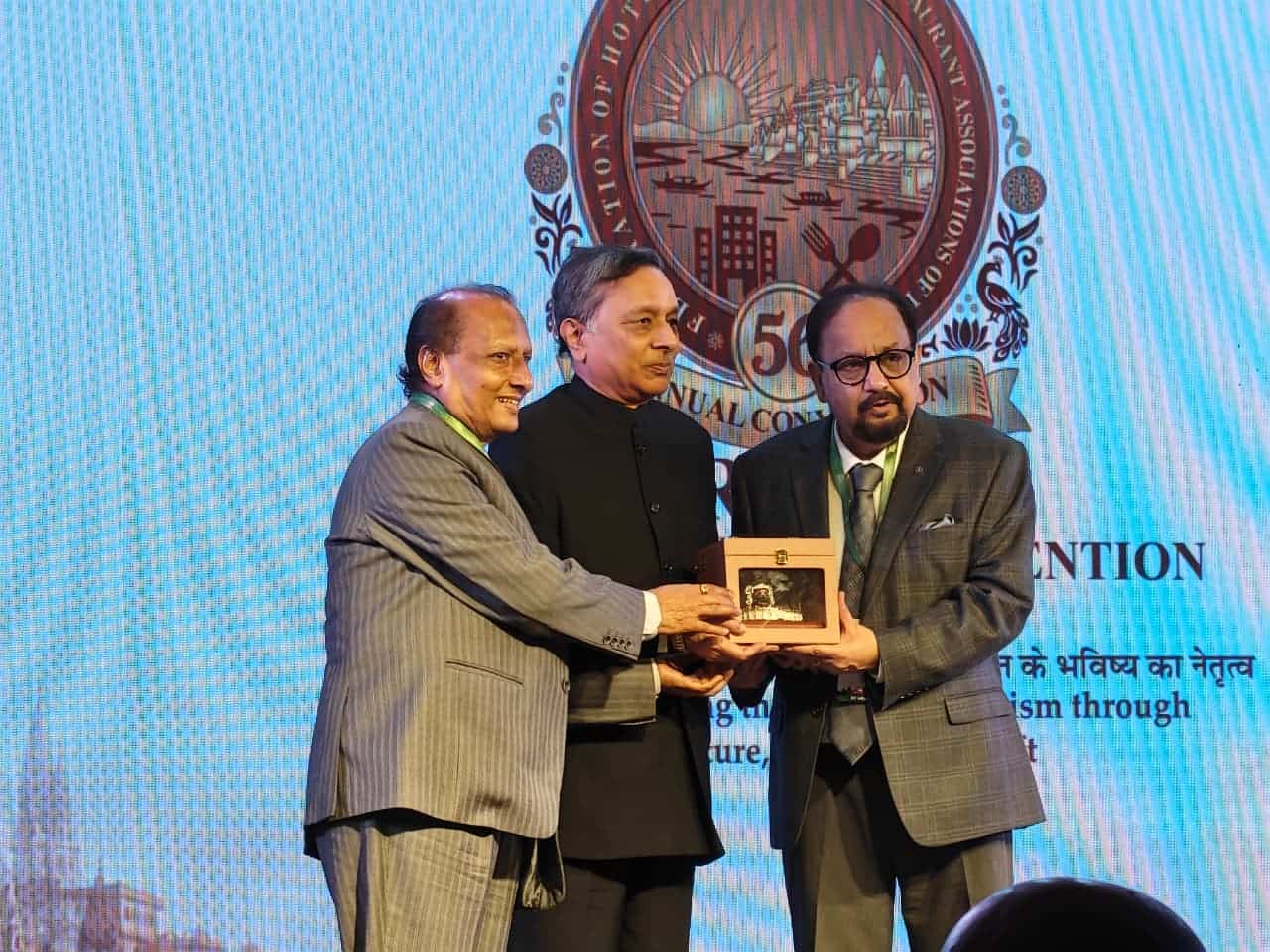
The convention honoured 15 eminent personalities associated with the music, art, literature and cultural heritage of Kashi through the FHRAI Bharat Gourav Awards – Honouring the Maestros of Varanasi.
The awardees included:
Bharat Ratna Late Shri Pandit Ravi Shankar; Bharat Ratna Late Ustad Bismillah Khan; Padma Vibhushan Late Shri Kishan Maharaj; Padma Vibhushan Late Smt. Girija Devi; Padma Vibhushan Dr. Devi Prasad Dwivedi; Padma Vibhushan Pandit Chhannulal Mishra; Padma Shri Dr. Harihar Kripalu Tripathi; Padma Shri Dr. Rajni Kant; Padma Shri Rajeshwar Acharya; Padma Shri Chandra Shekhar; Padma Shri Pandit Ganeshwar Shastri Dravid; Padma Shri Pandit Shiv Nath Mishra; Padma Shri Mangala Kapoor; Upanyas Samrat Late Shri Munshi Premchand; and Karpatri Ratna Dr. Nagendra Pandey.
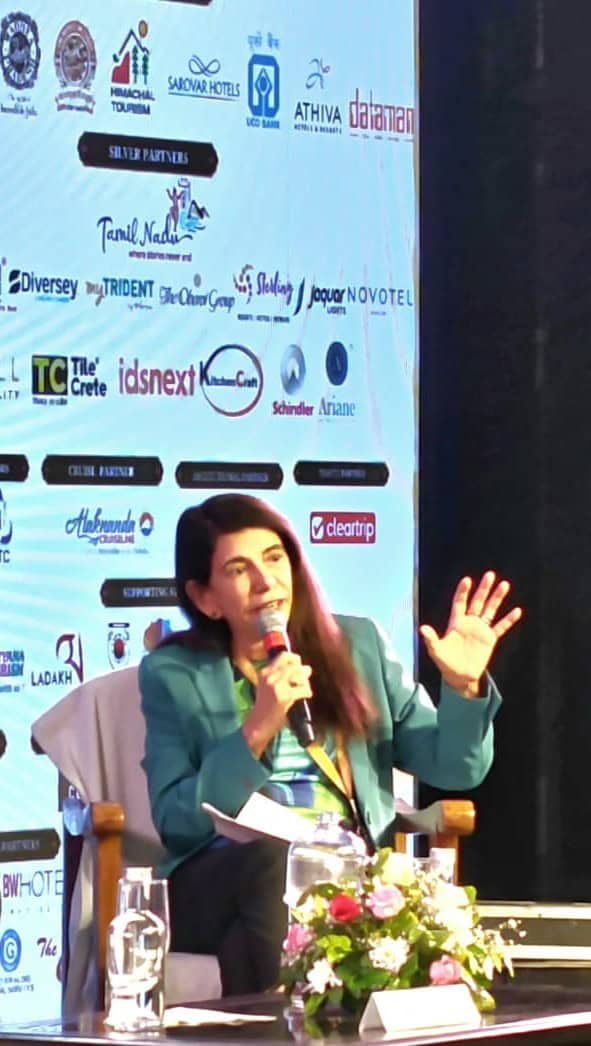
The evening also featured performances showcasing the rich musical heritage of Kashi, including a sitar recital by Pt. Deobrat Mishra, Kathak by Pt. Rudra Shankar Mishra and Shehnai by Ustad Rizwan Haider.
Tourism Forward: Shaping What Comes Next
Uttar Pradesh’s Tourism Image Has Changed: Jaiveer Singh
On the second day, Shri Jaiveer Singh, Minister of Tourism & Culture, Government of Uttar Pradesh, said that the perception of Uttar Pradesh has changed significantly across the world. He credited the combined efforts of the Central and State Governments and said that the state’s tourism policies have created a more investor-friendly environment. He highlighted the transformation of Kashi and described the inclusion of Sarnath as Uttar Pradesh’s fourth UNESCO site as a major opportunity.
He said the state is working on 12 tourism and religious circuits and invited hospitality and tourism entrepreneurs to invest in Uttar Pradesh.
Uttar Pradesh Sees Strong Tourism Growth
Shri Awanish Kumar Awasthi, Advisor to the Hon’ble Chief Minister of Uttar Pradesh, said Uttar Pradesh has recorded significant growth in tourism and that the presence of Kashi and Ayodhya among globally prominent tourist cities is a matter of pride.
He said tourism guidelines have been simplified to facilitate the hotel industry and added that the state is also focusing on wellness tourism.
Shri Bhuvnesh Kumar, IAS, Secretary, Ministry of Tourism, Government of India, highlighted India’s rapid tourism infrastructure expansion, noting the increase in airports from 74 to 170 and the role of highway connectivity in driving tourism.
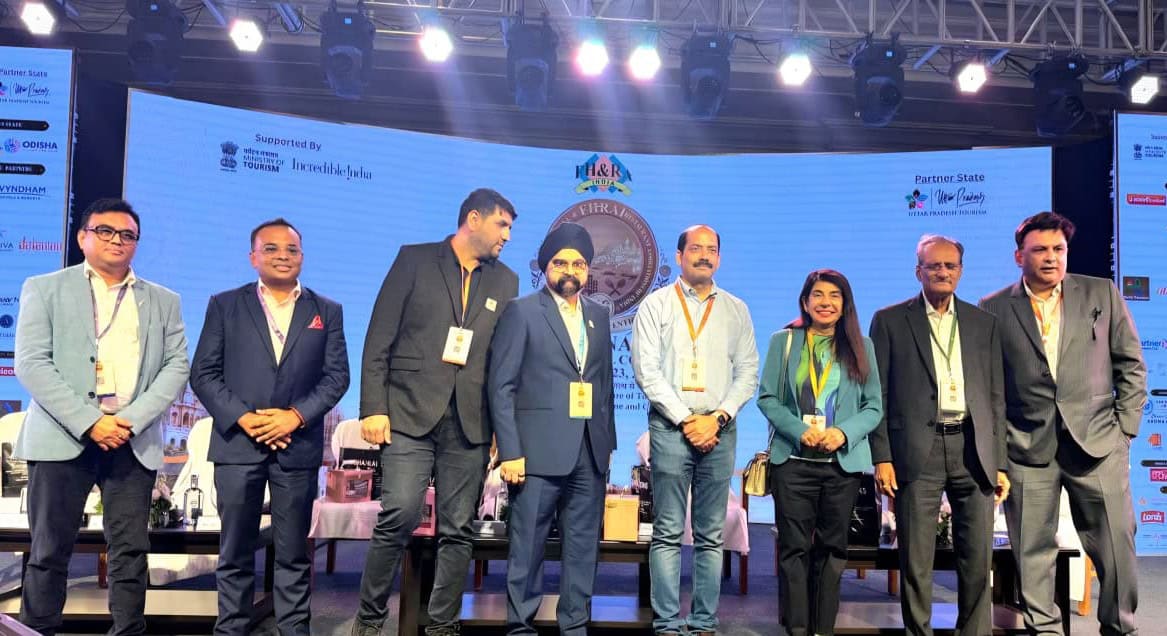
He said tourism currently contributes around 5–6 per cent to the economy and that a substantial increase in this contribution could significantly accelerate India’s economic rise.
Shri Amrit Abhijat, IAS, Additional Chief Secretary, Tourism & Culture Department and Religious Affairs Department, Government of Uttar Pradesh, presented an overview of the state’s tourism development and opportunities.
Odisha Invites Tourism Investment
During the Odisha Tourism Partner Session, Smt. Pravati Parida, Deputy Chief Minister of Odisha, highlighted Odisha’s religious tourism potential through Lord Jagannath while emphasising the development of new destinations and adventure tourism experiences.She said Odisha aims to ensure that visitors experience both Odia culture and Odia hospitality. Balwant Singh, IAS, Commissioner-cum-Secretary, Department of Tourism, Government of Odisha, presented the state’s tourism opportunities.
International Cultural Exchange
A special interaction with H.E. Ms. ChavanartThangsumphant, Ambassador of Thailand to India, focused on strengthening cultural and tourism exchanges.She interacted with Ms. Ankita Jaiswal, Chairperson, Sustainable & Responsible Tourism, HRANI & UPHRA, on strengthening tourism cooperation.
She invited Indians to experience Thai culture and highlighted the popularity of Banarasi sarees in Thailand, while pointing to opportunities for Indian travellers to explore Thailand’s Buddhist cultural heritage.
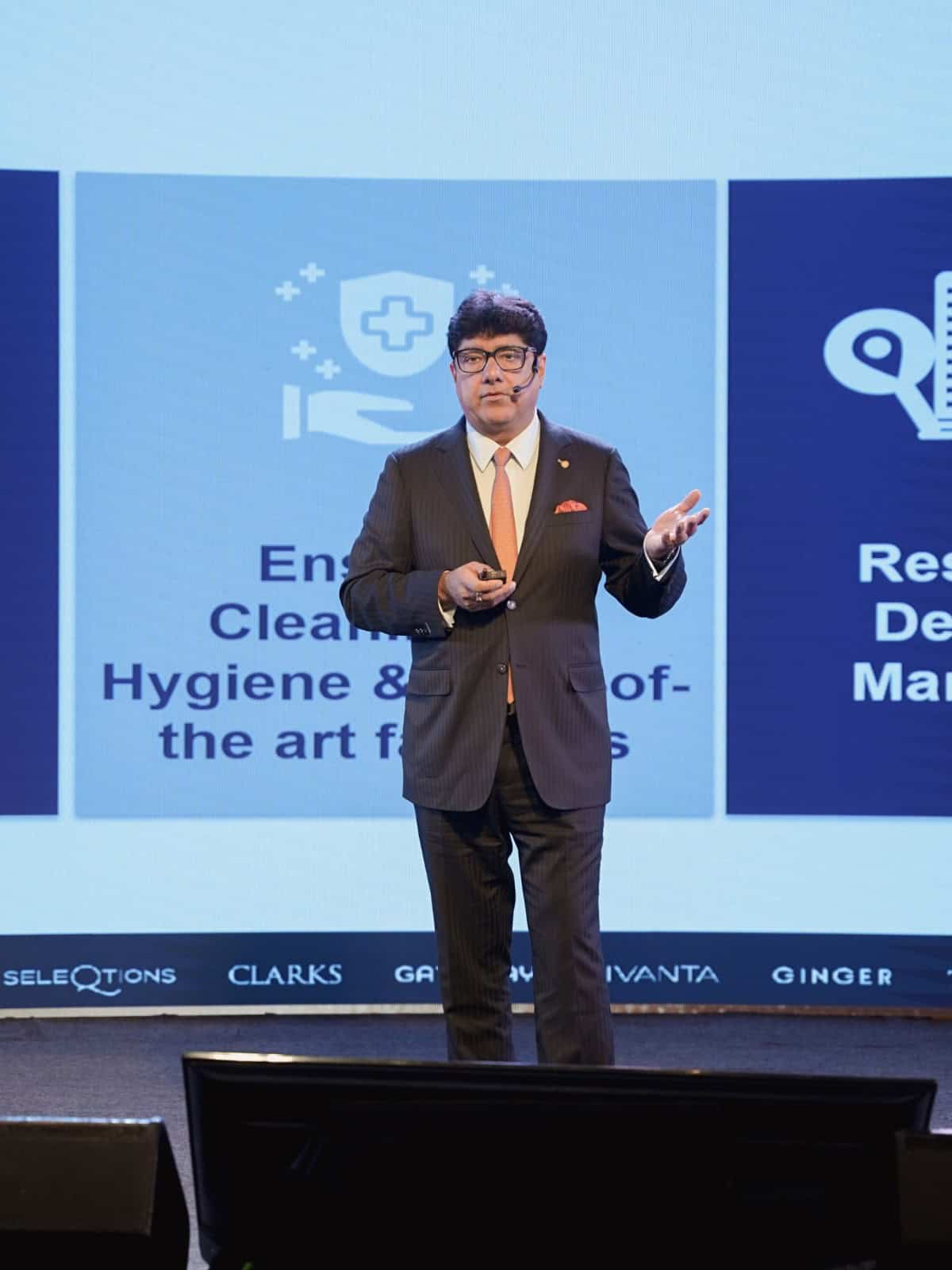
A major highlight of the second day was the standalone Keynote Address by Puneet Chhatwal, Managing Director & Chief Executive Officer, IHCL (Taj Group).
His address placed travel, tourism and hospitality at the centre of India’s long-term economic ambitions and highlighted the sector’s potential to become one of the country’s leading engines of employment generation, foreign exchange earnings, investment and economic growth. Chhatwal highlighted the potential of tourism and hospitality to contribute significantly to India’s ambition of becoming a $30 trillion economy by 2047.
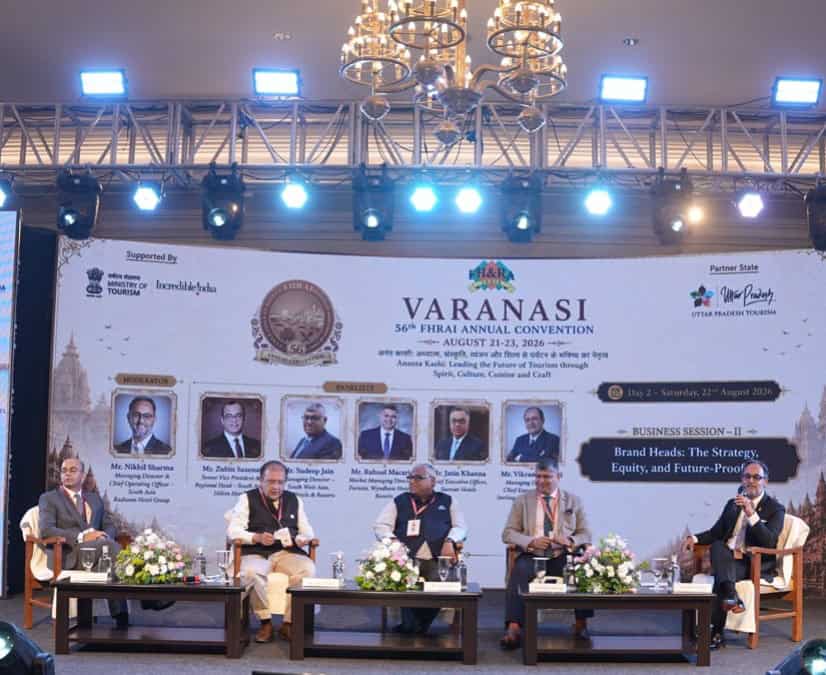
The day also witnessed various business sessions such asSacred Vows, Spectacular Venues: The Future of Destination Weddings in India which wascurated by: Shriji Huzur Dr. Lakshyaraj Singh Ji Mewar of Udaipur;Brand Heads: The Strategy, Equity, and Future-Proofing;The Future of Spiritual & Wellness Tourism in India: Tradition, Transformation and Technology followed by Architects & Developers: Chasing the Lowest Construction Cost-Per-Key.
Delegates Experience Ganga Aarti at Namo Ghat
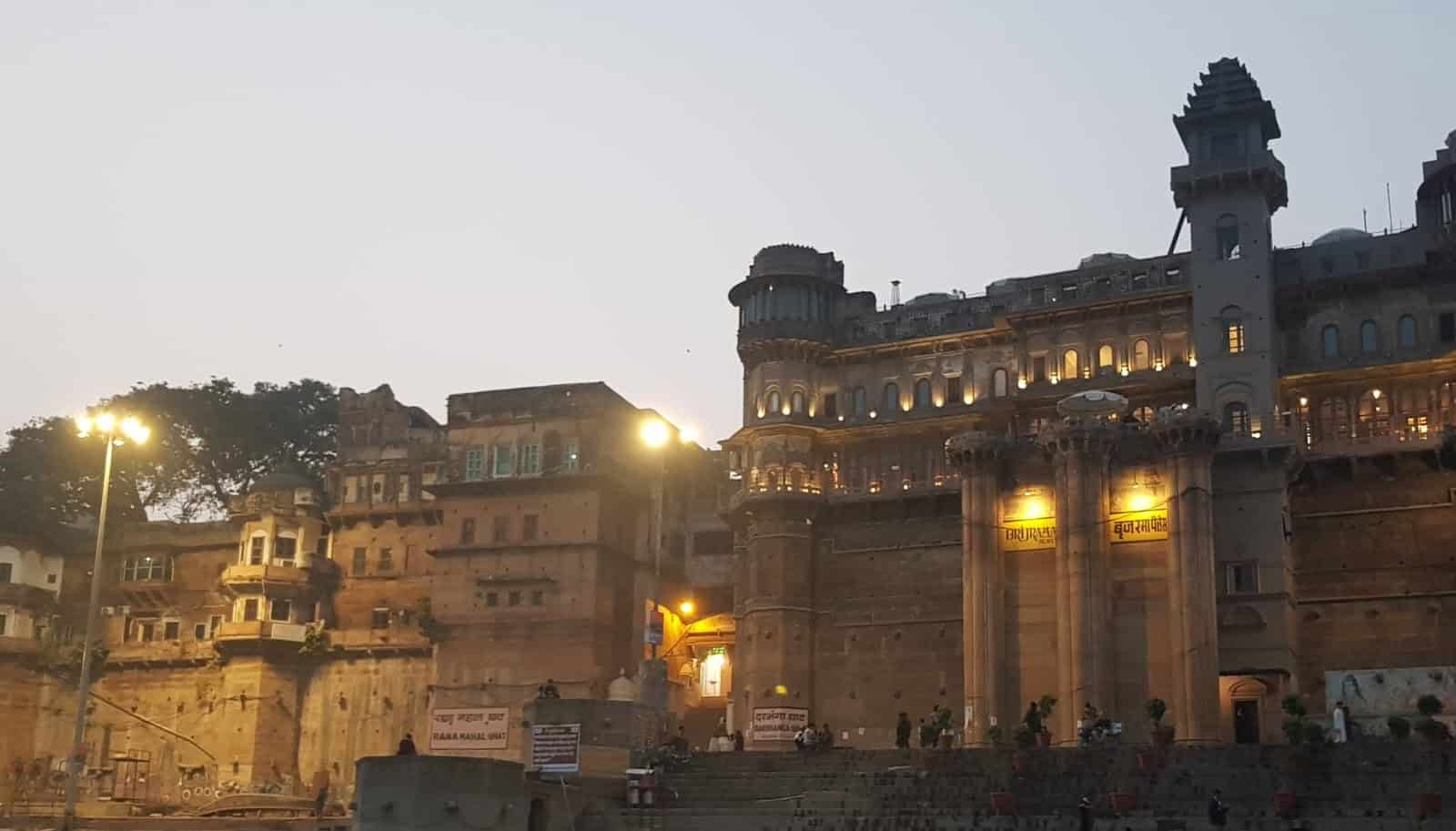
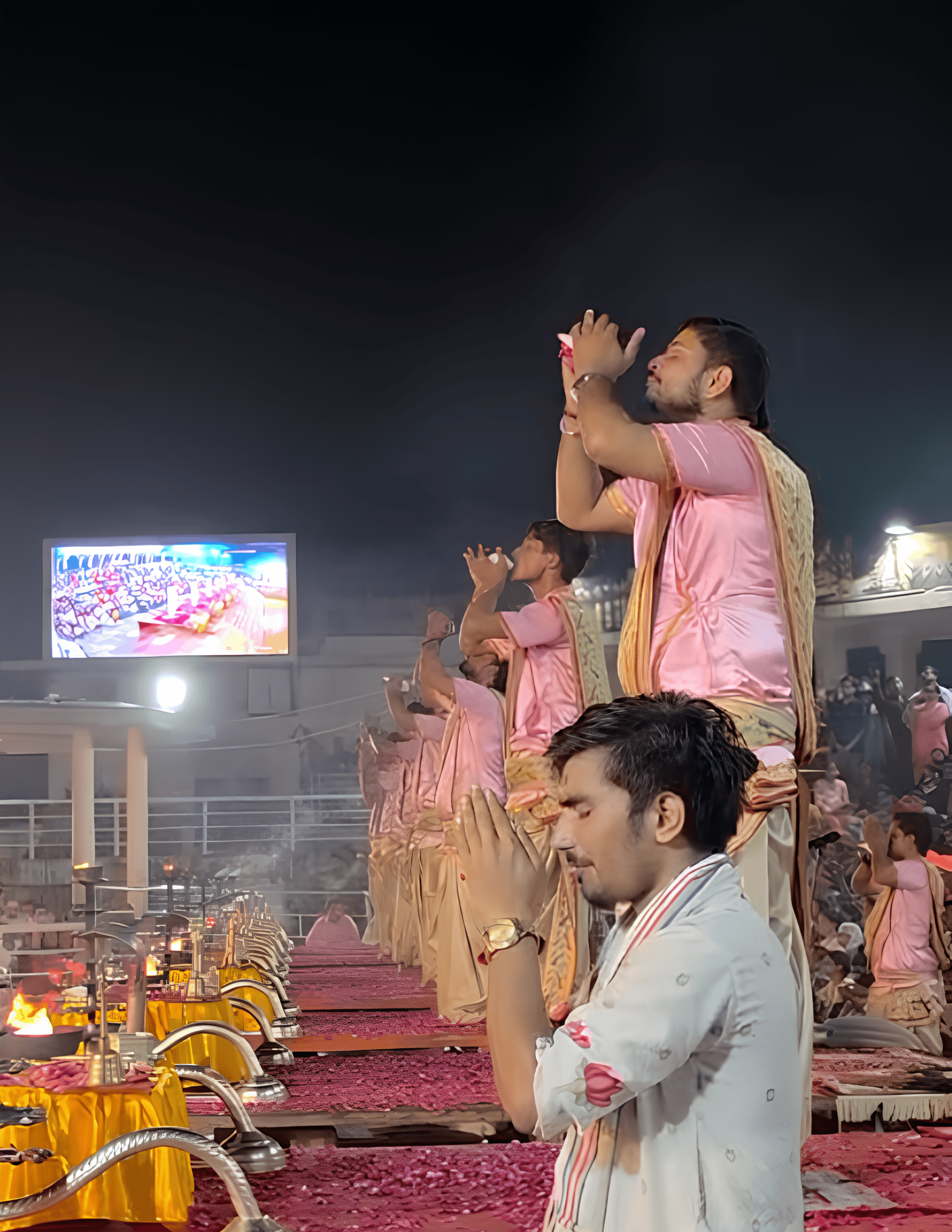
The second day concluded with delegates witnessing the spectacular Ganga Aarti at Namo Ghat.Delegates experienced the ceremony from a cruise and captured the spiritual and visual splendour of the River Ganga.
The evening continued at Hotel Hilton, Varanasi, with a wedding show by KamaKazi, followed by a singing performance by Rahul and Rohit Mishra.
Future Ready: Reinventing Tourism
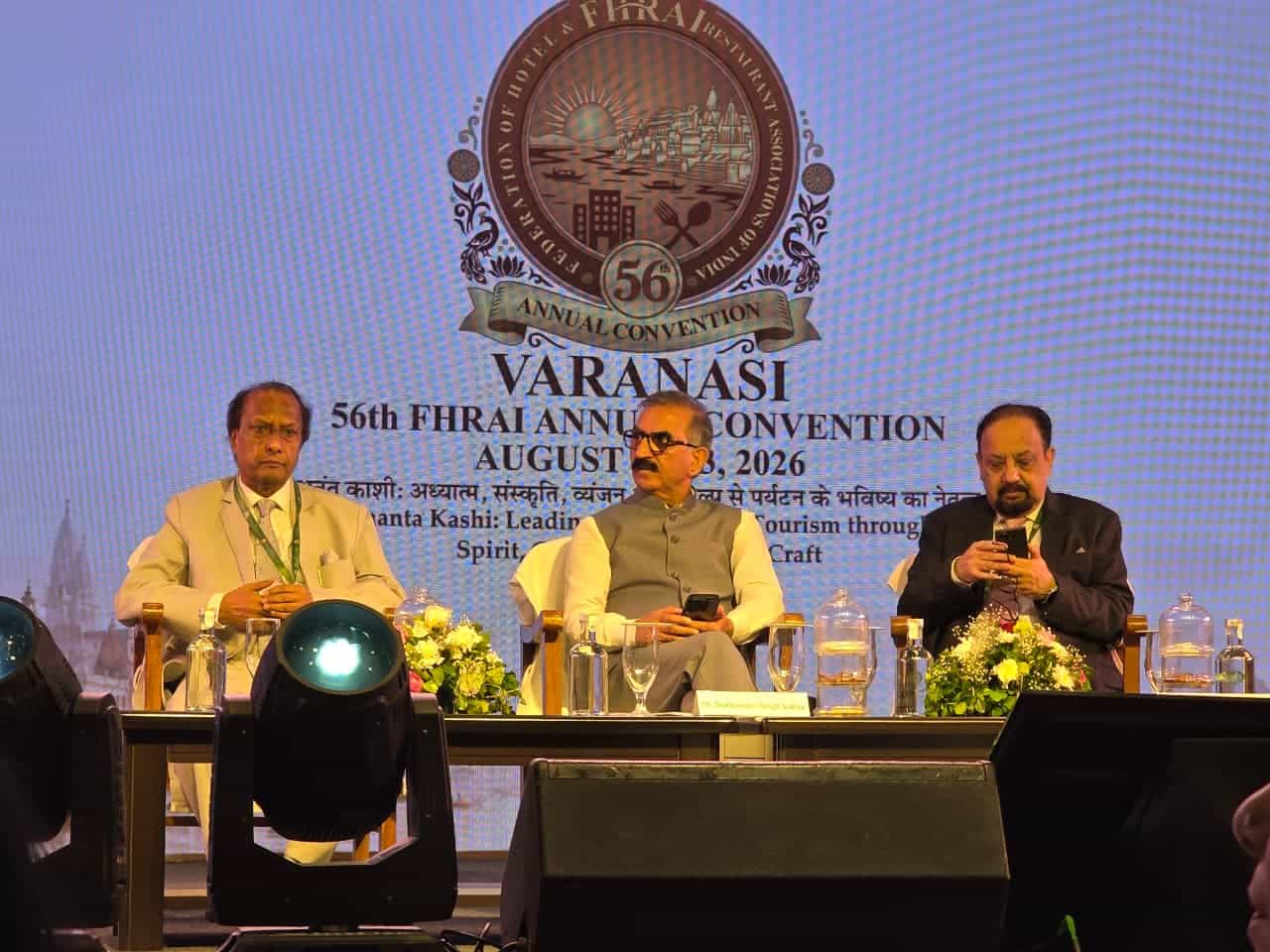
Mountains and Nature Are Himachal Pradesh’s Strength: Sukhvinder Singh Sukhu
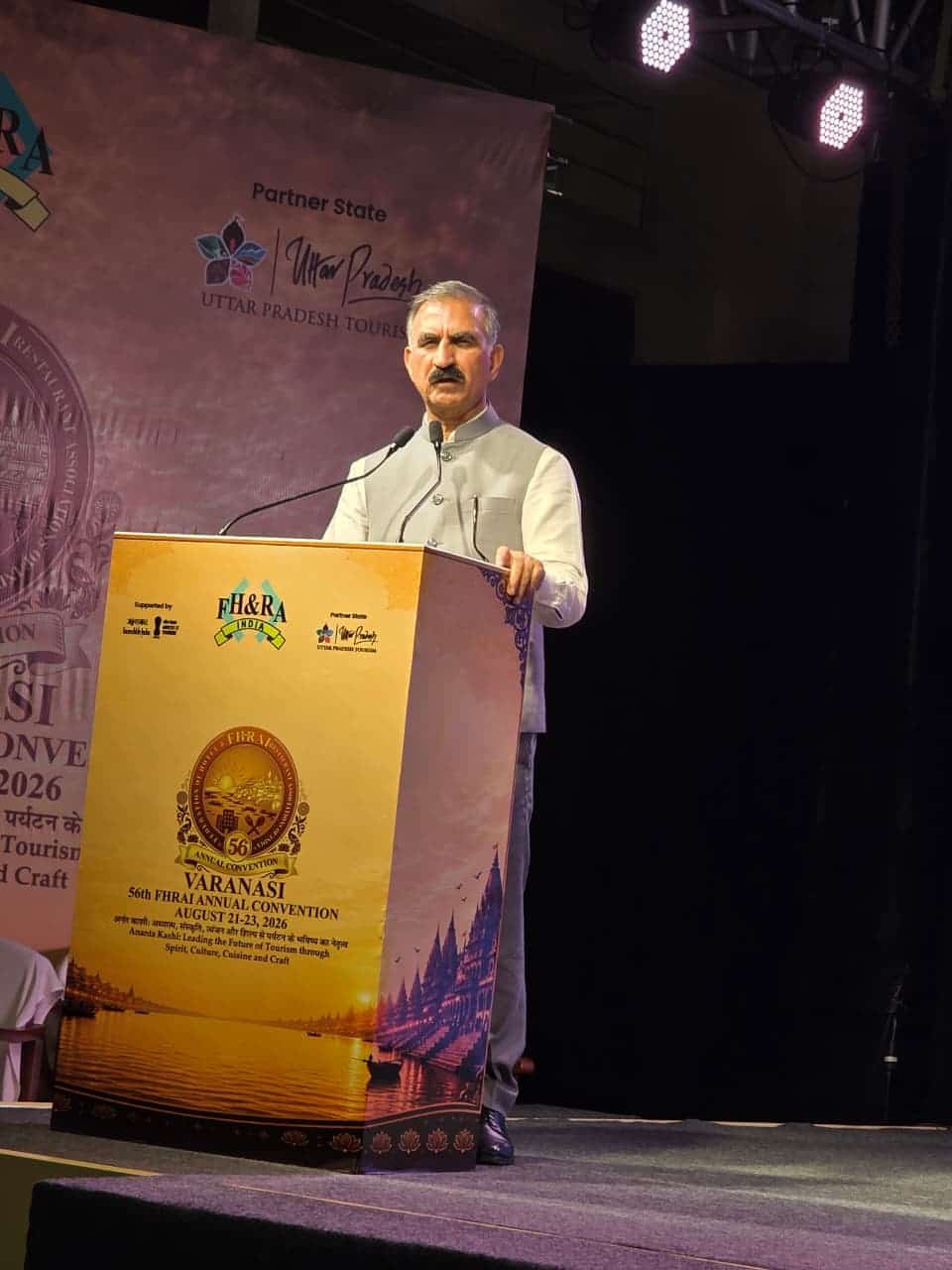
Addressing the opening session on the third day, Shri Sukhvinder Singh Sukhu, Hon’ble Chief Minister of Himachal Pradesh, said that the state’s mountains and natural environment should not be viewed as a challenge but as its greatest strength.
He said Himachal Pradesh wants tourists to experience nature in an authentic and sustainable manner. The Chief Minister highlighted efforts to improve air connectivity and said the Aerocity project at Dharamshala is in its final stage.
He also mentioned that despite only around 30 per cent of the state’s land being available for development, the government has begun facilitating land availability for large hotel and restaurant chains through a single-window system. He invited hospitality investors seeking to develop projects close to nature to invest in Himachal Pradesh.
MICE, Technology and Travel Trade Shape the Future of Tourism
The session “Building MICE & Wedding Capital: Transforming Indian Cities into Global Mega-Event Destinations” brought together hospitality, tourism, design and industry experts to examine how Indian cities can build the infrastructure and ecosystem required to attract large international events.
Government–Industry Collaboration at the Core of India’s Tourism Future
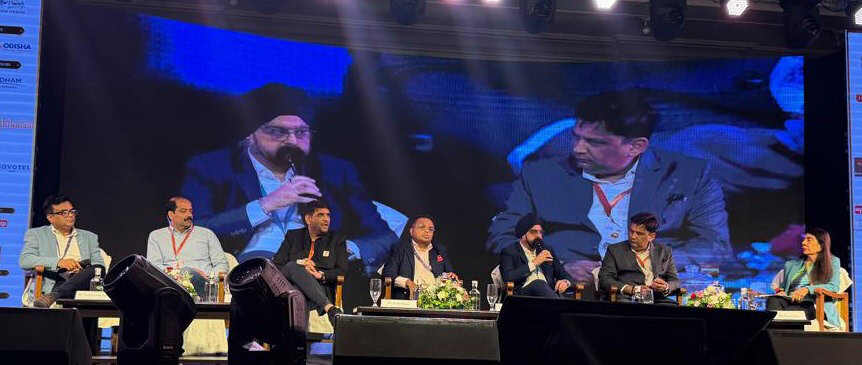
The Business Session ‘Shaping India’s Tourism Journey: A Government – Industry Dialogue” discussion complemented the broader messages emerging from the convention, including the need to Government – industry collaboration.
The session underscored that India’s tourism ambition cannot be delivered by government or industry acting independently. A sustained government–industry partnership is essential to translate India’s enormous tourism potential into economic and social value.
The session brought the government and industry together to examine the policy environment, destination development, investment opportunities, infrastructure, tourism growth and the steps required to make India’s tourism ecosystem more competitive. The session was chaired Gyan Bhushan, IES, Senior Economic Adviser, Ministry of Tourism. The session was moderated by Pradeep Shetty, Past President, FHRAI, whose leadership and long-standing association with FHRAI brought an important industry perspective to the dialogue.
The convention also featured discussions on “Tech & Transformation: Future-Proofing Indian Hospitality,” focusing on digital transformation, technology solutions, distribution, communication and emerging tools for hospitality businesses.
Another session, “Unlocking New Tourism Opportunities: The Role of Travel Agents & Tour Operators,” brought together representatives of India’s leading travel trade organisations to discuss the changing tourism market and the role of travel agents, tour operators and tourist transporters in unlocking new domestic and international tourism opportunities.
Sri Lanka Calls for Stronger Tourism and Investment Ties
H.E. Ms. Mahishini Colonne, High Commissioner of Sri Lanka to India, emphasised the close relationship between India and Sri Lanka.She said approximately 280,000 Sri Lankans travel to India every year, while around 500,000 Indians visit Sri Lanka.
She interacted with Ms. Ankita Jaiswal, Chairperson, Sustainable & Responsible Tourism, HRANI & UPHRA, on strengthening sustainable and responsible tourism cooperation.
Tourism Industry Is the Growth Engine of the Nation: Gajendra Singh Shekhawat
The convention concluded with a valedictory session addressed by Chief Guest Shri Gajendra Singh Shekhawat, Hon’ble Minister of Tourism & Culture, Government of India.He described hospitality as one of the most important industries contributing to nation-building.
“The hospitality industry is a growth engine for the nation,” he said.
Shri Shekhawat highlighted the government’s objective of increasing the sector’s contribution to GDP from around 5 per cent to 10 per cent in the coming years, which would position tourism and hospitality among the country’s largest contributors to economic growth. He said that government initiatives over the past decade have created significant opportunities for the hotel industry and that the benefits are reaching citizens across the country.
He also acknowledged FHRAI’s contribution towards generating employment at the local level. The Minister said that while the sector has enormous potential, it also faces challenges. The government, he said, therefore needs to provide not only policy direction but also the resources and enabling environment required for the industry to grow.
He reiterated the government’s focus on Ease of Doing Business and creating a supportive ecosystem for hospitality and tourism. He added that every person arriving in Kashi is welcomed by the city’s traditions and culture.
India Emerging as a Major Destination for Destination Weddings
In his special address, Maharaja Lakshyaraj Singh Mewar highlighted India’s growing position as a destination wedding market.He said that India is now hosting more destination weddings than Italy and noted the pioneering role played by the Mewar family in the development of destination weddings in India.
English Communication Report Launched
During the convention, ETS and FHRAI jointly launched the report titled “Job Relevant English Communication Needs for Hospitality Roles in India.”
The report is designed to help hospitality professionals and employers understand the English communication requirements associated with different job roles within the sector.
The report was released by the Past Presidents of FHRAI, Garish Oberoi, Kamlesh Barot and Syama Raju, and Shri Ajay Pratap Singh, Regional Director, ETS.
Kashi’s Culture, Cuisine and Craft Remain at the Heart of the Convention
The convention also celebrated the cultural richness of Varanasi through its exhibitions, culinary experiences, music, classical arts and local products. On the third day, Chief Minister Shri Sukhvinder Singh Sukhu visited the various exhibition and stalls.
A Convention that connected India’s tourism future with is Civilisational roots
The 56th FHRAI Annual Convention demonstrated that the future of Indian tourism lies not merely in increasing tourist numbers but in creating deeper, longer, more meaningful and more sustainable experiences. From spiritual and wellness tourism to destination weddings, MICE, technology, hospitality infrastructure, skilling, travel trade, cultural exchange and government–industry collaboration, the three-day convention addressed the critical issues that will shape India’s tourism economy over the coming decade.
The discussions also reinforced the need to balance growth with sustainability, modernisation with cultural preservation, technology with human warmth, and globalisation with local identity.
With Kashi serving as the backdrop, “Ananta Kashi” emerged as a reflection of the larger opportunity before India—to transform its extraordinary civilisational assets into globally competitive tourism experiences while ensuring that the benefits of tourism reach local communities, entrepreneurs, artisans, hospitality professionals and destinations across the country.
The convention concluded with a renewed commitment from the hospitality and tourism fraternity to work alongside governments, destinations, communities and technology partners to build a tourism ecosystem that is modern in outlook, sustainable in practice and deeply rooted in India’s identity.
Read more: News