

Spiritual tourism surges as Gen Z blends pilgrimage, wellness, culture and technology into transformative travel experiences
India’s spiritual landscape in 2026 stands in the middle of a remarkable renaissance, led by an unexpected generation: Gen Z. Along the ghats of Varanasi, inside bhajan clubbing sessions in Mumbai, across reimagined pilgrim routes and ticketed healing concerts, young Indians are reshaping spiritual seeking. This shift feels cultural, emotional and experiential. It is also reshaping India’s tourism economy, with spiritual travel recording 21.4% growth and more than 59 billion dollars in economic value.
The Numbers Tell a Remarkable Story
Maha Kumbh 2025 in Prayagraj, held between 13 January and 26 February, welcomed more than 660 million devotees. It ranks as the largest human gathering ever recorded.
Ayodhya reflects an even more vivid transformation. The city recorded 230 million visitors during the first six months of 2025, exceeding the 160 million who arrived through all of 2024 and completely overshadowing the 57.5 million tourists who came in 2023. On New Year’s Day 2025 alone, more than five lakh devotees gathered for darshan of Ram Lalla, with daily averages staying near 1.5 lakh pilgrims.
Varanasi welcomed more than 11 crore visitors in 2024, marking an 18.7% increase over 2023. During the first quarter of 2025, domestic visitors rose by 77.6% and touched 11.46 crore, while foreign arrivals went up by 34.2% and crossed 1.5 lakh visitors. By mid 2025, Varanasi had already attracted 12.9 crore visitors, with more than 25.28 crore devotees visiting Kashi Vishwanath Temple alone since the inauguration of the corridor. More than 50 major religious destinations across India, including Katra, Amritsar, Haridwar and Tirupati, have seen record-breaking surges.
The Gen Z Difference
Surveys indicate that 82% of Indian travellers plan journeys around cultural offerings, with 84% of Millennials and 80% of Gen Z guided primarily by cultural and spiritual experiences.
Gen Z approaches spirituality as mental wellness, personal growth and authentic connection. An MTV Youth Study reveals that 62% of Gen Z Indians feel spirituality helps with clarity, while nearly 70% say spiritual practices strengthen their connection with their roots. Around 53% of Gen Z Indians say religion remains important, and 62% say they pray regularly, yet they prefer practices shaped on their own terms.
“I am not religious like my grandmother,” says a 23-year-old digital marketer in Bangalore who leads bhajan clubbing events. “I treat spirituality like fitness. It is maintenance for my mind.”
Wellness Tourism: Ancient Healing Meets Luxury Hospitality
The wellness tourism market in India, valued at 32.8 billion dollars in 2024, is projected to reach 57.2 billion dollars by 2033, with a compound annual growth rate near 6.37%.
The state’s Ayurvedic medical value tourism generated ₹13,500 crore during 2024, up from ₹10,800 crore during 2023, reflecting growth near 25% year on year. Between 60% and 70% of foreign tourists visiting Kerala opt for Ayurvedic treatments or wellness programmes, with 7.4 lakh international visitors in 2024, compared with 6.49 lakh in 2023.
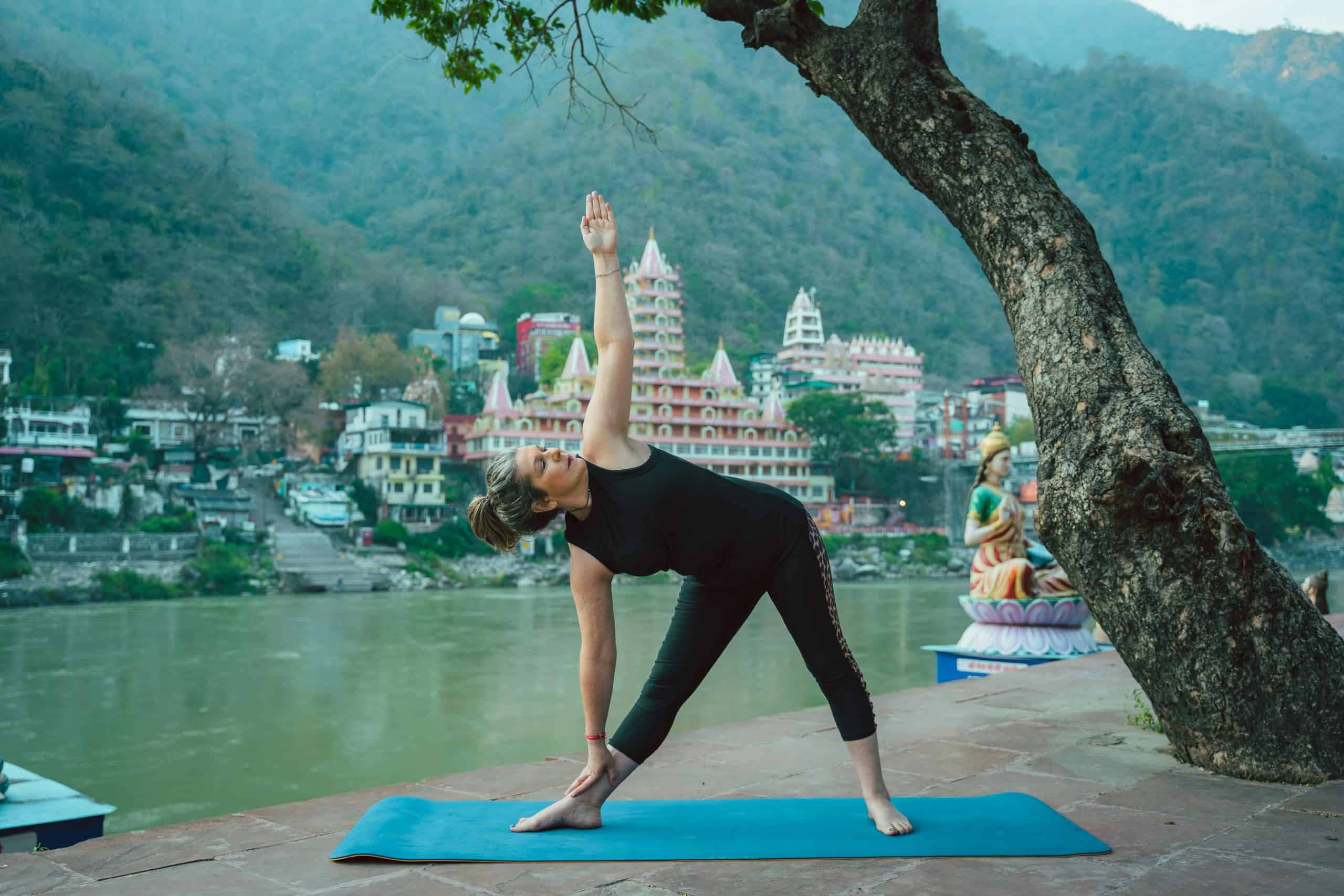
Rishikesh, widely recognised as a global yoga capital, has become a wellness epicentre for young Indians seeking immersive experiences. Properties such as VILEEN Rishikesh, Six Senses Vana and Ananda in the Himalayas curate personalised multi-day wellness programmes, including Panchakarma detoxification, sleep enhancement therapies and tailored dosha-based treatments under the supervision of in-house Ayurvedic doctors.
The wellness sector has recorded a 36% increase in wellness-related occupancy. Hotels highlight that guests who enrol in detox, yoga or meditation retreats show nearly double the engagement of standard leisure travellers. Around 48% of guests who complete Panchakarma programmes return for seasonal follow-up stays. Goa, long linked with beaches and nightlife, is moving into a new identity as “the new Rishikesh” for a fresh generation of yoga travellers and wellness seekers.
Bhajan Clubbing: Devotion Meets the Dance Floor
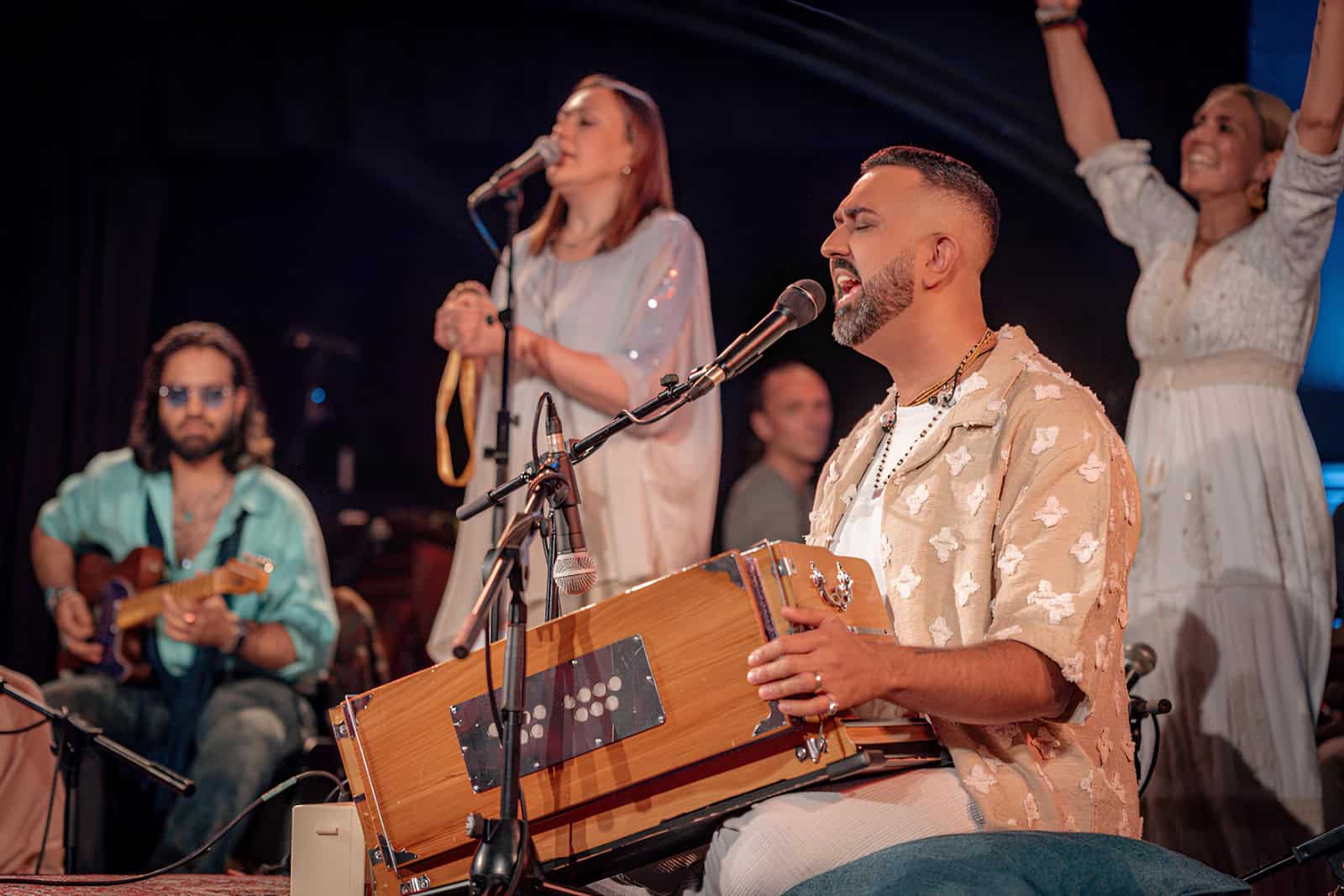
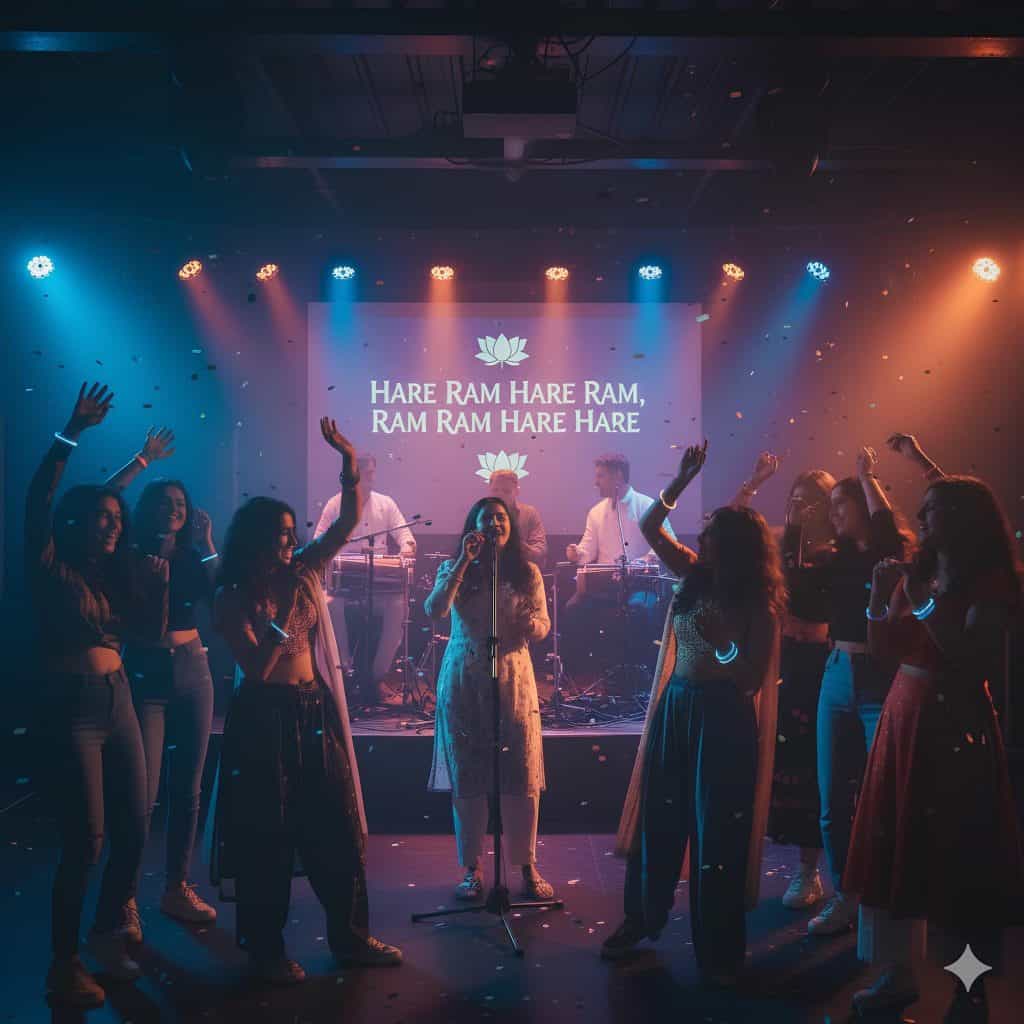
What began as intimate baithaks has evolved into a nationwide movement. In a converted warehouse in Mumbai’s Bandra district, around 150 barefoot Gen Z participants, many between 18 and 28, sway together as high-energy remixes of devotional bhajans such as “Ram Ram Jai Sita Ram” and “Govinda Jai Govinda” pulse through professional speakers. Refreshments consist of chai and buttermilk instead of alcohol.
“We have to attend one in order to really understand,” says Abhinav Sharma, an IT trainee who recently joined his first session. “We were around eighty hundred people singing Rama Rama Ratte Ratte Biti Re Umariya and Shri Krishna Govind Hare Murari. It felt electric, a very happy high.”
Collectives such as Backstage Siblings helped pioneer the movement in Mumbai and Kolkata. By late 2022, these small baithaks began expanding into ticketed bhajan clubbing events across more than ten Indian cities, including Mumbai, Delhi and Bangalore. Each gathering draws between 150 and 500 young adults, sells out quickly and replaces vodka with chai.
The shift mirrors India’s growing spirituality and wellness economy, valued at nearly five lakh crore rupees and expanding faster than the traditional nightlife segment. LinkedIn data also notes a 15 to 20% decline in alcohol and nightclub spending among affluent Indians between 18 and 35 since 2022.
In November 2025, the movement reached a new peak when Radhika Das opened her India tour with a record-making performance in New Delhi, drawing around fifteen thousand people for what became the capital’s largest bhajan clubbing event.
Events in Mumbai, Bengaluru, Delhi and Pune often see anywhere between 150 and 300 participants. A Bengaluru organiser notes that their last Hare Krishna-themed techno set attracted over 200 attendees. Collectives like Backstage Siblings, Suburban Satsang, SortMyScene and Sattva Journey emphasise that Gen Z’s attraction is rooted in nostalgia, spirituality and the search for spaces that feel safe, warm and non-judgmental. “Younger audiences want a comforting space where bhajan and community activity come together,” says Nikhil Gupta, founder of Sattva Journey.
Reels featuring Hare Murare chants, Shiva bhajans and Krishna mantras layered with contemporary beats have gone viral. One organiser remarks, “The typical bhajan audience in India is 45 plus, but now 18 to 25 year olds are showing up because they are bored with the regular Bollywood and techno crowd.” “It is spirituality without rules. Music without labels,” says a Delhi-based organiser.
The Influencer Effect and Tech-Enabled Devotion
Sadhguru leads this space with around 13.1 million Instagram followers, and his meditation app, Miracle of Mind, recorded more than one million downloads within fifteen hours. Gaur Gopal Das has attracted around 9.5 million followers. Voices such as Jaya Sharma, Acharya Prashant and Gurudev Sri Sri Ravi Shankar each command large communities. Bhavesh Bhimanathani, with around 2.2 million followers, focuses on reviving Sanatan Dharma through #TheSadhanaMovement. Janhvi Singh, with around 875.9K followers and a National Award recognition by Prime Minister Narendra Modi, creates content around culture, scripture and values.
Abhinav Arora, a ten-year-old honoured as “India’s Youngest Spiritual Orator” by Cabinet Minister Nitin Gadkari, has more than 901.8K Instagram followers, wakes at 3:30 in the morning for rituals and presents spiritual discourses that have made him a household name and sparked conversations about authentic childhood devotion and digital age pressure.
India’s spiritual and devotional app ecosystem, including AppsForBharat’s Sri Mandir, Bhagva, Utsav and astrology startup Vaya, increasingly uses artificial intelligence in order to provide deeper access for everyday devotees. Sri Mandir has introduced AI Panditji, a virtual assistant that answers questions about darshan timings, mantras, chalisas and Hindu literature in the preferred language of users. The app offers virtual darshan experiences for Tirupati Balaji, Shirdi Sai Baba, Siddhivinayak and Ujjain Mahakaleshwar.
Bhagva raised one million dollars in pre-Series A funding in April 2025 to support digital pooja services and AI-led personalised puja recommendations. Through natural language processing, the platform offers real-time ritual translations and curates personalised puja kits based on user preferences and astrological insights.
An OMTV survey in 2023 showed that 80% of Indians between 18 and 30 engage with spiritual or religious content online. India’s religious and spiritual market stood near 58.5 billion dollars, around ₹4.8 lakh crore, in 2024, with Gen Z engagement driving a significant part of that growth. India’s temple economy alone carries a value of nearly ₹3.02 lakh crore or nearly 40 billion dollars, and contributes around 2.32% of the national GDP. AI-powered systems now enable real-time crowd control, predictive safety analysis and data-based planning at several spiritual sites.
Infrastructure, Solo Pilgrims and Economic Ripples
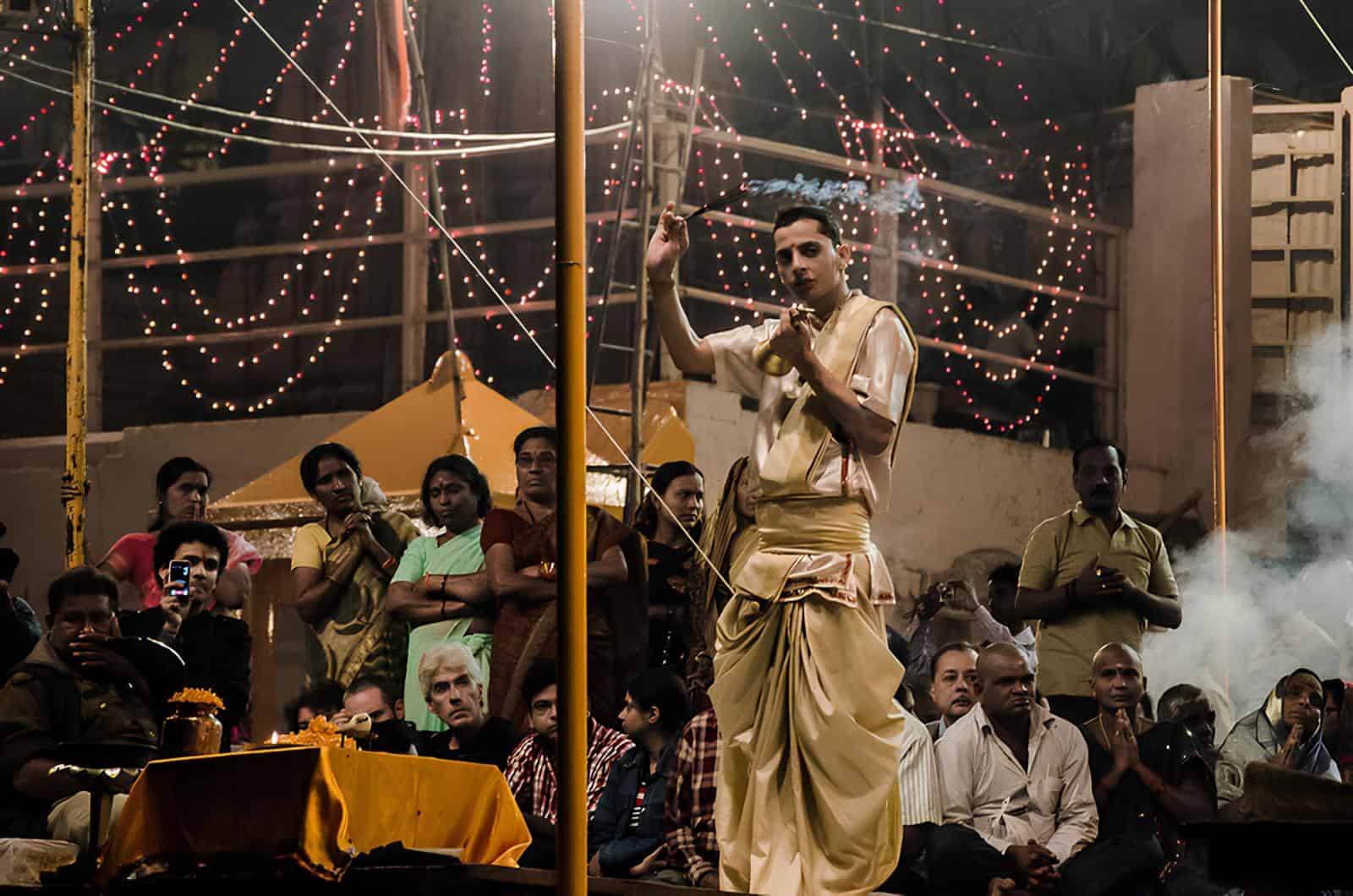
Under the PRASHAD Scheme, 37 projects have received sanction, with 17 already completed. The Kashi Vishwanath Corridor, inaugurated in December 2021, has greatly improved accessibility and amenities for pilgrims. Varanasi has approved ₹1,187 crore for upgrading sewerage systems and drinking water supply across 18 wards, serving more than seven lakh residents. Additional projects include the redevelopment of Namo Ghat, the construction of the Rajghat jetty with cruise boat operations, and a 3.75 km urban ropeway transit system connecting Varanasi Cantonment and Godowlia Chowk through five stations.
Ayodhya now features new four-lane and six-lane highways, a modern airport and a redesigned railway station. The Union Budget for 2025–26 reflects this infrastructure focus. A ₹15,000 crore SWAMIH Fund 2 targets delayed affordable and mid-income housing projects, while around fifty top-tier tourist destinations are being developed in partnership with state governments.
Women now represent around 66% of millennial spiritual travellers, while 40.7% of solo spiritual tourists fall inside the Gen Z age bracket.
“I no longer need parental permission or a chaperone,” says a 24-year-old flight attendant who recently completed a solo pilgrimage in Kailash Mansarovar. “Spirituality represents my time with myself first.”
Digital creators such as Surya, known as @thesunshineladki, have helped define this movement. Her Maha Kumbh travel content has drawn around 1.8 crore views. “Spirituality is shedding a ‘boring’ image,” she says. “It has become a path that guides tranquillity in the middle of chaos.” Brahma Kumaris are attracting many Gen Z women who seek spiritual autonomy, community and leadership.
The temple economy contributes around ₹3.02 lakh crore, nearly 40 billion dollars, in GDP value, while spiritual tourism is projected in several studies in order reach 59 billion dollars by 2028 and provide employment for around 100 million people. Real estate in Rishikesh, Varanasi, Ayodhya and Haridwar has seen sharp appreciation, giving rise to “religious realty”.
Maha Kumbh 2025 delivered an immense economic impact for Prayagraj and neighbouring regions. Railway Minister Ashwini Vaishnaw indicated that Indian Railways ran more than 16,000 trains for the event, exceeding an initial plan of 13,000, and carried around four to five crore devotees towards the Sangam.
Experience Culture and the Healing Connection

On March 27, 10,000 people walked into the Hitex Exhibition Centre in Hyderabad for a sitar concert by Rishab Rikhiram Sharma. Before he played a single note, every person in the hall was guided through a breathing exercise. Then came the ragas, his own compositions, a few Bollywood interpretations and a Tandavam finale. The full tour did ₹50 crore in revenue, with over one lakh people across Bengaluru, Mumbai, Pune, Hyderabad, Jaipur, Chennai, Ahmedabad, Chandigarh, Delhi and Kolkata.
India has two things happening at the same time: a real stigma around therapy, where many people who need it will not go, pay for it or even Google it; and a growing appetite to spend money on entertainment, weekend plans and experiences that make people feel something. Rishab built the bridge between them. He wrapped the intervention in entertainment, priced it like a premium concert, and made therapy something young people could attend with friends on a Friday night.
The average urban Indian has over 50 weekends a year. If even ten of those are spent on experiences that feed rather than deplete, the national mental health conversation begins to look different. Many of these experiences are not therapy on paper, but the best ones leave people lighter than they arrived. The country has always needed this. The format finally exists.
This generation faces heightened anxiety, depression and burnout, enhanced by social media pressure, economic uncertainty and climate-related fear. Spiritual practices create an additional support system that complements therapy and medical care instead of replacing them.
Counselling psychologist Manavi Khurana explains, “Gen Z does not usually frame spirituality as a substitute for medicine. They seek both. It is a survival strategy. When hope feels fragile, religious practices and spiritual communities supply meaning and belonging.” Meditation apps function like fitness trackers. Temple visits create relief similar in impact to therapy sessions. Chanting helps regulate breathing and calm the nervous system. Expressions such as “spiritual self care”, “intentional devotion” and “mindful worship” now capture Gen Z’s blended approach to wellness.
Culture, Challenges and the Road Ahead
Durga Puja pandals incorporate modern music genres, large-scale art installations, digital mapping and 3D projections. Bollywood and streaming platforms develop content around spiritual and mythological themes. Musicians remix classical compositions and bhajans with electronic music, R&B and hip hop. Platforms such as IndianRaga bring together musicians and dancers across around sixty international cities, merging Bharatanatyam, Kathak, Carnatic music and Hindustani music with pop, EDM and other global genres.
Around 76% of Indians now adapt travel plans in order to attend major festivals. Top crowd pullers include Kolkata’s Durga Puja, Lathmar Holi in Barsana and Onam in Kerala. Events such as India Art Fair 2025, Kochi Muziris Biennale, Jaipur Literature Festival and Surajkund International Crafts Mela draw culture seekers who crave immersive experiences in art, literature and craft.
India’s spiritual tourism sector faces considerable challenges. The tragic stampede during Maha Kumbh 2025 on 29 January, which resulted in 30 fatalities, highlighted the urgent need for stronger safety systems, more refined crowd management and infrastructure capable of handling previously unthinkable volumes. Environmental concerns grow regarding pollution, waste and overtourism at sacred sites. The Ganga, central in countless rituals, still struggles with contamination in several stretches despite major cleanup efforts. Questions of authenticity continue, as some observers ask if tech-enabled spirituality dilutes sacred traditions and turns devotion into content, while others see digital tools as extensions of ancient practice that widen access.
The opportunity remains extraordinary. India possesses unparalleled spiritual capital, with millennia of accumulated wisdom and practices that the modern world increasingly seeks. Government initiatives such as Heal in India, integration of wellness packages inside the e Tourist Visa system, and continued investment in AYUSH-certified resorts and wellness infrastructure underline this ambition. The rise of AI-led personalised wellness itineraries, virtual consultations for health and lifestyle management and smart wellness facilities supported by IoT indicates that technology will keep widening access while preserving depth.
A New Spiritual Awakening
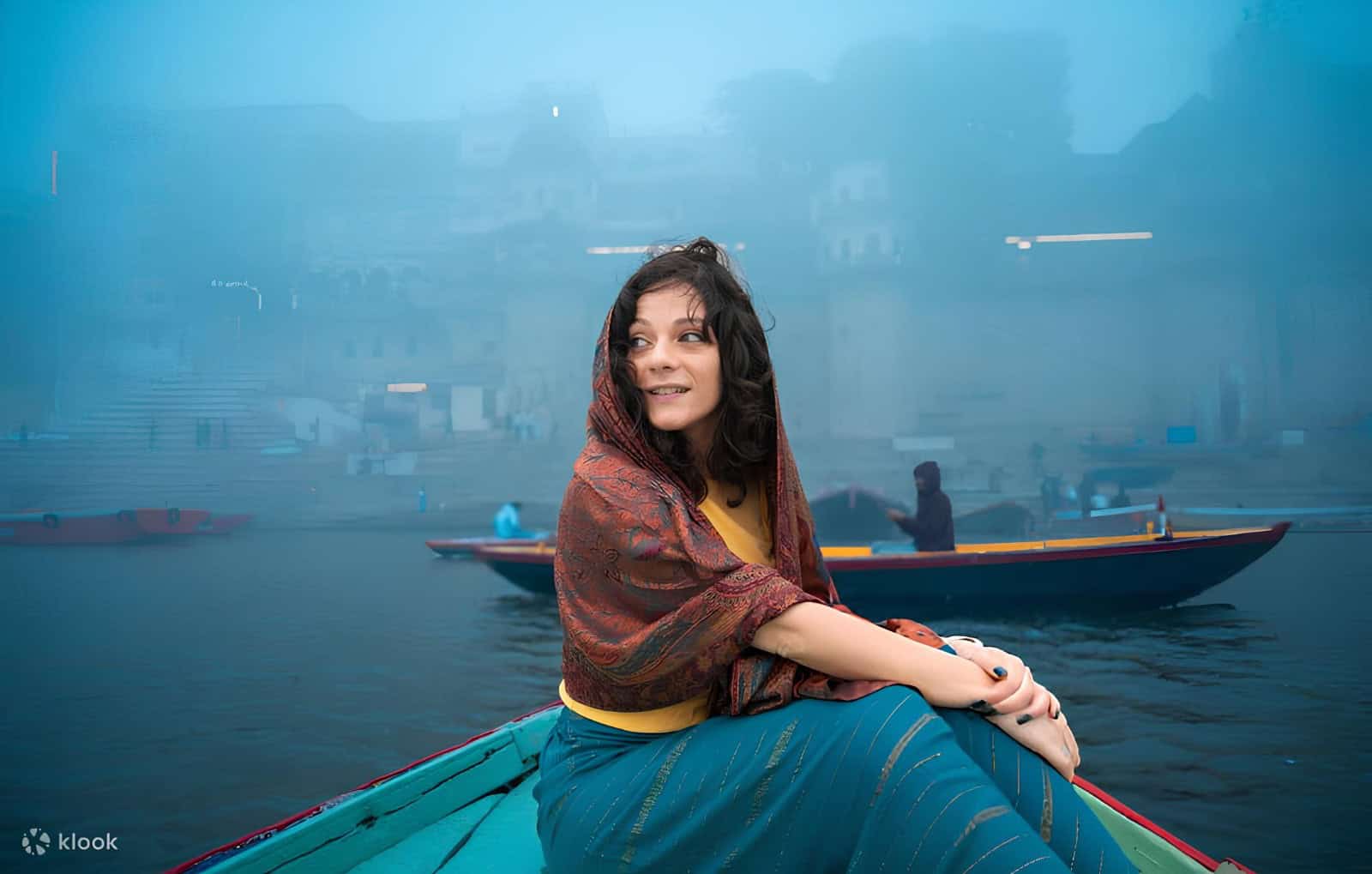
This generation asks why rituals exist and how inherited wisdom can help a young person handle burnout, heartbreak or future anxiety.
The statistics tell one side of the story. Around 660 million devotees at Maha Kumbh. Around 230 million visitors in Ayodhya. Around 129 million visitors in Varanasi. An economic value above 59 billion dollars. Young Indians are discovering that meditation, chanting, yoga, Ayurveda and pilgrimage offer tools for 21st-century challenges.
A 22-year-old MBA student, after a digital detox in a Rishikesh ashram, reflects, “I arrived for Instagram content. I stayed because I found real peace.”
This blend of ancient wisdom and contemporary sensibility, tradition and technology, devotion and discovery, positions India at the centre of a global spiritual renaissance. Sacred rivers continue flowing, temple bells continue ringing, and now, alongside electronic beats, sitar concerts, breathing circles and Insta livestreams, millions of young voices join the chant. India’s spiritual tourism story is not simply about growth. It is about rebirth, and Gen Z is leading the way home.
Read more – Latest