

Across mountains and forests, India’s temple treks reveal how effort, faith and landscape intertwine in timeless devotion
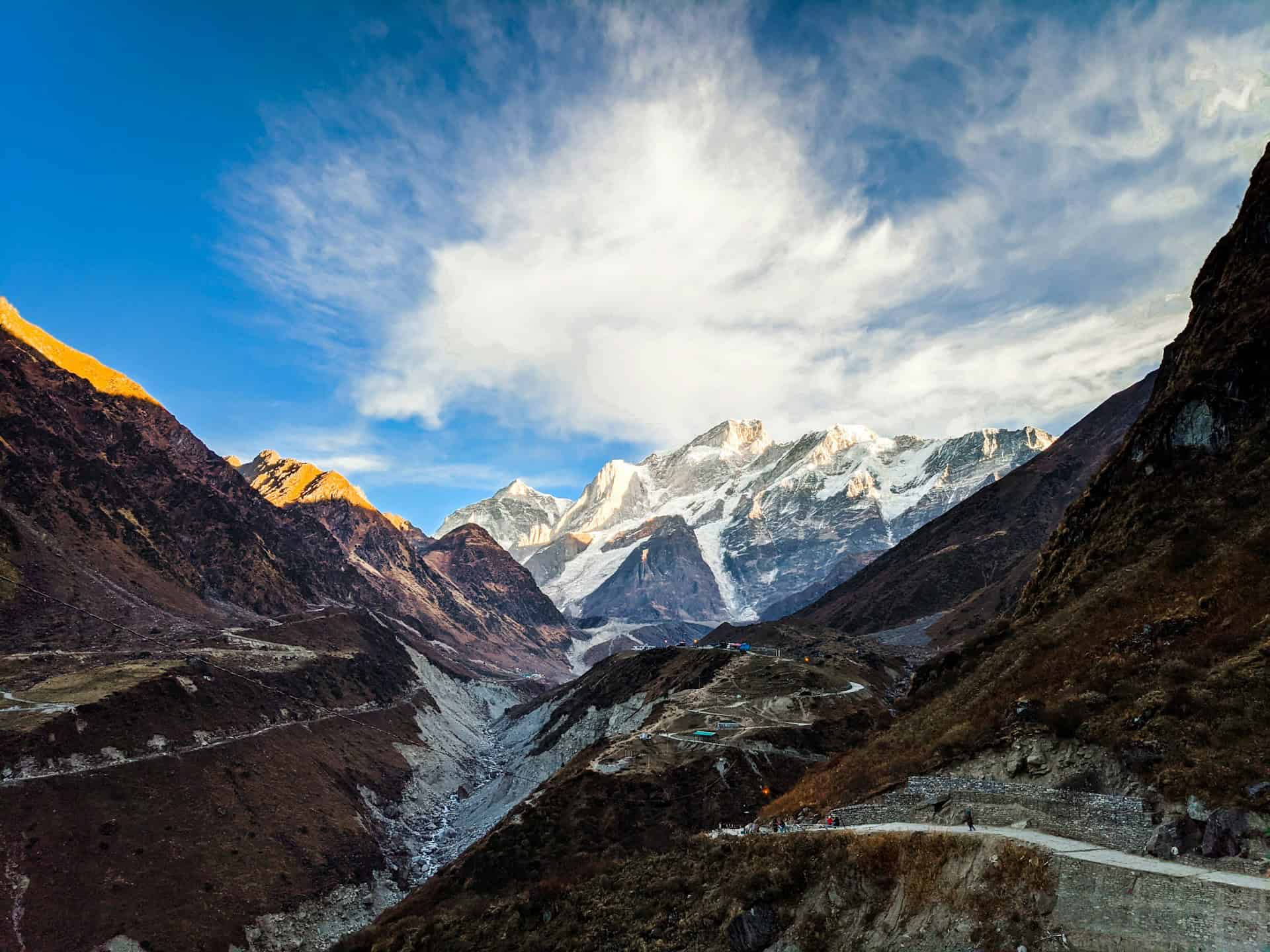
Some journeys are chosen; others feel as though they summon you. India’s sacred geography is a living land of ascent, of hearts learning resilience, of beliefs renewed on paths shaped by mountains, forests, and faith. To reach each of them is rarely a matter of convenience. Instead, pilgrims undertake journeys that entwine raw nature with ritual, endurance with emotion.
Kedarnath: The Himalayan Crown
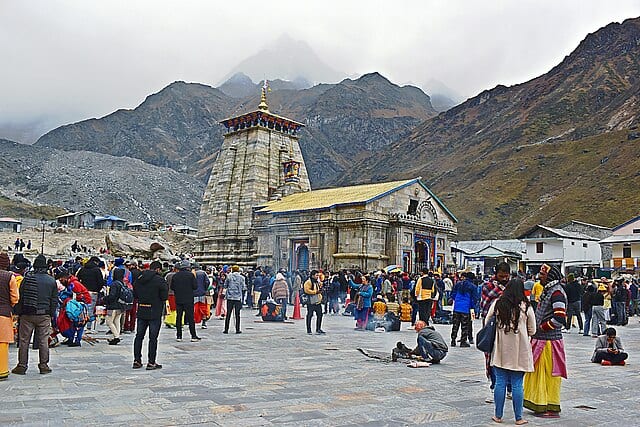
The trek to Kedarnath, situated at 3,583 metres in Uttarakhand’s Garhwal Himalayas, is a calling that summons you to its heights. The temple, severe, ancient and utterly commanding, remains one of Hinduism’s strongest spiritual anchors. For centuries, pilgrims have travelled into this high valley in search of Shiva, drawn by stories that linger as powerfully as the mountains themselves.
The ascent begins in Gaurikund, a village that awakens in the cold blue hours before dawn. Tea stalls hiss with steam, ponies shuffle impatiently, and shopkeepers lay out incense, woollens and offerings. Once the initial bustle fades, the 14-kilometre trail unfolds beside the roaring Mandakini River, its icy flow echoing across rock faces sculpted by snow and time.
The trek is classified as moderate, though the experience varies widely based on stamina and preparation. While at first slopes rise gently, the path soon alternates between steep climbs and easing switchbacks. As altitude increases, pine forests thin into open cliffs, waterfalls appear in slender cascades, and the air sharpens into something bracing and clean.
The best season, May to October, offers a balance of clear skies and manageable terrain. The impact of the temple that emerges suddenly, solemn and steadfast, against a backdrop of towering peaks. Pilgrims often fall silent, overwhelmed by effort, altitude and the sheer theatre of the Himalayas. Chants build gradually in the courtyard, and by the time one reaches the sanctum for darshan, the entire journey feels like a crossing from the earthly to the mythic.
Tungnath & Chandrashila
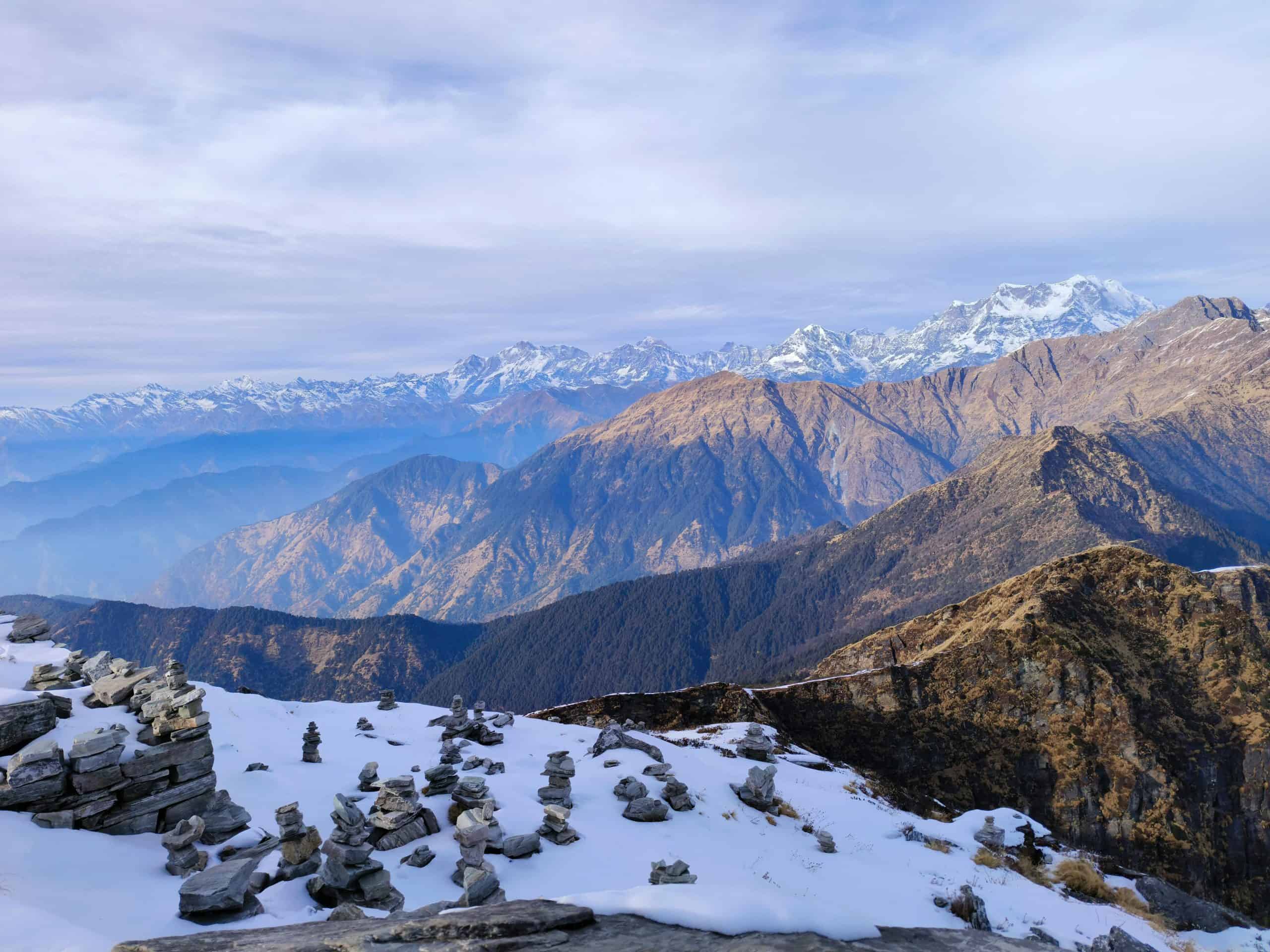
The trek to Tungnath, the highest Shiva temple in the world at 3,680 metres, is among Uttarakhand’s most enchanting mountain experiences, a journey where spiritual resonance and Himalayan drama come together with remarkable ease. Nestled in the Chopta valley, often fondly called the “Mini Switzerland of India,” the trail begins on a stone-paved pathway with a gentle slope, flanked by rhododendron forests, thick alpine foliage and broad bugyals that shift colours with the seasons. The climb remains steady and comfortable for most, making it suitable for first-time trekkers while still carrying enough altitude to demand mindful pacing.
As the trek progresses, the landscape opens gradually, revealing majestic vistas that deepen with every turn. The Chaukhamba massif, standing like a colossal guardian, dominates the far horizon. The Kedarnath peaks shimmer in the distance, and rolling meadows glow emerald in summer before turning bronzed and golden in the cooler months. The final approach to Tungnath is particularly stirring: the ancient stone shrine emerges almost without warning, resting quietly beneath towering cliffs and whispering winds. Its sanctum exudes a rare, meditative stillness, an atmosphere that feels heightened by the temple’s remarkable altitude and seclusion.
But some choose to go beyond, to the Chandrashila summit. This final leg, a steeper and more demanding climb, rewards with what is widely considered one of Uttarakhand’s most spectacular 360-degree Himalayan panoramas. From the peak, the entire skyline unfurls, Nanda Devi, Trishul, Chaukhamba, Kedar Dome and a vast sweep of lesser-known ridges blend into a grand, layered horizon that shifts dramatically with sunrise and sunset.
The ideal seasons, April to June and September to December, offer crisp weather, clear skies and stable trails. Whether undertaken for its spiritual depth, natural splendour or both, the Tungnath–Chandrashila trek leaves travellers with the sensation of having stepped briefly into a realm where earth and sky draw intimately close.
The Vaishno Devi Pilgrimage
Where Panch Kedar stretches devotion across long Himalayan days, the Vaishno Devi trek offers a more accessible yet equally stirring experience. The 12-kilometre journey from Katra to the sacred cave shrine winds through the Trikuta Mountains of Jammu & Kashmir, welcoming millions each year who come seeking the blessings of the Mother Goddess.
The paved, well-maintained path makes the pilgrimage inclusive for people of all ages. Rest shelters, refreshment stalls, and medical posts appear at regular intervals, creating a sense of comfort and collective care. Families walk together, children race ahead with excitement, and elderly devotees move steadily with the support of ponies or palanquins. Throughout the climb, groups call out “Jai Mata Di!”, their chants rising and fading like waves, infusing the route with a shared, uplifting energy.
As the ascent continues, the scenery broadens. The Jammu plains stretch far below, and the mountain breeze grows cooler and cleaner. Night treks carry their own magic, softly lit pathways, shimmering views of Katra town, and long lines of pilgrims walking under the glow of moon and lamp. Although March to November offers the most comfortable weather, the pilgrimage remains active year-round, a testament to the shrine’s enduring spiritual pull.
The tone shifts as trekkers reach the entrance of the holy cave. The chatter quietens, footsteps slow, and devotion becomes inward. Standing before the natural rock formations believed to embody the goddess, pilgrims often feel an overwhelming stillness. The long walk, the chants, the effort, everything culminates in a single moment of clarity where faith feels both personal and profound.
Kumar Parvatha: Serpent Lord’s Summit
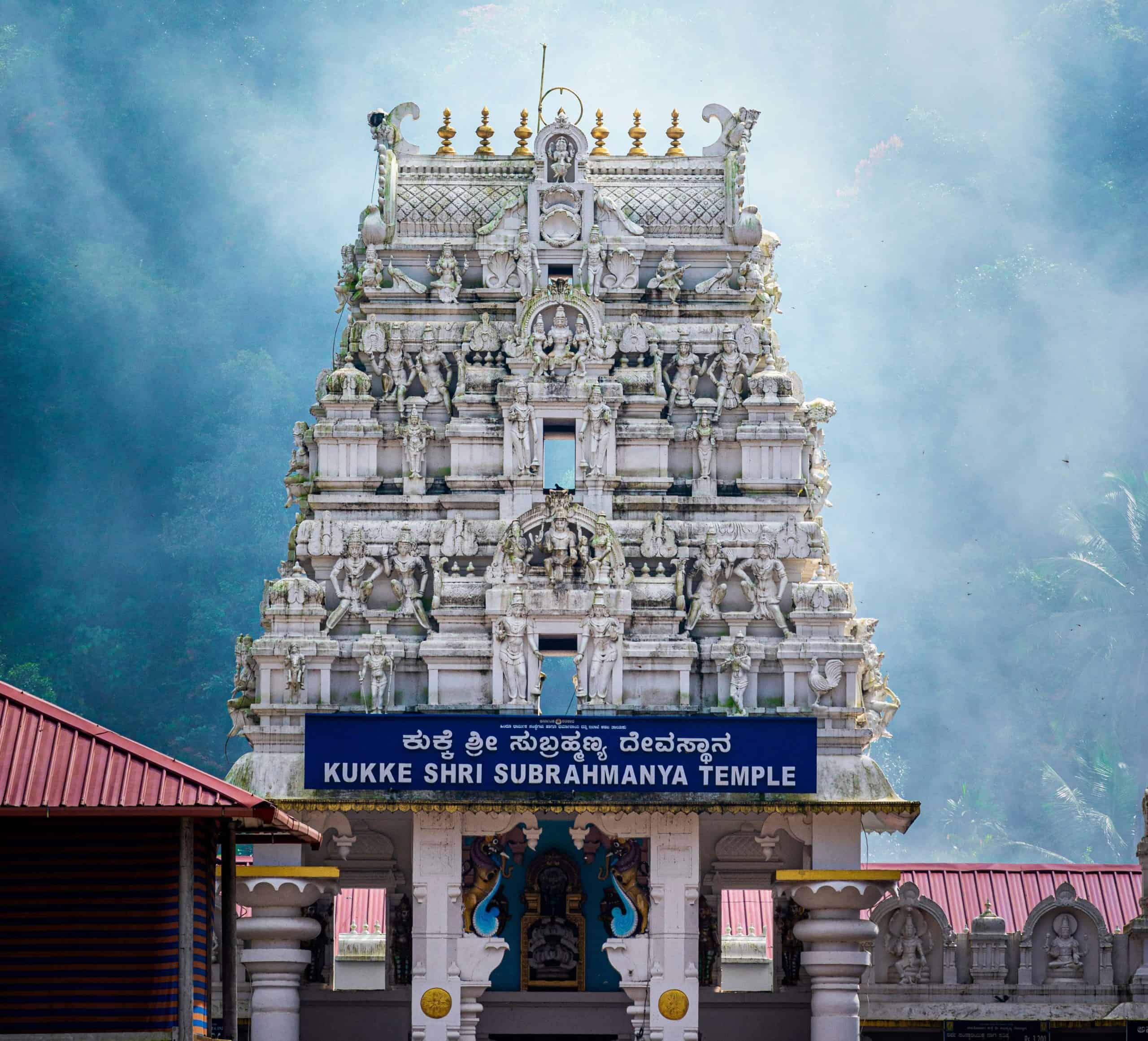
In Karnataka’s Western Ghats lies one of South India’s most challenging temple treks: the trek to Kumar Parvatha, culminating at the Kukke Subramanya Temple. Known for its steep gradients and changing terrain, the route demands strength, patience and adaptability.
The journey begins at Kukke, a temple town surrounded by rainforest. The initial stretch plunges into dense vegetation where humidity clings to the skin, the ground shifts underfoot, and the forest hums with cicadas and bird calls. As trekkers move upward, the canopy opens into sweeping grasslands draped across undulating hills.
At over 1,300 metres, Kumar Parvatha presents demanding climbs and exposed ridgelines, and unpredictable weather can turn sunshine into clouds or wind in no time. Yet every pause rewards the effort, panoramic views of green valleys stretching into mist, layered hills merging with the horizon, and the quiet sense of standing above the world.
Pilgrims undertake the trek to honour Lord Subramanya, revered for his connection to Vasuki, the serpent king. Myth and landscape blend effortlessly here, giving the trail a spiritual depth that complements its physical intensity.
The ideal time, October to February, offers clearer skies and manageable temperatures. Descending back toward Kukke brings emotional release. The forest reappears, the distant echo of temple bells draws nearer, and the final approach to the shrine often feels like a moment of profound reconciliation between body, mind and faith.
Sabarimala: Forested Faith Trail
Among India’s sacred treks, the pilgrimage to Sabarimala offers one that people of all ages can undertake. Hidden within Kerala’s Periyar Tiger Reserve, the journey begins at Pamba, where thousands gather during the Mandala season to begin the five-kilometre climb to the hilltop shrine of Lord Ayyappa.
One of the most important aspects of this pilgrimage is the vratham, 41 days of disciplined living, prayer and abstinence, that many devotees observe before the trek. By the time they reach the Pamba River, their pilgrimage has already begun in spirit. Walking barefoot, carrying the traditional irumudi on their heads, they set off into the forest.
The trail climbs steadily through slopes draped in bamboo, towering trees and the scent of damp leaves. Wildlife often remains hidden, but the forest’s presence is constant. Even with thousands moving together, a sense of wilderness prevails, distant rustling, the soft roar of rivers and the play of light through thick foliage.
During November to January, the chants of “Swamiye Saranam Ayyappa” rise in unison along the path, turning the climb into a continuous rhythm of surrender. Unlike treks defined by dramatic peaks, Sabarimala’s power lies in its simplicity. The walk becomes introspective, each step peeling away tension and ego.
At the summit, the 18 sacred steps glow under rows of lamps. Pilgrims ascend them only after fulfilling specific observances, making the final approach solemn and deeply symbolic. For many, reaching the shrine feels like emerging into inner stillness, a moment shaped as much by devotion and discipline as by the forested climb.
Every step, a prayer
In an age of instant gratification, these ancient routes remind us of the value of pace. Mountains are climbed slowly, forests are listened to patiently, and faith is rediscovered one breath at a time. Devotion becomes a verb, not a noun.
Across the Himalayas, the Western Ghats, and the tiger forests of Kerala, the paths tell stories older than memory. They teach that hardship can be holy. That landscapes can be teachers. That prayer can be physical, and perhaps, faith is written into the very act of reaching the shrine.
Read More: Latest