

In the digital age, love does not wait; it goes live, and Digital Shaadi turns distance into shared celebration instantly
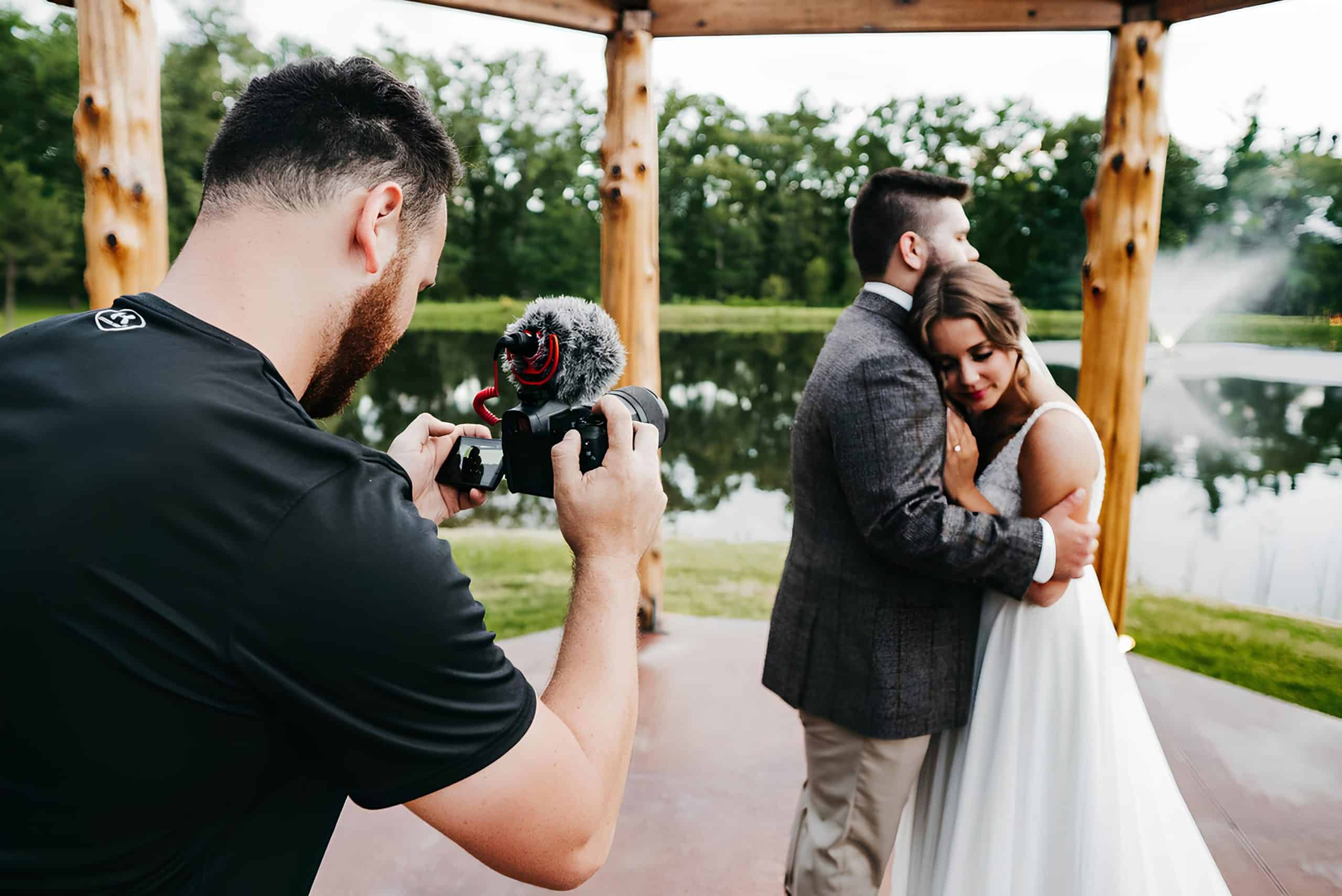
Couples today are choosing digital weddings not because they have to, but because they genuinely want to widen the circle of who gets to witness their day. A best friend in New York can watch the varmala as it happens. A cousin in Dubai can send a blessing in the chat that gets read out between rituals. The geography disappears, but the emotion stays intact.
There is also something deeply comforting about real-time participation. Weddings move fast. Moments blur. But when everything is streamed and saved, it becomes an instant digital archive. The entry, the laughter, the vows, the small glances between rituals, all preserved and ready to replay, share, or revisit on anniversaries.
For creator couples, the decision carries another layer. Weddings now double as content ecosystems. Brand collaborations, beauty partnerships, couture tie-ups, venue showcases, YouTube revenue, affiliate links, and post-wedding vlog series allow the celebration to continue earning long after the pheras conclude. Love becomes memory, and memory becomes momentum
The Creator Wedding Edit: Live, Loud, Loved
Binks (The Fun-Loving Groom who live-streamed his wedding with Pinkcess)
Mithul Nayak, famously known as Binks, a creator with a thriving YouTube community, live-streamed his wedding with fellow YouTuber Pinkcess (Dhwani Bhatt), and it quickly became a defining moment for India’s streaming culture. This was not a quick phone broadcast for a few clips and cheers. It was a full wedding day, opened up in real time, with the kind of access audiences rarely get unless they are family.
Set against Goa’s lush, sunlit landscape, the stream carried viewers through the entire arc of the celebration. The baarat arrived with all its noise and swagger. Music performances unfolded like a live stage. The camera then moved into the mandap where the rituals played out moment by moment, right up to the final emotional beat of the bidaai. For Indian viewers, it felt startlingly intimate because nothing was reduced to highlights. You were not watching a recap. You were inside the timeline.
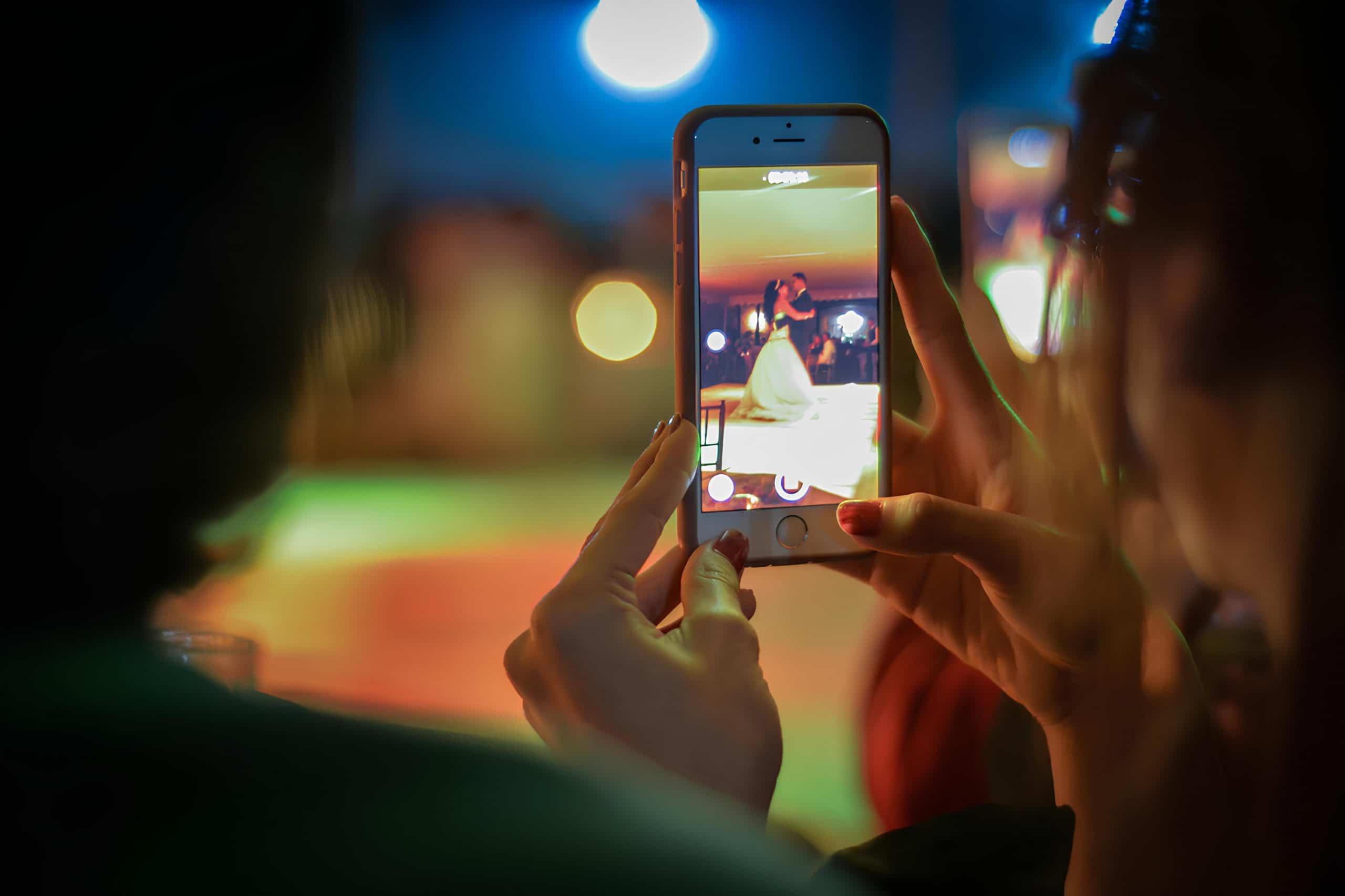
What made it genuinely intriguing was the production intent. A multi-camera setup captured different angles simultaneously, with multiple 4K cameras collecting cinematic shots while a mobile operator stayed on the ground, interacting directly with viewers, reacting to their comments, and taking them closer to the action. 360-degree cameras added a playful layer, turning parts of the celebration into immersive, rewatchable moments. Professional audio was set up so clearly that audiences could even hear the pandit reciting mantras, which is usually lost in typical wedding videos. It felt like a wedding, a live show, and a digital cultural moment all at once.
Triggered Insaan (The Hindi commentary and roasting creator known for reaction videos and gaming, who captured his wedding as a warm digital vlog)
When Triggered Insaan, whose real name is Nischay Malhan, married Ruchika Rathore, it did not feel like a distant celebrity event. It felt personal, almost like attending a friend’s wedding. Instead of glossy, overly curated snippets, his wedding vlog carried the warmth and humour his audience knows him for, moving through candid moments, family banter, behind-the-scenes chaos, and quiet emotional pauses.
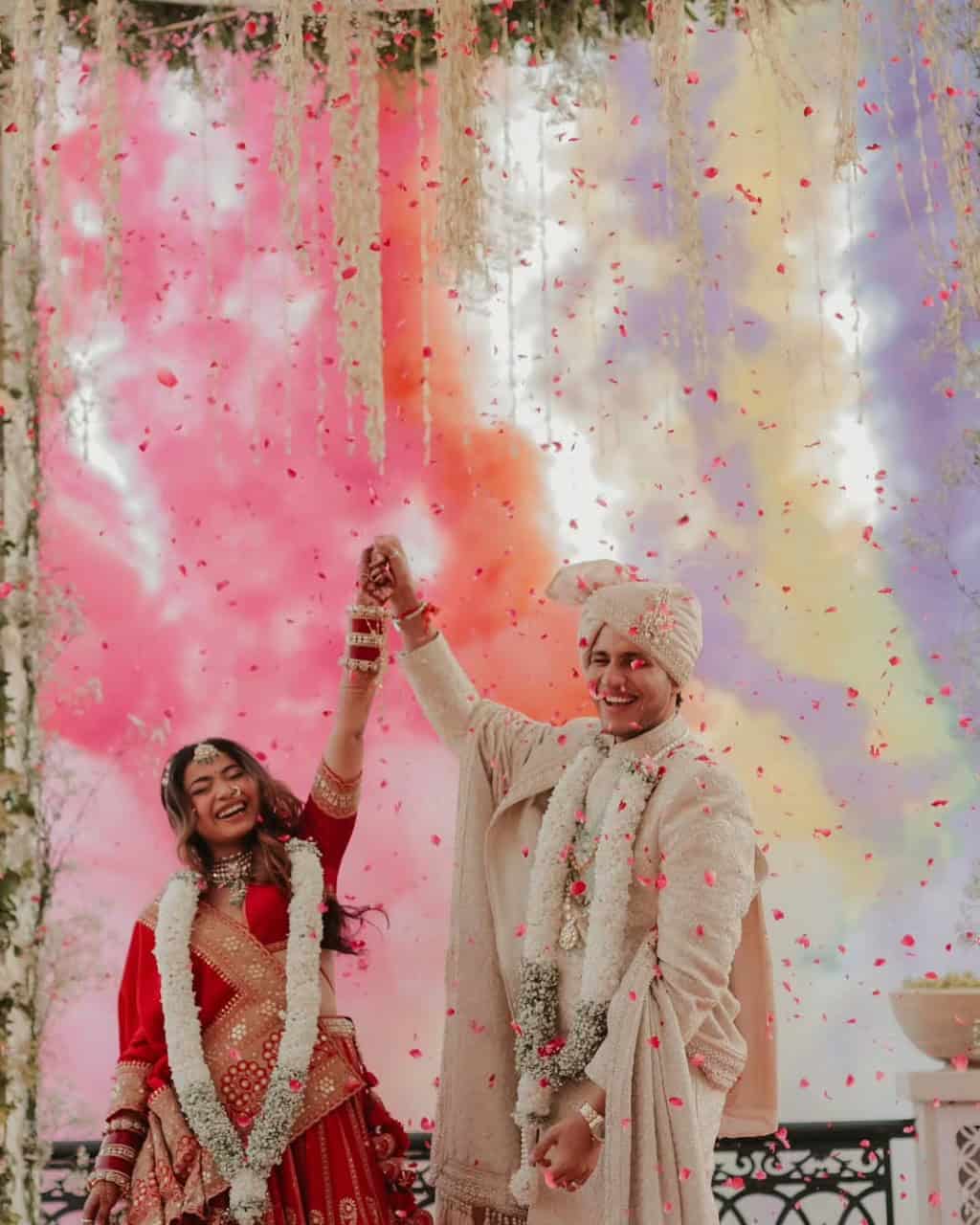
What stood out was how natural it felt. There were no dramatic filters or exaggerated edits. Viewers caught nervous smiles before rituals, teasing between siblings, small unplanned moments during the ceremony, and the kind of laughter that usually stays off camera. The vlog format made the wedding feel lived-in rather than staged.
For millions who have grown up watching him online, it became a shared milestone, proving how creators now turn personal chapters into collective digital memories.
Typical Gamer (The daily gaming creator known for streaming role play games and Minecraft brought his community-first vibe into a live wedding with Samara Redway)
Andre Rebelo, commonly known as Typical Gamer and Samara Redway’s livestreamed wedding worked because it treated “going live” as a creative choice, not a gimmick. The ceremony, held at an undisclosed mountainside venue in Canada, was framed like a warm digital invite rather than a public spectacle. Fans were given a heads-up well before the vows, so the audience gathered the way guests do, arriving early, waiting, chatting, settling in.
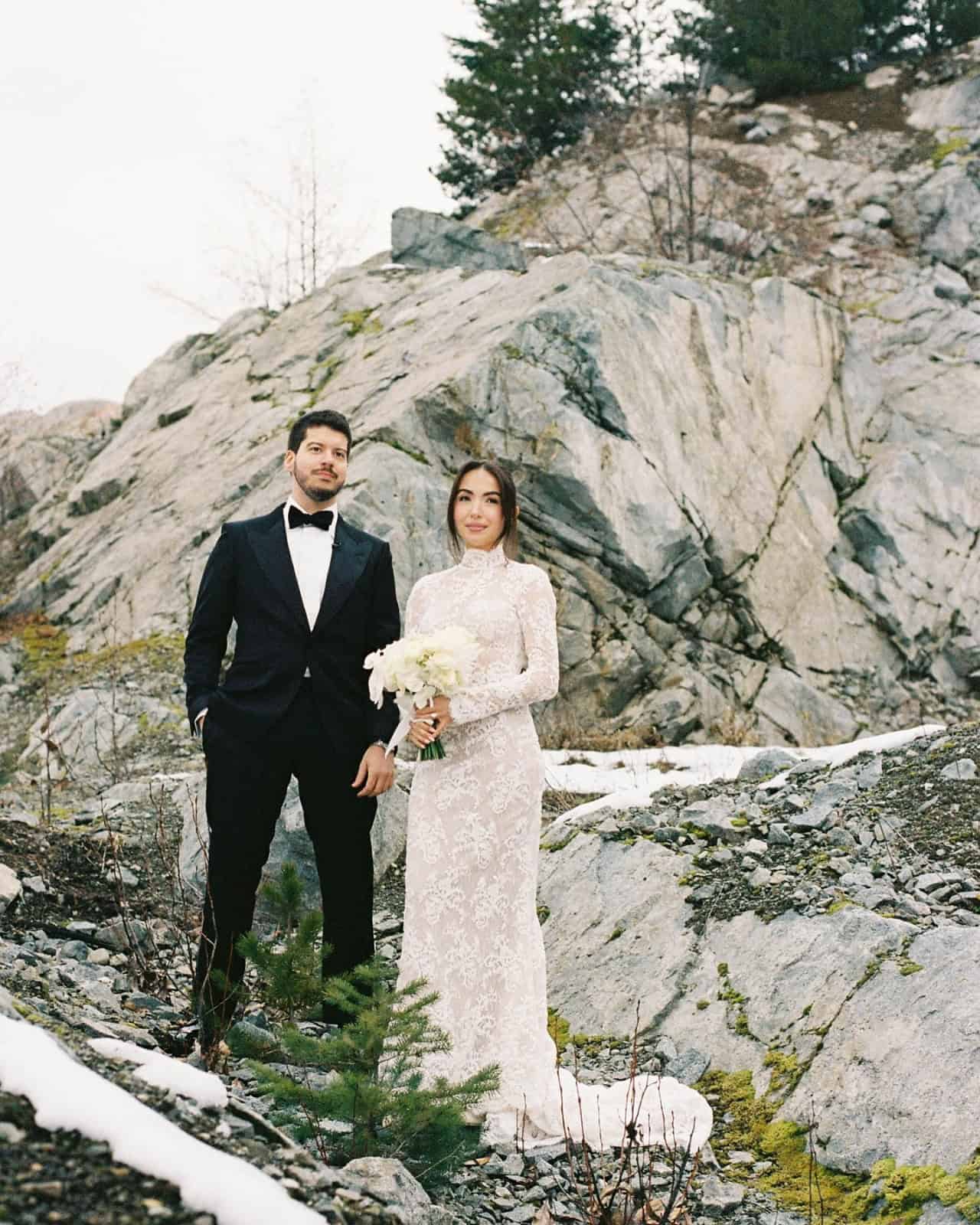
The most intriguing decision was what they left out. No text-to-speech interruptions. No donation alerts hijacking the emotion. They deliberately removed the noisy streamer mechanics so the attention stayed where it belonged, on the vows, the quiet pauses, the raw smiles, the moment.
It became a new kind of wedding style: intimate in feeling, communal in scale. A “small-ish” wedding in real life, expanded into a global viewing room, with the chat turning into a live chorus of blessings and celebration.
Sourav Joshi (The everyday-life vlogger with a passion for drawing, who captured his shaadi as a complete, personal wedding story on camera)
Sourav Joshi’s shaadi vlog is a neat example of what “digital wedding” means in India today. Instead of a single glossy highlight film, he shaped the wedding into a story his audience could follow end to end, with separate build-up videos and then a dedicated “Shadi Vlog” that carries the day in one continuous flow.
What feels unique is the point of view. The camera is not parked at a distance like traditional wedding coverage. It moves through rooms, corridors, cars, and family clusters, catching small nerves, teasing, last minute fixes, and those blink and you miss them smiles that make weddings feel real. The rituals stay central, but the vlog format lets viewers understand the rhythm around them, who is doing what, and how the mood changes across the day.
Moreover, his decision to reveal his partner Avantika Bhatt fully for the first time in the vlog added an emotional layer that fans had been eagerly waiting for, turning the wedding into a collective shared story.
Alanna Pandey (The fashion, beauty, and travel influencer who vlogged her wedding, sangeet, and reception as a stylish multi-episode celebration)
Alanna Panday’s wedding vlogs stood out because they gave audiences something celebrity weddings rarely offer: continuity and context, not only highlight photos. Across multiple videos covering the wedding, sangeet, and reception, viewers saw how a high-profile celebration actually moves, from the build-up and backstage energy to the choreography, entrances, and the way the evening flows when the guest list includes Bollywood’s inner circle.
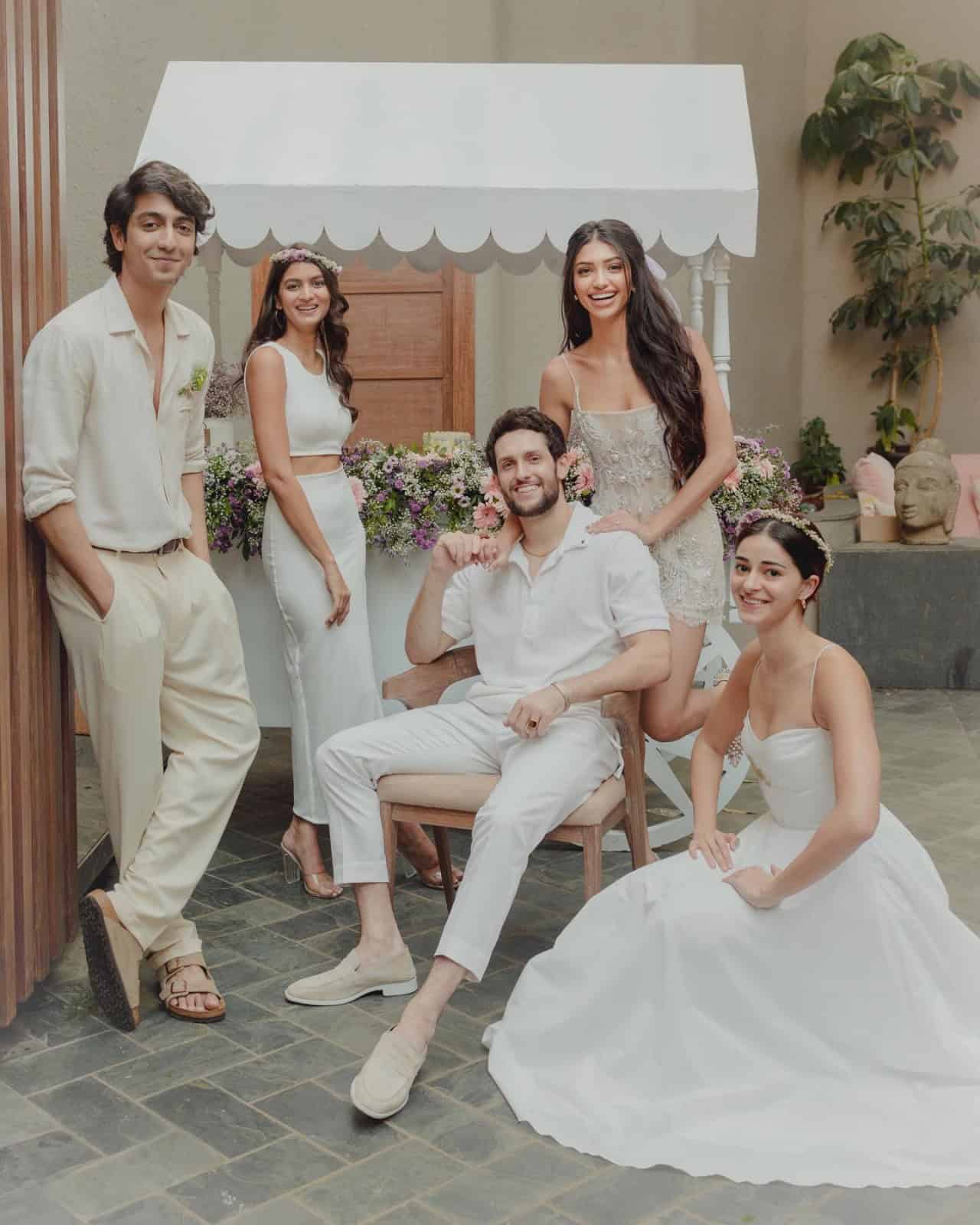
What made it especially compelling was the celebrity proximity, captured in a way that felt immediate and unfiltered. The reception and festivities saw major names, including Shah Rukh Khan and Gauri Khan, along with a wider set of well-known faces such as Kanika Kapoor, Orhan Awatramani (Orry), and Aaliyah Kashyap.
In that atmosphere, performances became more than “viral clips.” The vlogs preserved them as part of the night’s story, including the stage moments featuring Ananya Panday, and celebrity guests like Aryan Khan attending the celebrations, which collectively made it feel like a rare digital window into how celebrity weddings actually unfold.
Immersive weddings are reshaping how love is experienced, especially for families spread across cities and continents. Technology is no longer sitting quietly in the background. It is steadily changing how a celebration is planned, witnessed, and remembered. The most established form of remote attendance is still livestreaming, yet wedding technology is moving beyond a simple camera feed. Industry coverage now points to more interactive layers, including AR tools that help couples preview décor before setup and VR-style connectivity that gives distant guests a stronger sense of being part of the occasion rather than merely watching it on a screen.
That shift has opened the door to more imaginative settings. Metaverse-inspired wedding spaces are still niche, but they are not purely speculative. India has already seen virtual wedding receptions in digital environments, including a widely reported Tamil Nadu celebration in 2022 that allowed thousands of online guests to join the event beyond the limits of the physical venue. In that context, a metaverse mandap becomes an extension of storytelling.
It can echo an ancestral courtyard, revive a memory-laden family home, or create a dreamscape that no physical ballroom could ever replicate. Some couples have also used blockchain-linked vows and wedding NFTs as commemorative layers to their celebration, treating them as digital keepsakes rather than as a replacement for the real ceremony itself.
Artificial intelligence is influencing weddings in a quieter but arguably more practical way. The Knot’s 2026 wedding study reported that AI use among engaged couples had risen to 36 percent, with couples mainly using it for inspiration, early-stage questions, and drafting communication before relying on real vendors for execution.
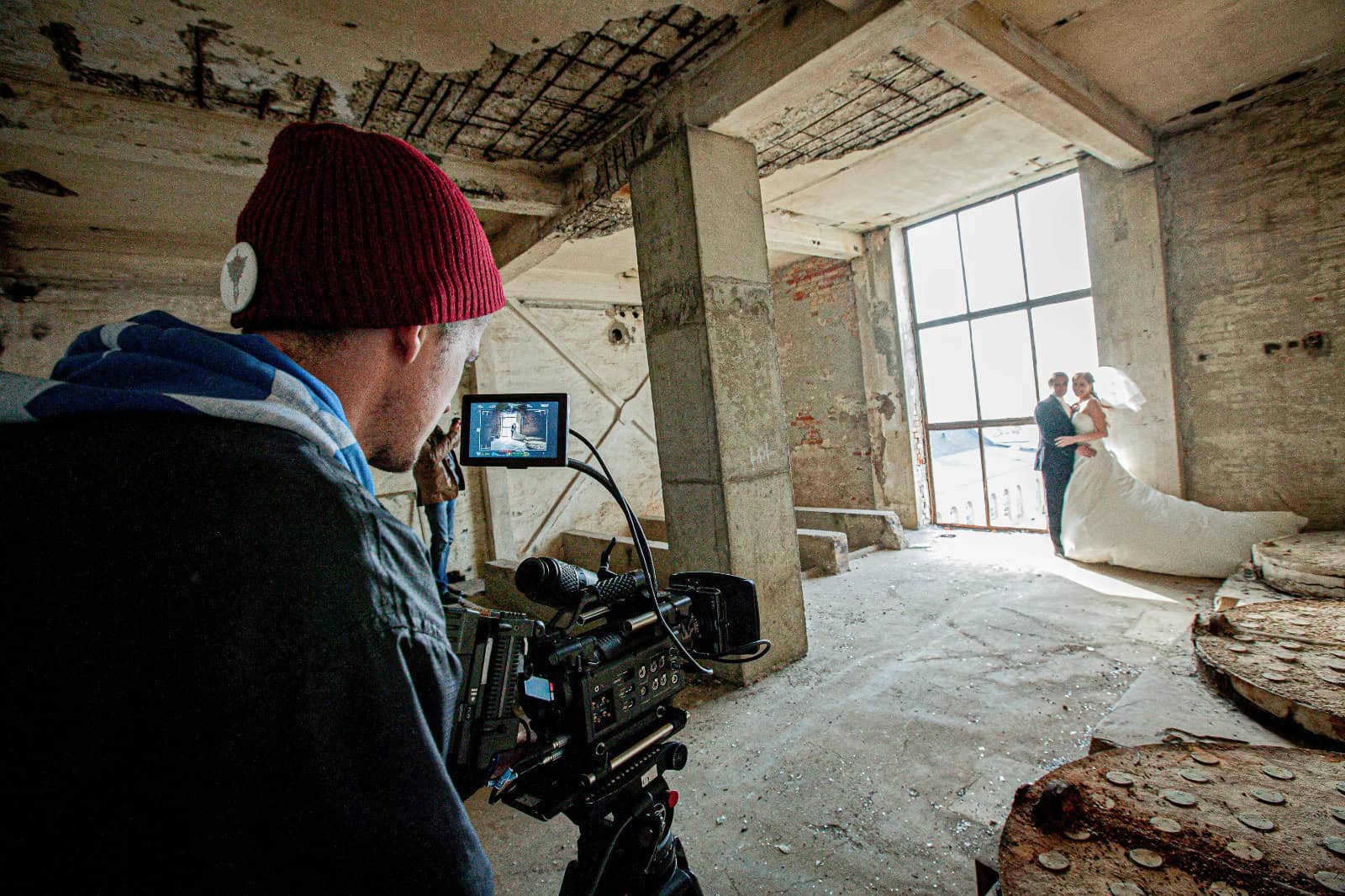
In photography and content, AI-assisted culling and editing tools are helping professionals move through large image sets more quickly, while the rise of wedding content creators has made rapid teaser edits and social-ready clips within 24 to 48 hours increasingly common. The result is not the replacement of human creativity, but a faster rhythm of memory-making. Couples no longer wait weeks to begin reliving the event. The first emotional replay can begin almost immediately.
One of the most emotionally charged developments is the use of AI-generated tributes for absent or deceased loved ones. Recent reporting in India shows that families and small creators are already using AI video recreations during weddings and rituals so that a parent or grandparent appears on screen to offer blessings.
It is a powerful idea because weddings place such value on presence, continuity, and family witness. At the same time, it introduces serious ethical questions about consent, authenticity, and the emotional cost of digitally recreating someone who is no longer there. That tension is likely to define the next phase of immersive weddings: not technology for spectacle alone, but technology used to bridge distance, preserve memory, and answer an intensely human desire to make everyone who matters feel present in the moment.
Tradition, now with a Wider Horizon
Live weddings are not here to dilute tradition. They are here to carry it further. A wedding still belongs to the family in the front row, the priest by the mandap, the hands that hold the varmala, the eyes that well up during the bidaai. Yet it also belongs to the people who cannot board a flight, take leave, or cross time zones, but still want to be part of the moment.
The guest list now stretches beyond geography, without losing its soul. The sacred fire still burns. It simply has better Wi-Fi.
Read More: Lifestyle, Weddings, and Wellness