

Monsoon escapes through rain-soaked forests, tea hills under clouds, thunderous waterfalls and stays that only get better when the sky turns dramatic
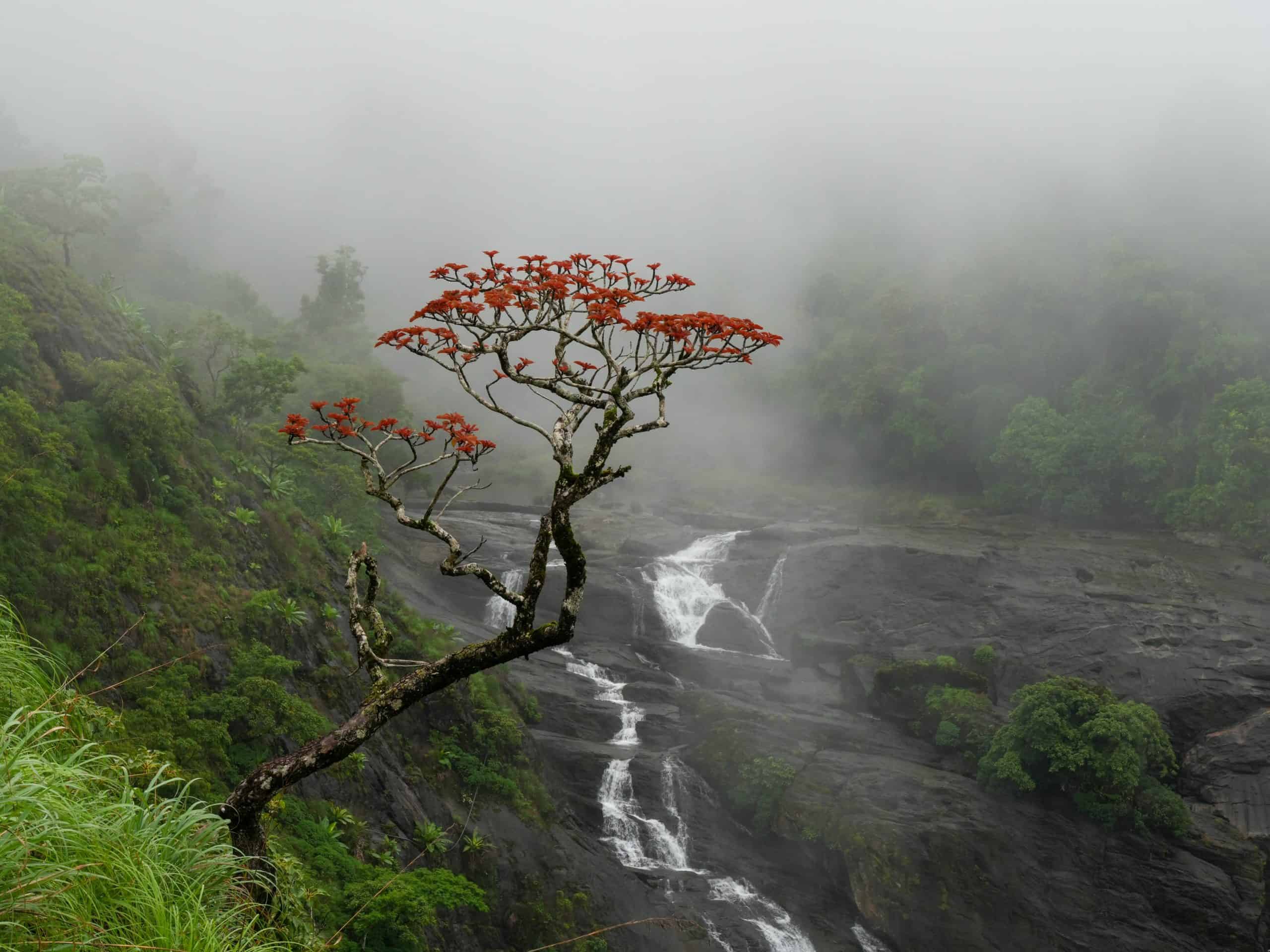
Some journeys ask for blue skies, clean sunlight and a horizon polished until it almost looks staged. Monsoon travel in India has no interest in such perfection. It works by a different grammar. It rewards the right landscape, the right pace and the right mood. When the rains arrive, the country does not simply turn greener. It becomes softer, deeper, moodier and, in the right places, far more seductive.
That is what makes the monsoon one of India’s most compelling travel seasons. It has its own rhythm, geography and pleasures. The rain touches Kerala first, climbs the Western Ghats, fills rivers, thickens forests and turns familiar holiday addresses into places with more character, more silence and a sharper sense of drama. Hills that looked pretty in summer suddenly look mysterious. Rivers that seemed well-behaved begin speaking loudly. Forests grow darker at the edges. Even an old tiled roof, a plantation bungalow or a lakeside deck begins to feel cinematic.
The monsoon is not designed for the hurried traveller. It has no patience for frantic sightseeing or overplanned days. Its best rewards come slowly: a long lunch in plantation country, an afternoon spent watching cloud roll across a valley, a book abandoned because the rain outside is more interesting, a cup of tea that tastes better because the whole world has turned damp and fragrant. This is travel as mood, not movement. It asks less of the itinerary and more of the senses.
In the right places, the rain brings out the best in a landscape. Waterfalls gather force, tea slopes disappear under mist, coffee estates smell of wet earth and spice, backwaters turn silver-grey, and wellness retreats feel less like planned escapes and more like a natural response to the season. The glamour of monsoon travel is not glossy. It is intimate, atmospheric and quietly indulgent. It belongs to verandahs, warm lamps, slow meals, steaming baths, mossy paths and rooms where the sound of rain becomes part of the architecture.
Mountains, Monsoon and Tea
The Western Ghats are where this story truly comes alive. This long, ancient mountain system seems built for rain. During the monsoon, the Ghats do not merely receive water; they perform with it. Roads curl around soaked hillsides, forests blur into cloud, streams appear beside bends, and every valley seems to hold a private shade of green. The landscape feels freshly washed and old at the same time, as though the rain has returned it to its first language.
Munnar carries that mood with rare grace. Its tea gardens look beautiful through much of the year, yet the monsoon gives them another personality. The slopes turn darker and more sculptural. Mist moves across the plantations like a soft curtain. The air feels cooler, cleaner and faintly herbal. A morning here does not need much to become memorable. A porch, a shawl, a cup of strong tea, wet stone steps and hills appearing and disappearing through cloud are enough.
The romance is different in Darjeeling, though equally powerful. Here the rain arrives with an old-world mood. It falls on tea estates, colonial-era buildings, narrow lanes, mossy walls and mountain air that already carries a hint of nostalgia. The wooden floors seem darker. The windows hold more drama. The clouds settle low over the ridges, and slow mornings begin to feel like the main event. Darjeeling in the rain is not about chasing views every hour. It is about accepting that the view may come and go, and that the waiting itself has charm.
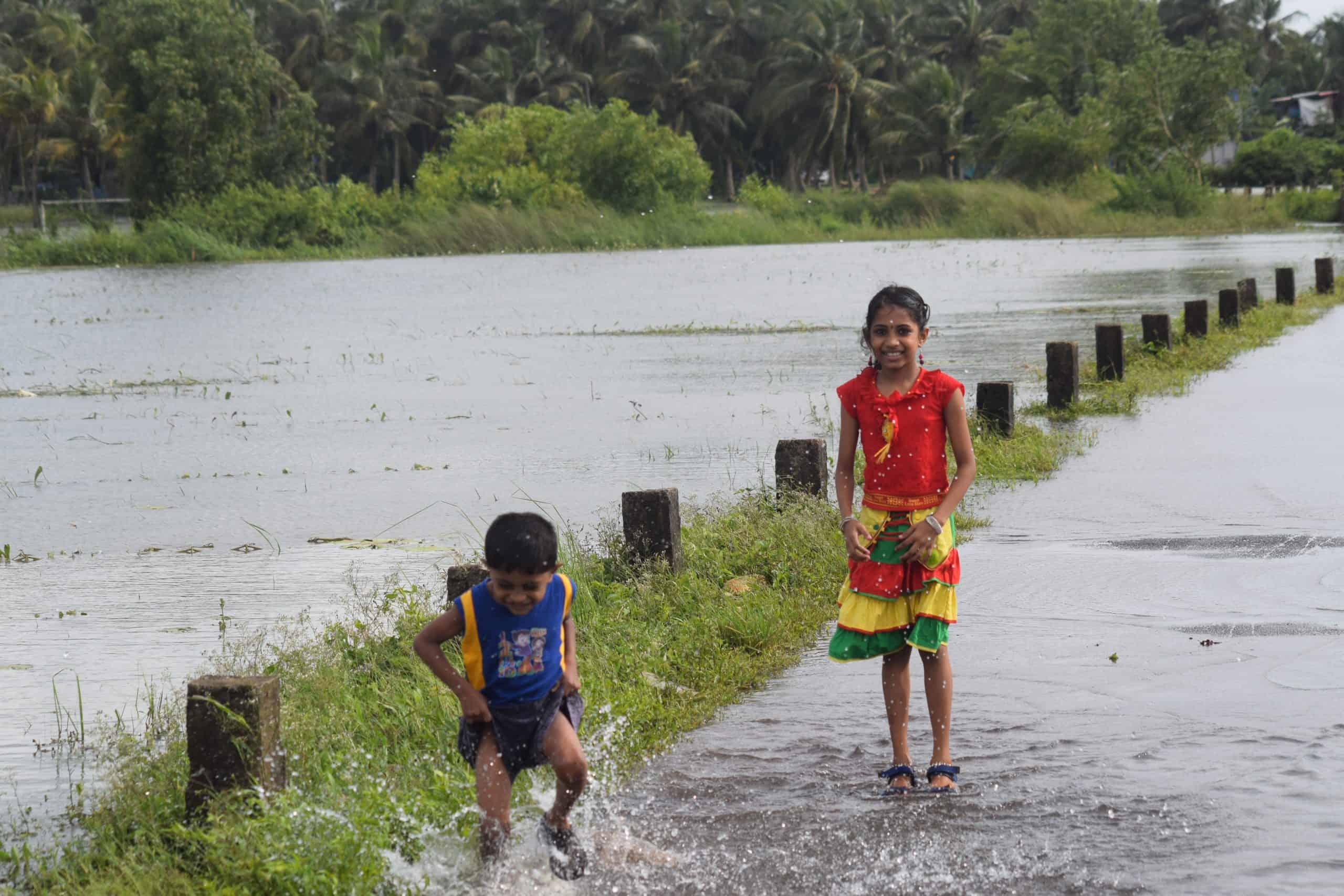
There is a certain elegance to tea country during monsoon. It understands leisure without trying too hard. Plantation stays, heritage bungalows and hill hotels become more appealing because the weather gives them a role. A dining room with rain outside suddenly feels generous. A lounge with old photographs and polished wood gains atmosphere. The day may move between estate walks, tastings, bakery stops, long drives and quiet evenings, but the real pleasure lies in the way everything slows down.
Coorg offers another variation on the same theme. The rain here falls over coffee, pepper vines, silver oak, red soil and forested slopes. The landscape smells richer during the season, with damp leaves, roasted coffee, spice and wood smoke mixing into something deeply comforting. A stay in coffee country can feel like a private pact with the weather. Plans become softer. Breakfast stretches. Conversations run longer. The best luxury here may be a wide verandah, a pot of coffee and the sight of rain moving across the estate in layers.
Torrents of Sky and Earth
Then there is the louder, wilder side of the season. Waterfalls in the monsoon are not merely scenic stops. They are full-scale events. They remind travellers that water has force, voice and theatre. A waterfall seen in summer may be beautiful. A waterfall seen in the rains can feel like an encounter.
Athirappilly and Vazhachal in Kerala become grand spectacles when the monsoon takes command. The forests deepen around them, the air fills with spray, and the sound of falling water travels before the view appears. Athirappilly in full flow has a physical presence. It is not a quiet postcard. It is roar, mist, rock, forest and movement. The surrounding greenery makes the drama feel even more intense, as if the entire landscape has gathered to watch.
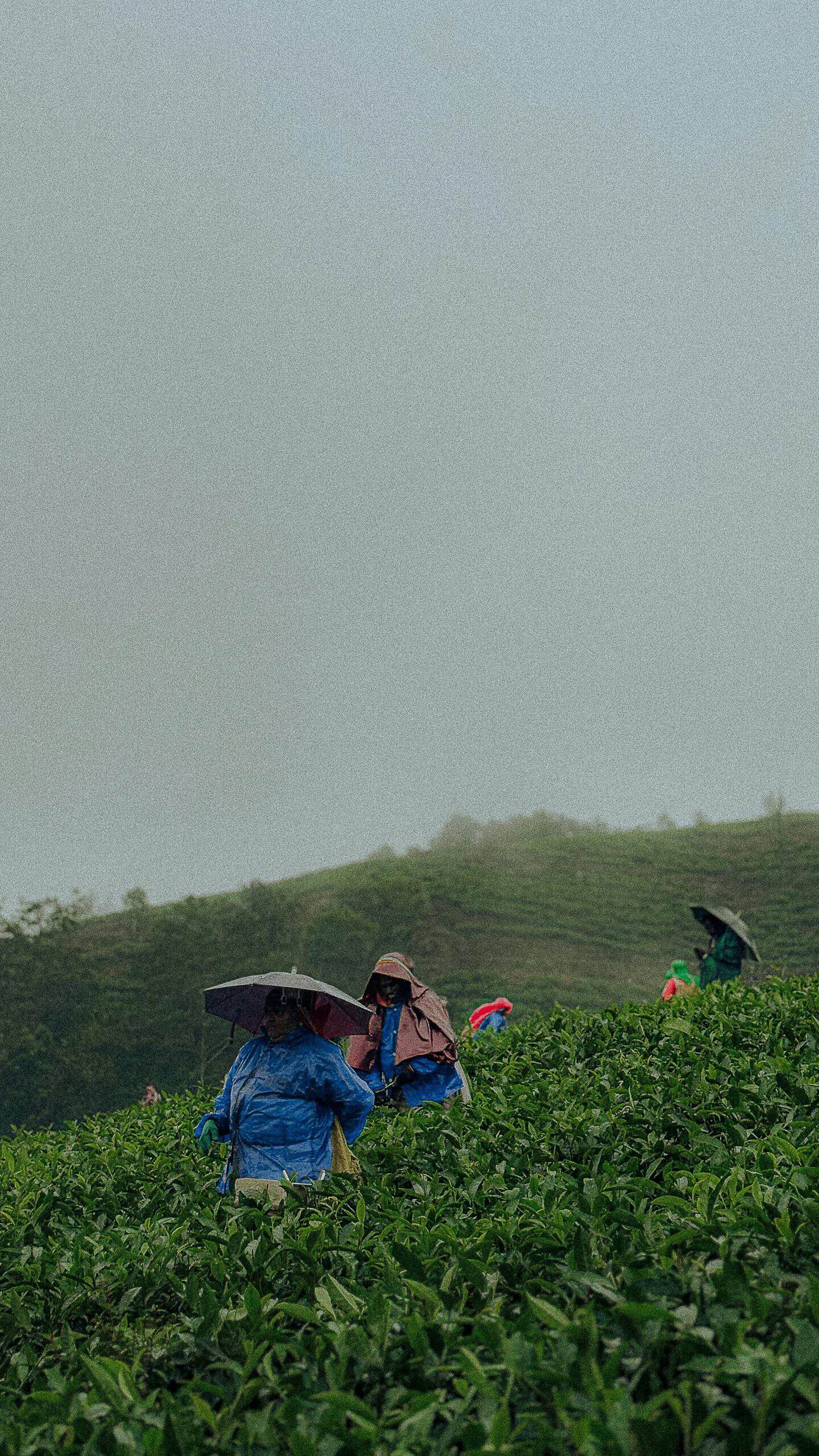
Jog Falls in Karnataka carries the same high-voltage drama. During the rains, the water plunges with volume and authority, reorganising the entire scene around itself. Mist rises. The cliffs darken. The sound seems to fill the body as much as the ear. It is one of those places where scale becomes part of the experience. You do not simply look at Jog in the monsoon; you feel the weather that created it.
Meghalaya takes this water story into almost mythic territory. In Sohra, better known to many as Cherrapunji, rain is not an interruption. It is identity. The cliffs, valleys, caves, root bridges and waterfalls of the region seem shaped by centuries of conversation with cloud. The air carries a permanent freshness, the moss looks ancient, and the landscape often appears half-visible, as though mist has decided what travellers are allowed to see.
Nohkalikai Falls is one of those places where rain becomes the main character. Water falls through air, cloud and stone with a kind of tragic beauty that stays in the mind. The plunge, the height, the changing light and the myth attached to the place give it an intensity beyond scenery. In the monsoon, the surrounding plateau feels alive with water. Streams cross paths, clouds drift low, and the world seems held between sky and cliff.
Backwaters Under a Grey Sky
If the mountains bring drama, the backwaters bring stillness. Kerala’s lakes, canals and rivers wear the monsoon beautifully. Under a blue sky, the backwaters are serene. Under a rain-filled sky, they become meditative. The colours soften into silver, green and charcoal. Coconut palms bend over the water. Houseboats move more quietly. The surface of the lake breaks into endless tiny rings as rain falls.
Kumarakom, Alleppey and the quieter stretches around Vembanad Lake feel especially suited to travellers who do not need constant entertainment. The joy here lies in watching. Fishermen move through the rain. Birds lift suddenly out of reeds. Lamps glow early inside homes along the banks. Meals taste warmer and more generous because the weather asks for comfort. Pearl spot, appam, stew, peppery preparations, coconut-rich curries and hot tea all seem to belong to the season.
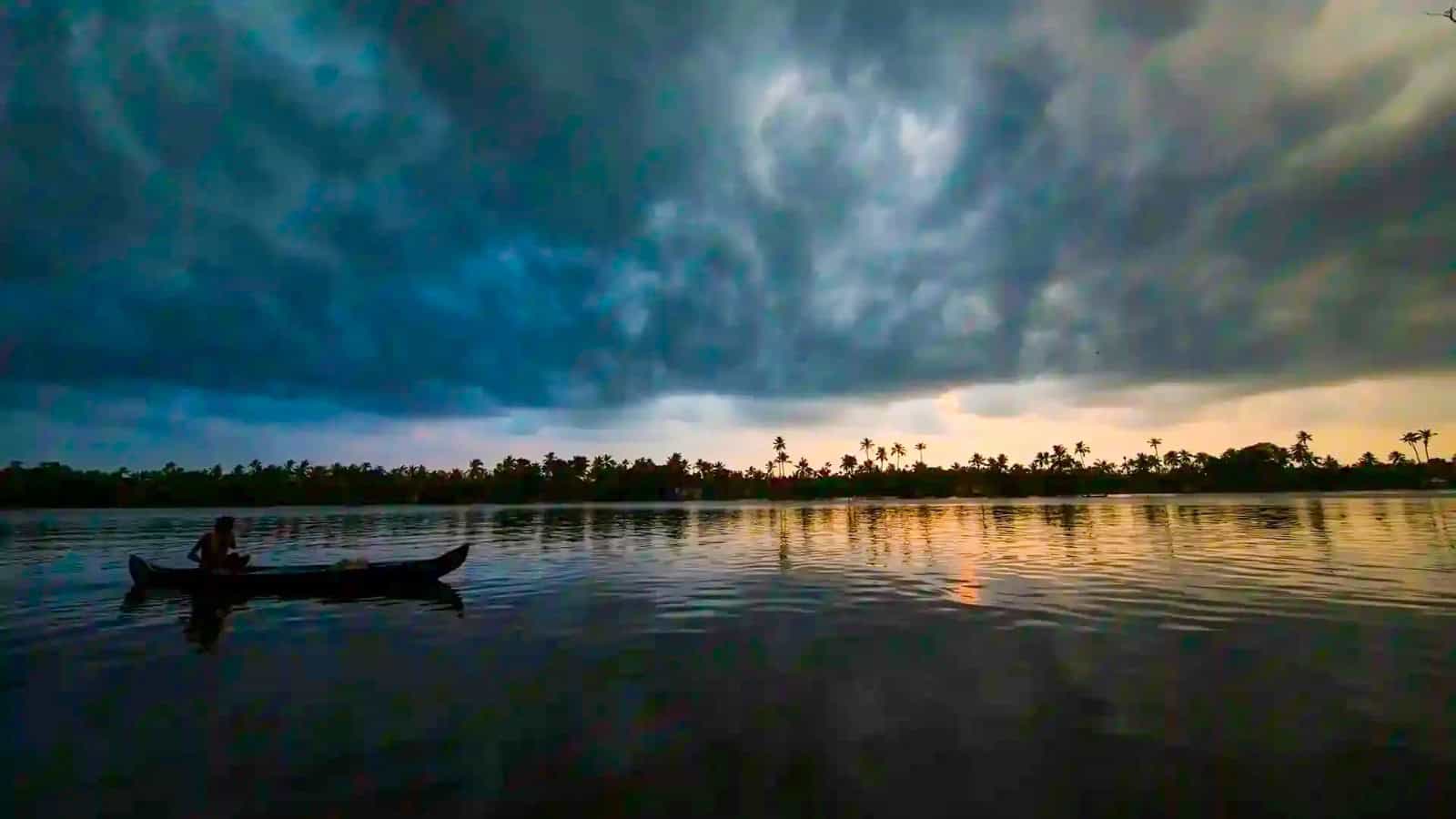
A monsoon houseboat journey is not about bright photographs alone. It is about atmosphere. The best moments may happen when the boat slows near a village canal, when the rain softens the horizon, or when the afternoon becomes so quiet that even conversation feels optional. For travellers used to chasing activity, this can feel almost radical. Nothing much happens, and that becomes the point.
The backwaters also show why monsoon luxury in India is often more emotional than material. It is not always about marble bathrooms or grand lobbies, though those have their place. It is about being sheltered while nature performs outside. It is about a room that faces water, a chef who understands the season, a spa treatment timed to the rain, and staff who know when to let silence do the work.
The Alchemy of Rain
That is also why Kerala’s rainy-season wellness culture fits so naturally into any monsoon journey. In this part of India, the monsoon has long been linked with restoration. Ayurveda, seasonal food and slow, inward travel all seem to make deeper sense when the world outside is washed clean and the days feel naturally quieter.
The season gives wellness a more convincing setting. Warm oils, herbal steam, medicinal kitchens, green courtyards, tiled roofs and the steady sound of rain come together without fuss. A treatment room in the monsoon feels less like a luxury accessory and more like the centre of the holiday. The body slows down because the weather has already done so. The mind follows.
There is also something beautifully grounded about the food of the season. Monsoon eating in India is not cold, decorative or fussy. It leans towards warmth, spice and comfort. Pepper, ginger, cumin, turmeric, curry leaves, hot broths, kanji, steamed preparations, strong coffee and tea all carry a kind of practical wisdom. They warm the body, sharpen the appetite and turn meals into small acts of care.
In Kerala, this can mean a table scented with coconut, curry leaves and black pepper. In Coorg, it may be pandi curry, akki roti, seasonal greens, wild mushrooms and coffee. In the hills, it may be momos, thukpa, bakery bread, buttered toast, tea and simple plates that feel more satisfying because of the cold air outside. The monsoon does not ask food to be showy. It asks it to be soulful.
Wellness resorts and boutique retreats understand this better now. The newer idea of luxury is not built only around pampering. It is built around climate, food, sleep, slowness and setting. A good monsoon stay offers more than a room. It offers the right relationship with rain. It gives guests spaces where they can watch it, listen to it, step into it briefly and return to warmth.
The Cool of Staying In
One of the chicest things about monsoon travel is that it gives permission to stay in. This may sound simple, but it changes the entire holiday. A destination no longer has to be consumed through endless movement. The hotel, homestay, villa, plantation bungalow or retreat becomes part of the journey, not merely a place to sleep.
This is where the season feels surprisingly modern. Travellers are increasingly drawn to holidays with mood, design and atmosphere. They want stays that photograph well, yes, but also feel good in real life. A glass-walled suite in the hills, a restored bungalow in coffee country, a lakeside villa in Kerala or a forest lodge with a rain-facing deck can turn bad weather into the best feature of the trip.
This is not laziness. It is a more sophisticated form of travel. The checklist gives way to atmosphere. The rush to cover every attraction gives way to a smaller, more satisfying circle of experience. A plantation walk between showers, a waterfall visit when conditions allow, a spa appointment in the afternoon, a slow dinner and a storm watched through glass can feel fuller than a packed day of sightseeing.
The trick is to choose the right destination. Rain does not flatter every place equally. Some cities become clogged and difficult. Some beaches lose their charm when the sea turns rough. Some roads need caution. But certain landscapes come alive because of it. The Ghats, tea hills, coffee estates, backwaters, forest retreats and waterfall country were made for this season. They have depth, shelter and drama.
The Traveller Who Loves the Rain
Monsoon travel suits a particular kind of traveller, or perhaps a particular mood within every traveller. It suits people who do not panic when plans change. It suits those who enjoy an unhurried lunch as much as a famous viewpoint. It suits couples looking for intimacy, solo travellers who like silence, families who enjoy slow stays, and design-conscious travellers who understand that a rain-washed view can be more memorable than a sunny one.
A smart monsoon itinerary leaves space. It does not crowd the day. It checks weather and road conditions. It builds in longer travel time. It chooses properties carefully and avoids unnecessary risk near swollen rivers, rough seas and unstable slopes. This is not the season for reckless adventure. It is the season for alert, stylish, weather-wise travel.
A Season That Stays
Maybe that is what makes monsoon travel in India so compelling. It asks for a more evolved idea of escape. Rain does not make every place better, but it makes some places unforgettable. In Kerala’s backwaters, Munnar’s tea hills, Darjeeling’s misty estates, Coorg’s coffee country, Athirappilly and Jog’s waterfall landscapes, and Meghalaya’s cloud-soaked plateau, the season does not stay in the background. It shapes the trip, sharpens the senses and lingers in memory long after the suitcase has dried.
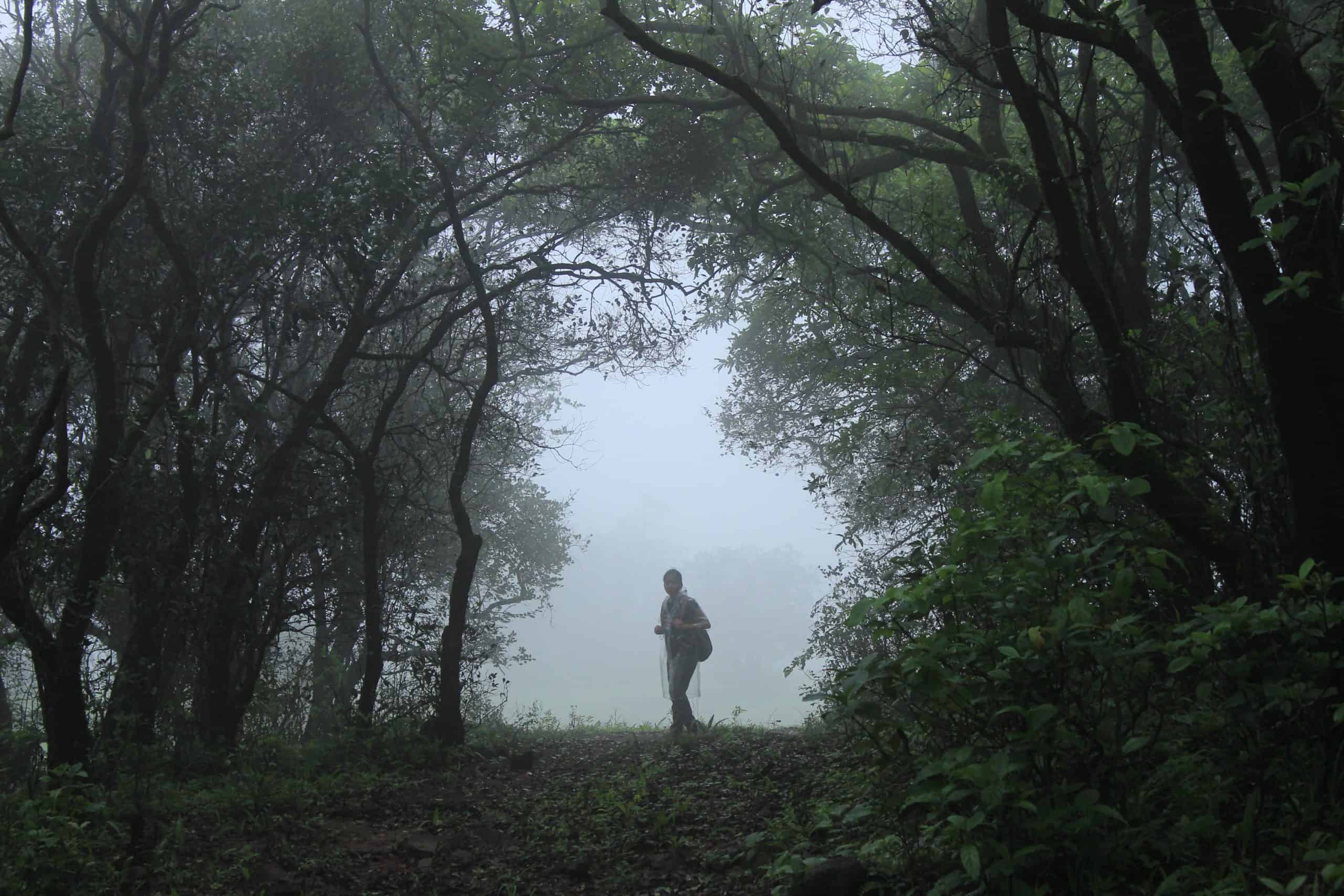
The beauty of the monsoon lies in its refusal to behave like a standard holiday season. It does not promise predictability. It promises atmosphere. It may hide a view, cancel a plan, flood a path or slow a journey. Yet it may also give you a morning so green it feels unreal, a waterfall so powerful it silences conversation, a meal that tastes like shelter, or a room where the rain outside makes everything inside feel warmer.
A hundred rains can fall across India, and ea ch has its own personality.
There is the soft rain of tea hills, the silver rain of backwaters, the fierce rain of waterfalls, the forest rain that smells of leaves and soil, the mountain rain that arrives with mist, and the night rain that turns a good hotel room into a perfect one. The traveller who understands this does not wait for the weather to clear. They book the room with the best view of the storm.
Read More: Discover Your India