

Between the Ridge and Naldehra, discover the finest walks, landmarks, markets and mountain roads slowly with this Shimla Guide
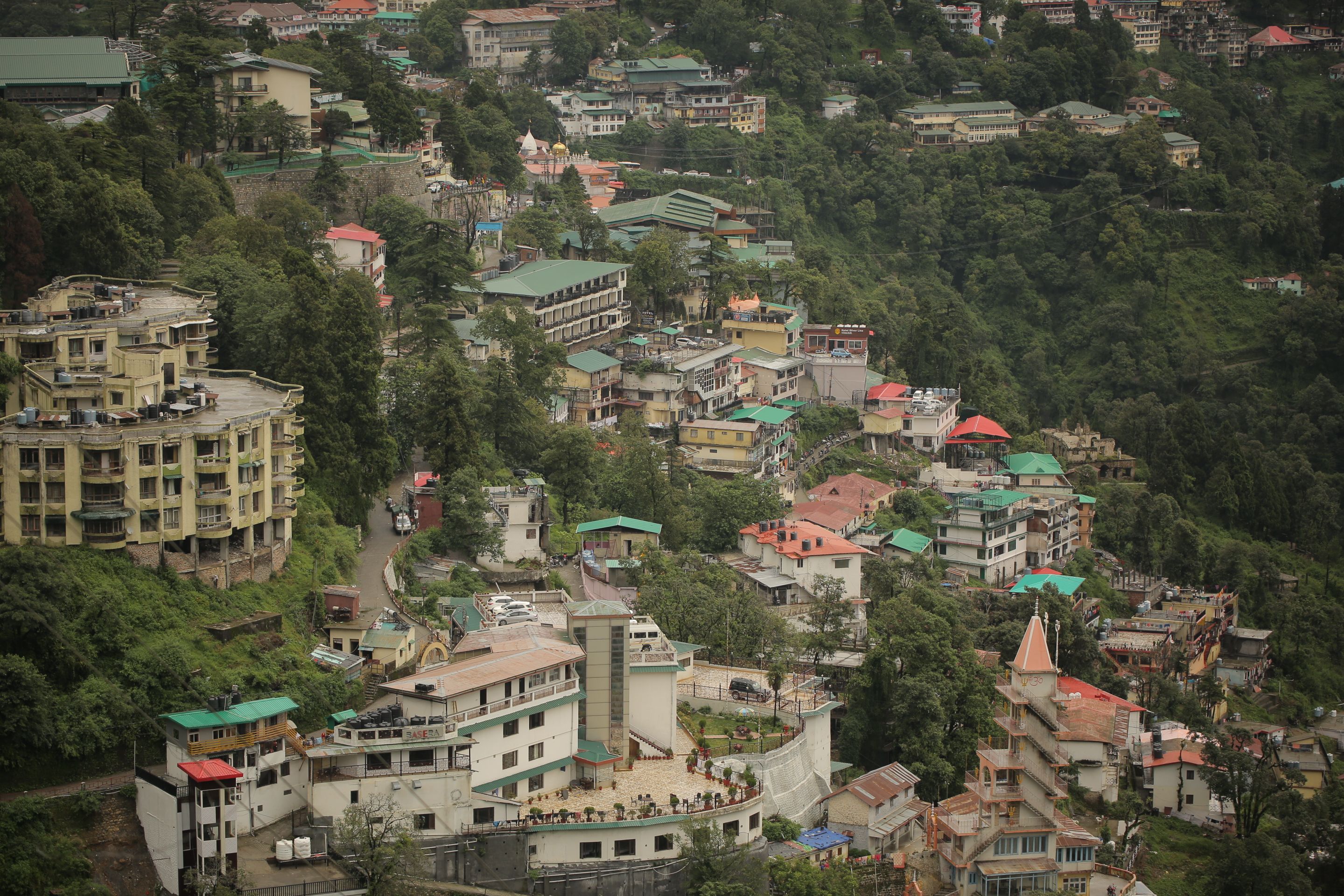
Shimla has been part of the Indian holiday imagination for generations, yet the town can still surprise travellers who move beyond its busiest viewpoints. Behind the familiar photographs of the Ridge and Christ Church lies a place shaped by steep lanes, cedar forests, old institutions, crowded bazaars and neighbourhoods spread across a chain of hills.
A good Shimla trip needs a little planning. The central town is highly walkable, but its slopes can make short distances feel longer than expected. Cars cannot enter several areas around Mall Road, parking is limited, and nearby places such as Kufri and Naldehra can become crowded during peak season. Trying to cover everything quickly usually results in more time in traffic and less time to enjoy the destination.
Three days create a comfortable itinerary. The first introduces central Shimla and its markets. The second combines Jakhoo Hill with the town’s colonial heritage. The third moves into the forested countryside around Kufri, Mashobra and Naldehra.
Shimla at a Glance
- Altitude: 2,202 metres above sea level
- Distance from Delhi: Approximately 370 kilometres
- Driving time from Delhi: Around eight hours in normal conditions
- Distance from Chandigarh: 119 kilometres
- Driving time from Chandigarh: Around three and a half to four hours
- Nearest airport: Shimla Airport at Jubbarhatti, approximately 22 kilometres away
- Nearest major airport: Chandigarh Airport, approximately 120 kilometres away
- Rail route: Kalka Shimla Railway, approximately 96 kilometres long
- Rail journey from Kalka: Usually five to six hours, depending on the service
- Recommended stay: Two days for the main town and three days with an excursion
- Best months: April to June and October to November
- Winter period: December to February, with a chance of snowfall
The Kalka Shimla Railway forms part of UNESCO’s Mountain Railways of India and continues to operate along its 96-kilometre mountain route. Shimla Airport is located at Jubbarhatti, around 22 kilometres outside the town.
Understanding Shimla Before You Arrive
Shimla is built across several ridges, so it does not function like a flat city with one compact centre. The Ridge and Mall Road form the main visitor zone, but many hotels, markets and attractions sit above or below them. Moving between these levels often means climbing stairs or following steep pedestrian paths.
This geography is part of the experience. Mall Road feels open and orderly, while Lower Bazaar is dense, busy and local. Jakhoo rises above the town through forested slopes. Chaura Maidan offers broader roads and stately buildings. A few kilometres outside the centre, the landscape begins opening into quieter forest and orchard country.
The right hotel location makes a noticeable difference. A property described as five minutes from Mall Road may still involve a steep uphill walk. Travellers with older family members, small children or mobility concerns should confirm the actual walking route before booking.
When to Visit Shimla
April to June
Summer is the most popular season. The weather is generally pleasant for walking, sightseeing and day trips, with cooler mornings and evenings. It is also the busiest time of year.
Mall Road remains lively well into the evening, cafés are full, and hotels near the centre see strong demand. Traffic is usually heavier on weekends, during school holidays and around long public holidays.
Expect:
- Comfortable daytime temperatures
- Cool evenings
- Busy central attractions
- Higher accommodation rates
- Traffic on the Chandigarh Shimla route
- Crowds at Kufri and Jakhoo
Booking accommodation and parking in advance is advisable during these months.
July to September
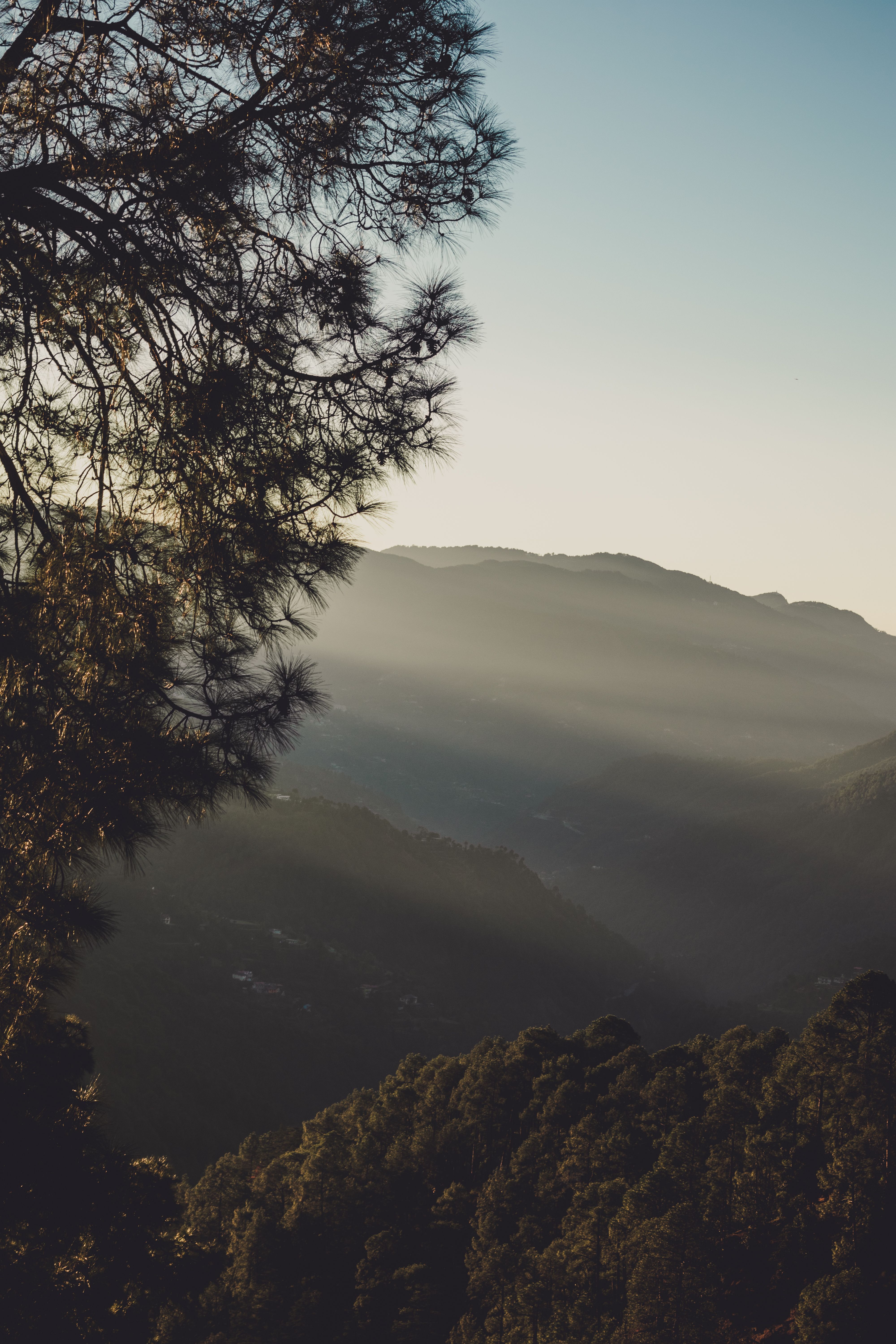
Rain gives Shimla a quieter and greener character. Clouds settle over the hills, forests appear deeper in colour, and the town is often wrapped in mist.
The scenery can be beautiful, but the monsoon also brings practical difficulties. Roads may become slippery, visibility can fall quickly, and journeys outside the town may take longer. Heavy rain can occasionally affect hill roads across Himachal Pradesh.
Carry:
- A compact umbrella
- A waterproof jacket
- Shoes with good grip
- An extra travel buffer
- A flexible sightseeing plan
Monsoon visitors should check the weather and road conditions before beginning longer excursions.
October and November
Autumn is one of the most comfortable periods for a Shimla holiday. The rains have usually withdrawn, the air is crisp, and the skies are often clearer. The town is generally calmer than during peak summer, though festival weekends can still be busy.
These months work well for heritage walks, photography and drives towards Naldehra, Mashobra or Chail.
December to February
Winter brings colder days, quiet mornings and the possibility of snow. Temperatures can fall sharply after sunset, and shaded roads may remain icy after snowfall.
Snow cannot be guaranteed on specific dates. Travellers planning a winter visit should enjoy the cold weather and seasonal atmosphere, even if snowfall does not occur during their stay.
Pack:
- Thermal innerwear
- A heavy jacket
- Gloves and warm socks
- Shoes with strong grip
- Moisturiser and lip balm
- Extra medication in case of road delays
How to Reach Shimla
By Road
Driving remains the most practical choice for travellers arriving from Delhi, Chandigarh and nearby cities.
Shimla is approximately 370 kilometres from Delhi and 119 kilometres from Chandigarh. Under normal conditions, Delhi to Shimla takes around eight hours, while Chandigarh to Shimla generally takes three and a half to four hours. Weekend traffic, road construction, poor weather and stops can extend both journeys.
An early departure from Delhi helps avoid traffic across the plains. Solan is a convenient place for a meal or short break before the final climb.
Useful Road Distances
- Delhi to Shimla: 370 kilometres
- Chandigarh to Shimla: 119 kilometres
- Kalka to Shimla: 80 kilometres
- Shimla to Kufri: 20 kilometres
- Shimla to Mashobra: Approximately 12 kilometres
- Shimla to Naldehra: Approximately 22 kilometres
- Shimla to Chail: Approximately 43 kilometres
Travellers bringing a private car should choose accommodation with confirmed parking. Parking around the central town is limited, and hotel access may involve a separate lift, shuttle or pedestrian route.
By Train
The Kalka Shimla Railway is the most scenic way to enter the town. The narrow gauge line covers approximately 96 kilometres and usually takes five to six hours, depending on the train selected.
The journey passes through tunnels, forests, small stations and long mountain curves. It is slower than driving, so it works best for travellers who have enough time to enjoy the route.
Seats can sell out during summer, holiday periods and weekends. Advance reservation is recommended, particularly for services with limited coaches.
By Air
Shimla Airport is located at Jubbarhatti, approximately 22 kilometres from town. It is a small regional airport, and flight schedules may be affected by weather and operational conditions.
Chandigarh Airport, around 120 kilometres away, usually offers more connections. Travellers can continue to Shimla by taxi or prearranged hotel transfer.
Day One: The Ridge, Mall Road and the Markets
The first day is best kept within central Shimla. Once you reach the pedestrian area, most of the sightseeing can be covered on foot.
Begin at the Ridge
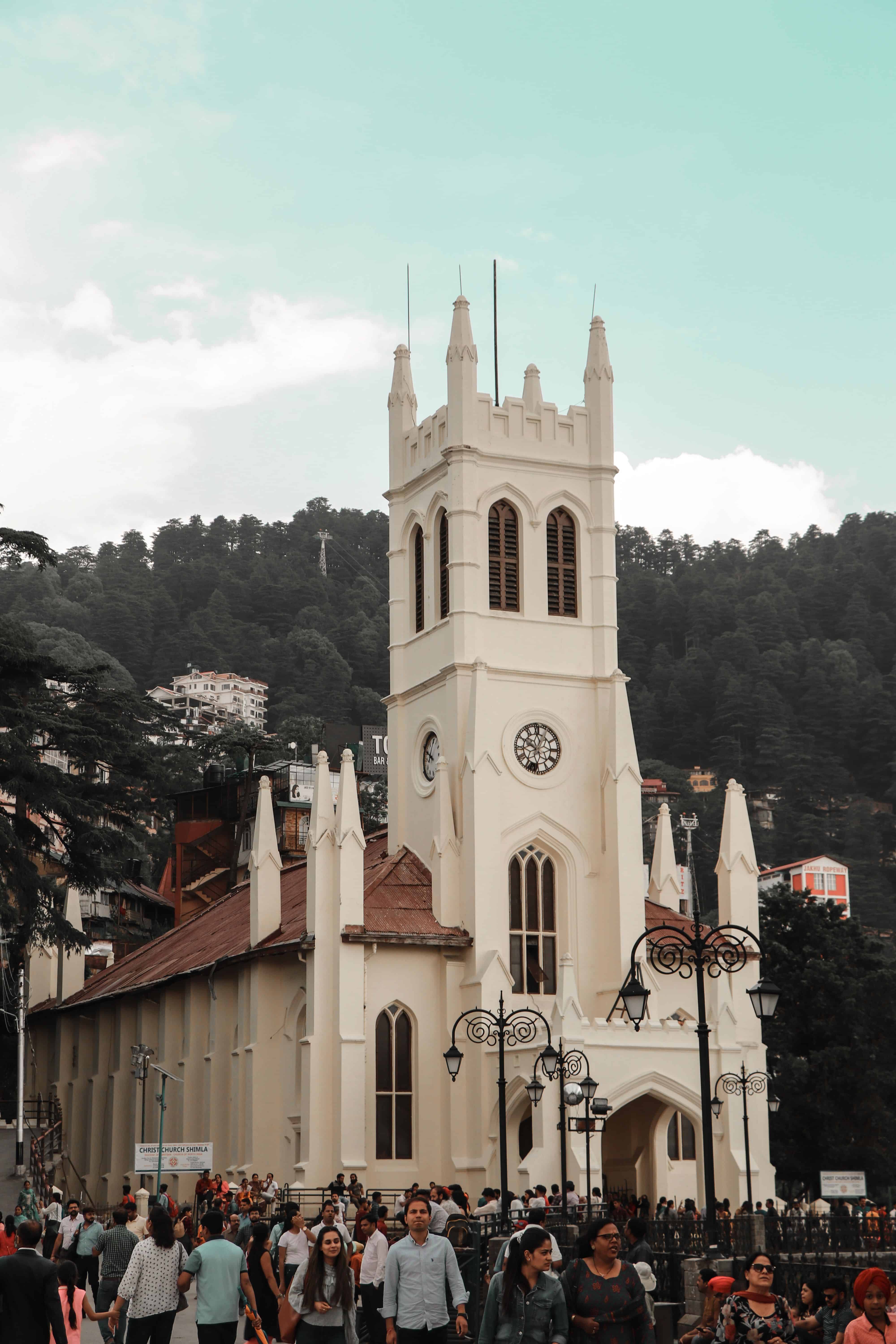
Start early on the Ridge, before the main crowds arrive. This broad open space sits beside Christ Church and offers views across the surrounding slopes.
Christ Church, completed during the nineteenth century, remains one of Shimla’s most recognisable buildings. Its position above the town makes it visible from several surrounding roads and neighbourhoods.
After visiting the church, walk towards Scandal Point and continue along Mall Road. The route is largely free of regular vehicle traffic, which makes it suitable for an unhurried morning walk.
Morning Plan
- Reach the Ridge before the busiest hours
- Visit Christ Church
- Walk towards Scandal Point
- Continue along Mall Road
- Stop for breakfast or tea
Explore Mall Road
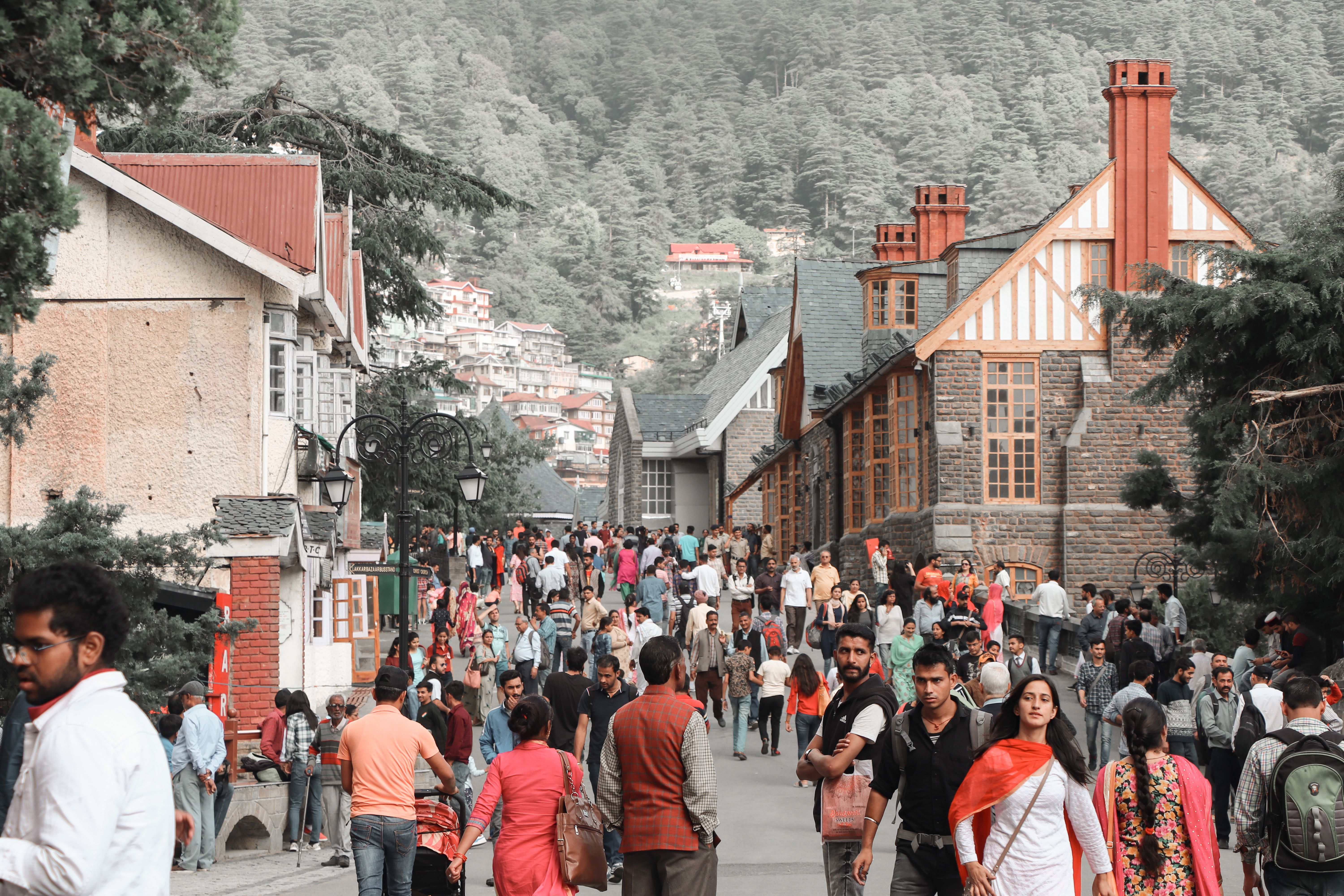
Mall Road contains many of Shimla’s cafés, restaurants, bookshops, bakeries and clothing stores. Several buildings retain elements of the town’s older architectural character, though modern shops now occupy much of the street level.
The experience is less about completing a list of attractions and more about walking the full stretch at a comfortable pace. Stop when something interests you, browse the shops and take time over lunch.
Continue into Lakkar Bazaar
Lakkar Bazaar begins near the eastern side of the Ridge and is known for wooden souvenirs, walking sticks, small shops and local snacks. It is narrower and busier than Mall Road, offering a useful contrast to the polished promenade.
Travellers interested in seeing more of local Shimla can descend towards Lower Bazaar. The market is crowded and active, with shops selling groceries, clothing, household supplies and everyday goods.
The climb back towards Mall Road can be tiring, so explore only as far as your energy allows.
Afternoon Plan
- Walk through Lakkar Bazaar
- Browse wooden crafts and local shops
- Explore part of Lower Bazaar
- Have lunch near Mall Road
- Return to the Ridge gradually
Evening on Mall Road
The centre becomes livelier in the evening as visitors and residents gather for walks. Lights begin appearing across the opposite slopes, cafés fill up and the Ridge develops a relaxed social atmosphere.
Keep the evening simple. Find a café, browse the shops and have dinner within the pedestrian centre. A heavily scheduled evening adds little to the experience.
Day Two: Jakhoo Hill and Shimla’s Heritage Quarter
Day two combines a morning visit to Jakhoo with an afternoon around Chaura Maidan and the Viceregal Lodge.
Morning at Jakhoo Hill
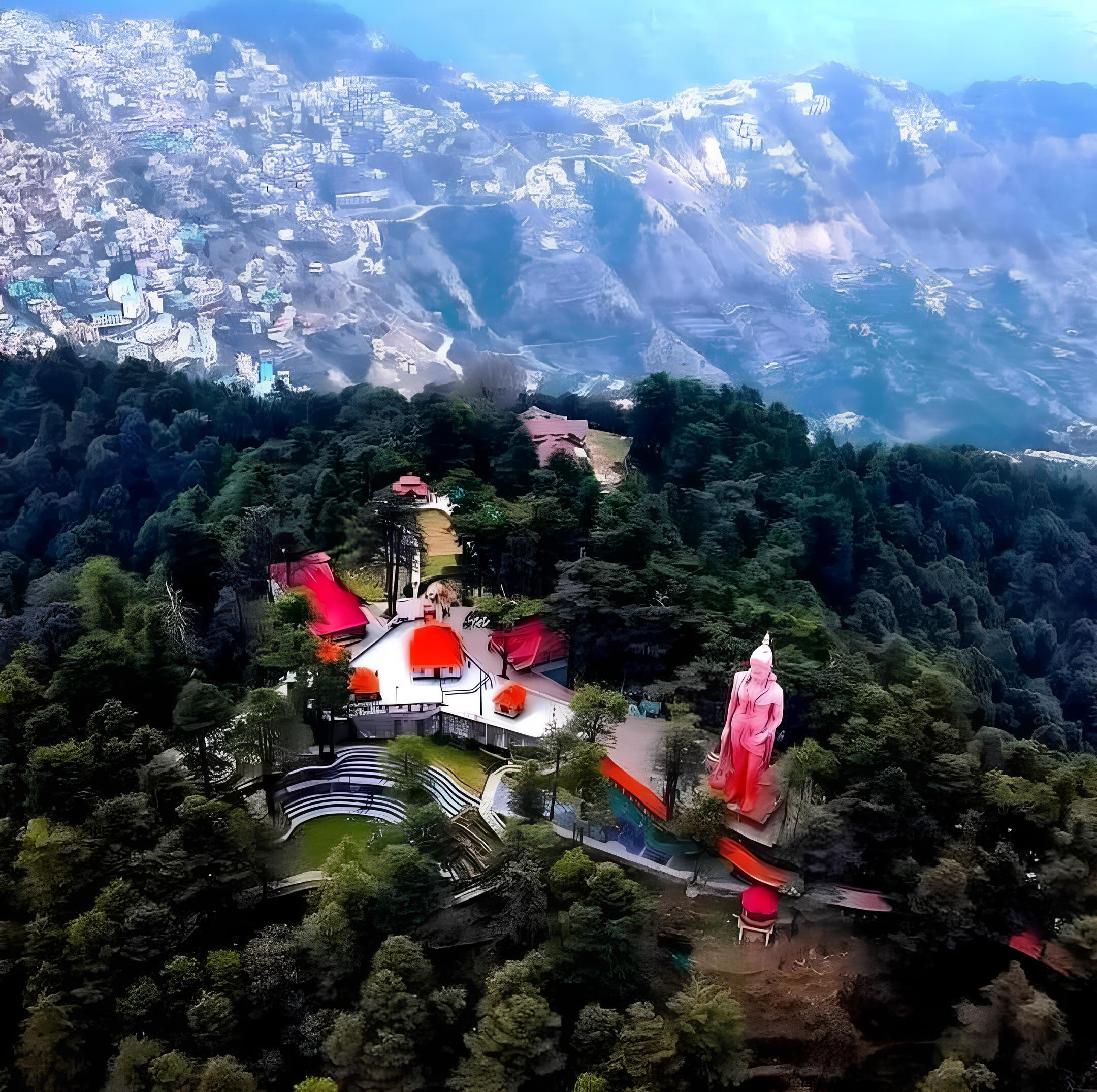
Jakhoo Hill rises to approximately 2,438 metres and is the highest point within Shimla city. The temple at the summit is dedicated to Hanuman and is surrounded by deodar forest.
Travellers can reach the temple by walking, road or ropeway. The uphill path from the Ridge is approximately two kilometres and generally takes 30 to 45 minutes, depending on fitness.
The walk becomes steep in sections, so start early and carry water. Those who prefer an easier visit can travel by taxi or take the ropeway.
Monkeys are common around the temple and access routes. Keep food packed away and avoid carrying loose objects in your hands.
Morning Plan
- Leave after an early breakfast
- Walk, drive or take the ropeway
- Visit Jakhoo Temple
- Spend time at the hilltop
- Return before lunch
Afternoon at the Viceregal Lodge
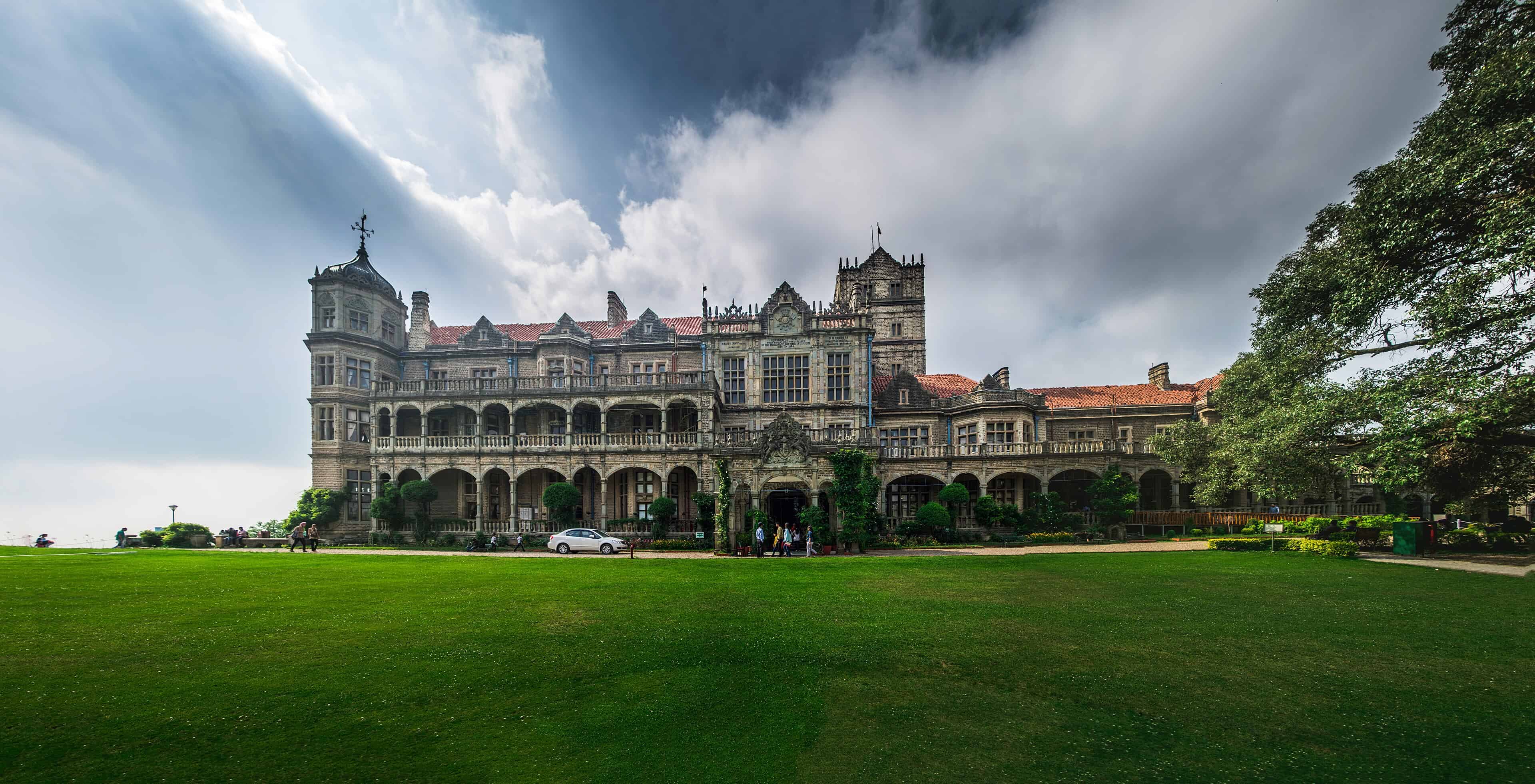
After lunch, travel towards Chaura Maidan and Observatory Hill. The Viceregal Lodge, now used by the Indian Institute of Advanced Study, is one of Shimla’s most important heritage buildings.
Completed in 1888, it once served as the summer residence of the British Viceroy. The building is surrounded by broad lawns and mature trees, creating a quieter atmosphere than the central tourist area.
Visitor access and guided tour timings may change, so check current arrangements before travelling.
Add One Nearby Attraction
Choose one additional stop instead of trying to cover the entire western side of Shimla.
Himachal State Museum: A good option for travellers interested in regional history, art, sculpture and textiles.
Summer Hill: A quieter neighbourhood with wooded roads and university surroundings.
Annadale: Known for its open ground, valley setting and military history.
Chaura Maidan: Suitable for a relaxed walk past institutional and heritage buildings.
Day Three: Kufri, Mashobra and Naldehra
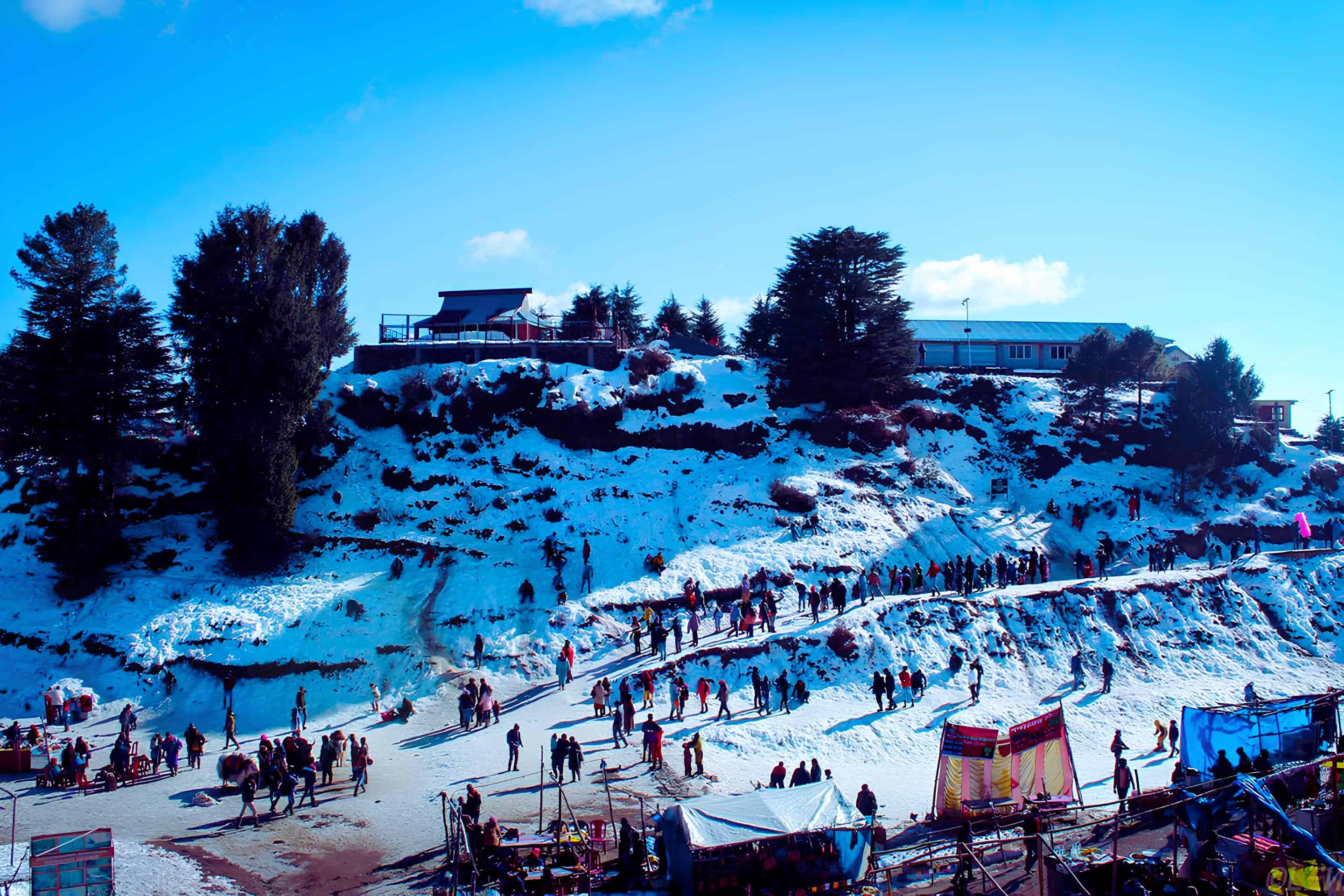
The third day moves beyond central Shimla. Kufri, Mashobra and Naldehra can be combined into one circuit, though traffic and weather will influence the exact timings.
Start Early for Kufri
Kufri is approximately 20 kilometres from Shimla. In light traffic, the drive usually takes 45 minutes to an hour. The route can become heavily congested during summer weekends and after snowfall.
Arrive early to avoid the largest groups. Kufri’s experience varies by season. Winter may bring snow related activities, while the warmer months offer forest views and access to nearby attractions.
Avoid spending too much of the day at crowded commercial points. The wider scenery and drive are often more rewarding.
Continue to Mashobra
Mashobra lies approximately 12 kilometres from Shimla and offers a quieter setting among forests and scattered settlements.
There is no need to rush through it. Stop for lunch, walk through the surrounding area or spend time at a viewpoint or café. Mashobra works best as a pause in the itinerary.
End at Naldehra
Naldehra is approximately 22 kilometres from Shimla. Its open meadow, forested surroundings and golf course landscape create a different atmosphere from the dense central town.
Allow time for a walk and refreshments before beginning the return journey. Leave before it becomes dark, especially during rain or winter.
Suggested Schedule
- 8.00 am: Leave Shimla
- 9.00 am to 10.30 am: Kufri
- 11.15 am to 12.30 pm: Mashobra
- 1.00 pm to 2.00 pm: Lunch
- 2.30 pm to 4.30 pm: Naldehra
- Around 5.00 pm: Begin the return journey
The circuit generally involves 60 to 70 kilometres of driving, depending on the location of your hotel and the roads used.
Chail as an Alternative Day Trip
Chail lies approximately 43 kilometres from Shimla and usually takes around one and a half hours by car in favourable conditions.
It works well as a full day excursion for travellers who prefer a longer scenic drive and a quieter destination. Chail has forested surroundings, historic associations and a more spacious feel than central Shimla.
Choose Chail in place of the Kufri, Mashobra and Naldehra circuit. Combining all four places in one day creates an exhausting driving schedule.
Where to Stay in Shimla
Near the Ridge and Mall Road
This is the most convenient area for first time visitors. Major attractions, restaurants and shops remain within walking distance.
Best suited to:
- Short stays
- Travellers without a car
- Evening walks
- Easy access to restaurants
- First time visitors
The area can be crowded and expensive, and direct vehicle access is limited.
Lakkar Bazaar and the Central Slopes
These areas provide access to the Ridge, Jakhoo and the markets. Some hotels involve steep climbs or stairs.
Best suited to:
- Travellers comfortable with walking
- Market access
- Jakhoo visits
- Budget and midrange stays
Chaura Maidan
Chaura Maidan offers a quieter setting with easier access to the Viceregal Lodge, State Museum and western side of town.
Best suited to:
- Heritage focused holidays
- Longer stays
- Quieter surroundings
- Travellers using a private car or taxi
Mashobra, Kufri and the Outer Hills
Accommodation outside central Shimla often provides larger rooms, forest views and more open surroundings. The trade off is the need for transport whenever you visit Mall Road.
Best suited to:
- Relaxed resort stays
- Families and couples
- Travellers with private transport
- Holidays focused on scenery
Check Before Booking a Hotel
- Is parking available on the property?
- How far is the vehicle drop off point?
- Are there stairs between the entrance and the rooms?
- Is heating included during winter?
- Does the hotel provide power backup?
- Can the access road remain open during snowfall?
- Is the distance from Mall Road measured on foot or by road?
Final Travel Notes
- Keep at least two complete days for central Shimla
- Add a third day for a nearby excursion
- Leave Delhi early in the morning
- Confirm hotel parking before arrival
- Carry warm layers throughout the year
- Wear comfortable shoes with good grip
- Reserve toy train tickets early
- Reconfirm flights and trains before departure
- Check weather conditions during monsoon and winter
- Avoid packing every nearby destination into one day
- Begin day trips early and return before dark
Shimla works best when the itinerary remains manageable. Two days are enough to explore the Ridge, Mall Road, Jakhoo and the main heritage attractions. A third day brings in the wider landscape around Kufri, Mashobra and Naldehra.
Leave some time unscheduled. Shimla’s strongest moments often arrive during a quiet walk, a long tea stop or an evening spent watching lights appear across the hills.
Read more – Discover Your India