

Ayurveda: An ancient healing system steps into a brighter global spotlight, shaped by science, scrutiny, beauty and renewed relevance
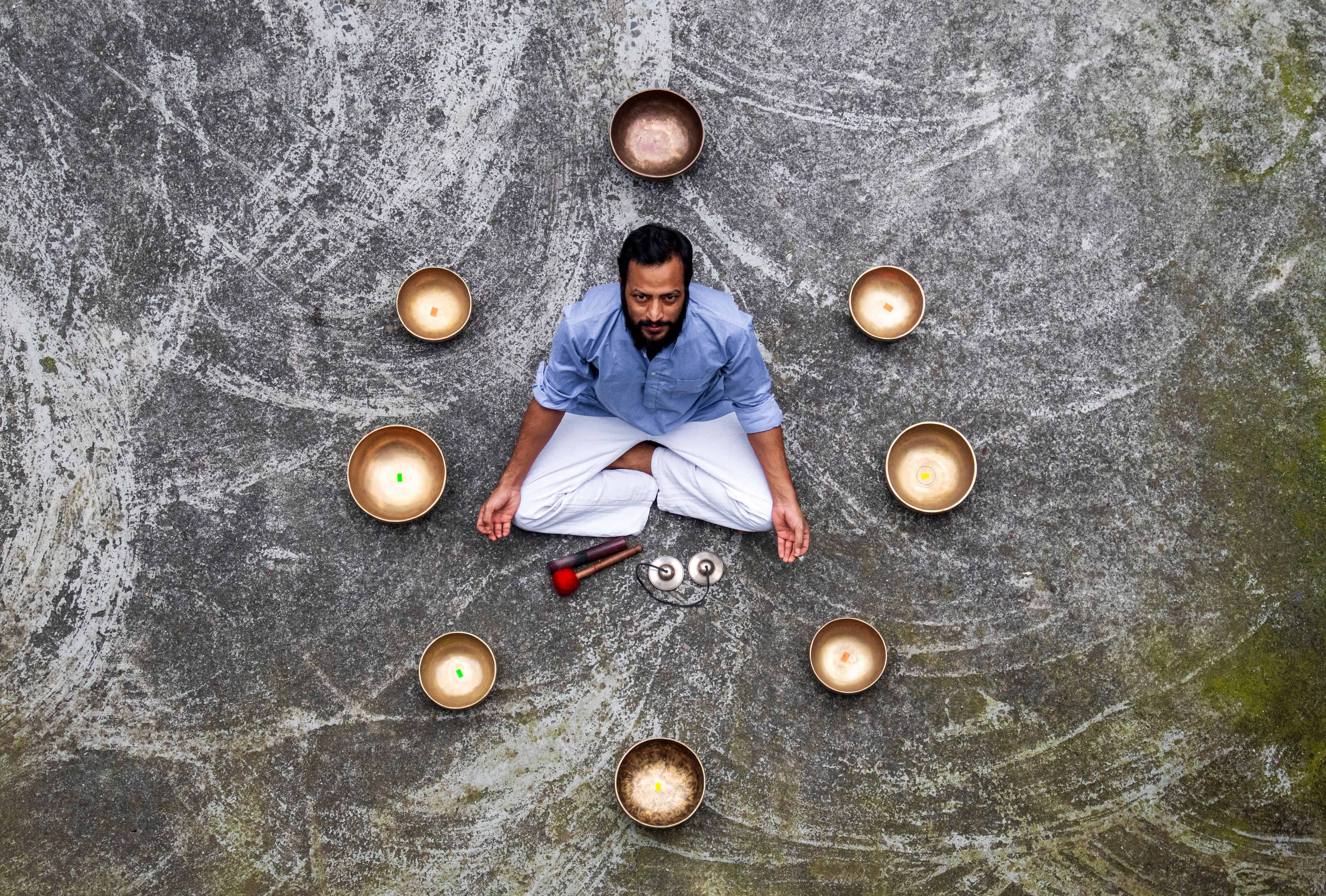
Ayurveda has never lacked history, influence or devoted followers. Its language of balance, digestion, sleep, season and daily rhythm has travelled through generations, entered family kitchens, shaped regional healing cultures and found a place in wellness spaces across the world. What it is gaining now is a different level of attention, one accompanied by harder questions, closer scrutiny and a growing demand for clarity.
Research is becoming central to that shift. India’s Ministry of Ayush continues to strengthen policy, education and professional practice, while universities, hospitals and specialist institutes examine classical formulations, therapeutic methods and their relevance within contemporary public health. The conversation is widening beyond heritage and belief. It is increasingly concerned with evidence, safety, training, dosage, patient selection and the limits of what can responsibly be claimed.
The World Health Organisation has also brought traditional medicine into a more structured global conversation through benchmarks, research priorities and international collaboration. Its Global Traditional Medicine Centre in Jamnagar has added momentum to discussions around evidence, standards, digital knowledge, biodiversity and safe integration with wider health systems.
The science is still evolving, which makes this moment especially important. Ayurveda is entering a phase in which reverence alone is no longer enough. Its future will be shaped by practitioners who respect classical knowledge, welcome modern diagnostics and remain comfortable saying what is established, what is promising and what still needs proof.
Ancient System, New Setting
The first surprise is often the setting.
A traditional therapy may now unfold inside a restored palace, a tropical pavilion or a glass walled room overlooking a Himalayan forest. Sri Lanka places oil rituals amid coconut groves, open courtyards and low slung architecture. Kerala pairs clinical depth with monsoon gardens and the medicinal scent of leaves warming in treatment kitchens. Dehradun brings a restrained modern elegance, where stone, silence and carefully controlled views make serious wellness feel less intimidating.

Yet the polished setting should never distract from the discipline at the centre. Ayurveda is not made more effective by expensive linen, sculptural lamps or a serene infinity pool. The value lies in the quality of medical assessment, the suitability of treatment, the training of therapists, the preparation of medicines and the care with which progress is observed.
The architecture creates a softer entry. The real work begins after that.
The Doctor Is the New Concierge
At a serious Ayurvedic retreat, the physician often knows more about the stay than the guest relations team. The process may begin before arrival with a medical history, health questionnaire or video consultation, followed on property by a closer look at sleep, appetite, digestion, energy, stress, movement, medication, allergies and past injuries.
The language is ancient, but its purpose is deeply personal. Prakriti describes the body’s underlying constitution; vikriti, its present imbalance. Agni refers to digestive and metabolic capacity, while ama is associated with incomplete digestion and accumulation. Nadi Pariksha uses the pulse as part of a broader traditional assessment, while Dinacharya considers the daily rhythm of waking, eating, moving, working and sleeping.
In the strongest programmes, these ideas are not treated as decorative vocabulary. They guide practical decisions. One guest may receive deeply nourishing oil therapies and an earlier bedtime. Another may need lighter meals, more movement and less stimulation. A third may be advised against an intensive cleanse altogether.
That final possibility matters. Responsible care includes the ability to say no. Age, pregnancy, recent surgery, acute illness, medication, severe weakness and certain chronic conditions can change what is appropriate. An experienced physician does not force every body into the same protocol.
The Treatment Menu, Recut
The Ayurvedic treatment menu is receiving a smarter edit. Therapies once presented as exotic rituals are now woven into focused programmes supporting sleep, digestion, muscular recovery, stress management, mobility and emotional rest.
Abhyanga, the rhythmic application of warm oil, may anchor a sleep programme or a physical recovery sequence. The oil is selected according to constitution, season, strength and present condition. Pressure, duration and technique may also vary. The result can feel soothing, though the therapy is not simply a massage with an Indian name. Its place within the wider programme matters.
Shirodhara remains the cinematic star. A steady stream of liquid flows across the forehead in a controlled rhythm, often creating a striking sense of stillness. Contemporary retreats tend to frame it around rest, mental quiet and decompression. It is visually beautiful, but the real value lies in appropriate use, careful preparation and supervision.
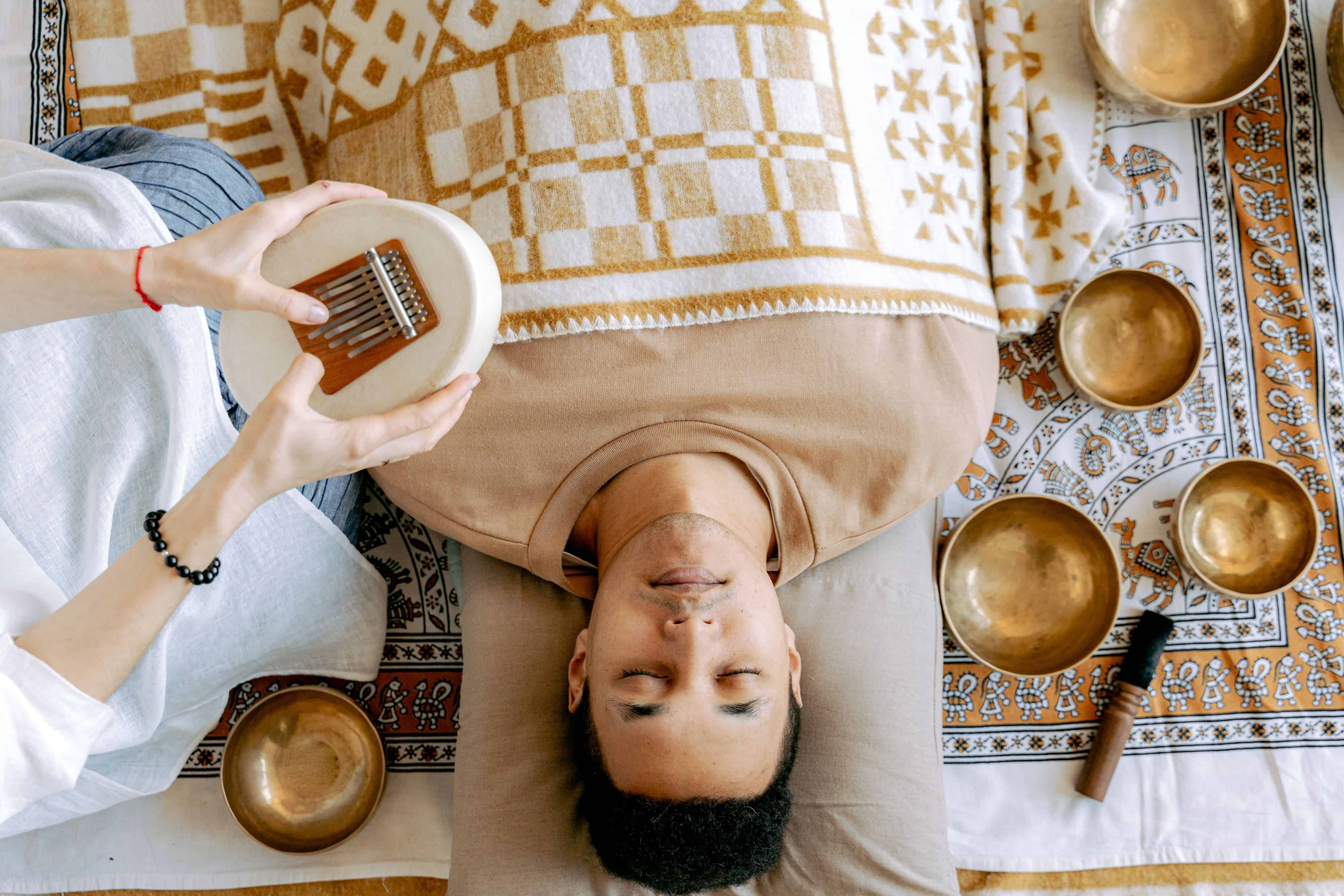
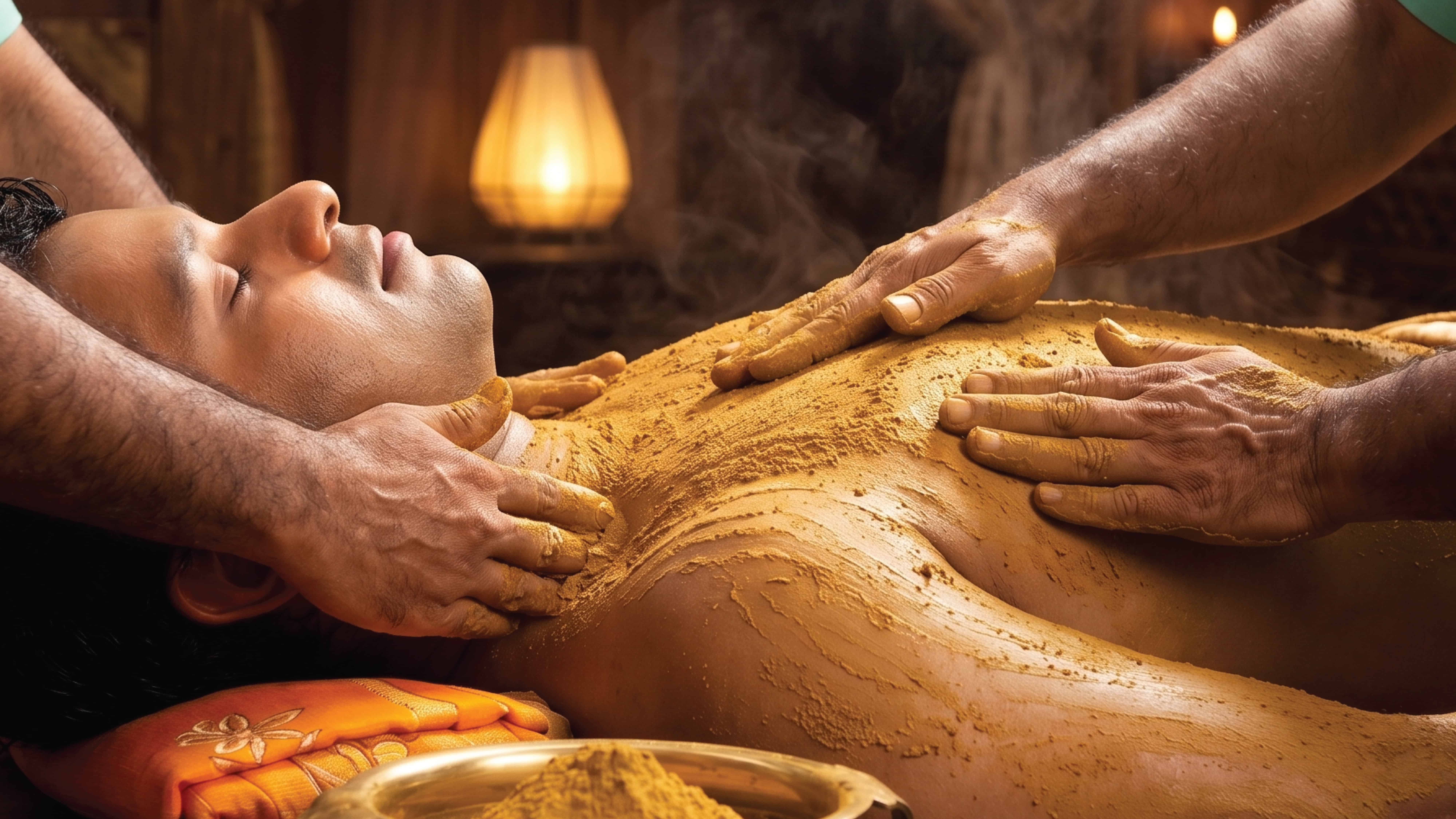
Takradhara offers a cooler variation using specially prepared buttermilk or another prescribed liquid. Kizhi brings warmth through bundles filled with herbs, leaves or powders, moved rhythmically across the body. Pizhichil is more dramatic, with warm medicated oil flowing over the body while therapists work in synchrony. Udwarthanam uses herbal powders in a brisk application, while Marma therapy works with traditional vital points through touch and awareness. Nasya involves carefully supervised administration through the nasal route. Each therapy carries its own indications, cautions and preparation requirements.
Then there is Panchakarma, perhaps the most loosely used word in contemporary wellness. It is often applied to any stay involving warm oil, simple food and a few days of rest. A three or five day programme can certainly offer a meaningful introduction to Ayurvedic living. It may improve sleep, reduce sensory overload and help a guest reconnect with appetite, digestion and daily routine.
Complete Panchakarma is a different proposition. It is an intensive, carefully staged journey involving preparation, selected supervised procedures and gradual recovery. The process requires time, medical oversight and honest assessment. It may include periods of physical and emotional discomfort, changes in energy and a highly controlled diet.
Real transformation rarely fits neatly between Friday check in and Monday breakfast.
The Body Sets the Pace
One of Ayurveda’s most relevant ideas for modern life is that the body cannot always be rushed into recovery. The contemporary traveller may arrive expecting rapid results: deeper sleep within a night, reduced bloating by breakfast, a calmer mind after one treatment. Ayurveda tends to work with a slower sense of cause and effect.
The body, not the itinerary, sets the pace.
Food Becomes the Prescription
The kitchen may reveal Ayurveda’s new mood more clearly than the treatment room. The predictable parade of raw salads, chia pots and cold pressed juices gives way to food that is warm, seasonal and closely attuned to digestion.
Here, the medicine is part of the menu. Every plate may be influenced by appetite, constitution, climate and stage of treatment. Portions, textures, spices and meal times are adjusted by doctor and chef. A dish can be light without feeling austere, comforting without becoming heavy and medicinal without losing pleasure.
The six tastes, sweet, sour, salty, bitter, pungent and astringent, create a framework for balance. Herbal waters and digestive infusions punctuate the day. Medicated ghee may be used in carefully considered amounts. Lighter preparations can ready the body for selected procedures, while soft rice, lentils, broths and cooked vegetables help ease it back afterwards.
Regional identity keeps the table interesting. Kerala brings coconut, gourds, local grains, curry leaves and monsoon herbs. Rishikesh often offers sattvic restraint, with clean flavours and a quieter culinary mood. Sri Lanka adds native greens, island spice and its own medicinal plant traditions. In the Himalayan foothills, soups, roots and warming preparations can suit the climate and slower rhythm of the day.
The bowls still look beautiful, glowing with pumpkin, lentils, beetroot and greens against brass, clay and banana leaf. Yet the real luxury is how the body feels two hours later: steady, comfortable and clear.
Sleep, Silence and the Unseen Treatments
Sleep is protected through early dinners, reduced evening stimulation and a quieter transition into night. Lighting softens. Digital use is discouraged. Strong exercise may be replaced by a slow walk, gentle yoga or breathwork. The day ends before the mind becomes overtired.
Silence also plays a subtle role. A retreat may not require complete silence, yet the reduction in conversation, traffic, alerts and social performance can change the quality of attention. Guests start noticing hunger before irritability, fatigue before collapse and tension before pain.
This awareness is central to Ayurveda’s appeal. It treats wellbeing as a relationship with patterns, not a collection of isolated symptoms. The question is not only what hurts, but when it hurts, what worsens it and how it changes with food, season, sleep and stress.
A Geography of the New Ayurveda
Across the region, Ayurveda is taking on the mood of the landscape around it.
Haridwar presents its institutional face. At Patanjali Yogpeeth, hospitals, education, yoga and research form part of a vast organised ecosystem. It is Ayurveda at scale, far removed from the intimacy of a private retreat, and offers a view of how traditional systems operate within large educational and healthcare structures.
Kerala remains the clinical heart. Herbal medicine and oil therapies belong to a living culture supported by long treatment lineages, specialised physicians and deep knowledge of Panchakarma. It is also the place where questions of accreditation, authenticity, hygiene and medical discipline become impossible to avoid. The best centres combine regional knowledge with clear documentation and careful supervision.
Rishikesh adds the spiritual layer. Ayurveda sits beside yoga, pranayama, meditation and Vedantic thought. The river, hills and ordered rhythm of the day give the journey a more introspective character. Programmes here often appeal to guests seeking emotional quiet alongside physical renewal.
Dehradun represents the polished integrative retreat. Ayurveda may coexist with natural healing, nutrition, movement work, Tibetan medicine, physiotherapy and selected diagnostic tools. The experience speaks fluently to the globally travelled guest while retaining the physician at its centre.
Goa offers a gentler entry. Shorter programmes combine Ayurveda with yoga, sea air, tropical living and a relaxed style of hospitality. It can be an appealing place to begin new habits, though the distinction between an enjoyable reset and a medical programme should remain clear.

Karnataka brings another expression. SOUKYA, outside Bengaluru, combines Ayurveda with naturopathy, yoga, homoeopathy and complementary approaches inside a residential health setting. Near Mysuru, the Indus Valley Ayurvedic Centre draws on classical treatment traditions within a quieter natural environment.
Sri Lanka carries its own Ayurvedic history, institutions and medicinal practices, shaped by island plants, local therapies and a distinct culinary language. Treatments may feel familiar to Indian guests, yet the ingredients, food culture, architecture and pace give the experience a character of its own.
Further afield, Ayurveda has travelled into Nepal, South Africa, Russia, Switzerland and wellness destinations across the world. Its international expansion reflects genuine curiosity, but it also creates new challenges. Training standards vary. Regulations differ. Herbs may be sourced, prepared or marketed in ways that depart sharply from classical practice.
Its international success will depend on how intelligently it travels. Architecture can change. Menus can evolve. Treatment rooms can become more beautiful. The central standards cannot become negotiable.
The New Language of Trust
Guests need clear explanations of what a programme includes, what it does not include and what results can reasonably be expected. Medical histories should be taken seriously. Consent should be informed. Contraindications should be discussed without embarrassment. Products should be traceable and properly labelled. Therapists should be trained, supervised and treated as skilled professionals.
The language of cure also needs restraint. Broad promises can undermine the very credibility Ayurveda is working to build. A sophisticated retreat does not need to claim that one therapy can solve every concern. It can speak honestly about support, symptom management, recovery, lifestyle change and the areas where evidence remains limited.
Trust grows through small signs. A doctor who listens longer than expected. A therapist who explains what will happen before beginning. A kitchen that knows why a food has been removed. A discharge note that translates the retreat into practical daily habits. A follow-up consultation that checks progress after the guest has returned home.
This continuity matters because the real test begins after departure. The controlled environment disappears. Work resumes. Meals become irregular. Sleep shifts. The retreat’s value is measured by what survives.
A More Graceful Way into Serious Care
Ayurveda’s most compelling new expression is not a glossy reinvention. It is a more graceful entry point to serious care.
Beauty has a role. It can make unfamiliar practices feel approachable, give dignity to rest and create the calm needed for honest reflection. A well-designed room can reduce apprehension. A thoughtfully served meal can make discipline feel generous. A landscape can help the mind settle before the body begins its deeper work.
Yet beauty must remain in service of care. The physician still matters more than the view. The quality of the oil matters more than the bottle. The timing of a treatment matters more than its photograph. The guest’s safety matters more than any promise of transformation.
Ayurveda has survived because it understands something modern wellness often forgets: health is shaped by repetition. The body listens to daily life. It responds to the hour of sleep, the quality of food, the pace of work, the state of digestion, the season, the climate and the emotional atmosphere carried through the day.
Its renewed popularity offers an opportunity to make those ideas accessible without flattening their complexity. The most credible retreats are already moving in that direction, bringing together classical knowledge, contemporary medical caution, regional culture and a more refined language of hospitality.
The brass bowl can stay. It simply no longer has to carry the whole story.
Read More: Lifestyle, Weddings, and Wellness