

Bihar Festivals celebrate Mithila’s folklore, Sonepur’s historic fair and Gaya’s ancestral rituals, preserving centuries of faith and cultural heritage
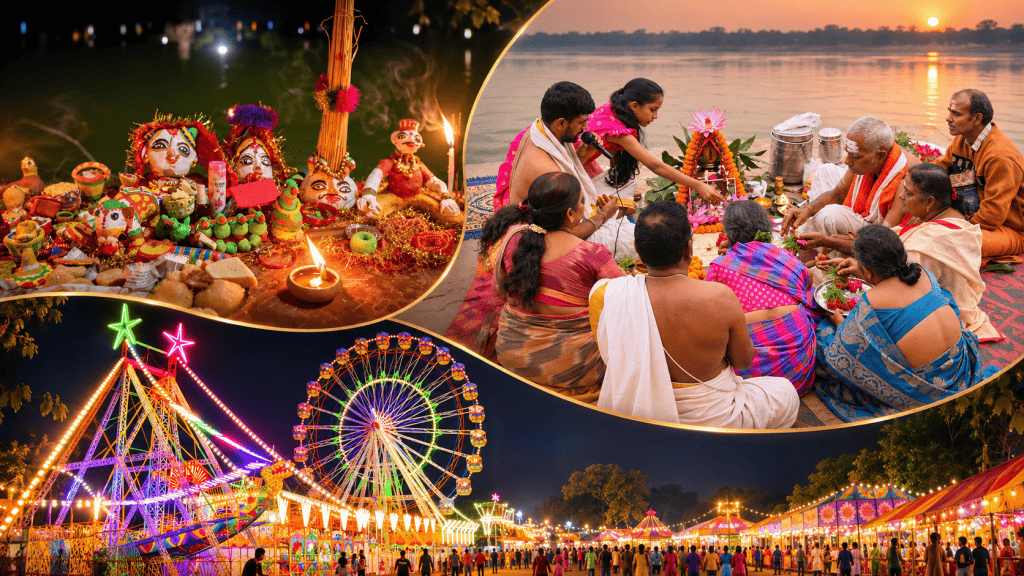
Bihar’s cultural identity is based on its rivers, religious traditions, folklore, and celebration of community. Although Chhath Puja is one of Bihar’s best-known festivals, many other traditions offer equally fascinating insight into the state’s culture. The clay figures and folk songs of Mithila; the historical gatherings at Sonepur; the ancient rituals performed in Gaya; all of these celebrations show how faith, family, and community continue to define Bihar’s heritage.
Many festivals are tied to seasonal changes, as well as local myths and legends. Others attract people to travel to celebrate with fellow pilgrims, merchants, and relatives. Regardless of the type of festival, they all share a single purpose: keeping traditions alive through community participation and passing those customs down to future generations. Studying these festivals gives visitors a better perspective on Bihar’s rich culture and history, which goes far beyond what is normally seen as the state’s main historical and religious attractions.
Sama-Chakeva: Celebrating the Bond Between Brothers and Sisters
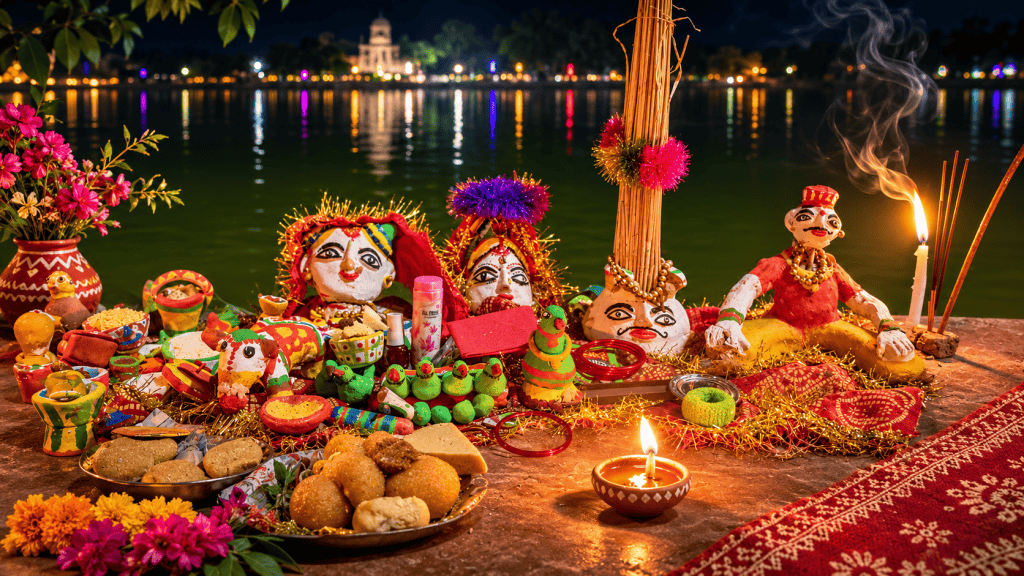
The advent of winter in the Mithila area of Bihar signals the start of a special celebration called Sama-Chakeva. Celebrated in the month of Kartik, the celebration focuses on the bond between brothers and sisters and is strongly tied to Maithili folk tales, clay dolls, and traditional songs.
In many versions of the popular folk tale about Sama, she is believed to be the daughter of Lord Krishna. She is said to have been turned into a bird due to false accusations. However, through her brother Chakeva’s love and devotion, he ultimately helps bring her back to being human again. This tale is now a major part of a festival that celebrates siblings’ relationships, loyalty, and emotional ties.
At this time, girls and women create small clay representations of Sama, Chakeva, birds, and other people who appear in the story. After creating these small clay figures, they place them in decorated bamboo baskets. Then, they take the decorated bamboo baskets to their courtyard or open areas, where groups of people assemble each night to sing traditional Sama-Chakeva songs and perform rituals based on the folklore.
The festival lasts for multiple days, starting around Kartik Shukla Saptami and ending on Kartik Purnima. At the end of the festival, a final ceremony called “vidai” (farewell) represents the symbolic farewell to Sama. This includes the immersion, or farewell, of the clay images, with songs expressing the feelings that arise when a daughter leaves her parents’ house to live with her husband’s family after marriage.
Sonepur Mela: Where Trade, Faith and Rural Life Meet
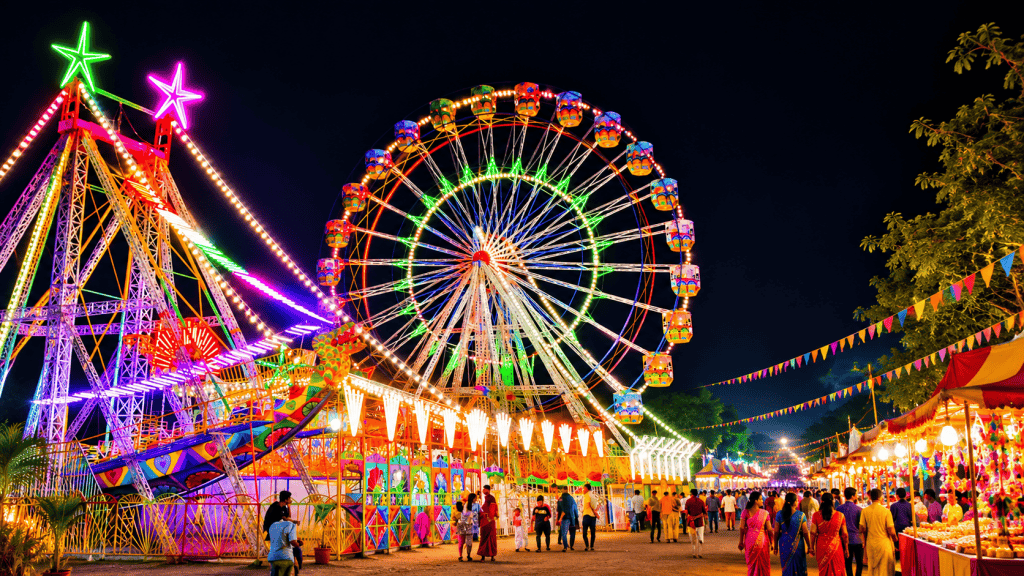
Sonepur Mela, an important traditional fair in Bihar, is held at the junction of the Ganges and Gandak Rivers in the Saran District. The fair takes place during Kartik Purnima and has traditionally been used for livestock trading, rural commerce, and religious events.
For generations, traders, farmers, and tourists from across India have met at Sonepur to buy and sell animals, agricultural products, and other goods. It was a popular gathering spot for rural communities and trade organisations. While the way the fair is run has changed, it still represents the region’s traditional commercial practices and the relationships among people in the area.
The religious aspect of the fair is an important component, with the Harihar Nath Temple serving as a place of devotion and prayer for all who visit. The occasion is also associated with ritual bathing at the confluence of the Ganga and Gandak.
Historically, this Mela was most famous for the huge amount of livestock being traded there. Over the years, the way people buy and sell at the fair has evolved, and the historical ways of doing business are not the same as they are today. Currently, the fair combines religious celebrations, commercial trading, and cultural events.
Pitrapaksha at Gaya: A Tradition of Remembering Ancestors
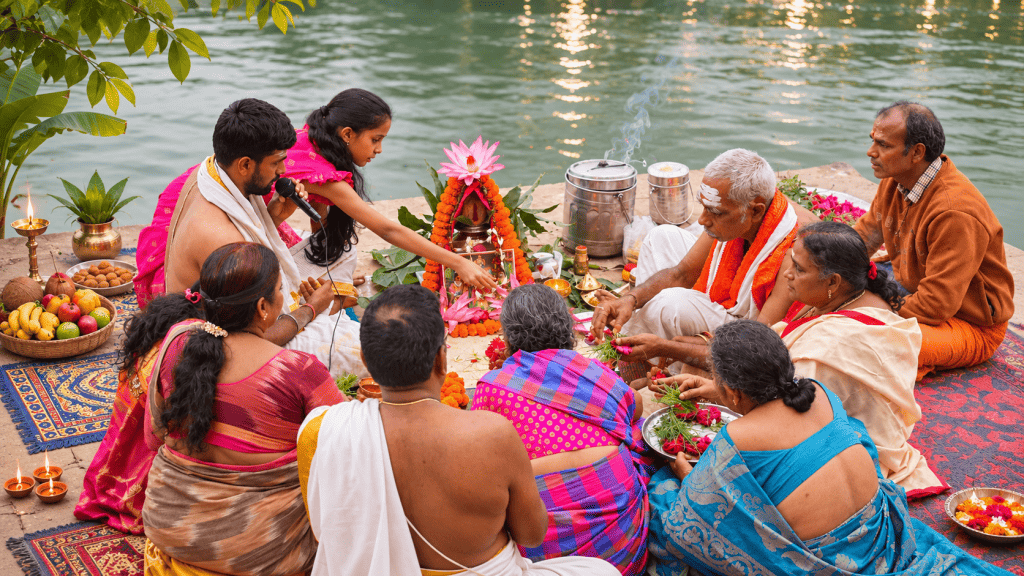
The city of Gaya hosts a major annual event that draws people from across India to remember their deceased loved ones. This event is called Pitrapaksha Mela, and it gives family members and pilgrims a time to perform various rites in honour of those who have passed away. These rites include Pinddaan, Shraddha, and Tarpan.
According to the beliefs of Hindus, doing these rituals in Gaya will provide a peaceful transition and release for the spirits of deceased loved ones. These rituals are generally performed at sacred sites used to honour ancestors for generations, specifically along the shores of the Phalgu River and near the Vishnupad Temple.
Pinddaan is when people make ritual food called pindas to remember their deceased family members. Tarpan is an act of offering water to your ancestors while saying prayers for them. Many priests lead family members through these prescribed rituals, which are often based on religious traditions practised for many years.
Gaya’s religious importance is tied to the traditional stories of Lord Rama and Goddess Sita. These stories are part of the area’s religious identity and have been passed down for centuries through pilgrimage customs.
Pitrapaksha brings many people to the city to carry out ancestral rituals. Many families view this as a special time to recognise their family tree and to pass on the custom of conducting these ceremonies.
The Cultural Threads Behind Bihar’s Celebrations
Although these traditions vary in ritual and meaning, they share commonalities that reveal Bihar’s unique cultural identity. For example, Sama-Chakeva is a tradition that has preserved the folklore and songs of Mithila. Sonepur Mela brings together both rural trading and religious gatherings. Pitrapaksha is a tradition that focuses on remembering ancestors as part of the family dynamic. Additionally, Chhath Puja is one of Bihar’s most significant celebrations. This celebration demonstrates deep respect for the sun, water, and other natural resources that support human life.
The celebrations show how important it is for people to work together as a community. From making clay items to planning a festival, singing old-time music to performing ceremonies passed down through generations, local families and community groups work together to keep these activities going. Old-time music, spoken-word stories, and seasonal celebrations are some of the ways we share knowledge about our culture with each new generation.
For travellers looking beyond familiar historical landmarks, these traditions offer a meaningful way to experience Bihar. They show how its heritage lives on through shared rituals, local stories, and the people who preserve them across generations.
Read More: Discover Your India