

Today’s Traveller curates the editorial festive showcase, Best Events Across the USA 2026, anchored around the United States’ 250th Anniversary year, before India’s high-value travel market. Louisiana brings a richly distinctive voice to the celebration. Known for its layered French, Spanish, African, Caribbean, Creole, Cajun, and American influences, the state offers a festival calendar where history is not merely remembered but lived through music, food, parades, dance, architecture, and community traditions
Louisiana is one of the most culturally layered states in the United States. From its beginning in the 1500s, the territory of Louisiana has been sought after by major Imperial powers. Why? The mouth of the Mississippi River is south of Louisiana, and historically, the Mississippi River has been the largest and most important river in North America.
The Mississippi River effectively cuts the United States in half, and the power that the Mississippi River possesses controls shipping, commerce and transportation. Long before the settlers of the original 13 colonies even thought about coming to America, the Louisiana territory was being explored, traded through treaties and wars, settled by the Spanish and the French, and later by Africans, West Indies, Germans, Italian, Irish, Acadians from Nova Scotia, and many other cultural groups. All influenced the music, food, culture and history of Louisiana in many ways.
Flags Flown Over Louisiana
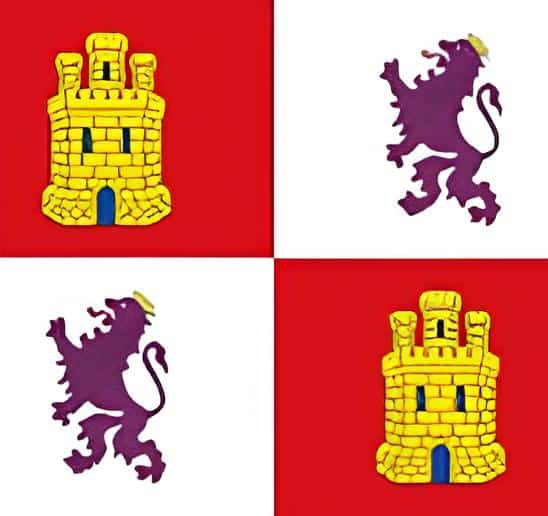
Exploration of a New World – It started in 1519 when Alonso Alvarez de Pineda led an expedition along the northern shores of the Gulf of Mexico. He reported discovering the mouth of a great river – probably the Mississippi River.
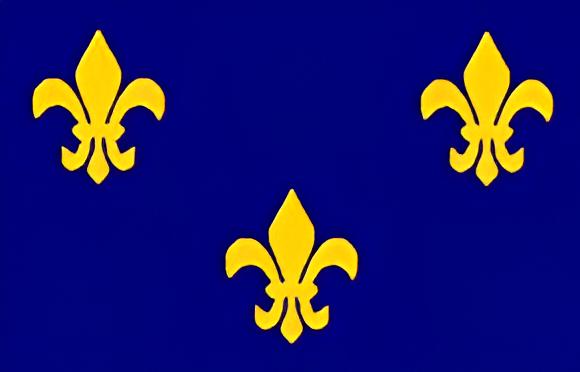
French Take Possession – The first explorer to travel down the Mississippi River was Sieur de LaSalle. In 1682, he took possession of the territory and named it Louisiana in honour of his king, Louis XIV. For a century and a half, “Louisiana” referred to a vast area that now makes up several present-day states.
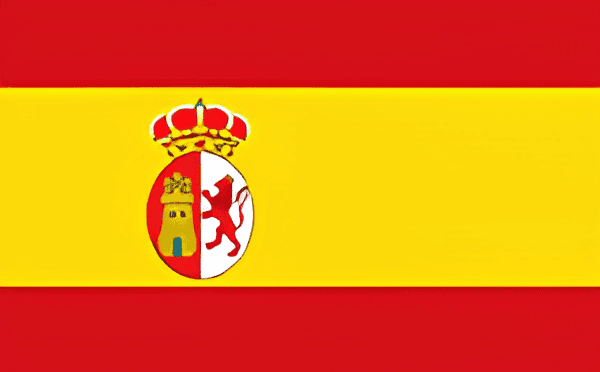
Return to the Spanish – In a secret treaty in 1762, France ceded its territory west of the Mississippi River to Spain. Colonists in Louisiana did not learn of the transfer for almost two years.
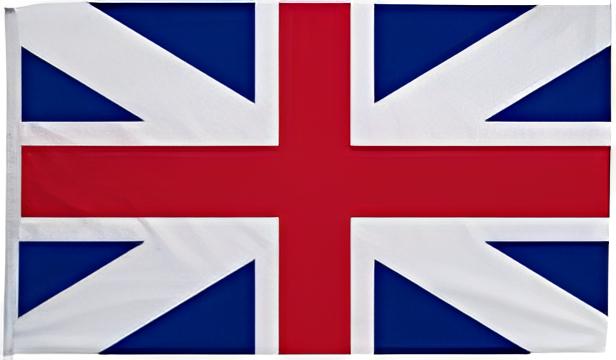
Enter the British – In 1763, Great Britain acquired parts of Louisiana east of the Mississippi River from France and Spain in the Treaty of Paris, which ended the French and Indian War.
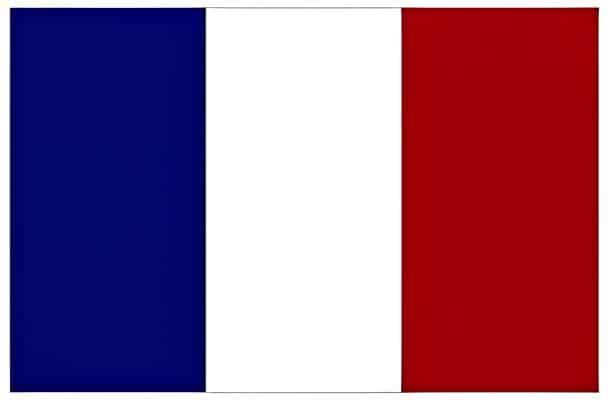
Returned to the French – The cost of maintaining distant colonies, along with concerns about restless Americans who wanted control of the land, led Spain to return the Louisiana territory west of the Mississippi River to France through another secret treaty in 1800.
The Louisiana Purchase
On April 30, 1803, the United States purchased the vast Louisiana territory from Napoleon for $15 million. The purchase more than doubled the size of the United States.
Across nearly 300 years, as major European powers competed for control of Louisiana, its traditions, customs, folkways, food, and music were shaped by many countries and ethnic groups. Key influences include Creole and Cajun cuisines, the French Napoleonic Code, Spanish-influenced architecture in the French Quarter of New Orleans, French-inspired ironwork and courtyards, and indigenous music forms such as jazz, Cajun, and zydeco.
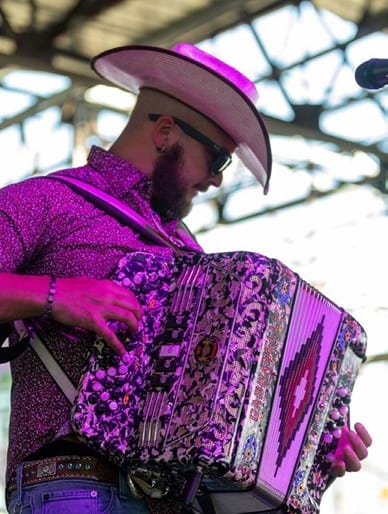
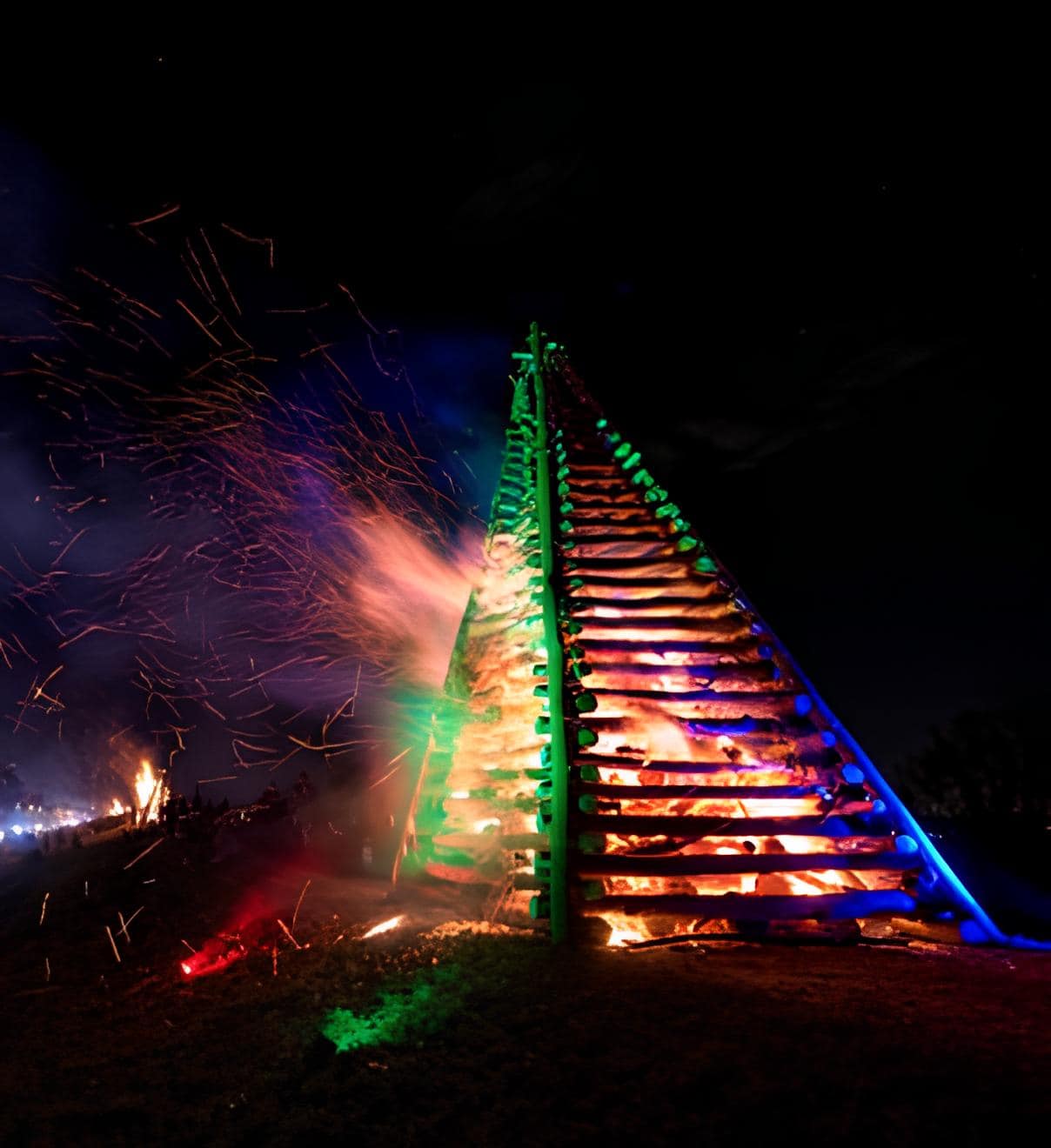
German communities also contributed accordions to the music, along with bakeries, gardening, sausage-making, and traditions such as Bonfires on the Levee, lit on Christmas Eve to guide Papa Noel.
Many common words and phrases heard in Louisiana today also come from its varied cultural roots, including French, Spanish, African, and American influences.
Common Louisiana Words and Expressions
- Lagniappe (lan-yap) means a little something extra.
- Dressed refers to a sandwich served with lettuce, tomato, and mayonnaise.
- Fais-do-do (fay-doe-doe) means a dance party.
- Allons (ah-lohn) means “Let’s go!”
- Andouille (ahn-do-wee) is a spicy pork sausage commonly used in gumbos and other Cajun dishes.
- Bayou (bye-you) is a slow-moving stream.
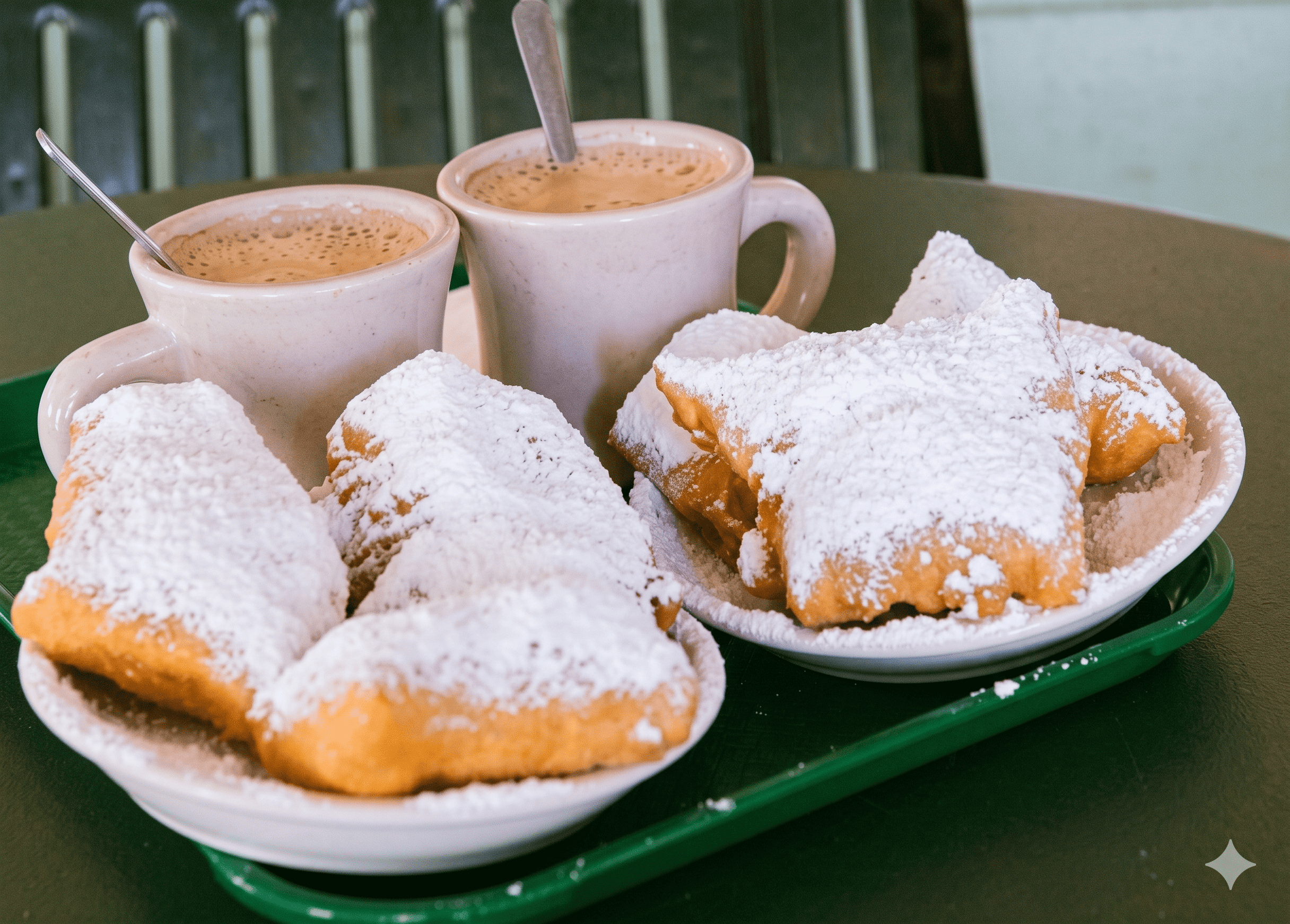
- Beignet (bin-yay) is a square fried French doughnut topped with powdered sugar.
- Boudin (boo-dan) is a type of sausage.
- Bourré (boo-ray) is a card game.
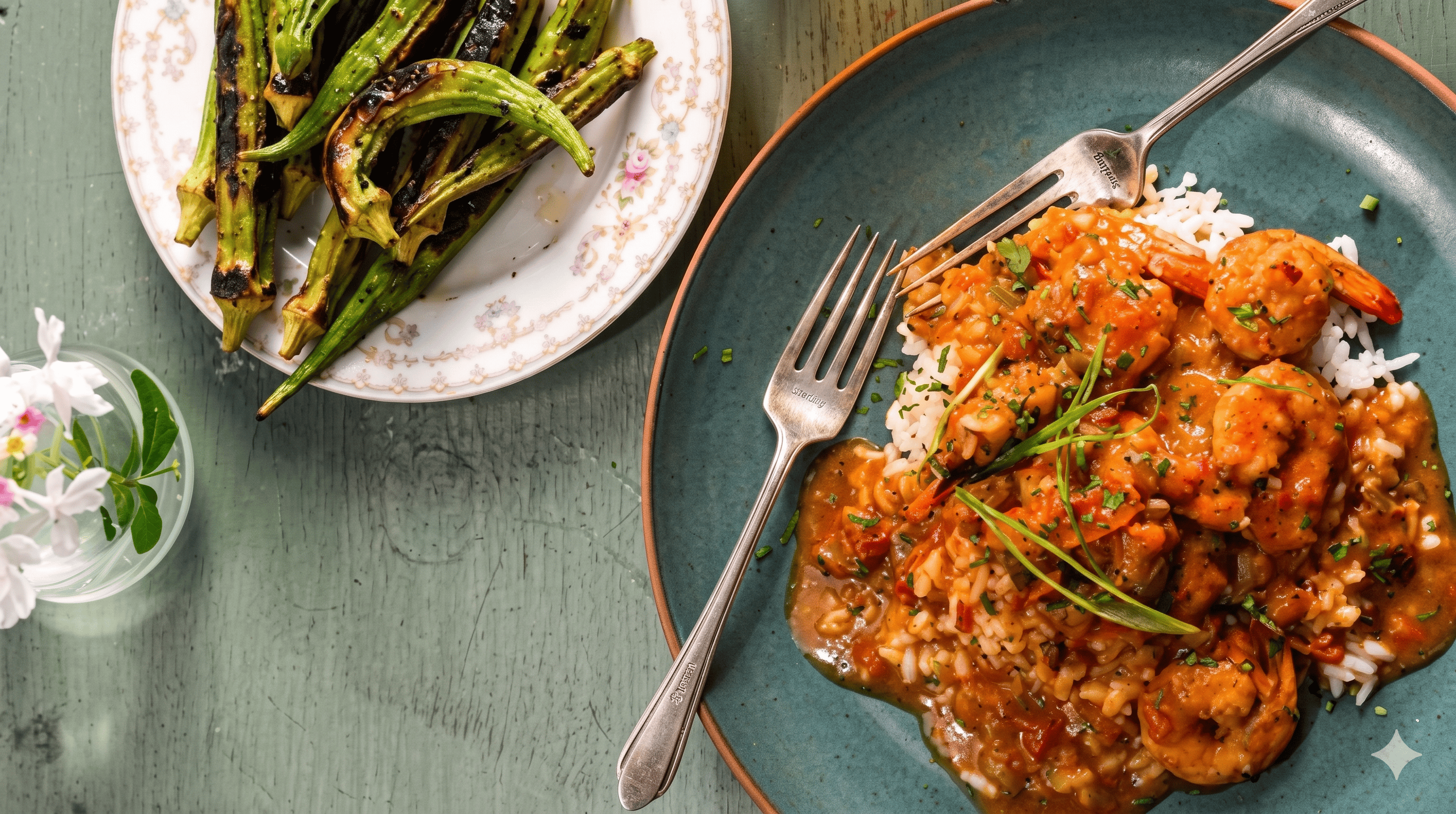
- Gumbo (gum-bow) comes from the African word “gombo,” a term for okra, which is often used as an ingredient in gumbo.
- Jambalaya (jam-ba-li-ah) is a well-seasoned rice dish similar to Spanish paella.
- Muffaletta (muff-fa-latta) is an Italian sandwich made with layers of ham, salami, and provolone cheese on a special round loaf of bread, finished with olive salad.
- Po’boy is a sandwich served on French bread.
- Roux (roo) is the base for many Cajun and Creole dishes. It is made with flour and oil cooked together in a pan until it reaches the right shade of brown.
- Second Line refers to the lively walking and dancing part of a parade, often featuring colourfully decorated umbrellas or white handkerchiefs.
- Zydeco (zi-da-ko) is a music genre created in Southwest Louisiana by French-speaking African Americans of Creole heritage. Zydeco uses the accordion and rubboard to lead the sound and rhythm. The word zydeco means “snap bean.”
- Jazz Funeral refers to a New Orleans funeral tradition featuring a brass band that escorts a hearse from the service to the cemetery. It begins with slow, solemn dirges and then shifts into upbeat, joyful music after the burial to celebrate the life of the deceased.
- Étouffée (et-too-fay) is a traditional Louisiana dish whose name means “smothered” in French. It is usually made with shellfish, such as crawfish or shrimp, or chicken, cooked in a rich, thick gravy and served over rice.
- Holy Trinity refers to the basic ingredient combination of onion, celery, and bell pepper used in many Louisiana dishes.
- Neutral Ground refers to the median in New Orleans. It once divided the French from the Americans living in the city; today, it separates traffic.
- Envie (ahn-vee) is Cajun for a hunger or longing to eat something specific.
- Shotgun House refers to a narrow, rectangular, single-storey home with a room-to-room layout and front-and-back door alignment. Originating from West African and Caribbean influences, it is said that a shot could be fired straight through the house.
A Native Louisianan’s Favourite Must-See Places Across the State
Start your Louisiana journey in New Orleans. It is easy to spend three nights in the city and still feel there is much more to experience.
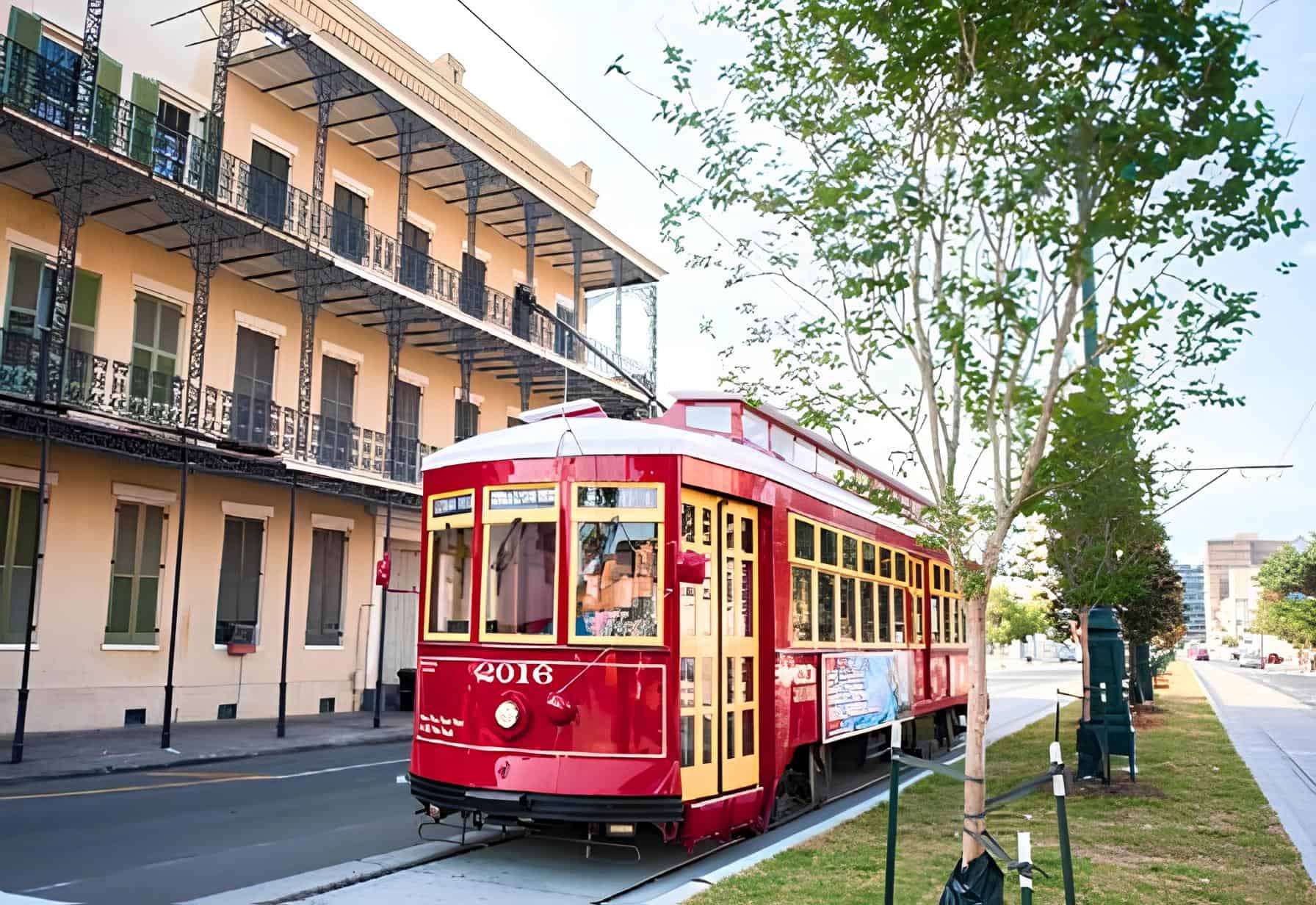
A walk through the French Quarter, or a ride on the St. Charles streetcar, quickly tells you that New Orleans is somewhere special. Its culture spills onto the streets, the aroma of gumbo and red beans with rice drifts through the air, and the city carries that unmistakable feeling of being in a place unlike anywhere else.
The French Quarter, also known as the Vieux Carré, is a wonderful place to begin. It is filled with restaurants, cafés, shops, museums, and luxurious hotels, many of them set within buildings that are hundreds of years old.
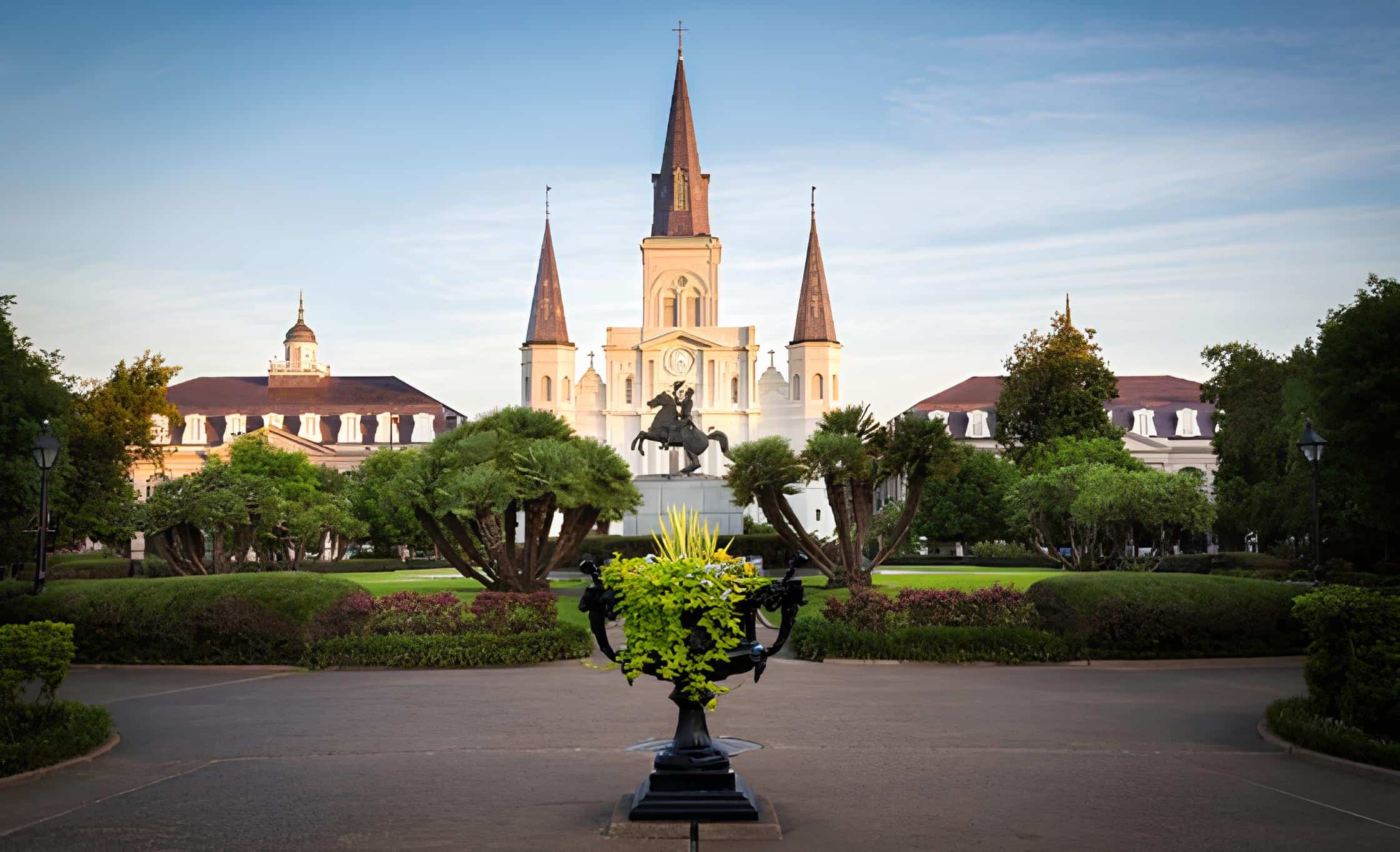
Spend time around Jackson Square and watch artists painting, sketching, and playing music. You can even pose for a painting or charcoal drawing while you are there, making it a perfect New Orleans souvenir.
New Orleans Experiences
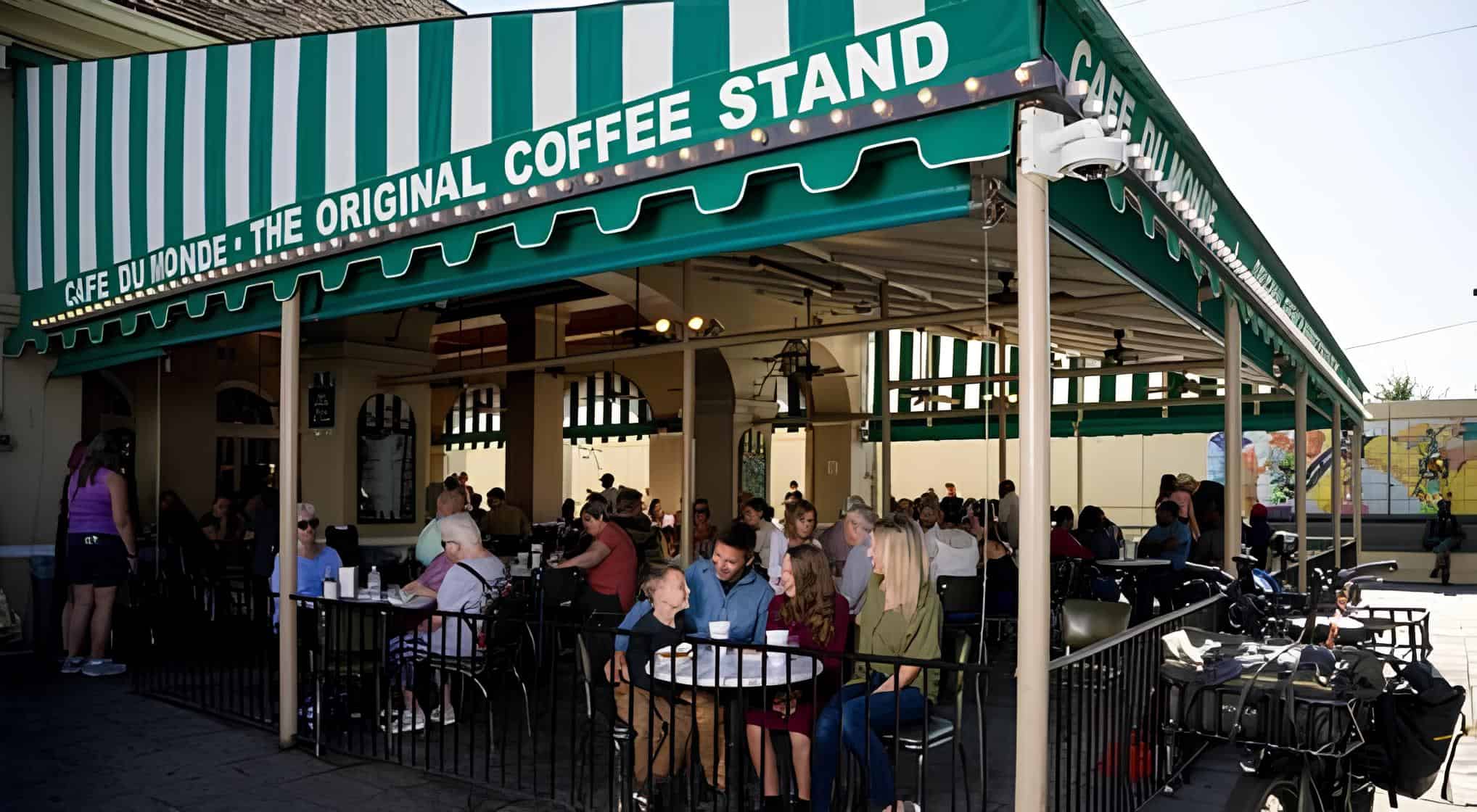
Experience live jazz on Frenchmen Street, or enjoy café au lait and beignets at Café Du Monde, one of the favourite things to do in New Orleans. An order of beignets includes three square French doughnuts sprinkled with a generous amount of powdered sugar. One useful tip: do not inhale while biting into one of these delicious pastries. Café Du Monde is cash only.
Nearby, on the quieter end of Bourbon Street, is Lafitte’s Blacksmith Shop, built in the early 1700s. Jean Lafitte, a pirate, privateer, entrepreneur, sailor, diplomat, spy, and hero of the Battle of New Orleans, led a colourful and mysterious life in the New World.
It is unclear where and when Lafitte was born, but his presence in New Orleans and the Barataria region is well known. He was considered the man to see for almost anything one wanted. Rumour has it that his ghost can still be spotted standing by the old fireplace.
If you are still in the mood for something sweet, walk a few steps from Café Du Monde to Aunt Sally’s Creole Pralines. You may even get to see the staff making pralines in the shop.
From there, you may want to visit the National World War II Museum, a vast complex devoted to telling the story of all theatres of World War II. Another interesting stop is the Sazerac House. Only in Louisiana will you find a museum dedicated to the cocktail. Many may not know that the cocktail is said to have been invented in New Orleans by a Royal Street pharmacy sometime in the 1830s.
Other famous cocktails followed, including the Hurricane, Ramos Gin Fizz, Pimm’s Cup, and the Sazerac. The Sazerac House is an interactive museum, distillery, and bar dedicated to the history of the Sazerac cocktail, often described as America’s first cocktail. It offers exhibits, Peychaud’s Bitters production, and tastings that explore the city’s rich cocktail culture, blending historic architecture with modern touches such as virtual bartenders and on-site spirit making.
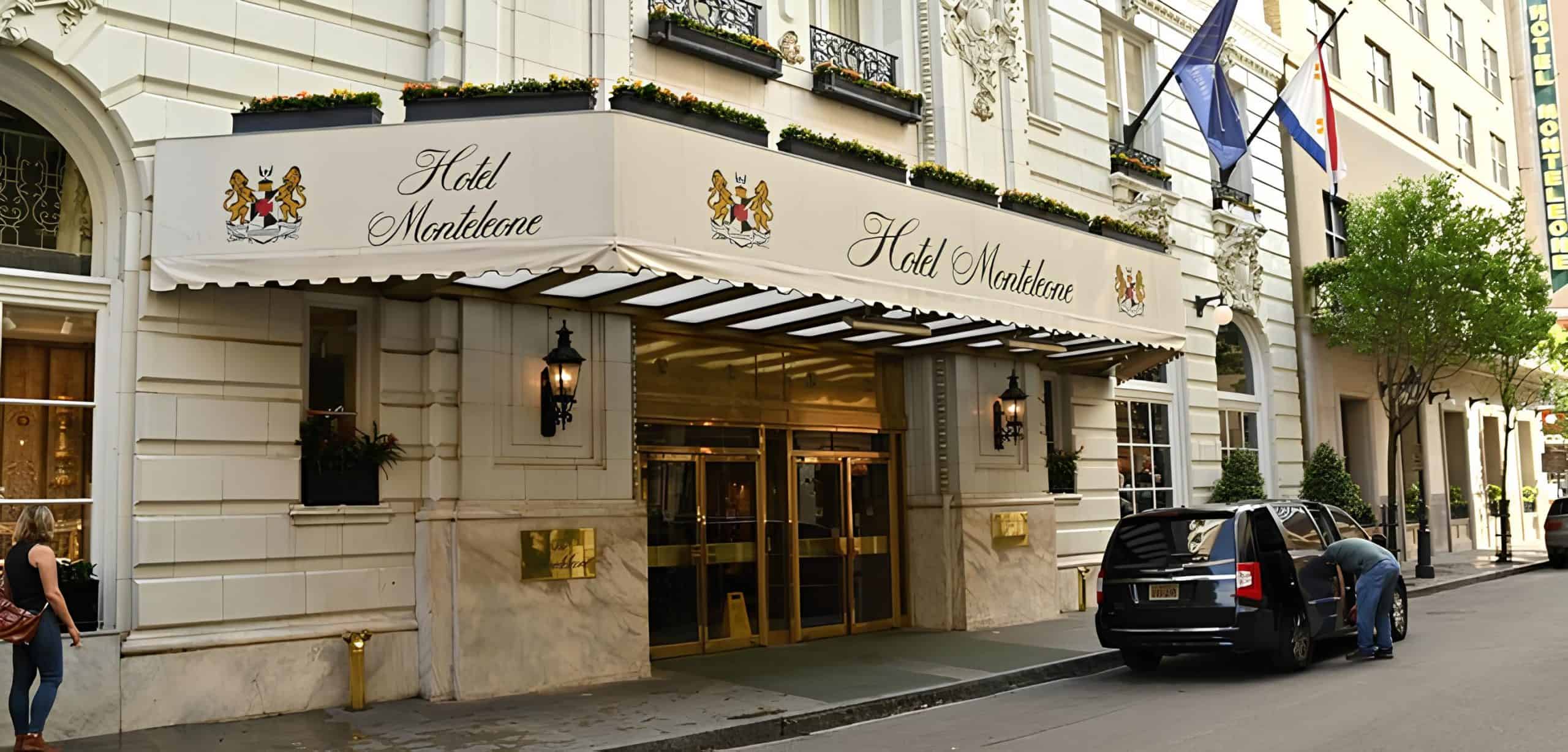
After sampling some Louisiana cocktails, check into the luxurious French Quarter hotel, The Monteleone, dating to 1886. You can also visit the Carousel Bar, New Orleans’ first and only rotating bar, where you can take in fantastic views of the New Orleans skyline and the Mississippi River.
Outside the French Quarter, there is still much more to do. Go shopping along Magazine Street, a six-mile, 72-block stretch known for local boutiques, antique shops, art galleries, and excellent restaurants. It offers a local, eclectic experience with historic architecture and a vibrant, walkable atmosphere.
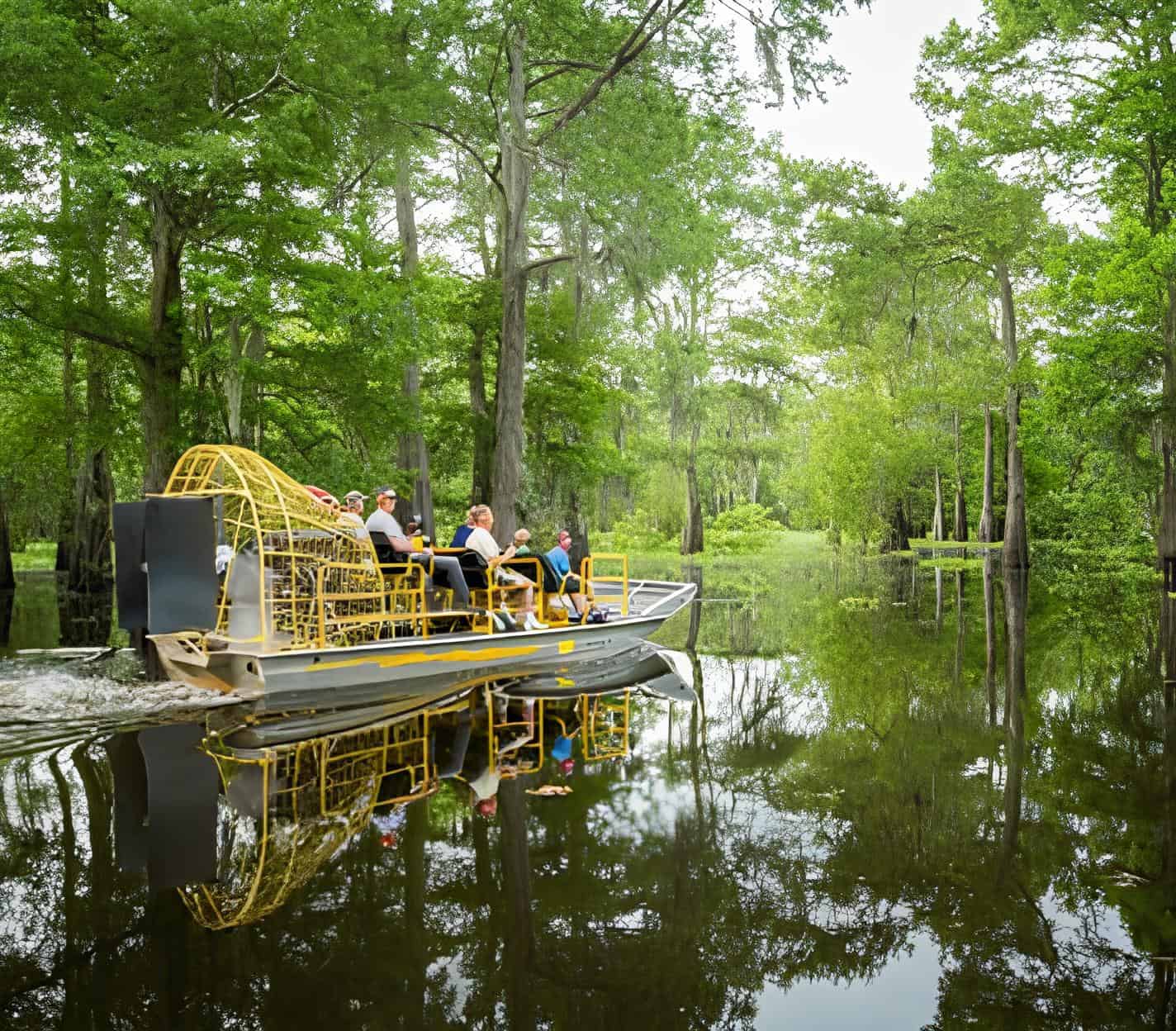
After shopping and lunch, take a swamp tour with operators such as Cajun Encounters or Jean Lafitte Swamp Tours. These tours take visitors through nearby swamps in either a flat-bottomed boat or an airboat, depending on the speed and style of experience preferred.
If you are looking for accommodation away from Bourbon Street, try Degas House. Once the home of French Impressionist Edgar Degas, the historic property is now a museum and bed and breakfast. Guests can enjoy a Creole breakfast in the morning with complimentary mimosas and Bloody Marys.
Degas created 18 paintings, four drawings, and five letters while in New Orleans. In 2019, Degas House was named a French Landmark by French Ambassador Philippe Etienne.
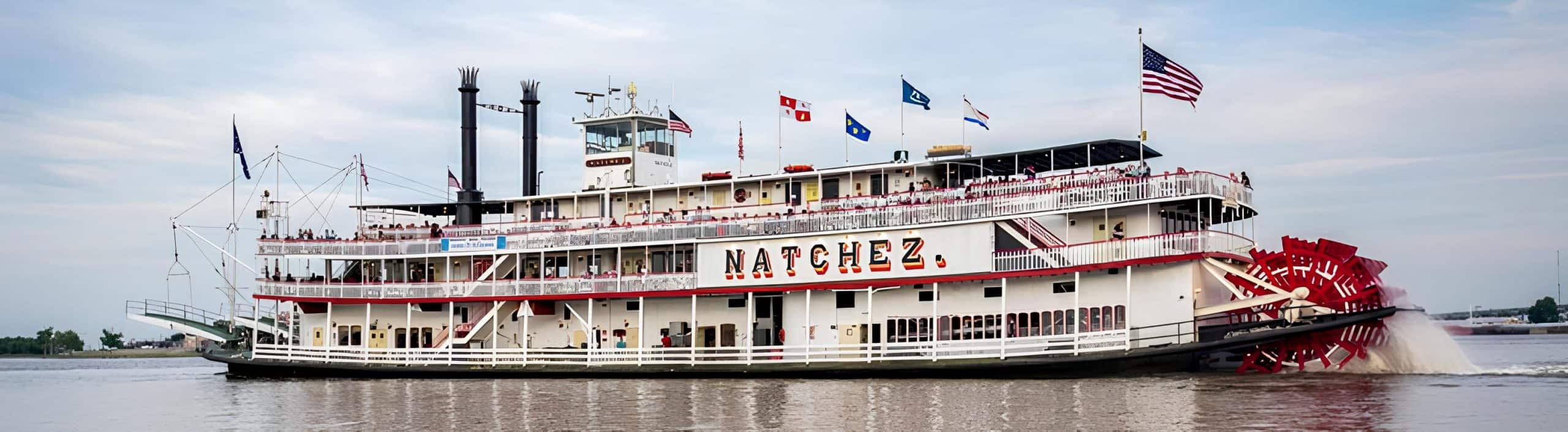
No visit to New Orleans is complete without taking the Jazz Cruise on the Steamboat Natchez. Lasting two hours, the cruise allows visitors to enjoy lunch or dinner while listening to New Orleans jazz or swing-style music.
Louisiana Great River Road Plantations
Travelling upriver from New Orleans along the Mississippi River, one of Louisiana’s most rewarding journeys follows the winding Great River Road. The river and the road go hand in glove, tracing a landscape where grand plantation mansions still stand as reminders of a long gone era.
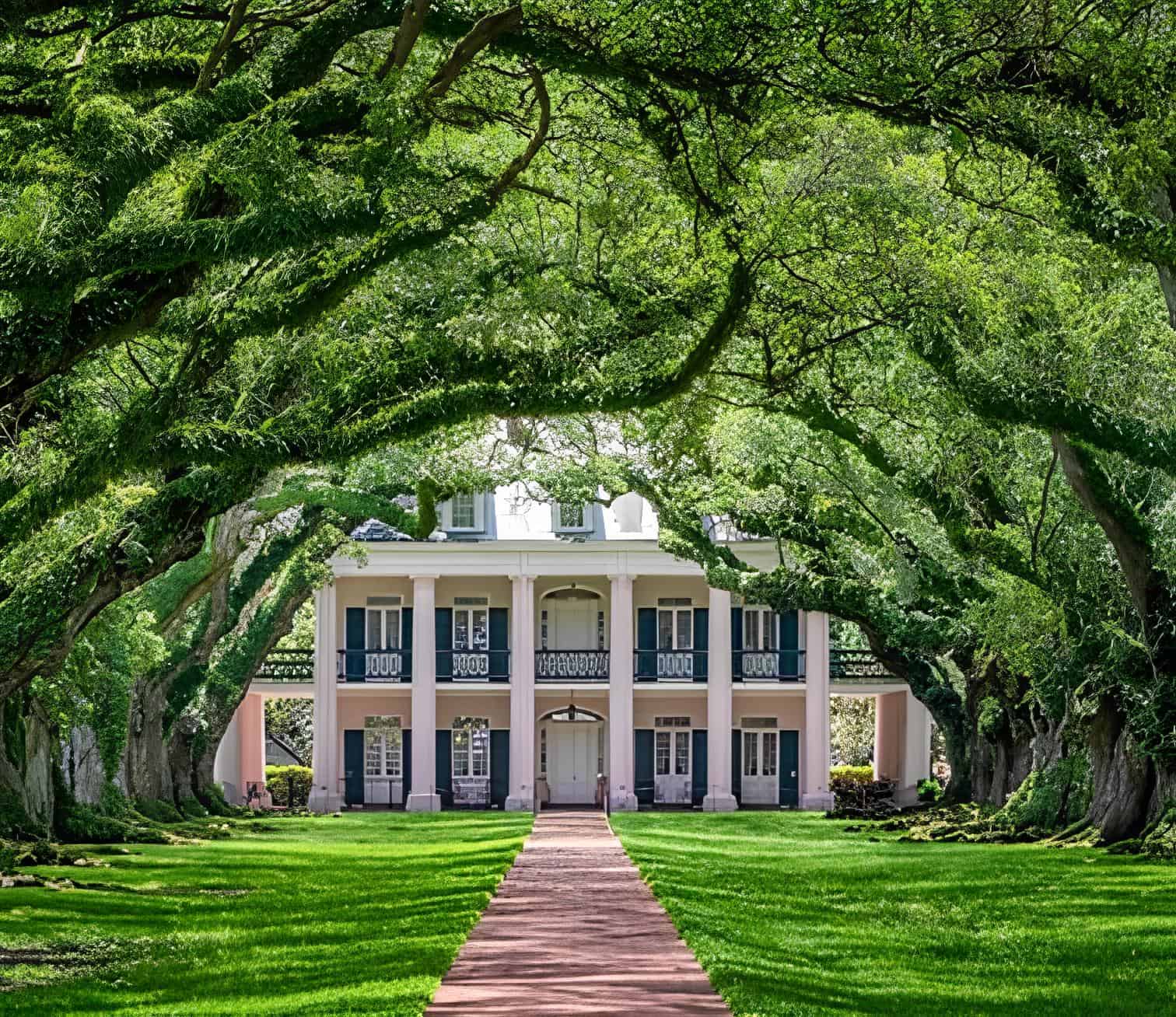
Cotton and sugar cane were once among Louisiana’s major cash crops, carried downriver to the Port of New Orleans before being shipped to international markets. The elegant homes built by wealthy planters along the river are open to the public today. Each one is different, and each tells its own story of power, wealth, architecture, labour, and Louisiana’s complex past.
Along the Louisiana Great River Road, several plantation houses offer very different windows into the region’s past. Oak Alley Plantation in Vacherie is famous for its dramatic avenue of oak trees, along with its focus on both architectural grandeur and layered history.
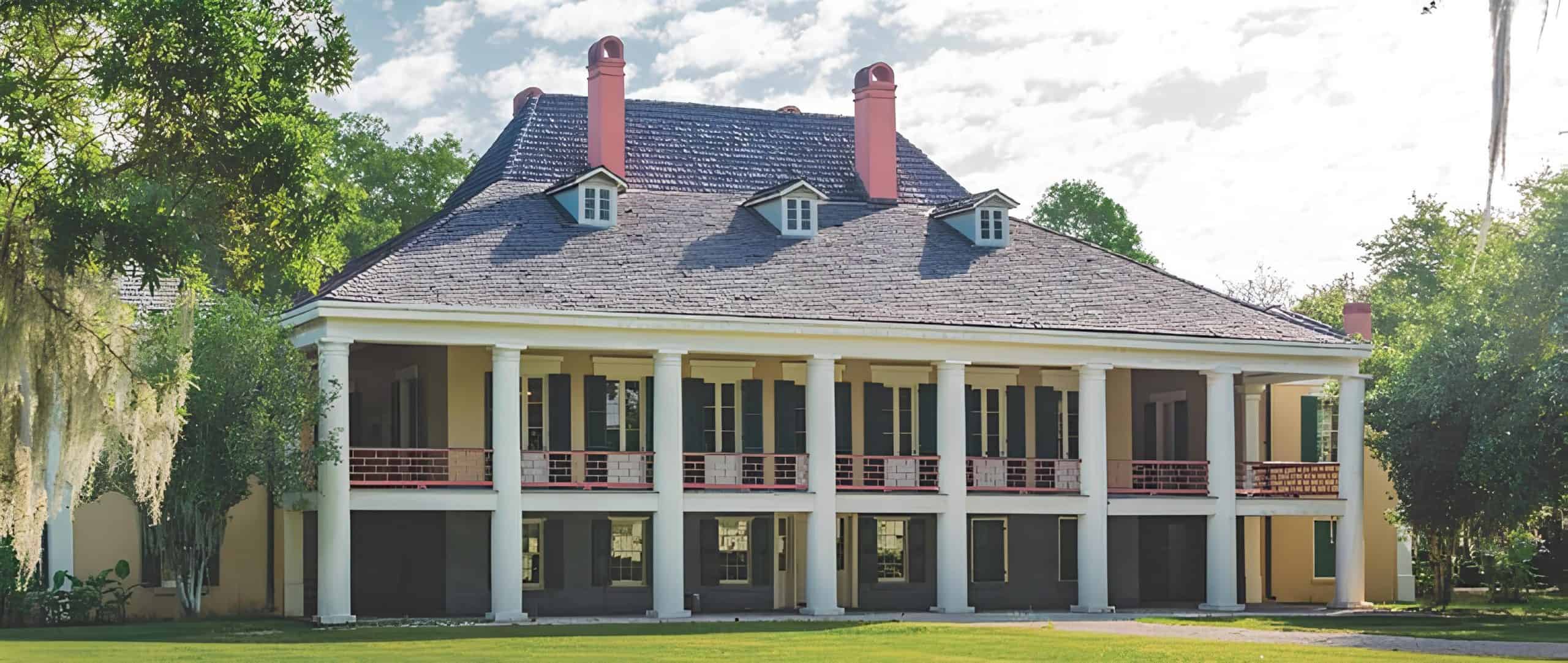
Whitney Plantation in Wallace offers a more solemn and essential perspective. It is dedicated to telling the story of the enslaved people who lived and worked on Louisiana plantations, making it one of the most important stops along this route.
Laura Plantation, also in Vacherie, brings visitors closer to Creole Louisiana, offering insight into plantation life, family histories, and the cultural complexities of the region.
Houmas House in Darrow is known for its beautiful gardens, statues, fountains, and elegant setting. It is also home to the Great River Road Museum, which adds wider context to the history of the river and the communities that grew around it.
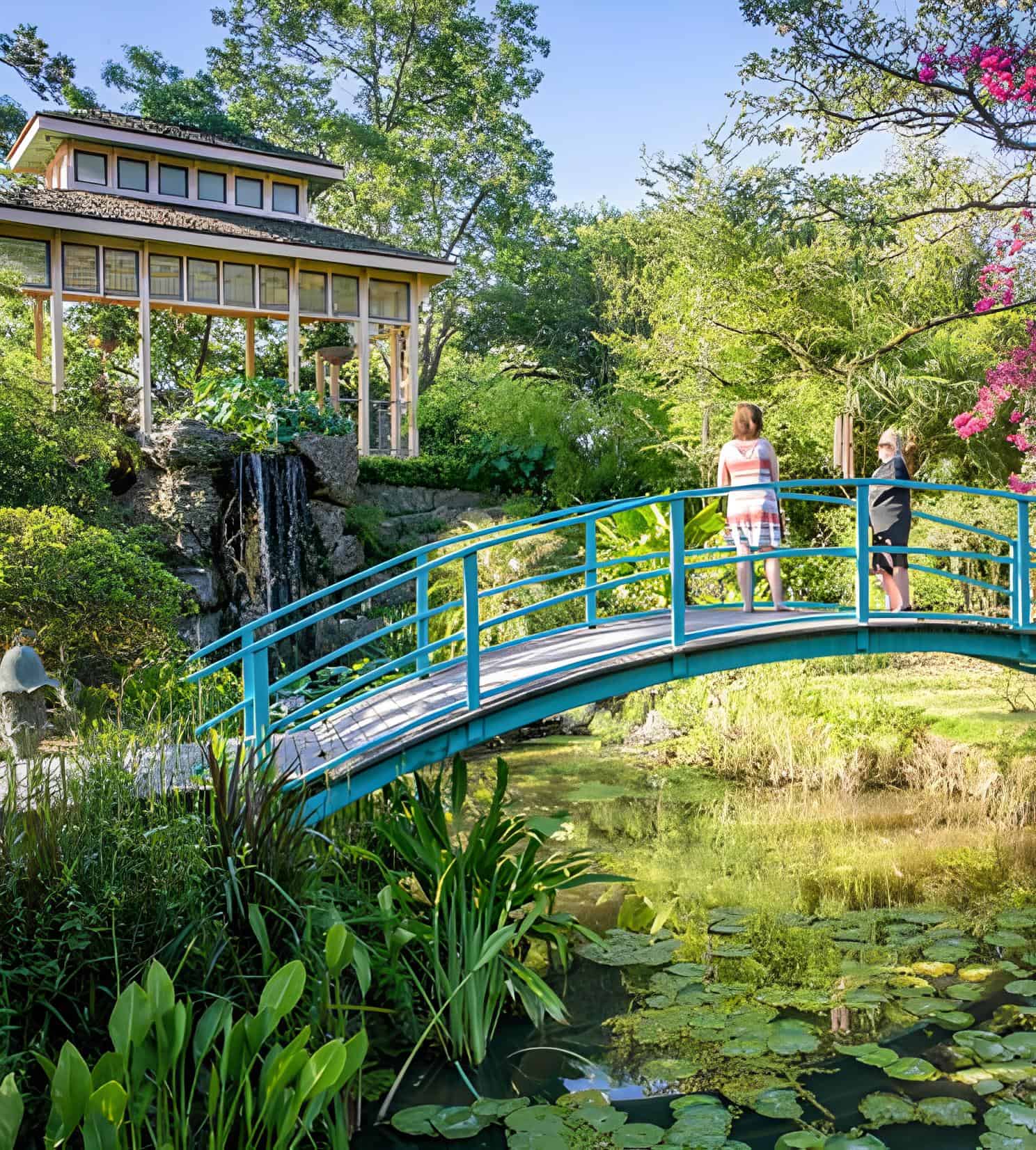
Destrehan Plantation is one of the oldest documented plantation homes in the lower Mississippi River Valley, offering another important glimpse into Louisiana’s colonial and plantation-era history
Baton Rouge – Louisiana’s State Capital
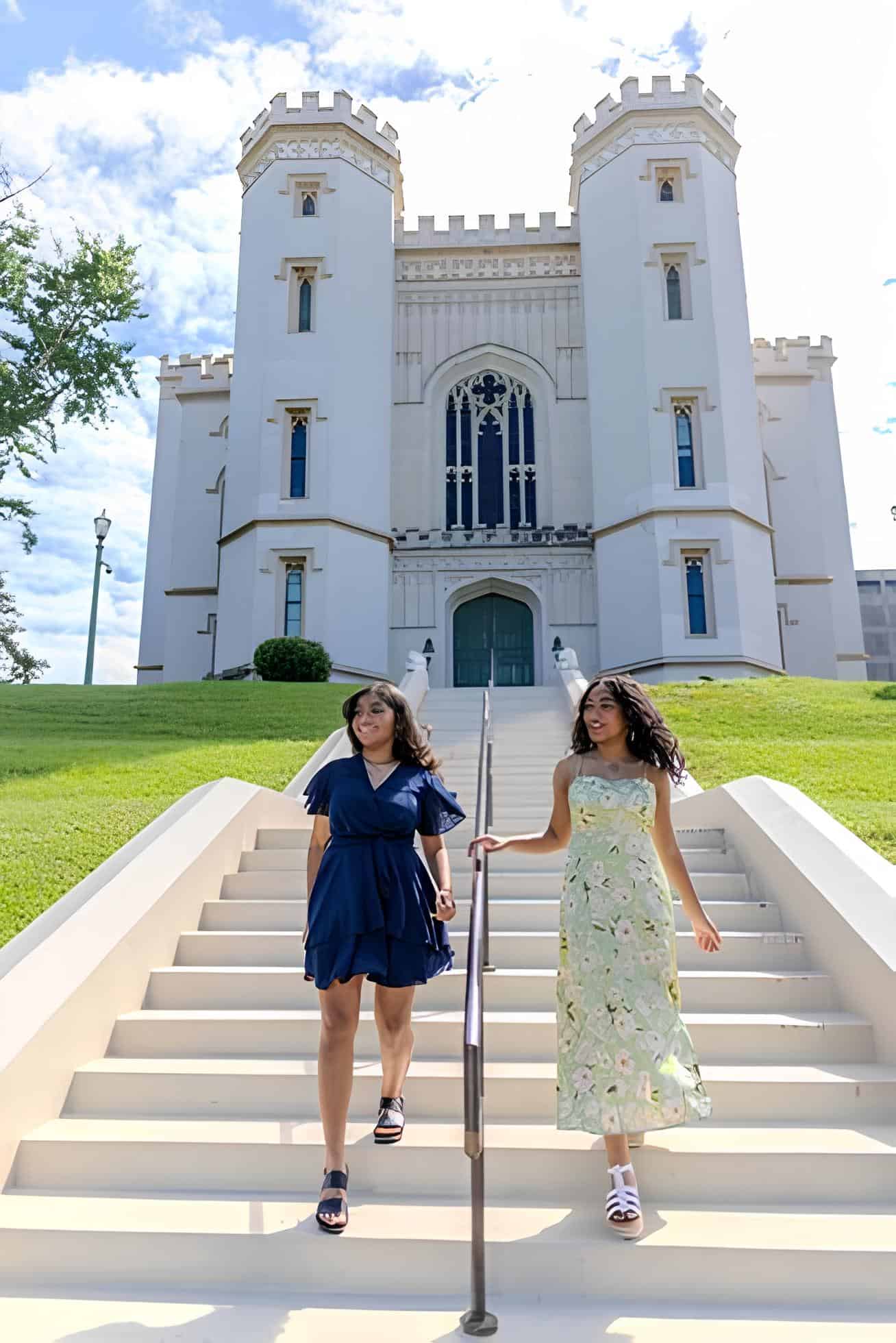
Only 80 miles from New Orleans is Baton Rouge, the capital city of Louisiana, which is home to two of the most interesting buildings connected to Louisiana’s history: the old and new state capitol buildings.
The old state capitol, located on the banks of the Mississippi River, looks almost like a Gothic-style castle. It served as the state capitol from 1850 to 1932.
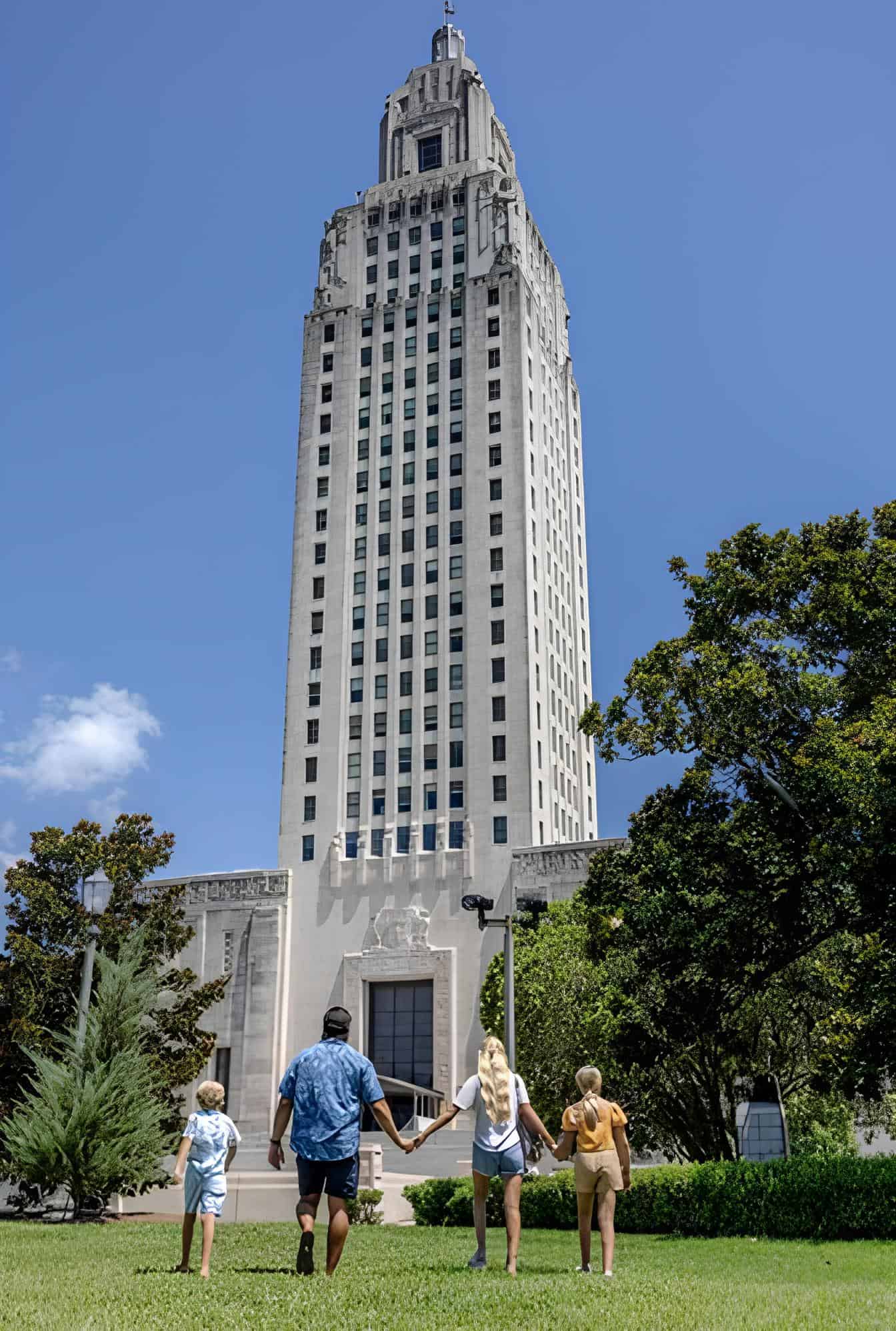
The new state Capitol is entirely different from its predecessor. Standing 450 feet tall with 34 floors, it is the tallest state capitol in the United States. It is also one of four skyscraper capitols and one of only nine capital buildings without a dome. The new state capitol opened in 1932 and has been in use ever since.
Clearly, at least one night can be spent in Baton Rouge, allowing enough time to visit the state capitol buildings, downtown museums, and restaurants. A recommended hotel stay is the Hilton Baton Rouge Capitol Centre. Originally called the Heidelberg Hotel, it was the favourite hotel of Louisiana Governor and U.S. Senator Huey Pierce Long.
In 1931, the hotel was briefly used as the Louisiana State Capitol during a power struggle between Huey Long, then Governor, and Paul Cyr, Lieutenant Governor. Cyr declared the hotel the capital of Louisiana when Long refused to hand over power after winning his U.S. Senate seat.
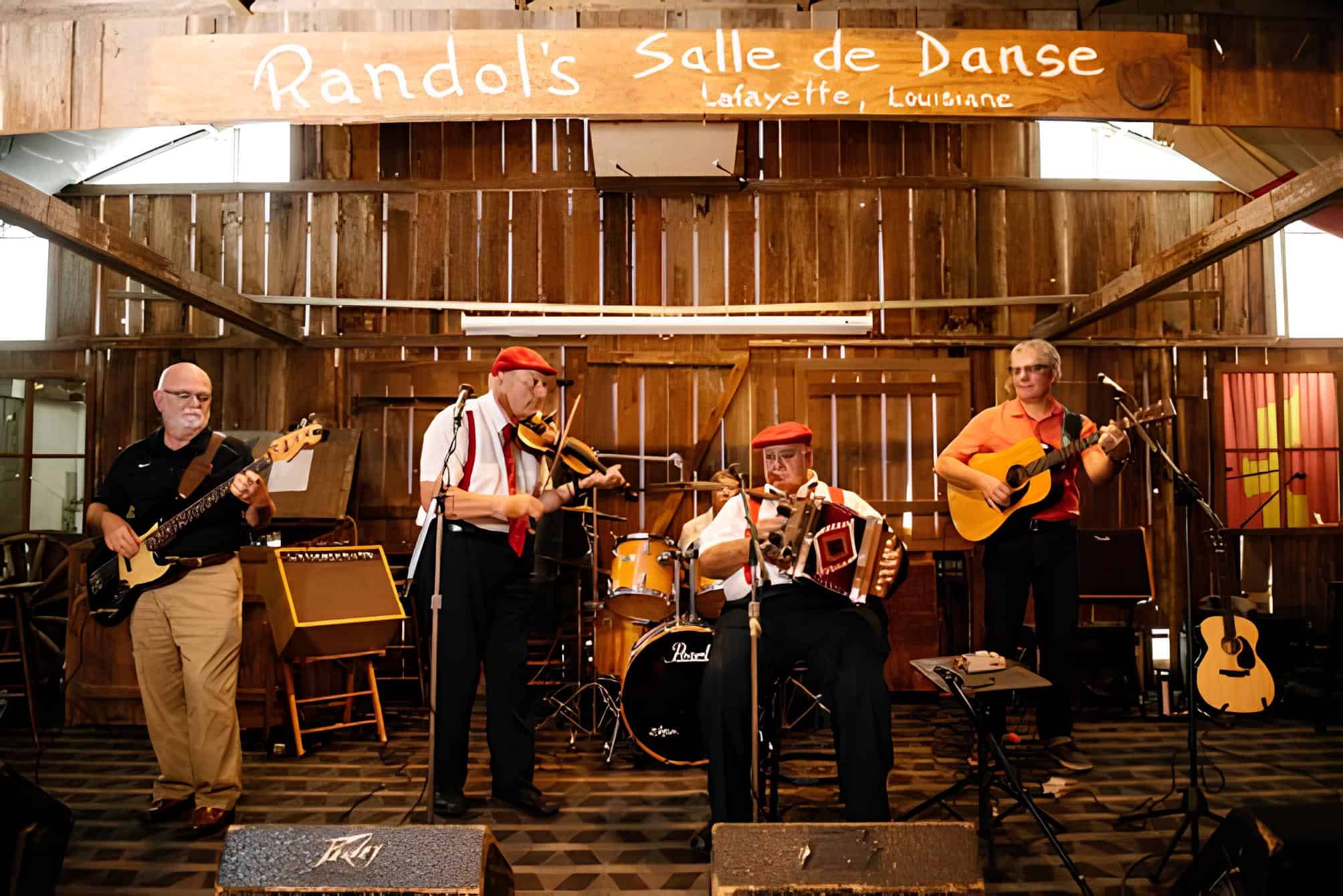
After a couple of days in Baton Rouge, continue to Breaux Bridge and then Lafayette, about an hour’s drive from Baton Rouge. In Breaux Bridge, a Saturday morning at Buck & Johnny’s is a lively introduction to the region, with a Zydeco breakfast, Cajun and Zydeco music, and a chance to try the Cajun two-step. Anyone unfamiliar with the dance will usually find someone happy to teach them.
After breakfast, spend time shopping along the main street before heading to Lafayette, the heart of Louisiana’s Cajun and Creole Country. Known as the Happiest City in America, Lafayette offers visitors a genuine Cajun and Creole experience.
This region is home to much of Louisiana’s Francophone population and offers many ways to experience the state’s culture and landscape, including swamp tours, birding, Cajun and Zydeco music, dancing, and food. Visitors can calmly enjoy the bayou by canoe or spend the evening eating and dancing at a Cajun restaurant such as Randol’s.
Lafayette & Beyond
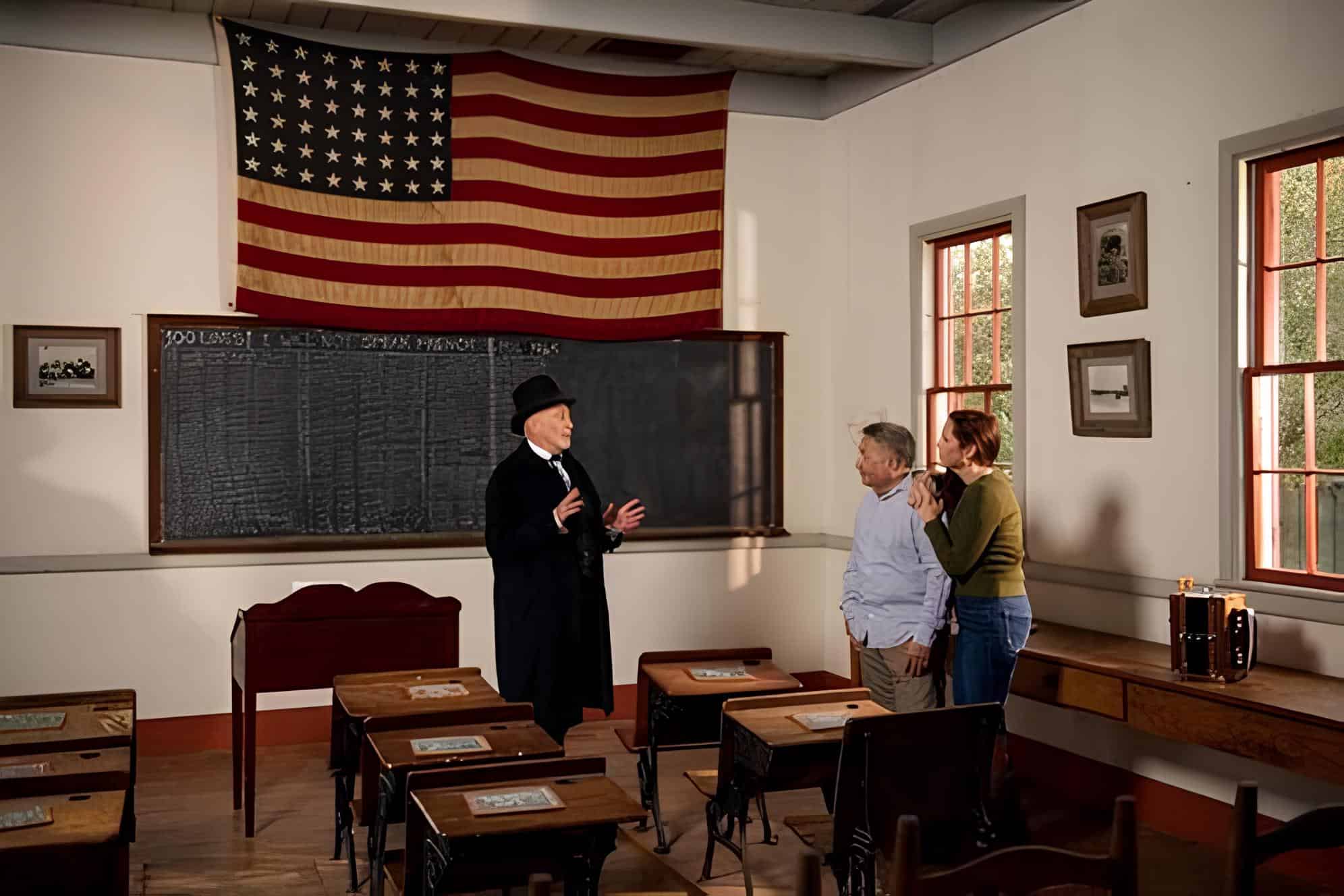
First, visit the Vermilionville Living History Museum and Folklife Park. Located along the banks of Bayou Vermilion, it depicts Acadian, Creole, and Native American cultures from 1765 to 1890. Vermilionville offers hands-on experiences that show how these communities came to Louisiana and lived off the land to survive.
Vermilionville has guided tours, costumed artisans, live music, cooking school, dance lessons, and a gift shop. It is worth checking the website before visiting to see which events are scheduled for the day.
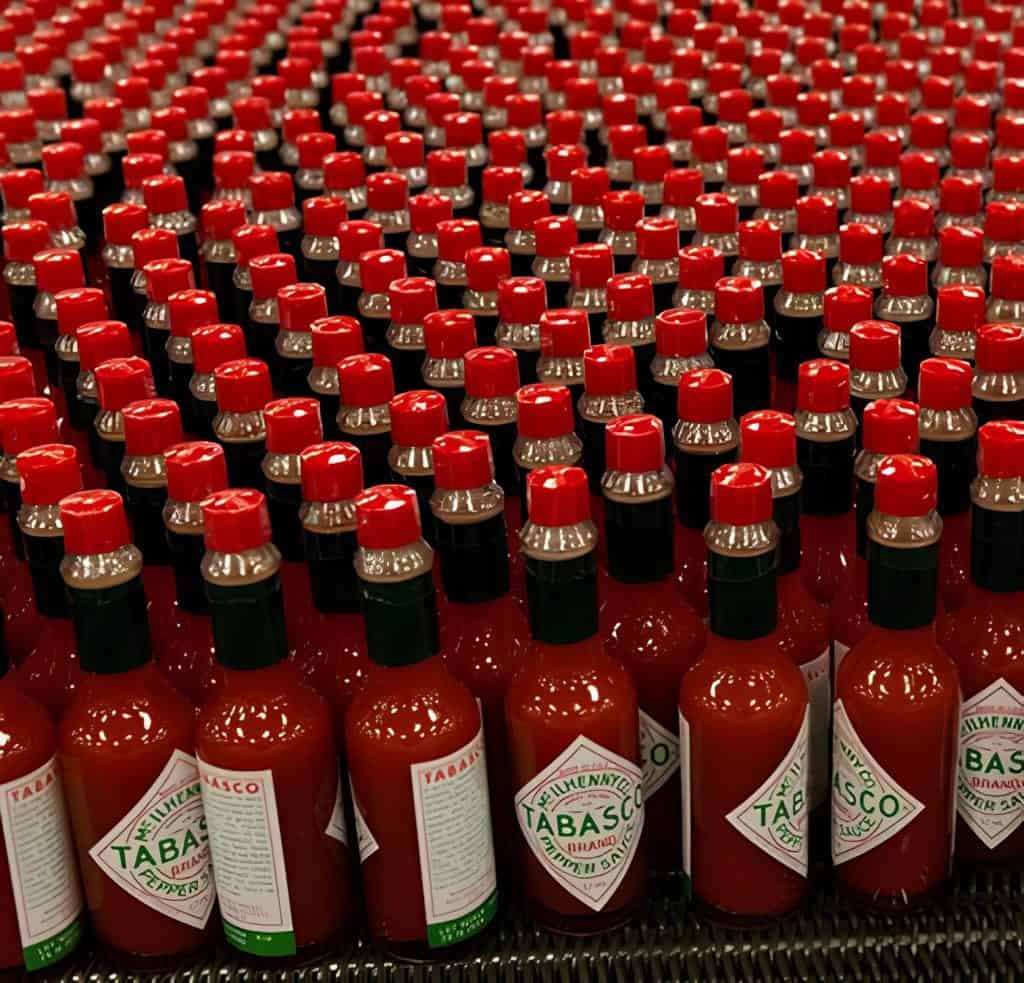
There is no shortage of restaurants in Lafayette. You can enjoy lunch in the city or travel 41 miles to visit the TABASCO Factory at Avery Island, the only location in the world that produces the renowned TABASCO Pepper Sauce. It is also home to TABASCO Restaurant 1868.
The factory and country store are open daily, and visitors can see how TABASCO is made, from the pepper plants and pepper mash to the sauce’s ageing process. In the TABASCO Store, you can sample different TABASCO products and even taste TABASCO ice cream.
Jungle Gardens at TABASCO is a 170-acre botanical garden with a bird sanctuary known as Bird City.
Louisiana Festivals
Often referred to as the “Festival Capital of the World,” Louisiana hosts more than 400 annual events that turn local heritage into memorable cultural experiences. While Mardi Gras remains the crown jewel, filling the streets with neon-coloured beads and elaborate floats, the true spirit of Louisiana often shines through its smaller regional gatherings.
Food is almost always the guest of honour. Communities celebrate their local produce and culinary traditions through events such as the Breaux Bridge Crawfish Festival, the Ponchatoula Strawberry Festival, and the International Rice Festival in Crowley.
Music provides the heartbeat of these celebrations, with the rhythms of zydeco, swamp blues, and jazz setting the mood for fais-do-dos, or Cajun dance parties.
Major events such as the New Orleans Jazz & Heritage Festival and Lafayette’s Festival International de Louisiane attract international attention and global talent. Smaller gems, including the Rayne Frog Festival and the Natchitoches Christmas Festival, offer a more intimate glimpse into the state’s quirky, enduring traditions.
Largest Louisiana Festival – Mardi Gras
Mardi Gras in Louisiana is a season-long cultural takeover. While many people think Mardi Gras is only “Fat Tuesday,” the celebration lasts for weeks. It begins 12 days after Christmas, on Twelfth Night, and continues until midnight on Fat Tuesday, or Mardi Gras Day.
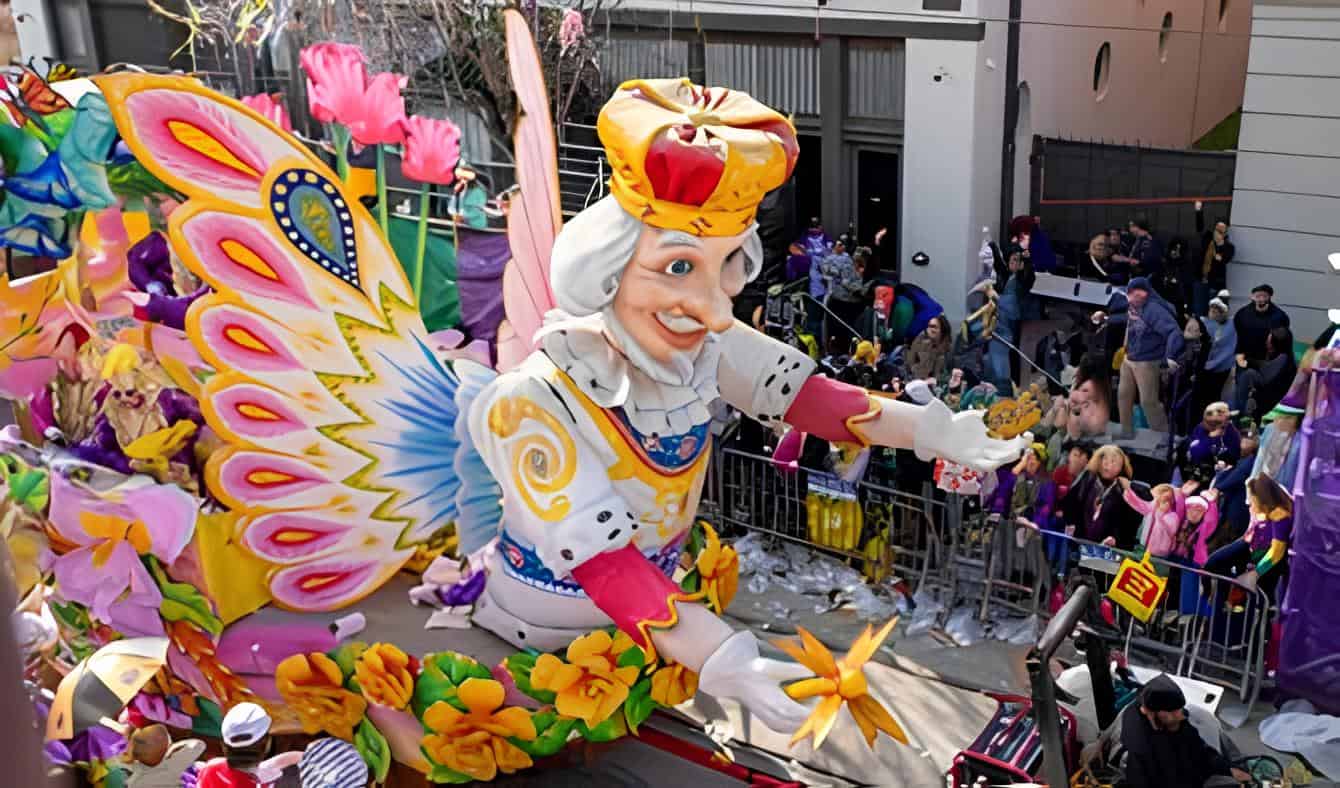
Across Louisiana, Mardi Gras is celebrated with festival balls and pageants, parades, and costumed riders throwing beads, doubloons, and other gifts into the crowds lining the streets.
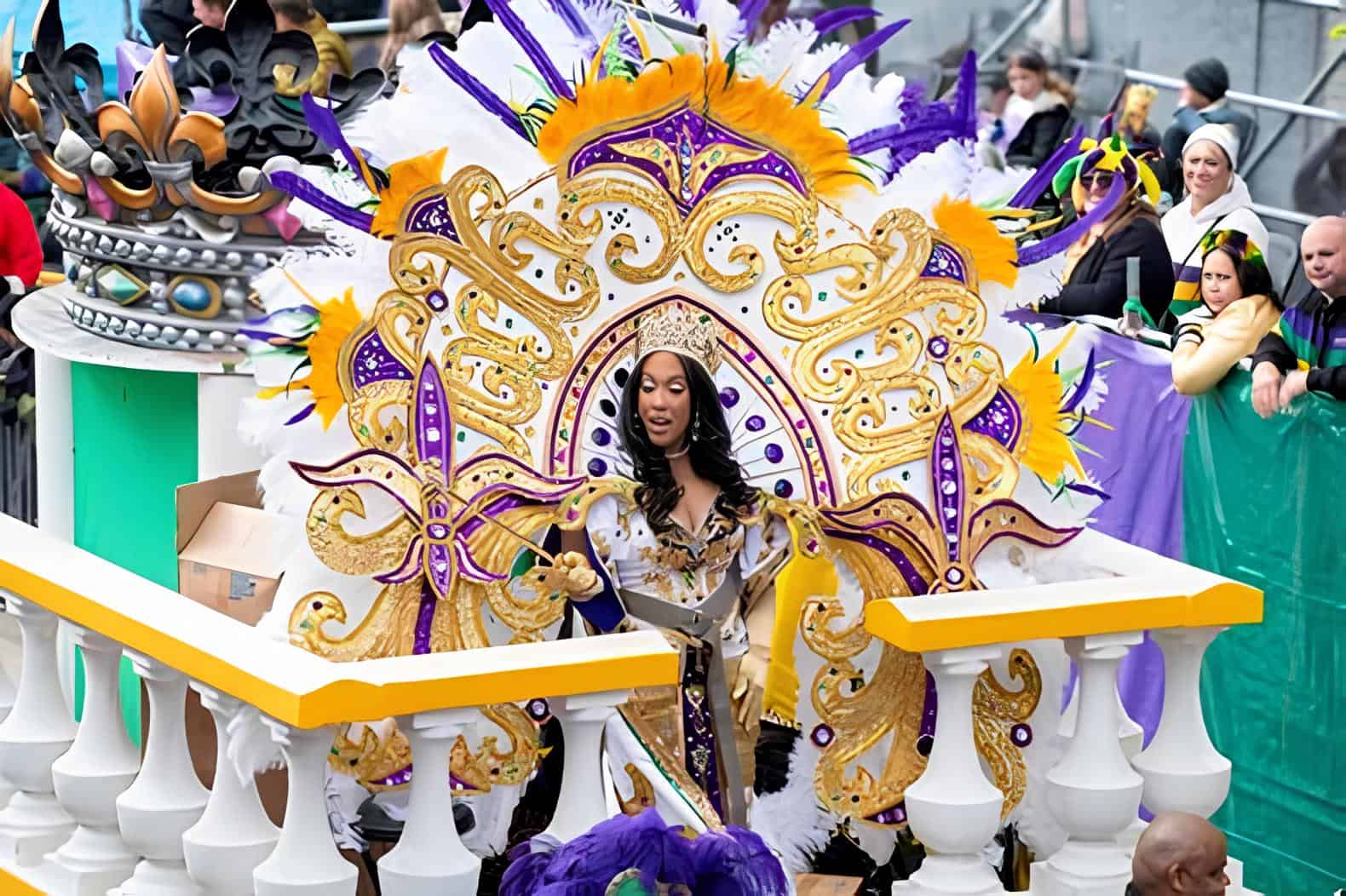
In cities such as New Orleans, Baton Rouge, Lafayette, and Shreveport, Mardi Gras is defined by large organised parades hosted by Krewes, or social organisations. These Krewes spend the entire year building elaborate, multi-layered floats, while high school marching bands and dance troupes provide the soundtrack.
The “throws” are not limited to beads. Highly prized signature throws include hand-painted coconuts from Zulu, glittered shoes from Muses, and decorated purses from Nyx.
Each Krewe elects a King and Queen, forming a Royal Court. The meeting of the Courts of Rex and Comus on Mardi Gras night officially marks the end of the season.
Courir de Mardi Gras
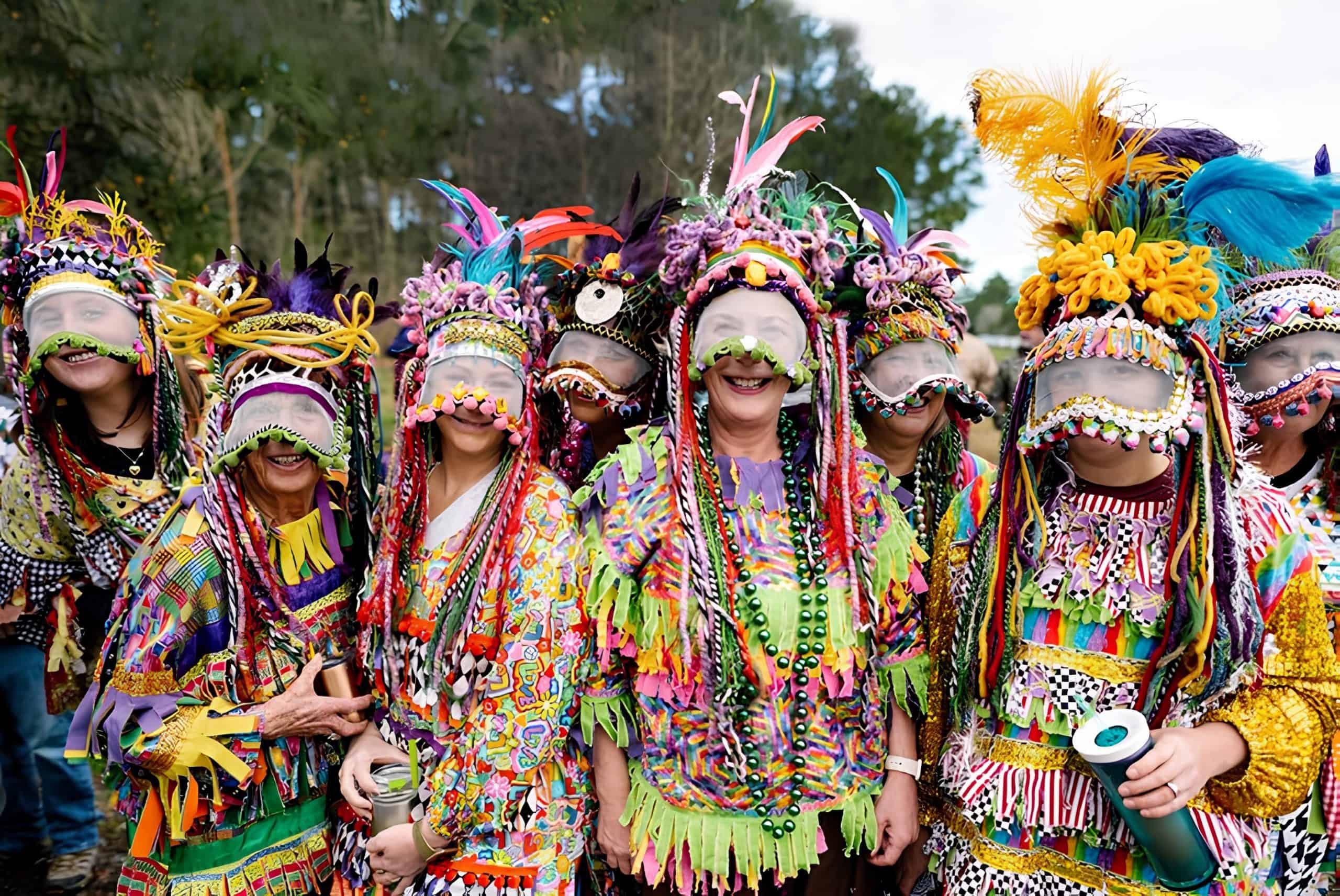
In South Louisiana’s Cajun country, in towns such as Eunice and Mamou, Mardi Gras looks very different. Here, visitors will find fewer floats and more of the Courir de Mardi Gras, or the Mardi Gras Run.
Participants wear traditional screen masks and capuchons, the tall cone-shaped hats originally designed to poke fun at nobility and clergy.
Revellers travel on horseback or on foot, going from house to house while singing and dancing as they beg for ingredients for a communal gumbo.
Mardi Gras Traditions
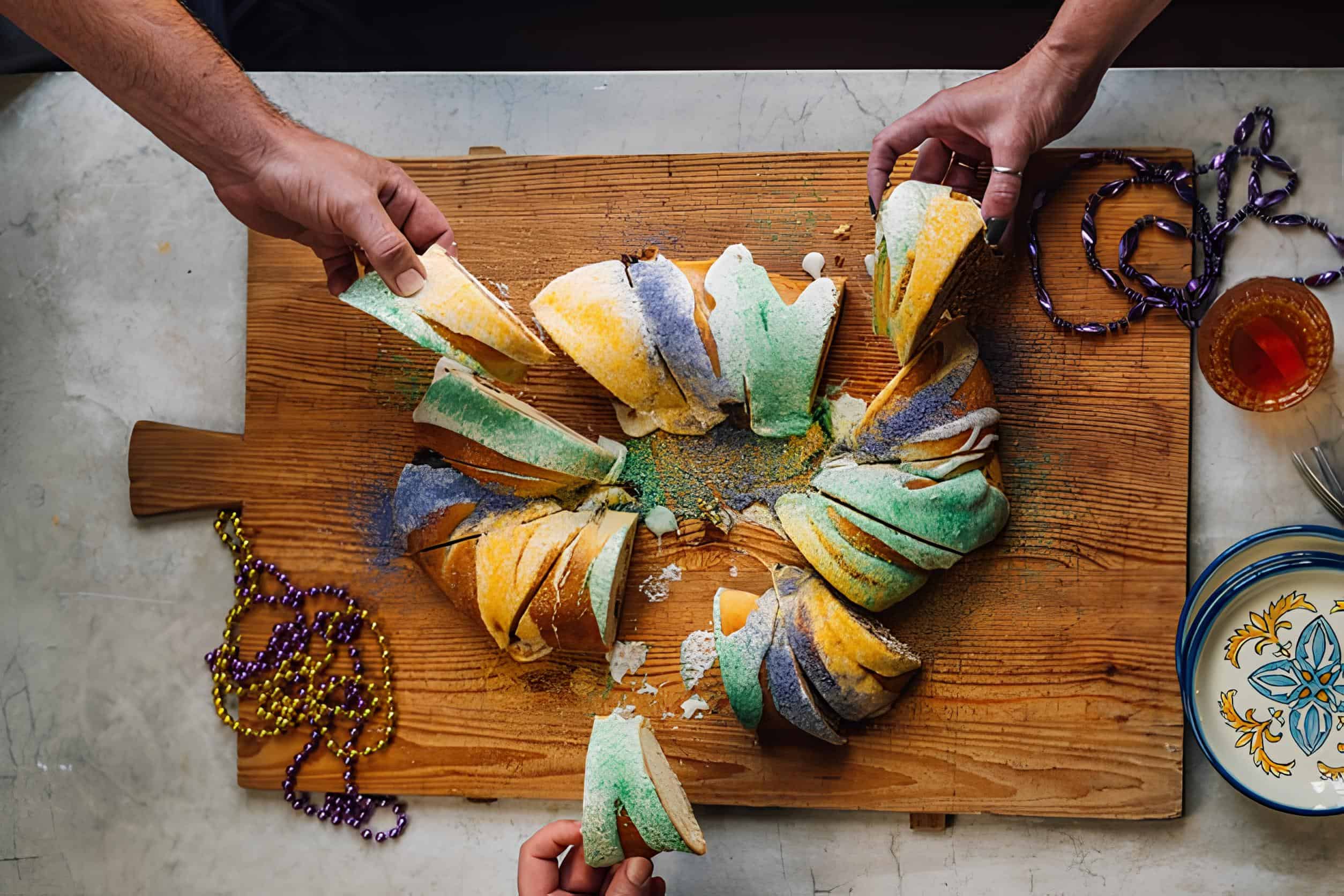
Mardi Gras is celebrated in the colours purple, green, and gold. Purple represents justice, green represents faith, and gold represents power. These colours were established by the Rex organisation in 1872.
King Cake is a beloved tradition at Mardi Gras parties. It is a cinnamon-filled coffee cake topped with purple, green, and gold sugar. Whoever finds the plastic baby or bean inside must buy the next cake.
Mardi Gras Indians
Unique to New Orleans, the Mardi Gras Indians are African American communities organised into “tribes.” They spend thousands of hours hand-sewing incredibly intricate beaded and feathered suits.
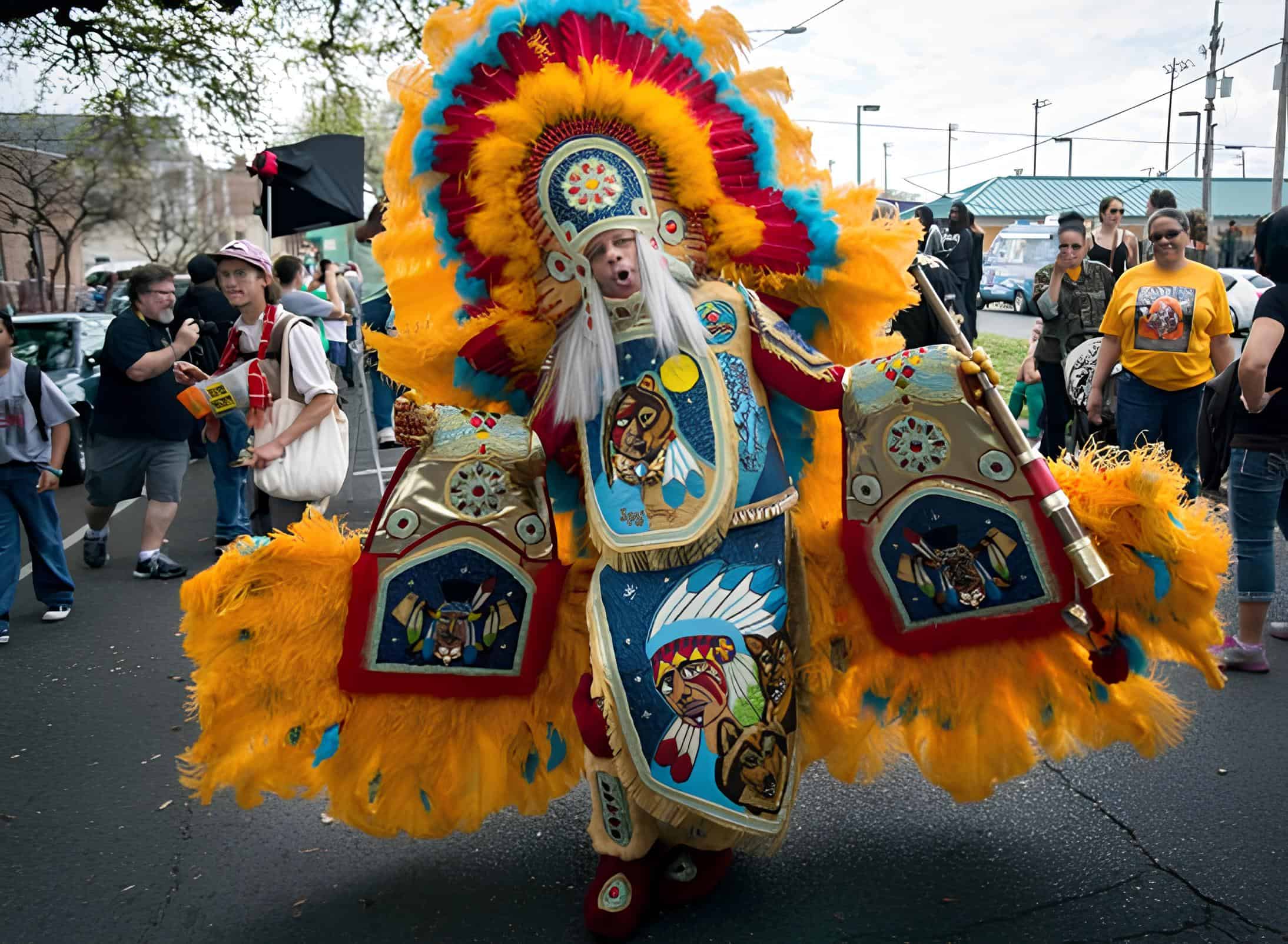
On Mardi Gras Day, they “battle” through song, dance, and displays of craftsmanship to see who is “prettiest.”
Read More: Best Events Across the USA