

India’s hotels excel at scale, yet lose ground where luxury now matters most, privacy and craftsmanship, says Binny Sebastian
India stands today as one of the most influential luxury hospitality markets in the world. A decade-long surge in weddings, social celebrations and large-format events has transformed the industry’s financial DNA. Ballrooms have become engines of year-round revenue. Hotels that scale inventory, production capability and event infrastructure are reporting record ADR, occupancy, and balance-sheet strength.
The momentum is undeniable. The optimism is earned.
Yet behind the celebratory numbers lies a quieter truth the industry rarely articulates: as properties bend toward scale, the idea of luxury itself is being stretched, strained and, in some cases, compromised.
At the heart of the tension is one question: Can an industry built for volume still safeguard the craftsmanship that defines true luxury?
The New Gravity of Luxury: Privacy, Personalisation and Craftsmanship
Across the global luxury landscape, high-net-worth travellers are seeking three non-negotiables: Privacy. Personalisation. Consistent craftsmanship.
These are not trends; they are anchors of a more evolved luxury philosophy shaped by digital fatigue, wealth migration and an appetite for meaningful experience.
But high-volume event hotels, regardless of how refined, cannot consistently protect all three. The very architecture of scale works against intimacy.
This gap is being filled by a new breed of ultra-luxury products: yacht collections from Aman, Four Seasons, Ritz-Carlton and Orient Express, each promising controlled environments, low guest density and immersive craftsmanship.
The second wave is accelerating even faster: ultra-exclusive villas and private estates that eliminate shared spaces, crowd dynamics and operational noise altogether.
Hotels are not becoming irrelevant. They are simply losing the top rung of luxury, guests who seek silence, precision and control over their environment.
The Crisis Luxury Hospitality Doesn’t Want to Name
The erosion of craftsmanship is not only a guest experience issue. It is a talent crisis reshaping the next generation of India’s hospitality workforce.
The industry attracts bright, ambitious professionals who enter luxury hotels expecting to learn the subtleties of high-touch service, emotional intelligence, anticipatory gestures, the choreography of personalised care.
Oberoi remains one of the rare brands that still protects this DNA at an operational level. But in most luxury hotels chasing large events, the reality is different.
Crowd Management Over Guest Intuition
Instead of building sensitivity and emotional radar, young professionals spend their days managing queues, groups and peak-flow congestion.
Banquet Firefighting Instead of Precision Service
Vendor delays, missing inventory, rapid setups and last-minute crises push teams into survival mode, not craftsmanship mode.
Logistics Overload Instead of Learning Luxury
Linen shortages, equipment movement, contractor supervision and rapid turnovers consume hours meant for skill-building. This shapes stamina, not expertise. It creates speed, not sensitivity.
The impact is predictable: burnout rises, craftsmanship erodes, service inconsistency widens. And while turnover climbs, hotels continue to misread the problem as a staffing or training challenge.
It is not. It is a product-definition problem. You cannot promise bespoke luxury and operationalise high-volume throughput. Guests sense the mismatch. Talent senses it even more deeply.
India’s Crossroad: Scale vs. Preservation
India must continue to dominate weddings and MICE. The revenue is rational, strategic and essential for long-term growth. But failing to simultaneously cultivate a parallel luxury product built around privacy, rarity and intimacy will cost the industry:
• High-spend travellers
• Craftsmanship traditions
• Skilled service talent
• Design leadership
Here lies the uncomfortable truth: A hotel built for 500-guest weddings cannot, in the same breath, serve as a sanctuary for the reclusive USD 3,000-per-night traveller. Crowd dynamics always win. Even perfect service cannot eliminate them.
This is why global luxury is reorganising into two clear product families:
- Large luxury hotels optimised for scale
- Ultra-limited, privacy-driven assets built for rarity
Both are necessary. Neither can be run with the same operational philosophy.
The Strategy India Must Not Delay
Across continents, luxury travellers converge around three expectations:
Privacy and Control
Discretion, space and the freedom to define their own rhythm—no queues, no forced interactions, no friction.
Authentic, High-Quality Experiences
Culture and craftsmanship expressed with honesty. Stories delivered with depth, not theatrics. Experiences that feel curated, not manufactured.
Seamless Comfort
Precision execution, effortless logistics and a degree of anticipatory service that feels natural rather than over-orchestrated.
Any hotel or villa that honours these three pillars consistently wins the global luxury guest.
For India to secure its leadership at the top tier, it must operate on two simultaneous tracks:
Track One: Scale the Event Powerhouses
Continue to build hotels that dominate weddings and MICE. This protects topline revenue, profitability and visibility.
Track Two: Build or Acquire Ultra-Exclusive Villas and Estates
Protect craftsmanship, brand identity and the loyalty of the highest-spend travellers.
This is not diversification—it is luxury preservation.
The future leaders will not simply be the largest brands. They will be the ones who command both scale and exclusivity.
The Numbers Owners Need to Pay Attention To
Ultra-exclusive villas and estates are not built for volume. They are built for:
- Higher ADR
- Lower operating cost per key
- Higher EBITDA
- Stronger NOI per key
- Superior valuation multiples
A thoughtfully positioned 12-key villa estate can outperform a 200-key luxury hotel on net return per key, supported by:
• Lower staffing strain
• Reduced volatility
• Stronger pricing power
• Longer asset life
Event hotels win the topline. Exclusive assets win the bottom line—and long-term brand power.
Which raises a crucial question: Are Indian investors arriving late while global capital has already moved into this space?
The Bottom Line: A Future India Cannot Ignore
Weddings are good. Events are good. Revenue is good.
But without a parallel luxury pathway rooted in privacy, rarity and artistry, India will inevitably:
• Lose elite travellers
• Lose luxury talent
• Lose craftsmanship heritage
• Lose product distinction
The world has already mastered the ultra-private luxury model. If India does not activate this segment soon, international operators will continue serving Indian UHNW travellers offshore.
Not because India lacks potential, but because the opportunity was left open long enough for someone else to monetise.
About the Author
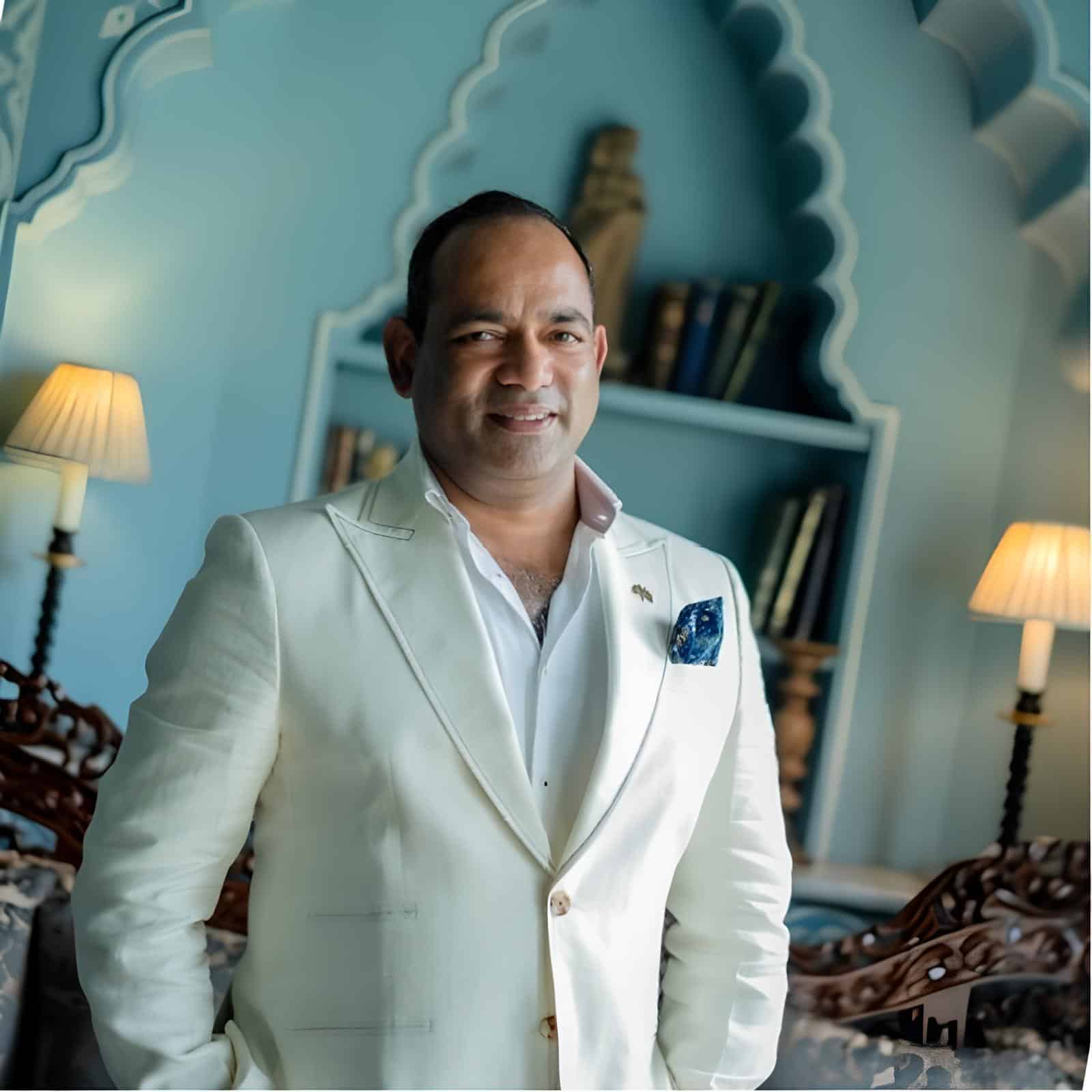
Binny Sebastian, CHA, is a distinguished hospitality leader with 26 years across iconic luxury brands including Raffles, Taj, Six Senses and Alila.
Known for elevating guest experience and operational excellence, he brings rare insight into the evolving dynamics of luxury, talent and craftsmanship in India’s hospitality landscape.
Read more – Latest