

Birdwatching combines stillness, curiosity and nature, creating a simple practice with surprisingly powerful wellbeing benefits
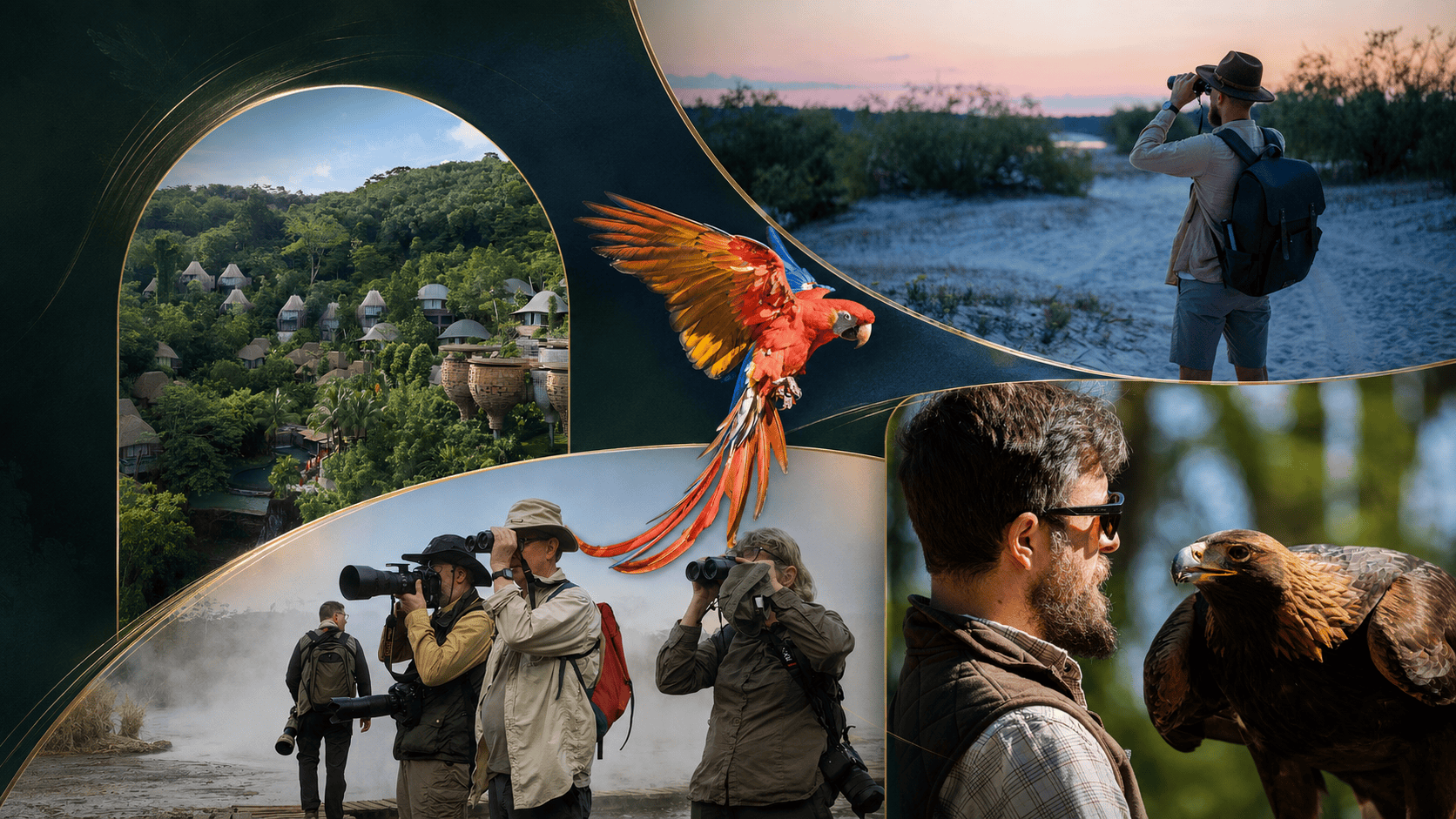
The day begins before breakfast, but there is no alarm, workout class or tightly timed departure. A naturalist waits outside with binoculars and a flask of coffee. The forest is still cool, and the first calls are beginning to travel through the canopy.
Nothing dramatic needs to happen. A pair of hornbills might cross overhead. A sunbird may appear on a flowering tree. Perhaps the morning offers only familiar birds, seen with more attention than usual. The point is not the number of sightings. It is the quiet shift that takes place while looking for them.
This is becoming one of the most compelling expressions of contemporary luxury travel. The setting may be a Japanese ryokan surrounded by cedar, a cloud-forest lodge in Costa Rica or a private hide overlooking an African wetland. The defining element is not excess. It is access: to silence, space, natural knowledge and time that has not been divided into appointments.
Nature was once treated as the attractive background to a luxury stay. Now it is moving to the centre of the experience. Forest walks sit alongside spa therapies. Private naturalists are as valuable as private butlers. Birdsong, low light and an uninterrupted night’s sleep are becoming part of the wellness proposition.
Research links forests, birds and natural soundscapes with reduced stress, improved mood and restored attention. The World Health Organization now recognises the wider relationship between natural environments and physical and mental wellbeing.
Luxury, in other words, is learning to slow down.
The Itinerary Is Losing Its Grip
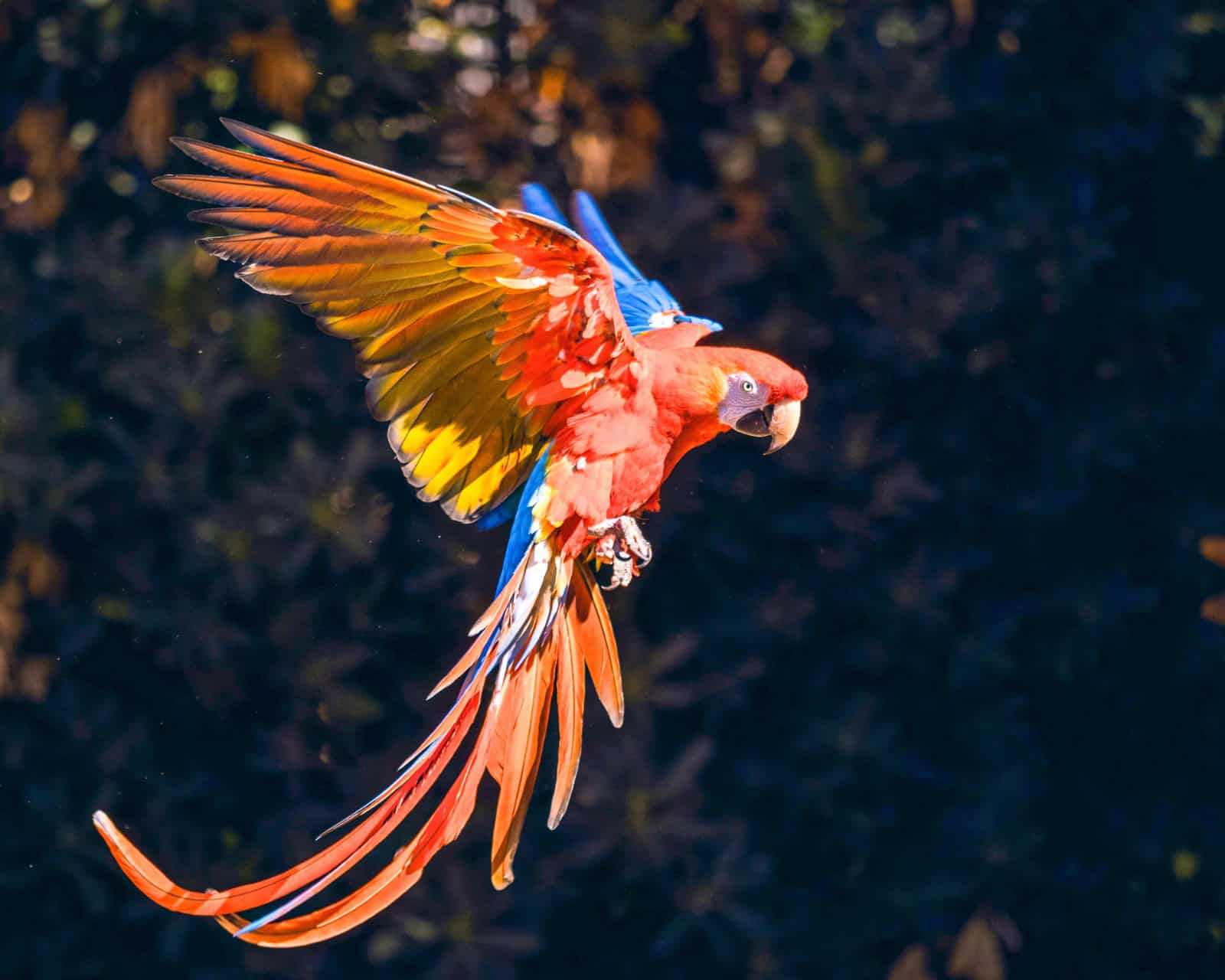
For years, a successful holiday was measured by how much could be fitted into it. More destinations meant greater value. Days were planned around transfers, timed entries and lists of essential experiences. Even a wellness break could become a demanding schedule of treatments, consultations, classes and carefully controlled meals.
The mood is changing. The numbers around wellness travel reveal the scale of the shift. The Global Wellness Institute valued worldwide wellness tourism at US$894 billion in 2024, part of a global wellness economy worth US$6.8 trillion. An earlier GWI analysis found that wellness journeys represented a comparatively small share of global trips but a much larger share of tourism spending.
The appeal is easy to understand. Staying in one place removes the repeated friction of packing, checking out and starting again. The landscape has time to become familiar. Guests learn where the light falls in the morning, which bird calls outside the room and when the property becomes quiet.
For luxury hotels and retreats, this creates an opportunity to offer depth instead of volume. One excellent naturalist can reveal more than a crowded programme of activities. A free afternoon can become more valuable than another excursion. The room, food and service still matter, but they create the comfort within which slowness becomes possible.
Birding Is the New Moving Meditation
Birdwatching might appear to be a niche pursuit, complete with field guides, specialist vocabulary and very early mornings. In practice, it is one of the easiest ways to enter a landscape.
A beginner needs little more than binoculars, a patient guide and a willingness to stop. The first walk often changes the scale of what can be seen. A green canopy separates into layers. Background noise resolves into individual calls. A branch that seemed empty suddenly holds a bird that has been there all along.
Birding encourages attention without turning it into work. There is something to look for, but no need to force an outcome. A rare sighting can produce a thrilling burst of energy; a quiet morning still offers movement, fresh air and the satisfaction of noticing more than before.
For the luxury traveller, the naturalist shapes the experience. The finest guides do more than name species. They read the forest. An alarm call may suggest a predator moving nearby. A fruiting tree explains the activity in one part of the canopy. A change in water level reveals why migratory birds have gathered in one section of a wetland and left another empty.
This interpretation turns a walk into a living story. It also allows the guide to know when silence is more useful than information.
Interest in birding now extends far beyond traditional clubs and specialist tours. The 2026 Great Backyard Bird Count drew an estimated 1.14 million participants across 216 countries and eBird subregions. Together they submitted 467,696 eBird checklists and identified 8,257 species—an extraordinary proportion of the world’s known birdlife in only four days.
The numbers show that birding is no longer limited to experienced naturalists. It is becoming a social activity, a reason to travel and, for many people, a practical way of feeling more connected to the natural world.
What Happens to the Mind Around Birds?
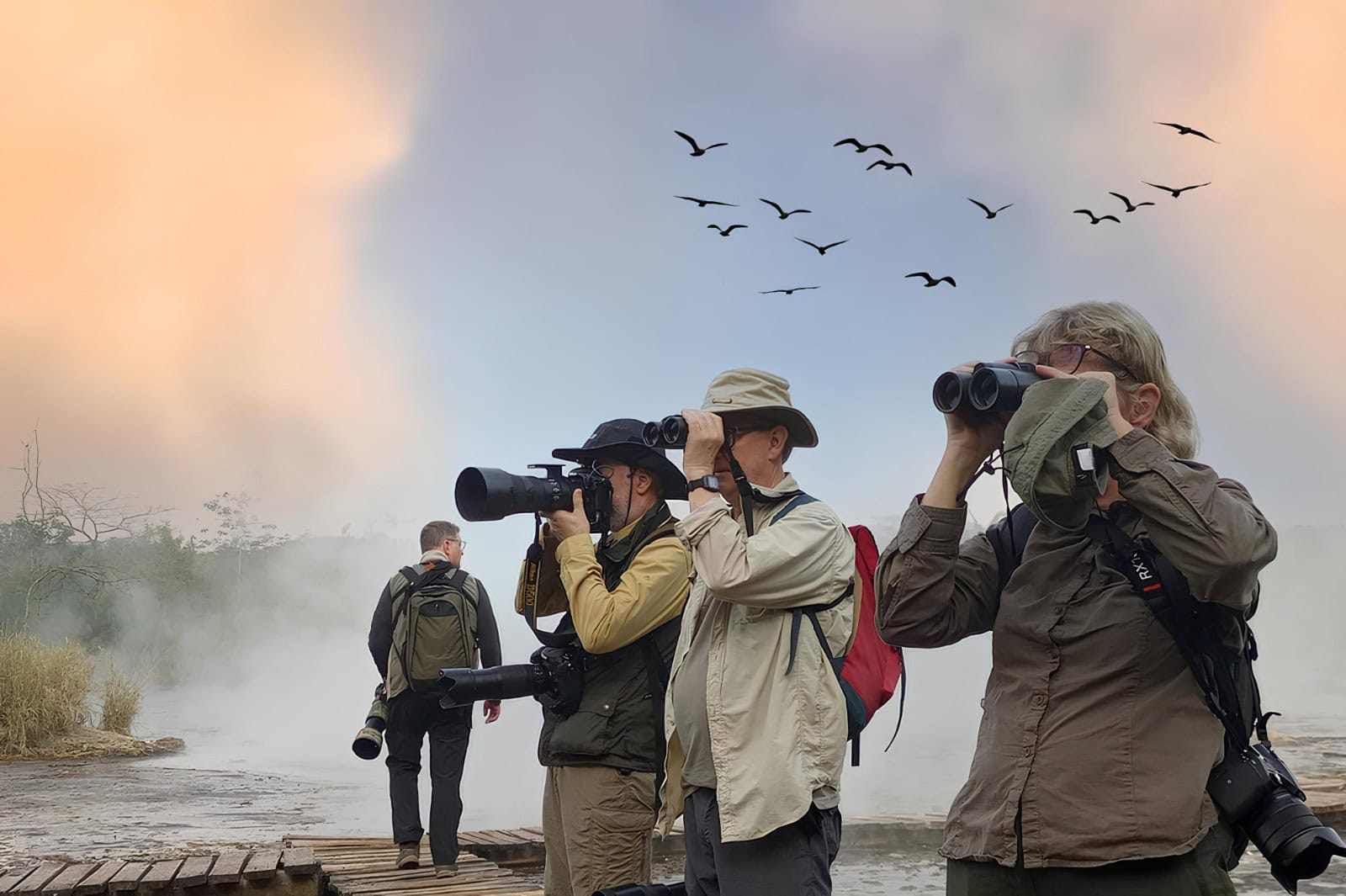
The sense of calm associated with birding is not only a romantic idea.
In a 2024 university study, 112 participants took part in five weekly sessions lasting more than 30 minutes. They were assigned to birdwatching, general nature walks or a control group. Both nature-based activities improved self-reported wellbeing and reduced psychological distress, but birdwatching produced stronger improvements in standard wellbeing scores and larger reductions in depression-related measures than the control condition.
The activity appears to create a useful balance. It engages the senses without placing them under pressure. The eyes scan, the ears listen and the body moves, but there is no screen, deadline or stream of information demanding an immediate response.
Psychologists sometimes describe this as “soft fascination”. Natural patterns such as birds in flight, rippling water or light moving across leaves hold attention gently. The mind remains interested while the systems responsible for concentrated, effortful focus are allowed to rest.
Sound matters too. In a controlled online experiment by the Max Planck Institute for Human Development involving 295 participants, researchers in Germany compared the effects of birdsong and traffic noise. Those who heard birdsong reported lower anxiety and paranoia, while complex layers of traffic sound tended to worsen depressive states. The study did not find an improvement in cognitive performance, but the difference in emotional response was significant.
This helps explain why the soundscape of a retreat can be as important as its design. A beautiful room beside a generator, road or late-night entertainment zone may never feel truly restorative. A simpler space that protects the natural sounds outside can offer something much rarer.
Forest Bathing, Without the Wellness Theatre
The term “forest bathing” can sound like another fashionable addition to the wellness menu. Its central idea is remarkably simple: enter a forest, move slowly and pay attention.
The practice is associated with the Japanese concept of shinrin-yoku. It is not a hike, workout or route march. No particular distance needs to be covered. A guide may invite guests to notice the temperature beneath the canopy, touch the surface of bark, listen for layers of sound or follow the movement of light across the forest floor.
Research into forest therapy has grown over the past two decades. Reviews have associated forest exposure with reductions in anxiety, anger, fatigue and confusion, alongside improvements in positive mood. Studies have also explored effects on cardiovascular, metabolic, immune and nervous-system measures.
A 2022 meta-analysis of randomised controlled trials found that forest therapy reduced systolic blood pressure by an average of 3.44 mmHg and diastolic pressure by 3.07 mmHg compared with urban environments. Salivary cortisol, commonly used as a marker of stress, also fell significantly.
These findings need perspective. Forest types, programme lengths and participant groups vary, and time among trees should never be presented as a substitute for medical or mental-health care. The more credible promise is modest: forests can create conditions that support calm.
Filtered light, quieter acoustics, cooler temperatures, plant aromas and natural patterns all play a role. So does the psychological relief of being somewhere that does not ask for productivity.
The most effective retreats resist turning this into another performance of wellness. There is no score to achieve, no perfect breathing technique and no obligation to emerge transformed. Guests are given time, good guidance and permission to stop.
The World Becomes the Retreat
Nature-led luxury has no single look. It changes with latitude, altitude, season and culture. Across the world, several landscapes are giving the idea of a wellness escape a richer meaning.
Japan: Where Forest Bathing Found Its Language
Japan gave the world shinrin-yoku, yet the experience extends well beyond an organised forest-therapy session. Cedar and cypress woods, mountain pilgrimage routes, onsen towns and ryokans create a natural rhythm of walking, bathing, eating and rest.
The most rewarding itineraries leave room around each element. A forest walk does not need to lead immediately into another activity. A quiet afternoon, a hot-spring bath and a seasonal dinner become part of the same measured experience.
Northern Europe: Elemental and Spacious
Finland, Sweden and Norway bring forests, lakes, islands and long seasonal shifts in light. Here, luxury can feel strikingly elemental: a timber cabin, a wood-fired sauna, a cold lake and hours without urban noise.
The boreal forest rewards repetition. Guests may walk the same path at different times, forage with a local guide or sit beside water as the evening light slowly changes.
Central and South America: Life at Every Level
Costa Rica’s cloud forests and rainforests have long demonstrated how biodiversity and high-end hospitality can coexist.
Across Ecuador, Colombia, Peru and Brazil, birding can become the organising principle of an entire journey. Colombia recorded 1,376 species during the 2026 Great Backyard Bird Count, while Brazil recorded 1,145 and Ecuador 1,126. The numbers hint at the extraordinary richness of the continent, but a good itinerary avoids turning that abundance into a race.
Africa: A Wider View of the Safari
Africa’s great wildlife landscapes are often experienced through the drama of a major sighting. A slower approach widens the frame. The dawn chorus, tracks around camp, trees supporting nests and seasonal changes in water become as important as the headline species.
Private reserves in Southern and East Africa can pair drives with bush walks, hide-based observation, outdoor sleep experiences and unhurried time at camp.
South Asia: Mountains, Forests and Ancient Wellness Traditions
India, Bhutan, Nepal and Sri Lanka bring exceptional variety to nature-led travel. Himalayan oak and rhododendron forests offer altitude and birdsong; India’s Western Ghats combine rainforest, shola grasslands and spice country; Sri Lanka compresses high biodiversity into a relatively small island.
The region also carries established traditions of Ayurveda, meditation and contemplative practice. The most convincing contemporary retreats allow these to meet the landscape naturally, without reducing either culture or nature to a decorative wellness theme.
Australia and New Zealand: Wilderness With a Different Rhythm
Australia’s eucalyptus woods, tropical rainforests and wetlands contrast with New Zealand’s temperate forests, mountains and endemic birdlife. Isolation can be part of the luxury, but local ecology and responsible access give the setting meaning.
Seasonality matters everywhere. Migration, rainfall, flowering and water levels shape each experience. A responsible guide explains the possibilities without guaranteeing a performance from the wild.
What Quiet Luxury Looks Like in the Wild
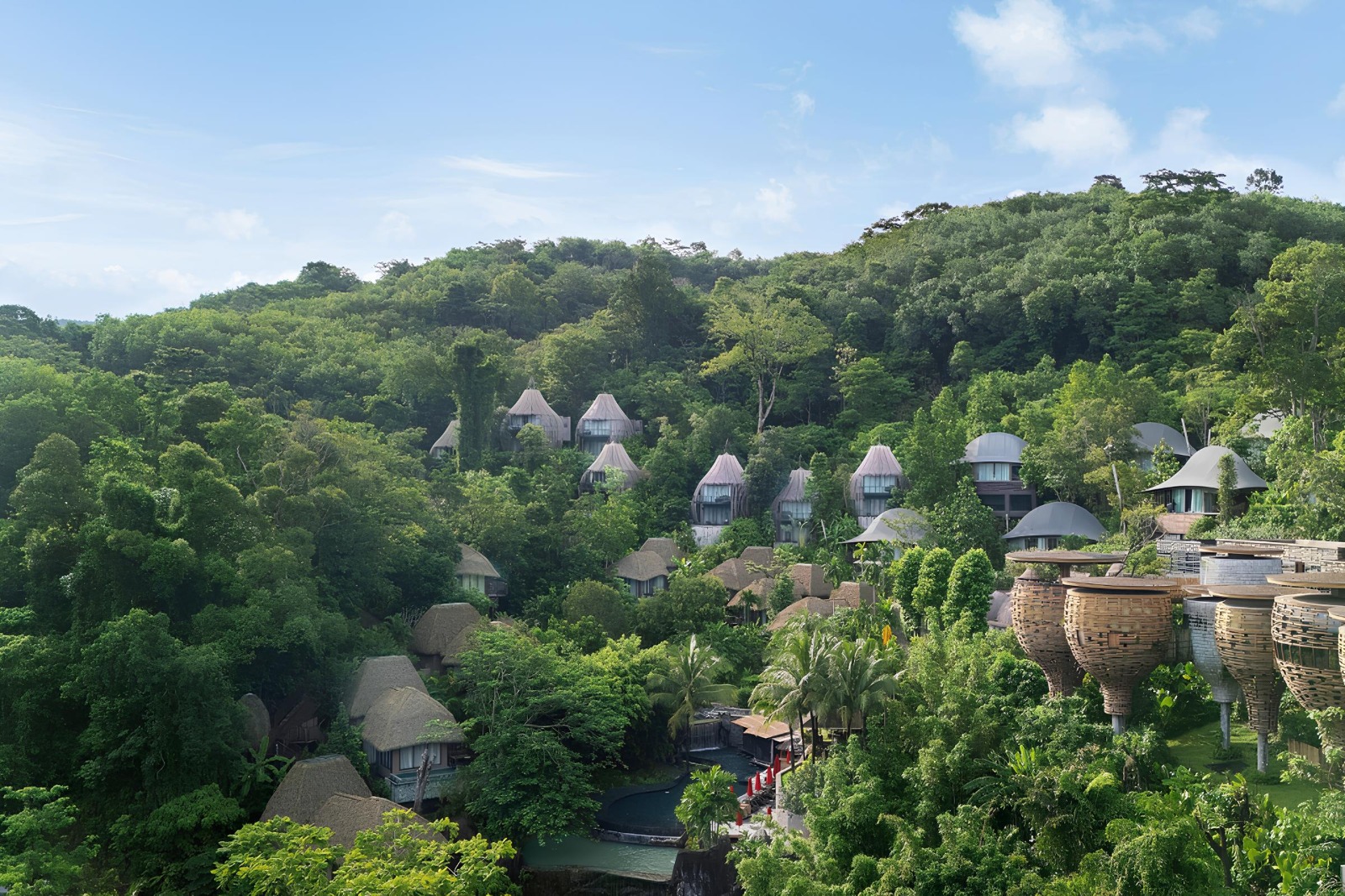
A dramatic location and expensive room do not automatically create a restorative retreat. Nature-led luxury depends on a series of decisions that guests may barely notice, but certainly feel.
It begins with space. Small groups make birding and forest walks quieter, more personal and less intrusive. Private guiding allows the pace to be adapted to a guest’s experience, mobility and interests.
Good design protects sleep and the surrounding habitat. Low outdoor lighting, thoughtful acoustics and rooms positioned away from operational noise help natural darkness and sound remain intact. Windows frame existing trees instead of treating the landscape as decoration.
Service becomes quieter as well. Binoculars are waiting before dawn. Coffee appears without delaying the walk. Breakfast is served after the excursion instead of forcing guests to choose between wildlife activity and the buffet. Damp shoes are cleaned, field guides are available and a thermos can be carried to a hide without ceremony.
Food should deepen the sense of place. Seasonal produce, regional dishes and ingredients sourced through nearby communities connect the table with the landscape. A tasting menu does not need to be elaborate to feel luxurious; it needs to belong where it is served.
The schedule matters most. A property can offer yoga, spa treatments, naturalist sessions, local encounters and excellent meals without filling every gap. Guests need time to sleep, read, sit outside and follow something unexpected.
In this setting, the unscheduled hour is not empty. It is the luxury.
Healing Cannot Come at the Habitat’s Expense
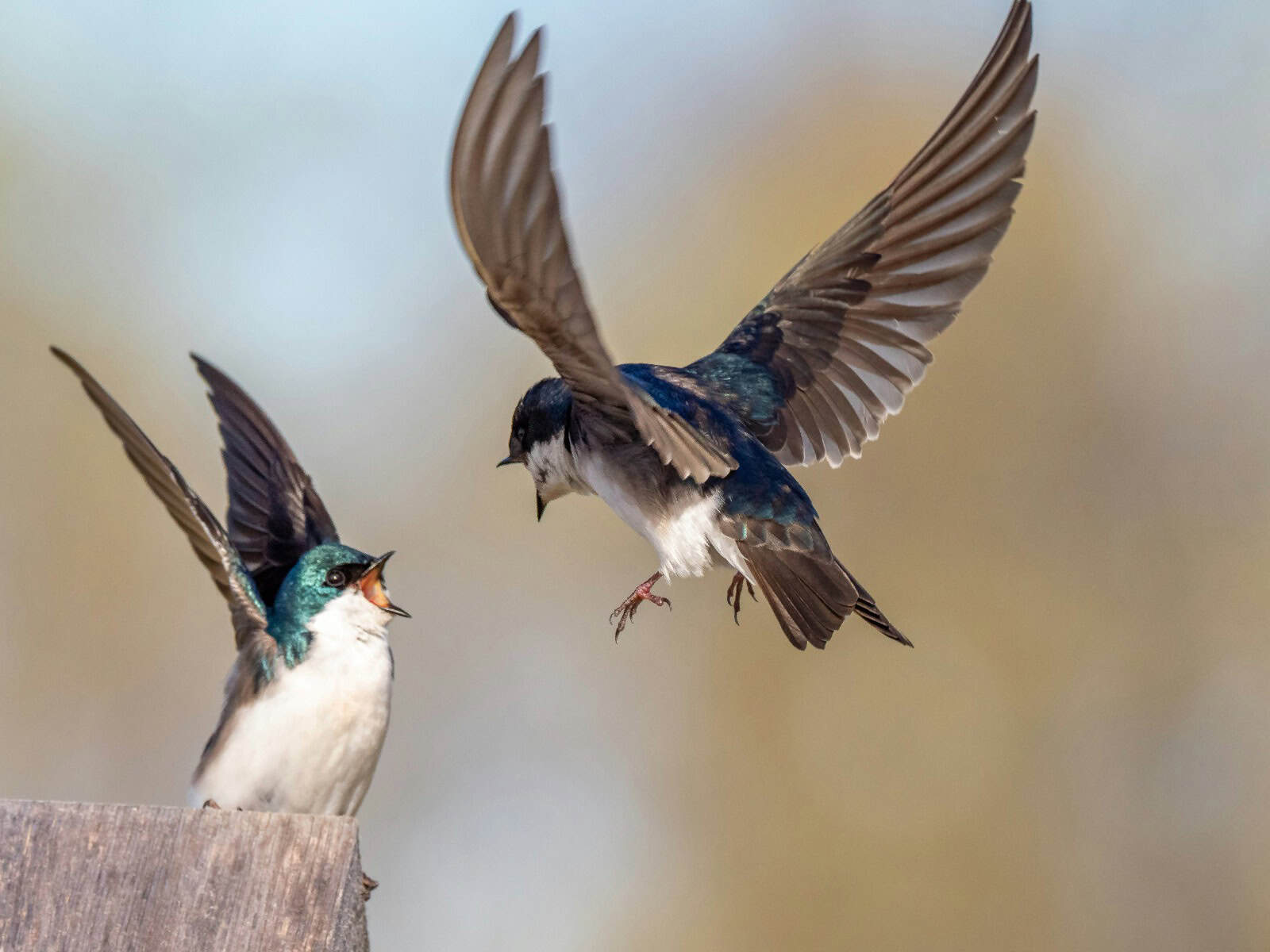
Nature travel loses its meaning when the pursuit of an experience damages the place providing it.
Low noise, appropriate viewing distances and respect for marked trails are basic requirements. Guests should never pressure a guide to approach a nest, disturb a resting animal or chase a better photograph.
The use of recorded bird calls, known as playback, requires particular care. Repeated playback can interfere with feeding, breeding and territorial behaviour. Responsible operators avoid it or follow strict expert guidance.
Properties also have responsibilities beyond guest excursions. Outdoor lighting can affect nocturnal wildlife. Poor waste and water management place pressure on fragile destinations. Decorative landscaping may look green while offering little value to local species; native planting can restore habitat around the property.
Local participation is equally important. Community naturalists bring knowledge shaped by long familiarity with the land. Training and employing local guides keeps more tourism revenue within the destination and gives conservation a clear economic value.
Citizen science can add another layer. A carefully recorded bird sighting contributes to information about distribution, migration and population change. The global reach of the 2026 Great Backyard Bird Count showed how individual observations can combine into a remarkable snapshot of birdlife across continents.
The best luxury retreats make such responsibility feel natural, not worthy or restrictive. Smaller groups, darker nights and quieter trails are better for wildlife—and usually create a more exclusive experience for the guest.
A Different Kind of Time Together
Nature-led travel works particularly well for couples, multigenerational families and solo guests because it allows connection without constant activity.
Birding gives couples a shared focus while leaving room for silence. Families can slow the competitive rush through attractions; children learn to use binoculars, while older travellers can join shorter walks or watch from a comfortable hide.
For solo guests, a naturalist-led morning provides company and purpose without taking over the day. The remaining hours can hold a spa treatment, journalling, reading or complete privacy.
The strongest retreats do not force participation. Guests can join a walk, sit beside water or return to their room without being made to feel that wellness is another assignment.
Bringing the Quiet Home
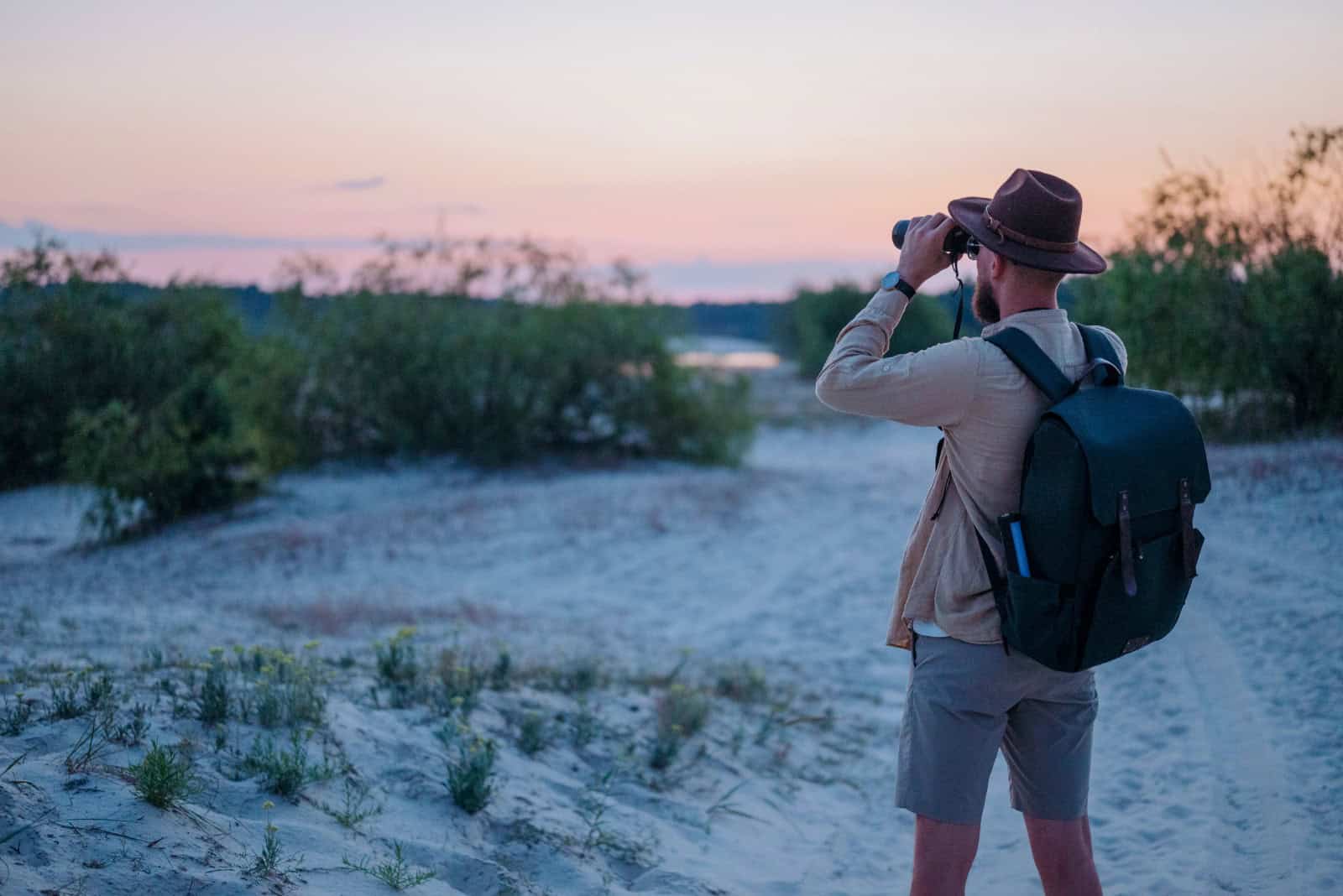
The value of a nature-led journey is not limited to the days spent at the retreat.
Birdwatching is unusually portable. Once the ear begins to separate calls and the eye learns to detect movement, a balcony, city park or neighbourhood garden becomes more interesting. The practice does not depend on a rare bird or remote reserve.
Forest immersion can leave equally simple habits: walking without counting steps, noticing light and weather, spending a few minutes outdoors without reaching for a phone or returning regularly to the same patch of green.
These changes are small enough to last. That makes them more useful than the grand promise of returning from a holiday as a completely different person.
Luxury will always have room for beautiful design, excellent food and intuitive service. Nature adds something that cannot be manufactured: the unpredictability of a living place.
A bird may appear, or it may not. Rain can alter the morning. Mist can close the view. A forest does not perform on demand. The traveller’s privilege is simply to be there—comfortably, responsibly and with enough time to notice.
That is the new quiet luxury: not escaping the world, but feeling fully present within it.
Read more – Explore The World