

A Dalhousie itinerary pairing colonial corners with viewpoints, cool forests and a softer holiday rhythm
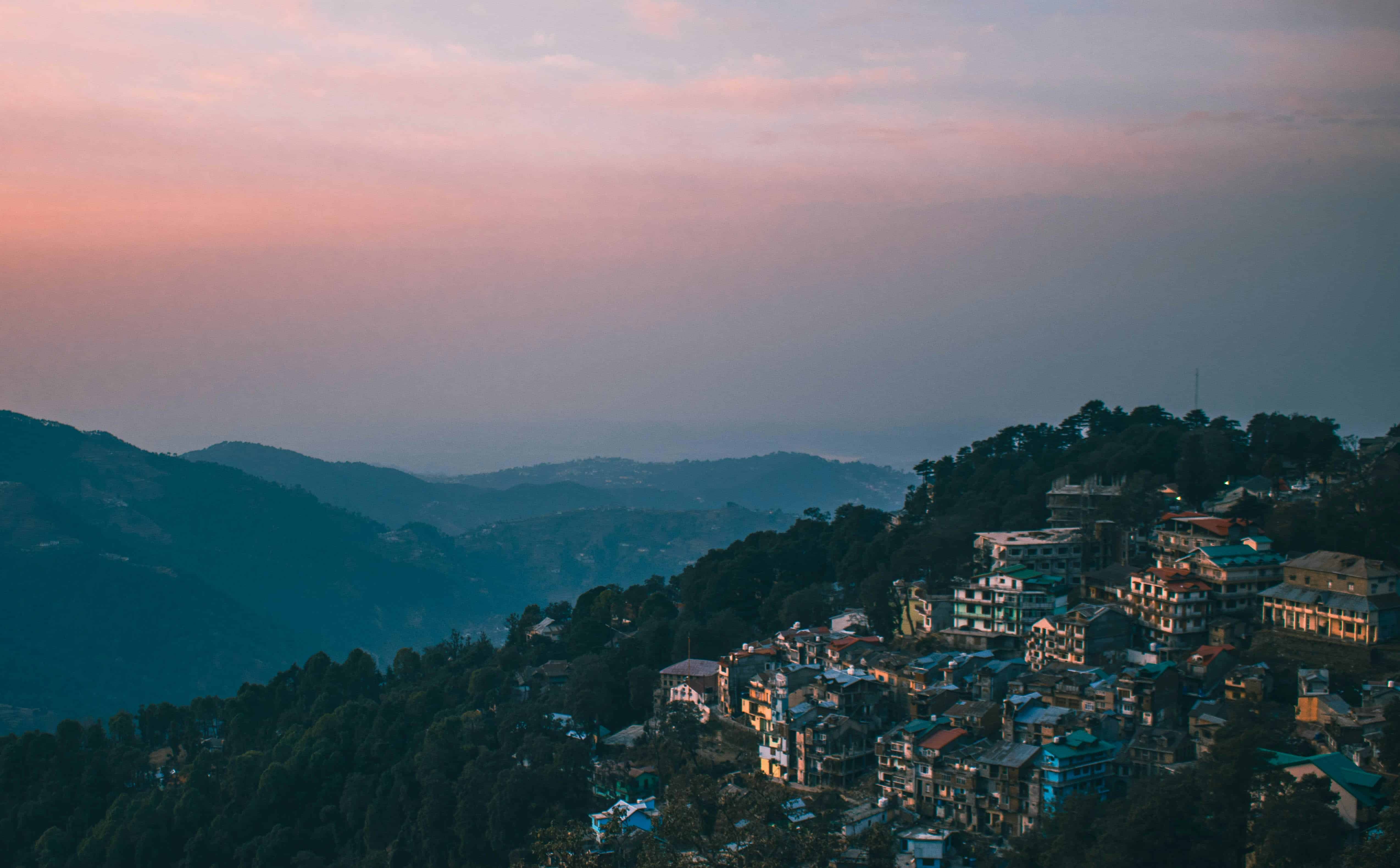
Dalhousie unfolds across a cluster of wooded hills in the western Dhauladhar range. Its roads curve past old churches, stone cottages, quiet neighbourhoods and long stretches of pine and deodar forest. Views open unexpectedly between the trees, revealing the Ravi valley, distant villages and snow-covered ridges.
The town feels gentler than many of Himachal Pradesh’s larger hill destinations. There is a compact market, a handful of historic landmarks and several rewarding walks, but little pressure to move constantly between attractions. Much of the experience lies in following the road between Gandhi Chowk and Subhash Chowk, walking through Bakrota’s forests or stopping wherever the valley appears through the trees.
Three days allow travellers to explore Dalhousie at a comfortable pace. The first day introduces its historic centre, churches and nearby springs. The second moves higher towards Dainkund and Kalatop, while the third belongs to the broad meadow and cedar forests of Khajjiar.
Dalhousie at a Glance
- Approximate altitude: Around 2,000 metres, although elevation varies across its five hills
- Distance from Delhi: Approximately 560 kilometres
- Indicative driving time from Delhi: Around 11 to 13 hours
- Distance from Chandigarh: Approximately 313 kilometres
- Nearest railway station: Pathankot, approximately 87 kilometres away
- Nearest airport geographically: Pathankot Airport, around 90 kilometres away
- Nearest larger regional airport: Kangra Airport at Gaggal, approximately 110 kilometres away
- Distance from Chamba: Approximately 54 kilometres
- Recommended stay: Three days for Dalhousie, Kalatop and Khajjiar
- Best travel periods: March to June and October to November
- Winter season: December to February for cold weather and possible snowfall
Dalhousie spreads across the hills of Kathlog, Potreyn, Terah, Bakrota and Bhangora. Himachal Tourism places Delhi around 562 kilometres away, Chandigarh at 313 kilometres, Pathankot railway station at 87 kilometres and Gaggal Airport at approximately 110 kilometres.
Understanding Dalhousie Before You Arrive
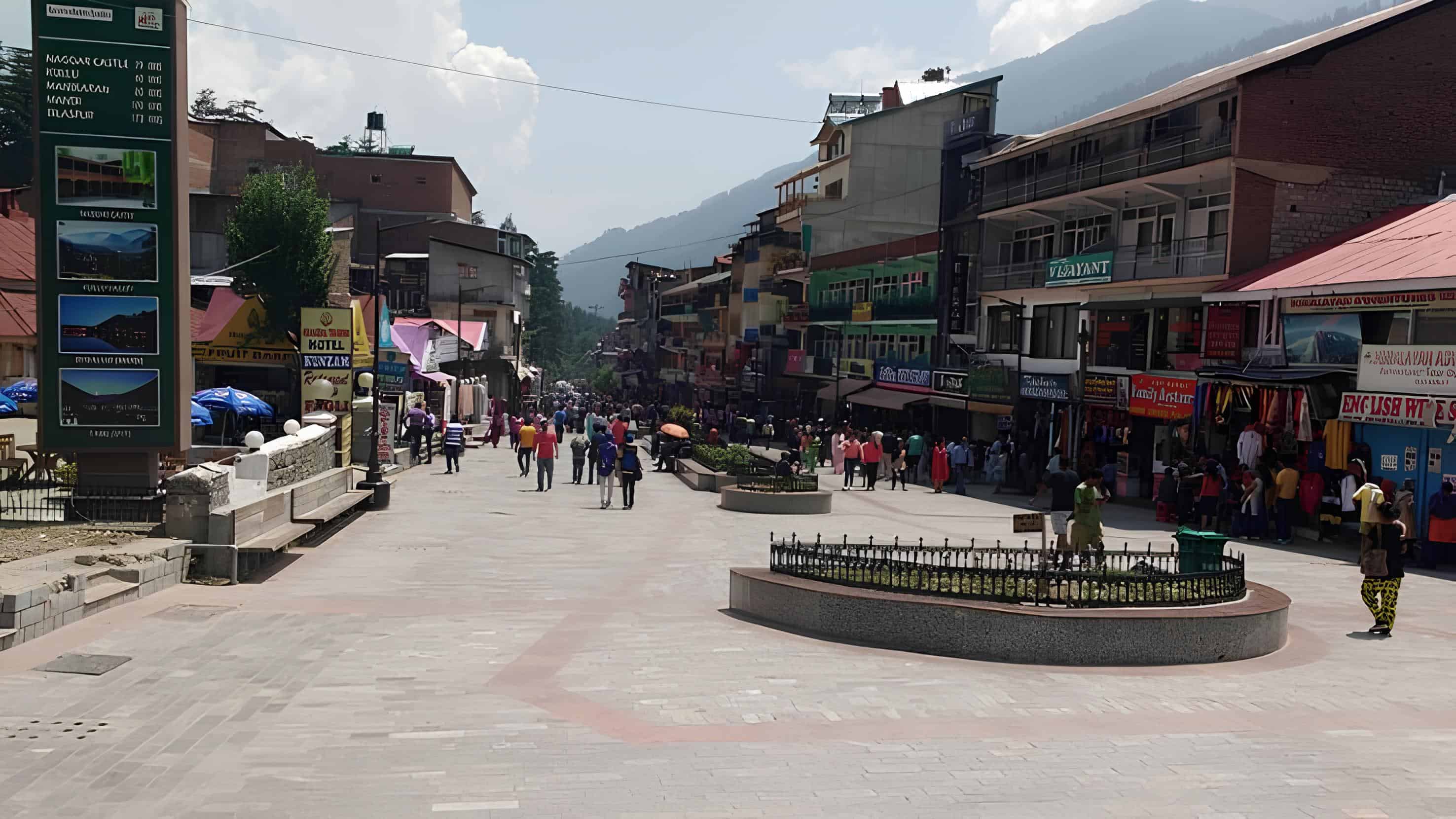
Dalhousie does not have one large central promenade. Its visitor areas are distributed among Gandhi Chowk, Subhash Chowk, the Mall, Bakrota, and several smaller roads that curve around the hills.
Gandhi Chowk is the busiest part of town, with shops, cafés, restaurants and access to the main walking routes. Subhash Chowk is quieter and sits near St Francis Church. Bakrota occupies higher ground, with forest roads and broader mountain views. Banikhet lies below Dalhousie and serves as the main road gateway for travellers arriving from Pathankot.
The distances within town may seem short, but slopes and limited parking can slow movement. A hotel located a kilometre from Gandhi Chowk may still require a steep walk or a vehicle transfer. Travellers with older family members or mobility concerns should confirm road access, stairs and the actual walking route before booking.
When to Visit Dalhousie
Spring and Summer: Clear Skies and Forest Walks
March marks the beginning of spring, while April, May and June form the main holiday season. Days are generally comfortable for local walks, sightseeing, and excursions to Dainkund, Kalatop, and Khajjiar.
Himachal Tourism gives an average summer temperature range of approximately 18°C to 27°C. Evenings remain cooler, particularly in forested areas and higher neighbourhoods.
Summer also brings the largest crowds. Gandhi Chowk gets busy, hotel demand rises, and traffic can build up on narrow roads around town and along the Khajjiar route.
What to expect:
- Pleasant conditions for sightseeing
- Cool mornings and evenings
- Busy markets and viewpoints
- Higher hotel demand
- More vehicles on the Khajjiar road
- Longer waits at limited parking areas
Monsoon: Mist, Waterfalls and Slower Roads
July to September gives Dalhousie a greener, moodier appearance. Clouds move across the slopes, forests deepen in colour and Satdhara and Panjpula carry more water.
Himachal Tourism records an average monsoon temperature range of 9°C to 18°C and identifies July and August as the period when Satdhara Falls is usually at its strongest.
Rain can also affect road conditions and visibility. Travellers should keep extra time for every excursion and avoid rigid schedules.
Carry:
- A waterproof jacket
- A compact umbrella
- Shoes with strong grip
- Protection for phones and cameras
- Extra time for hill journeys
Autumn: Crisp Air and Clearer Views
October and November are excellent months for walking and mountain views. The monsoon has usually withdrawn, the forests remain green, and the days are often clear enough for distant views of the Dhauladhar range.
Evenings become cold quickly, especially around Bakrota, Kalatop and Dainkund. A warm jacket is useful even when afternoons remain sunny.
Winter: Snowfall and Quiet Streets
December to February brings cold weather and the possibility of snow. Himachal Tourism lists an average winter temperature range of approximately 3°C to 11°C, though temperatures can feel lower during cold spells and after sunset.
Snowfall can temporarily affect access to Dainkund, Kalatop and Khajjiar. Kalatop receives particularly heavy snow in some winters, so road and forest access should be checked locally before departure.
Winter essentials:
- Thermal innerwear
- A heavy jacket
- Gloves and woollen socks
- Waterproof shoes
- Flexible transport arrangements
- Extra time for road travel
Reaching Dalhousie
By Road
Road travel is the main way to reach Dalhousie. The official distance from Delhi varies slightly by source, with the Chamba district administration listing 555 kilometres and Himachal Tourism listing 562 kilometres. Approximately 560 kilometres is the most useful figure for trip planning.
The journey from Delhi generally takes around 11 to 13 hours, depending on the route, traffic, stops and weather. An overnight halt at Pathankot can make the trip easier for families or travellers who prefer not to spend an entire day on the road.
The final section climbs from Pathankot through Banikhet before reaching Dalhousie. Roads narrow closer to town, and traffic can slow considerably on weekends and during summer holidays.
Useful Road Distances
- Delhi to Dalhousie: Approximately 560 kilometres
- Chandigarh to Dalhousie: Approximately 313 kilometres
- Pathankot to Dalhousie: Approximately 87 to 90 kilometres
- Dalhousie to Chamba: Approximately 54 kilometres
- Dalhousie to Panjpula: Approximately 6 kilometres
- Dalhousie to Kalatop: Approximately 13 kilometres
- Dalhousie to Khajjiar: Approximately 22 to 24 kilometres
- Dalhousie to Chamera Lake: Approximately 25 kilometres
Himachal Tourism lists Kalatop at 13 kilometres, Khajjiar at 22 kilometres and Chamera Lake at 25 kilometres. The Chamba district administration places Khajjiar 24 kilometres from Dalhousie, reflecting the difference between routes and measuring points.
By Train
Pathankot is the nearest major railhead, approximately 87-90 kilometres away. Regular trains connect it with Delhi and several cities across North India. The onward drive to Dalhousie usually takes between two and three hours, depending on traffic and road conditions.
Taxis and buses are available from Pathankot, though a prearranged transfer is generally more convenient for travellers arriving late in the evening or carrying substantial luggage.
By Air
Pathankot Airport is geographically closest, at approximately 90 kilometres, while Kangra Airport at Gaggal is around 110 kilometres away. Flight schedules at both airports may be subject to change, so travellers should verify current operations directly with the airline before confirming road transfers.
Amritsar Airport, approximately 200-215 kilometres away, offers broader connectivity but requires a longer road journey.
Day One: Churches, Chowks and Forest Springs
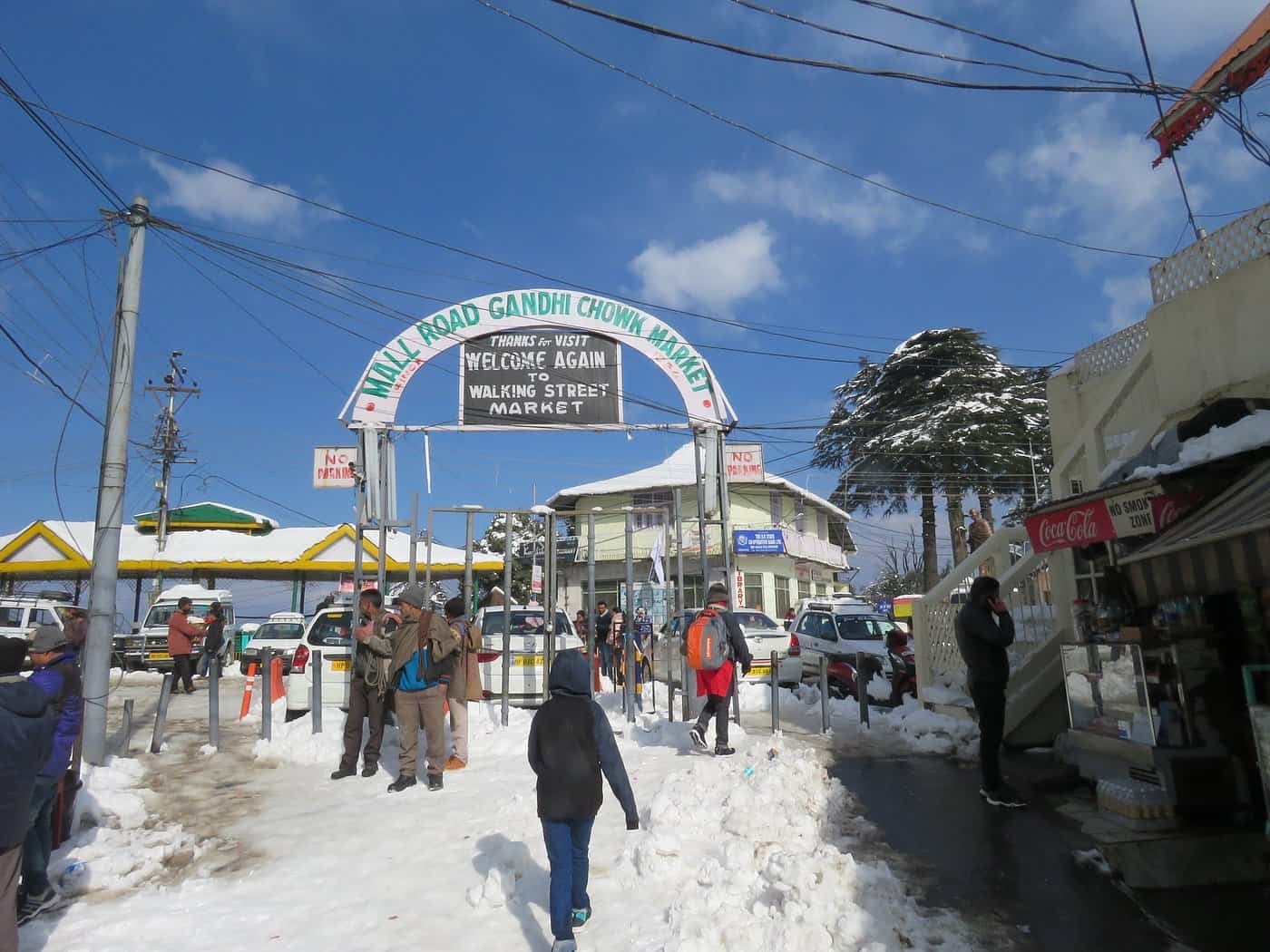
The first day should remain close to town. Gandhi Chowk, Subhash Chowk, the historic churches, Subhash Baoli, Satdhara and Panjpula can be explored without a demanding driving schedule.
Begin at Gandhi Chowk
Start at Gandhi Chowk before the market becomes busy. This is Dalhousie’s main shopping and social centre, with cafés, restaurants, woollen shops and stores selling Tibetan handicrafts and Chamba products.
St John’s Church stands within walking distance. Built in 1863, it is the oldest church in Dalhousie and contains a small library with material related to the town.
Walk through the adjoining market at an easy pace. Dalhousie’s centre is compact, but sloping roads and changing levels can make even a short circuit tiring.
Morning plan:
- Begin at Gandhi Chowk
- Visit St John’s Church
- Browse the Mall Road market
- Stop for breakfast or tea
- Continue towards Subhash Chowk
Walk Towards Subhash Chowk
The road connecting Gandhi Chowk and Subhash Chowk is one of the town’s most pleasant central walks. Sections open towards the valley, while old buildings and forested slopes remain visible along the route.
St Francis Church stands near Subhash Chowk. Built in 1894, the church is known for its stonework and coloured Belgian glass.
The area is quieter than Gandhi Chowk and works well for a relaxed lunch or short break before continuing towards Subhash Baoli.
Subhash Baoli and the Quieter Side of Town
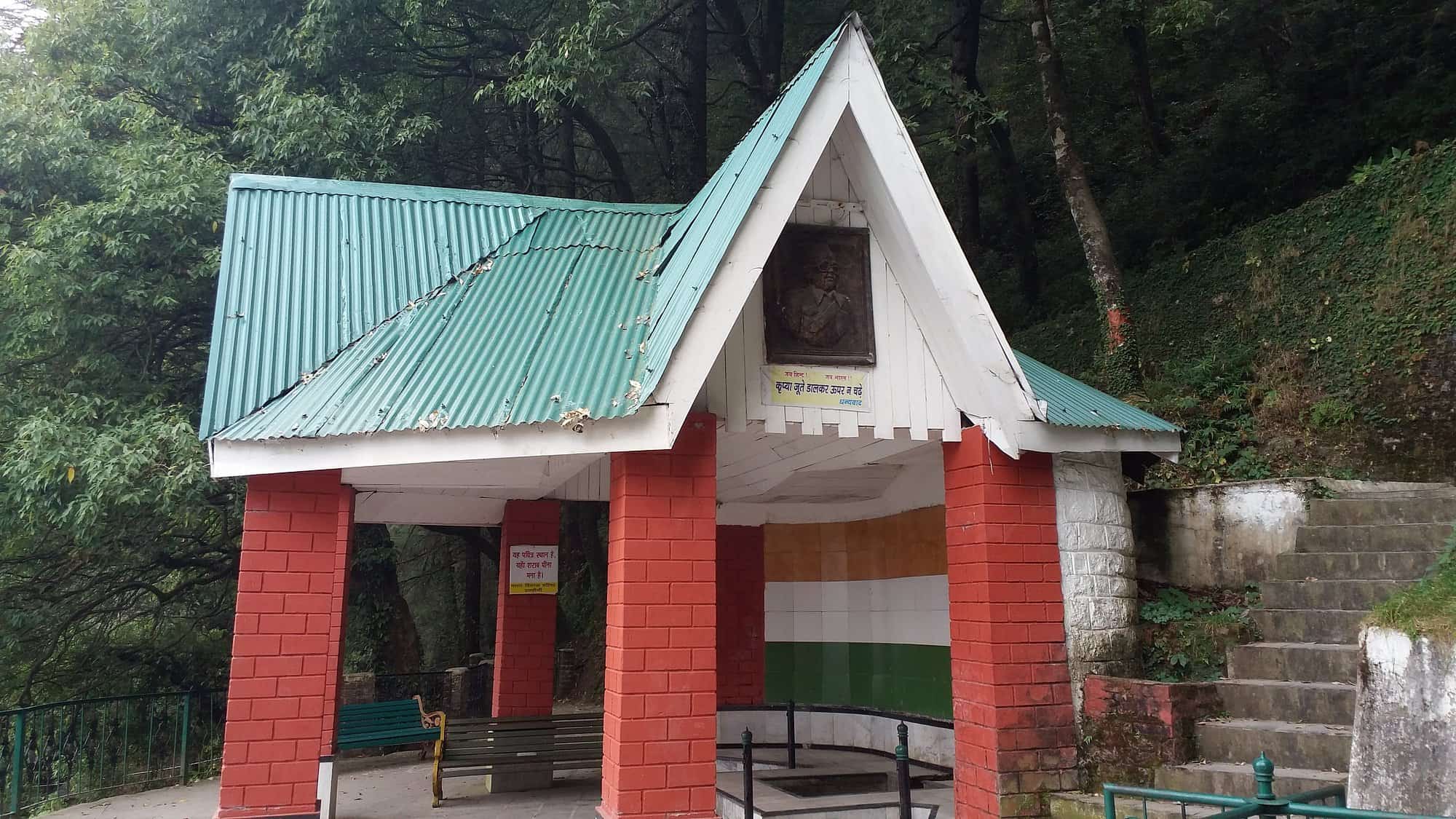
Subhash Baoli is named after Subhash Chandra Bose, who spent several months in Dalhousie in 1937. The spring is a comfortable walk from the central post office area, with views of the surrounding mountains along the way.
The path and spring are best experienced slowly. Avoid adding too many stops immediately afterwards, particularly when travelling with children or older family members.
Satdhara and Panjpula
Later in the afternoon, drive towards Panjpula, approximately six kilometres from Dalhousie. The name refers to the bridges built across the streams converging in the area. A memorial to freedom fighter Sardar Ajit Singh also stands here.
Satdhara Falls lies along the route and is formed by seven spring streams. Water flow is strongest during the monsoon, while the setting can feel quieter during drier months.
Afternoon plan:
- Visit Subhash Baoli
- Continue towards Satdhara
- Spend time at Panjpula
- Return before evening
- Explore Gandhi Chowk after sunset
Day Two: Dainkund and the Forests of Kalatop
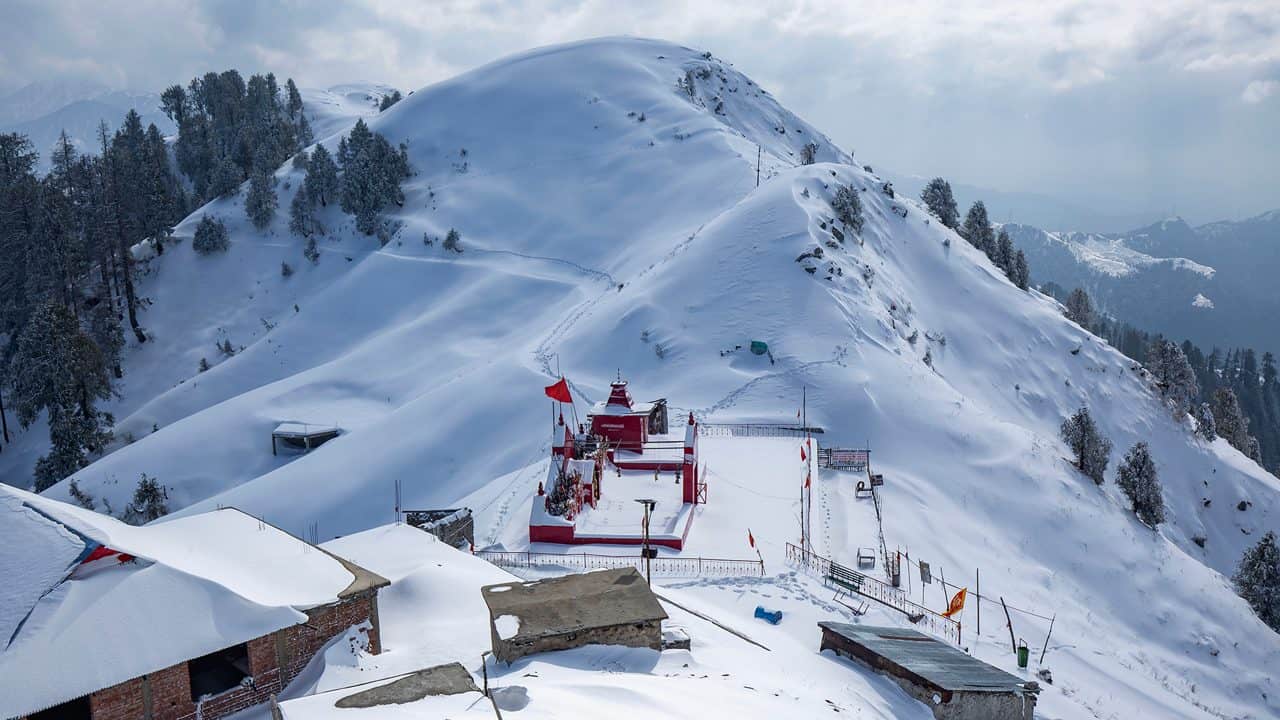
The second day moves higher into the landscape surrounding Dalhousie. Dainkund offers the widest views, while Kalatop offers dense forests, walking trails, and a quieter mountain atmosphere.
Morning at Dainkund
Dainkund rises to approximately 2,755 metres and is the highest hill around Dalhousie. The access road branches off the Dalhousie-to-Khajjiar route around 13 kilometres outside town.
The final section usually involves a ridge walk. It is not highly technical, but the weather can change quickly, and the path may become slippery during rain or snow.
On a clear day, the summit area offers broad views across forested hills, the Khajjiar meadows and distant mountain ranges. Pohlani Mata Temple lies along the route and serves as the main destination for many walkers.
Morning plan:
- Leave Dalhousie early
- Drive towards the Dainkund access point
- Walk along the ridge at a comfortable pace
- Visit Pohlani Mata Temple
- Return to the vehicle before midday
Carry water, a warm layer and sun protection. The exposed ridge can feel colder and windier than central Dalhousie.
Bara Pathar and Bhulwani Mata Temple
Bara Pathar lies on the route towards Kalatop and is associated with Bhulwani Mata Temple. It can be included as a short stop between Dainkund and the forest area.
Avoid allowing multiple roadside stops to consume the entire afternoon. Kalatop deserves enough time for a proper walk.
Afternoon at Kalatop
Kalatop lies approximately 13 kilometres from Dalhousie and forms part of the Kalatop Khajjiar Wildlife Sanctuary. The landscape is dominated by deodar, kail, spruce and other Himalayan vegetation.
The sanctuary supports birds, including monal and pheasants, along with mammals such as the Himalayan black bear, leopard and ghoral. Sightings are never guaranteed, and visitors should remain on designated routes and follow forest instructions.
Road access can vary according to weather and forest regulations. In some conditions, travellers may need to park outside and continue on foot.
Afternoon plan:
- Stop briefly at Bara Pathar
- Continue towards Kalatop
- Walk through the accessible forest trails
- Carry water and a light snack
- Leave before visibility begins falling
Day Three: Khajjiar and the Cedar Meadow
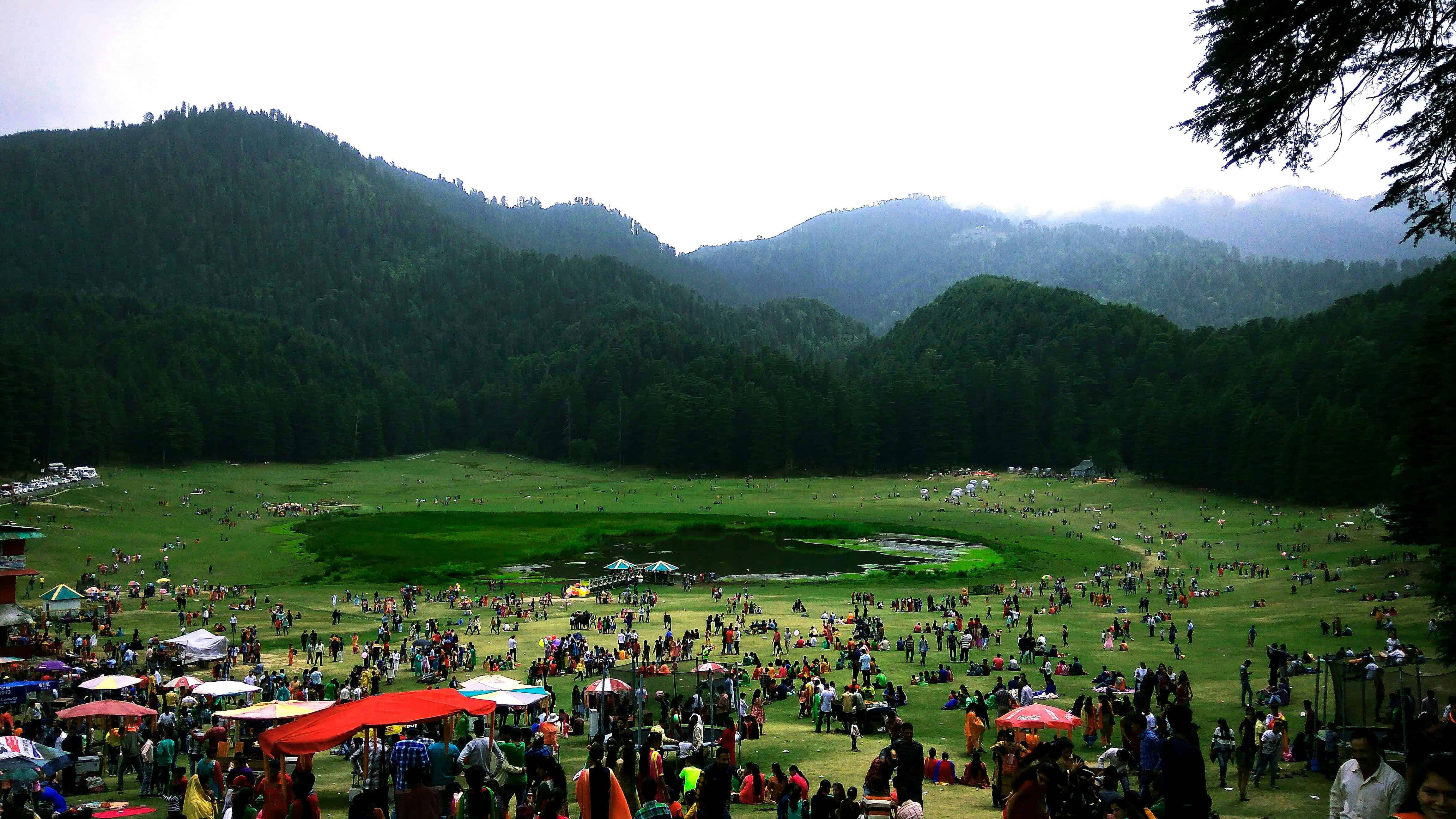
Khajjiar lies approximately 22 to 24 kilometres from Dalhousie. The drive passes forested slopes and high ridges before descending towards the meadow.
Arrive Before the Day Trip Crowds
Leave Dalhousie early and aim to reach Khajjiar during the quieter morning hours. The central meadow becomes increasingly busy by late morning, particularly during summer, school holidays and weekends.
Khajjiar sits at approximately 6,500 feet, or close to 1,980 metres, and is surrounded by pine and deodar forest. The district administration describes it as a saucer-shaped plateau with a small wetland at its centre.
Walk around the outer edge before choosing any commercial activity. Early morning light and fewer visitors make it easier to appreciate the scale of the meadow.
Visit Khajji Nag Temple
Khajji Nag Temple stands close to the meadow and is one of the area’s most important historic sites. The district administration dates it to around the tenth century and notes the mix of Hindu and Mughal influences within its wooden carvings.
The temple provides a useful cultural dimension to a destination often visited only for photographs and recreation.
Spend the Afternoon Slowly
Horse rides, zorbing and other seasonal activities are commonly offered around Khajjiar. Availability depends on weather and local operating conditions. Select activities carefully and agree on rates before beginning.
The meadow also works perfectly well without an organised activity. Walk along the forest edge, have lunch, visit the temple and allow time for the changing views.
Suggested day plan:
- 8.00 am: Leave Dalhousie
- 9.00 am: Reach Khajjiar
- 9.00 am to 11.00 am: Walk around the meadow
- 11.00 am to 12.00 pm: Visit Khajji Nag Temple
- 12.30 pm to 2.00 pm: Lunch
- 2.00 pm to 3.30 pm: Free time or a short forest walk
- By 4.00 pm: Begin the return journey
Travel times depend on traffic, weather and road conditions. Start the return before dark, especially during the monsoon and winter.
Chamba and Chamera Lake as an Alternative Day
Travellers who have already visited Khajjiar can use the third day for Chamba and Chamera Lake.
Chamera Lake lies approximately 25 kilometres from Dalhousie on the route towards Chamba. The reservoir has developed as a recreation area, with boating and other water-based activities offered when operational conditions permit.
Chamba lies approximately 54 kilometres from Dalhousie and is known for the Chaugan, the Lakshmi Narayan Temple complex, and the Bhuri Singh Museum. The museum houses Pahari paintings, Chamba Rumals, inscriptions, jewellery and objects linked with the former princely state.
This route creates a longer driving day and should replace Khajjiar, not be added to it.
Choosing Where to Stay
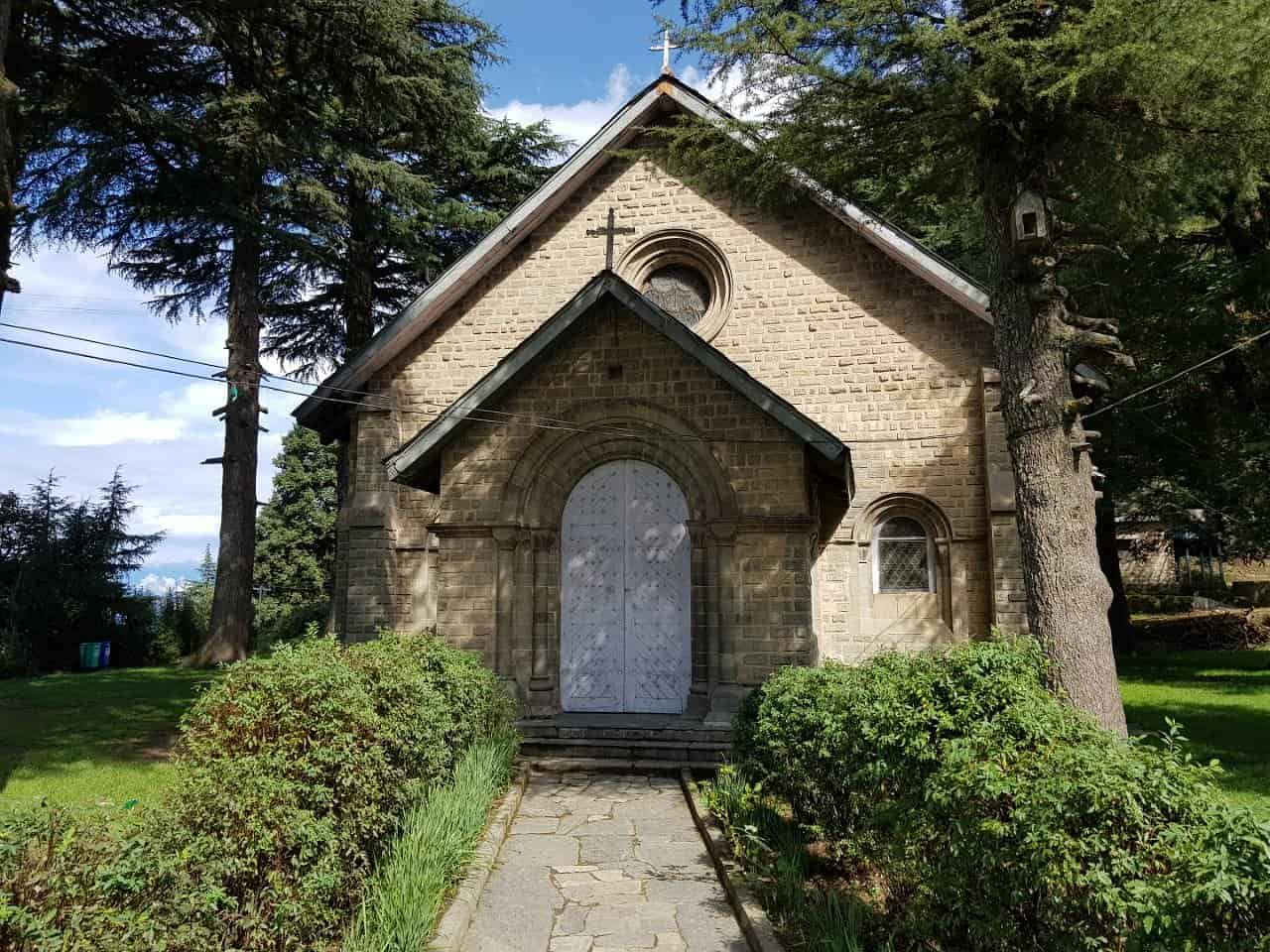
Gandhi Chowk and the Mall
This is the most convenient base for first-time visitors. Shops, restaurants, St John’s Church and the main evening activity remain close at hand.
Best for:
- Short stays
- Travellers without private transport
- Evening walks
- Easy restaurant access
- First-time visitors
Parking can be limited, and some hotels require a walk from the nearest vehicle access point.
Subhash Chowk
Subhash Chowk offers a slightly quieter setting while remaining connected with the centre.
Best for:
- Heritage walks
- Access to St Francis Church
- Couples and families
- Travellers seeking a calmer base
Bakrota and the Khajjiar Road
Bakrota sits on higher, forested slopes and is better suited to travellers interested in views and quieter surroundings.
Best for:
- Longer stays
- Forest walks
- Private vehicles
- Access towards Dainkund and Khajjiar
- Travellers comfortable with a quieter evening
Banikhet
Banikhet lies below Dalhousie on the main approach road. Accommodation here can offer easier parking and quicker arrival or departure, but central Dalhousie requires a drive.
Best for:
- Road travellers
- Budget-conscious stays
- Overnight stops
- Easier vehicle access
Check Before Booking
- Is parking available on the property?
- Can the vehicle reach the hotel entrance?
- How far is Gandhi Chowk on foot and by road?
- Are stairs involved between the reception and the rooms?
- Is room heating included during winter?
- Does the hotel provide power backup?
- Can the approach road remain open after snowfall?
- Does the property arrange taxis for Khajjiar and Kalatop?
Before You Begin the Journey
- Keep one complete day for central Dalhousie
- Begin Dainkund and Kalatop early
- Reserve a separate day for Khajjiar
- Avoid long excursions on the arrival day
- Carry warm layers throughout the year
- Confirm airport and train schedules before departure
- Check road conditions during the monsoon and winter
- Wear shoes suitable for forest paths and slopes
- Follow forest rules inside Kalatop Sanctuary
- Avoid entering streams or approaching steep edges
- Begin the return from Khajjiar before dark
- Keep some time free for an unplanned forest walk
Dalhousie does not demand an ambitious itinerary. Its strongest experiences are simple: a morning road beneath tall deodars, an old church beside a quiet chowk, a ridge opening towards the Dhauladhars and an afternoon on the grass at Khajjiar.
Three days are enough to understand its character. The town provides the history, Dainkund and Kalatop bring the high forest landscape, and Khajjiar completes the journey with one of Himachal Pradesh’s most recognisable meadows.
Read more – Discover Your India