

Deepak Booneady, Chief Executive Officer of Sun Siyam Group, in an exclusive interaction with Kamal Gill, Executive Editor, Today’s Traveller, speaks about Sun Siyam’s journey of growth, the shift towards more refined positioning, the rising importance of India as both a source market and future development destination, and why he believes true luxury today is defined less by excess and more by emotion, authenticity and meaningful connection
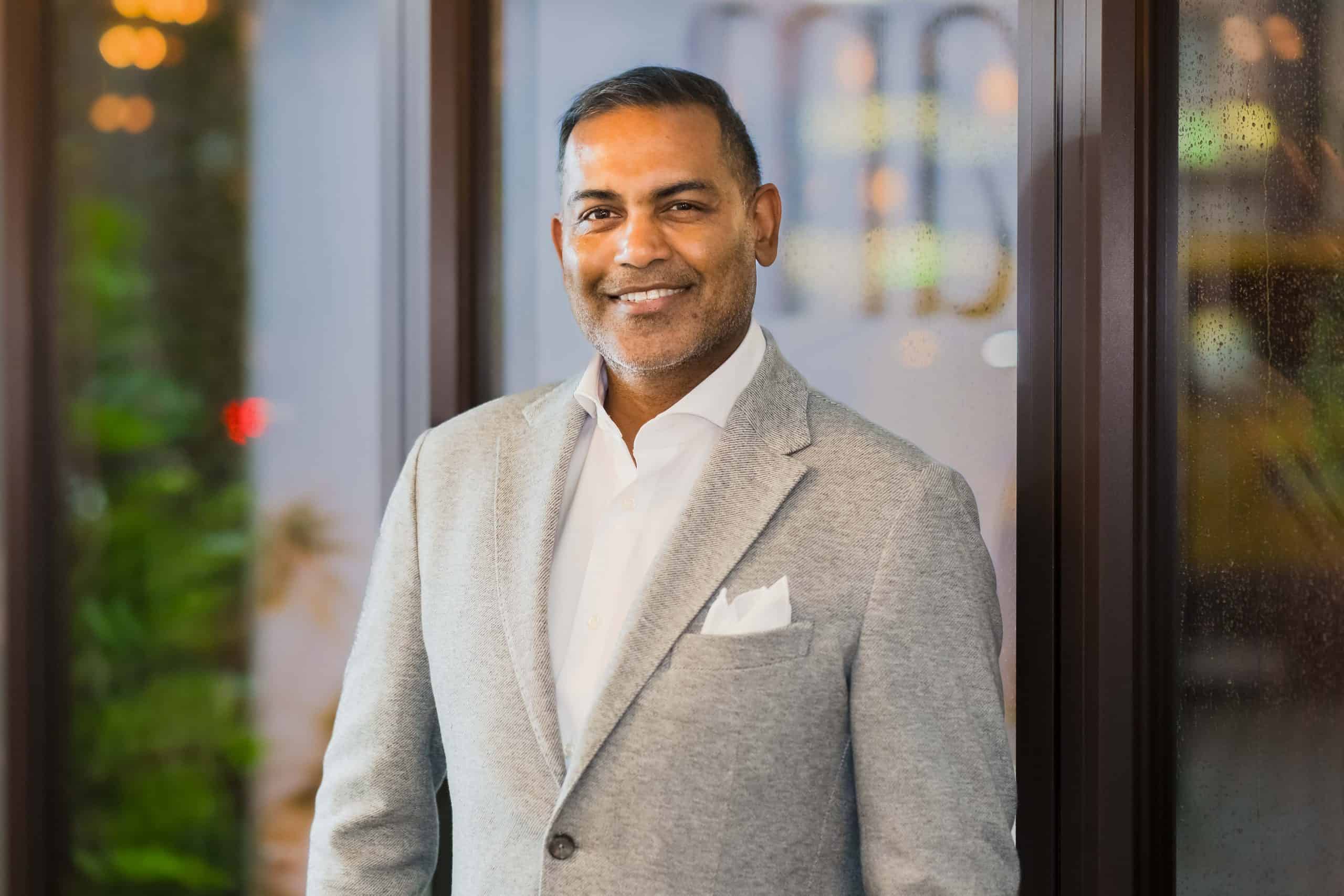
Under the vision of Founder and Chairman Ahmed Siyam Mohamed, Sun Siyam Group has grown from a modest travel agency into a dynamic hospitality company with a strong footprint in the Maldives and a presence in Sri Lanka. Today, as Chief Executive Officer, Deepak Booneady guides the next phase of the Group’s evolution, building on this legacy while steering the brand through expansion and repositioning. With a sharper luxury identity, a more defined brand architecture, and a renewed focus on experience-led hospitality rooted in local culture, Sun Siyam is entering a new chapter that honours its Maldivian origins while preparing the Group for long-term international growth.
Today’s Traveller: Sun Siyam has evolved from a small travel agency into a multi-resort hospitality group. How do you look at this journey, and what has fuelled its growth over the years?
Deepak Booneady: Sun Siyam began on a very modest scale. Our Chairman and Founder first created a small travel agency, and then, in the 1990s, moved into the hotel business with the development of the group’s first resort. Once he saw the potential of hospitality in the Maldives, the business began to grow steadily and then very rapidly.
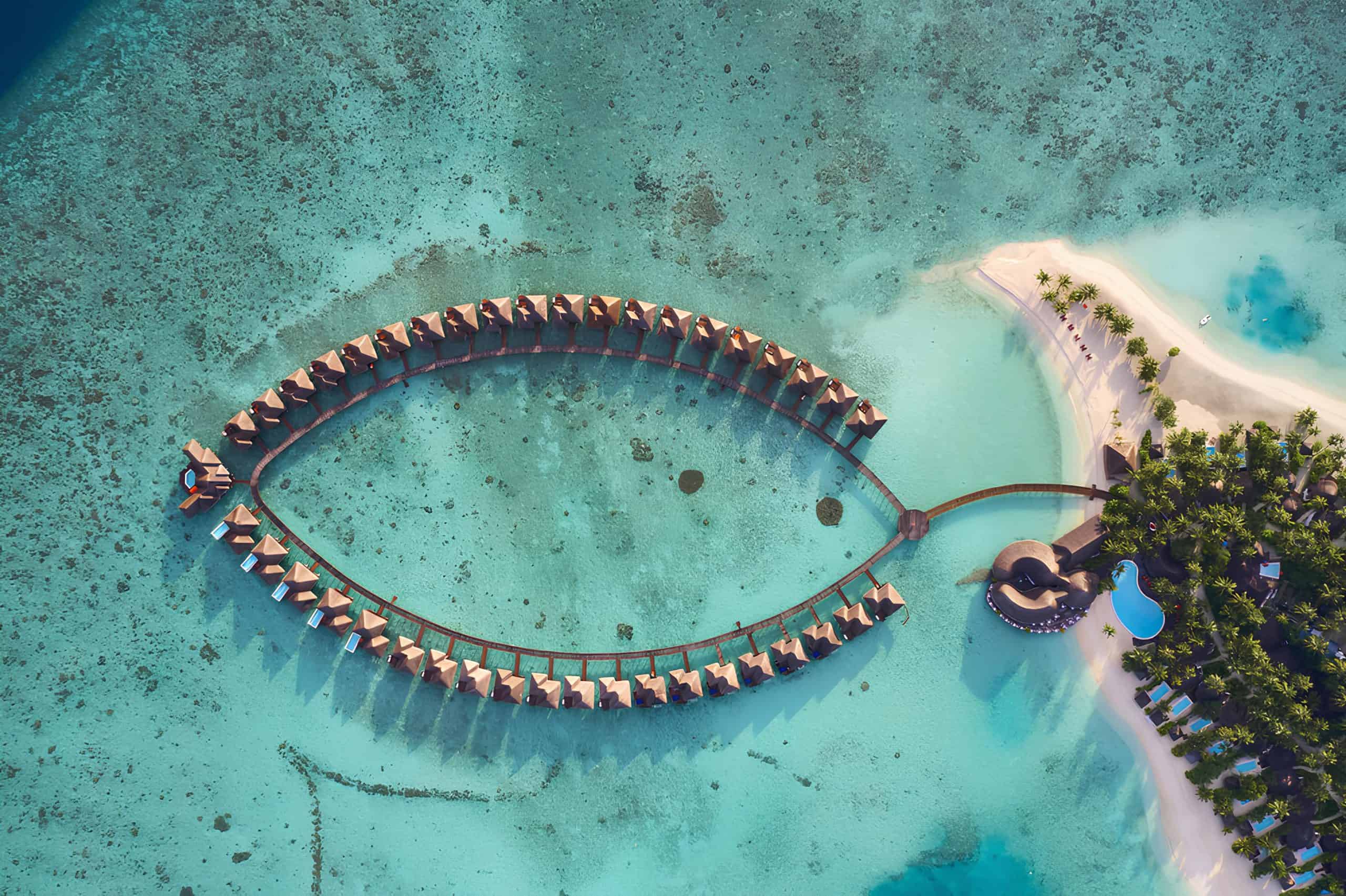
The resort journey began with the opening of Sun Siyam Vilu Reef in 1998, followed by steady expansion to a collection of six properties across the Maldives and Sri Lanka, including its newest addition, Siyam World, launched in 2021. Unified under The House of Siyam, the portfolio spans three collections: Luxury (Sun Siyam Iru Fushi), Lifestyle (Sun Siyam Olhuveli and Siyam World), and Privé (Sun Siyam Iru Veli, Sun Siyam Vilu Reef, and Sun Siyam Pasikudah in Sri Lanka).
Our expansion has gathered even greater momentum now, with four resorts in the pipeline. The next development will be a five-star luxury resort, followed by another large-island project. We are also planning a major resort very close to Malé, similar in scale and ambition to Siyam World. So, this is a group that has moved very quickly, but always with a clear belief in the long-term potential of the brand and the destination.
Today’s Traveller: You have described the brand’s repositioning as a move from “Toyota to Lexus”. What does that upgrade mean in practical terms for Sun Siyam’s resorts and guest experience?
Deepak Booneady: I often use the comparison of moving from Toyota to Lexus because it is something people immediately understand. Toyota stands for reliability, consistency and a very strong service foundation. That is what Sun Siyam has always had: a solid base, dependable hospitality, and an understanding of what service means.
But now the group is moving into a more refined and elevated space. The difference lies in the design, comfort, sophistication, detailing, options and overall guest experience. It is about upgrading the product while retaining the trust and consistency that built the brand in the first place.
Some of our resorts are already making that transition. Sun Siyam Iru Fushi, for example, is being fully renovated and repositioned into a more luxury-led setting. Across the portfolio, we are also creating a clearer structure by dividing the resorts into three distinct collections.
Sun Siyam Iru Fushi will sit in the Luxury Collection. Then we have our smaller boutique properties, such as Sun Siyam Vilu Reef, Iru Veli and Sun Siyam Pasikudah, which will come under the Privé Collection. These are intimate, boutique-style resorts with a more barefoot luxury approach and, in some cases, a more adult-centric appeal.
Then we have the Lifestyle Collection, which includes larger, experience-rich resorts such as Siyam World. With around 500 rooms, Siyam World is about scale, energy and activity. It has introduced a very different dynamic in the Maldives, with 24-hour all-inclusive experiences, horse riding, a water park, jet cars, go-karting and a wide range of leisure options. It is designed for guests who want luxury with excitement and variety.
So, the repositioning is not only about making the resorts more premium. It is about understanding who each resort is for, creating clearer identities within the portfolio, and attracting the right kind of traveller for each experience.
Today’s Traveller: India appears to be one of your most important focus markets. What opportunities do you see in India, and why is it central to Sun Siyam’s next phase of growth?
Deepak Booneady: India is becoming increasingly important to us. At the moment, our top source markets are the UK, Germany, Russia, and then India. But India is rising very strongly, and in 2026, we believe it could move even further up, potentially becoming our third-largest market.
That is why we are investing heavily in India and giving the market serious attention. When you look at India’s economic growth and the strength of domestic demand, the opportunity is tremendous. It is a booming market, and that is one of the reasons I am now also exploring the possibility of opening Sun Siyam hotels in India.
This became even clearer to me during a recent visit to Goa. The hotels were full, the rates were strong, and the domestic market was clearly thriving. What stood out was that demand was being driven not only by international visitors, but also by Indian travellers who are now very willing to pay for quality hospitality. That is why I see India not only as a source market for the Maldives, but also as a destination where Sun Siyam itself can grow.
That thinking is also reflected in our rebranding. We now position ourselves simply as Sun Siyam, rather than only Sun Siyam Resorts, because we do not want the brand to be limited to one format or geography. Sun Siyam can operate in the mountains, in the forest, by the river, in the jungle, or by the sea. The brand can travel.
Alongside this, our travel business also plays an important role. We still have a DMC operation, and while it is relatively small compared to the resort side, it is still a meaningful business. Through Sun Travels, we want to make it easier for smaller Indian travel partners who may not have direct contracts with us to access our product. At the same time, we will continue to protect our high-volume partners. We are also investing in a strong system through Juniper Travel, which makes booking quick, clean and efficient.
Having a stronger imprint in India, both through partnerships and potentially through owned or managed hotels, would be a major strategic step for Sun Siyam.
At the same time, my message to the Indian market is simple: come to the Maldives. After the political noise of recent times, demand from India softened, but I believe that will recover. The world is opening up for Indian travellers, and Indians will explore many new destinations, but the Maldives will always remain special. It is a dream destination, and I am confident the market will come back strongly.
Today’s Traveller: How is Sun Siyam tailoring its product for Indian travellers, and what makes the brand relevant for both leisure and MICE business from India?
Deepak Booneady: India is important to us not only for leisure, but also for MICE. In fact, we have already hosted major Indian corporate movements. One of the most significant was when Asian Paints took over Siyam World for six nights, with a full buyout of the resort’s 500 rooms. It was one of the largest events we have hosted, complete with a major banquet setup.
One of Siyam World’s biggest advantages for MICE is accessibility. There is an international airport located next to the resort, which means flights can arrive very close to the property. Narrow-body aircraft such as the A320 and A321 can land there, making charter operations highly efficient. For that event, three charter flights were arranged, and guests were transferred to the resort in only about ten minutes. That kind of proximity is a significant advantage for large-scale corporate groups.
For Indian leisure travellers, adaptation has also been very deliberate. Every one of our resorts has Indian food options, including Indian restaurants and Indian dishes within the buffet. More importantly, we understand that Indian guests often have highly specific dietary requirements. Some may prefer Jain food, some are vegetarian, some non-vegetarian, some vegan, and others may have restrictions around dairy or other ingredients. To respond properly to that, we have Indian chefs across the resorts who can personalise meals and make guests feel understood and cared for.
Our FIT business from India has also evolved. Earlier, it was driven more by couples, but now we are seeing a major rise in families, particularly multi-generational families from Bengaluru and South India. That is a big shift, and our resorts are well-suited to it because we offer space, variety and value.
I would describe Sun Siyam as attainable luxury. We are not positioned at the ultra-rarefied end of the market, but we offer very strong quality, very good food, consistent service, memorable experiences and real value for money. That combination resonates strongly with Indian travellers.
Connectivity remains a challenge because there are still not enough direct flights, and some of the current carriers do not offer business class. To bridge that gap, we have focused on elevating the arrival experience. At the airport, we have created two private lounges for our guests. One of them is very large, and guests can enjoy complimentary food, breakfast, fruits, sandwiches and even a 10 to 15-minute massage while they wait. It is a meaningful investment for us, but it matters because it shapes how the journey begins.
That attention to experience has helped strengthen the brand significantly. Today, our resorts are highly sought after, and last-minute room availability has become increasingly limited. That tells us the brand is gaining trust, both with guests and with travel partners.
Today’s Traveller: Experience, sustainability and community integration appear to be central to Sun Siyam’s philosophy. How do these values shape the way you define hospitality and luxury today?
Deepak Booneady: At Sun Siyam, our vision is very simple: we champion extraordinary experiences. If a guest comes to one of our resorts and does not feel that something special was created for them, then we have not done our job well enough. Hospitality today is about creating those moments of surprise, thoughtfulness and personal connection.
That approach is reflected in the fact that around 25 – 30 per cent of our guests are repeat guests, which is a very strong figure. It also creates pressure, because repeat guests expect us to keep delivering at a high level every time they return. But that is exactly what Sun Siyam stands for.
Sustainability is also one of our key pillars, and we are investing heavily in it. At Siyam World, which has 500 rooms, our target is that by July or August, 50 per cent of the resort will run on solar energy. The same goal applies to Olhuveli by September and Iru Fushi by December. Across these three resorts, the shift towards solar will be substantial.
But for us, sustainability is not only about the environment. It is also about people, culture and community. In many remote islands across the Maldives, infrastructure and education remain limited, so we try to contribute in practical ways. Recently, we opened a new mosque on one island where there had not been one before. We also developed a football ground and are planning a padel tennis court on another local island. The idea is to create opportunity, improve everyday life and support local communities in a meaningful way.
We are also investing in people through the upcoming Sun Siyam Academy. The idea is to bring in young people with limited educational access, including candidates from places such as India, Nepal and Africa, and train them over a sustained period. We want to invest in their growth, support them financially while they learn, and build a long-term talent pipeline rooted in real opportunity.
This local approach will be central wherever we go next. If we open a hotel in India, it should reflect a truly Indian spirit. The same applies everywhere. In Sri Lanka, for instance, we redesigned one of our boutique properties using locally made lights, sofas and furniture, all created by local craftspeople. That meant the money stayed within the local ecosystem, and the hotel developed a far more authentic identity.
For me, that is what luxury means today. Luxury is no longer only about scale or ornament. Luxury is an experience. Luxury is a feeling. People are going back to the roots. They want authenticity, memory and connection. I felt this personally in Goa, where instead of choosing a conventional activity, I went fishing with a local fisherman for four hours, and then his wife cooked the fish for us at their home. It was one of the most memorable experiences I had. That, for me, is luxury.
So, when we speak about hospitality at Sun Siyam, we are really talking about emotion, authenticity, locality and meaning. If we can create those feelings, then the experience becomes unforgettable.
Read more – Today’s Traveller Interviews