

Three in four businesses across Asia (74%) now cite employee engagement as their primary reason for hosting meetings and events, according to new research from multi-national FCM Meetings & Events (FCM M&E)
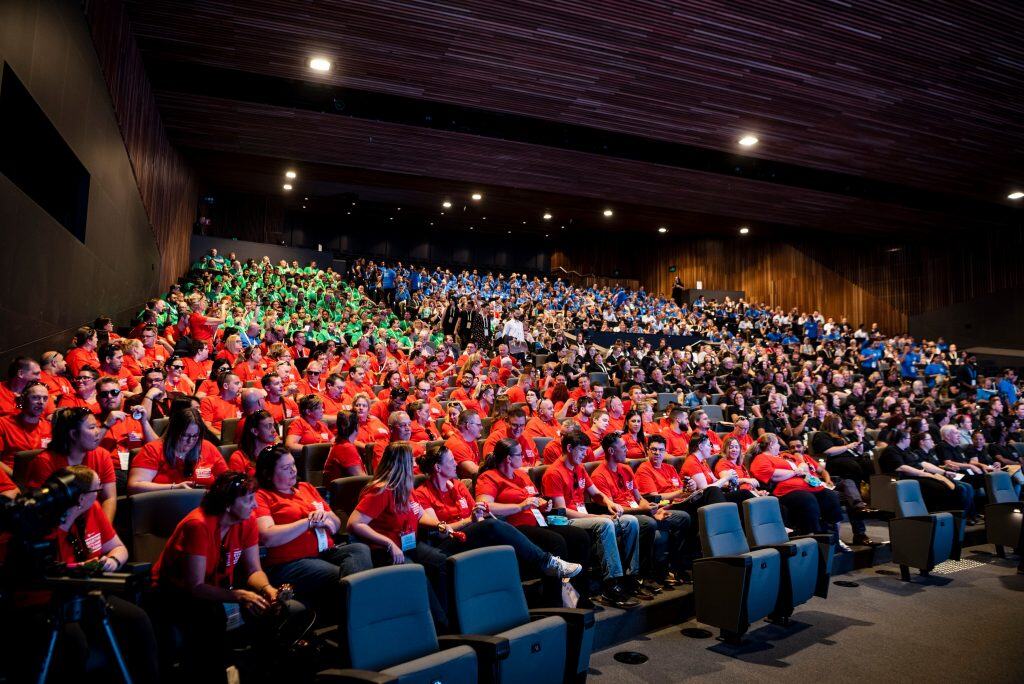
The finding comes from FCM M&E’s 2026 Global Trends Report, which highlights that businesses are prioritising internal connection, capability building, and culture over acquisition or brand activities.
In Asia, 67.3 per cent of respondents expect their meetings and events budgets to increase in 2026, outpacing the global average of 59.4 per cent. This represents a substantial vote of confidence in face-to-face connection during a year marked by continued uncertainty.
The report reveals that 35 per cent of organisations globally now expect to manage between US$1 million and US$10 million in meetings spend in 2026, a 19-percentage-point increase from the previous year.
However, the higher budgets also come with higher expectations. Respondents cited safety and security as the top priority globally (78.9 per cent) and in Asia (80.5 per cent).
Meanwhile, effective project management came second at 77.9 per cent in the region, reflecting the pressure of planning windows that have compressed by 18 per cent over the last two years.
Asian teams are working with an average 71-day lead time between RFP and event, forcing faster decisions without room for error.

“Expectations around experience continue to climb,” says Manpreet Bindra, Regional Leader Asia, FCM Meetings & Events. “Audiences want sessions and content that feel relevant and interactive, with stronger pacing and better use of time.”
The research also highlights a fundamental shift in event strategy. Rather than single mega-conferences, organisations are increasingly favouring regional events that reduce visa complexity, manage travel fatigue and maintain engagement.
Incentive travel is also experiencing renewed momentum across Asia, particularly in Malaysia, Thailand, the Philippines, China and India.
“Programmes are being designed around clear outcomes for teams and the business, with experience used to reinforce performance and connection,” Bindra notes.
Organisations are also tightening control across markets that used to operate locally, with more regional oversight and greater consistency in suppliers, processes and reporting.
“This is happening without forcing every market into the same mould,” says Bindra. “The practical goal is simpler delivery and fewer surprises in an uncertain environment.”
Technology adoption continues to accelerate, with 78% of respondents globally now using AI, primarily to save time and reduce costs. Sustainability considerations also remain a priority across the region’s meetings programmes.
The message is clear: investment in meetings and events remains strong, and organisations are demanding sharper focus, tighter execution and measurable impact.
Read more: News