

Across India, folk theatre turns epic tales, devotion and local memory into living performances shared beneath open skies.
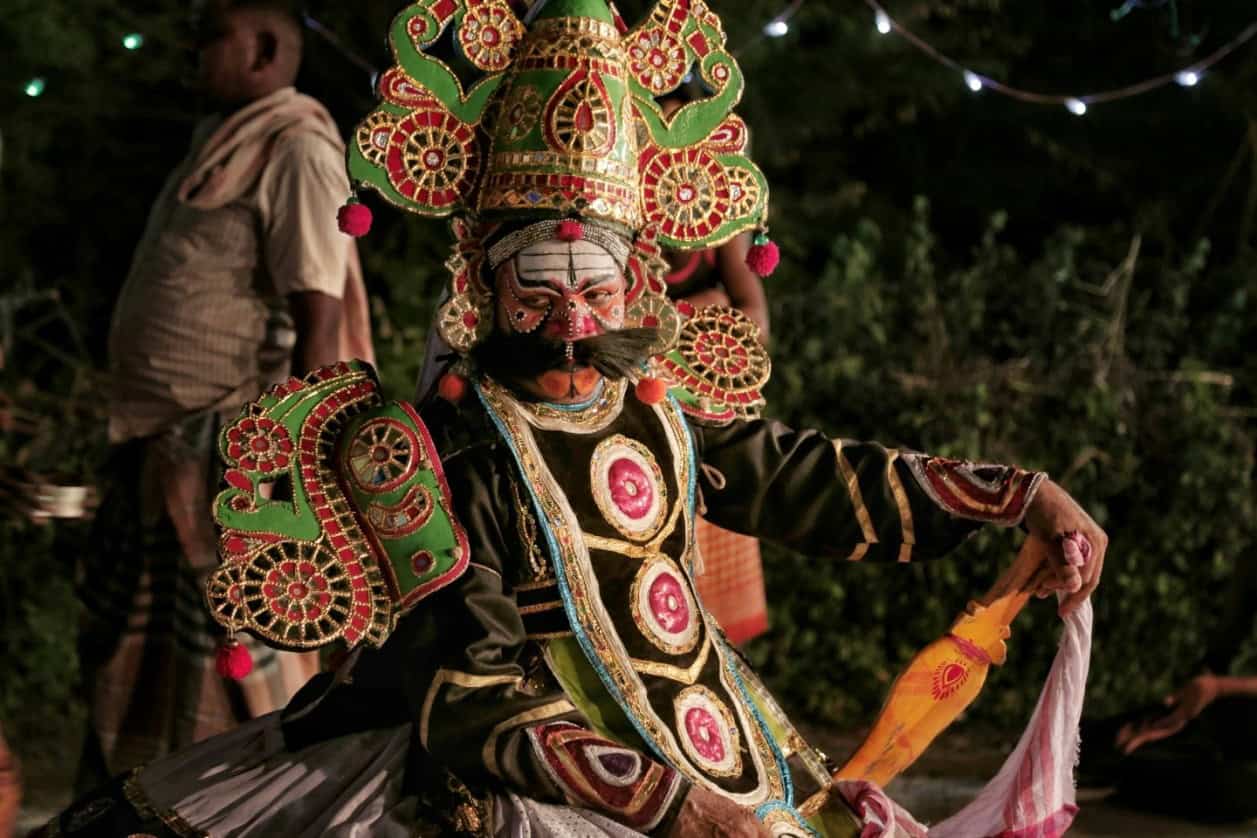
Before the era of screens, which became the epicentre of entertainment in recent years, tales and stories travelled across generations in India through songs, music, dance and theatrical performances. Folk theatre emerged from a need to synthesise and pay homage to mythology, devotion, local traditions and community life across the country. They were not just performances to watch; many times they were part of festivals, religious meetings and social life.
Assam’s Ankiya Bhaona, Karnataka’s Yakshagana and Tamil Nadu’s Therukoothu and Bengal’s Jatra, Indian folk theatre forms still keep going strong with regional narratives wrapped in artistic practices. They are a colourful part of India’s living cultural heritage, with unique costumes, music, and narration, alongside close association with village communities.
Assam’s Theatre Of Devotion: Ankiya Bhaona
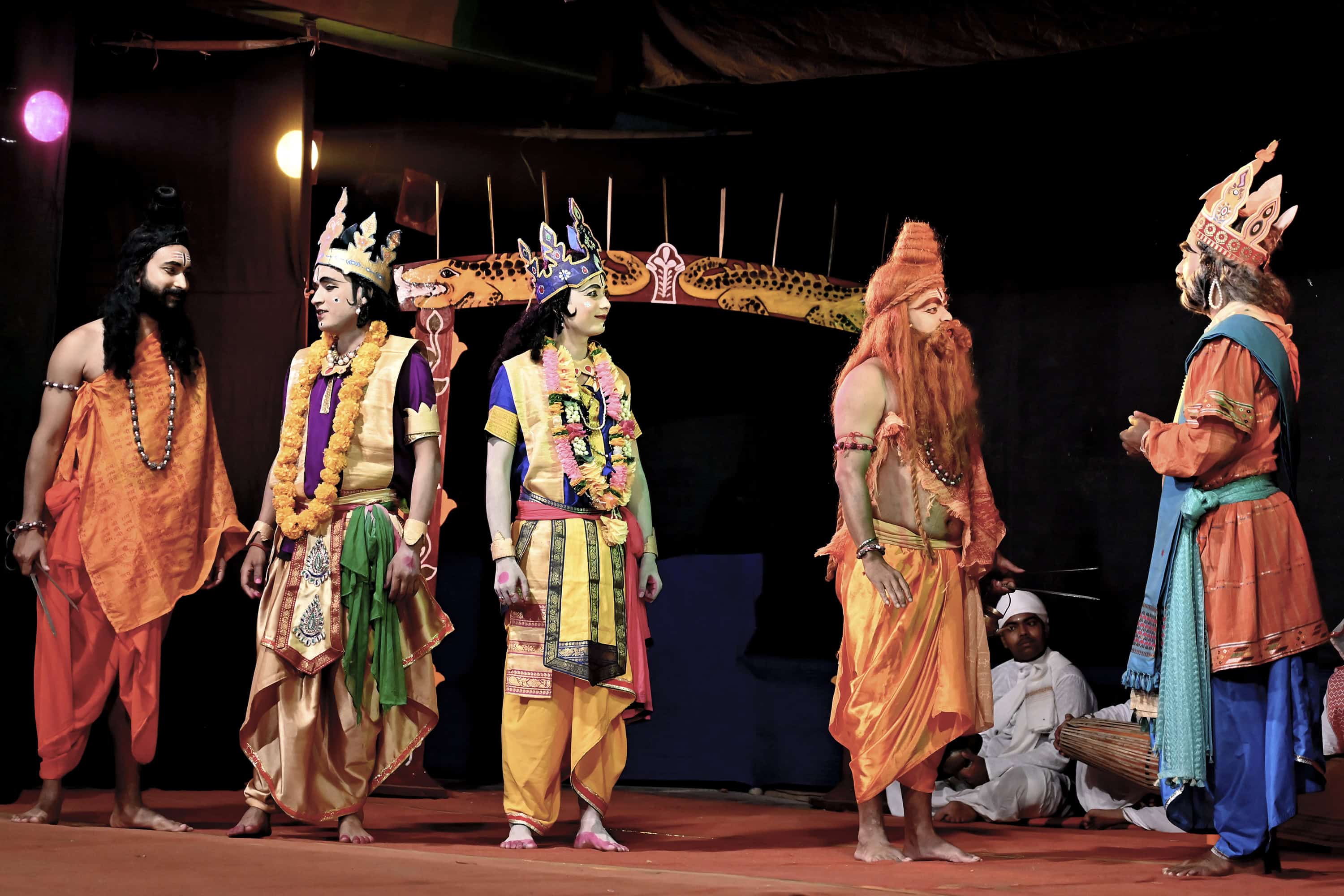
Ankiya Bhaona is intrinsically related to the culture of Assam and the Sattra tradition of Srimanta Sankardeva. A complete theatre form involving music, dance and drama used to communicate spiritual and social issues by way of performing figurative works. Sangeet Natak Akademi describes Ankiya Bhaona as one of the most prominent forms of traditional theatre which comes from the Sattra tradition in Assam.
The performances combine acting, music, movement, costumes and narration. That important role has been occupied by the Sutradhar, guiding the presentation and establishing a bond between the story and the audience. Linked with Assam’s Vaishnavite cultural traditions, Ankiya Bhaona has traditionally been an integral part of Sattra and Namghars.
Institutional attempts to preserve the form likewise speak to its persistence. The Sattriya Kendra of the Guwahati-based Sangeet Natak Akademi is committed to promoting and preserving Sattriya traditions, including Ankiya Bhaona. The centre has hosted Ankiya Bhaona festivals and other Assamese theatre-related programmes.
Yakshagana: A Theatre Amidst The Open Sky
The first leg of the journey, travelling to coastal Karnataka, offers an entirely new flavour of theatrical experience. Yakshagana is a drama form which combines dance, music, song, dialogue and elaborate costumes to tell a story through the night.
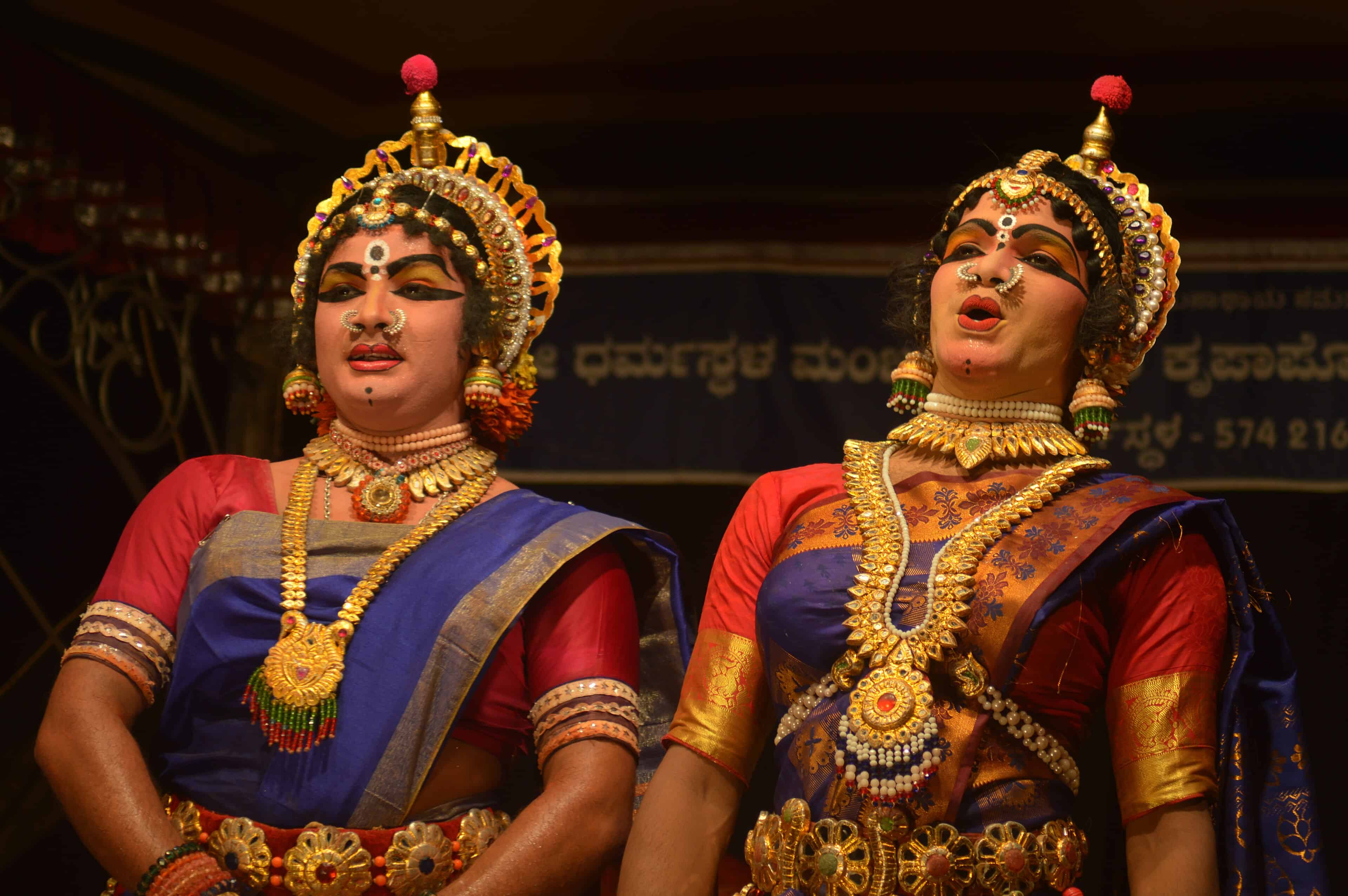
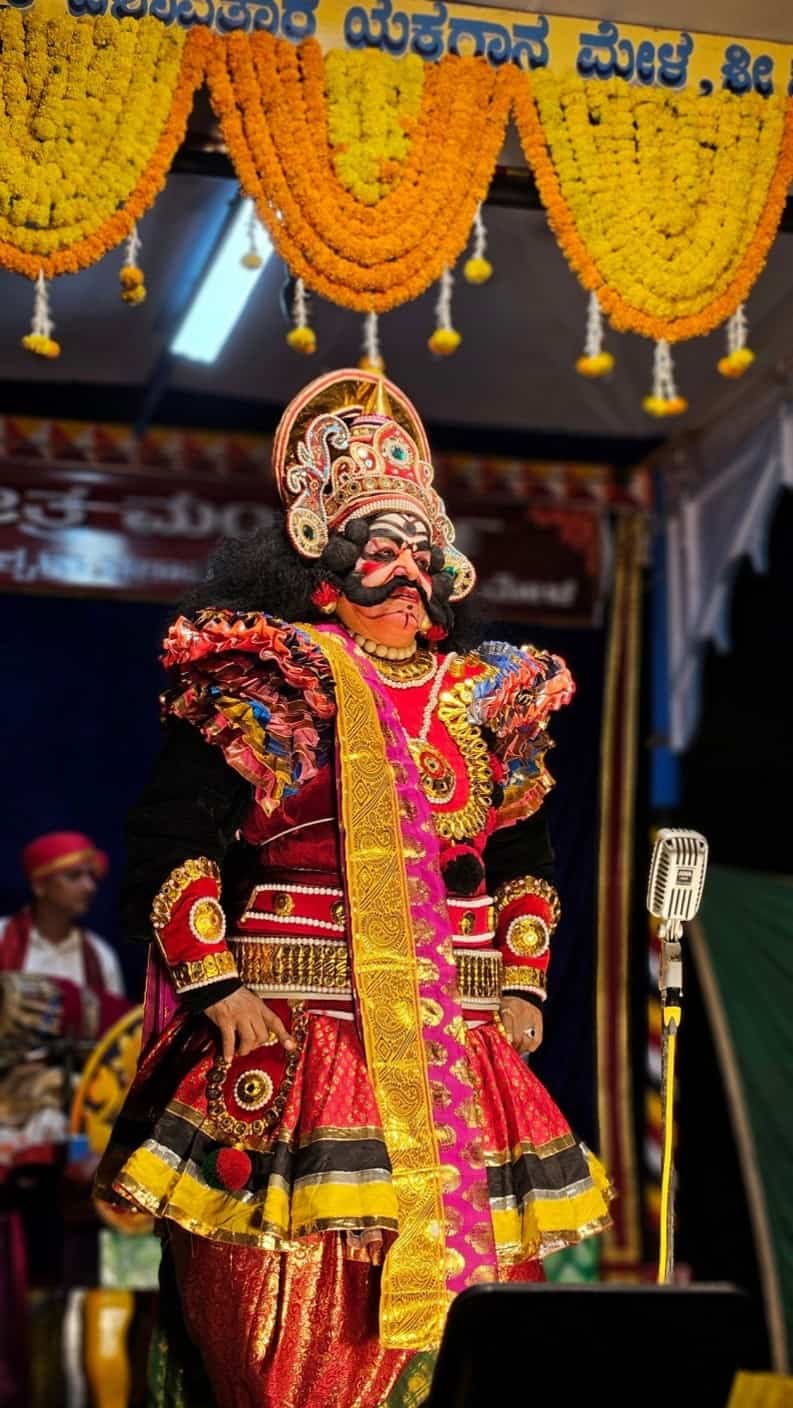
Yakshagana is a very elaborate dance-drama performance, unique to the coastal districts of Karnataka. There are performances held in the outdoor theatres where there is music and drumming for dancers who appear in colourful costumes. A typical Bhagavatam troupe includes a Bhagavatha, who is the chief narrator and conductor of the music performance.
The tales are often taken from the Ramayana, Mahabharata and other Hindu mythological narratives. Yakshagana’s visual identity stems from its elaborate headgear, colourful costumes, painted faces and rhythmic movement.
This tradition is still performed in places across Udupi, South Canara and North Canara, so that those audiences experience it within the geographical zone of development. Tickets are required for some performances; others are backed by local donors or set up as cultural events.
Therukoothu: Stories in Community Spaces
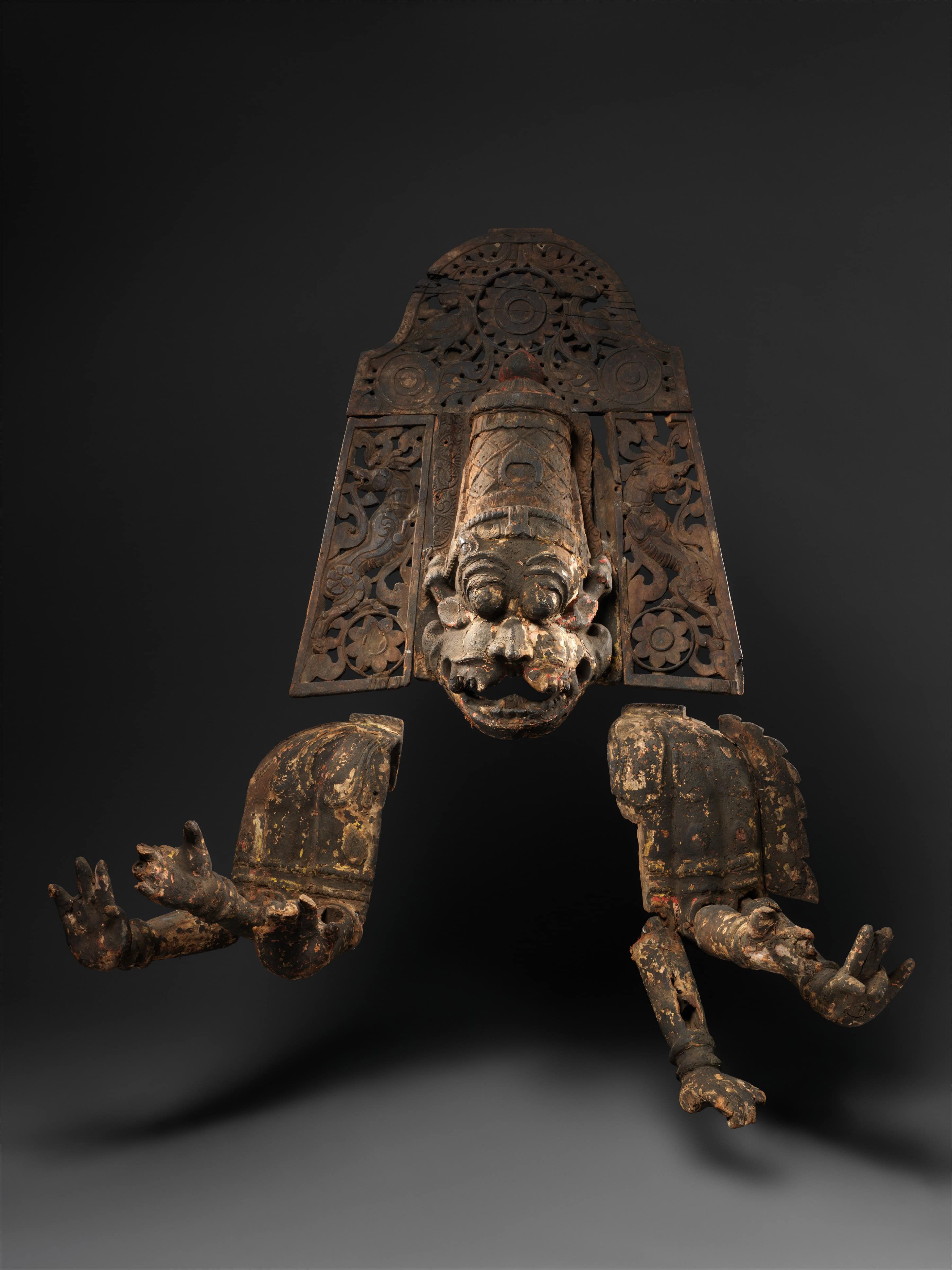
Therukoothu in Tamil Nadu is another example of a traditional theatre based on community performance. As the name suggests, street or open-space theatre has long been linked to theatrical forms and modes of expression involving acting and dance, music, costumes, and narration.
This type relates firmly to tales from the Mahabharata, especially in northern parts of Tamil Nadu. These performances are usually exhibited in open spaces and may fuse occasions of social and religious nature.
Therukoothu is unique in that the performers and audiences share a very close bond. This means we may no longer need a conventional theatre building, and the performance space could be created among the community. Here, the form represents a key feature of Indian folk theatre; the boundary between performer and audience tends to be much more relaxed than in usual stage theatre.
As with many traditional performance art forms, Therukoothu is also sustained by practitioners who learn and pass down its styles, repertoire and performance practices. Consequently, its survival is entirely intertwined with the ongoing involvement of communities and new performers.
Jatra: Bengal’s Theatre of the People
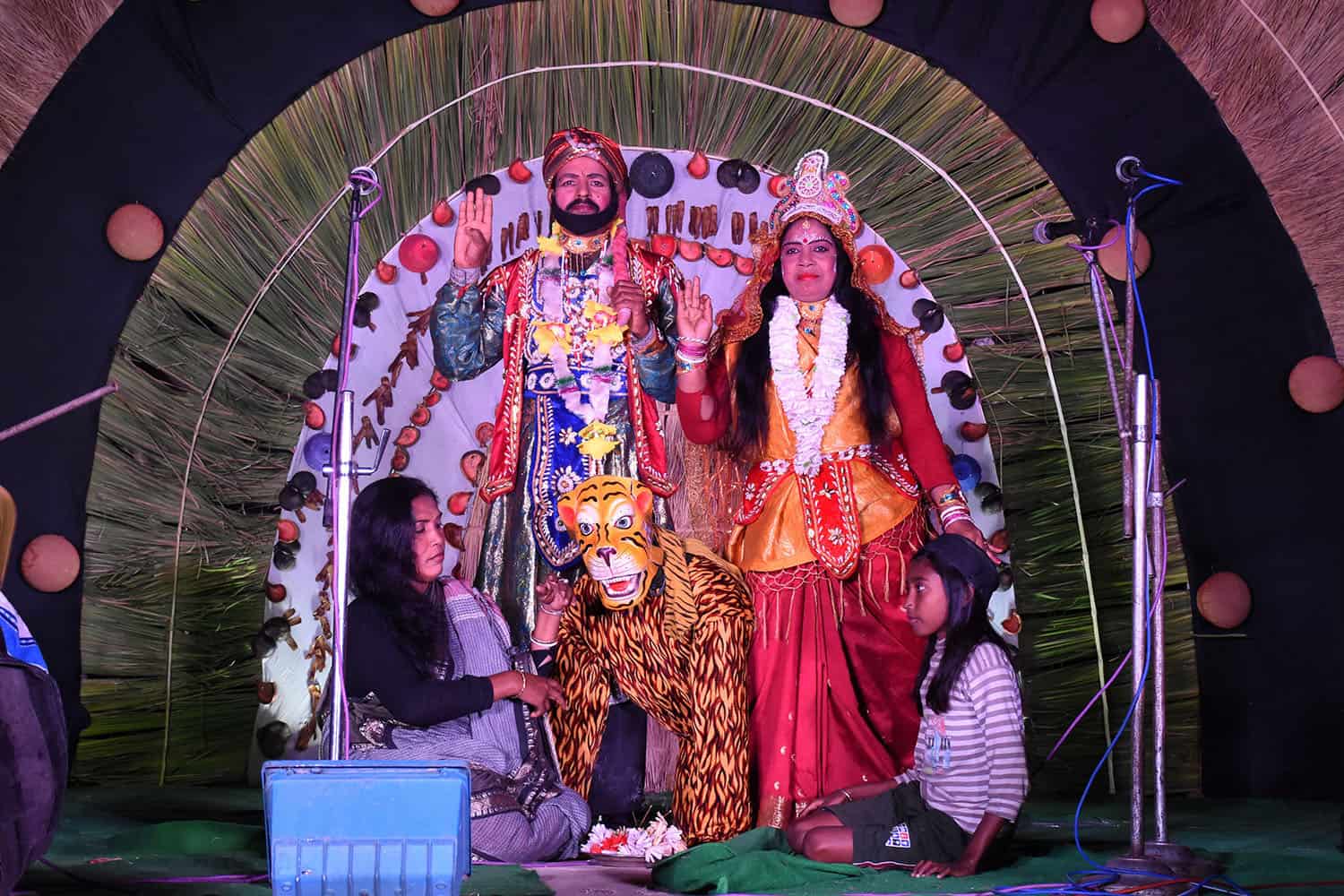
Jatra has had a significant position in the cultural landscape of Bengal for a long time. This is a very popular folk-theatre tradition, widely known for its broad outreach and powerful style of theatre. Its tradition is linked to musical storytelling and has historically been performed for large audiences.
Traditionally, Jatra has been staged during fairs, religious and social events, which has enabled theatre to emerge out of formally enclosed auditoriums into public open spaces. The score, the dialogue, the drama performance and storytelling are all designed with an audience of many thousands in mind.
So far, Jatra has been recognised by the Government of West Bengal as an essential part of the cultural heritage of the state. The state government also has the Paschimbanga Jatra Academy, which is listed among the institutions working under its Directorate of Culture; it organises festivals and programs supporting traditional folk forms.
It can be noted that the government has taken the initiative to support folk artists and traditional forms in Bengal. Moreover, the state-sponsored Lokprasar Prakalpo, which aims to preserve traditional folk forms, revive forgotten or under-threatened folk forms and enhance the socio-economic status of all artists belonging to the folk culture.
More Than Performance: A Shared Cultural Space
What links these traditions is not solely their time-honoured nature or because they are music and drama-based. They share a deeper connection with performers and communities around them.
Different forms of folk theatrical performances get included in religious festivals, village gatherings, or cultural functions. This stage doesn’t always have to be a traditional auditorium. They often originate in an open environment, community area or other locations the audience will recognise.
This proximity bestows a unique character to folk theatre. The tales may have roots in ancient epics, religious traditions or sometimes simply local histories, yet every culture enshrines them with its own language, music, costume and performance practices.
The result is a type of storytelling that’s very regional but simultaneously rooted in India’s rich cultural legacy.
Can Folk Theatre Survive the Age of Screens?
With movies, TV, streaming services and social media providing entertainment, the question of survival becomes more pressing as time goes on. Folk theatre has no need to in any way, shape or form compete with those forms on their own terms. Its power is rooted in live performance and the engagement of broader communities.
A traditional performance space places performers and audiences in the same physical location. Fresh, live musical sounds, measures being prepared for one piece of costume or another, performers present, and sometimes still working on their parts; those combinations keep the audience connected to both the performer and audience reaction.
However, even traditional theatre cannot completely escape from social and cultural change by itself. Younger viewers develop different kinds of entertainment habits, but traditional performers need spaces to still practice and hand down their craft. In that matter, Festivals, workshops, cultural institutions and educational initiatives can also make a difference.
The fact that Ankiya Bhaona festivals continue to be organised, the performances of Yakshagana are still going strong and there is institutional backing for traditional forms in West Bengal among other states, indicates that folk theatre continues to find a place in India’s cultural milieu.
This is, however, not the case for every tradition. Some of those forms are better served with networks and institutional support than others, whilst many artists still rely on audiences and cultural initiatives in their own geographies. Thus, preserving folk theatre is not just about documenting performances, but also recreating spaces and opportunities to learn and perform such traditions by practitioners and new generations as well.
Keeping the Stories Alive
The folk theatre traditions of India are not just preserved colourful performances from another time. They are dynamic forms of cultural tradition, sustained by performers and teachers, communities and audiences who continue to provide them with significance. They carry regional languages, local memories, devotional expression and social commentary across generations, retaining their relevance even as the ways in which people consume entertainment continue to change.
Ankiya Bhaona is an art form that holds a devotional and theatrical legacy of Assam. The melodies, steps and drama of the performance art of Yakshagana vividly embody epic tales along coastal Karnataka. Therukoothu as well has a wide folk performance space in Tamil Nadu, while Jatra continues to have a place for itself in Bengal’s thriving folk cultural world. Each form creates its own universe through music, costume, dialogue, ritual and the intimate exchange between performers and spectators.
India’s folk theatre traditions are a testament to the fact that some tales don’t need a screen to stay alive in a constantly evolving entertainment milieu. They need performers who will continue to tell, communities who will listen, and audiences willing to return to these forms of expression in life. In doing so, they keep alive not only stories from the past, but also the shared cultural rhythms that continue to shape the present.
Read More: Discover Your India