

Indian wellness, where landscapes and traditions naturally slow you down, offering restorative breaks through rhythm, simplicity, and quiet
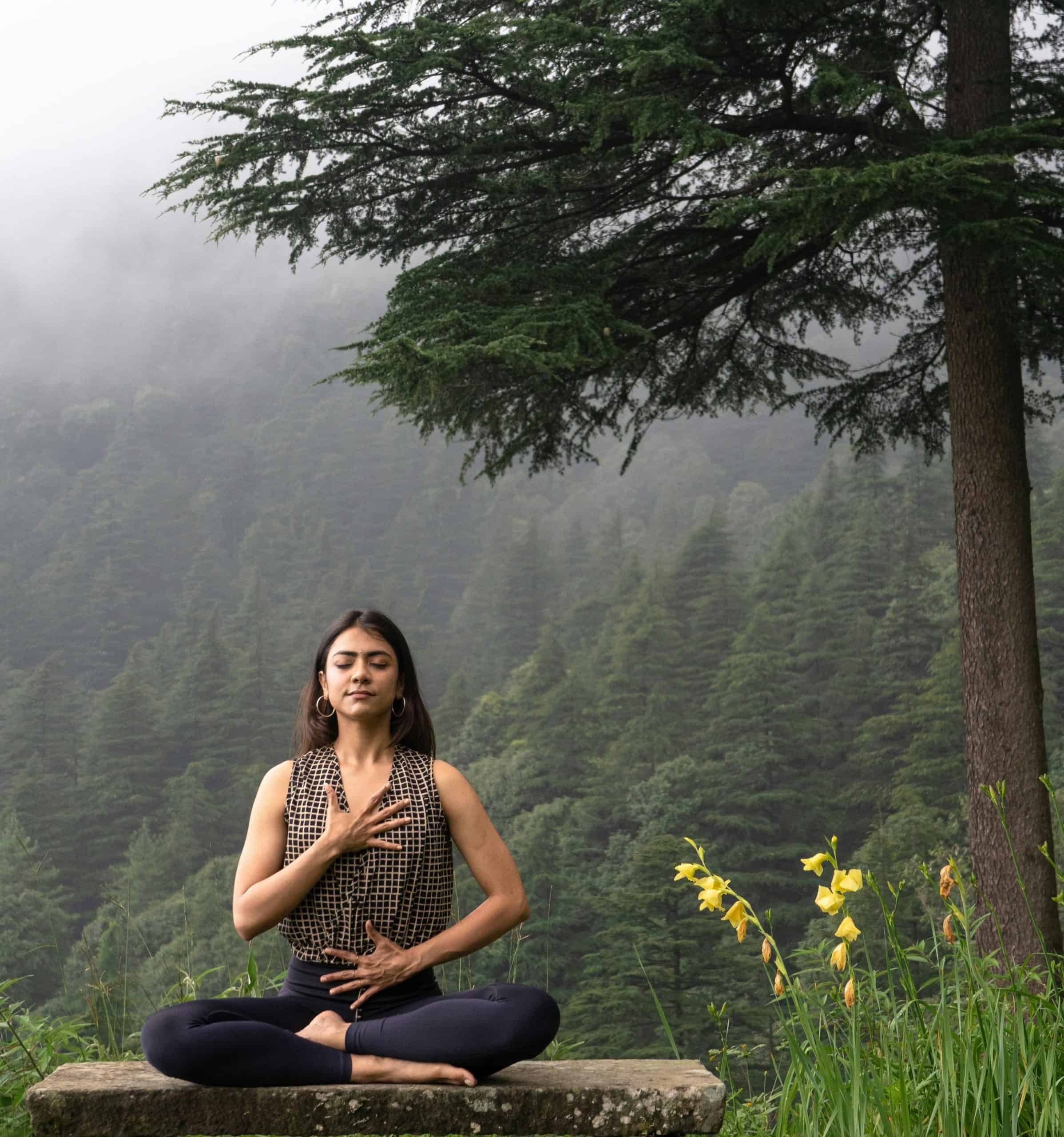
Wellness in India rarely announces itself. It shows up quietly, in the way a hill town wakes early and eats warm, in the way a coastline insists on an afternoon pause, in the way a forest day begins before sunrise and ends long before the news cycle. For a growing number of Indian travellers, that is the appeal. The most restorative journeys are no longer the ones branded as “retreats”, but the ones where place and routine do the work.
Globally, wellness has shifted into something more daily and personal, less occasional and performative. Within India, those shifts land naturally because the country has long held living systems of wellbeing.
The new Indian wellness traveller
This domestic reset is not driven by dramatic reinvention. It is shaped by fatigue. Too many screens, too much noise, too much planning, too little sleep. The new wellness traveller is not chasing a perfect version of health. They are craving relief and rest.
That is why the preference is increasingly for a 3–5 day break that feels longer than it is. These travellers choose texture over treatment. A sunrise walk that begins without a tracker. Breakfast at a steady hour. A late morning that is allowed to drift. A stay that makes reading feel normal again. Early nights that arrive naturally because the day is complete earlier.
Hill calm: breath, light, and gentle movement
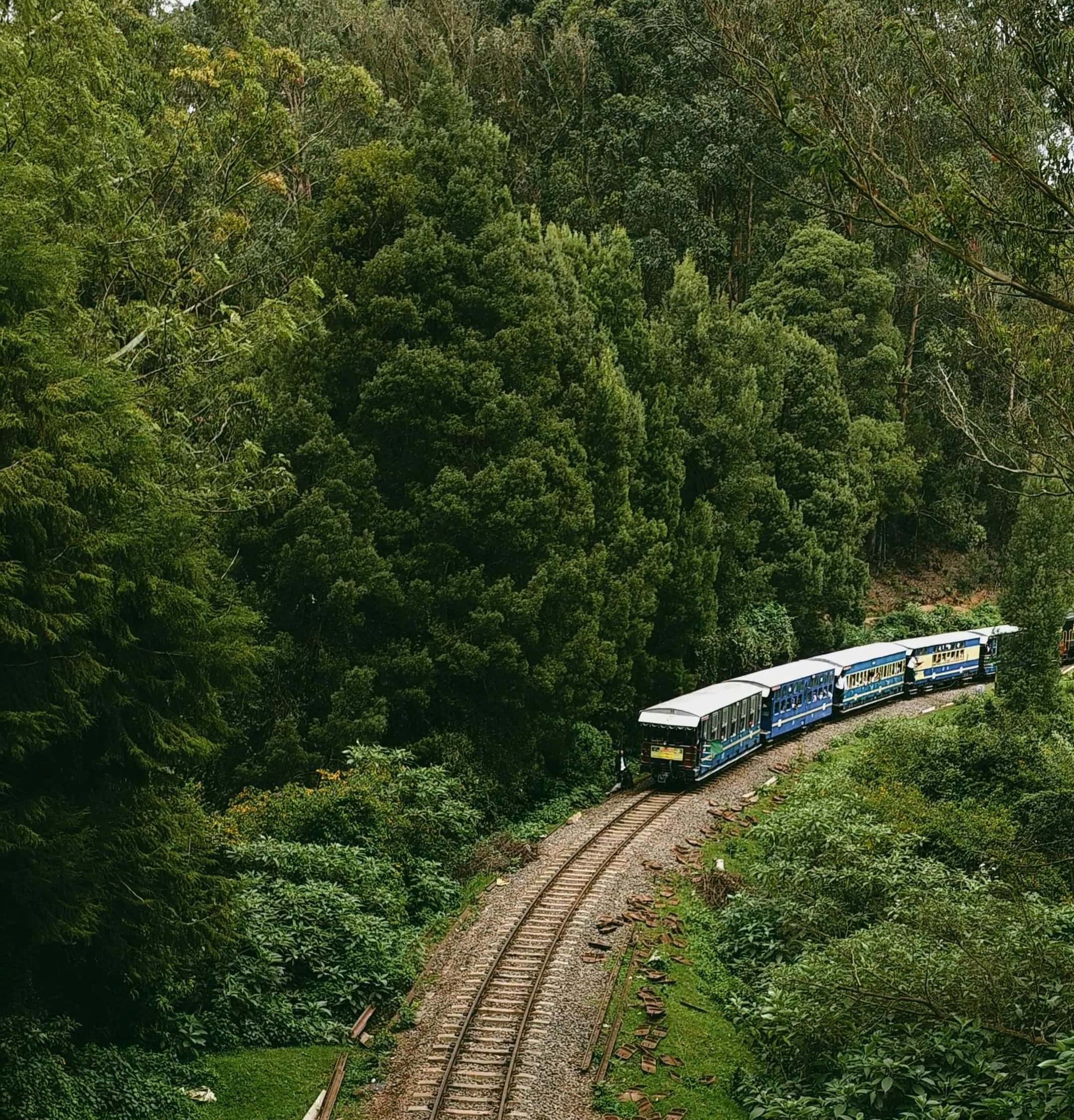
The hills have always had their own tempo, and they do not bend for city urgency. Air turns cooler, breathing deepens without instruction, and daylight feels cleaner. Hill wellness is not about intensity. It is about gentle movement that becomes part of the day without needing motivation.
You walk because the landscape invites it. You pause because the view holds you there. Days become pleasingly simple: short trails to viewpoints, village paths that rise and fall in a manageable way, unhurried tea in the afternoon, and evenings that make sleep feel earned rather than chased. The hills reduce decision fatigue. When the structure of a day is obvious, the mind stops negotiating with itself.
Places for hill calm: Tirthan Valley, Shoja, and the quieter Kullu-Manali edges in Himachal Pradesh for river valleys and pine silence; Landour and calmer Mussoorie belts in Uttarakhand for old promenades and slow light; Mukteshwar and Binsar in Kumaon for forests and wide views; Coorg in Karnataka for plantation trails and green repetition; Coonoor and Kotagiri in the Nilgiris for tea country and verandah mornings; gentler Sikkim circuits such as Pelling and Yuksom when you want mountain presence without crowd energy.
Coastal ease: tides, and unhurried eating
Coastal India carries a softer logic even when it is busy. Many coastal communities begin early, work hard, and then loosen into the afternoon. Heat shapes behaviour in practical ways. Meals get lighter. Water becomes essential. And the sea builds a timetable the body understands quickly: walk when the sand is cool, rest when the sun is high, step out again when the light drops.
Coastal wellness is sensory and calming. The horizon reduces mental clutter. The repetition of waves offers dependable steadiness. In quieter beach belts, evenings stretch in a low-lit way, built around conversation rather than screens.
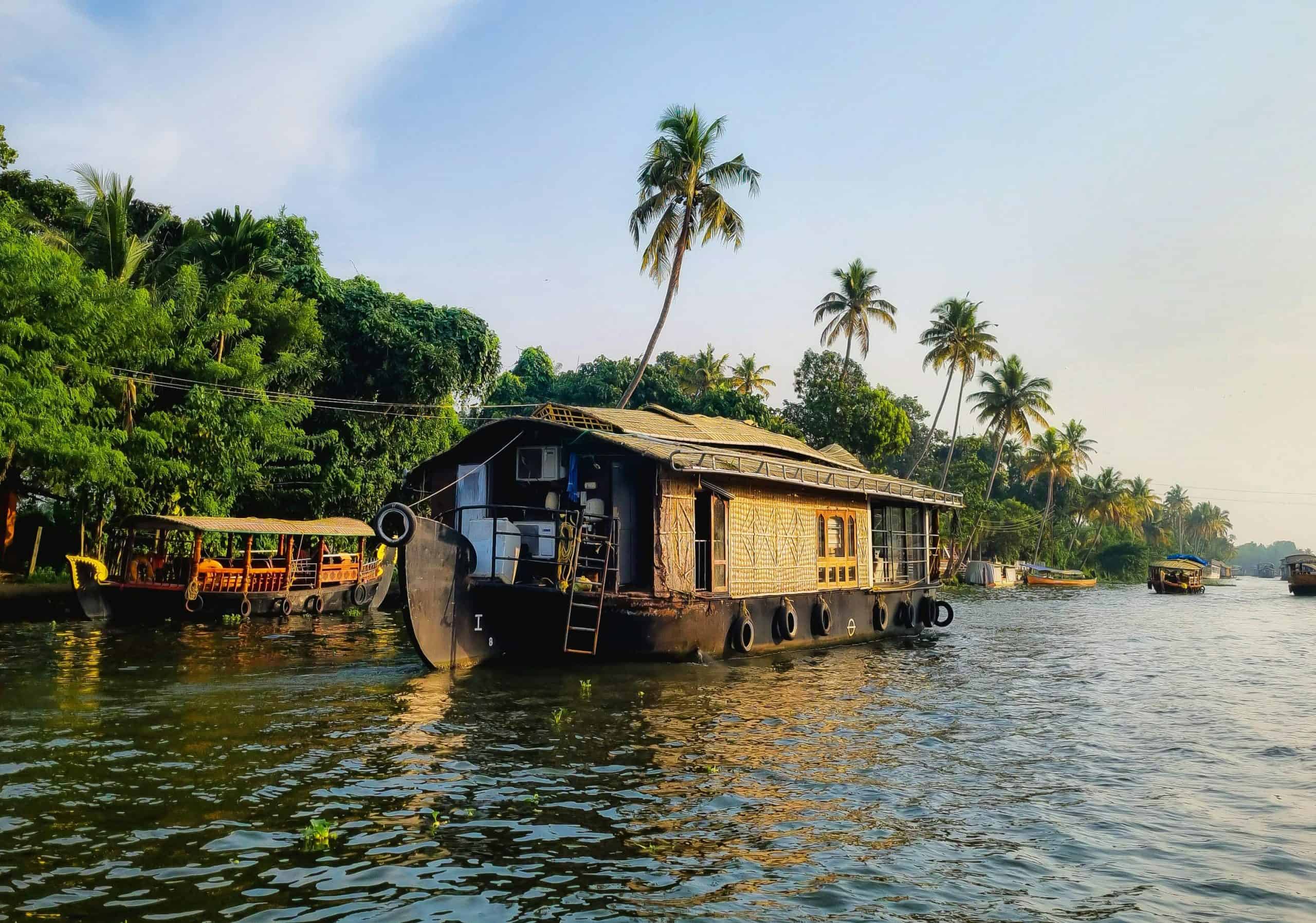
Backwaters add another layer of ease. Even restless travellers find themselves eating more slowly near a lake, sitting longer, sleeping earlier, and waking with less resistance. The body begins to follow tide logic: move when the day opens, soften as it closes.
Places for coastal ease
South Goa’s quieter belts beyond the party strip; Gokarna and gentler coastal Karnataka; Konkan stretches such as Tarkarli, Vengurla, Ganpatipule, and Malvan for seafood markets and slow afternoons; Kerala’s backwaters around Kumarakom and Lake Vembanad for water-led days; Mararikulam and calmer beach pockets near Alappuzha; Odisha’s Chandrabhaga and less crowded parts of the Puri-Konark belt in quieter seasons.
Forest reset: silence that repairs
Forests are India’s most underplayed wellness environments, perhaps because they refuse spectacle. Their gift is immediate and invisible: reduced sensory input, cleaner air, and the kind of quiet that makes your shoulders drop without negotiation. Forest time pulls you away from constant stimulation and returns you to attention.
A forest day also has natural limits. You wake early because the landscape is alive early. You return on time because the light changes and the day naturally closes. Screen habits weaken because the outside world finally feels richer than the inside one. Wildlife regions, even in buffer zones and gentler lodges, support deeper rest precisely because they structure your focus. You cannot scroll through a dawn drive. You sit, you watch, you wait.
The mind starts noticing smaller things again: birdsong, leaf movement, the smell of damp earth, the way quiet can feel full rather than empty. Food tends to become simpler and more routine-driven. Sleep arrives earlier because the body has moved with daylight, not against it.
Places for forest reset
Kabini and Nagarhole in Karnataka for river edges and birdlife; Wayanad in Kerala for rain-fed green and slower stays; Satpura in Madhya Pradesh for a more intimate forest feel; Pench and Kanha for classic Central India wilderness rhythms; calmer Corbett zones in Uttarakhand in the right season for river forests; Nilgiri Biosphere landscapes that allow gentle immersion and unforced walking.
Heritage rhythm: faith and gentle routine
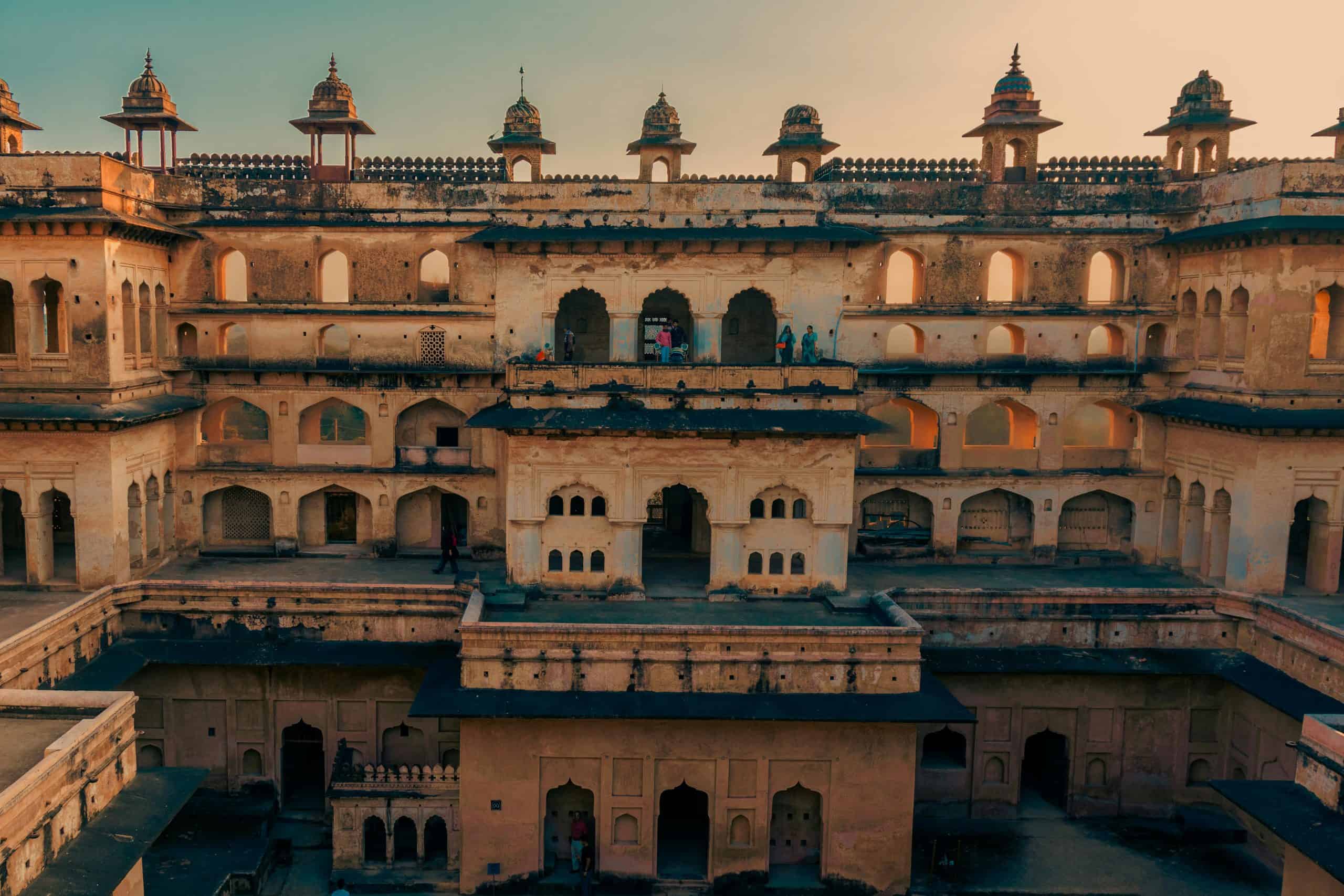
Heritage towns offer a different kind of wellness: structure. Bells, prayer calls, aarti timings, market hours, temple food, and evening closures. Routine is built into the architecture of daily life. For travellers exhausted by self-designed productivity, that can feel like relief.
In older towns, the day is shaped by collective habits rather than private chaos. Movement becomes gentle exercise without being labelled as such: temple corridors, ghat walks, fort climbs taken slowly, pilgrim circuits that turn into meditative loops. Even the sensory world is organised. Courtyards filter light. Thick walls soften sound. Meals arrive with timing, not constant negotiation.
Places for heritage rhythm
Chettinad in Tamil Nadu for courtyard life and measured meals; Madurai for early temple hours and ritual timing; Maheshwar and Orchha in Madhya Pradesh for riverfront stillness and low-key heritage pace; Bundi in Rajasthan for a fort town mood without constant crowd theatre; Chittorgarh’s quieter surrounds for space and history; older quarters of Hyderabad or Chandor in Goa for lived heritage that still follows daily rhythms.
India’s most modern luxury is time
Slow travel is often framed globally as a trend with new names and new packaging. In India, it feels less like a trend and more like a return. The country does not need to invent wellness as a product. It has always offered it as a way of life, embedded in landscape, food, faith, and timing.
The traveller arrives thinking they need a plan. Then the hills, the coast, the forests, and the old towns do something subtle. They teach the body how to take its time again. And once that lesson lands, the definition of a good holiday changes. It stops being about how much got done and becomes about how well one came back.
Read More: Latest