

Ancient wisdom, modern science and personalised care come together at Swastik Wellbeing Sanctuary in Pune’s Sahyadri foothills
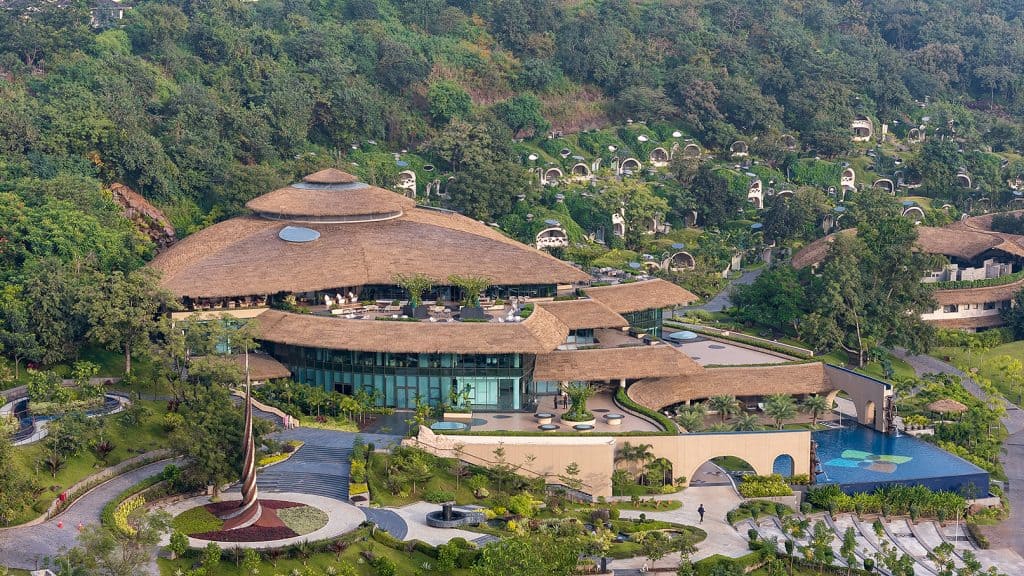
You’ve done the yoga retreat in Rishikesh. The Ayurveda holiday in Kerala. The mountain spa in Himachal that promised silence and delivered Wi-Fi. You think you know what an Indian wellness destination looks like.
Swastik Wellbeing Sanctuary, which opened in Peacock Valley, Pune, in November 2024, asks visitors to set that familiar map aside.
This is not simply a resort with a wellness menu. Nor is it a hospital recast as a luxury retreat or a spiritual centre built around austerity. Spread across 51 acres at the foothills of the Sahyadris, Swastik combines purpose-built healing infrastructure with Ayurveda, naturopathy, yoga, sound therapy, nutrition and contemporary diagnostic assessment. Its approach is based on the premise that transformation should be observed and tracked, rather than only felt.
Ancient sciences are delivered within a structured clinical framework. Luxury is present, but is intended to support the healing process rather than become the main attraction. Visitors are referred to as seekers — a term that reflects the participatory nature of the programmes.
India has been adding wellness destinations for more than a decade, many of them variations on established retreat formats. Swastik presents a somewhat different proposition.
The Place Itself
Scale matters here. Many wellness retreats in India occupy heritage properties adapted for therapeutic programming — often beautiful, but not always designed around clinical or functional requirements. Others are purpose-built facilities that can feel distinctly institutional.
Swastik was designed from scratch, on its own land, with a single brief: to create a place where every element contributes to the healing of the person within it.
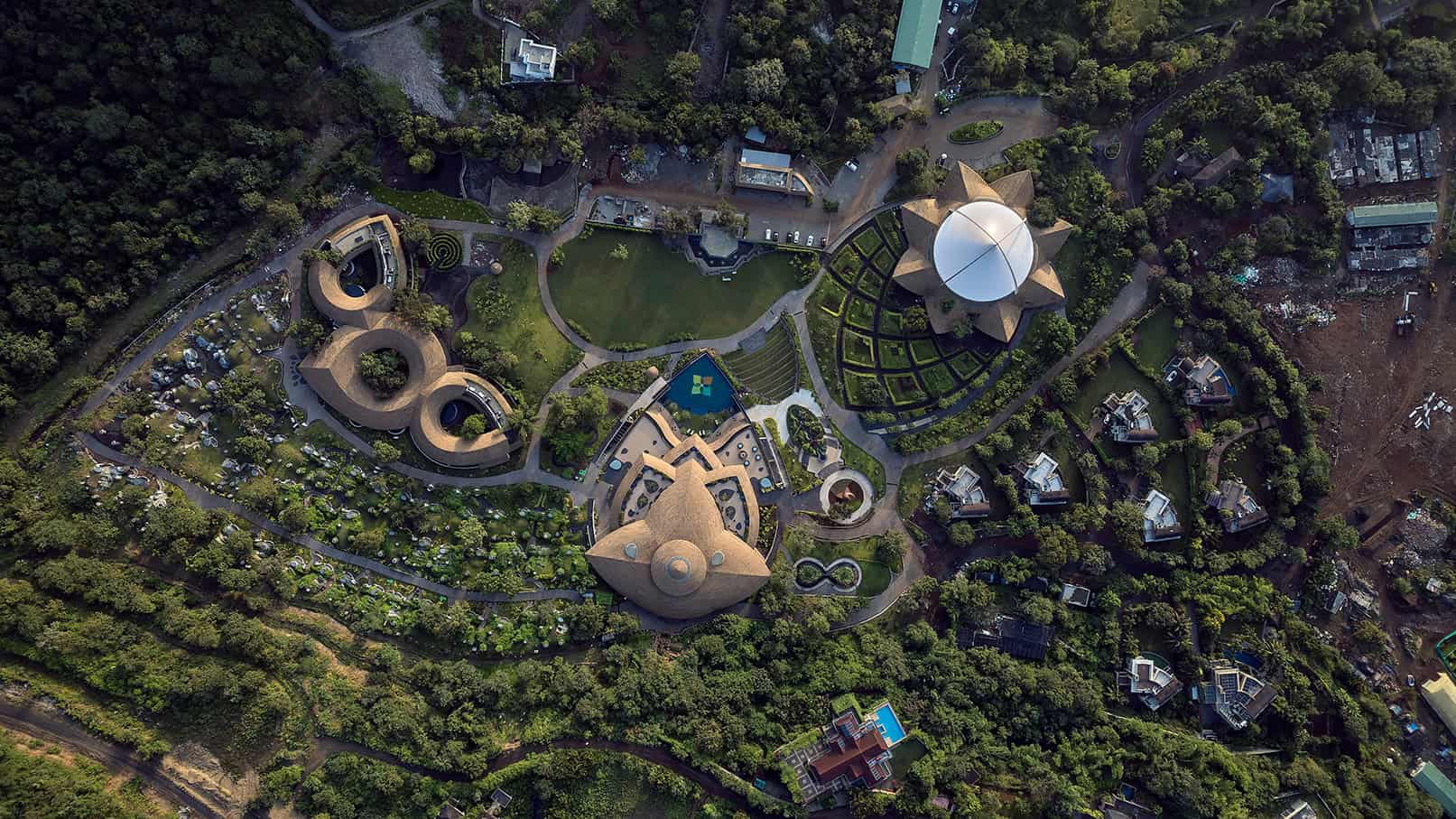
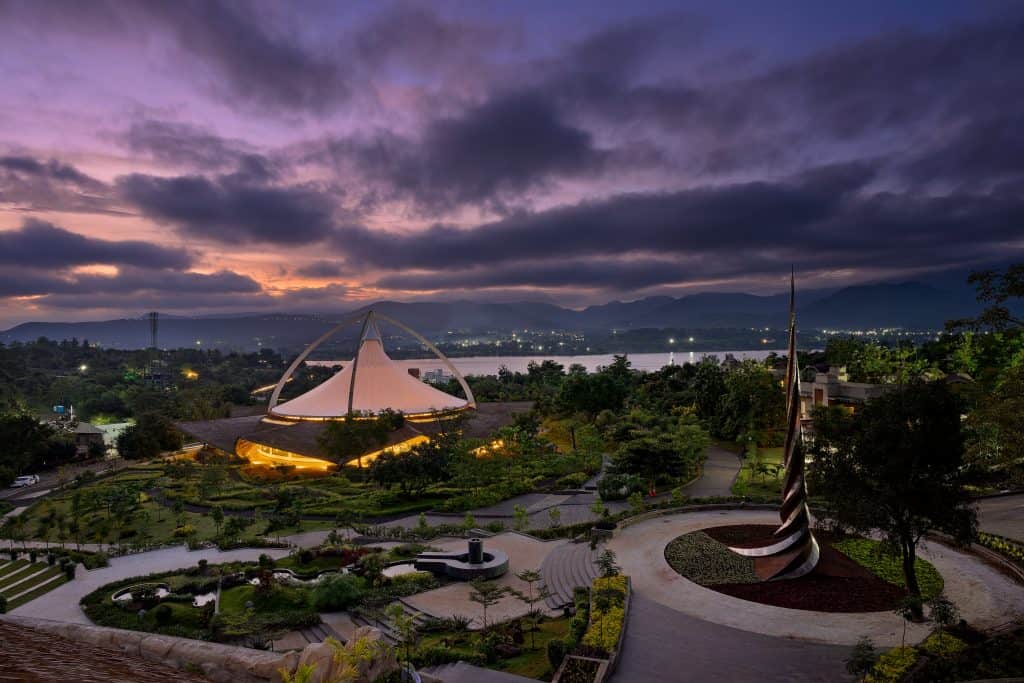
The result is five distinct Vihars — Sanskrit for dwelling spaces — spread across the 51 acres. Each serves a different function and has been designed around a particular set of sensory principles.
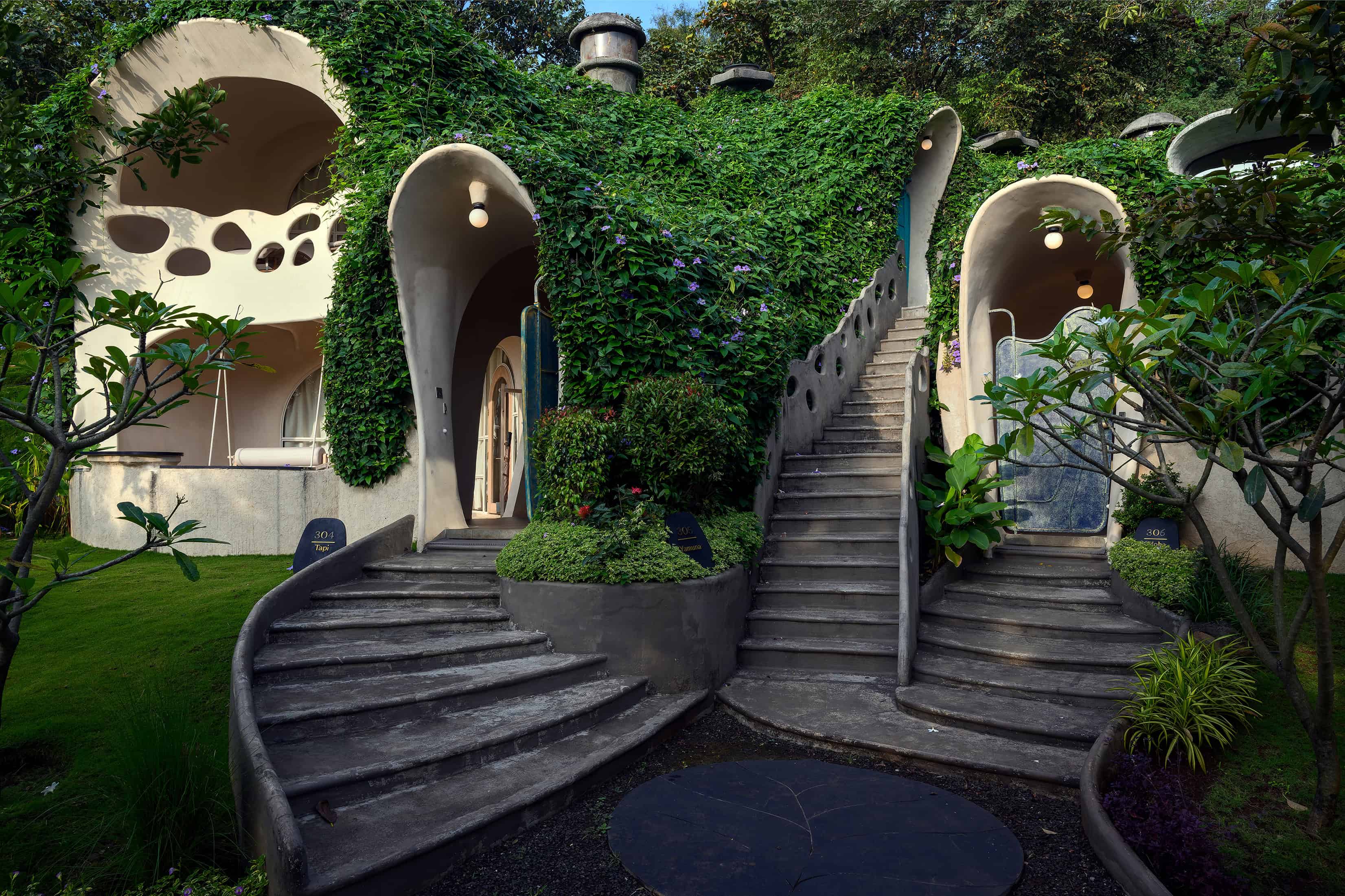
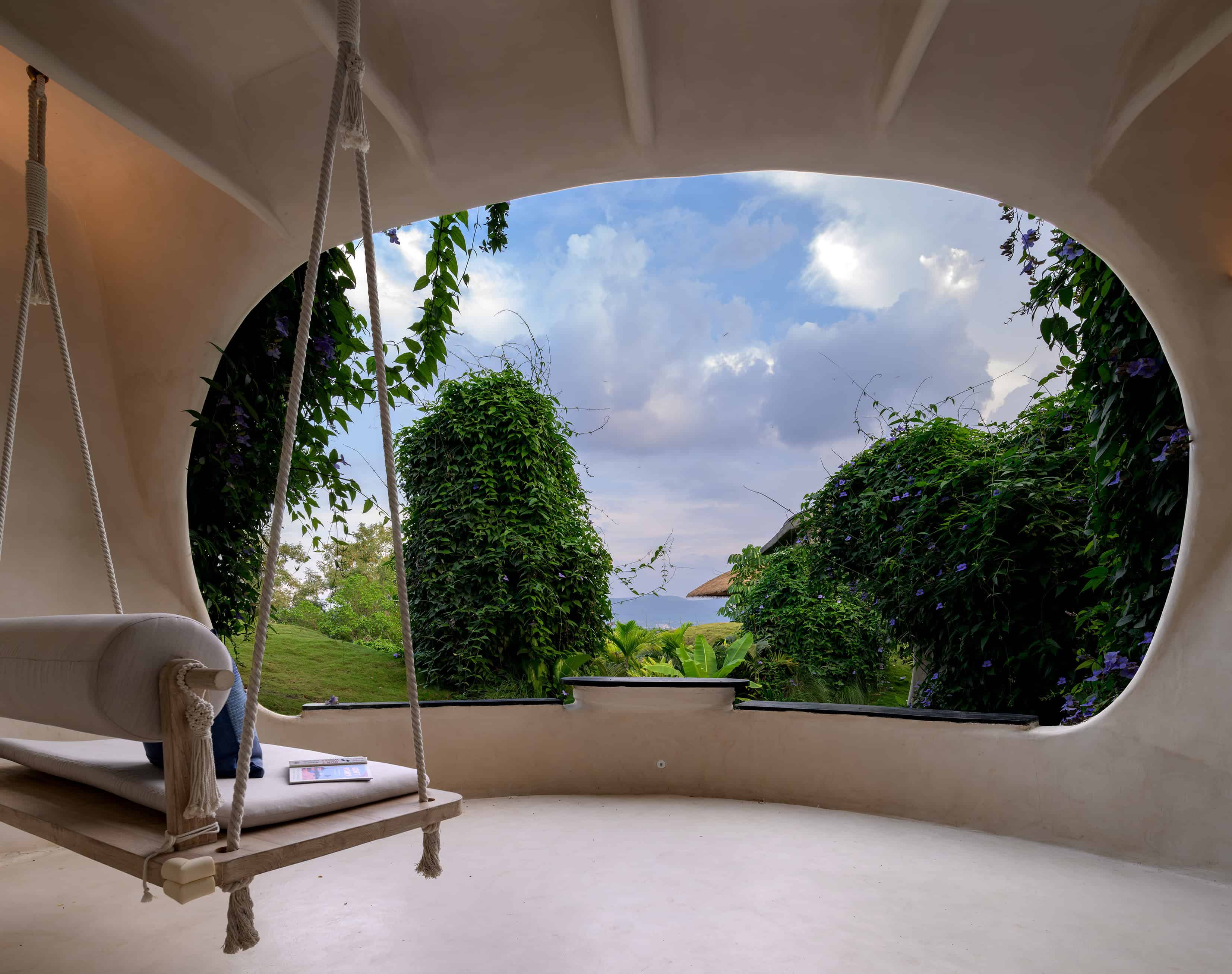
Sukh Vihar is where seekers stay. It comprises 61 private villas built as guhas — cave-like structures that appear to emerge from the hillside rather than sit on top of it. Organic materials, curved walls and earthy textures replace sharp lines and corporate neutrals. The architecture is intended to create an immediate sense of physical ease: architecture as sedative.
Ayu Vihar is the clinical heart of the sanctuary. It houses the dedicated Ayurveda and naturopathy facilities, where therapies ranging from classical Abhyanga — Ayurvedic oil massage — to Shirodhara, in which medicated oil is poured in a continuous stream over the forehead, are administered by trained therapists. Separate treatment areas are provided for men and women. The building’s interlocking curves, inspired by the infinity symbol, reflect the idea of health as a continuing process rather than a fixed destination.
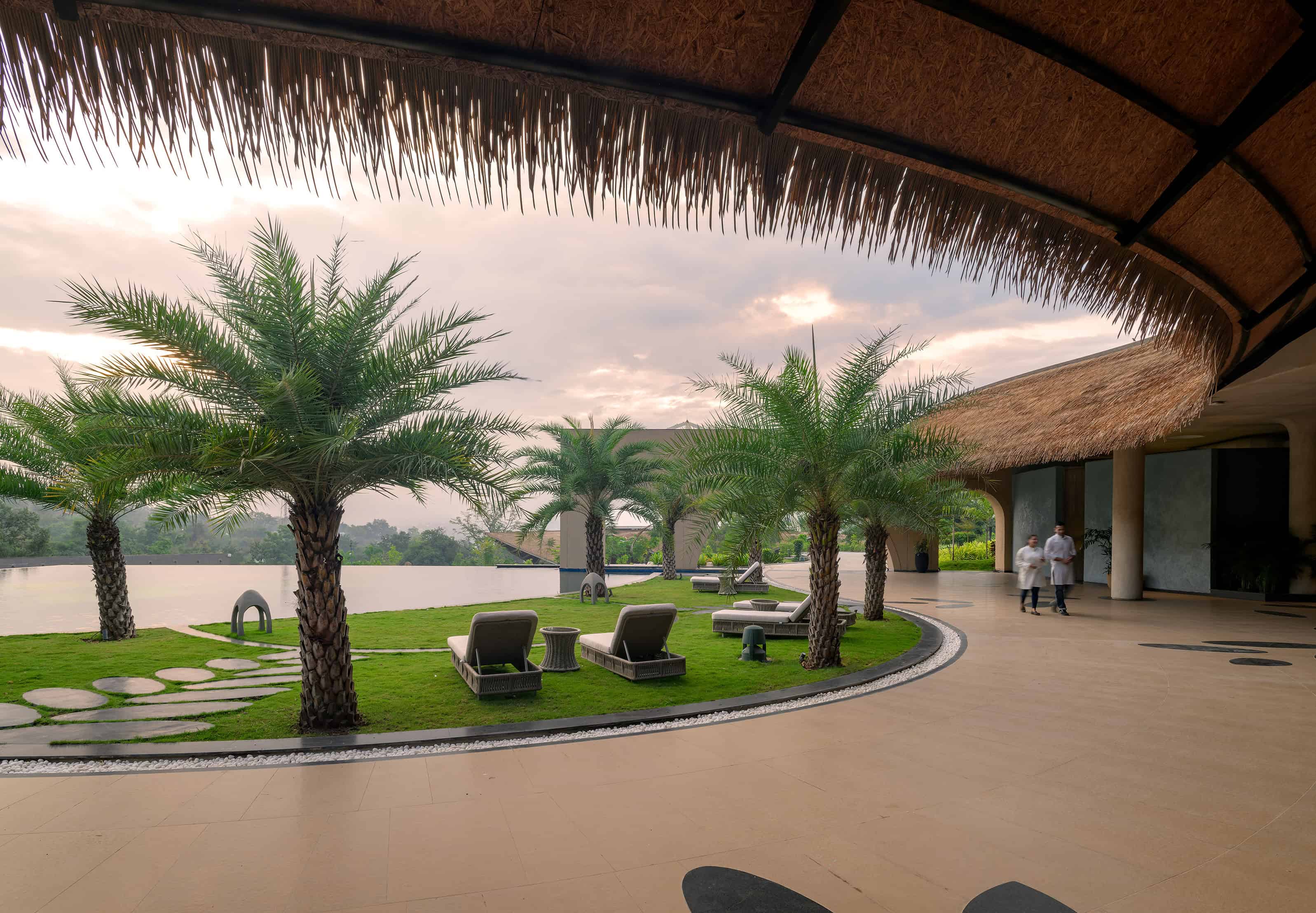
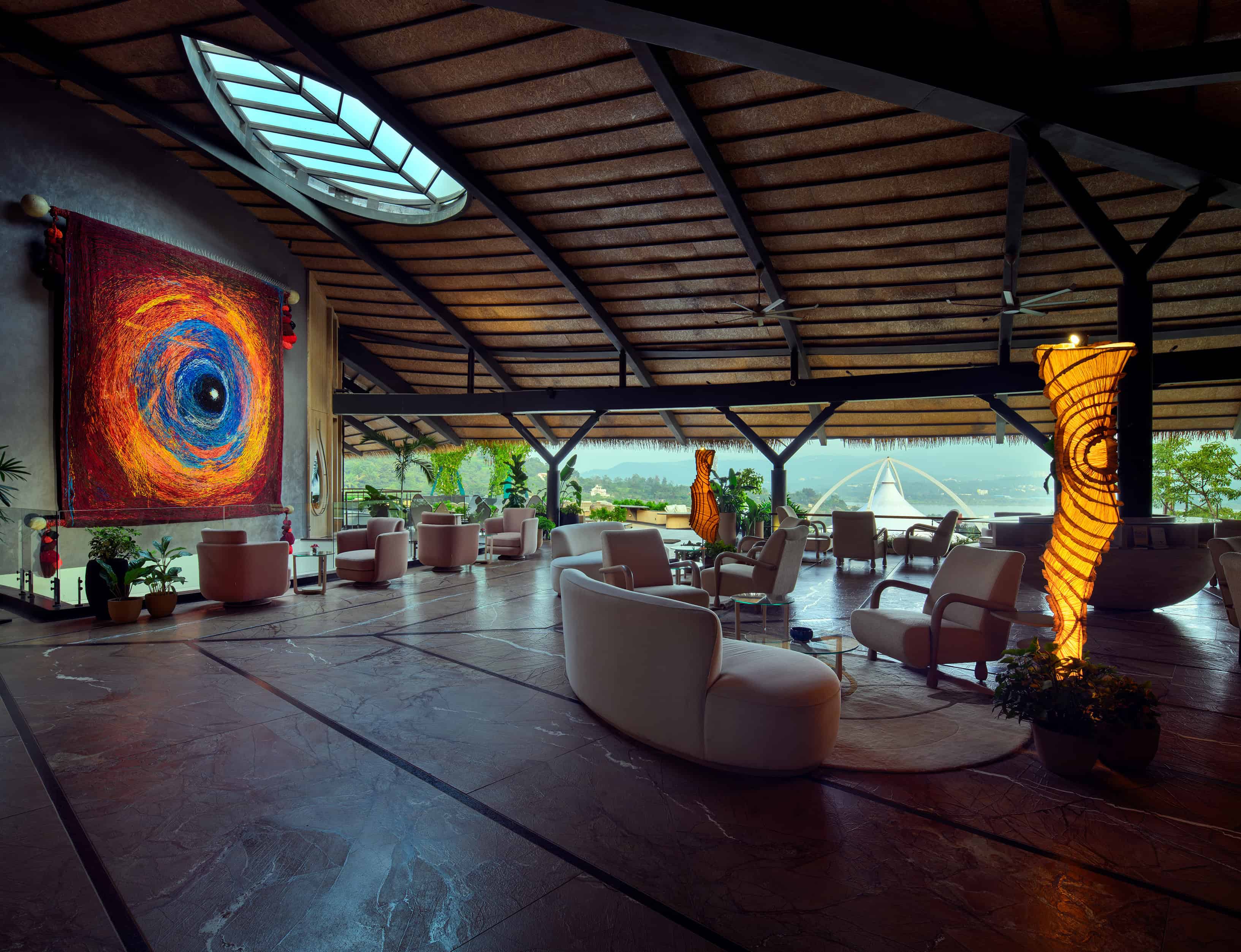
Anand Vihar overlooks Khadakwasla Lake and houses the swimming pool, a poolside lounge called Smitam — a word meaning a soft, quiet smile — and spaces used for sound healing. It is the most outward-facing of the five Vihars, connecting the sanctuary’s programmes with the surrounding landscape.
Dhyan Vihar is the spiritual core. It includes an 11,000-square-foot, column-free meditation hall and Nakshatra Van, a zodiac garden conceived around Vedic astronomical principles. Its plants and trees correspond to the 27 lunar constellations. Regardless of one’s relationship with Vedic cosmology, the garden offers a contemplative setting, particularly at dawn.
Utsav Vihar is the open amphitheatre, used for group movement, celebrations, community activities and the daily rituals that punctuate a seeker’s schedule.
The property also includes a reflexology walking path, an organic garden and a population of cows that wander freely. Their presence is intentional, connecting visitors with the agricultural and pastoral rhythms that predate the sanctuary’s modern infrastructure.
Woven through the five Vihars are 15,000 native trees. On a good morning, more than 30 species of birds can be observed across the property.
The Programming
Swastik does not use the word guests. The people who come here are called seekers, a distinction that signals the institution’s intent. The experience is organised around active participation rather than passive hospitality.
Its 16 programmes are divided into two broad categories.
The Wellness Programmes address the person more generally and include Ayurveda Panchakarma, Stress and Emotional Balance, Digital Detox, Cellular Vitality and Longevity, Babymoon Bliss for expectant mothers, and Corporate Wellness.
The Healing Programmes are condition-specific and include Weight Management, Diabetes Care, Gut Balance, Deep Detox, Sleep Optimisation, Cardiac Wellness, Pain Management, Women’s Health, Liver Restore and Fertility Wellness.
Each programme begins with a consultation, pulse diagnosis — or Nadi Pariksha in the Ayurvedic tradition — and a comprehensive assessment used to determine the protocol. The treatments, dietary plan, therapy schedule and daily routine are then customised to the individual.
A 55-year-old executive managing chronic fatigue, for instance, will have a different programme from a 35-year-old dealing with gut issues, even if both are nominally enrolled on the same track.
A typical day at Swastik begins between 6am and 7am with Agnihotra, a Vedic fire ritual performed at sunrise and one of the more ancient practices retained in the daily schedule. Yoga follows, with views across the hills.
The remainder of the day unfolds according to the seeker’s dincharya — a personalised daily routine — interspersed with therapies, consultations, group activities, Sonorium sessions and structured meals. Screen time is not incorporated into the schedule, reflecting the sanctuary’s emphasis on attention and reduced digital stimulation.
The Food
Wellness destinations tend to encounter one of two problems with food: making it punishing or treating it as incidental. Swastik’s approach attempts to avoid both.
Its food philosophy begins with a simple premise: food is medicine before it is pleasure, but it still has to function as both.
Ingredients are unprocessed, unrefined and seasonally sourced. Cooking techniques such as braising, steaming and poaching are chosen to preserve nutritional value. Programme meals contain no preservatives, artificial additives, refined sugar or refined flour.
The resulting food is therapeutically designed but presented with considerable culinary attention. Several reviewers have independently compared the standard of the meals with Michelin-quality cooking. The comparison refers less to conventional fine-dining excess and more to the level of technique and detail applied to therapeutic food.
Dishes include stuffed bottle gourd with mint gravy, steamed brown rice seasoned with particular care, and sattvic five-course lunches designed to provide satiety without the heaviness commonly associated with elaborate meals.
Swastik’s food and therapy programmes are also informed by institutional associations. The National Institute of Naturopathy, a Government of India body, contributes to its naturopathy dietary protocols. S-VYASA, one of India’s established yoga research institutions, guides the integration of yogic sciences.
For sound healing, the sanctuary works with SVARAM, an organisation that researches acoustic instruments and their physiological effects. Its halotherapy, or salt therapy, association is with Salt Cave Asia.
These collaborations form part of the methodological framework behind the practices used on the property.
The Harder Question
India has no shortage of wellness retreats. The more relevant question is what Swastik is attempting to do differently.
Many wellness destinations are structured principally around the sensory experience of wellbeing: attractive rooms, aromatic oils, gentle yoga and sattvic food. Swastik incorporates those elements but places greater emphasis on assessment, programme design and measurable outcomes.
Each programme involves diagnostic assessment, progress tracking and post-departure follow-up. The stated intention is to evaluate whether the intervention produced a meaningful result, rather than relying solely on whether the seeker felt relaxed at the end of the stay.
The property has also attracted visitors from different areas of Indian public life. Celebrity trainer Yasmin Karachiwala documented her stay, actor Ashish Vidyarthi provided a testimonial, and politician and author Dr Shashi Tharoor has visited the sanctuary. Their visits have contributed to its visibility, although the programmes themselves remain the more relevant basis on which to assess the institution.
Internationally, Swastik has been recognised at the House of Commons in London, reflecting broader international interest in India’s integrative wellness models.
Getting There, Getting In
Swastik is located on NDA Road in Khadakwasla, approximately 45 minutes from Pune city. From Mumbai, the journey takes around three and a half hours by road. Alternatively, visitors can take a short flight to Pune followed by a transfer. The property manages arrival logistics for seekers.
Programme durations range from short wellness stays to residential programmes of seven, 14 or 21 nights, depending on the selected track.
Capacity is limited and calibrated to the number of seekers the team can accommodate while maintaining individualised care. Availability therefore varies according to the programme and duration.
The Verdict
India’s wellness travel sector is maturing. The distance between a luxury spa holiday and structured integrative healing is narrowing, but closing that gap requires more than considered interiors and quality linen. It requires sustained institutional attention to diagnosis, treatment, nutrition, setting and follow-up.
Swastik brings those elements together on a substantial scale. The architecture and landscape receive considerable attention, but so do the programmes taking place within them.
The Sahyadri hills are particularly striking during the monsoon. The food is carefully executed, and the property offers a degree of quiet that is increasingly difficult to find near a major city. Yet its more significant proposition lies in the attempt to connect that setting with a structured and individualised approach to wellbeing.
Whether every seeker experiences lasting change will inevitably depend on the individual, the condition being addressed and the programme undertaken. Swastik, however, has clearly been built around the possibility that a wellness journey can produce effects that extend beyond the duration of the stay.
Read more – Hotels & Resorts