

Dr Jyotsna Suri, Chair, World Travel & Tourism Council – India Initiative (WTTCII), and Chairperson & Managing Director of The Lalit Suri Hospitality Group, in an exclusive conversation with Kamal Gill, Executive Editor, Today’s Traveller, shares her thoughts on the forces shaping tourism’s next chapter
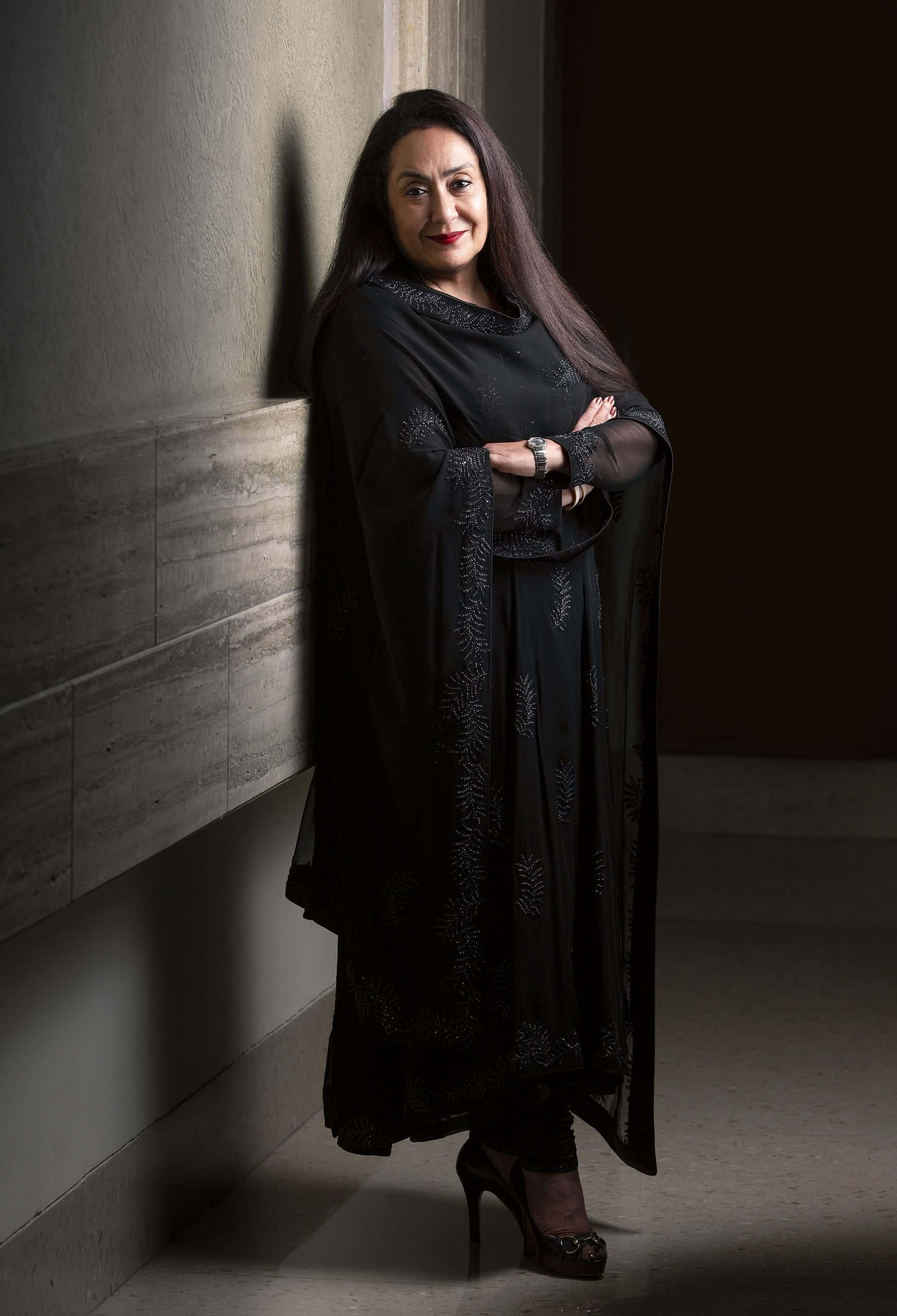
India’s tourism story is still too often told in numbers and monuments. Dr Jyotsna Suri, Chair, World Travel & Tourism Council – India Initiative (WTTCII), wants it told in meaning, time, and impact.
Dr Jyotsna Suri makes the case for a sharper national pivot, moving from volume to value, with longer stays that deepen cultural engagement, strengthen livelihoods, and preserve heritage. She calls for faster, accountable execution through state-level partnerships, and flags two urgent enablers: single-window clearances and rationalised taxes and utility costs.
Her growth map backs high-impact segments such as wellness, heritage, spiritual travel, MICE, and niche cultural circuits, anchored in destination-sensitive development with carrying-capacity planning and community participation. On talent, she warns that demand will outpace supply unless tourism becomes a genuinely aspirational career, strengthened by skilling, apprenticeships, mobility pathways, and inclusive workplaces.
TT Bureau: As Chair of WTTCII, what is the defining shift you want to see in India’s travel and tourism narrative over the next two years?
Jyotsna Suri: I would like to see India move from being viewed as a destination of monuments to a destination of meaningful experiences. Our narrative must shift from volume to value—from counting arrivals to creating lasting impact. This also means encouraging longer stays that allow travellers to truly engage with our culture and communities, while promoting sustainability at every level of tourism development. Tourism should be seen as a catalyst for livelihoods, cultural preservation and regional growth, not just as an economic statistic.
TT Bureau: WTTCII’s mandate is to bridge the public–private divide. Where is the biggest execution gap today, and what will you do differently to convert dialogue into on-ground action?
Jyotsna Suri: The intent is always strong, but implementation on the ground is very slow and uneven across states and departments. WTTCII will focus on structured working groups with clear timelines, measurable outcomes and state-level partnerships so that the intent is implemented and discussions translate into projects on the ground.
Leveraging our ongoing work with the Goa Tourism Board and the recent MoU with the Government of Tamil Nadu, WTTCII will partner closely with states to turn policy intent into time-bound, measurable action with clear accountability on execution.
TT Bureau: On policy advocacy, which two reforms would most quickly ease business for hospitality and tourism, especially approvals, compliance, and operating costs?
Jyotsna Suri: First, a genuine single-window clearance system across the centre and states. Hospitality projects still navigate multiple approvals, which delay project completion. If the procedure is streamlined and execution is efficient, the projects would be completed faster, and operations would not get delayed.
Second, rationalisation of taxes and utility costs, especially electricity and licensing structures, which are disproportionately high for hotels. This would lead to further investments in the sector.
TT Bureau: Tourism’s GDP contribution is a stated priority. Which segments should India back most strongly now, and why?
Jyotsna Suri: While India offers diverse tourism experiences, it must strongly build experiential segments – wellness, heritage, spiritual travel, MICE and niche cultural circuits. These create longer stays, higher spend and deeper engagement with local economies. India’s strength lies in its diversity; we must present it thoughtfully.
TT Bureau: Sustainability and infrastructure often collide at the destination level. How will WTTCII address sustainability issues while still pushing growth?
Jyotsna Suri: Growth and sustainability cannot be opposing forces. Development must be destination-sensitive. WTTCII will advocate carrying-capacity planning, responsible construction and community participation so tourism strengthens, rather than strains, the environment. If we protect the destination, we protect the business itself. We will also align with WTTC’s global direction of a Nature Positive pathway to achieve Net Zero by 2050.
TT Bureau: Manpower shortages plague hospitality. How will WTTCII partner with States on skilling or migration policies to build a resilient workforce for the next tourism boom?
Jyotsna Suri: India’s demand is rising fast, but growth will be constrained unless we strengthen the workforce pipeline. Despite having a young population, the hospitality industry struggles to attract talent. Globally, WTTC’s 2025 workforce outlook flags a major shortfall by 2035, with India among the largest gaps. We must reposition tourism as a respected, aspirational career. This can be done by a strong, sustained marketing campaign by the Ministry of Tourism to promote tourism as a nation-building sector and highlight the scale of opportunities it offers.
WTTCII will work with states to align skilling programmes with industry needs, encourage apprenticeships and create mobility pathways. We must advocate an inclusion and diversity agenda – widening participation and promoting respectful, safe and accessible workplaces. At the LaLiT Suri Hospitality group, we are already advocating this.
Through our hospitality school – The LaLiT Suri Hospitality School, we have seen how focused training can transform first-generation learners into confident professionals. This model can be scaled.
TT Bureau: On a personal note, after decades in hospitality leadership, what continues to inspire you about this industry?
Jyotsna Suri: Hospitality is about people. Every day, we create new opportunities, renew confidence and bring diverse cultures together. I believe in not just building hotels but developing destinations, thereby enabling communities to grow with us. That conviction continues to inspire me, even today.
Read more – Today’s Traveller Interviews