

On Teddy Day, love arrives quietly: stitched comfort, familiar softness, and reassurance without grand speeches

Teddy bears look like the simplest objects in the world. Soft fur, button eyes, a rounded belly, arms made for hugging. Yet behind that familiar shape sits something far more layered. Teddy bears live at the crossroads of emotion, psychology, culture, memory, and commerce. They move easily through childhood and adulthood, through romance and grief, through hospitals and bedrooms, through mass retail and collectors’ auctions. Almost every country has its own version of a teddy bear, shaped by local materials and tastes, but the reasons people love them are surprisingly consistent.
A teddy bear is something you can hold when you do not know what to say. It is something you reach for when the people you care about are not nearby. It is something you keep close when life feels too loud, too uncertain, or too much. Teddy bears are not like gadgets or the latest fashion objects. They do not try to impress. They do not ask you to keep up. They do not demand attention. Teddy bears simply exist, ready to be hugged, carried, leaned on, or slept beside. That is part of their power. They are quiet, and you can count on them.
In a time where so much of modern life is built around performance and noise, the teddy bear feels almost radical in its stillness. It does not need to look new to matter. It does not need updates. It does not become irrelevant because another model appears. A teddy bear’s appeal is not about novelty. It is about reliability. Its softness is an invitation to slow down. Its familiarity is permission to feel safe. And that is why teddy bears remain relevant today. They are simple. People like them because they are simple.
Psychologists have long observed that children form strong attachments to stuffed animals. These toys operate as early companions, something like friends who help a child cope when caregivers are not present. A teddy bear becomes especially important when a child is learning how to separate from parents and still feel secure. It smells like home, feels soft like a reassurance, and stays the same even when the world feels unpredictable. Children take teddy bears to school, to a friend’s house, to sleepovers with relatives, and often into hospitals where fear can feel overwhelming. The bear becomes a portable piece of safety.
Donald Winnicott, a British doctor, described stuffed animals and blankets as objects that help children learn to calm themselves. They are often referred to as “transitional objects,” because they help children bridge the gap between total dependence and growing independence. The child holds the teddy bear, strokes it, talks to it, presses it close when scared, and slowly learns to self-soothe. The bear becomes a tool for emotional regulation, a small comfort that stands in when a parent cannot be present every moment. Over time, the child does not need a parent’s reassurance for every discomfort. The child learns, through the bear, to create a calm space internally.
This process leaves lasting impressions. Many adults can still recall the exact feel of their childhood teddy bear. They remember its weight, its texture, the way its fur felt against their cheek, sometimes even its smell. That is not a trivial memory. It is evidence of how deeply the body stores comfort. A teddy bear is not only a toy the mind remembers. It is also something the nervous system recognises.
Now look at a bear that has been loved for years. Its fur is worn down. It may be missing an eye. It might have stitches that were done quickly in the middle of a night. It might have a patch on its belly, a different thread colour, a seam that does not match. The bear carries the story of its person in its body. Sometimes parents and grandparents pass these bears down through generations. They are not special because they cost a lot of money. They are special because they hold history.
Every repair is a record. Every patch marks a moment that mattered. Nights when someone held the bear tightly. Trips where it travelled in a bag. Tears it helped to dry. That battered softness is not something to hide. It is, in its own way, beautiful. Love leaves marks. Those marks are not a bad thing. They are proof. They are evidence that someone cared enough to hold on, to fix, to keep.
The worn-out bear says something quietly powerful: love is not always neat, but it is real. And that is part of why teddy bears endure. They allow us to see affection not as perfection, but as presence.
Comfort, attachment and why we never really grow out of Bears
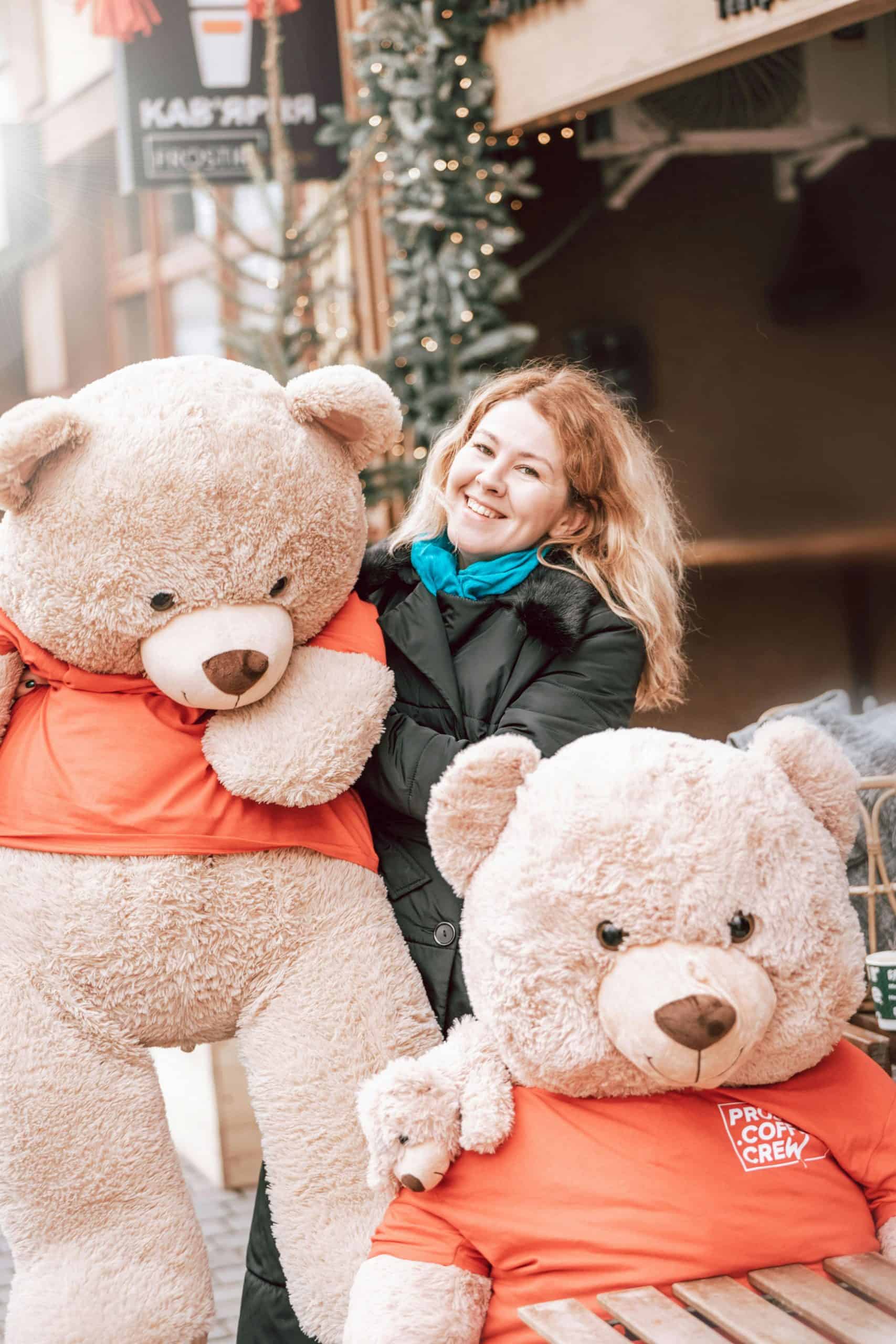
The feeling of safety that a teddy bear provides does not vanish when you turn eighteen. Many adults still keep a stuffed animal from childhood, or buy one later in life, but speak about it rarely. Some hide them under pillows, keep them on shelves, or place them quietly on a desk at work. Others pack them for travel, especially on long trips or unfamiliar hotel stays, because the bear brings a sense of home. This is not a sign of being childish. Many therapists and mental health professionals view it as a legitimate coping mechanism.
When you hug a soft teddy bear, you know, it can help you feel less anxious, sleep better, and remember happier times during stress, sadness, or major transitions. The body recognises familiar touch and softness. For someone going through a breakup, moving to a new city, recovering from illness, facing exams, beginning a new job, or navigating a new relationship, a teddy bear can be a stable companion. It remains the same when everything else changes.
For some adults, the teddy bear becomes a symbol of identity continuity. It reminds them that they are still themselves, even when life shifts around them. It can reconnect them with a version of themselves that was more innocent, more honest, and less burdened by performance. A teddy bear can feel like a friend that knows secrets. It holds memories without judgement. It allows the person to be soft without apology.
That is one of the most meaningful points about adult attachment to teddy bears: it gives people permission to be gentle with themselves. Modern adulthood often demands toughness. It rewards endurance and composure. It discourages visible vulnerability. The teddy bear becomes a private counterbalance, a reminder that softness is not something to be ashamed of.
In relationships, this softness can become shared. A partner may tease the presence of a teddy bear at first, then later realise that the bear’s comfort is contagious. After long days, the bear’s quiet presence can soften the edges. It becomes part of the relationship’s domestic landscape, alongside books, cups, and half-folded blankets. Over time, it can even become an emotional object shared between two people.
Owning a teddy bear can also reflect self-awareness, especially for those who experience anxiety or insomnia. It suggests the person understands what helps them regulate their emotions. Being an adult does not erase the need for comfort. It simply changes the way comfort is expressed. Teddy bears, in that sense, are not only for kids. They are for anyone who wants to be kinder to themselves.
Teddy Bears, Teddy Day, and Valentine’s Romance
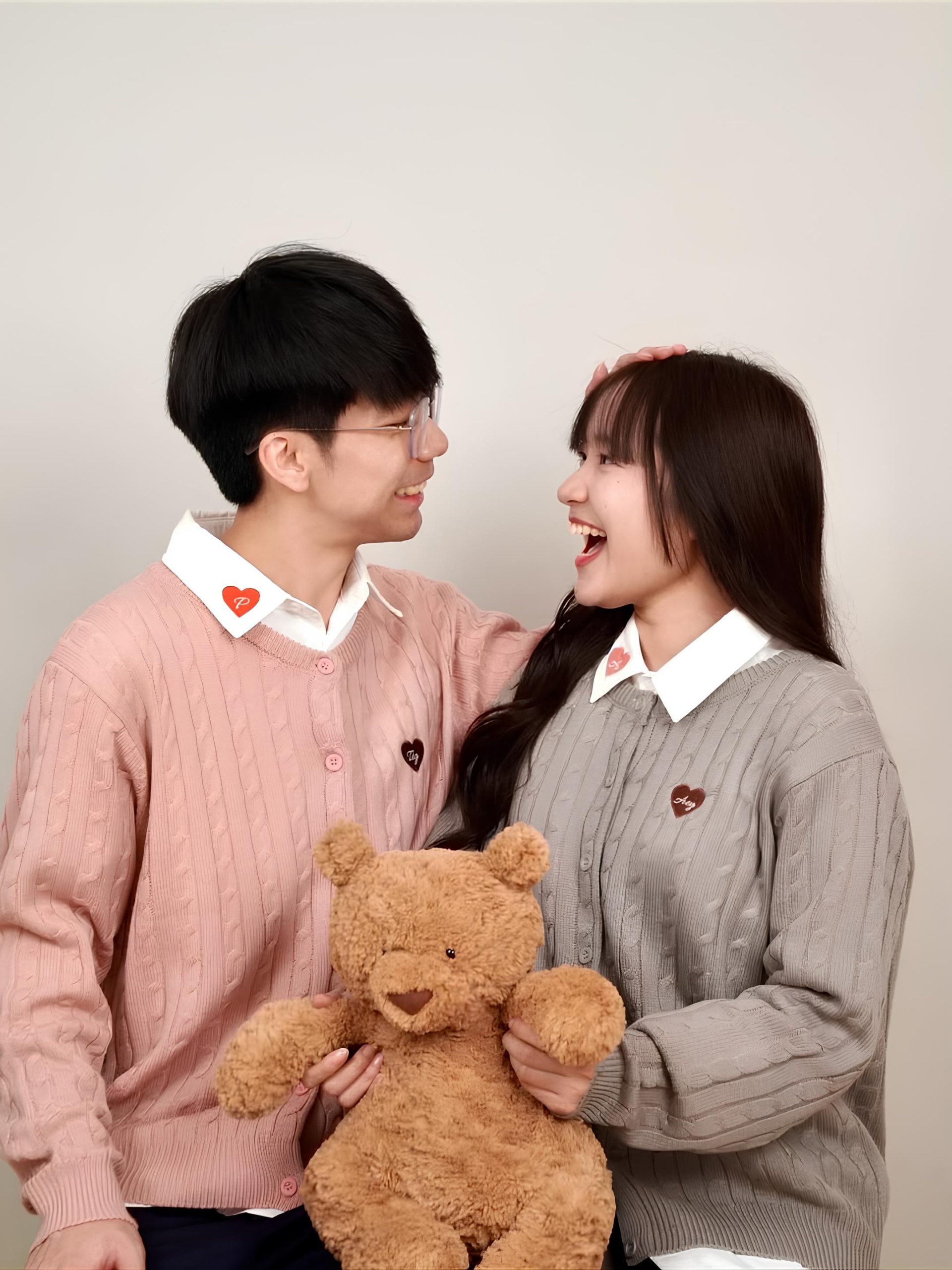
Teddy bears are also deeply entangled with modern romance, particularly in countries like India where Valentine’s Day has expanded into Valentine’s Week. Each day carries its own symbolic gesture, and Teddy Day, celebrated on February 10, positions the teddy bear as a language of comfort.
Giving a teddy bear on Teddy Day is like giving someone a hug they can keep. The gesture says, “When I am not with you, this will remind you of me. This will help you feel safe. This will sit with you when you are alone.” It is romantic, but it is also protective. It links love to reassurance rather than spectacle.
Retailers have embraced this cultural momentum. As Teddy Day and Valentine’s Day approach, teddy bears fill shops and online marketplaces. Many are red, pink, or cream, decorated with hearts, bows, or affectionate slogans. Some wear T-shirts with jokes or names. Others arrive holding roses or paired with rings.
Bundles have become a major part of the gifting economy. Teddy bears are combined with flowers, cakes, perfume, chocolate, or jewellery, creating the impression of a grand romantic package. Yet what makes the teddy bear distinct within these combinations is that it lasts. Cakes get eaten. Flowers wilt. Chocolates disappear. The teddy bear remains on a bed, shelf, or chair long after the season’s rush has faded. It becomes the object that carries the memory forward.
Personalisation intensifies this effect. Bears with names stitched onto paws. Dates printed on ribbons. Photo shirts attached to plush bodies. Some bears even play recorded messages when squeezed, allowing the recipient to hear “I love you” in the giver’s voice. The teddy bear becomes not only a gift, but an emotional device.
Some stuffed animals are designed as matching pairs, posed together, reflecting a couple’s story. Others resemble characters from films or television, giving the gift a shared cultural reference. In each case, the teddy bear stops being an ordinary soft toy and becomes a narrative object, sewn together with fabric, thread, and memory.
What makes this work is that teddy bears bring childhood comfort into adult romance. The emotional logic of the gift is gentle but powerful. It is not as intimidating as expensive jewellery, and yet it carries deep meaning. It says, “I want you to feel wanted, safe, and calm when you think about me.” It invites touch, holding, and closeness. It is romantic in a way that feels intimate rather than performative.
Over time, the bear absorbs the relationship’s history. It becomes present for ordinary nights, for fights and reconciliations, for travel, for loneliness, for the moments when you miss someone and need something physical to hold. It becomes a quiet witness to the relationship itself.
Storybook Stars, Screen Icons, and Cultural Imagination
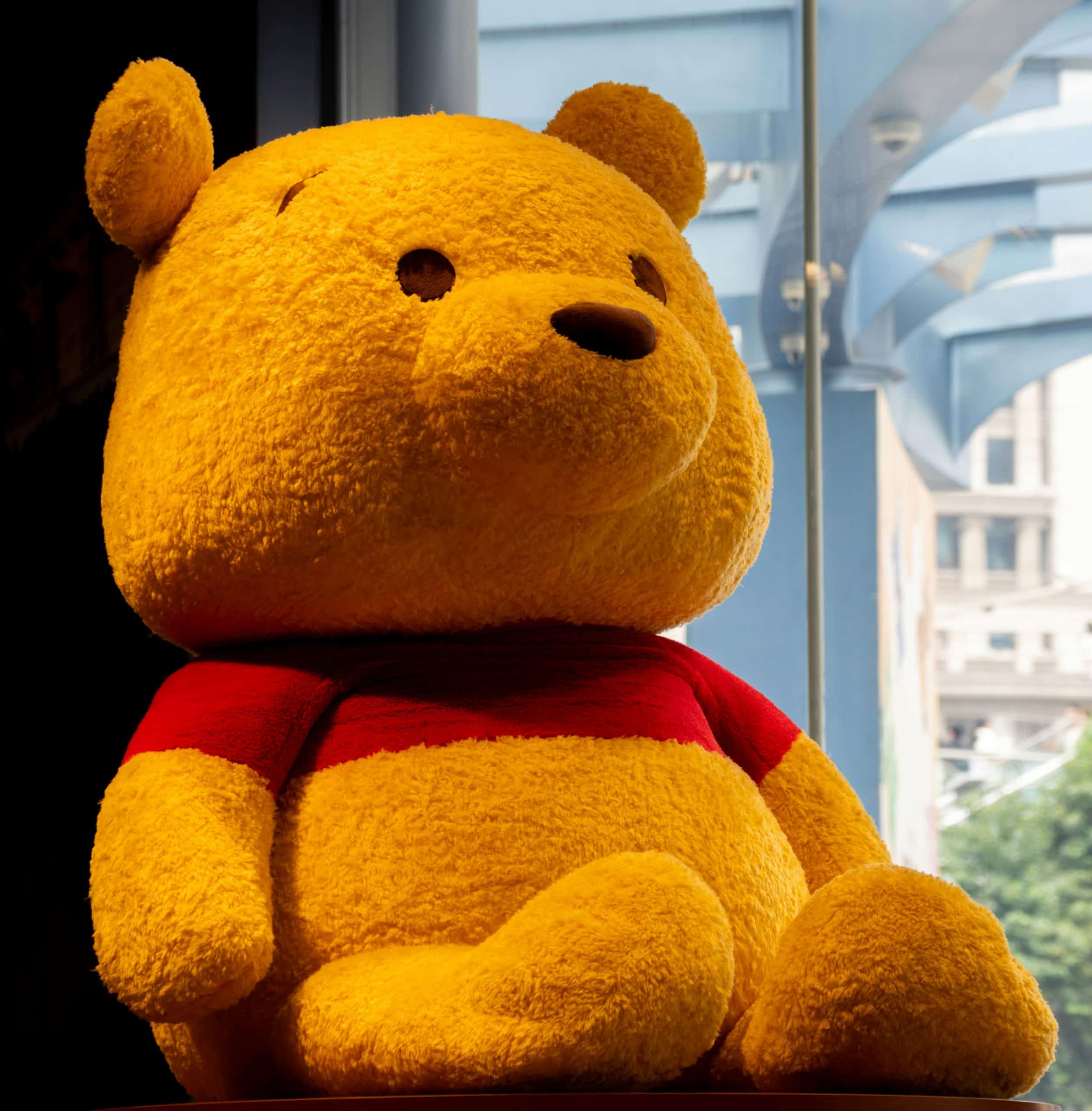
Teddy bears have also become cultural symbols through stories, films, and television. In children’s books, characters like Winnie-the-Pooh shape how people imagine teddy bears. Pooh’s apparent simplicity makes him approachable, but his stories often carry deeper themes: loneliness, loyalty, anxiety, and the need for friendship. He asks important questions in a gentle way, which is part of why he continues to resonate.
Paddington Bear, arriving at Paddington Station with a tag that reads “please take care of this bear,” reflects a different emotional landscape: displacement, migration, and the search for home. The busy city does not always understand him. He remains polite and hopeful anyway, which makes him lovable. His story echoes the experience of anyone trying to belong in an unfamiliar environment.
Books like Corduroy explore longing and worth through a small bear waiting on a shop shelf, hoping to be chosen. The search for a missing button becomes a metaphor for feeling incomplete, and the desire to be picked becomes a tender expression of wanting to belong.
Screen culture expands the teddy bear’s emotional range. The Care Bears of the 1980s turned feelings into icons, each bear representing something like kindness, hope, or happiness. Fozzie Bear, the joke-telling optimist of The Muppet Show, becomes lovable precisely because he fails and tries again. He is sweetness without self-pity.
Then there are darker or more complicated portrayals. Pixar’s Lotso in Toy Story 3 is plush, strawberry-scented, and deceptively warm-looking, yet driven by bitterness born of abandonment. Lotso shows that even soft things can hold pain, and that cuteness does not guarantee kindness.
The adult comedy Ted twists the concept further, presenting a living teddy bear who becomes both comfort and obstacle in a man’s life. The humour relies on contradiction: the teddy bear looks innocent but behaves badly. Yet underneath, Ted still carries the core idea teddy bears have always carried: comfort, attachment, and the difficulty of growing up.
Across these portrayals, teddy bears become mirrors of human emotion. They can symbolise innocence, comedy, heartbreak, resilience, wisdom, or grief. Their flexibility is part of their cultural power. They can be almost anything, because we project almost everything onto them.
Bears in Hospitals, Therapy, and Wellness
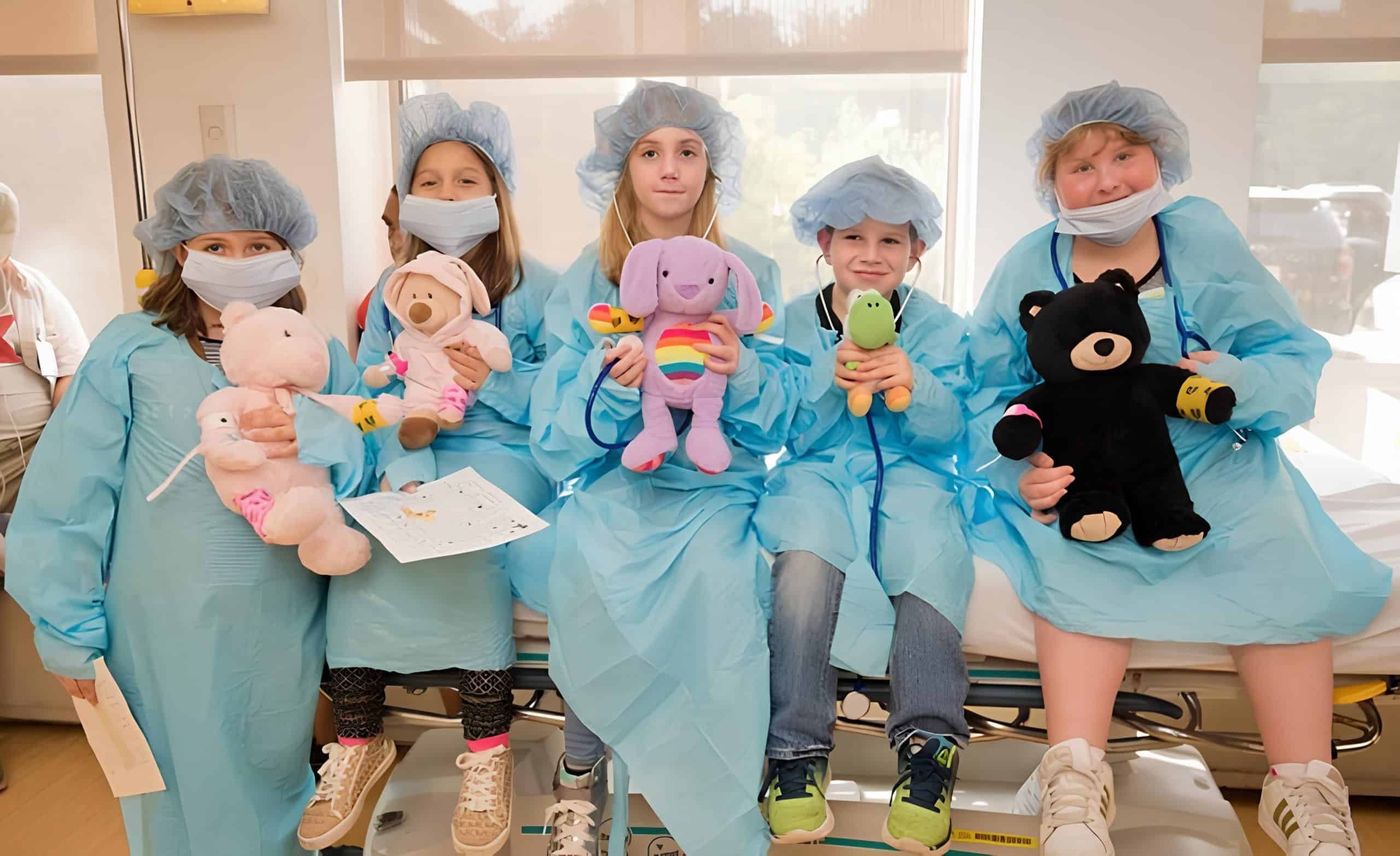
Outside romance and storytelling, teddy bears have an important role in healthcare and therapy. Children’s hospitals and clinics often run teddy bear clinics where kids bring their bears for pretend checkups. The bear gets a mock injection, scan, or bandage while doctors and nurses explain what is happening. This approach allows children to place fear onto the toy and ask questions without it feeling like it is about them. It makes hospitals less mysterious and less frightening.
These programmes can reduce anxiety and increase cooperation. When a child sees a bear “getting a shot” and staying okay, it becomes easier to believe that they will also be okay. The teddy bear becomes a teaching tool that transforms fear into understanding.
Therapists also use teddy bears in sessions with children who struggle to express feelings directly. Asking, “How does your teddy bear feel about what happened at school?” creates emotional distance. The bear becomes a stand-in that makes it safer to talk about shame, anger, sadness, or confusion.
Technology has entered this space too. Researchers and hospitals have developed robotic bears that move, speak, and respond to touch. They can play games, distract patients from pain, and offer companionship. Children often find it easier to engage with a friendly bear than with a screen. The bear feels like a presence, not a device.
Weighted teddy bears have emerged as tools for anxiety and autism, using deep pressure stimulation to calm the nervous system. App-connected plush companions play calming sounds and guide breathing exercises, acting as gentle prompts for relaxation. For people with dementia, holding a soft teddy bear can reduce agitation and provide comfort. For adults living alone, a bear can ease loneliness, not as a replacement for people but as something tangible to hold during difficult moments.
Across these uses, the teddy bear becomes more than a toy. It becomes an emotional support object, a therapeutic partner, and a bridge into care.
Collectors, the history of commerce, and symbolism
Teddy bears are also cultural artefacts and commercial products. They are part of a global plush toy industry worth a great deal of money, bought for babies, birthdays, holidays, and anniversaries. The internet has expanded this market, allowing large brands and independent artists to sell handmade bears, eco-friendly bears, and nostalgic designs. The teddy bear shape is instantly recognisable, making it endlessly adaptable for products and storytelling.
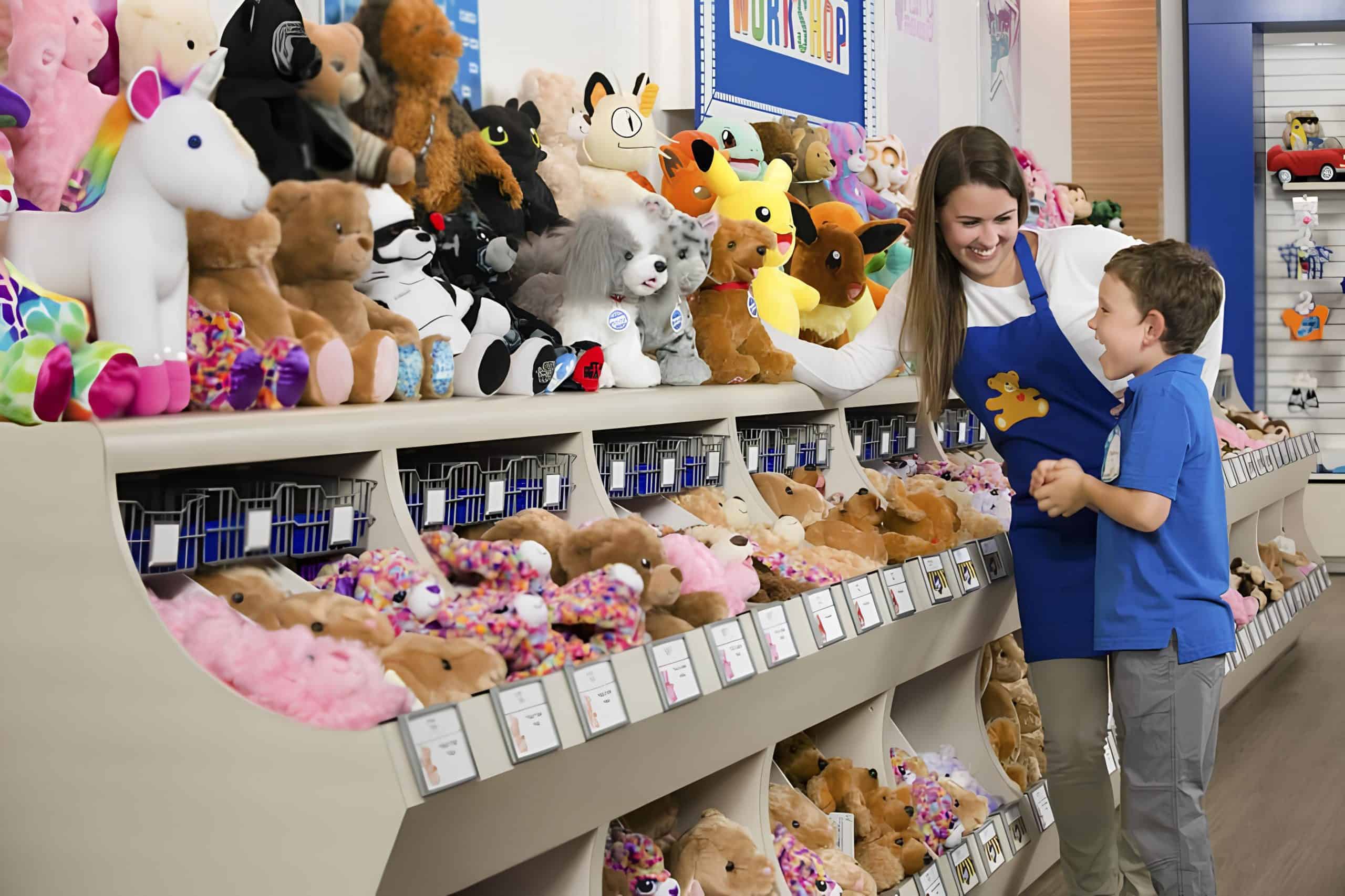
Build-A-Bear Workshop turned bear-buying into an experience. Customers choose an unstuffed bear, fill it with stuffing, place a heart inside, and then dress it with outfits and accessories. The process creates emotional investment. For children, it feels like they “made” the bear, and that makes the bond stronger. For the brand, it creates loyalty and repeat visits. Build-A-Bear’s collaborations with movie studios and fashion brands demonstrate how adaptable the teddy bear has become as a platform for commerce.
Collectors bring another layer of seriousness. Steiff, the German company known for early teddy bears, produced mohair bears with joints and the iconic button in the ear. In excellent condition, early Steiff bears can sell for extraordinary sums at auction, sometimes reaching hundreds of thousands of dollars. Collectors examine bears with precision: eye materials, stitching styles, fabrics, joints, labels, condition, and provenance. In this world, teddy bears are not only sentimental objects. They are valuable cultural items and investments.
The teddy bear also carries deep symbolic meaning. In many places, it represents childhood, parental care, and the sense that someone is watching over you even while you sleep. In other contexts, teddy bears symbolise recovery after trauma, kindness during hardship, and compassion in difficult times. Their special power lies in the contradiction they embody: the bear suggests strength as an animal, yet softness as a toy. It is both protective and comforting at once.
The story of the teddy bear’s origin ties symbolism and history together. In 1902, US President Theodore Roosevelt went bear hunting in Mississippi and was presented with a restrained bear to shoot. Roosevelt refused, considering it unfair. Political cartoonist Clifford Berryman drew Roosevelt with a small bear cub, and the image circulated widely. Inspired by this, Brooklyn shopkeepers Morris and Rose Michtom created a stuffed bear cub, displayed it in their shop window, and called it “Teddy’s bear.” It became a sensation.
Around the same time, Margarete Steiff’s company in Germany was producing bears that became popular at trade fairs. The teddy bear’s rise was swift. It moved into nurseries, books, film and television, gift culture, therapy, hospitals, and collectors’ markets. It became a global symbol with local variations and universal emotional logic.
When you step back, the teddy bear reveals itself as far more than something cute. It is a place where emotion lives. It is a container of stories. It is a tool for doctors and therapists. It is a serious object for collectors. It is a symbol of love and comfort.
Whether it arrives as a Teddy Day surprise, sits quietly in a hospital bed, stars in a bedtime story, or appears at auction with a price tag higher than a car, the same promise runs through it: here is something soft you can hold when life feels hard. In a world that often demands toughness, the teddy bear makes a gentle counteroffer: there is strength, and dignity, in allowing yourself to need comfort.
Read more – Latest


1 Comment