

In an exclusive conversation with Kamal Gill, Executive Editor, Today’s Traveller, William E Heinecke, Founder & Chairman of Minor International, discusses why India is central to Minor Hotels’ long-term plans, its measured approach to growth, and the role of discovery, experience, and service in shaping that journey
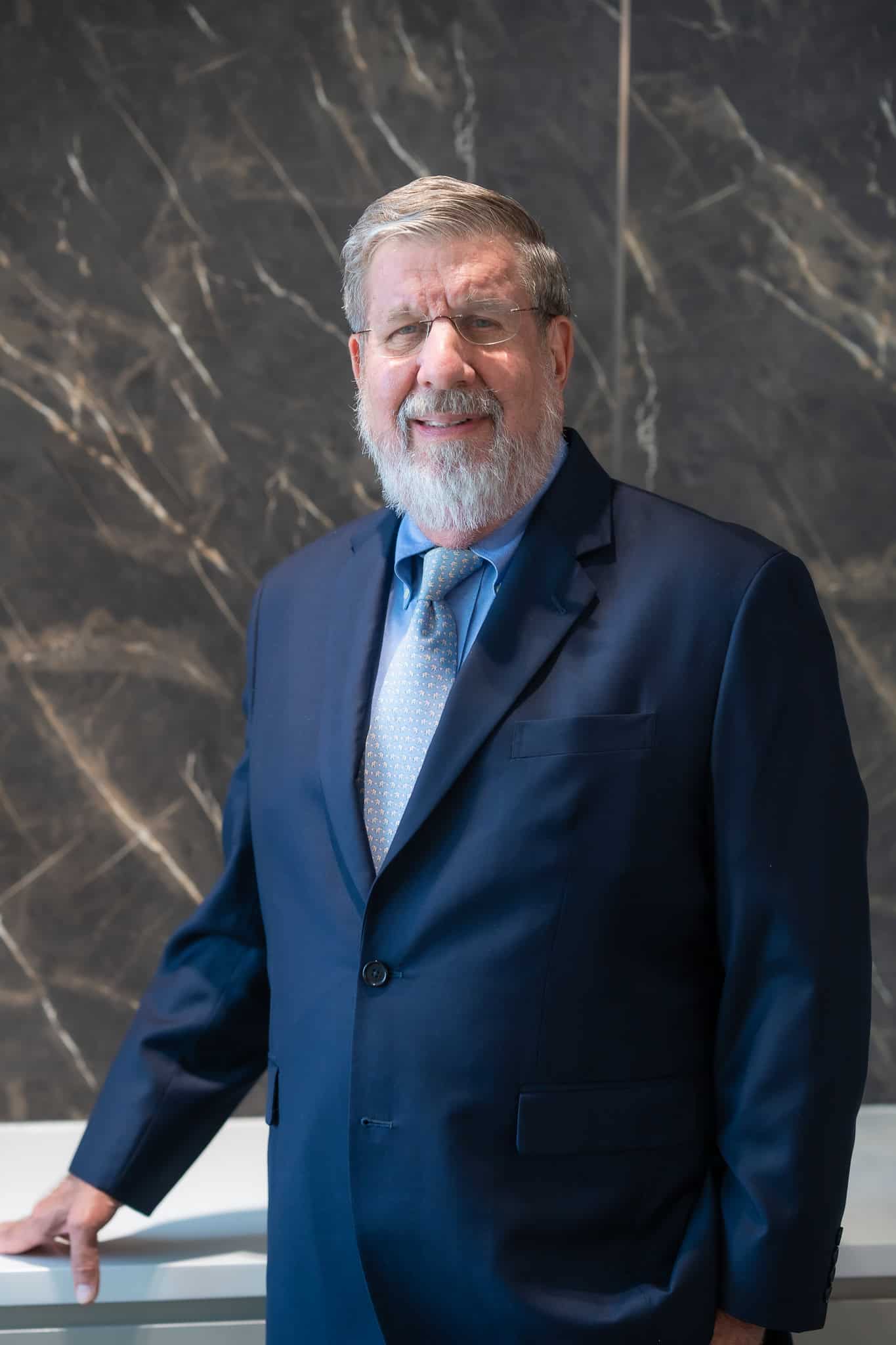
William E Heinecke, Founder & Chairman of Minor International, outlines a clear and deliberate vision for India as Minor Hotels builds its presence across the country. He speaks about the group’s target of 50 hotels over 10 years, the importance of choosing the right owners and development partners, and why India is not being viewed merely as a scale market, but as a “discovery market” where luxury, lifestyle, and experience-led hospitality can grow in meaningful ways.
He also reflects on the role of brands such as Anantara and Avani, the value of owner-friendly loyalty, and the importance of people and service in sustaining long-term success.
The timing is especially relevant. Minor Hotels has recently announced two major Anantara signings in India: Anantara Zanti Coorg Resort, set to become the brand’s first resort in the country, and Anantara Kolkata Hotel, which will be its first urban hotel in India.
These additions build on the performance of Anantara Jewel Bagh Jaipur, which introduced the brand to India in 2025, and follow the signing of Avani+ Sunray Beach Visakhapatnam Resort, reinforcing Minor Hotels’ dual strategy across leisure destinations and key cities.
TT Bureau: What kind of growth is Minor Hotels looking at for the India market and over what period?
William E Heinecke: We have set a goal of 50 hotels over 10 years. We do not see this as overly ambitious, but it is the right goal for us, as it allows us to focus on the quality of our owners, the quality of our development, and the strength of our brands.
India is such an important market, and we want to get it right. We are taking a realistic approach. We currently have about 600 hotels globally and hope to grow that number to close to 1,000. For around 5% of our global portfolio to be in India would be a significant achievement and exactly the kind of growth we want to pursue thoughtfully.
TT Bureau: What steps have you taken to put this growth plan into action, and why is India already important for Minor Hotels?
William E. Heinecke: We have been focused on building our infrastructure in India. Even before we announced our plans and our first few hotels, India was already an important market for us. That is because outbound travel from India continues to be one of the biggest sources of bookings for the group as a whole.
Over the last 25 years, Anantara has built strong demand in India, and the moment we announced our plans and began to sharpen our focus on the market, we received overwhelming acceptance and support for what we are trying to do here.
That familiarity with the brand has certainly helped. As India works to grow its inbound travel market, we believe Anantara and our global presence can also play a meaningful role. Our owners need to rely on both domestic and international demand to fill quality hotels at the right rates.
TT Bureau: Which brands do you think will have the greatest draw in India, and how would you position them?
William E Heinecke: Without a doubt, Anantara has been one of our most important brands. It now dates back 25 years, and Avani, which is approaching 15 years, is also well known and has a strong global footprint. Those are two brands that we believe will resonate very quickly. A third brand that could be very popular in India is Tivoli, a Portuguese brand we acquired a few years ago, and then, of course, NH, which is very big in Europe and particularly strong in markets such as Spain, Italy, and Germany.
In terms of positioning, Anantara is clearly a luxury brand. Avani, meanwhile, would very much be a lifestyle brand. India is not only ready for a lifestyle brand but hungry for one, and Avani fits that space well. There is also nhow, which sits more in the Gen Z category. These travellers are looking for something more digital, slightly more casual and fun, and often a little less expensive.
Very often, lifestyle hotels place much greater emphasis on public areas and may have smaller rooms, because people tend to spend more time outside their rooms. They want working spaces, restaurants, wellness, and other elements that support their lifestyle. They tend to view the room more as a utility, a place to sleep.
TT Bureau: Are you looking largely at the metros for the first phase of growth, or does your India strategy go beyond them?
William E Heinecke: No, we are looking at both tier one cities as well as resort areas. We are interested in places like Coorg, which we just announced with the 69-key Anantara Zanti Coorg Resort, and also places like Alibaug, Rishikesh, and Darjeeling. India is such a big country, and one model does not suit the whole country. You have to look at all these opportunities, including our newly signed approximately 170-key Anantara Kolkata Hotel.

Slated to open in 2032, the approximately 170-key Anantara Kolkata will anchor the upcoming World Trade Centre Salt Lake Kolkata mixed-use development.
Designed to serve the city’s growing business and meetings and events demand, the hotel will feature two restaurants, a lobby lounge, flexible meeting and event spaces, along with leisure facilities including Anantara Spa and wellness centre, a gym, and a swimming pool.
I think India is what I would call a discovery market. Yes, you may enter through Delhi, Mumbai, or Kolkata, but then you are going to go elsewhere. You are not going to be spending all your time in that first-tier city. You are going to want to experience resorts and perhaps another city. So yes, leisure and resort locations are obviously important, but first, second, and third-tier cities are also very important for both business and leisure.
TT Bureau: You used the word “discovery” in a very striking way. Could that become a thread that connects your brands in India?
William E Heinecke: Yes, there is something that runs through all of our brands, and that is the emphasis on experiences. These can take the form of food, wellness, or exploration. So if you had to identify a thread that runs across all of our brands, it would be the focus on experiences, whether at the Anantara level, the Avani level, or the Tivoli level.
So yes, I think it would be fair to say that the way Minor brands connect with their locations is through discovery. That is absolutely right. India, as a market, is a discovery market, and our brands place so much effort and emphasis on helping guests experience the destination in different ways.
TT Bureau: What do you see as the biggest challenge in the Indian marketplace, and how does your loyalty model support long-term growth?
William E Heinecke: I think it always comes back to people. Not only in securing leadership at the higher levels, where we are fortunate to already have some excellent leaders and more to come, but also in ensuring that service standards bring everything together.
No matter how expensive or affordable a hotel stay may be, the one thing that always stands out is the level of service. India already has high expectations for excellent service, both from inbound and domestic travellers. A great deal of our emphasis, therefore, is on human development. We have our own university in Thailand, and we hope to draw talent from that. In my journey over the years, it has always come back to people. Success and failure can usually be traced back to the people.
On the loyalty side, our programme is strong because it works well for both the user and the owner. Our loyalty card gives guests multiple brands to choose from, unlike some programmes where points can only be used within one company’s hotels.
In our case, Discovery Dollars can be used at any hotel in the alliance. We believe that makes it a very balanced programme. It offers tremendous incentives for the consumer, while also respecting the owner’s investment. If you are going to have a successful loyalty programme today that can stand the test of time, it has to be very balanced.
Read more – Today’s Traveller Interviews