

Along unforgettable roads, luxury car journeys bring South Asia’s landscapes, cultures and distances into focus
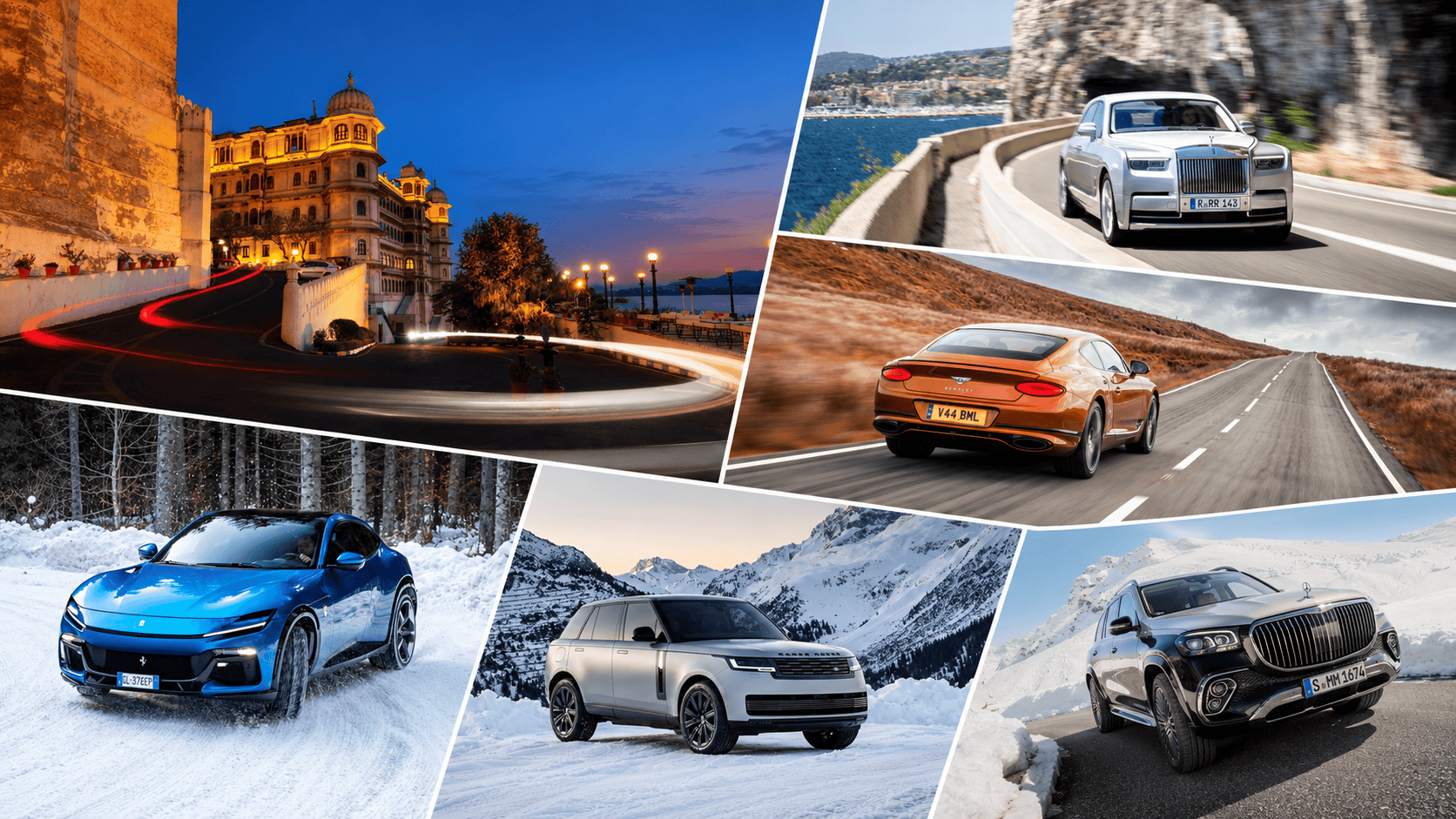
The most satisfying road journeys often begin with a simple idea: keep going. No elaborate philosophy, no race against the clock, only a compelling road and enough distance for the surroundings to change around you. The pleasure builds quietly as familiar scenery disappears and another region starts making itself known.
Luxury enters through comfort, engineering and the freedom to travel well over long distances. Over several hundred kilometres, those qualities begin attaching themselves to places, weather, food and memory. The car becomes part of the journey in a way that rarely happens on a short drive, especially when the landscape keeps changing around it.
Rajasthan in a Rolls-Royce Phantom

Jaipur knows how much detail a city can carry before the eye begins losing count. Gemstones flash behind Johari Bazaar counters. Meenakari, block printed fabrics, carved stone screens and painted facades keep older craft traditions visible in everyday commerce, while newer hotels, galleries and ateliers have given that design vocabulary fresh confidence.
The Phantom, Rolls-Royce‘s flagship, feels comfortable in a city built around patronage and skilled hands. Beneath its long bonnet sits a 6.75-litre twin-turbo V12 producing 563 bhp and 900 Nm, though the numbers quickly recede once the doors close. Rolls-Royce gives clients extraordinary scope inside the cabin. The Gallery running across the fascia can hold specially commissioned art, while leather, veneers, embroidery and colour follow an individual brief.
Jaipur and the Phantom meet most naturally through that appetite for work made with intent. Westward, the city thins slowly. The road grows broader, roadside development recedes and the colours begin drying under the Rajasthan sun. Jodhpur appears with Mehrangarh high above the old city, its blue houses pressed together below a fort that seems to grow directly out of the rock.
Umaid Bhawan Palace shifts the period completely. Built in the twentieth century, it brings Art Deco influence into royal scale and keeps the journey clear of becoming a procession of medieval Rajasthan. The palace has its own confidence, grand in proportion yet unmistakably shaped by a newer age.
South of Jodhpur, the Aravallis gather around the road and Ranakpur introduces a cooler, paler world. Its Jain temple spreads across more than 48,000 square feet and holds 1,444 intricately carved pillars. Marble dominates the interior, with light moving through carved corridors, domes and columns so densely worked that the eye rarely settles in one place for long.
The hours spent inside the Phantom begin making sense here. Rajasthan has always valued detail that reveals itself slowly. Udaipur changes the mood once again. Lake Pichola catches the late light, City Palace holds the shoreline and Sajjangarh sits high above the city. After Jodhpur’s dry openness, the water feels almost extravagant. Roadside shrines, marble yards, village markets and long views across the Aravallis have already filled the journey before the lake appears.
By then, the Phantom has become less a statement and more a very polished way of watching Rajasthan change.
Sri Lanka in a Bentley Continental GT Mulliner
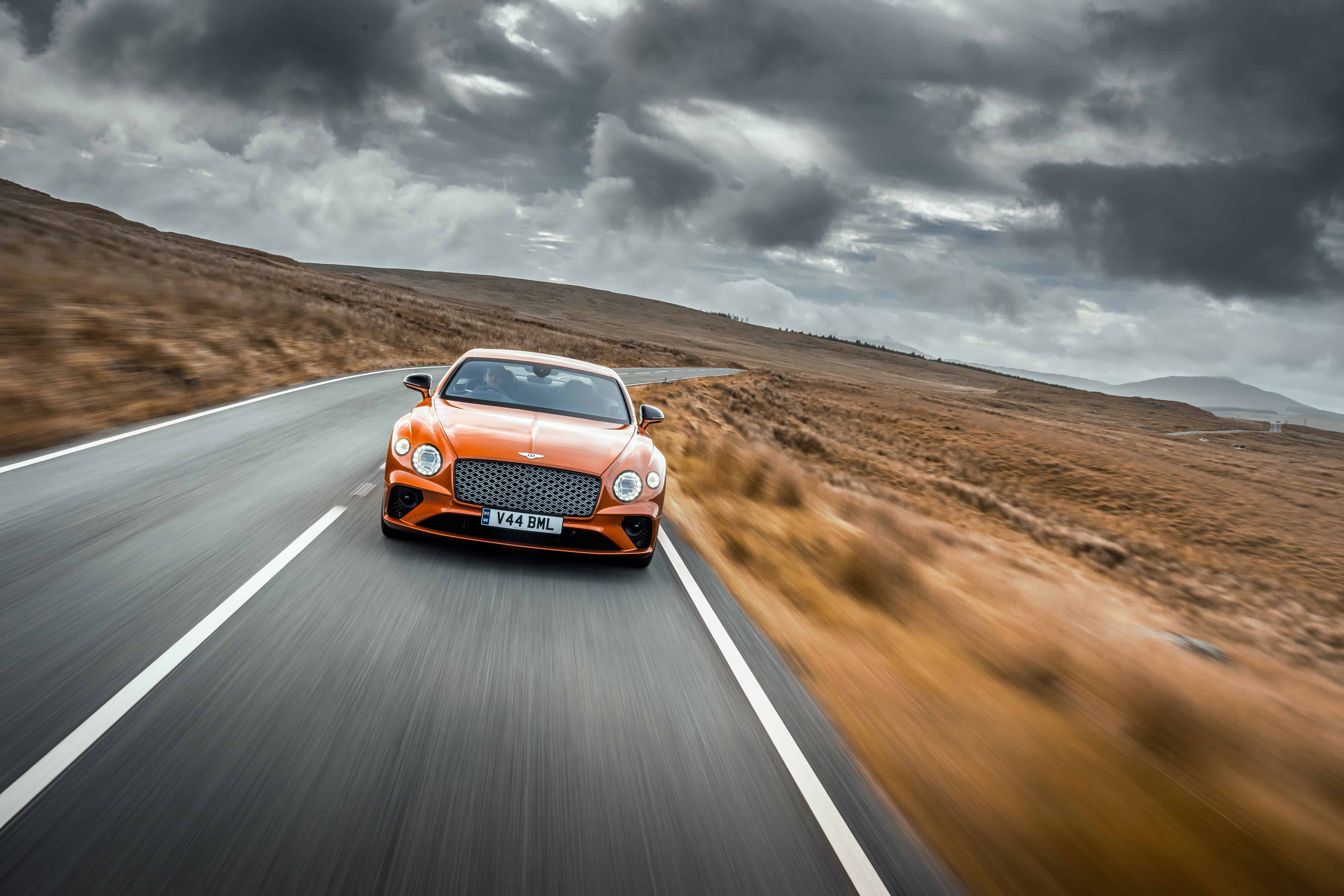
Colombo loosens gradually. Traffic thins in stages, buildings lose height and the sea begins appearing in brief blue interruptions between palms, railway lines and houses. Somewhere along the southern coast, those glimpses become a rhythm and the Indian Ocean starts travelling beside the road.
Galle gives the drive its first real pause. Inside the eponymous fort, old merchant houses share narrow streets with churches, courtyards, cafés and small hotels. Portuguese and Dutch influences remain visible, yet the district still feels lived in. Morning is especially rewarding, when the walls retain some coolness and the lanes have not fully gathered pace.
The Continental GT Mulliner belongs naturally on this stretch. Its 4.0 litre V8 hybrid system produces 771 bhp and 1,000 Nm, though the car’s deeper appeal lies in the ease with which it carries speed and distance together. Acoustic glass, air suspension and an interior built around long hours behind the wheel give the Bentley a sense of calm even when the road encourages a quicker rhythm.
Past Galle, Weligama stretches around its bay and the coast begins feeling looser. Fishing boats sit close to shore, surfers wait beyond the breaks and small restaurants work with crab, prawns and whatever the boats have brought in. Hoppers arrive crisp at the edges, curries run hot with spice and coconut sambols keep appearing beside almost everything.
Tangalle extends that mood with longer beaches and quieter sections of coast before the road begins turning inland.
The change is quick enough to feel theatrical. Coconut palms start thinning, the air cools and bends tighten as elevation rises. Tea estates spread across the hills around Ella, with cloud slipping into valleys that seem far removed from the coast left behind only a few hours earlier.
This is where the Bentley earns its grand touring credentials properly. The coastline has given it flow; the hill roads bring sharper steering, tighter corners and a more involved drive. One day has moved through sea air, old trading streets, fishing towns and plantation country without ever feeling hurried.
Sri Lanka packs remarkable variety into a relatively compact distance, which makes the road itself one of the island’s better luxuries.
Bhutan in a Range Rover SV
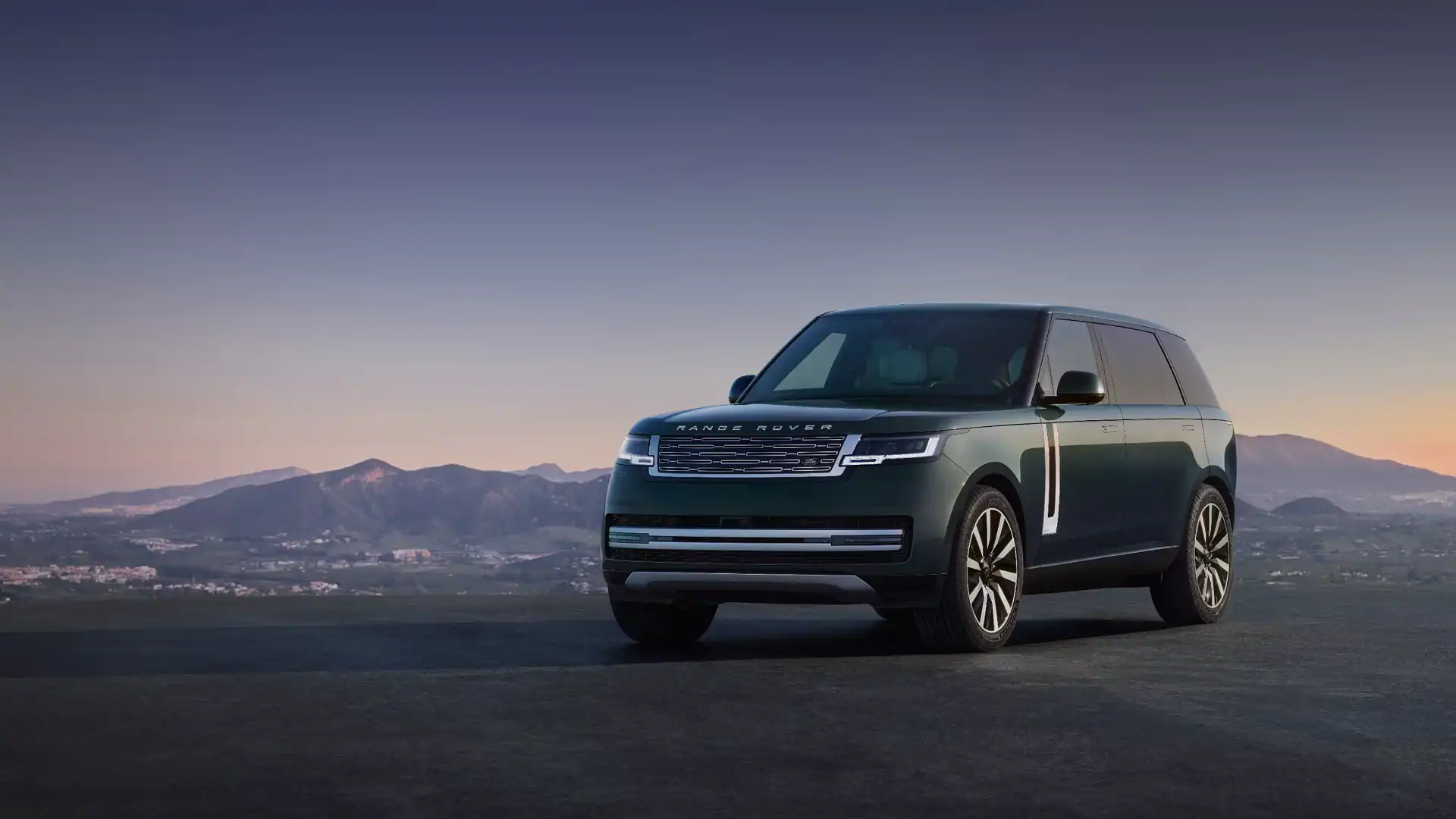
Bhutan has a way of making distance feel vertical. Paro begins wide and agricultural, with fields across the valley floor and traditional farmhouses beneath steep slopes. Timber windows, painted details and sloping roofs give even ordinary buildings a strong sense of place. Mountains remain close enough to hold the entire valley in a kind of natural frame.
Thimphu introduces contemporary life without escaping that geography. Traffic, cafés, offices and shops gather tightly in the valley, and once the capital falls away the road begins climbing through forest.
Dochula opens almost suddenly. The 108 chortens on the pass gather across a low ridge, sometimes wrapped in cloud, sometimes backed by long Himalayan views. Forest dominates the climb, and the air feels noticeably cooler before the road starts dropping again.
Punakha lies in warmer country. Terraces appear, vegetation thickens and the great Punakha Dzong occupies the meeting point of the Pho Chhu and Mo Chhu rivers. Its white walls, layered roofs and carved timber galleries create one of the journey’s strongest architectural moments.
The Range Rover SV feels particularly settled here. The current 4.4 litre mild hybrid V8 produces roughly 607 bhp and 750 Nm, backed by the height and suspension control that make long mountain days easier. Power sits in reserve; composure matters more when the road keeps climbing, dropping and tightening around the landscape.
Food changes the experience as well. Red rice, cheese based stews and chilli appear frequently, with ema datshi carrying the most familiar reputation. Butter tea, momos and noodles add another layer, especially as the road moves deeper into the hills.
Phobjikha brings release after hours spent following curves and gradients. The broad glacial valley opens beneath forested slopes, with farmhouses sitting far apart across the landscape. Winter brings black necked cranes into the marshes, and the low level of settlement gives the valley an unusual stillness.
The Range Rover shrinks within that space. After all the craft, power and polished surfaces inside, the openness outside carries the stronger luxury.
Ladakh in a Ferrari Purosangue
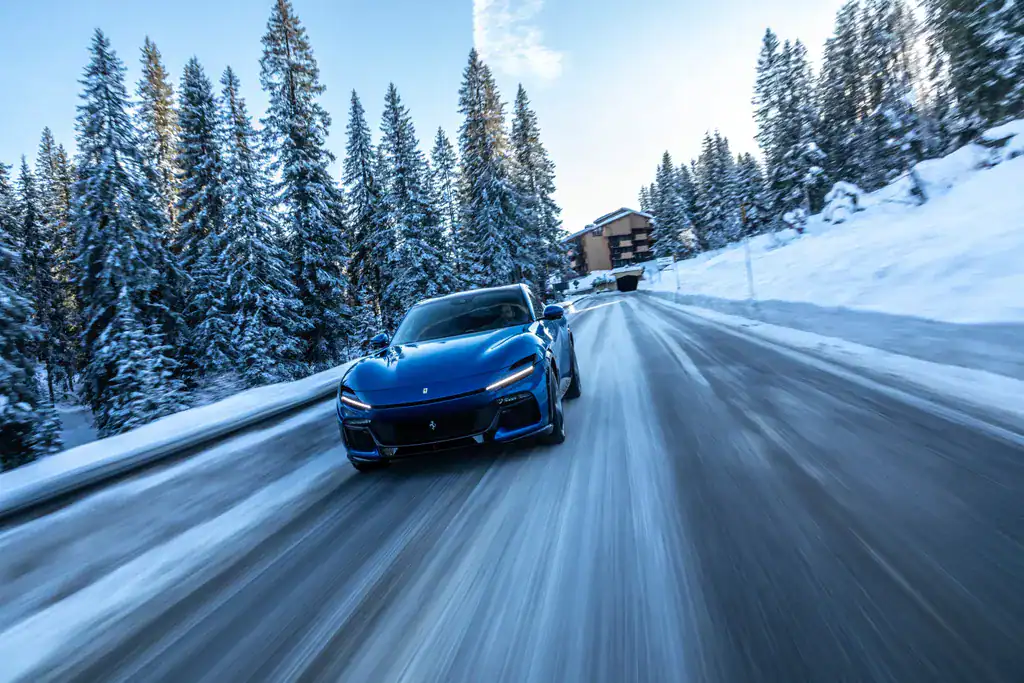
Srinagar gives little warning of what lies ahead. Water shapes the city, gardens occupy its slopes and poplars line stretches of road. Deeper into Kashmir, Sonamarg raises the mountains around the highway while meadows and the Sindh Valley hold onto green.
Then the landscape sharpens. Around Zoji La, the softer valley begins falling away and exposed mountain faces take over. The road feels more serious here, held between steep slopes and altitude. Drass lies beyond, followed by Kargil, where settlements sit against a harsher background and distance begins carrying more weight.
A Ferrari seems mischievous in this setting, which is part of the appeal. The Purosangue uses a 6.5-litre naturally aspirated V12 producing about 715 bhp and 716 Nm, with Four Wheel Drive and active suspension. Four proper seats and rear-hinged back doors give it a breadth of purpose that would once have sounded improbable for Ferrari.
Its character changes along this road. Near Srinagar, the V12 and sculpted proportions easily draw attention. Deeper into Ladakh, scale begins working against it. Lamayuru provides the clearest example. The monastery sits around 3,510 metres above sea level, high over pale, eroded formations that fold around the highway in strange, almost fluid shapes. The familiar moonscape comparison makes sense once the road enters this section, where the palette has been reduced to dusty browns, ochres and chalky ridges.
Farther east, villages cluster around water and cultivated strips while Buddhist monasteries occupy high ground. The cultural transition has become as visible as the geological one. Food follows it. Kashmiri breads, kahwa and richer meat dishes gradually recede; thukpa, momos, skyu, barley-based staples and butter tea become more familiar. Meals feel increasingly linked with altitude and climate.
The Purosangue gains something here that a specification sheet can never supply. Its V12 sounds different against bare rock, its proportions look different beneath a mountain wall and its visual drama begins shrinking against the scale of the landscape. By Leh, the Ferrari has stopped feeling like the most extraordinary thing in view, which may be the best compliment Ladakh can give it.
Nepal in a Mercedes Maybach GLS 600
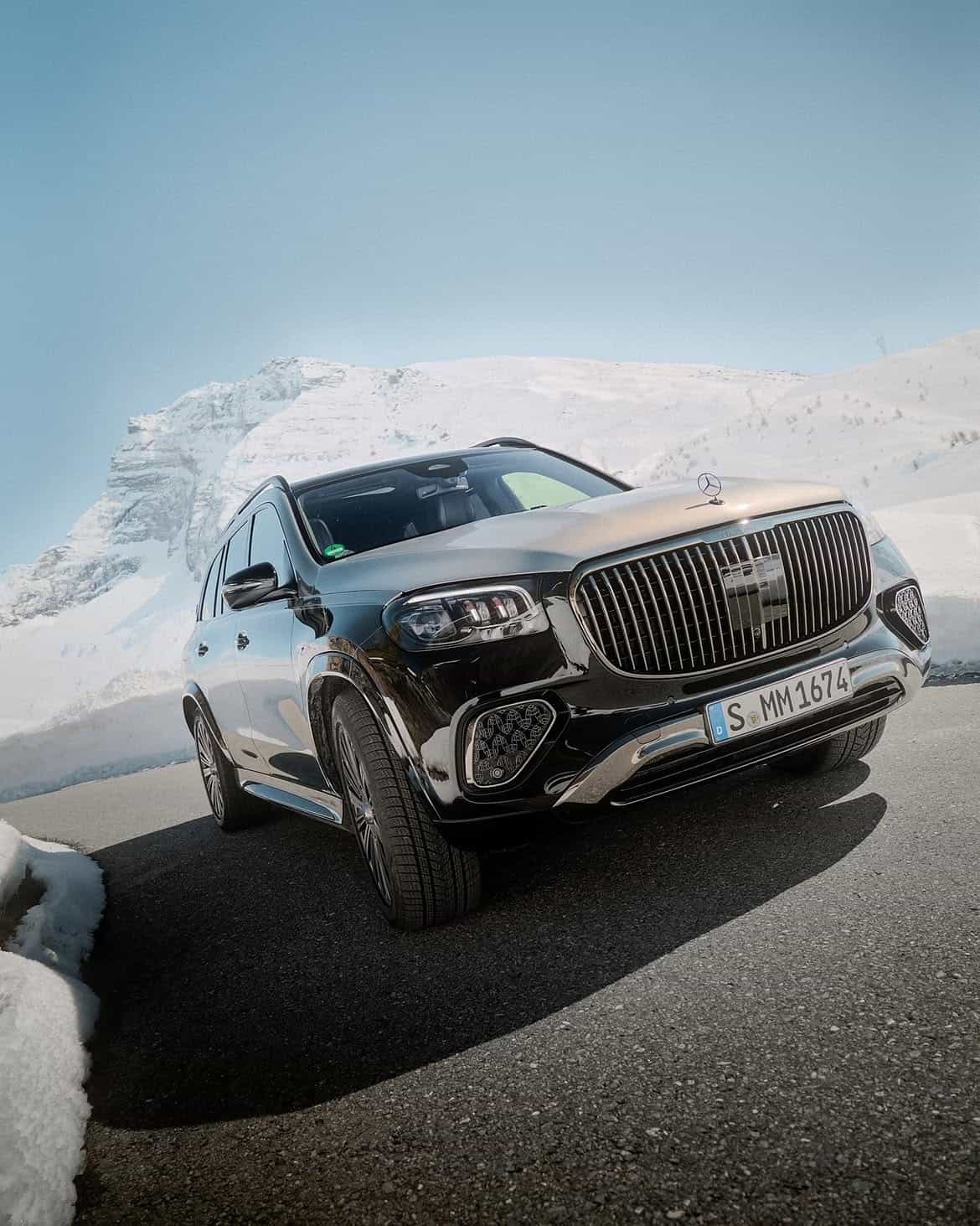
Lumbini offers the gentlest beginning of the five drives. The Terai lies low, warm and open, with the birthplace of Siddhartha Gautama at the centre of a broad sacred landscape. The Maya Devi Temple, Ashoka Pillar and monasteries built by Buddhist communities across Asia give the area an unusual architectural range. Japanese, Thai, Tibetan and other traditions sit within the same wider setting, each interpreting sacred space differently. The road north begins gaining height gradually.
Tansen sits in Palpa, built along the slopes of Srinagar Hill, and carries the compact confidence of an old trading town. Cobbled streets turn sharply between houses, while the bazaar retains associations with brasswork and dhaka textiles. Newar merchants and artisans played an important part in its commercial history, leaving influences that remain visible in the built fabric.
The Mercedes Maybach GLS 600 suits the climb because comfort remains its strongest argument. Its 4.0 litre V8 produces roughly 550 bhp and 770 Nm, with mild hybrid assistance adding another layer of smoothness. The rear cabin carries the familiar Maybach emphasis on space and quiet, while the higher seating position changes the way valleys and hill roads register outside the windows.
Tansen provides a useful middle ground between the plains and what comes later. Streets feel tighter, the air cooler and the surrounding hills more immediate.
Pokhara then opens the view dramatically.Phewa Lake spreads across the valley, and clear mornings reveal Annapurna and Machhapuchhre rising behind it. The mountains appear surprisingly close, a result of the valley’s relatively low elevation against peaks soaring above 6,000 and 8,000 metres.
The city has changed substantially over time, with hotels, cafés and adventure businesses filling the Lakeside district. Earlier trading connections with Tibet remain part of its history, while Gurung, Magar and Thakali influences continue to shape the wider region’s food and culture.
Early morning still offers another Pokhara entirely. Boats move slowly across Phewa Lake, the water catches the mountains before traffic builds and the first clear light gives the snow peaks a brief warmth.
By then, the Maybach has crossed sacred lowlands, an old hill market and one of the great Himalayan panoramas. The gradual rise is what gives the journey its character, with each stage altering the view before the mountains finally occupy most of the horizon.
After the Last Bend
Certain details begin attaching themselves to the cars after enough distance: cool marble inside Ranakpur after the Rajasthan heat, salt haze south of Galle, chilli drying beside a Bhutanese farmhouse, pale earth around Lamayuru, a dhaka shop in Tansen before Annapurna appears the following morning.
Those associations give grand touring much of its richness. Engineering sets the character of the car, while the road supplies the memories that make it specific. After several hundred kilometres, sound, weather, food and landscape begin blending into the experience, and each machine acquires a geography of its own.
The Phantom carries Rajasthan’s dry light and lake water; the Bentley gathers sea air and tea country; the Range Rover becomes tied to forest and high valleys; the Purosangue belongs for a while beneath exposed Ladakhi rock; the Maybach settles into Nepal’s gradual climb. Long after the engine falls quiet, those places remain attached to the drive.
Read more – Discover Your India