

Across India, Sri Lanka and the Maldives, nine remarkable coastal landscapes reveal where the water changes colour, each with its own distinct character
Some beaches are defined by sand. Others by what surrounds them. Forest at the waterline, coral beneath a lagoon, cliffs above the surf, a seabed that appears when the tide retreats, or a reef where manta rays gather as currents bring in plankton. Across India, Sri Lanka and the Maldives, the coast keeps changing character.
White becomes gold, turquoise deepens into blue, palms give way to laterite cliffs, and a day beside the sea can take almost any direction. There are beaches where the forest provides the only backdrop, islands where coral determines the color of water, and stretches of coastline whose appearance changes completely between morning and evening.
The variety is remarkable. Along the Andaman Islands, tropical woodland reaches towards a brilliant blue sea. Lakshadweep offers an almost improbable arrangement of reef and lagoon. Goa and Kerala bring their own coastal personalities, while Odisha’s tidal landscapes reveal the extraordinary movements of the Bay of Bengal. Farther south, Sri Lanka follows the changing monsoons, and the Maldives offers some of the region’s most fascinating encounters with marine life.
These nine coastal escapes make a compelling case for exploring the shoreline a little more closely.
Radhanagar Beach, Andaman Islands
On Swaraj Dweep, Radhanagar Beach arrives as a magnificent sweep of pale sand with dense tropical forest pressed almost to its edge. The water moves through shades of turquoise and blue, while the generous width of the shoreline gives the beach an unusual sense of scale. Also known as Beach No. 7, it lies around 12 kilometres from the island’s jetty, reached by a road through the island’s green interior.
Its greatest attraction is the relationship between forest and sea. Tall tropical trees create a deep green backdrop, their foliage reaching towards the beach without overwhelming its openness. The shoreline stretches into the distance, interrupted occasionally by fallen branches, footprints and waves advancing across the sand.
There is something particularly appealing about Radhanagar’s simplicity. Much of the beachfront development associated with mainland holiday destinations is absent from the central beach landscape. Visitors arrive to swim in permitted areas, walk the shore or settle beneath the trees. The surrounding forest remains an essential part of the experience, with its shifting shadows and birdsong lending the beach a character entirely its own.
Towards the northern end, Neil’s Cove offers a smaller, lagoon-like setting enclosed by greenery. Its waters and rocky edges create another composition of colour, especially on clear days when sunlight illuminates the shallows. Conditions can vary, and restrictions on entering the water should be respected.
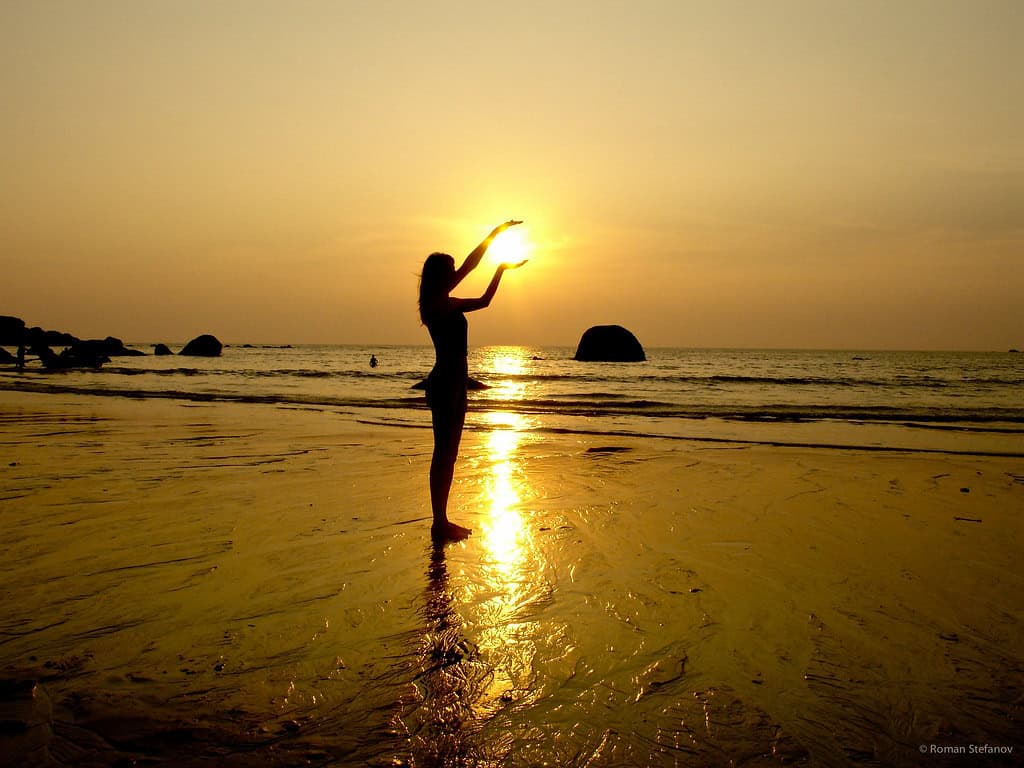
Late afternoon gives Radhanagar its most memorable light. The sun begins dropping towards the Bay of Bengal, the sand cools beneath bare feet, and the forest darkens gradually behind the shoreline. For a few moments, the water catches everything from silver to amber.
Radhanagar is particularly rewarding between October and May, when conditions are generally more favourable for enjoying the beach. An unhurried afternoon is enough to understand why this stretch of the Andamans has earned such an enduring reputation.
Bangaram and Agatti, Lakshadweep
Lakshadweep’s beauty becomes apparent long before reaching the shore. From above, the islands appear as slender marks of green and white surrounded by luminous water. The deeper Arabian Sea forms a dark blue border around lagoons so pale that sections of the seabed seem almost visible from the sky.
Bangaram is among the archipelago’s most striking islands. Covering approximately 2.3 square kilometres, it is uninhabited by a permanent resident population and surrounded by a shallow lagoon enclosed within a coral reef. Coconut groves occupy much of its interior, while beaches follow the island’s gently curving perimeter.
Nearby Thinnakara and the Parali islets belong to the same wider lagoon environment. Their arrangement creates an extraordinary sequence of colours as the water passes from shallow sandy areas to coral formations and finally the open ocean.
At Agatti, the relationship between land and water becomes even more pronounced. The island is exceptionally narrow in places, with the Arabian Sea never far from daily life. Its lagoon extends across approximately 17.5 square kilometres, providing a sheltered environment for coral formations and reef fish.
Agatti also serves as the principal air gateway to Lakshadweep. Arriving here introduces visitors to an island culture closely connected with fishing, traditional livelihoods and the rhythms of the sea.
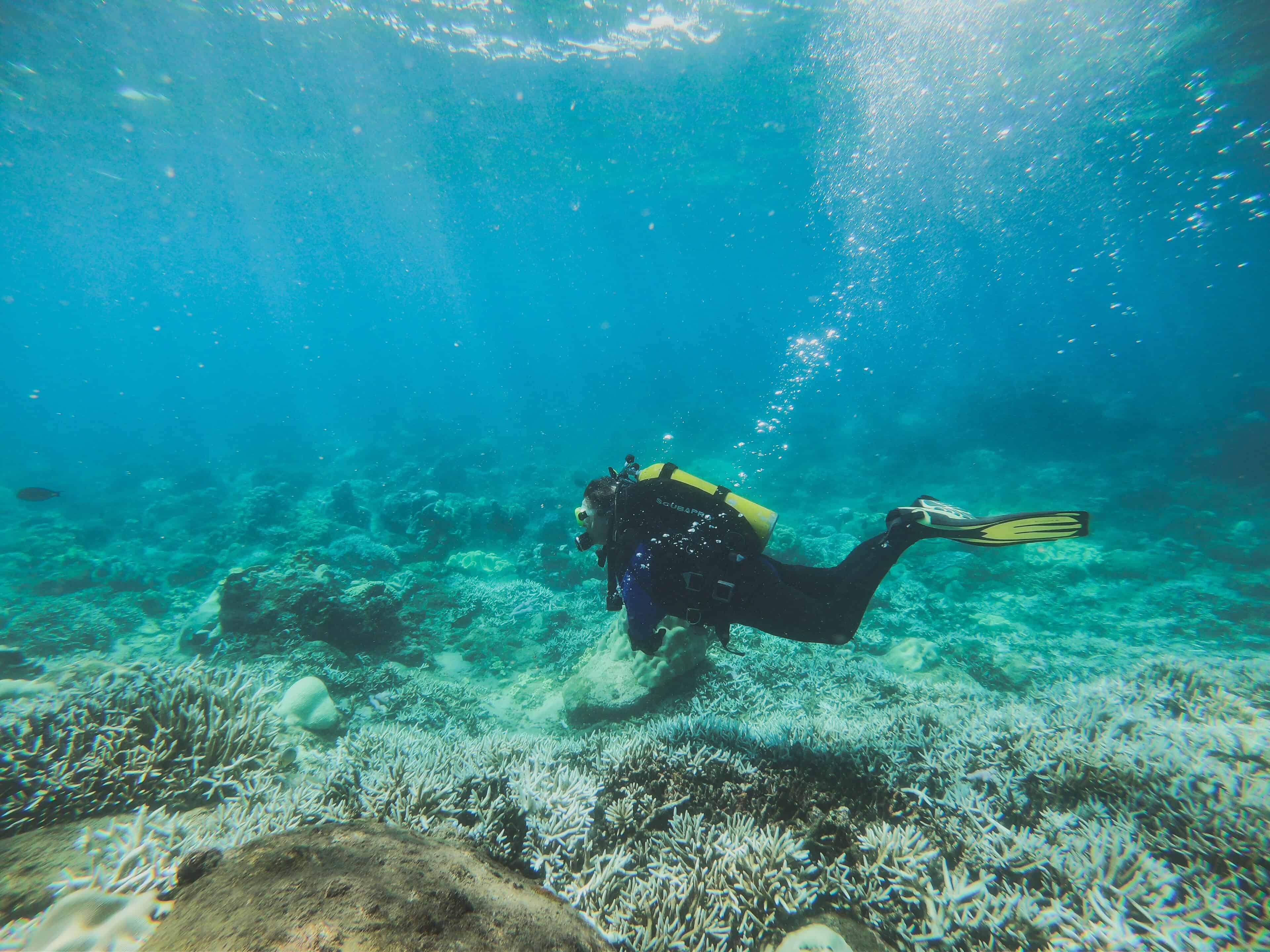
Beneath the surface, coral gardens and marine creatures provide another reason to explore. Snorkelling, diving and kayaking reveal the intricate environments responsible for the islands’ remarkable appearance. The health of these reefs matters enormously, making careful tourism and respect for local regulations particularly important.
Even from the beach, the colours are constantly changing. Morning light can turn the lagoon a translucent green, while stronger midday sun brings out brilliant turquoise. Beyond the reef, where the seabed falls away, the water becomes a much deeper blue.
Lakshadweep rewards the traveller who enjoys looking beyond the horizon and into the water itself. Here, the reef is the architect of almost everything visible.
Palolem and Agonda, Goa
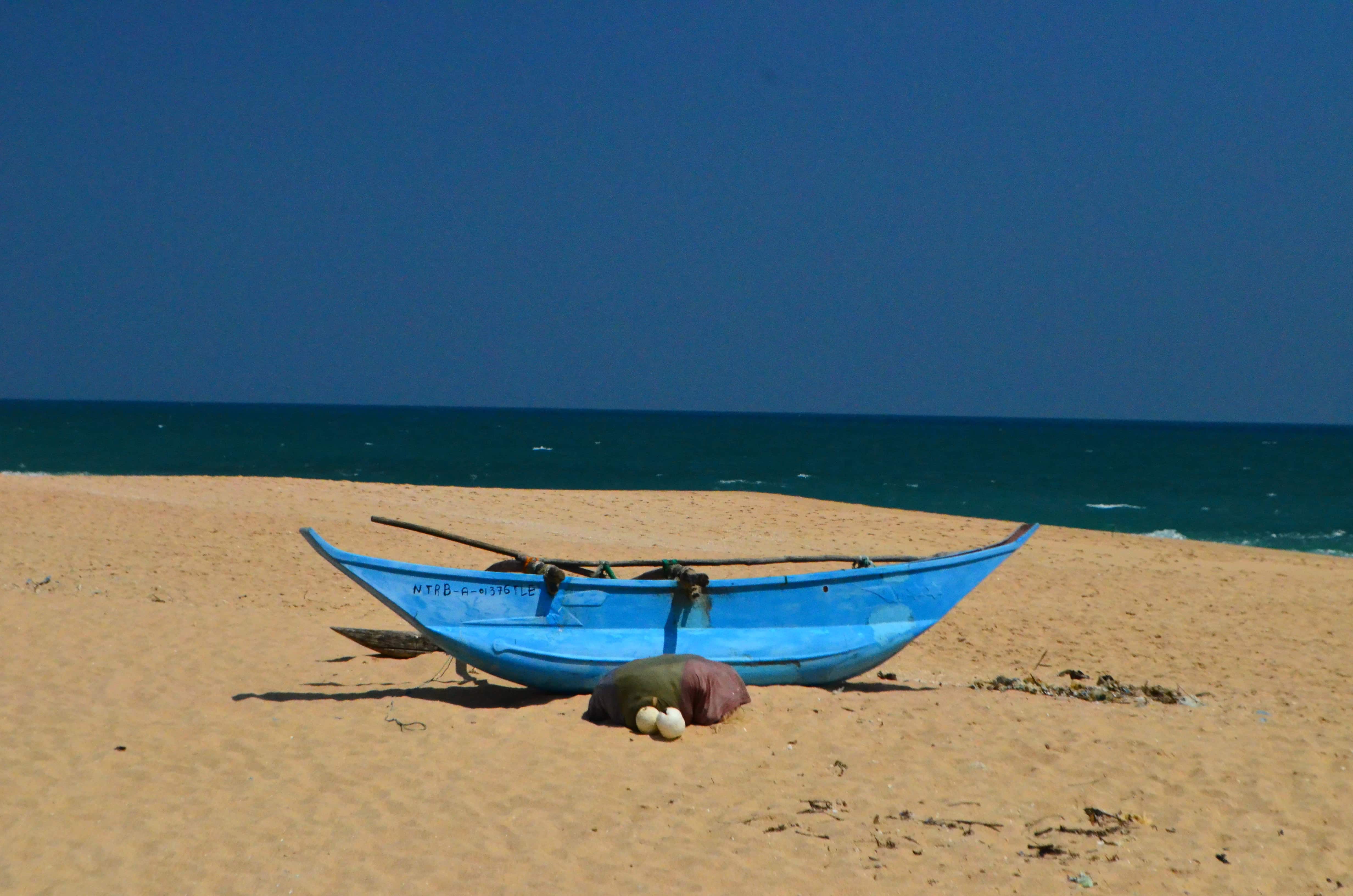
South Goa has a way of changing the familiar expectations of a Goan beach holiday. Around Canacona, the coastline moves between sheltered bays, wooded headlands and long stretches of sand where the Arabian Sea occupies nearly the entire view.
Palolem is perhaps the most recognisable of these settings. Curving gently between two headlands, its broad bay forms a natural amphitheatre of sand, palms and water. Fishing boats rest near the shoreline, kayaks move across the bay in suitable conditions, and small beachfront stays sit beneath the trees.
The beach has a lively personality without losing the appeal of its setting. Cafés and restaurants gather along the sand, boats depart for short coastal excursions, and the curve of the bay keeps most of the activity within sight. From either end, Palolem’s shape becomes especially apparent, with the palms tracing a green arc around the water.
The surrounding Canacona coastline also offers opportunities to explore smaller beaches, fishing settlements and wooded promontories. A short journey inland reveals a slower Goa of village roads, old houses and coconut groves.
Agonda, a little farther north, provides a different experience.
Stretching for approximately three kilometres, it is a wide, open beach framed by palms and casuarinas. A prominent hill rises at its southern end, while the shoreline offers long views across the Arabian Sea. With fewer concentrated beachfront activities than Palolem, the atmosphere can feel noticeably more spacious.
The sea is also more exposed, and swimming conditions require care. Agonda is particularly appealing for beach walks, reading beneath the palms and evenings spent watching the changing light.
Cabo de Rama, farther along the coast, adds an appealing historical excursion. The old fort occupies a headland above the sea, with dramatic views of cliffs, coastal vegetation and waves meeting the rocks below.
Between Palolem’s graceful curve and Agonda’s open horizon lies much of South Goa’s appeal. Both offer beautiful settings, yet each encourages a different pace of travel.
Varkala, Kerala
Varkala possesses one of the most unusual coastal landscapes in southern India. Along Papanasam Beach, rust-coloured laterite cliffs rise directly above the Arabian Sea, creating a dramatic meeting of rock, sand and water.
The cliffs belong to the geological formation known as the Varkala Formation, recognised as a geological monument by the Geological Survey of India. Their presence is especially striking along a Kerala coastline more commonly associated with broad beaches, coconut groves and backwater landscapes.
Varkala unfolds on two levels. Above the beach, pathways follow the cliff edge, passing cafés, guesthouses, shops and viewpoints. Below, the sand forms a narrow ribbon between the rising cliffs and the movement of the sea.
The contrast in perspective is fascinating. From the upper paths, the ocean occupies an enormous field of blue, broken by the white lines of approaching waves. Descend to the beach, and the cliffs become the dominant feature, their layered surfaces revealing shades of ochre, pink and reddish brown.
Papanasam also holds deep religious significance. The nearby Janardana Swamy Temple is associated with Hindu pilgrimage traditions, while ritual bathing and ancestral ceremonies have long formed part of the beach’s cultural identity.
This continuing spiritual connection gives Varkala another dimension. Early mornings may bring pilgrims to the shore, while later in the day visitors gather along the cliff to enjoy the views and the lively café atmosphere.
Surfing and other water activities have added to Varkala’s appeal, although currents and waves can be strong. The beach is especially inviting during the generally drier months from November to March.
As evening approaches, sunlight catches the laterite cliffs and brings out their warmest tones. The sea below takes on a metallic sheen, and the cafés above begin lighting up.
Few coastal places offer quite this combination of geological character, spiritual tradition and an easygoing holiday atmosphere. Varkala makes the elevated view of the sea every bit as pleasurable as the beach itself.
Chandrabhaga and Chandipur, Odisha
Odisha’s Bay of Bengal coastline reveals some of India’s most intriguing relationships between land, water and culture. At Chandrabhaga, near Konark, the sea meets a broad expanse of sand beneath an open eastern horizon. Farther north, Chandipur presents an altogether more extraordinary sight as the water retreats dramatically with the tide.
Chandrabhaga has long been associated with sunrise. Early light spreads across the beach, illuminating the wet sand and revealing the movement of fishing boats in the distance. Its proximity to Konark’s celebrated Sun Temple adds a powerful cultural association to the coastline.
The area is also connected with religious observances and bathing traditions. During Chandrabhaga Magha Saptami, pilgrims gather near the shore, reflecting a relationship between the sun, the sea and spiritual practice that has endured across generations.
Outside festival periods, the beach offers a spacious coastal experience. The wide sands encourage long walks, and the absence of enclosing headlands gives the horizon an almost uninterrupted quality.
Chandipur, near Balasore, behaves very differently.
At low tide, the sea can recede by approximately three to five kilometres, exposing a vast temporary landscape of rippled sand, shallow pools and marine life. The phenomenon transforms the beach into an extraordinary expanse, with the distant waterline appearing far beyond its usual position.
As the tide withdraws, red crabs, molluscs and other small creatures become visible across the exposed seabed. Birds gather to feed, and the fine patterns created by retreating water spread across the sand.
For visitors, the experience has a wonderfully unfamiliar quality. The usual boundary between beach and ocean temporarily disappears, making it possible to observe a coastal environment normally hidden beneath the water.
There is an important rhythm to respect, however. The returning tide can change the landscape quickly, so walks across the exposed seabed should be planned around local tidal guidance.
Chandipur is at its most fascinating when viewed as a living tidal environment. A stretch of open sand seen in the morning may be underwater again by afternoon.
Together, Chandrabhaga and Chandipur offer two distinct encounters with the Bay of Bengal. One is shaped by the light of the rising sun. The other is constantly redrawn by the movement of the sea.
Mirissa and Tangalle, Sri Lanka
Sri Lanka’s southern coastline changes character with remarkable ease. Sheltered bays give way to rocky headlands, coconut groves and long stretches of sand where the Indian Ocean arrives with considerable energy.
Mirissa has become one of the island’s best-known beach destinations, and its appeal is immediately apparent. A graceful curve of sand wraps around a blue bay, with coconut palms and tropical vegetation forming the backdrop. Fishing boats, small restaurants and beach stays contribute to an atmosphere that feels unmistakably connected to coastal life.
The beach is especially attractive in the early morning, when the sand is relatively quiet and the light is still soft. Later, visitors gather for swimming in suitable conditions, surfing at nearby breaks and sunset views from the surrounding headlands.
Mirissa is also an important departure point for whale-watching excursions.
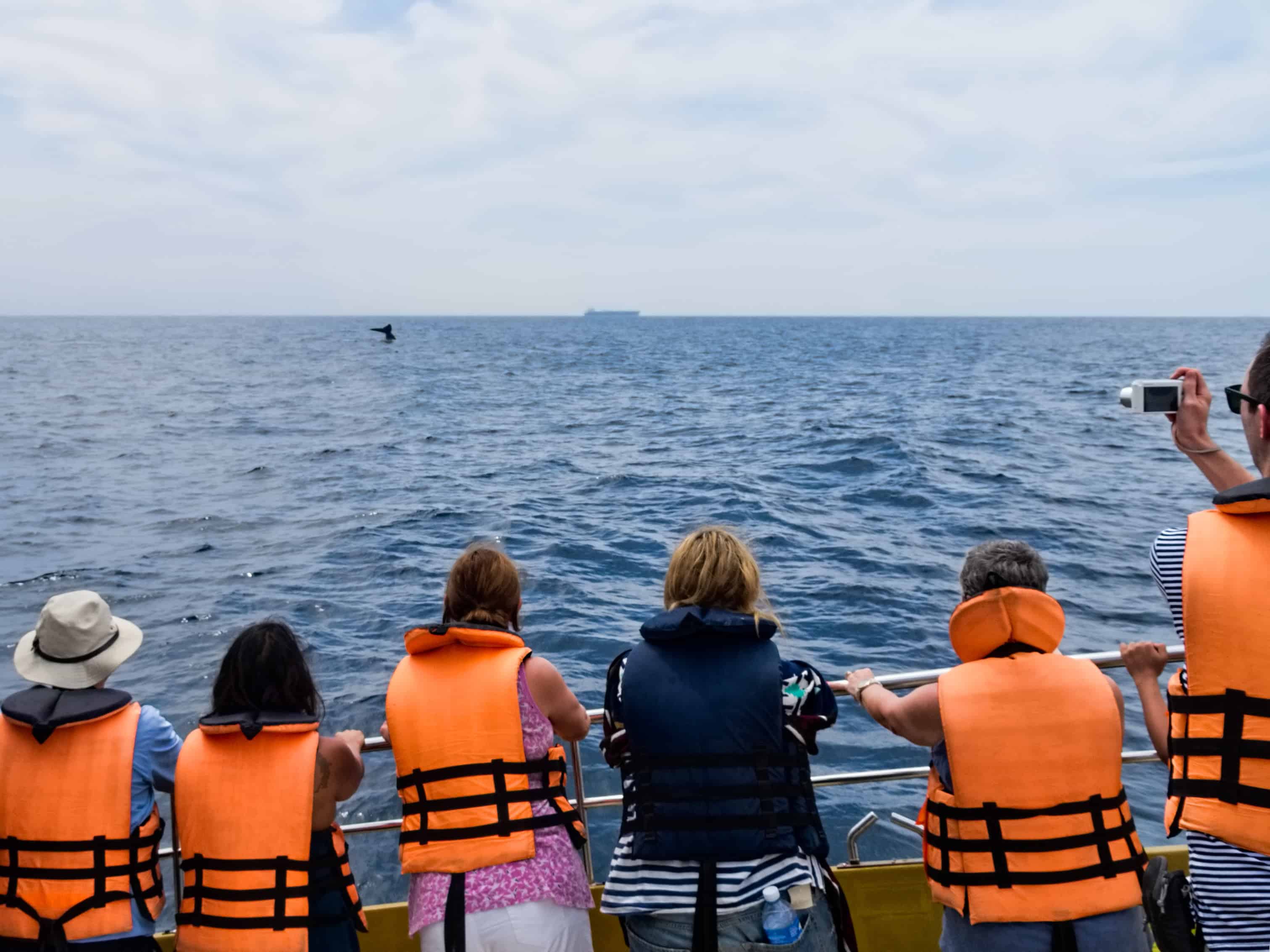
The deeper waters off Sri Lanka’s southern coast support blue whales, dolphins and other marine species. Excursions generally operate during the calmer season, approximately November to April, although sightings depend on weather, sea conditions and the movements of wildlife.
The possibility of encountering the world’s largest animal adds an extraordinary dimension to an otherwise leisurely beach holiday. Responsible operators, appropriate viewing distances and limited disturbance are essential to keeping these encounters respectful.
Travel eastwards, and Tangalle introduces a different coastal personality. Here, the shoreline opens into longer beaches interrupted by smaller coves, rocky outcrops and dense palm groves.
Tangalle’s beaches are often more exposed than Mirissa’s sheltered bay. Powerful waves can make some stretches unsuitable for swimming, yet the beauty of the coastline lies in its open horizons and relatively quiet surroundings.
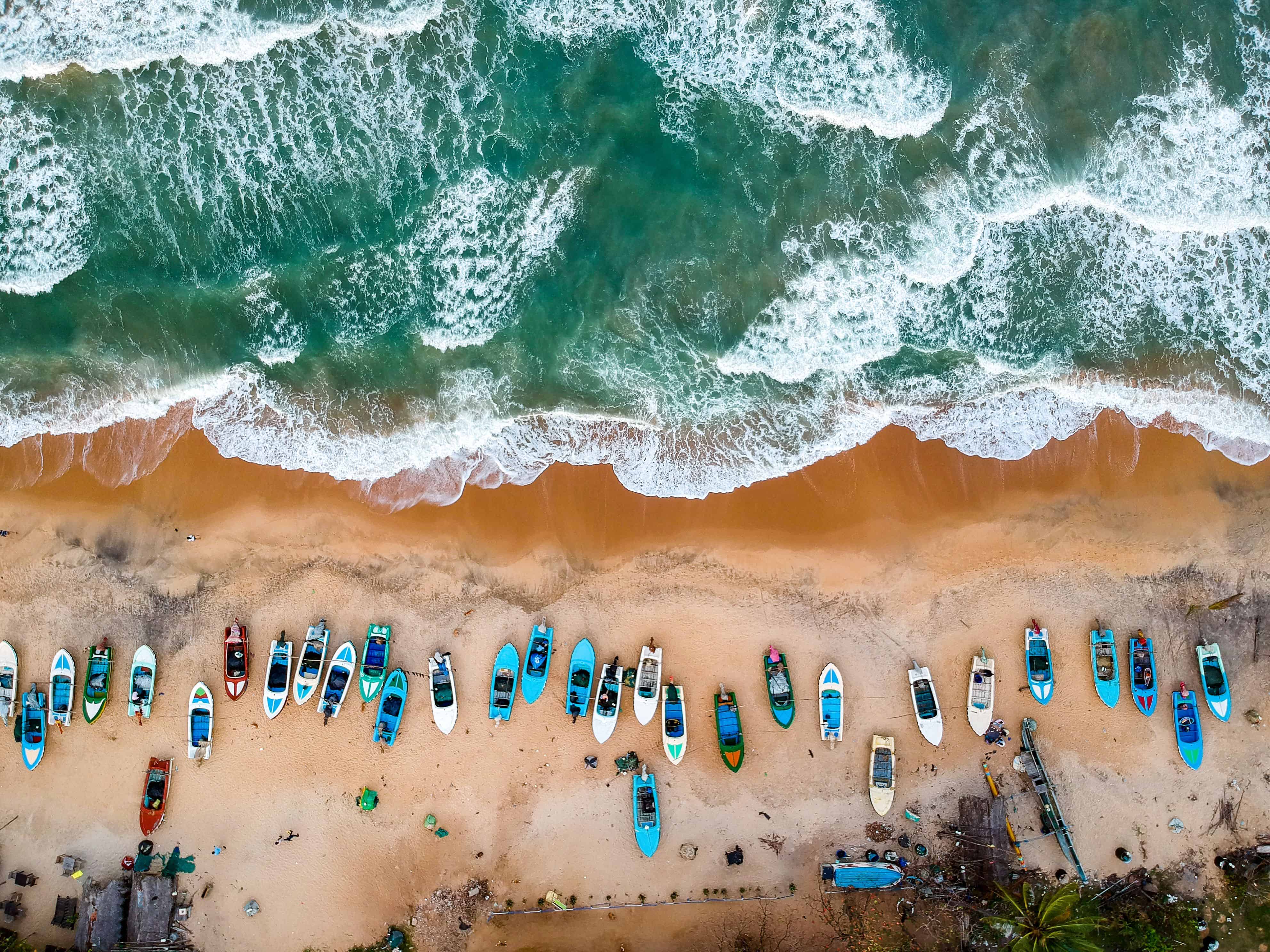
Small fishing communities remain an important part of the coastal landscape. Early mornings may reveal boats returning to shore, while narrow roads lead through palms towards hidden bays and beaches.
Between November and April, the south coast generally enjoys its more favourable beach season. Even then, individual swimming conditions vary considerably.
Mirissa and Tangalle offer complementary experiences. One centres on a beautifully formed bay and the possibility of marine encounters. The other follows a wider, more dramatic coastline where the ocean determines the mood of the day.
Nilaveli and the Eastern Coast, Sri Lanka
Sri Lanka’s coastline follows an unusual seasonal rhythm. As the southwest monsoon brings wetter conditions to much of the south and west, the east coast moves into one of its most attractive periods.
From roughly May to September, destinations around Trincomalee, Pasikuda and Arugam Bay generally experience more favourable beach conditions. The changing weather patterns create an opportunity to discover an entirely different side of the island.
Nilaveli, north of Trincomalee, is distinguished by its long stretch of pale sand and expansive views over the Indian Ocean. Coconut palms and low coastal vegetation frame a beach that feels open and spacious.
Just offshore lies Pigeon Island National Park, one of Sri Lanka’s celebrated marine attractions. Its surrounding reefs support colourful fish, reef sharks and a varied coral environment. Snorkelling excursions offer a closer look at this marine landscape, subject to visibility, weather and conservation regulations.
Farther south, Pasikuda spreads around a broad bay known for its shallow coastal waters. Its gently sloping seabed and sheltered setting give the beach a very different character from Sri Lanka’s more exposed shorelines.
The water here often appears luminous in good light, passing through delicate shades of green and turquoise as the sandy seabed becomes visible beneath the surface.
Continue towards the southeast, and Arugam Bay changes the rhythm completely.
Long associated with surfing, Arugam Bay attracts visitors who come specifically for its waves. During the main surf season, boards appear along the beachfront, cafés fill with travellers comparing the morning’s conditions, and the ocean becomes the focus of daily activity.
The surrounding landscape adds another dimension. Lagoons, coastal vegetation and nearby wildlife areas reveal a side of Sri Lanka where beach holidays can easily extend into nature excursions.
What makes the eastern coastline so interesting is the diversity found along a single side of the island. Nilaveli offers marine exploration, Pasikuda brings a sheltered bay, and Arugam Bay belongs to the surf.
Each responds to the Indian Ocean in its own way, making the east a particularly rewarding region to explore beyond a single beach.
Dhigurah, Maldives
Dhigurah, in South Ari Atoll, offers an especially beautiful example of the Maldivian island landscape. Long and narrow, the inhabited island extends through dense tropical greenery towards a white sandbank that seems to dissolve gradually into the surrounding water.
From above, the arrangement is extraordinary. The island forms a slender green line between luminous shallows and deeper blue sea. Along its outer edges, beaches follow the curve of the land, while the sandbank at its southern end creates a striking impression of land running out into the lagoon.
Dhigurah’s appeal also comes from its character as a local island. Traditional island life continues alongside guesthouses, small cafés, dive centres and visitor activities. It offers an opportunity to experience the Maldives beyond the familiar setting of private resort islands.
Walking through the island’s shaded interior and emerging onto an open stretch of sand can be particularly rewarding. The surrounding vegetation creates a sense of enclosure before the landscape opens suddenly towards the sea.
Yet Dhigurah’s greatest attraction may lie offshore.
The island faces the South Ari Marine Protected Area, an internationally recognised whale shark habitat. These enormous, slow-moving fish can be encountered in the region throughout the year, making South Ari one of the Maldives’ most significant destinations for marine wildlife observation.
Whale sharks are the largest fish in the ocean, and encountering one in open water can be an unforgettable experience. Guided excursions allow visitors to search for them in their natural environment, with sightings always dependent on wildlife movements and conditions at sea.
Responsible observation is particularly important. Swimmers must maintain appropriate distances, avoid touching the animals and leave their path unobstructed.
Back on Dhigurah, the long sandbank remains a compelling attraction. Its exposed shape varies with tides and sea conditions, while the surrounding colours shift throughout the day.
In the Maldives, even the smallest changes in the seabed can produce remarkable variations in the appearance of the water. Dhigurah makes that relationship beautifully visible.
Baa Atoll, Maldives
In Baa Atoll, the beauty of the Maldivian coastline extends far beneath the surface. Islands, lagoons and coral reefs form an intricate marine landscape whose ecological richness has earned international recognition.
Designated a UNESCO Biosphere Reserve in 2011, Baa Atoll comprises an extraordinary combination of coral environments, seagrass beds, mangroves and low-lying islands. The reserve contains approximately 250 coral species and 1,200 reef and reef-associated fish species, illustrating the remarkable diversity supported by these waters.
The atoll’s geography is central to its appeal. Small islands rise just above sea level, surrounded by shallow lagoons that contrast dramatically with deeper channels and the open Indian Ocean.
Some shores are fringed with exceptionally fine white sand. Elsewhere, the reef approaches close to land, revealing coral formations and marine life beneath clear water.
For visitors staying on the atoll’s inhabited or resort islands, the experience can include snorkelling, diving, guided marine excursions and long afternoons beside lagoons whose colours seem to change with every passing cloud.
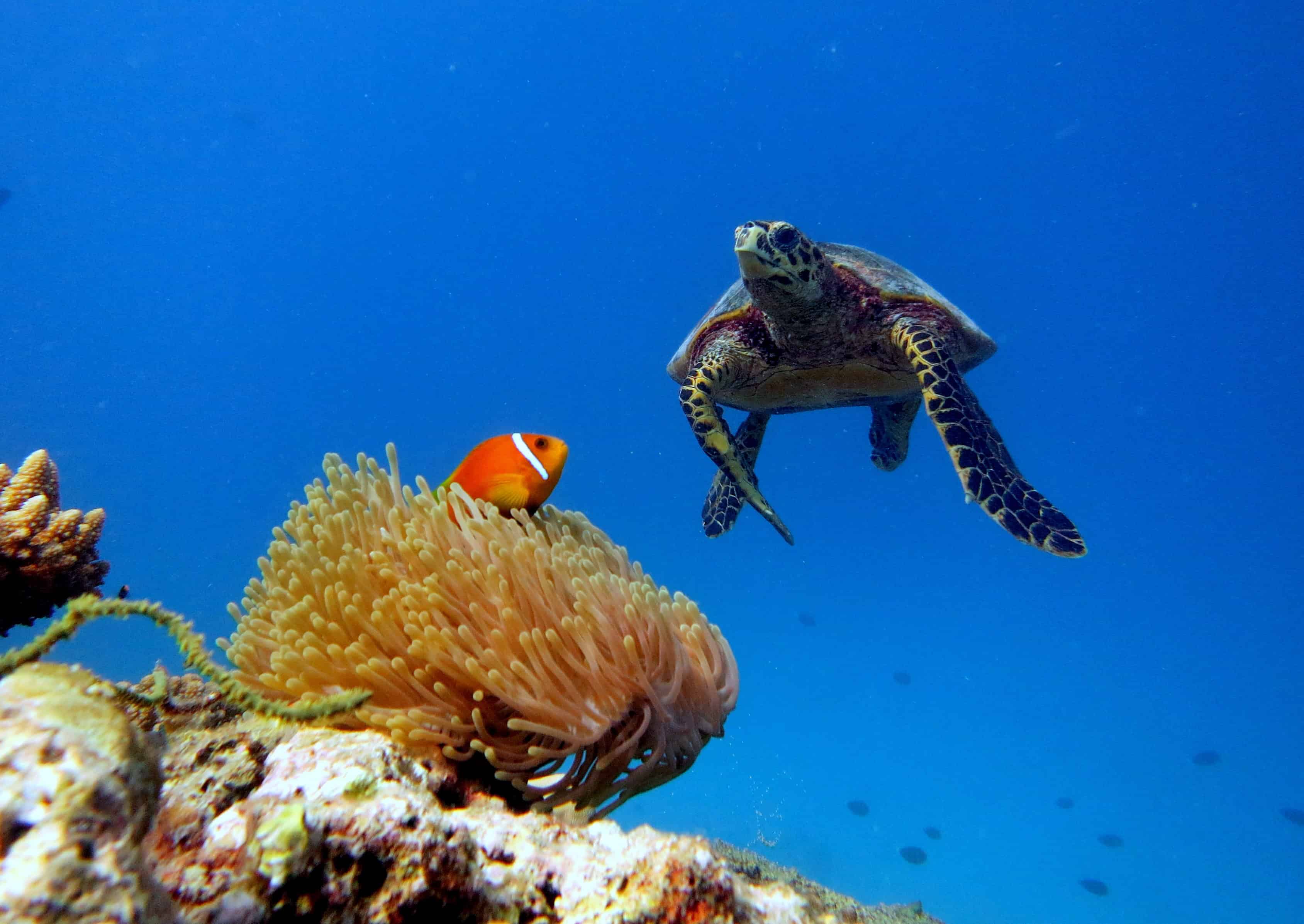
Then there is Hanifaru Bay, one of the most extraordinary marine locations in the Indian Ocean.
During the southwest monsoon, generally between May and November, the interaction of tides and currents can concentrate plankton inside the bay. These microscopic organisms attract large aggregations of reef manta rays, which gather to feed in the nutrient-rich water.
Watching manta rays underwater is an astonishing experience. Their broad fins move with remarkable grace as they glide, turn and circle through the water. During particularly favourable conditions, multiple animals may feed within the same relatively confined area.
Whale sharks are also occasionally encountered in the protected region, adding to its ecological significance.
Hanifaru is subject to conservation regulations, with visitor access and activities carefully managed. Snorkelling may be permitted under authorised arrangements, while scuba diving within the bay is restricted.
The conservation framework is an essential part of the destination’s future. Reef systems are sensitive to rising ocean temperatures, pollution and careless human activity, making responsible marine tourism increasingly important.
Baa Atoll presents a particularly compelling understanding of coastal beauty. Its beaches are magnificent, yet the surrounding ocean provides much of the fascination. Coral habitats, seasonal currents and marine wildlife give the landscape a depth that becomes apparent only with time spent exploring it.
Where Land Runs Out
The pleasure of these shores lies in their remarkable differences. Radhanagar finishes in forest. Varkala rises into cliffs. Chandipur vanishes beneath the returning tide, while Lakshadweep spreads into brilliant coral lagoons. Along Sri Lanka’s coast, the monsoons change the destination with the season, and in the Maldives, some of the most fascinating landscapes remain hidden beneath the water.
Each coastline carries its own natural rhythm, shaped by geology, climate, tides and marine life. The colours may be the first thing that catches the eye, although it is often the landscape surrounding the water that stays in the memory.
And perhaps that is what makes these shores worth returning to. The sea may look entirely different on another morning, under another sky, or at a different tide.
Read More: Latest