

A journey to Borneo brings some of the rarest experiences travellers could look for in a holiday: Pygmy elephants, one of the largest underground cave chambers in the world, to witness millions of bats and swiftlets and wild Orangutans
In an age when so much travel feels mapped, filtered and neatly packaged, Borneo still carries the thrill of the unknown. This is not an island that yields itself all at once. It unfolds in chapters of river mist, ancient rainforest, hidden caves, tangled mangroves, remote lodges, coral-rich seas and cultures that remain closely tied to land and water. Even its scale feels dramatic. Borneo is the third-largest island in the world, shared by Indonesia’s Kalimantan, Malaysia’s Sabah and Sarawak, and the sovereign nation of Brunei. That alone tells you something. This is no compact tropical break. It is a vast, living world.
What makes Borneo especially compelling is that it never settles into one fixed mood. One part of the journey may be shaped by jungle silence broken only by birds and insects. Another may bring misty mountain air, a river safari under coppery evening light, a longboat ride into a cave system, or a treetop walkway suspended over a green canopy that seems to roll into infinity. There are places in the world that impress, and there are places that alter your travel rhythm entirely. Borneo belongs firmly in the latter category.
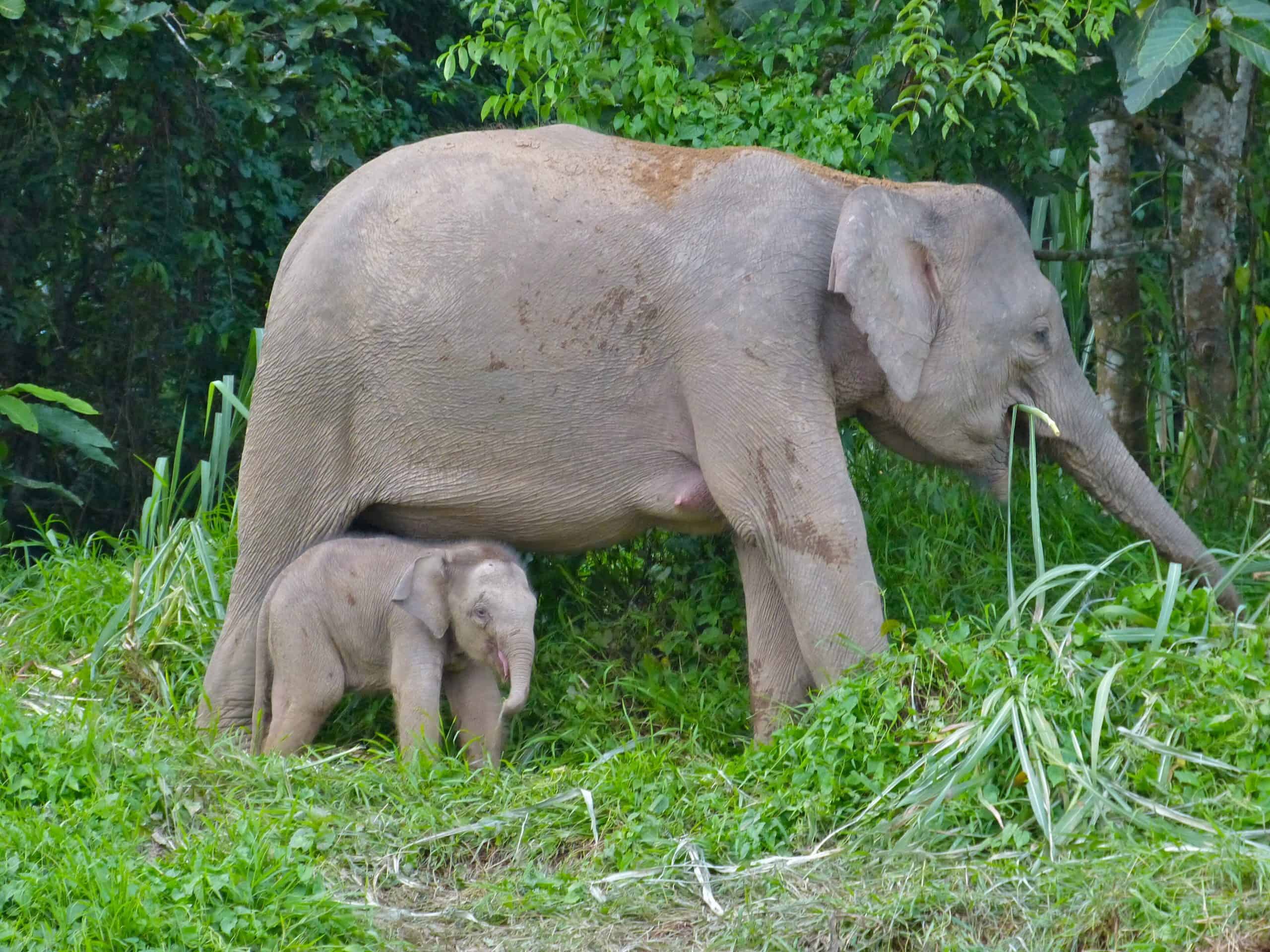
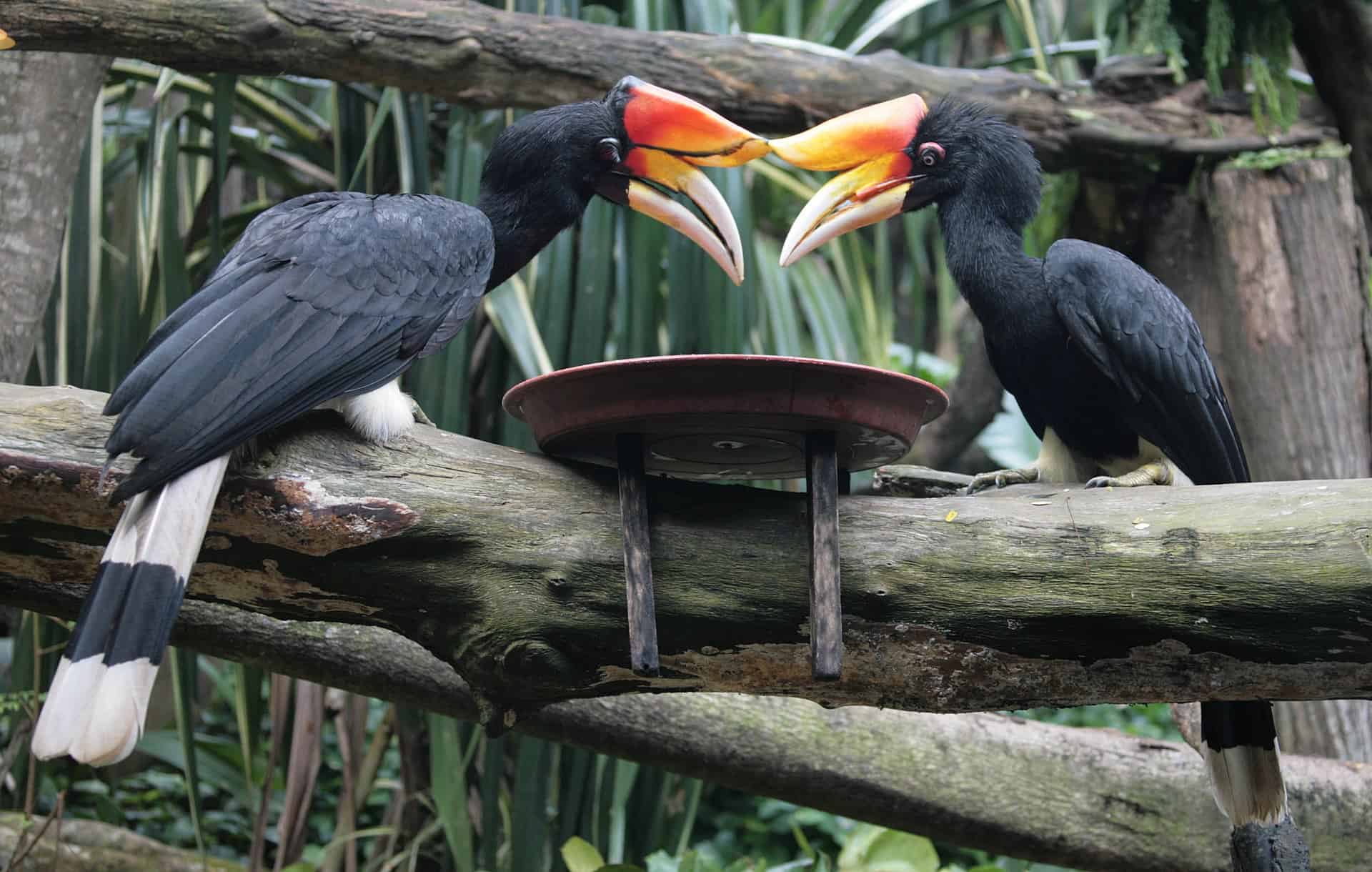
It is also an island with emotional power. Few destinations bring travellers so close to wildlife that feels both extraordinary and deeply affecting. Borneo’s orangutans, proboscis monkeys, hornbills, pygmy elephants and rare forest cats give the landscape a rare intimacy. You are not merely sightseeing here. You are entering an ecosystem that still holds wonder in its rawest form.
For travellers who want more than a beach and a pool, Borneo offers something richer. It offers movement, contrast, immersion and the feeling that the world still contains places large enough to humble you.
Sabah: Mountains, Rainforest and Sea in One Journey
If Borneo had a great all-rounder, it would be Sabah. This corner of Malaysian Borneo gives travellers an unusually varied experience without making the journey feel scattered. In one trip, you can move between mountain landscapes, lowland rainforest, riverine wildlife zones and marine worlds of striking beauty. It is the sort of destination that suits travellers who want a sense of momentum in their holiday, with each chapter distinct yet naturally connected.
Mount Kinabalu is often the first image associated with Sabah, and for good reason. At 4,095 metres, it is Malaysia’s highest peak and one of Southeast Asia’s most rewarding climbs. The ascent is not only about altitude or bragging rights. It is about the changing atmosphere on the mountain. Lower down, you move through rich vegetation and cloud forest; higher up, the terrain shifts into granite and open sky. The summit push before dawn is demanding, but sunrise over Kinabalu has a grandeur that lingers. There are moments in travel that feel almost ceremonial, and watching the light break over layers of cloud and distant ridges is one of them.
Yet Sabah is not defined by mountains alone. The Kinabatangan River offers an entirely different mood, one of slow travel and attentive looking. This is one of Borneo’s great wildlife corridors, and the river safari here is among the island’s classic experiences.
Dawn and dusk cruises drift quietly past dense vegetation, oxbow lakes and forested riverbanks where movement can appear at any moment. A proboscis monkey may leap across branches. A hornbill may rise sharply over the trees. Crocodiles can be seen at the water’s edge, and if fortune is generous, travellers may spot orangutans or even Bornean pygmy elephants along the banks. The Kinabatangan is a place that teaches patience. Nothing is staged. The reward lies in watching the river reveal itself.
For those who want an even deeper rainforest encounter, Danum Valley is one of the island’s finest wild landscapes. Ancient lowland rainforest stretches across a protected area that feels dense, old and alive at every hour. Remote lodges place travellers in the forest rather than beside it, which changes the experience entirely. Early morning walks can bring sightings of birds, macaques and gibbons. Night drives introduce a more secretive world, where eyeshine flickers in the dark and the jungle becomes a theatre of sound. Danum is not flashy. Its appeal lies in its purity, its biodiversity and the rare pleasure of staying somewhere that feels genuinely removed from the noise of modern life.
Then there is Sabah’s final flourish: the sea. Sipadan, widely regarded as one of the world’s great dive sites, adds an entirely different chapter to the Borneo journey. After river cruises and forest walks, the transition to clear blue water, vertical coral walls, reef sharks, swirling barracuda and hawksbill turtles feels almost unreal. Even for travellers who do not dive, Sabah’s marine world offers a reminder of how unusually complete this destination is. Few places can take you from summit sunrise to jungle safari to underwater spectacle with such ease.
Sarawak: The Slow-Burn Side of Borneo
Where Sabah often feels dynamic and varied, Sarawak reveals itself more gradually. It does not rush to impress. Instead, it draws travellers in through atmosphere, scale and a quieter kind of richness. This is the Borneo for those who enjoy journeys that deepen over time, where cities, caves, jungle trails and heritage all seem to connect through a subtler rhythm.
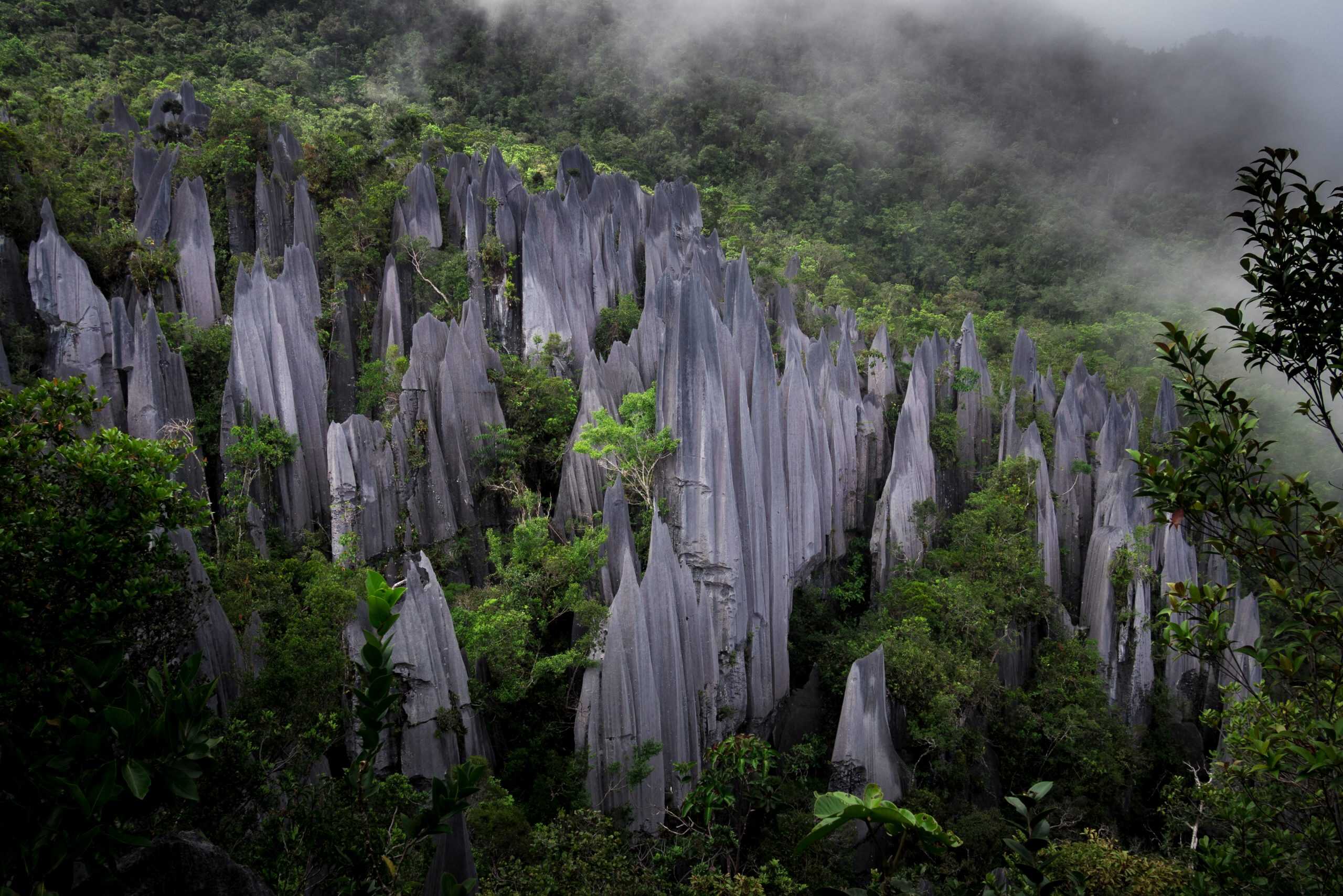
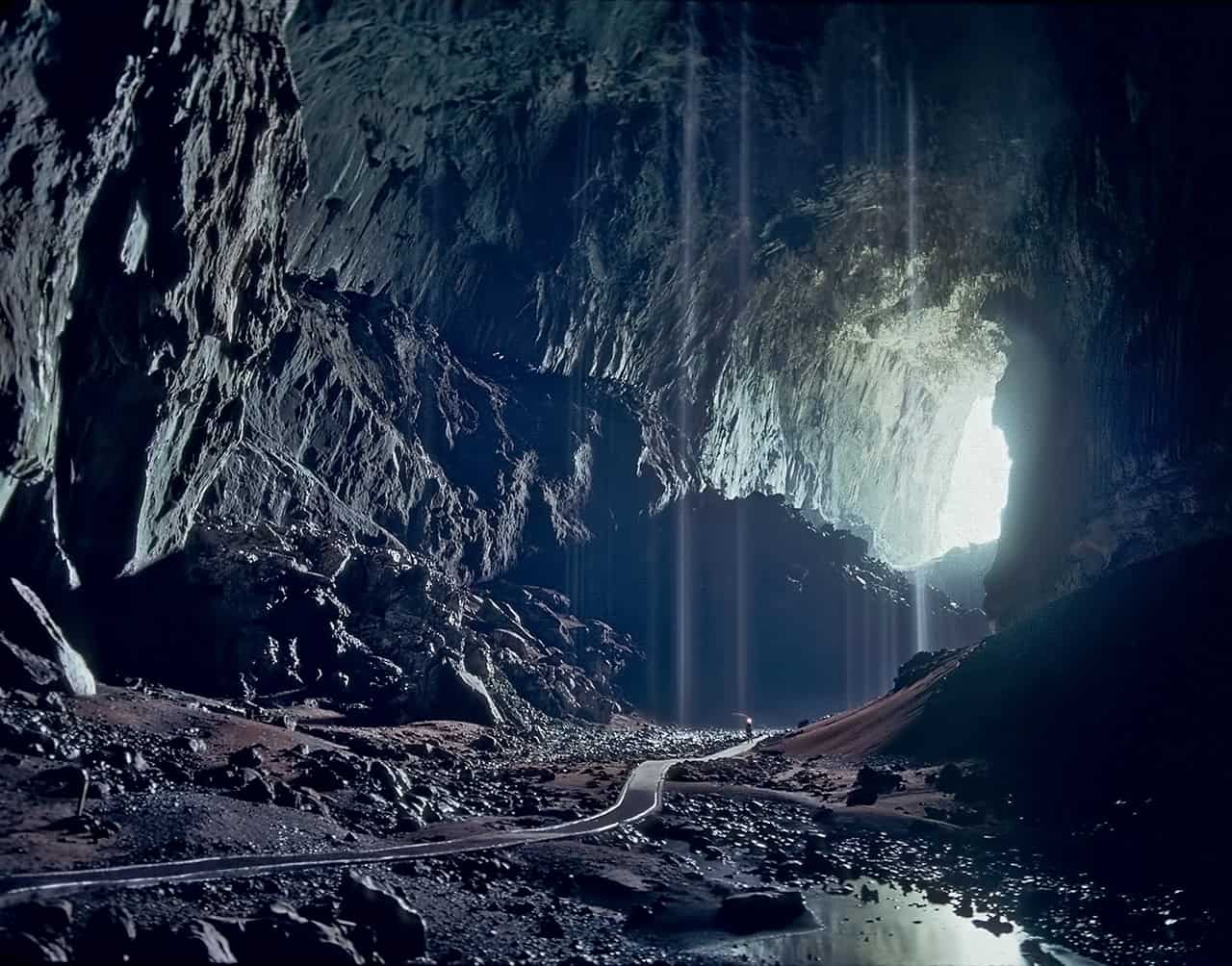
Gunung Mulu National Park is Sarawak’s most dramatic statement. This UNESCO-listed wilderness is one of Southeast Asia’s great natural spectacles, a place of limestone pinnacles, immense cave systems, jungle boardwalks and dark rivers reached by longboat. There is grandeur here, but also mystery. Mulu is not a landscape you passively observe. It surrounds you. Paths run beneath dense canopy. Caverns open without warning into cathedral-like chambers. Humidity hangs in the air. Water echoes in the dark.
Deer Cave is among the park’s best-known marvels, and it deserves the attention. Vast and amphitheatre-like, it gives a powerful sense of geological time. At dusk, one of Mulu’s most memorable daily dramas unfolds as millions of bats stream out into the evening sky, twisting into dark, fluid formations above the forest. It is one of those natural spectacles that can silence a crowd. Mulu works beautifully because it accommodates different levels of adventure. Some travellers opt for guided cave visits and canopy walks. Others take on longer treks, pinnacles expeditions and more demanding routes through the forest. In each case, the journey feels immersive rather than ornamental.
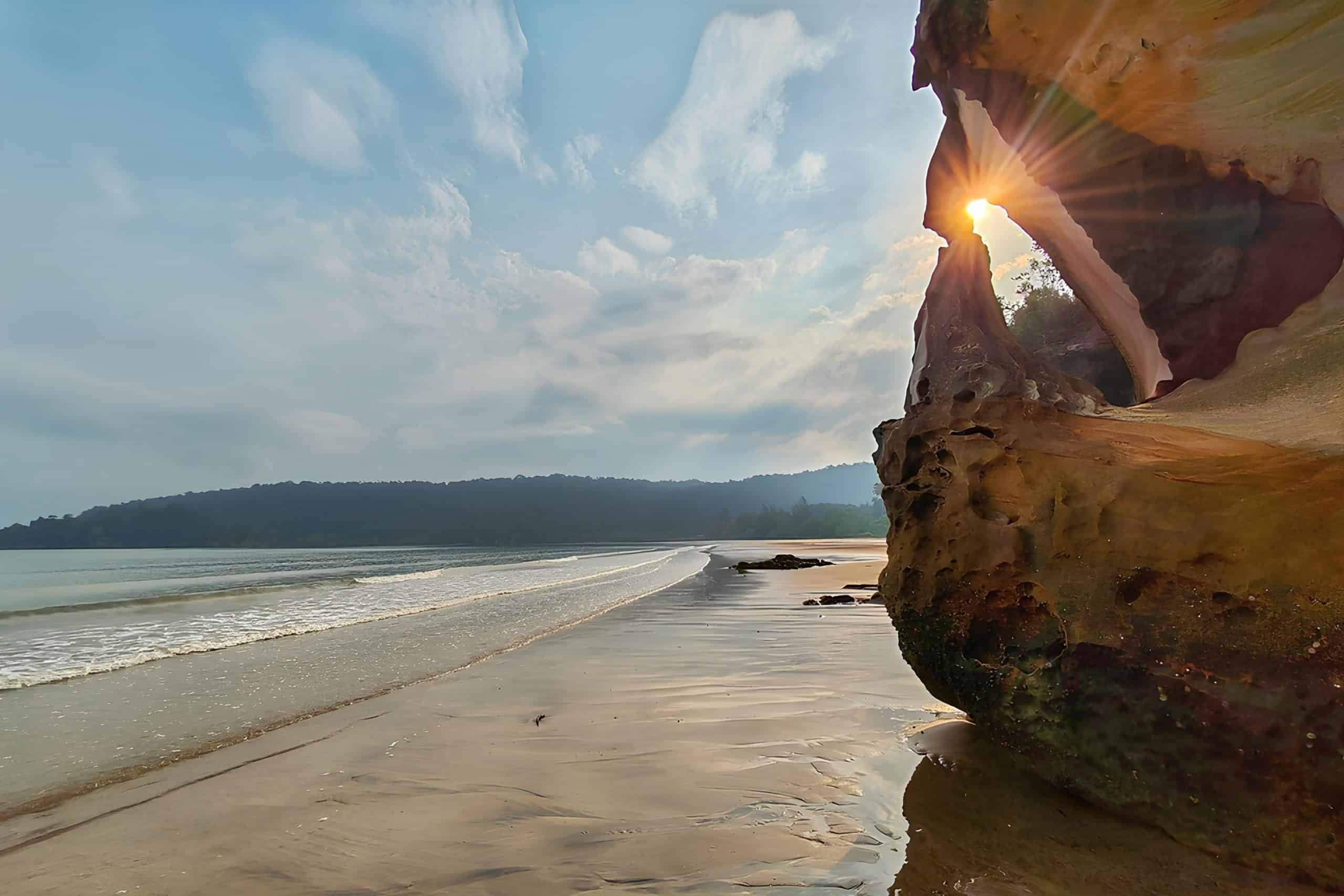
Closer to Kuching, Bako National Park offers something smaller in scale but no less rewarding. Often described as one of Sarawak’s most accessible wildlife escapes, it is reached relatively easily yet feels satisfyingly untamed. Here, clifftop viewpoints, beaches, mangroves and forest trails sit close together, making the park ideal for travellers who want strong nature experiences without a long expedition. Proboscis monkeys are among Bako’s great draws, and seeing them in mangrove habitat is a reminder of how wonderfully strange Borneo’s fauna can be. Bearded pigs wander the forest edge, and the shifting terrain gives the park a surprising variety for its size.
Kuching itself is one of Southeast Asia’s most likeable cities, and an ideal base for Sarawak exploration. It has a riverfront that encourages unhurried walks, especially at golden hour when the light softens the city’s facades and domes. The skyline mixes Chinese shophouses, mosques and colonial-era traces, giving Kuching a layered identity that suits travellers who enjoy destinations with both texture and ease. The old bazaars, museums, temples and heritage streets do not demand a checklist mentality. They invite wandering.
From Kuching, the journey can deepen further. Niah Caves introduces an archaeological dimension, with evidence of human presence stretching back tens of thousands of years. That fact alone changes the feeling of the landscape. This is not only rainforest. It is a place of deep human time. Beyond that, Sarawak’s longhouse routes and river journeys offer glimpses into Indigenous life and the living cultural geography of the island. In Sarawak, rainforest and heritage do not feel separate. They are intertwined.
Brunei: Quiet, Controlled and Deeply Green
Brunei is often the least discussed part of Borneo, which is precisely why it can feel so rewarding. It does not compete in the same way as Sabah or Sarawak. Instead, it offers a quieter, more curated encounter with the island’s rainforest and river culture. For travellers drawn to gentler pacing, lower visitor numbers and the pleasure of places that still feel under-visited, Brunei can be a striking addition to a Borneo itinerary.
Ulu Temburong National Park is the country’s defining natural experience. Spread across a large protected rainforest area, it is reached by boat, and the journey itself creates a sense of transition. Speedboats and longboats carry travellers away from the capital and into a landscape where the jungle begins to dominate. Visitor numbers are carefully managed, which preserves the feeling of remoteness. That matters. In many rainforest destinations, access has been made so easy that the sense of wilderness thins out. In Ulu Temburong, the jungle still feels properly vast.
The park’s treetop walkway is one of its most memorable experiences, especially at dawn. Climbing into the canopy while mist still hangs low over the forest creates a view that feels almost dreamlike. All around lies a seemingly endless expanse of green, broken only by ridges, drifting cloud and birdsong. It is a moment of stillness rather than spectacle, and that is very much Brunei’s strength. The country does not overwhelm. It lets the traveller notice.
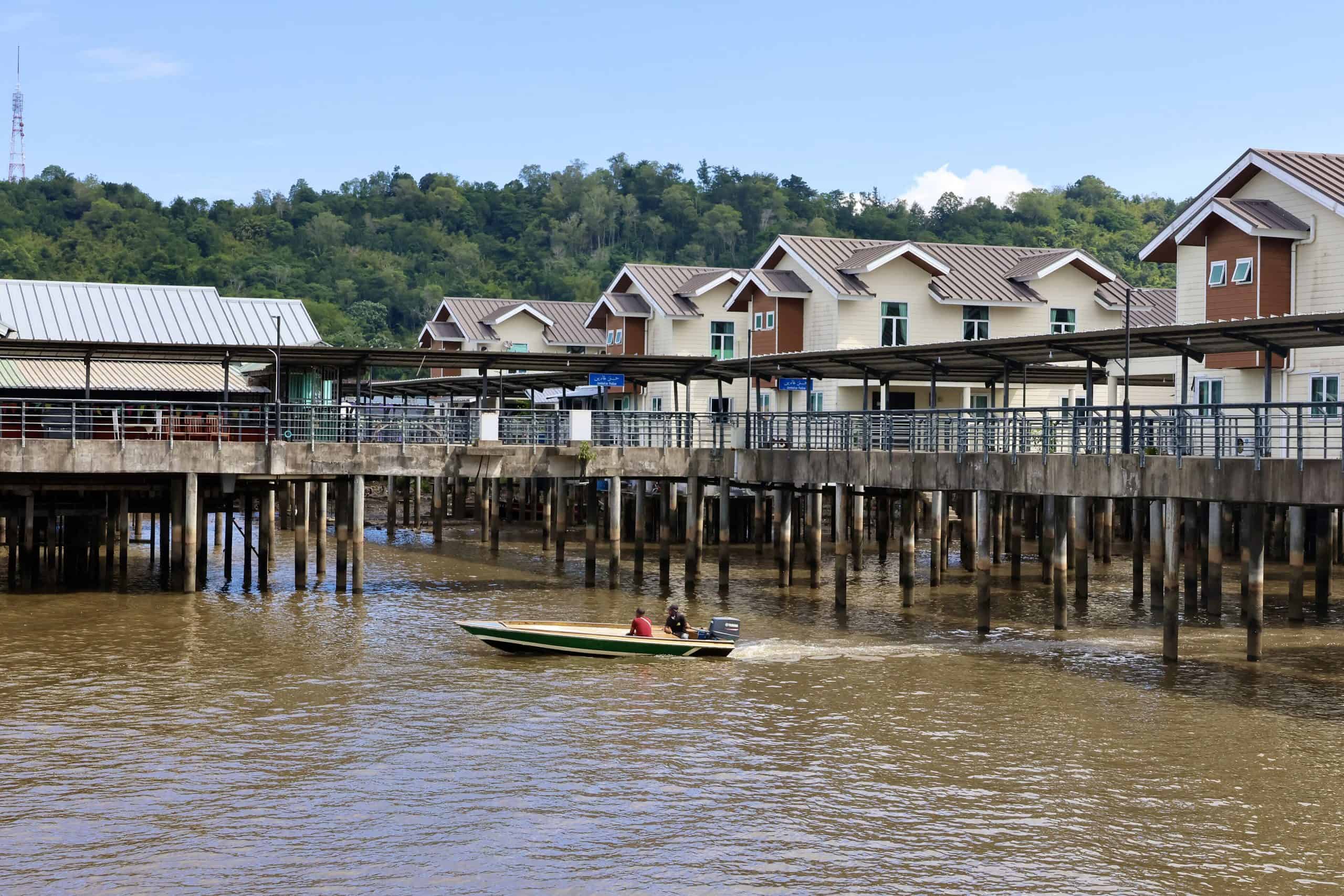
Back in Bandar Seri Begawan, the experience shifts into one of cultural observation. Kampong Ayer, often described as the world’s largest stilted water village, is among Borneo’s most distinctive settlements. Timber houses, schools, mosques and community buildings stand above the Brunei River, linked by walkways and served by water taxis. It is not merely a curiosity. It is a living urban-water world with centuries of continuity behind it. Spending time here reveals another side of Borneo, one shaped not by trekking or wildlife watching but by life lived in close relationship with the river.
Kalimantan: River Journeys and the Vastness of Wild Indonesia
If Malaysian Borneo often feels polished and accessible, Kalimantan gives you Borneo at its broadest and most elemental. This Indonesian region is where travel can still feel genuinely expansive. Distances are longer, rivers wider, settlements more scattered and the sense of scale more pronounced. For travellers who are drawn to the poetry of slow boat travel, brown-water rivers, floating jetties and forest horizons, Kalimantan offers something powerfully atmospheric.
Tanjung Puting National Park is the classic Kalimantan experience, and it remains one of the island’s most unforgettable journeys. Travellers move through the park on traditional wooden kelotok houseboats along the Sekonyer River, which creates an intimacy with the landscape that road travel simply cannot match. The rhythm is slow and absorbing. Mornings begin with river mist and birdsong. Afternoons are spent watching the forest slide by. Evenings settle into the quiet drama of the river at dusk. Houseboat travel is not only practical here; it is part of the emotional texture of the journey.
Camp Leakey and other feeding stations are among the best-known places to encounter orangutans, and whatever debates exist around structured wildlife encounters, the emotional impact remains real. Watching these great apes move through the forest with such intelligence and physical grace is one of the defining experiences of Borneo. Tanjung Puting is also powerful because of its atmosphere. You do not simply arrive, tick off a sighting and leave. You live with the river for days.
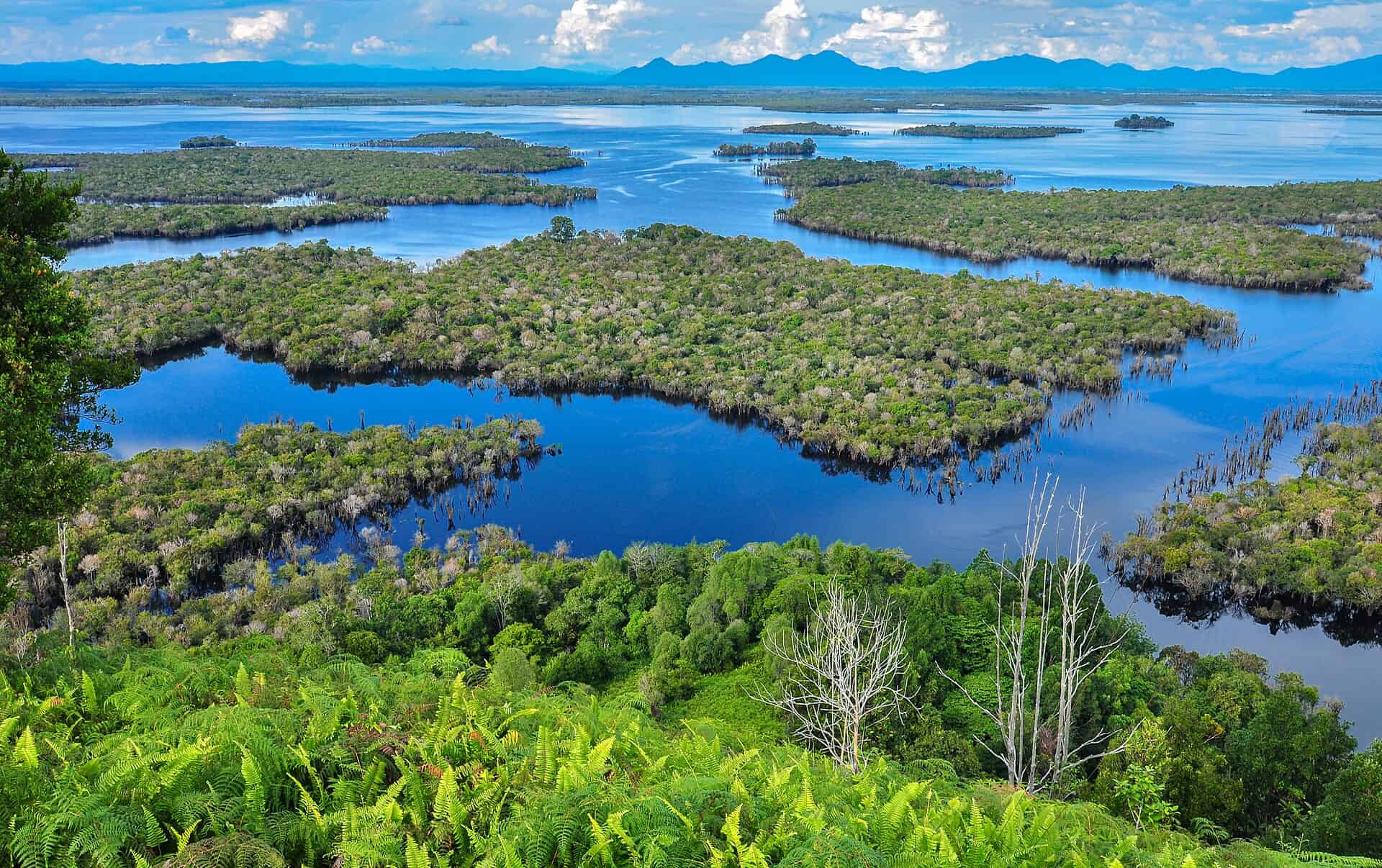
Beyond Tanjung Puting, Kalimantan opens into even larger landscapes. Lake Sentarum National Park, with its seasonal lakes and flooded forests, adds another watery dimension to the region. Fishing communities, mirrored surfaces and changing water levels create a landscape that feels more fluid and elusive than fixed. The rivers of Kalimantan also carry fragments of everyday life: wooden boats, jetty settlements, children on the shore, movements of trade and local routine that make the journey feel lived-in rather than isolated.
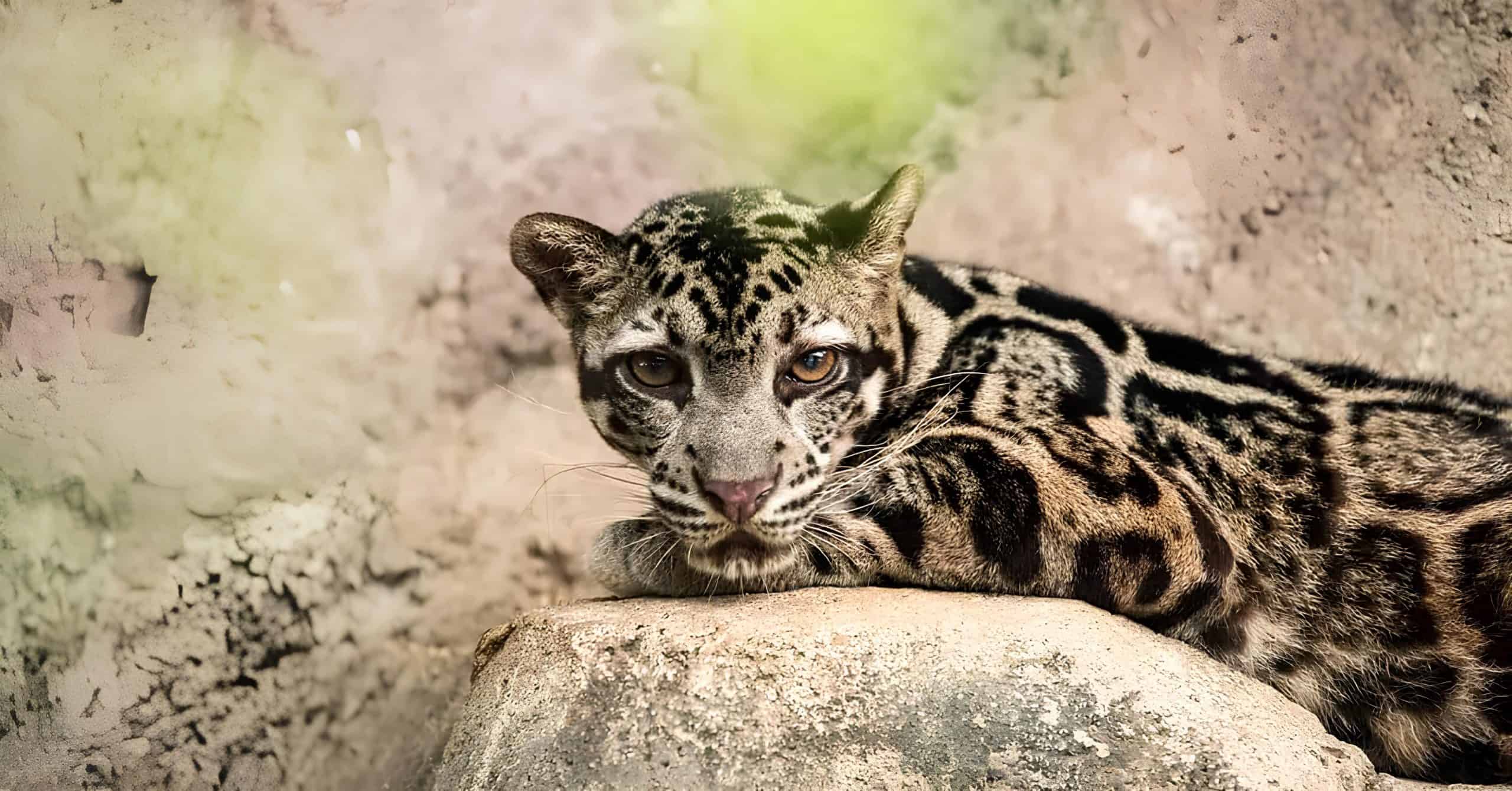
Kalimantan’s forests are also part of the range of the Sunda clouded leopard, one of the island’s most elusive and beautiful predators. Few travellers will ever see one, and that is part of the point. These forests still sustain mystery. Not everything is available on demand.
Further east, Dayak territories offer a different kind of encounter, one that brings culture and landscape into conversation. Longhouses, forest paths, rivers and village life create experiences that feel rooted rather than staged. Then, in yet another shift of mood, the Derawan Islands and Kakaban introduce a gentler marine finale. After days spent on river journeys through rainforest, coral reefs, manta encounters, turtles and stingless jellyfish feel almost surreal in their softness. Kalimantan, more than any other part of Borneo, teaches the traveller how wildly one island can transform.
Orangutans: The Heart of the Borneo Journey
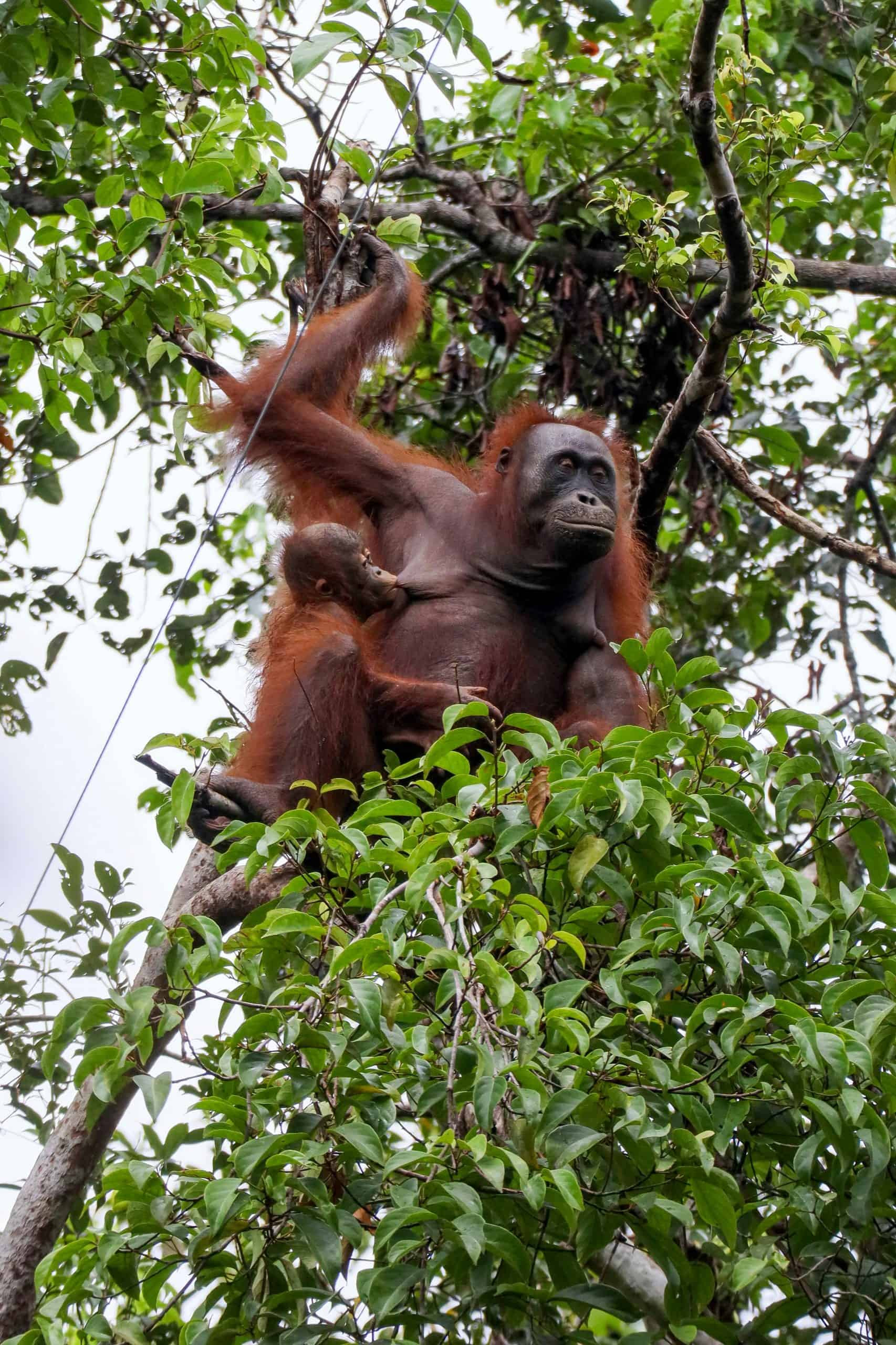
For all its caves, mountains, rivers and reefs, Borneo’s strongest emotional thread often comes down to one encounter: the orangutan. These red apes, found only in Borneo and Sumatra, give the island a gravity unlike that of almost any other wildlife destination. They are not merely charismatic animals. They feel eerily thoughtful, almost contemplative, and that changes the way travellers respond to them.
To see an orangutan in the trees is to feel a rare kind of hush. A mother carrying her young through branches, a solitary male moving with deliberate strength, a juvenile pausing in curiosity, these are moments that tend to stay with people long after the trip ends. They are not simply beautiful. They carry emotional recognition.
In Sabah, many travellers begin at the Sepilok Orangutan Rehabilitation Centre, where rescued and orphaned orangutans are prepared for return to semi-wild forest life. It often acts as a gateway encounter, the place where curiosity turns into deeper commitment. Once travellers have seen orangutans there, many want to continue into wilder settings such as the Kinabatangan and Danum Valley.
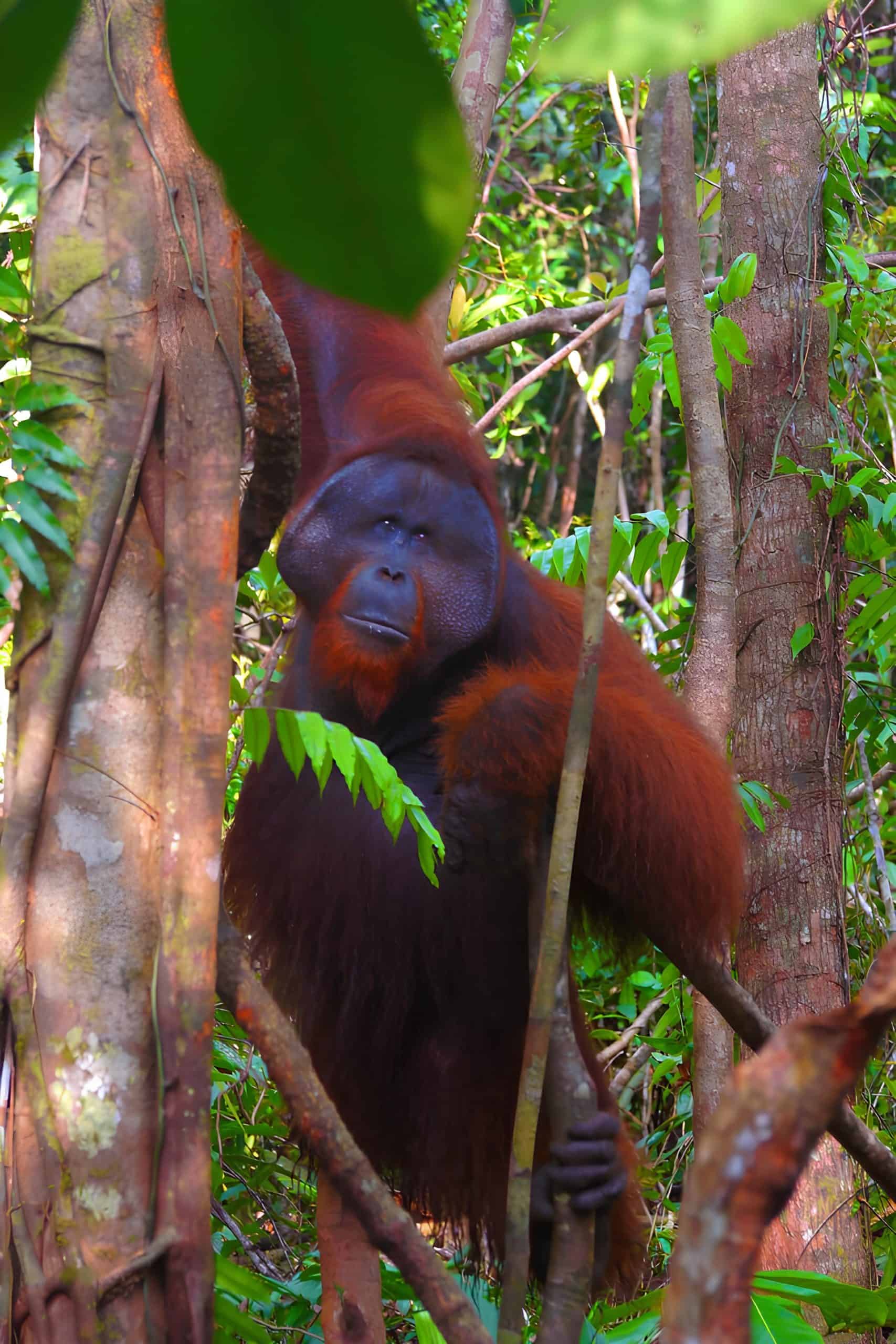
In Sarawak, Semenggoh Nature Reserve offers a smaller-scale but meaningful conservation-based experience near Kuching. In Kalimantan, Tanjung Puting intensifies the story through longer journeys and deeper forest immersion. Across these regions, the orangutan becomes more than a sighting. It becomes a lens through which travellers understand Borneo itself: fragile, ancient, intelligent and worth protecting.
Why Borneo Feels Different
What truly sets Borneo apart is not only what it contains, but how it makes you travel. It slows the eye. It sharpens attention. It rewards patience more than speed. This is not a place where the best experiences are neatly lined up beside one another. You often have to move through river, forest, weather and distance to reach them. That effort is part of the pleasure.
One day might begin with a climb above the clouds on Mount Kinabalu. Another may unfold on a quiet safari boat under the trees of the Kinabatangan. Another may disappear into the dark chambers of Gunung Mulu, or rise into Brunei’s canopy, or drift along a Kalimantan river on a kelotok beneath a sky full of stars. Borneo never feels monotonous because its landscapes are so radically varied, and because each landscape asks for a slightly different version of the traveller.
There is also something refreshingly unforced about the island. Even its most famous experiences still retain the possibility of surprise. Wildlife does not appear on cue. Jungle weather changes the mood of a day in an instant. Rivers dictate pace. Mist alters views. That unpredictability gives Borneo its edge. It feels alive, not curated into flat perfection.
For travellers increasingly drawn to meaning, texture and immersion, Borneo answers a growing desire. It is for those who want nature with depth, adventure with atmosphere and wildlife encounters that leave a true imprint. It is for those willing to exchange convenience for wonder. And that, perhaps, is what Borneo offers best of all: the reminder that travel can still feel like discovery.
Read More: Explore the World