

Wine tours through Tuscany and Umbria introduce first-time travellers to Italy’s wine culture through vineyards, cellars and food
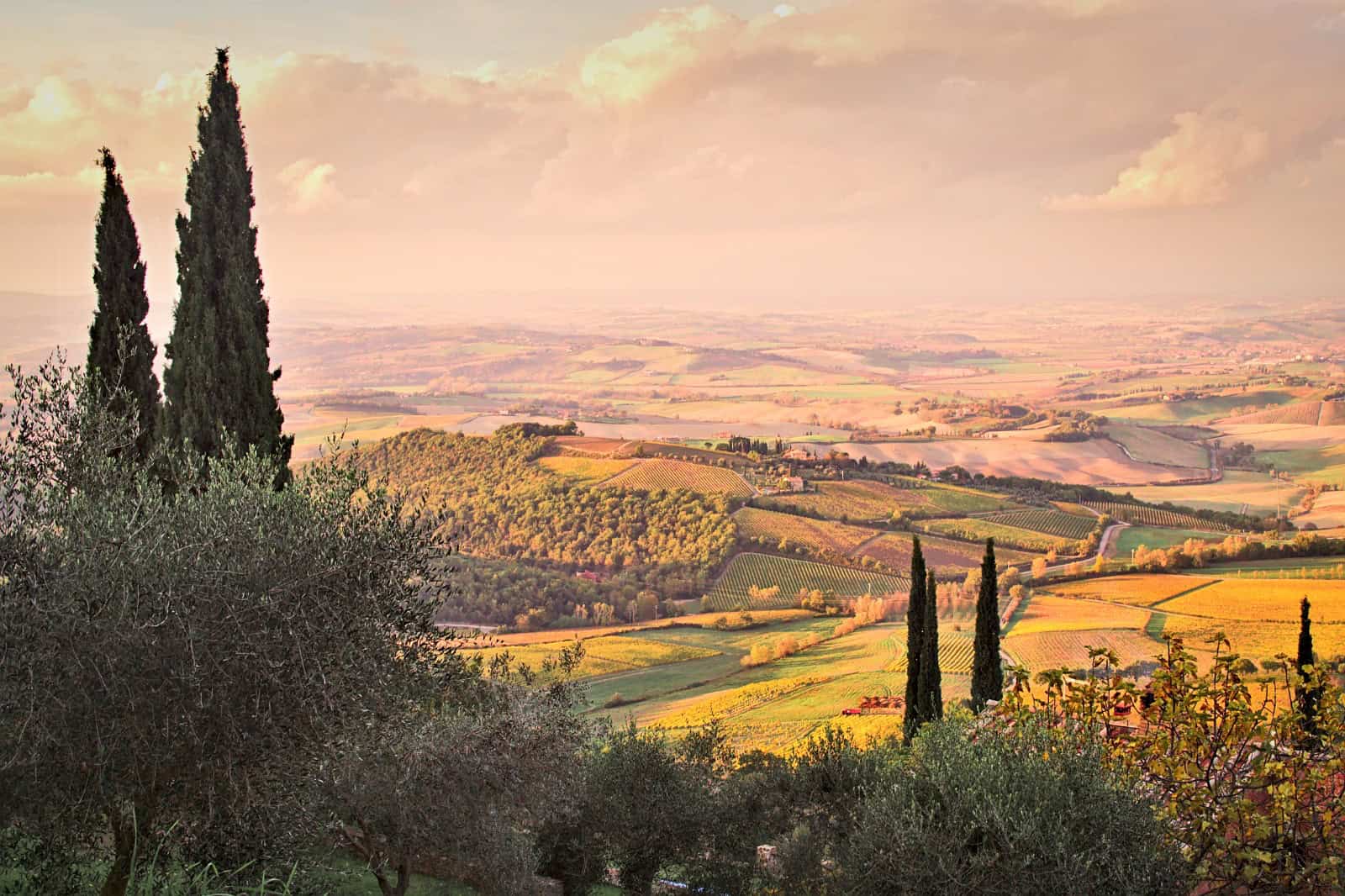
Italy is a country where wine is interwoven into the very fabric of its culture, memory, agriculture and identity over centuries. Here, wine tourism can never just be a chain of tastings made to fill up a checklist. It must be treated as an entry into cultivated landscapes, old towns and communities that continue to live closely with the vine. Together, they show how wines are deeply rooted in the places that produce them.
For first-time travellers, Tuscany and Umbria are ideal places to start. Tuscany has all the landscapes that have taken root in the imagination of tourists: cypress-lined roads, vineyards folding over hillsides, stone estates and Renaissance towns. While Umbria is quieter and more rural, it unsurprisingly lives up to its reputation as the ‘Green Heart of Italy’. Together they teach something essential about Italian wine: it is never only about what is in the glass, but also where it is poured, what is served beside it and the landscape that shaped it.
Chianti
Chianti is where many Tuscan Wine journeys begin, and for good reason. Chianti is one of the useful bases for wine exploration in the area, with the market square and easy access to estates. At Antinori nel Chianti Classico, Tuscany reveals its contemporary architecture, a sleek structure that folds into the landscape. At Castello di Volpaia and Badia a Coltibuono, you get to see the older, more traditional side of Chianti that is inseparable from abbeys, castles and ancient cellars. Here, the wine tourism also comes with extras like bike rides through the vines, olive oil tastings, and truffle hunts.
Chianti is known for its reds, and Chianti Classico is a natural first stop for first-timers. It is a wine with acidity and structure that pairs amazingly with pici all’aglione, pecorino, grilled meats, salumi and truffle dishes. Other famous wines of Chianti include Chianti Rufina, which can be paired with roast meats and aged pecorino; the softer and fruitier Chianti Colli Senesi that can be paired with pastas and pizzas; the spicy Chianti Colli Fiorentini, Chianti Colline Pisane, and Chianti Montespertoli.
Montalcino and Montepulciano
Montalcino and Montepulciano are among Tuscany’s most beautiful hill towns, each shaped by history, landscape and a strong sense of local character. Together, they offer travellers a glimpse of Tuscany at its most timeless, where old stone streets, scenic vistas and a slower pace make every visit deeply rewarding.
Montalcino is best enjoyed unhurried, with ample time scheduled for cellar visits, long lunches and views that stretch across the countryside. Its most famous wine, Brunello di Montalcino, is known for its depth and character, with notes of dark cherry, plum, spice, leather and tobacco. It is usually paired with boar ragù, roast meats, game stews and aged Pecorino. Rosso di. It can feel brighter, more relaxed and easier to approach early in a journey, especially alongside sausages, mushroom dishes and simpler roasts. Then there are sweeter wines such as Moscadello and Vin Santo, which broaden the town’s wine identity beyond the reds for which it is most celebrated. Montalcino, in other words, is not only about prestige.
Montepulciano is a town synonymous with steep lanes, grand palazzi, and cool underground cellars. It is one of Tuscany’s most rewarding food-and-wine towns. Vino Nobile di Montepulciano is made for hearty Tuscan food; it pairs beautifully with Florentine steak, wild boar ragù, roasts, meaty pasta, porcini risotto, cured meats and aged cheeses such as Pecorino and Parmigiano. Rosso di Montepulciano, on the other hand, is better suited to be had with pasta ragù, grilled sausages, roast chicken and milder cheeses, while Vino Nobile Riserva d works especially well with roasts, game and mature cheeses.
San Gimignano
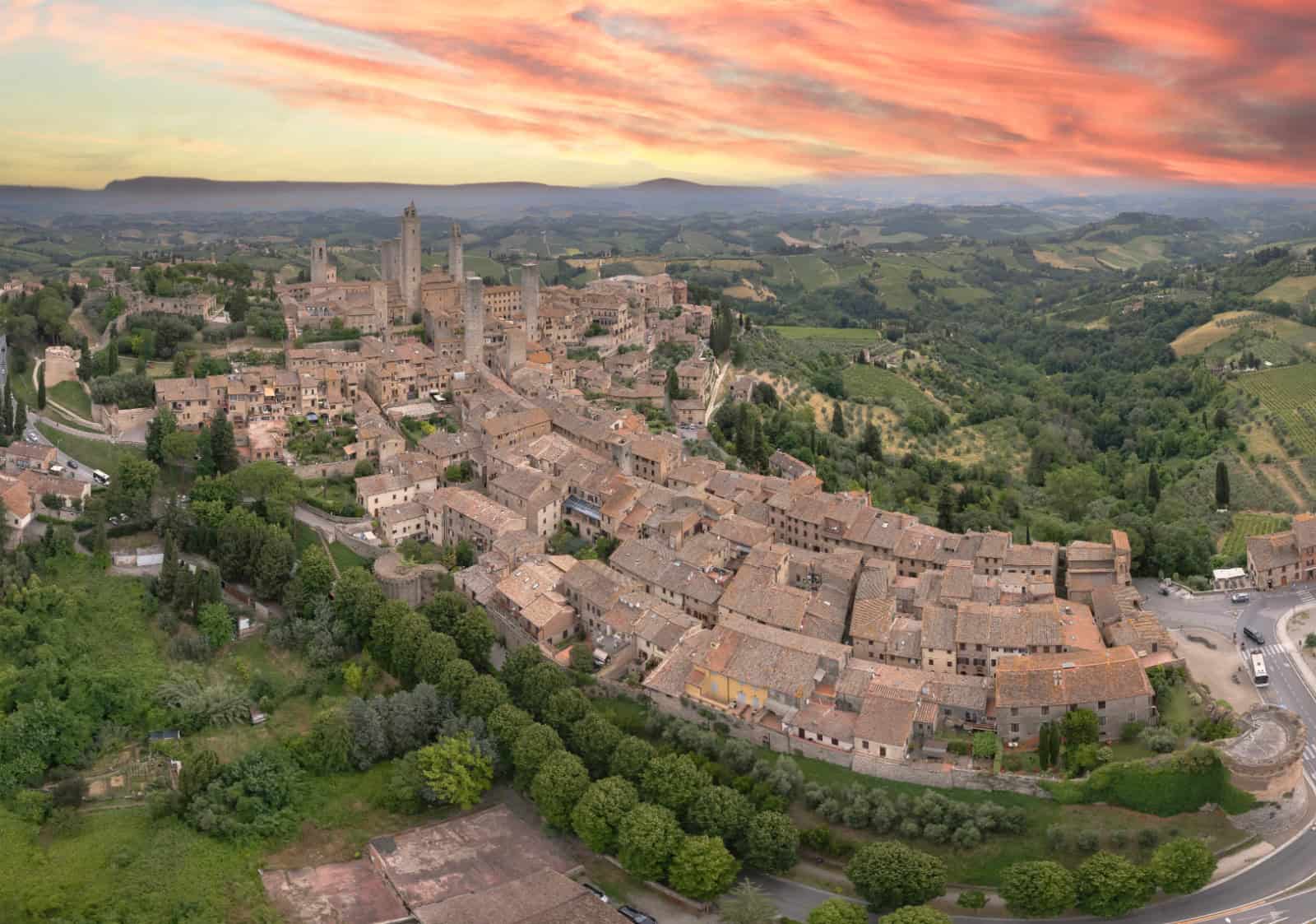
San Gimignano offers the white-wine counterpoint to Tuscany. After the red-wine emphasis of much of Tuscany, this hill town offers a white-wine counterpoint that refreshes the palate and the imagination alike. With its medieval towers and hilltop skyline, it is among the most photogenic and recognisable towns in Italy.
The town is also home to one of Italy’s historic white wines, Vernaccia. The wine is crisp, structured and distinctive, with notes of citrus, apple and a faint almond edge. It is usually paired with seafood, lighter pasta dishes, vegetables and simple appetisers.
Yet San Gimignano is not only about Vernaccia. The area also produces reds, rosato and Vin Santo, giving the town a broader wine identity. The reds pair well with charcuterie, firm cheeses, richer pasta dishes, red meats and game. Vin Santo, meanwhile, is the traditional sweet finish, best enjoyed with biscuits, dried fruit, mature cheeses or pâté.
Montefalco
Montefalco is Umbria’s great red-wine stronghold, perched high above the valleys and often called the balcony of Umbria. Estates such as Scacciadiavoli, Arnaldo Caprai, Benedetti & Grigi and Benincasa reveal different sides of Montefalco, from polished cellar visits to more intimate, landscape-led encounters.
Its signature wine, Sagrantino di Montefalco, is known for dark fruit, plum, blackberry, woodland spice and cocoa. Grechetto, on the other hand, is fresh and structured, with citrus and almond notes that work beautifully with grilled vegetables, fish, shellfish and mild cheeses.
Montefalco also has other wines to offer. Montefalco Rosso is a more approachable face of the region and works beautifully with stuffed pasta, roast meats, steak and medium-aged cheeses. Grechetto, fresh and structured with citrus and almond notes, pairs beautifully with grilled vegetables, fish and mild cheeses. Sagrantino Passito, meanwhile, offers a sweet counterpoint best enjoyed with dark chocolate, biscuits and aged cheeses. The overall effect is of a town that is both serious and generous, powerful yet never austere.
Orvieto
Dramatically poised on volcanic tufa cliffs and crowned by one of Italy’s most remarkable cathedrals, this town is worth the journey even before the first glass is poured. The area is best known for Orvieto Classico and Orvieto Superiore, whites based largely on Grechetto, Procanico and other local grapes, with notes of lemon, apple and flowers lifted by crisp acidity. These wines sit naturally beside lighter dishes and bring the region a welcome sense of ease alongside Umbria’s more serious reds.
The area also produces many other wines like Ruffino Orvieto Classico, which works well with cured meats, charcuterie, raw shellfish, grilled fish and fresh vegetables. Palazzone Vignarco Bianco, on the other hand, is better suited to aperitifs, appetisers and fish dishes. For something with more body, Palazzone Grechetto pairs nicely with bean or lentil soups and traditional Umbrian pasta, and the more structured Campo del Guardiano is recommended with refined dishes of veal, fowl and pork. To end the meal, Vendemmia Tardiva fits neatly with cheese or dried pastry, giving the Orvieto table a softer, sweeter finish.
Perugia, Torgiano and Assisi
Perugia, Torgiano and Assisi bring together some of Umbria’s most characteristic pleasures within one rewarding stretch of country. Here, vineyard slopes and olive groves sit alongside medieval streets, church towers and daily life that still feels closely tied to the land. For travellers, this part of Umbria offers a fuller picture of the region, where landscape, heritage and local rhythm come together with unusual ease.
Torgiano has a proud wine history and is known for its respected Sangiovese-led reds, including Torgiano Rosso Riserva. Beyond Torgiano Rosso Riserva, the Torgiano area also produces Bianco di Torgiano, Rosso di Torgiano, Chardonnay and Vin Santo, giving the region a wider table range, from seafood and lighter first courses to roast meats, game, aged cheeses and desserts.
Assisi adds a sense of stillness and spiritual beauty. Assisi Grechetto is one of the area’s most recognisable whites and is commonly paired with seafood, vegetable-based first courses and light appetisers, while Assisi Rosso offers a fuller counterpoint that sits more naturally with cured meats, pasta and more robust plates.Around Assisi, the local wine picture extends from Assisi Grechetto and Assisi Bianco to Assisi Rosso, Pinot Nero, Merlot and Cabernet Sauvignon, with the whites sitting comfortably beside fish, white meats and vegetable-led dishes, and the reds better matched with roasts, game and fuller Umbrian cooking.
Perugia, meanwhile, brings urban energy and serves as a gateway to the surrounding Colli Perugini vineyards. Around the city, Colli Perugini Rosso DOC pairs well with roast red meat, game and pappardelle, while the wider appellation is known for fresh, approachable wines that suit traditional Umbrian food. Near Perugia, the Colli Perugini denomination adds further variety through Grechetto, Sangiovese, Merlot, Cabernet Sauvignon, sparkling wines and Vin Santo, making the area especially versatile for traditional Umbrian food, from appetisers and pasta to braised meats and mature cheeses.
For the Self-Guided Traveller
The key, though, is not to try to do everything at once. These are regions best approached slowly, so resist the temptation to cover every famous town in a single trip. Choose one or two bases and allow the landscape, food and cellar visits to unfold at a gentler pace.
Try to limit yourself to two wineries or estates a day, take your time and enjoy the experience. Pre-book wherever possible, and favour lunch-inclusive visits, which naturally slow the day down and make the wines easier to appreciate.
Spring and autumn are the best times to attempt the trip. Visiting between April and June will reward you with greener hills, flowers and gentler weather, while September and October offer golden light and richer food suiting the harvest season.
Tuscany and Umbria are only the beginning of Italy’s vast wine map, and that is precisely why they make such a fine starting point. They show you how Italian wine begins to make sense, one hill town, one table and one glass at a time.
Read More: Latest