

Five extraordinary Himalayan Birding journeys where forests, rivers and ridges reward slower, richer travel
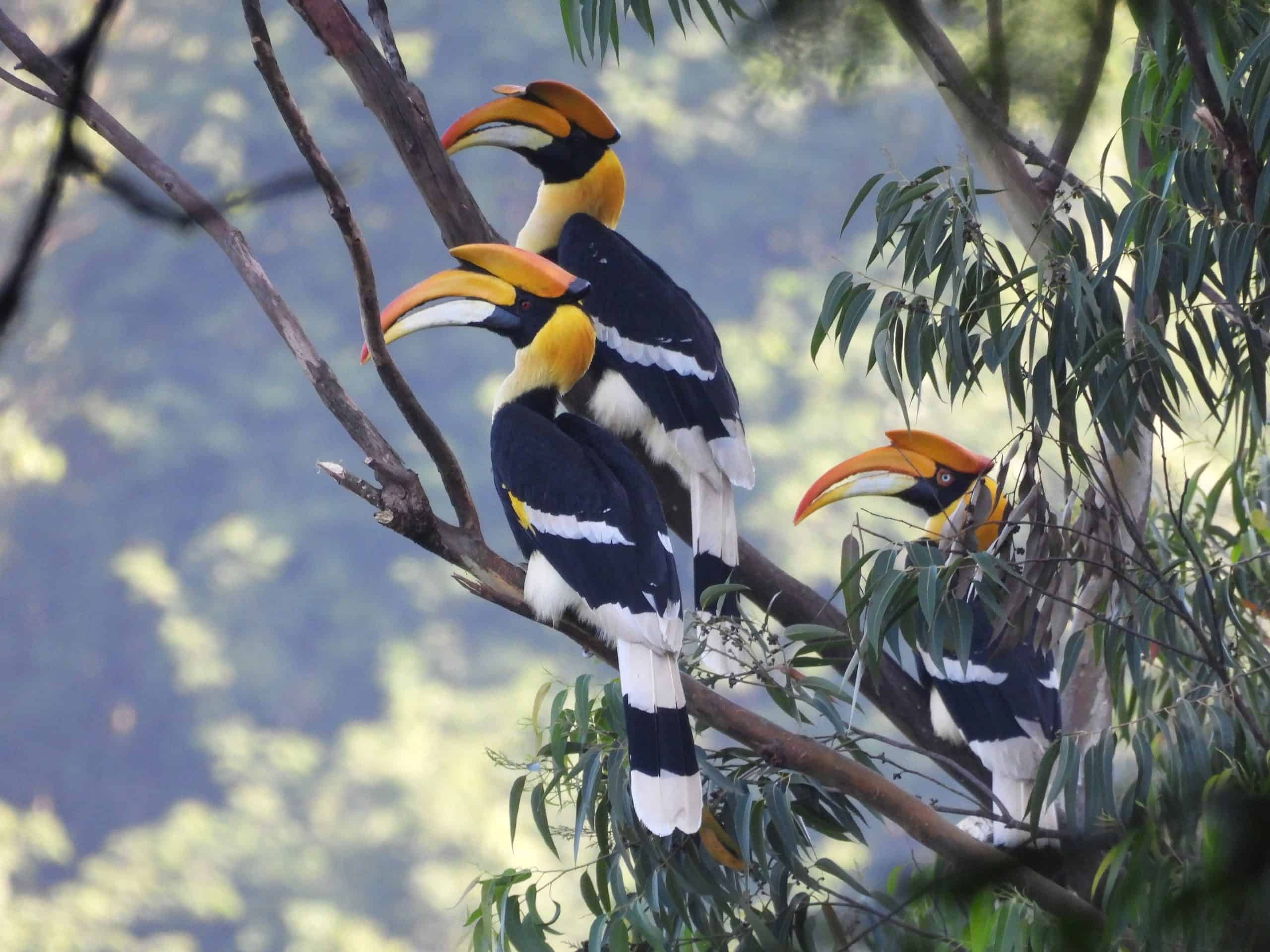
The Himalayas, vast and beautiful, is a biological hotspot with around a thousand bird species that call it home. It is a biological mosaic that harbours ecosystems all the way from snowcapped peaks to marshes and temperate forests. To hike across these lands is to pause and take in this treasure of land and life unfolding before you.
Sandakphu–Phalut, India
The Sandakphu–Phalut route runs along the Singalila Ridge in the Darjeeling district, through Singalila National Park, where thick bamboo, oak, magnolia and rhododendron forests rise towards Sandakphu at 3,630 metres and Phalut at 3,600 metres, the two highest points in West Bengal. On clear days, just the views from the trek are more than enough to justify the trip; travellers can look out towards Kanchenjunga, which dominates the eastern skyline and also catch Everest, Lhotse and Makalu in the far distance. No wonder this is one of the more popular treks in the Eastern Himalayas.
The trek traditionally begins at Manebhanjan and passes through a series of stages that take in Tonglu or Tumling, Gairibas, Kalapokhri, Sandakphu and onward to Phalut. The trail alternates between forested stretches and exposed sections of the ridge as the track progresses. There are trekkers’ huts and guesthouses along the route, and though a rough 4WD road now reaches Sandakphu, walking remains the way to understand the ridge properly
For birders, this trek works because the changes in bloom and elevation will also be reflected in the bird species that you can look forward to seeing. Singalila is one of the most popular birding spots in the region, especially in the flowering seasons. This stretch is home to birds such as Scarlet Minivet, Kalij Pheasant, Blood Pheasant, Satyr Tragopan, Fire-tailed Myzornis and Golden-breasted Fulvetta. The birding goes hand in hand with the trek as you take in the myriad sounds of the forest and scan the trees and undergrowth for the usual suspects.
Spring is when this trail is at its best. Rhododendrons flare across the slopes between March and May, and the forest comes alive with movement. The park is shut for tourists during the monsoon, but the post-monsoon season, from late September to early December, brings clearer skies and thus better visibility.
Chitwan National Park, Nepal
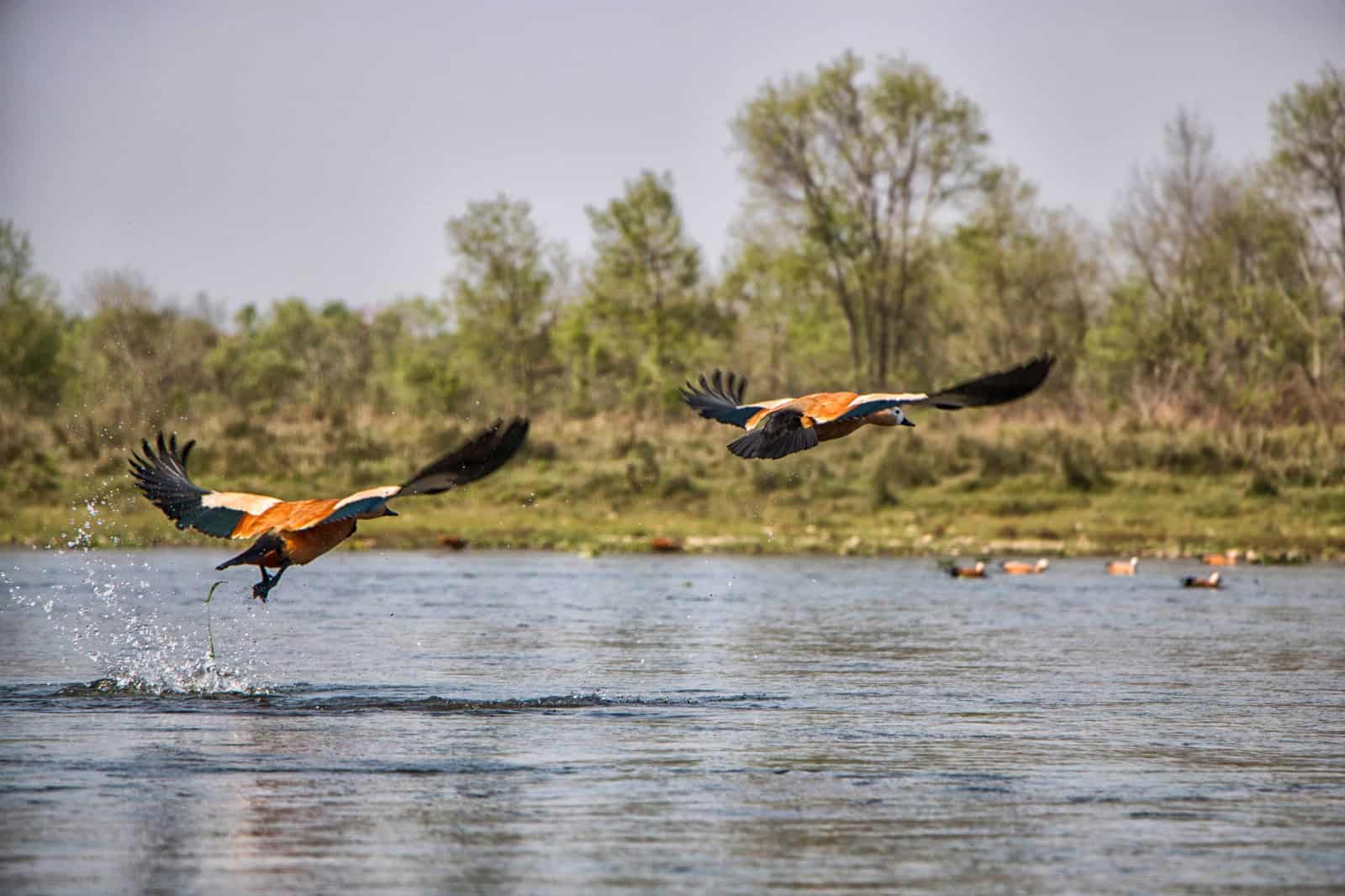
Located in Nepal’s subtropical Terai, Chitwan National Park offers a part of the Himalaya that is not about cold air and steep gradients, but is filled with grasslands, sal forest, floodplains, wetlands and river systems. The park officially records 544 bird species and contains the Ramsar-listed Beeshazari Tal in its buffer zone, making it one of Nepal’s most important wetland-linked bird landscapes.
This National Park is also perfect for all travellers who want to enjoy Himalayan Birdwatching without the physical strain of Trekking. Chitwan also offers options for jungle walks, canoe rides, Jeep drives, and resort-style stays.
Riverbanks, reedbeds and floodplains of the National Park create space for storks, kingfishers, herons, raptors and winter visitors, while the grasslands give the park some of its most prized names. One can also spot winter birds such as waterfowl, pintails, bar-headed geese and cormorants, and the broader season from October to March is widely considered the strongest window for general wildlife travel.
Annapurna Conservation Area, Nepal
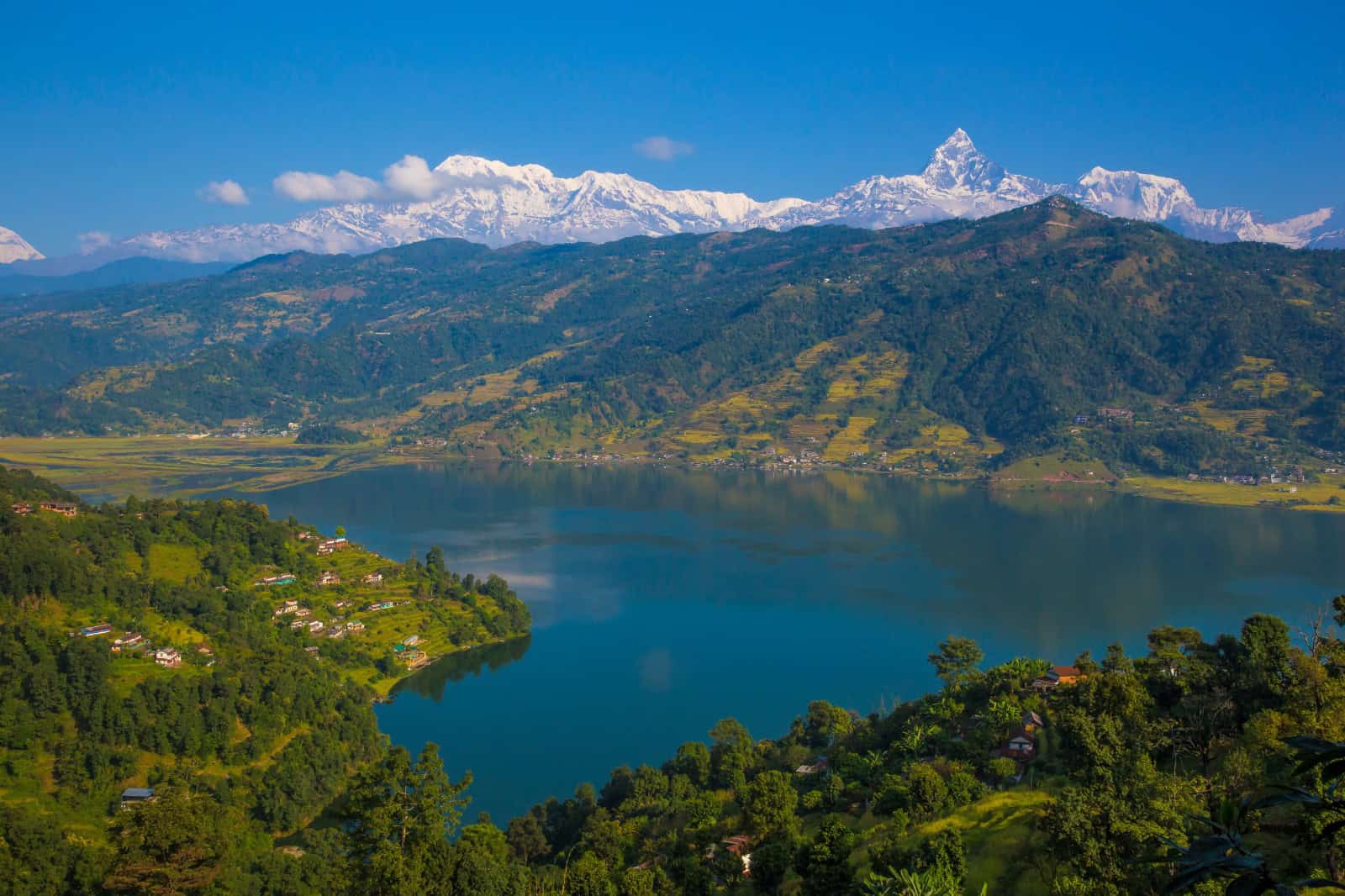
The Annapurna Conservation Area spans 7,629 square kilometres and is home to 523 bird species, along with remarkable botanical and mammal diversity. It is Nepal’s largest protected area and the country’s most diverse and popular trekking area, offering everything from short three-day walks to long, demanding routes.
Annapurna lives up to its reputation with the sheer diversity of the experiences it can provide. In the forests are lush and rhododendron-heavy in the south, especially around Ghorepani, where some of the world’s largest rhododendron stands are found.
Elsewhere, the terrain opens into valley systems, village belts and higher, harsher country where the mountains feel close and the air more austere. Birding here comes with an unusually strong human backdrop. The forest is never entirely separate from settlement, food, footpaths and lived mountain culture as the region is home to Gurung, Magar, Thakali, Manange and Loba communities.
Rare and threatened birds in Annapurna Conservation Area include globally critically endangered species like White-rumped Vulture and Red-headed Vulture, sighted along the Modi Khola and in watershed forests. Other vulnerable species spotted here include White-rumped Vulture, Wood Snipe, Cheer Pheasant, Satyr Tragopan, Nepal Wren Babbler (Nepal endemic), among a wider richness of birdlife.
Annapurna’s great appeal lies in its flexibility. It works equally well for travellers who want an easier route, such as Poon Hill, with rewarding scenery and manageable walking. That range allows birding, village life, mountain food, and culture in one journey. Planning is also fairly well organised, with ACAP permits and route rules such as guides and TIMS cards adding structure to the entire experience.
Eaglenest Wildlife Sanctuary, India
The Eaglenest Sanctuary in Arunachal Pradesh’s West Kameng District covers 217 Kilometers and comes under the Eastern Himalaya biodiversity hotspot. It adjoins both the Sessa Orchid Sanctuary and the Pakke Tiger Reserve. It lies within the eastern Himalaya biodiversity hotspot and is widely regarded as one of India’s most important birding landscapes, and is referred to as a Birders Paradise. This is the destination for readers who do not mind trading ease for intensity; it has a frontier atmosphere and uncertain roads. Eaglenest’s fame comes from its diversity; it is astonishing how much habitat is packed into this one rugged landscape.
The sanctuary runs from roughly 500 metres to over 3,000 metres, allowing tropical, subtropical and temperate bird communities to exist in close succession. Much of the birding is road-based, supported by short walks, repeated stops and careful time spent at different elevations. That rhythm is central to Eaglenest’s identity. It suits travellers who are willing to trade ease for a deeper experience.
Much of Eaglenest’s mystique rests on rarity. The official site links the sanctuary closely with the Bugun community and Bugun Liocichla, the bird that helped fix Eaglenest in the imagination of the global birding world. The sanctuary is also known for sightings of rare birds such as Bugun Liocichla, Blyth’s Tragopan (colourful pheasant), Chestnut-breasted Partridge, Temminck’s Tragopan, Ward’s Trogon (iridescent), Beautiful Nuthatch, Yellow-rumped Honeyguide, Hodgson’s Frogmouth, Snow Partridge and hornbills and a broader richness of birdlife that shifts with elevation and forest type.
Royal Manas National Park, Bhutan
The Royal Manas National Park is Bhutan’s oldest protected area. The National Park showcases the country’s greener side, very different from the alpine image often attached to Bhutan. This 1057 square kilometre gem has also entered UNESCO’s tentative list, with its diverse ecosystem that includes tropical and subtropical forests, grasslands and wetland-linked zones. It also forms part of a much larger ecological network, linking with India’s Manas landscape and with other Bhutanese protected areas through biological corridors.
Bhutan’s official tourism site states that visitors pay a Sustainable Development Fee calculated on a per-day basis, while the visa page notes that visas and the SDF are integrated into the entry process for most foreign nationals. That framework keeps the experience relatively controlled and uncrowded, which suits the park’s character. Royal Manas is not the place for hurried travel. It is the subtropical secret of this line-up, a final act of deep forest, broad rivers and unforced quiet.
The National Park also hosts 430 species, along with a strong concentration of threatened and restricted-range birds, including hornbills. the critically endangered White-bellied Heron, the endangered Pallas’s Fish-Eagle and Rufous-necked Hornbill. Grassland areas are home to the critically endangered Bengal Florican. Forest canopies ring with the calls of Great and Wreathed Hornbills, the iridescent Ward’s Trogon, and the striking blue-black Beautiful Nuthatch. Rarities like the Malayan Night Heron and Black Baz can also be spotted in this region.
The luxury of bird watching
What these journeys finally offer is not only species richness, but a different way of being in the mountains. Birding by its very nature makes travellers walk slower, notice the weather, the sky and the trees more keenly. Here, a great day may be defined by a call heard in fog, a silhouette on a ridge, or a few seconds of movement in dense undergrowth. This is an activity where excitement and patience walk hand in hand.
Birdwatching changes the nature of the journey itself. It makes travellers rise before sunrise, pause more often on a trail, listen harder in a thicket and read a hillside not only as scenery but as habitat. A ridge is no longer only a ridge. Every bamboo patch becomes a possible hiding place. A wetland edge turns into a stage of movement and reflection. Across the Himalaya, birding slows travel down in the best possible way.
That may be the deepest luxury in Himalayan bird travel. Not speed, not scale, not even rarity alone, but the chance to move through extraordinary landscapes with enough attention left to hear them properly.
Read More: Latest