

Meaningful Indigenous luxury travel is being redefined by local communities, ancestral knowledge, and living cultural traditions
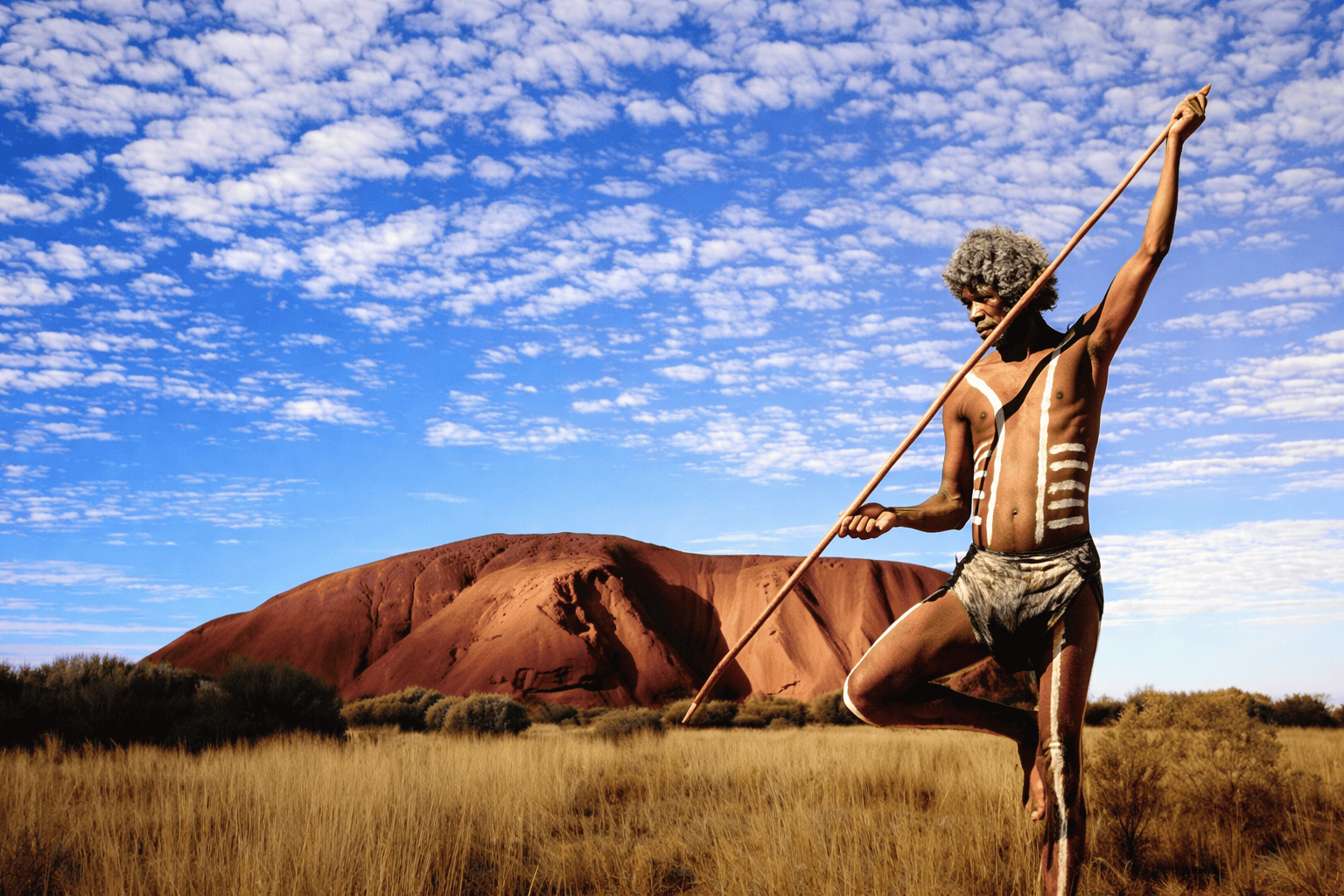
Under the infinite canopy of stars blanketing the Australian Outback, the air carries the sharp, cleansing scent of eucalyptus, mingled with the faint smoke of a freshly kindled fire. Uluru rises like a beating heart of the earth, its ochre surface shaped by 60,000 years of wind, rain, and ancestral touch. An Anangu elder sits cross-legged on the sand, her voice steady and rhythmic as she draws listeners into the Dreamtime, into stories of sky ancestors who sang the world into being, mapping songlines that lead across waterholes, sacred sites, and ancient desert paths.
A first bite of bush tucker follows: the tart burst of quandong fruit, balanced by the nutty warmth of wattleseed damper, served on plates carefully woven with spinifex grass by local women. A sip of lemon myrtle tea adds its clean citrus note, carrying the vitality of the land itself. This is indigenous-led luxury at its most profound, a sensory communion where every detail honours the custodians of Country and draws the traveller into a living tapestry of heritage older than recorded history.
This growing movement in luxury travel, gathering pace through 2026, marks a deep shift in aspiration. Luxury once meant gilded isolation, choreographed privacy, and curated exclusivity. Today, the most compelling journeys pulse with purpose: reverence for sacred knowledge, authentic bonds shaped in community-led spaces, and a deeper sense of return to shared human origins. The momentum has been building for years.
Major operators such as Intrepid Travel crossed 100 Indigenous experiences in the early 2020s, later expanding such journeys across a larger share of their high-end itineraries through major commitments and partnerships with organisations such as Canada’s Indigenous Tourism Association. G Adventures has also worked with more than 100 communities worldwide, helping visitors’ spending support cultural revival, youth training, and land conservation initiatives that protect biodiversity-rich regions for future generations.
The data reflects this rising demand. Indigenous tourism grew at around 20 to 25% annually in the years leading up to 2026, generating more than AUD 1.5 billion in Australia alone by 2025. Among high-net-worth travellers, research indicates a strong preference for transformative immersion over standardised five-star experiences. Fireside conversations, guided walks with elders, ceremonial food traditions, and community-led encounters now carry more emotional value than familiar displays of excess.
These are journeys built on sovereign partnerships. Traditional Owners and Indigenous communities define what is shared, how it is shared, and how the benefits return. Profits may support youth guiding academies that train hundreds annually, feral animal control programmes protecting bilbies and quokkas, artisan cooperatives reviving ochre painting, didgeridoo crafting, and bush medicine traditions.
A stay at Longitude 131° can help support Pitjantjatjara language learning for remote schoolchildren. A visit to El Questro can contribute to Wilinggin ranger patrols across 165,000 hectares. Amid post-pandemic soul searching and growing fatigue with overtourism, these journeys carry a rare sense of relevance. Indigenous communities appear here as visionary architects of travel’s ethical and regenerative future. Luxury, guided by ancestors, becomes a force for healing divides, personal and planetary.
Australia: Dreamtime in the Desert
With around 60% of Australia’s landmass now Aboriginal-owned or managed, the continent’s vast interior has become one of the great theatres of Indigenous-led luxury. Here, Traditional Owners are reclaiming narrative control with authority, grace, and lived cultural knowledge.
At Ayers Rock Resort, the Bush Yarns sessions offer an accessible daily introduction. These free 30-minute gatherings at the Circle of Sand or Outback Hotel bring guests into direct contact with Anangu hosts. Men demonstrate the lethal arc of mulga wood spears once used in kangaroo hunts. Women show coolamons and digging sticks used for harvesting bush onions, honey ants, and witchetty grubs. Guests learn simple Pitjantjatjara words such as “palya”, meaning hello, and “wati”, meaning man. The tone is unhurried, often humorous, and grounded in lived expertise. These encounters open the door for deeper immersion.
Songline walks raise the experience into another register. Multi-day treks trace invisible spiritual highways shaped by ancestors who “sang up” the landscape. From Longitude 131°’s dune top pavilions, dawn transforms Uluru through a sequence of shadow, rose, copper, and flame. Certified Indigenous rangers lead guests along routes encoded with survival lore: rock holes that conceal permanent water, spinifex resin used as glue and sealant, and emu bush valued for its analgesic properties. Foraging introduces hidden desert bounties such as quandong plums for tart cordials, lemon aspen for zesty sorbets, and Davidson plums rich in vitamin C.
Bush tucker tastings have also moved into the realm of haute gastronomy. At Black Brae in the Grampians, Aboriginal chefs create menus that honour thousands of years of food knowledge. Kangaroo loin arrives with native pepperberry jus. Crocodile tail tempura is lifted by bush tomato relish. Lemon myrtle-infused damper brings fragrance and warmth. Each dish draws upon 60,000 years of palate innovation, shaped by ingenuity, seasonality, and deep environmental knowledge.
Desert storytelling lodges turn narrative into a nightly ritual. El Questro Homestead in the Kimberley, transformed by the 2022 Wilinggin Indigenous Land Use Agreement that returned 165,000 hectares under a 99-year leaseback, hosts Injiid Marlabu, meaning “Calls Us”, experiences. Traditional Owners decode curlew cries and eagle calls as ancestral signals during gorge hikes. Evenings unfold beside firelight amid homestead splendour: King River sunset cruises with line-caught barramundi grilled tableside, aged Barossa shiraz drawn from private cellars, and suites blending polished jarrah wood with infinity-edged views across Chamberlain Gorge.
Nearby, Chambers Gorge offers Anangu-led overnights in ancient wiljis, or stone shelters. Starlit didgeridoo concerts carry creation songs into the night. Dawn corroborees bring clapsticks, movement, and stories of the Rainbow Serpent. Such moments make the desert feel intimate and immense at once.
The empowerment model is equally important. Profits train more than 500 young guides every year through Indigenous Tourism Australia’s apprenticeship pathways. Funds support feral cat culls that help protect endangered bilbies. Cultural hubs teach ochre body painting, clapstick rhythms, and bush medicine, including eucalyptus salves for respiratory ailments and goanna oil for scar tissue. Collectives such as Discover Aboriginal Experiences also restore food sovereignty by reviving knowledge of nearly 5,000 native plant foods diminished by colonisation.
For the luxury traveller, the result is pure transcendence. Feet press songlines walked millennia before Stonehenge. Hearts sync with the country’s older cadence. The land is encountered as kin, teacher, memory, and law.
Costa Rica: Rainforest Rituals and Indigenous Wisdom
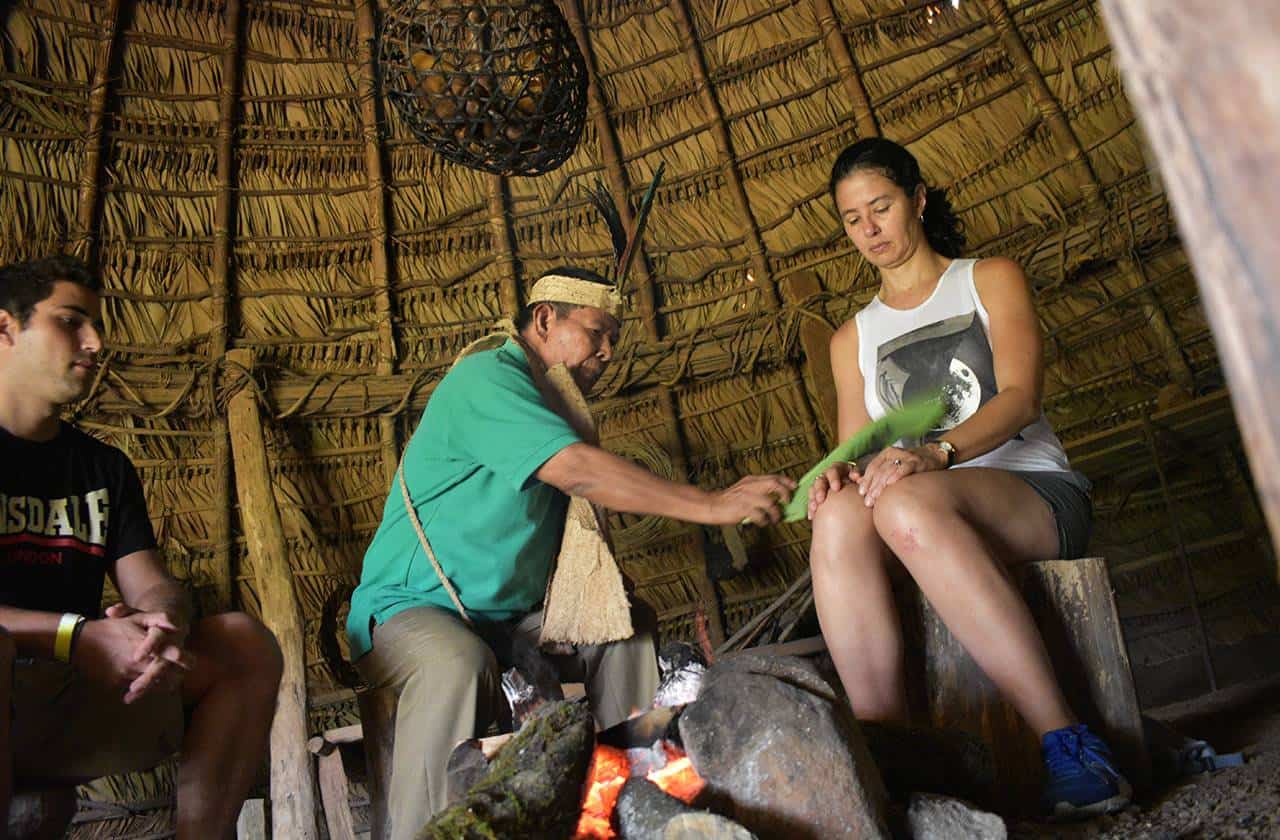
Costa Rica’s Talamanca Bribri Indigenous Reserve, a UNESCO biosphere region home to Bribri and Cabécar communities, guards one of the world’s richest rainforest pharmacies. The region contains more than 9,000 plant species, with a significant share of medicinal knowledge known through awapas, or shaman priestesses, whose oral lineages stretch across centuries.
Yorkin Village offers one of the most evocative immersions. A three-day journey begins with a motorised canoe cutting through the misty Yorkin River, past chontaduro palms and dense green banks. The arrival leads into a forest clearing where matriarchs host cacao ceremonies honouring Duwá, the deity of abundance. Beans are roasted over fragrant hardwood coals, ground with granite metates into paste, then whipped with river water into frothy awá. The drink is served in sacred calabash gourds amid tobacco smoke, blessings and chants calling upon rain spirits.
Ancestral healing rituals unfold in temazcal sweat lodges. These earthen domes steam with hierba luisa for purification, ginger tinctures for circulation, and rue infusions associated with vision and clarity. Healers such as Luis “The Healer Shaman” interpret dreams as maps toward personal truths. Days move through the sounds and textures of jungle life: harvesting pejibaye hearts for creamy palmito soups, weaving chumico fibre hats and bags linked with women’s authority in Bribri cosmology, and crafting arrows with river bamboo hardened in fire.
Luxury lodges such as Aguas Selvas bring comfort into this setting with sensitivity. Rainforest treehouses frame harpy eagle nests and toucan flight through floor-length glass. Private plunge pools seem suspended within the canopy. Spa sanctuaries use Bribri balms, including sarsaparilla root for detoxification and wild honey for skin renewal.
Heritage appears in every detail. Bijagua palm thatch roofs rustle in the breeze. Fallen teak furnishings are carved with symbolic motifs. Indigenous bounty shapes the cuisine: palmito ceviche marinated in cacao vinegar, ñame mash with freshwater prawns gathered near Yorkin’s shallows, and ethically farmed tapir dusted with roasted cacao nibs. Overnight homestays add another layer, with jaguar origin myths shared around cooking fires and dawn awakenings carried by howler monkey calls and mist rising around waterfalls.
The traveller’s journey here often bends toward learning. Bribri sustainable cacao agroforestry counters the monocrop legacies associated with the United Fruit Company era, teaching regenerative techniques that sequester carbon and preserve biodiversity. By 2026, a large share of Costa Rica’s luxury bookings had begun prioritising cultural depth. In this context, guests gain fluency in the rainforest’s living pharmacy. They return with an altered sense of plant knowledge, climate fragility, and ancestral wisdom. Luxury becomes living medicine, a restorative tonic for modern disconnection.
North America: Native Owned Journeys of Revival

Across North America, 574 federally recognised tribes steward around 56 million acres of sovereign land. Revivalist luxury now blooms across this vast geography, stretching across Wyoming’s Bighorn Basin, Montana’s Glacier country, the canyons of Arizona, and many Native homelands beyond.
Glamping on the Greys offers one version of this revival. Opulent bell tents feature Persian rugs, copper clawfoot tubs infused with sage, four-poster king beds, and handmade quilts. The setting lies close to Shoshone medicine wheels that map 12,000-year star migrations and vision quest sites. Heritage hikes decode ancient petroglyph panels depicting buffalo hunts and thunderbird flights. Navajo guides recite Hózhó prayers invoking harmony between human and cosmos.
Art immersions bring another powerful dimension. At Hubbell Trading Post National Historic Site, Navajo weavers create intricate Two Grey Hills rugs with thousands of knots encoding clan migrations and healing motifs. Hopi silversmiths craft overlay jewellery connected with kachina spirit dances. Craft is encountered here as philosophy, memory, skill, and cultural continuity.
Meals can be equally revelatory. Glamping feasts may include bison carpaccio cured with juniper berries, evoking ancestral hunts; Navajo-style salmon smoked over cedar with wild dill; or chokecherry pemmican balls that recall provisions made for long journeys. Under clear night skies and a brilliant Milky Way, these meals gain ceremony through setting and story.
Profits feed a youth renaissance. Canyonlands Field Institute’s Native Teen Guide in Training programme equips Navajo and Ute teenagers on multi-day San Juan River expeditions. Participants master whitewater rapids, identify edible wild rhubarb and prickly pear, recite Diné prayers, and earn guiding certifications that can support future tourism careers. Running Strong for American Indian Youth supports more than 1,000 children through cultural immersion camps blending traditional beading, wild rice parching ceremonies, and elder-led oral history interviews that help preserve endangered languages.
Tribal festivals add kinetic beauty. Navajo Code Talkers Day brings hoop dances, blanket tosses, frybread with mesquite honey, and ceremonies honouring wartime courage and cultural resilience. Visitor economies help sustain these gatherings while allowing communities greater control over interpretation.
Regeneration also appears through wildlife and land. Blackfeet Wilderness Lodge near Glacier National Park offers grizzly tracking with sage smudging blessings and sweat lodge cleansings. Navajo Nation’s Twin Arrows Resort blends casino luxury with ancestral spa therapies using piñon resin scrubs. Bison herd rebounds under tribal management, rising from near extinction in the late nineteenth century to tens of thousands today, carries immense emotional and ecological meaning.
Visitors encounter resilience shaped by boarding school scars, broken treaties, land theft, cultural survival, and renewed sovereignty. They leave with a sharper sense of land back movements, treaty rights, and Indigenous stewardship. This is luxury with a sovereign heartbeat.
India: Himalayan Nomads and Aryan Valleys

High in Ladakh’s 4,000 metre Himalayan fastness, where thin air hardens the spirit and sharpens perception, Brokpa and Changpa communities reveal one of India’s most ethereal Indigenous luxury experiences.
The Brokpa of Aryan Valley, in villages such as Dha, Hanu, and Garkon, are known for ancient Indo Aryan roots, distinctive features, and elaborate headgear adorned with turquoise, flowers, silver, and bone. Their Bonnah Festival pulses with Bonde war dances in barley fields, mulberry wine, and feasts of gya phag, a goose stuffed flatbread, served with butter tea under star-pricked skies. Luxury operators such as Kamzang Journeys and Mathini Travel curate glamping sites with Kashmiri pashmina carpets, solar-heated stone showers, and private apricot orchard picnics set against the jagged Zanskar range.
Changpa nomads around Tso Moriri Lake live beside one of the great high altitude landscapes of the Himalaya. Their herds of pashmina goats yield the fine cashmere that fuels one of the world’s most coveted luxury textiles. Guests may join dawn yak milking, taste butter tea with tsampa, and share cheese picnics near sacred wetlands believed to be guarded by barley spirits. Hikes to Korzok Monastery introduce local systems of adaptation, including polyandry shaped by scarce arable land, yak dung insulation, and solar water stills.
Women’s cooperatives flourish through photography tour proceeds, weaving vibrant Drokpa shawls dyed with rhododendron and saffron. Tourism profits help construct more than 20 remote schools and equip herders with drones used to monitor glacial retreat threatening pastoral lifeways.
The wider Ladakh journey carries equal drama. Ultimate odysseys may include Pangong Tso’s luminous salt waters, butter lamp rituals in cliffside gompas, and Nubra Valley’s singing dunes crossed on Bactrian camels. In this setting, India’s raw and reverent luxury takes shape through peaks, silence, craft, faith, and nomadic resilience. The landscape appears almost otherworldly, yet the human story remains immediate and practical: water, animals, weather, belief, and survival.
The Pacific and Beyond: Living Heritage and Oceanic Sanctuaries
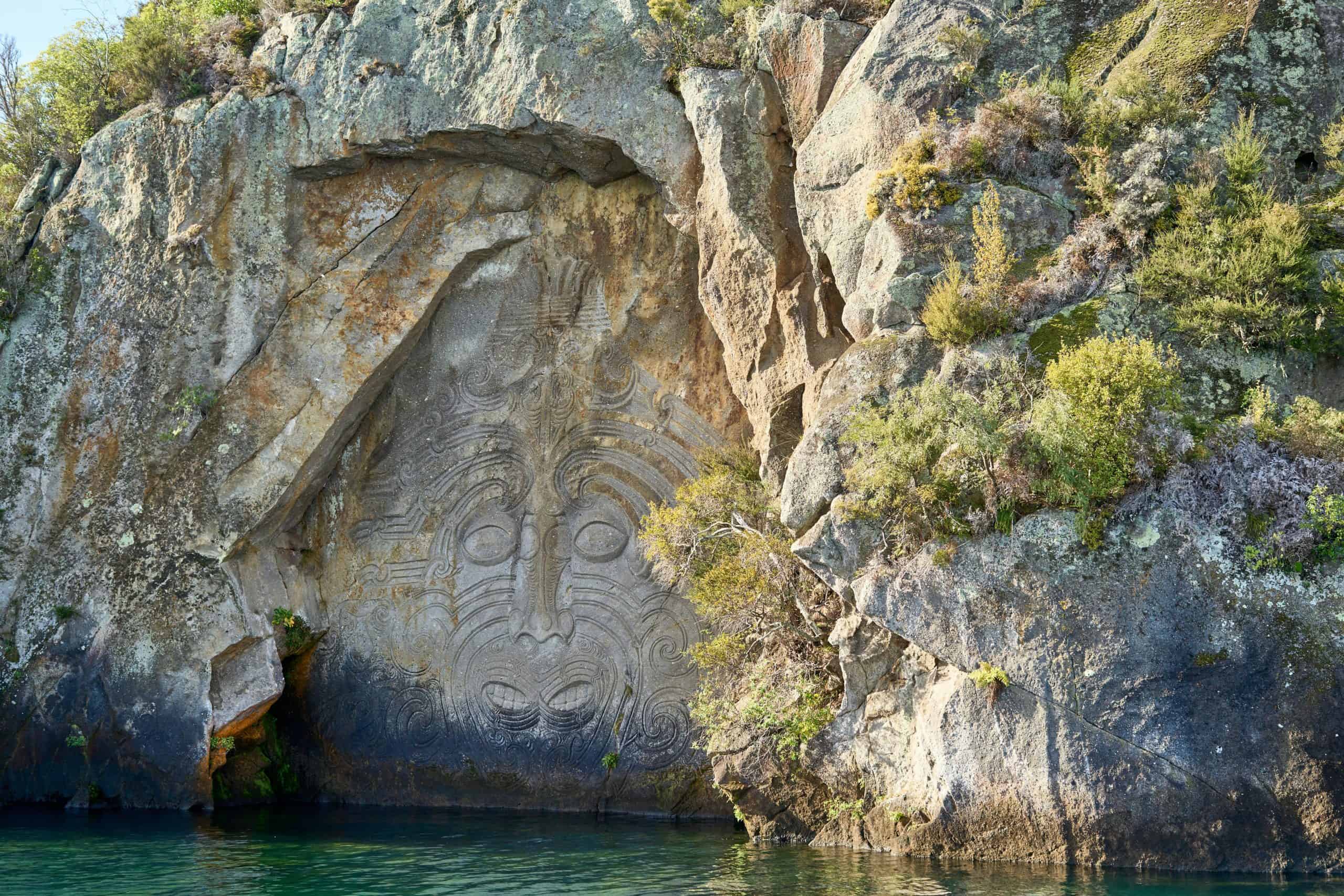
New Zealand’s Maruia River Retreat, a 500-acre Māori-inspired sanctuary in the South Island’s kahikatea forests, embodies whakanoa, the ritual release into balance. Seven standalone villas built with podocarp timbers sit within a landscape of river, forest, and quiet. Infinity pools draw on the pure flow of the Buller River. Spa therapies use manuka honey masks and kawakawa poultices for inflammation. Fine dining elevates ranger venison with foraged horopito pepper and wild watercress. Its accolades as one of the world’s most extraordinary spas reflect the rising appeal of Indigenous-inspired wellness rooted in place.
Hawaii offers a saltier, more oceanic expression. The Kamoauli wa‘a kaulua, a 62-foot double-hulled Polynesian sailing canoe hand-built in Tonga, hosts intimate Waikiki voyages led by Native Hawaiian navigators. Guests hear mo‘olelo, or ancestral legends, including stories of Pele, the volcano goddess, and her fiery journeys. They snorkel near honu turtle reefs and enjoy sunset feasts of kalua pork with live hula beneath the silhouette of Diamond Head. Reef guardianship programmes help fund ‘Ōlelo Hawaii language revival classes taught by kupuna elders.
Living heritage here becomes a deeply personal restoration. Ecological stewardship and cultural renewal sit inside the experience rather than outside it. Marine protected areas, hula as living history, traditional navigation, and elder-led language work all shape a form of Pacific luxury that heals ancestral wounds while offering ease, beauty, and emotional depth.
Why Indigenous Luxury Matters
Travel guided by ancestry can remake the traveller’s inner landscape. Songlines map emotional terrains as much as physical ones. Cacao rites cultivate gratitude. Himalayan nomad treks teach impermanence beneath peaks that appear eternal. Elders offer ethical compasses that can outlast the journey itself.
The ethical pillars are strong. Cultural preservation supports the revival of more than 300 endangered languages through immersion schools and community learning. Community empowerment trains thousands of youth guides annually. Ecological respect is visible through millions of acres returned through leasebacks, land back victories, and Indigenous-led stewardship programmes.
This is one of sustainable luxury’s most meaningful frontiers. It is community-led, regenerative, and difficult to replicate because it depends on living authority rather than design trends. Every journey carries a responsibility: cultural respect, informed consent, fair benefit, and the humility to enter as a guest instead of a simple consumer.
8. Returning with Stories, Not Souvenirs
Woven into wisdom’s ancient tapestry, travellers return with stories rather than trinkets. They may fund youth futures, amplify land rights, choose ethical supply chains, and speak differently about the communities they encountered. Ancestral echoes give luxury a longer life. Reverence creates return. Connection outlives consumption.
The finest Indigenous led journeys remain memorable because they carry beauty with consequence. A fireside story in the Outback, a cacao ritual in Talamanca, a bison encounter on Native land, a pashmina trail in Ladakh, or a canoe voyage across Hawaiian waters can alter the way a traveller understands land, food, craft, comfort, and privilege.
Guided by ancestors, luxury becomes more than an escape. It becomes a deeper way of arriving.
Read more – Explore the world