

7 awesome road journeys that pair luxury stays with wild highways across Patagonia, Ladakh, Alaska and beyond
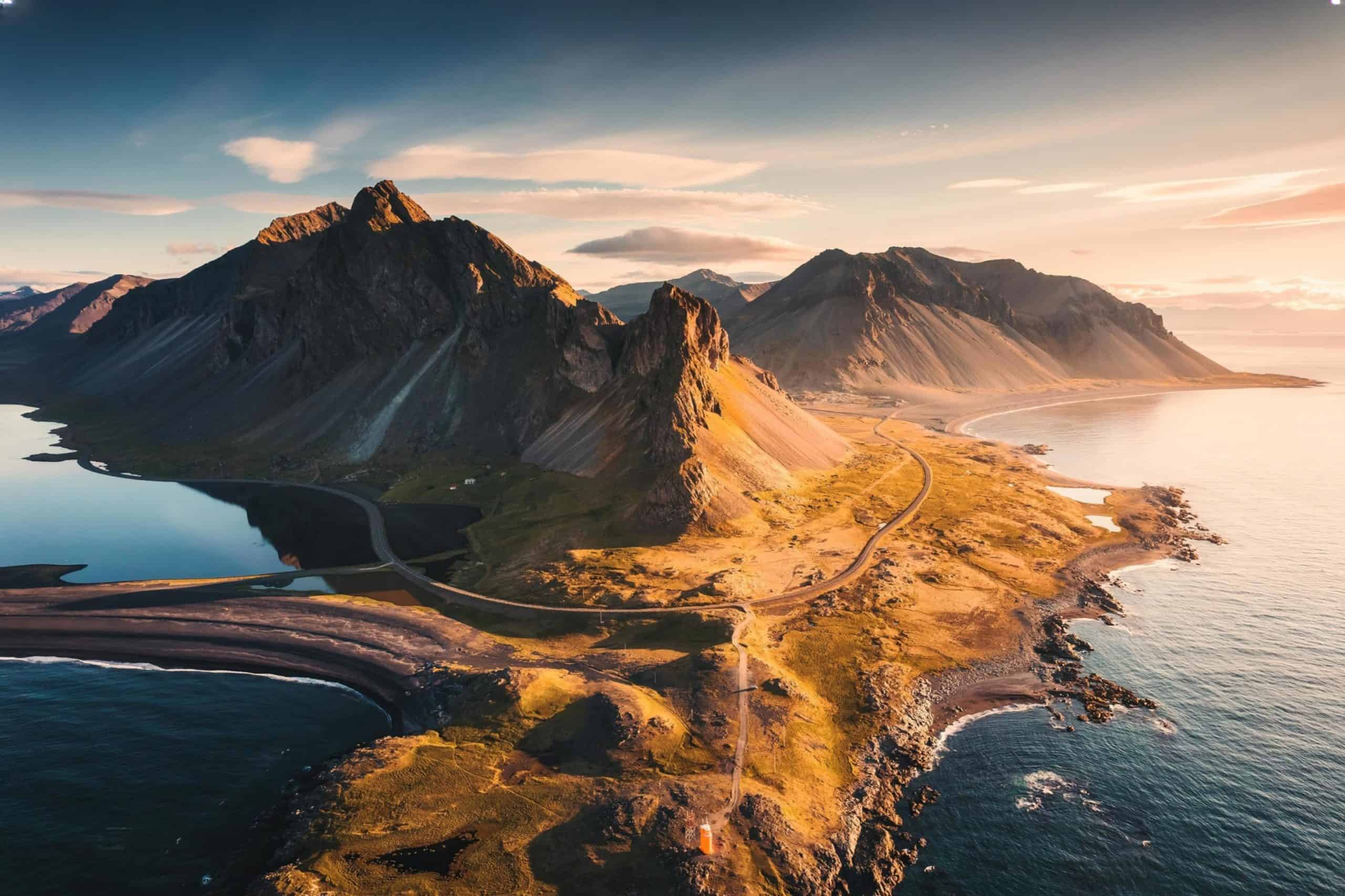
A small club of road journeys still feel like expeditions. Long, remote drives where each day brings a new climate, altitude or culture, and where the story is as much about endurance and logistics as scenery. The thrill lies in pairing these wild corridors with expert drivers, serious vehicles and a string of remarkable lodges or camps, so the experience feels cinematic, comfortable and deeply alive.
Some roads still carry the old romance of distance. They run through thin air, across tundra, beside glacier rivers, along cliff faces, past border posts, ferries, rockfall zones and settlements shaped by weather, patience and memory. Along these routes, the window becomes a moving screen. Patagonia arrives in sheets of rain and blue ice. The Pamirs unfold under enormous skies. Karakoram peaks rise with theatrical authority. Alaska stretches beneath pale Arctic light. Iceland shifts between black sand, lava and ice. Northern Vietnam hangs above jade river canyons. Ladakh opens like a cold desert dream after days of climbing.
Such routes hold a particular appeal. They offer grandeur with grit, difficulty softened by craft and drama sharpened by planning. A well-planned journey brings a skilled driver guide, a capable 4×4, medical support, satellite communication, refined halts, strong local knowledge and enough flexibility for weather, altitude and road conditions. The comfort matters because the road still asks for commitment.
These journeys demand time. They reward patience. They make arrival feel earned.
Carretera Austral, Chile
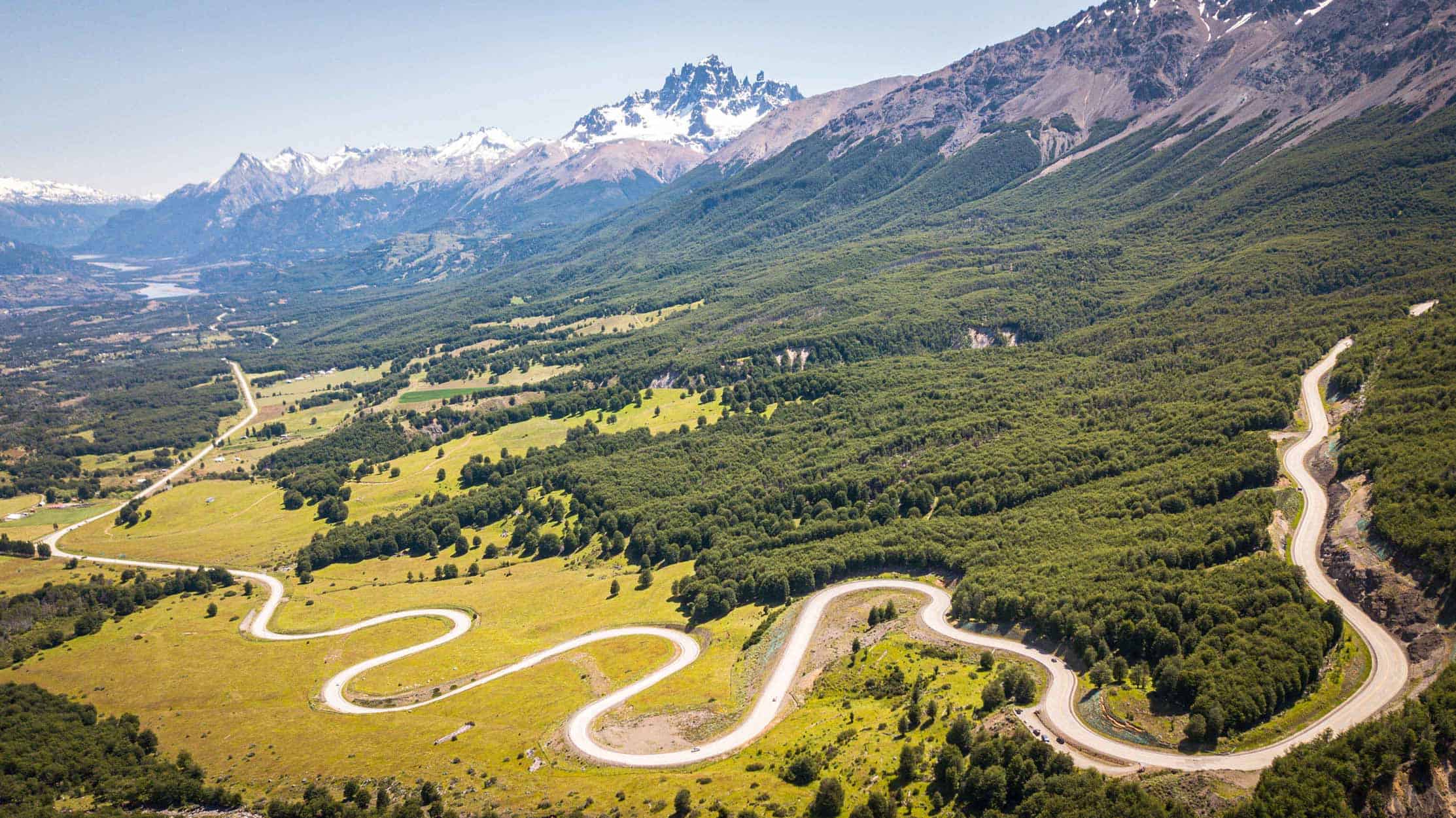
Chile’s Carretera Austral, Route 7, runs roughly 1,240 km between Puerto Montt and Villa O’Higgins. It is one of Patagonia’s great wilderness roads, shaped by fjords, temperate rainforest, glaciated valleys, ice-fed rivers and settlements with a frontier quiet about them. Built by the Chilean military beginning in the 1970s, the road remains only partly paved, and that unfinished quality gives it an unusual atmosphere.
The Aysén region has fewer than one person per square kilometre on average. On the ground, that means space, silence and a strange sense of being allowed inside a landscape that has kept most of its privacy. Traffic thins quickly. Forest presses close. Rivers flash turquoise beside the road. Glaciers appear through the clouds. Ferries fold themselves neatly into the day, carrying vehicles across cold water beneath low skies.
A luxury journey here should feel elemental. A private 4×4, an expert driver guide and an intelligent pace can turn the route into a two-week Patagonian odyssey. The most rewarding version links stays near Cerro Castillo, Río Baker and Parque Patagonia, with design-led lodges, private forest houses and high comfort estancias adding warmth after long road days.
The experiences around the road deepen the mood. Glacier boat excursions, fly fishing, forest walks, chef-led dinners, private picnics beside rivers, and heli hiking can be folded into the itinerary with elegance. Rain belongs in the story. So do wet boots, steaming windows, wood smoke and the sound of water moving through the valleys.
Carretera Austral works beautifully as Patagonia’s last wild highway. Its beauty has weight, weather and temperament. Vehicles look tiny beneath mountains. Gravel cuttings curve through green slopes. Fjords turn silver in shifting light. Here, luxury gives the traveller better timing, better shelter and better care, while the landscape keeps its fierce independence.
Manali Leh and Greater Ladakh Zanskar, India
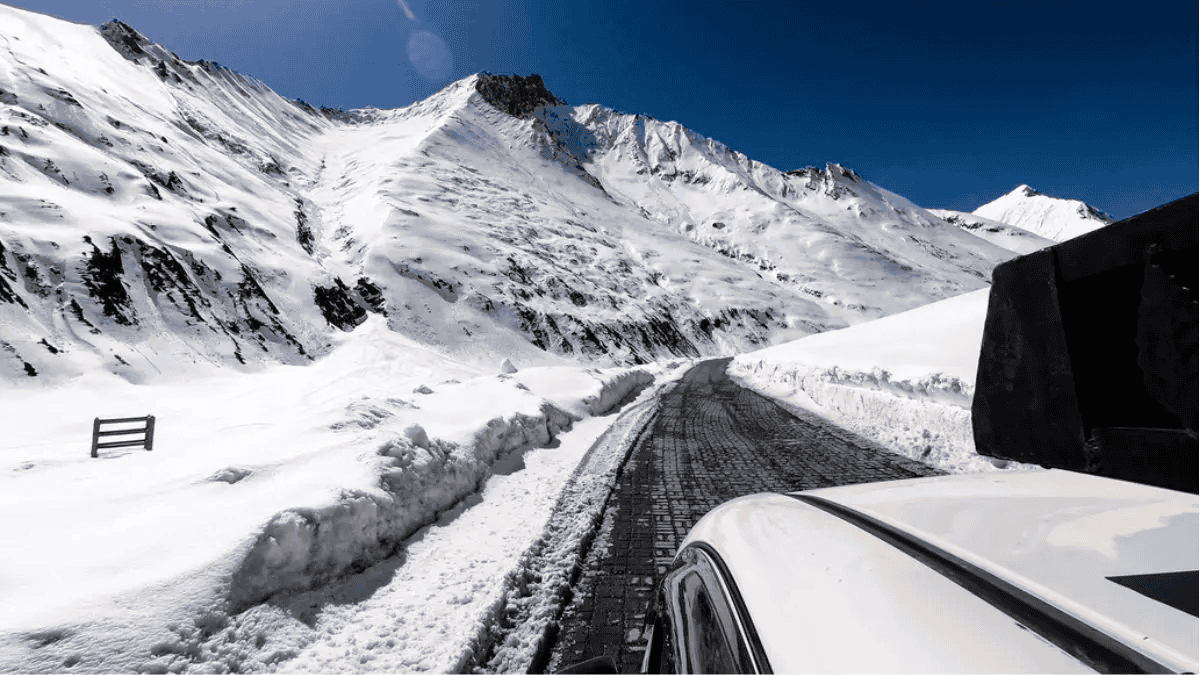
The Manali Leh Highway, part of India’s NH3, covers roughly 428 km or 474 km, depending on routing and measurement. It links Himachal Pradesh with Ladakh across major passes including Rohtang La, Baralacha La, Nakee La, Lachulung La and Tanglang La, with the highest rising above 5,300 m. Open mainly during warmer months, the route has long held cult status among adventure travellers.
The drama lies in transformation. Green valleys around Kullu and Lahaul gradually give way through river corridors, highlands, the Gata Loops, wind-carved plateaus and the moonscapes of Ladakh. The road can be tiring, beautiful and unpredictable within a single day. Altitude is central. Weather matters. Road conditions can change quickly after rain, snow or construction activity.
Greater Ladakh and Zanskar add another frontier layer. Newer and rougher roads push through gorges and over passes such as Shinku La, connecting areas around Padum, Hanle and remote high altitude lakes. Some segments remain basic or under construction, heightening the sense of exploration while improving access for local communities.
Ladakh needs thoughtful pacing. Experienced Himalayan driver guides are essential. Oxygen, acclimatisation nights, weather buffers and flexible sequencing should be built into the plan. Boutique hotels in Manali and Leh, converted palaces, refined valley stays, and high comfort tented camps can create an elegant rhythm. Helicopter links between Leh, Nubra, Hanle or Tso Moriri can reduce long road strain for guests with limited time or altitude concerns.
The visual story is among the strongest in Asia. Convoys climb beneath prayer flags. Switchbacks hang above river gorges. Brown mountains shift tone through the day. Monasteries rise along ridgelines. Lakes and cold desert plains carry an austere beauty. At night, Zanskar camps sit beneath skies so bright they feel almost close.
“At the Mercy of the Passes” captures the spirit of the journey. Ladakh road travel answers weather, altitude and mountain timing before any itinerary. That uncertainty, handled well, becomes part of its luxury.
Pamir Highway, Tajikistan and Kyrgyzstan
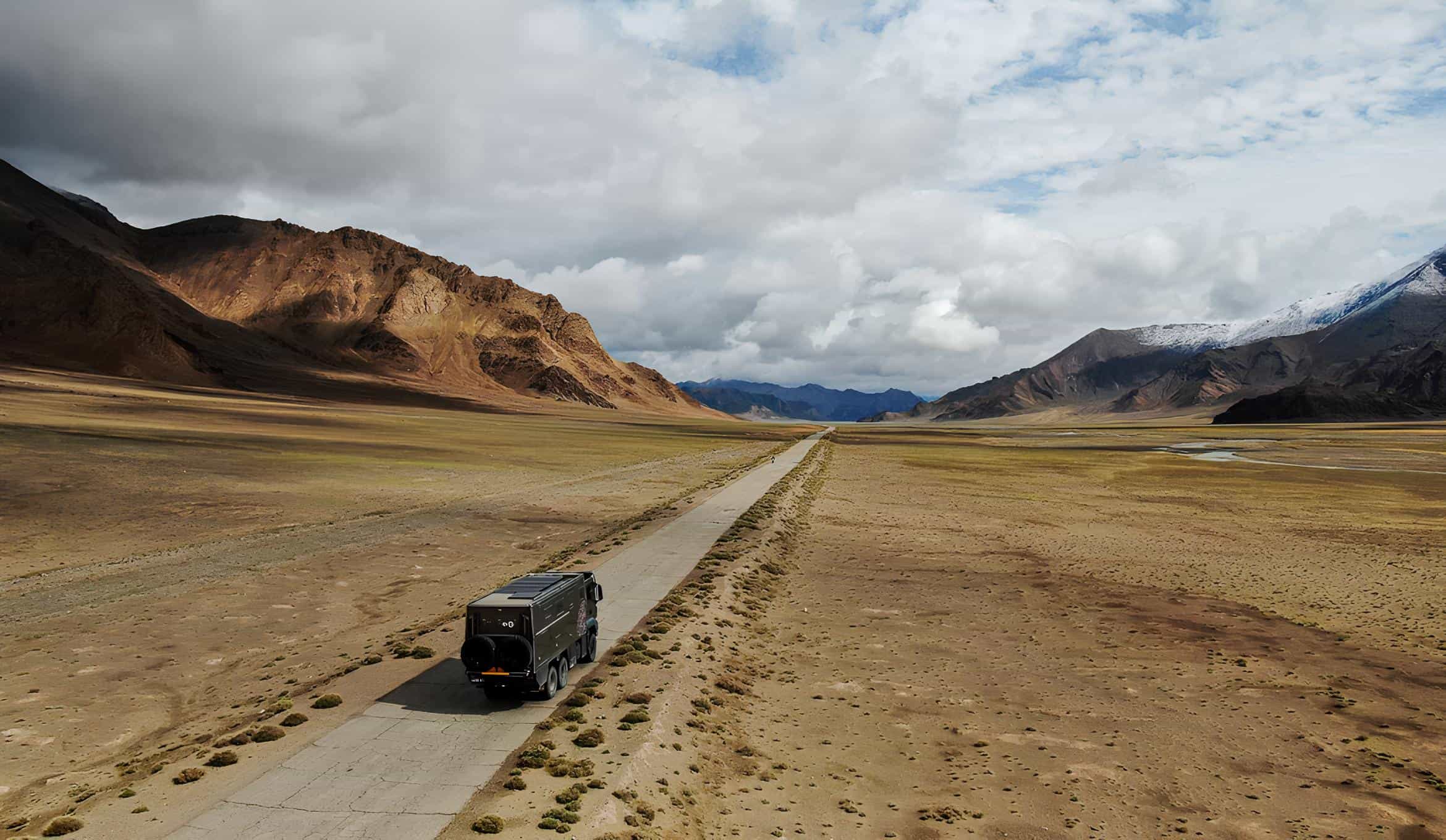
The Pamir Highway, officially known as route M41, threads more than 1,200 km through Tajikistan and Kyrgyzstan, with links near southern Uzbekistan. Much of the route sits above 3,000 m, while high passes rise beyond 4,000 m. The road has long associations with the Silk Road movement and later Soviet strategic ambition. Today, it remains a lifeline for remote communities in Tajikistan’s Gorno-Badakhshan Autonomous Region.
Its reputation is serious. Between Dushanbe, Khorog and Osh, travellers encounter rough asphalt, washed-out gravel, landslide zones and avalanche risk. Fuel can be limited. Mechanical support is sparse. Winter closes high-side roads completely. The recent reopening of the Kyrgyz-Tajik border has renewed interest in the complete journey, giving the Pamir Highway fresh appeal for ambitious overland travellers and high-end adventure operators.
Luxury in the Pamirs speaks through preparation. The best itineraries use chauffeured 4×4 vehicles, local driver-fixers, altitude planning and contingency support. Seven or fourteen days can work, though acclimatisation in Dushanbe and Osh is essential. Stays are necessarily mixed: small guesthouses, upgraded homestays and private tented camps with proper beds and heating. The blend gives the journey honesty and intimacy.
The reward is rare access. Guests pass bazaars, high-altitude desert, Pamiri villages, yurt camps, mountain lakes and wide plains edged by peaks that rise near 7,000 m. The visual story is spare and immense. Yak dotted pastures sit beneath hard blue skies. Alpine lakes mirror snow ridges. Soviet era road markers appear along empty stretches. Border posts carry the quiet tension of geography. Valleys along the Afghan frontier add political and human depth.
The Pamir Highway deserves the phrase “Roof of the World”. It is a journey of altitude, endurance and cultural contact. The luxury promise should feel clear: strong vehicles, trusted local teams, communications support, medical readiness and a pace that respects the body as much as the landscape. Handled well, the Pamir feels rare, exacting and strangely serene.
Karakoram Highway, Pakistan and China
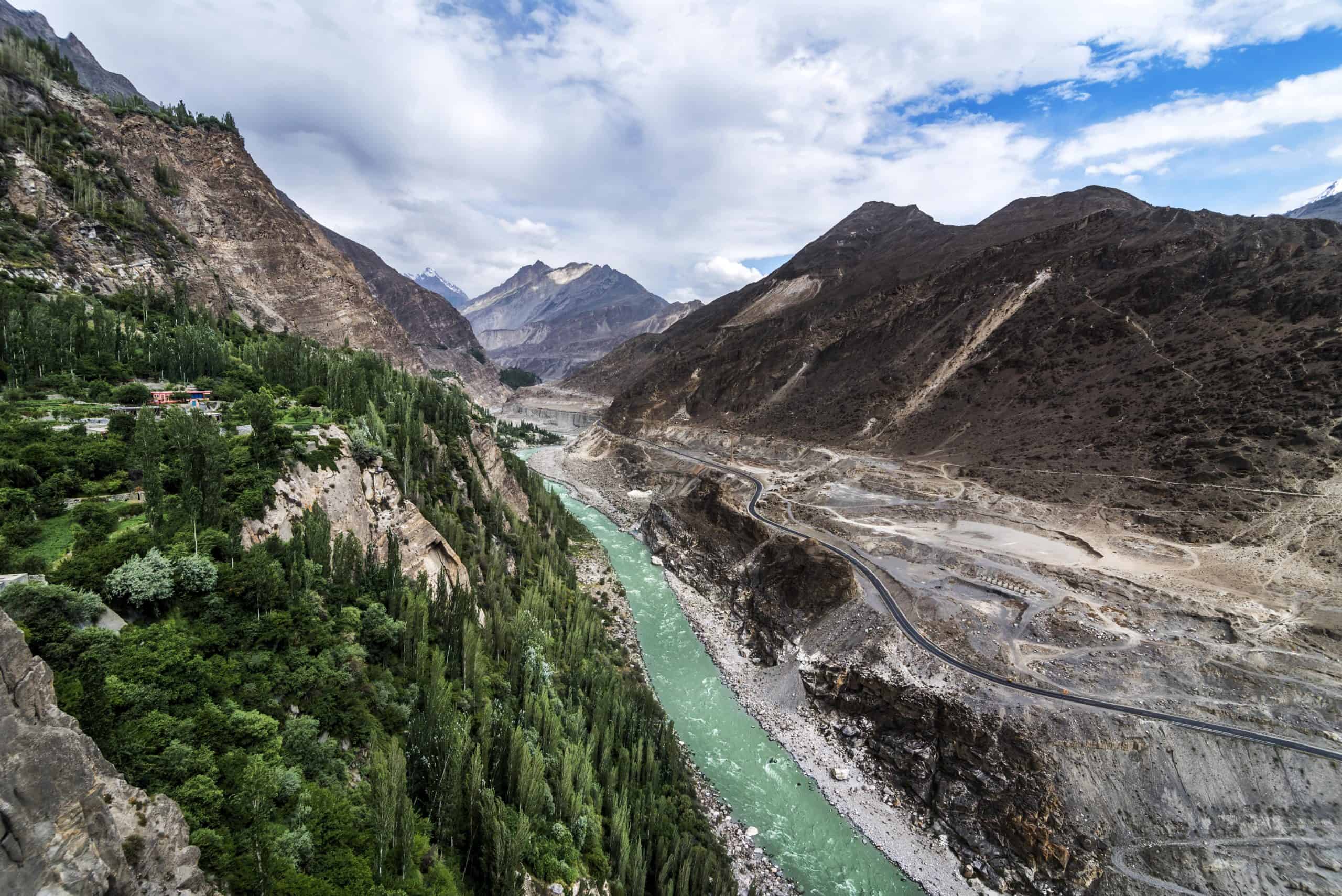
The Karakoram Highway, often called the KKH, ranks among the highest paved international roads in the world. It climbs near 4,714 m at Khunjerab Pass, linking Pakistan’s Punjab and Gilgit Baltistan with China’s Xinjiang region. Built jointly by Pakistan and China between the 1960s and late 1970s, at immense human cost, it follows an ancient Silk Road caravan line. Its nickname, the Eighth Wonder of the World, carries grandeur that the terrain fully earns.
The most spectacular stretch runs through Hunza Valley as the highway slips between sheer rock walls, hanging glaciers and the aquamarine Hunza River. Peaks above 7,000 m rise with startling presence. Even with modern engineering, rockfall, landslides and weather can still alter the journey. That slight precariousness gives the drive its pulse.
For luxe travellers, the KKH can be shaped as a five or ten-day chauffeured journey, with high comfort lodges in Hunza and neighbouring valleys. Restored forts, boutique guesthouses and valley view retreats add character without dulling the scale of the road. Helicopter sightseeing can bring another perspective, while short guided walks near glaciers suit guests with reasonable fitness.
The route carries powerful human stories. Labourers worked through extreme terrain during construction. Local communities still live beside a road that links economies, borders and cultures. The KKH has mountain spectacle, certainly, yet its deeper force comes through labour, trade, memory and survival.
The imagery is naturally monumental. Vehicles are dwarfed by vertical rock. Switchbacks sit under glacier tongues. The highway curls above the Hunza River. Terraced fields soften the stone. At dusk, peaks turn violet, and a lodge terrace can feel like the world’s most dramatic private box.
“On the Eighth Wonder of the World” gives the journey scale and occasion. The pleasure also lies in contrast held within one landscape: rough geology beside refined hospitality, strategic road building beside valley intimacy, huge peaks beside tea served quietly as evening settles.
Dalton Highway, Alaska
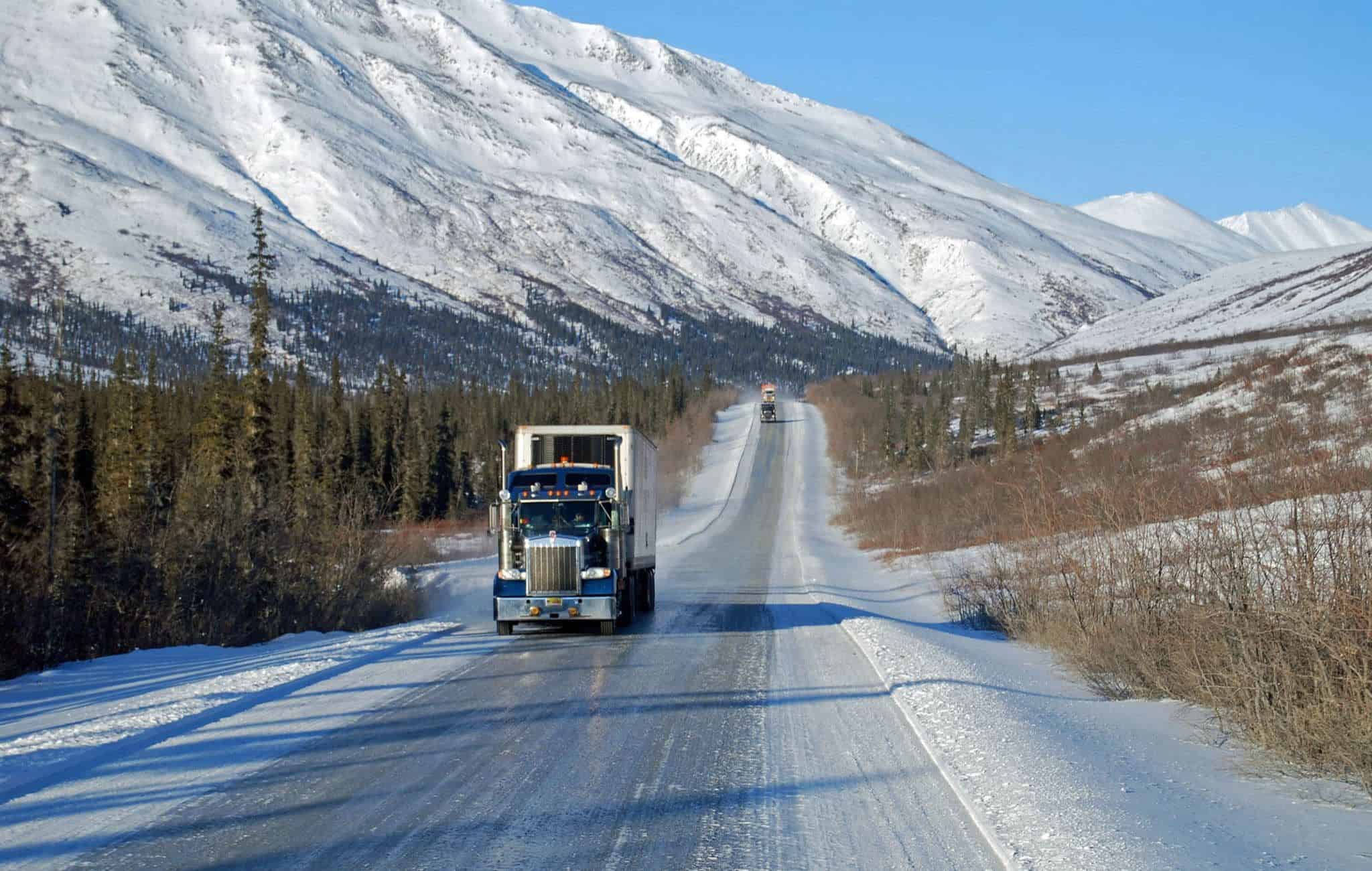
Alaska’s James W Dalton Highway, Alaska Route 11, covers 414 miles, about 666 km. Built in the 1970s for the Trans Alaska Pipeline, it runs between the Fairbanks region and Deadhorse near the Arctic Ocean. Around three-quarters of the route remains gravel. Steep grades, loose rock, heavy trucks and fast-shifting weather define the drive.
The Dalton has a working road intensity. Dust can become mud. Snow can arrive late in spring. Trucks dominate long stretches. Services are extremely limited. The road crosses boreal forest, the Yukon River, the Arctic Circle, tundra, high passes and the treeless North Slope before reaching the industrial edge of Prudhoe Bay.
Its power lies in starkness. The Trans Alaska Pipeline runs beside the road like a steel companion, a reminder of human ambition in a landscape that still feels vast and lightly occupied. The horizon seems endless. Light behaves differently. In summer, the midnight sun stretches the day. In darker months, low light and aurora can give the route an almost otherworldly charge.
For independent drivers, the Dalton is demanding. Under expert support, it becomes one of North America’s great expedition-style road journeys. A guided 4×4 convoy or small group charter works best, using specially modified SUVs, experienced guides and careful timing. Nights can be arranged in the best available lodges in Coldfoot and Deadhorse. A small plane or charter flight back can reduce repeated road hours while adding aerial views of tundra, river braids and Arctic plain.
Luxury here comes through protection, knowledge and access. Vehicles need preparation. Drivers need road discipline and respect for truck traffic. Guests need warmth, strong equipment and guides who understand wildlife, pipeline history and Arctic conditions.
The Dalton suits a feature titled “At the Edge of the Map”. Long gravel ribbons under a white sky, trucks throwing dust, pipeline curves, empty tundra and the thrill of reaching the northern road edge of the continent give the journey its strange beauty.
Iceland’s Ring Road and wild peninsulas
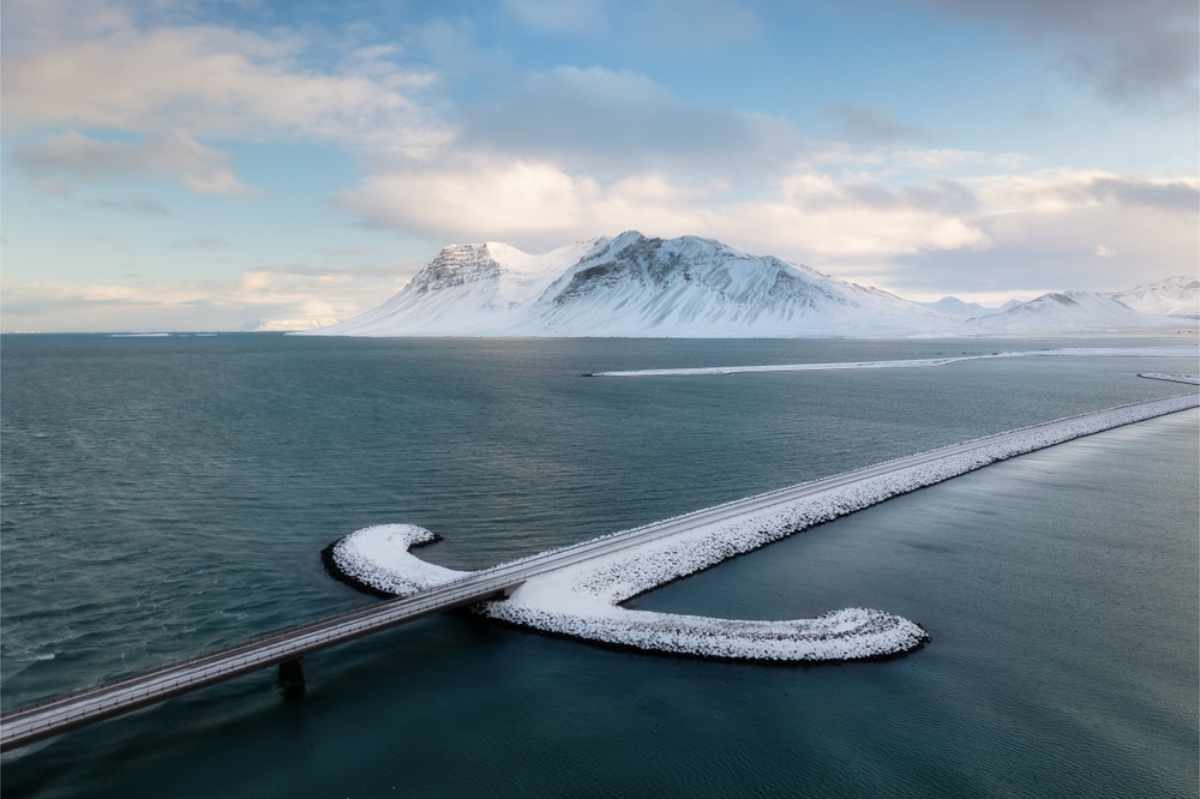
Iceland’s Ring Road, Route 1, runs about 1,332 km around the island. It links Reykjavík with glacier lagoons, black sand beaches, volcanoes, waterfalls, lava fields and fishing villages in one continuous circuit. Around 98% of the road is paved and maintained year-round, giving it strong comfort potential. Winter storms, ice, single lane bridges and sudden weather shifts still keep the drive alert and alive.
Among these great routes, Iceland is the most accessible for a luxury audience. Lodgings are strong, private guiding is well developed, food culture is excellent and high-quality experiences are easy through trusted operators. The landscape, however, refuses routine. Waterfalls crash close beside the road. Moss covers lava. Surf strikes black beaches. Glaciers sit within sight of the tarmac. The weather can change the entire mood of the day within minutes.
The classic Ring Road works over seven or twelve days. Summer brings long daylight, easier driving and room for occasional gravel detours. Winter calls for shorter road days, professional planning and super jeep support. Privately guided ice cave walks, glacier hikes, hot spring access and helicopter outings add depth beyond the familiar loop.
Wild peninsulas and interior roads bring more texture. Some interior F roads require specialised vehicles and seasonal access, so local experts are vital. For guests who prefer comfort, private super jeep excursions deliver wilder landscapes without asking them to handle difficult driving.
Iceland’s visual palette is dramatic and clean: black sand beside white surf, mossy lava fields, lonely farms, roadside waterfalls, glacier lagoons and geothermal steam. Under aurora, even a quiet country road becomes theatrical.
The route can be framed as a circumnavigation of fire and ice, with its luxury appeal resting on softness against severity. Design hotels, countryside retreats, thermal bathing, excellent meals and private guides create a feeling of cocooned exposure. The traveller stays close enough for weather, drama and scale, while comfort remains close at hand.
Ma Pi Leng Pass and the Ha Giang Loop, Vietnam
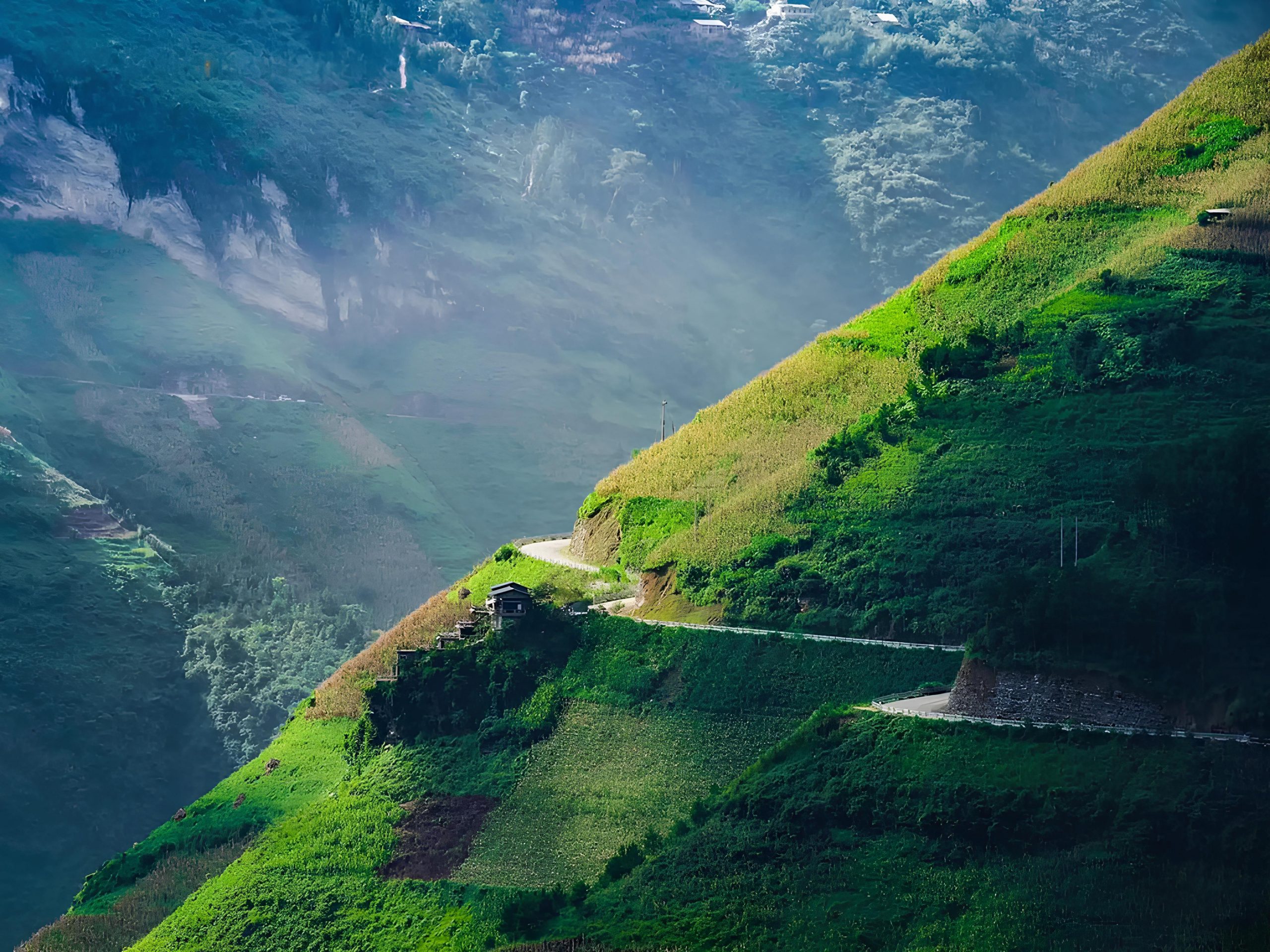
In northern Vietnam’s Ha Giang province, Ma Pi Leng Pass forms the most dramatic section of the Ha Giang Loop. The road traces limestone cliffs nearly 2,000 m above the emerald Nho Que River. The pass itself runs for roughly 20 km along National Highway 4C and is regarded among Vietnam’s Four Great Mountain Passes.
The road forms part of the Happiness Road, carved during the 1960s by more than 1,300 young volunteers representing 16 ethnic groups. Some workers hung on ropes against cliffs while chiselling the route through sheer rock. That history gives the journey emotional force. The scenery is thrilling, and the road’s human origin makes every bend more meaningful.
The loop remains narrow and risky for inexperienced riders. Sharp hairpins, steep drops and heavy holiday traffic can create hazards. For luxury travellers, the ideal format is chauffeured 4×4 touring, jeep travel or pillion riding behind a professional motorbike driver. Safety gear, smart timing and strong local knowledge are essential.
Accommodation can combine upgraded eco lodges, boutique stays and carefully vetted homestays. Luxury here should feel local, modest and respectful. Small markets in Dong Van or Meo Vac, Hmong villages, traditional clothing, local meals and river boat rides through Tu San Canyon all add cultural texture.
The imagery is unforgettable. A ribbon of tarmac clings against a karst wall. The Nho Que River glows far below. Boats look tiny inside the canyon. Cloud moves across limestone ridges. Roadside stalls and mountain markets bring human detail against immense scenery.
“Riding the Happiness Road” gives the route an elegant editorial frame. The story has emotion, height, hand-carved courage, community life and vertiginous beauty.
Roads for the truly brave
A few roads deserve a place in the story because they sharpen the idea of difficult beauty, even when they suit specialist riders, film crews or armchair travellers better than mainstream luxury clients.
India’s Kishtwar Keylong route, often called the Cliffhanger, is a largely unpaved, one-lane track cut above the Chenab River. Overhanging rock sits low in places, while drops of around 2,000 ft give the road its unnerving reputation. It works well as a dramatic sidebar rather than a broad luxury recommendation.
China’s Sichuan Tibet Highway covers about 1,500 miles between Chengdu and Lhasa, crossing 14 mountains. Landslides, avalanches and accident risk have shaped its fearsome image, though the plateau scenery is immense.
Romania’s Transfagarasan runs about 150 km across high mountains above 2,000 m. Hairpins, tunnels and rapid elevation changes make it one of Europe’s great dramatic drives. In season, it can serve as a shorter mountain road with a strong visual payoff.
The Luxury of Distance
The great road journey endures because certain landscapes still resist convenience. Their roads bend around cliffs, pause at ferries, climb through snow gates, cross tundra and vanish behind weather. They ask for judgment, and that is where luxury enters.
A beautiful hotel at day’s end matters. So do the dinner, vehicle, guide, warm bed and clear plan. Yet the memory usually forms elsewhere: at a pass after a tense climb, above a river running far below a cliff road, beneath Arctic light, beside a glacier lagoon, or under a Ladakh night sky heavy with stars.
These journeys are rare because they remain demanding. Handled with care, that demand becomes their finest quality. The last great road journey gives luxe travel something it still needs: scale, difficulty, silence, story and the deep satisfaction of reaching somewhere that did not make itself easy.
Read more – Explore the world