

The dessert plate is turning greener, glossier and far more glamorous with unexpected luxury ingredients
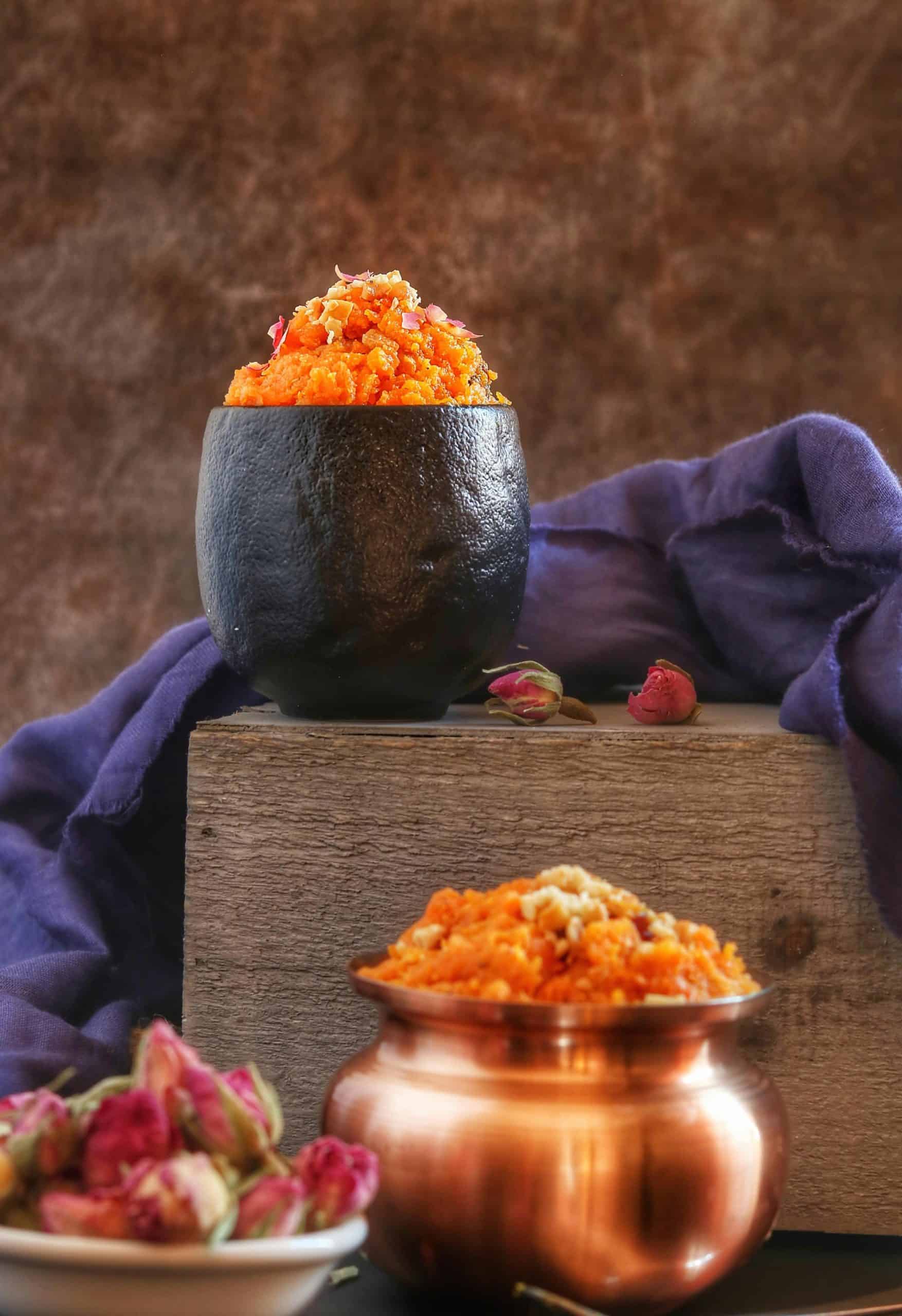
Dessert has found its new muse in the garden. Beetroot, carrot, pumpkin, fennel, sweet corn, tomato and even green pea are slipping into cakes, custards, tarts, mousses and gelatos with surprising ease. What once sounded like a daring chef’s experiment now feels almost natural, especially in a world where diners want flavour with character, colour with confidence and indulgence with a sharper point of view.
The idea may look modern under restaurant lighting, yet Indian kitchens have long understood the quiet magic of vegetables in sweets. Gajar ka halwa, lauki halwa, petha, kaddu kheer, pumpkin payasam and beetroot halwa have always known how to turn humble produce into something rich, fragrant and celebratory. The new dessert mood takes that instinct and gives it a sleeker wardrobe.
A beetroot brownie arrives under glossy ganache. Carrot halwa becomes cheesecake. Lauki settles inside a crisp tart shell. Pumpkin turns into silk-smooth panna cotta. Sweet corn folds itself into crème brûlée. Green pea appears in a pale, chic semifreddo with mint and white chocolate. The garden has entered the pastry kitchen, and it has done so with excellent posture.
Beetroot in Velvet
Beetroot brings instant drama to dessert. Its colour alone has the confidence of couture, deep ruby, moody, polished and impossible to ignore. On a plate, it behaves like a natural stylist, giving cakes, tarts and creams a tone that feels luxurious before the first spoonful.
When beetroot is folded into chocolate cake, it adds moisture and an earthy depth that makes cocoa taste darker and more rounded. In brownies, it gives a fudgy softness that feels almost truffle-like. In a beetroot halwa tart, it carries Indian nostalgia into a more polished dining room setting, especially when paired with pistachio dust, cream cheese, orange zest or a shard of dark chocolate.
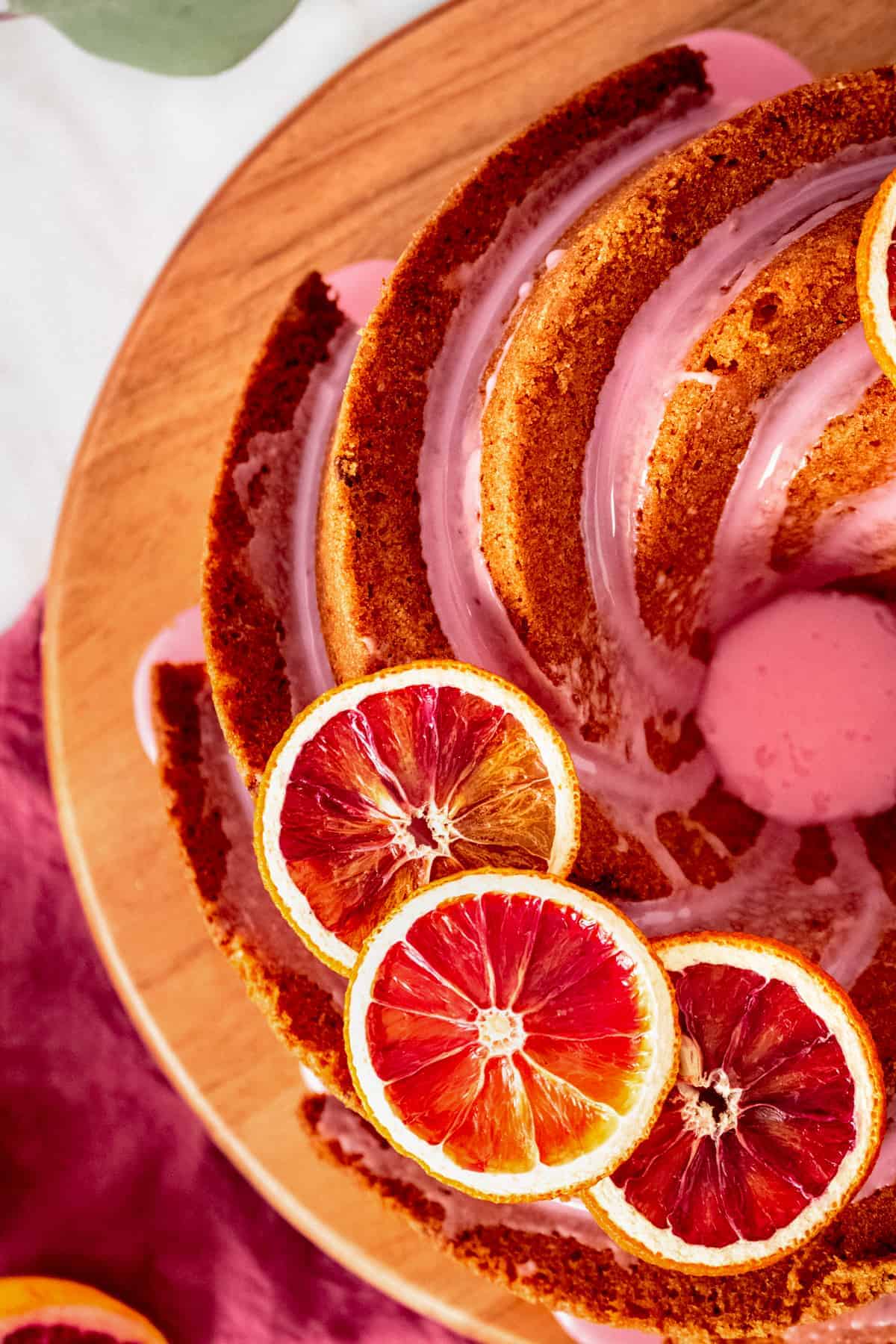
Its strength lies in balance. Beetroot has enough natural sweetness to belong in dessert, yet enough earthiness to stop a dish feeling sugary and flat. A chocolate beetroot cake feels grown-up, with a flavour that lingers beyond the first hit of cocoa. Add mascarpone, candied orange, hazelnut praline or salted caramel, and beetroot begins to look less like a root vegetable and more like a pastry chef’s secret weapon.
There is also something wonderfully visual about it. A beetroot mousse can sit like velvet on a black plate. Beetroot sorbet can glow beside goat cheese ice cream. A beetroot and raspberry entremets can bring fruit, earth and cream into one sleek slice. It gives dessert the rare combination of theatre and depth.
Gajar Gets a Glow-Up
Carrot has always known how to behave around sweetness. It softens beautifully, carries spice with ease and becomes lush when cooked slowly with milk. Gajar ka halwa remains one of India’s great winter pleasures, with grated carrot simmered until it turns glossy, fragrant and rich.
The modern pastry version takes that same warmth and gives it a new frame. Gajar halwa cheesecake works because the creaminess of cheese meets the grainy richness of halwa. The biscuit base brings crunch, the halwa brings memory, and the cream cheese gives the dessert a smart, contemporary finish.
Carrot cake with jaggery caramel gives the familiar Western classic a broader Indian accent. Saffron, walnut, citrus, cream cheese, rose, cardamom and pistachio all sit comfortably with carrot, making it one of the easiest vegetables to move between home-style comfort and plated elegance.
A carrot and orange tart can feel sunny and sharp. A carrot mousse with ginger crumble can feel refined without losing its warmth. Carrot sorbet with fennel pollen can bring a lighter, fresher edge. The charm of carrot lies in its flexibility. It can be festive, rustic, nostalgic or polished, depending on the mood of the plate.
Pumpkin Finds Its Silk
Pumpkin is a natural dessert ingredient with a generous personality. It has body, colour, sweetness and a gentle earthiness that welcomes spice. In many Indian homes, kaddu already appears in sweet forms, cooked with milk, jaggery, cardamom, coconut or ghee until it becomes something soft and comforting.
In modern pastry, pumpkin moves easily into panna cotta, custard, cheesecake, mousse, tart and gelato. Its texture is the real gift. Once cooked and puréed, it becomes smooth and plush, giving desserts a natural creaminess. Pumpkin panna cotta with jaggery caramel and coconut crumble can feel deeply Indian yet very elegant. Pumpkin cheesecake with ginger biscuit and candied pecan has a festive richness. Pumpkin payasam served cold, with coconut praline and toasted sesame, feels quietly luxurious.
Pumpkin also loves spice. Cinnamon, nutmeg, ginger, clove and cardamom bring warmth, while citrus, yoghurt, white chocolate and coffee can lift it in unexpected directions. A pumpkin and miso caramel tart, for instance, can carry sweetness, salt and umami in one smart bite. Pumpkin is generous without being loud, which makes it a beautiful canvas for chefs who like restraint.
Roots with a Sweet Secret
The more intriguing side of vegetable desserts begins with ingredients that rarely get dessert fame. Parsnip, celeriac and fennel may sound like soup-pot regulars, yet each has a softer side waiting for the right treatment.
Parsnip has a natural honeyed note. Baked into a maple cake, it gives warmth and quiet sweetness. With brown butter, walnut, pear or cinnamon, it becomes surprisingly elegant. A parsnip sponge with cream cheese frosting can offer the comfort of carrot cake, with a more unusual flavour.
Celeriac has a nutty, almost creamy personality when cooked gently. That makes it interesting in custards, vanilla-led desserts and almond creams. A celeriac custard with vanilla and toasted almond would not shout for attention. It would arrive softly, then make diners pause.
Fennel becomes mellow and aromatic when roasted or caramelised, bringing a soft aniseed perfume to panna cotta, citrus tarts and cream-based puddings. A fennel panna cotta with orange compote can feel fresh, graceful and grown-up. Fennel also pairs beautifully with strawberry, lemon, honey and pistachio.
These ingredients need a careful hand. Their charm comes through when sweetness supports them instead of covering them. Too much sugar flattens their personality. A little cream, spice, nut or citrus allows them to hold the plate with confidence.
Sweet Corn, Tomato and Green Pea Join the Party
Some vegetables already carry dessert energy. Sweet corn is naturally milky and sweet, making it wonderful in ice cream, custard, crème brûlée and puddings. A sweet corn crème brûlée has the sunny softness of summer, especially with caramelised sugar and a pinch of sea salt. Sweet corn ice cream with caramel popcorn can feel playful, while sweet corn custard with coconut and jaggery can take on a more comforting Indian mood.
Tomato behaves beautifully when treated like a fruit. It can become jam, sorbet, tart filling or compote. With strawberry, basil, balsamic, vanilla or black pepper, tomato turns bright, juicy and elegant. A tomato and strawberry tart can bring acidity and sweetness into perfect balance. Tomato sorbet with basil oil can work as a refreshing bridge between courses or a sharp finish to a rich meal.
Green pea sounds bolder, yet its fresh sweetness works well with mint, white chocolate, mascarpone and lemon. A green pea and mint semifreddo can feel chic, pale green and almost floral when the flavour is kept light. Green pea mousse with white chocolate crumb could easily sit on a tasting menu. It needs delicacy, though. The flavour should feel fresh and spring-like, never heavy.
This is where the new dessert kitchen becomes exciting. It gives vegetables room to surprise, without turning the plate into a gimmick. The pleasure comes when the diner recognises the ingredient, then realises it belongs.
India Had the Answer
Indian sweets offer the strongest argument for vegetables in dessert. Lauki halwa, beetroot halwa, petha, kaddu kheer, pumpkin payasam and gajar ka halwa are based on an old understanding of texture and transformation.
Slow cooking can turn a mild vegetable into something delicate and memorable. Milk thickens. Ghee shines. Cardamom, saffron and nutmeg add mystery. Nuts bring crunch. Time does the rest.
Lauki is a perfect example. On its own, bottle gourd is quiet and watery. Cooked slowly with milk, sugar, ghee and cardamom, it becomes soft, fragrant and gently sweet. In a modern dessert kitchen, lauki halwa can be spooned into a crisp tart, layered with rabri cream, or served with almond crumble and rose gel.
Petha, made with ash gourd, carries another kind of elegance. Its translucent sweetness feels almost jewel-like. Layer it with rabri cream, almond sponge and citrus zest, and it suddenly has the architecture of a plated dessert.
Purple yam can become cheesecake. Pumpkin payasam can be served with coconut praline and jaggery caramel. Beetroot halwa can sit under chocolate mousse. Gajar halwa can be tucked into profiteroles or layered into a mille-feuille. The soul remains rooted, while the presentation feels ready for a tasting menu.
Truffle Enters Dessert
At the luxury end of this story sits truffle, the ingredient that can make a simple dessert feel instantly extravagant. Truffle brings an earthy, musky aroma that works especially well with fat-rich flavours such as vanilla, white chocolate, mascarpone, hazelnut, honey, custard and ice cream.
Its price comes through rarity, labour and fragility. Truffles grow underground and are usually found with trained dogs. Each piece is dug out by hand, then moved quickly because it begins losing moisture and aroma soon after harvest. White truffles are especially prized, seasonal and difficult to cultivate.

That explains the glamour around truffle desserts. A few shavings over honey semifreddo, white chocolate mousse or vanilla panna cotta can change the entire mood of a plate. Truffle needs restraint. A little feels luxurious. Too much takes over.
The most famous modern example is Cellato’s Byakuya gelato. Guinness World Records certified the Japanese dessert as the world’s most expensive ice cream, with a listed record price of 873,400 yen. Cellato’s own sales price was listed at 880,000 yen, and the dessert used white truffle, cheese, sake lees, edible gold and white truffle oil.
Byakuya belongs to the world of edible spectacle, but it also points towards a larger trend. Dessert is no longer limited to sugar, cream and fruit. It can borrow language from savoury luxury, perfume, wine, fashion and rare produce.
The Couture Drizzle
Luxury oils have slipped quietly into the dessert course. They are finishing touches, added at the end for aroma, gloss and character. A drizzle of truffle oil on vanilla bean ice cream, pistachio oil on cheesecake, blood orange olive oil on dark chocolate mousse, argan oil on honeyed yoghurt or premium olive oil on panna cotta can make a simple sweet feel styled.
The trick is dosage. These oils should arrive as an accent. A few drops give lift, fragrance and polish. Heavy-handed use makes the dessert taste forced.
Oils work because fat carries aroma. It gives perfume a longer trail on the palate. It also brings shine, which makes a dessert look more finished. On a restaurant plate, that final drizzle can behave like jewellery, small, expensive-looking and full of intention.
Argan Oil, Morocco’s Nutty Gold
Culinary argan oil carries a lovely story of place. It is associated with Morocco, especially the region around Essaouira, and is made from roasted argan kernels, which give the oil its warm, nutty aroma. The FAO describes culinary argan oil as a delicacy linked with Morocco’s argan ecosystem, noting that the argan tree grows in a limited arid area of south-western Morocco and that women’s communities have traditionally prepared argan products.
Its luxury lies in geography, labour and cultural value. The argan tree grows in a limited region, the production process requires skill, and the flavour is distinctive. In desserts, argan oil works beautifully over vanilla ice cream with honey, almond cake, date tart, yoghurt with figs or orange-scented semolina cake. It brings a roasted, golden warmth that feels rustic and refined at the same time.
There is a lovely way to use it with Indian sweets too. A few drops over phirni, saffron kheer or almond kulfi can bring a nutty Moroccan accent without disturbing the dessert’s character. It feels especially good with dates, figs, sesame, honey and rose.
The Green Velvet Finish
Roasted pistachio oil brings subtle luxury to desserts. There is no loud sweetness as in pistachio paste, no crunch of chopped nuts. Instead, it leaves a light, fragrant, nutty finish that rests gently on the palate.
Its real beauty lies in aroma. That is why pistachio oil works better as a finishing touch than as an ingredient baked into a batter, where much of its delicate fragrance can disappear. It pairs beautifully with fruit tarts, saffron puddings, white chocolate mousse, almond cakes, panna cotta and ricotta desserts.
A few drops over strawberry tart can make the fruit taste brighter. Over poached pear, it feels polished. With white chocolate, it adds a grown-up nutty edge. With kulfi, it gives a familiar flavour a cleaner, more contemporary finish.
Pistachio already has a strong place in Indian sweets. Pistachio oil simply changes the way that flavour appears. It moves pistachio out of garnish territory and turns it into a fragrant green veil.
Citrus with Swagger
Blood orange olive oil brings a brighter, more playful energy to the dessert plate. It has the richness of good olive oil, lifted by the tart, slightly bitter charm of blood orange.
What makes it exciting is the contrast between fruit and fat. The oil gives body, while the blood orange adds brightness and aroma. It works beautifully with almond cake, olive oil cake, panna cotta, chocolate tart, mascarpone desserts and fresh berries.
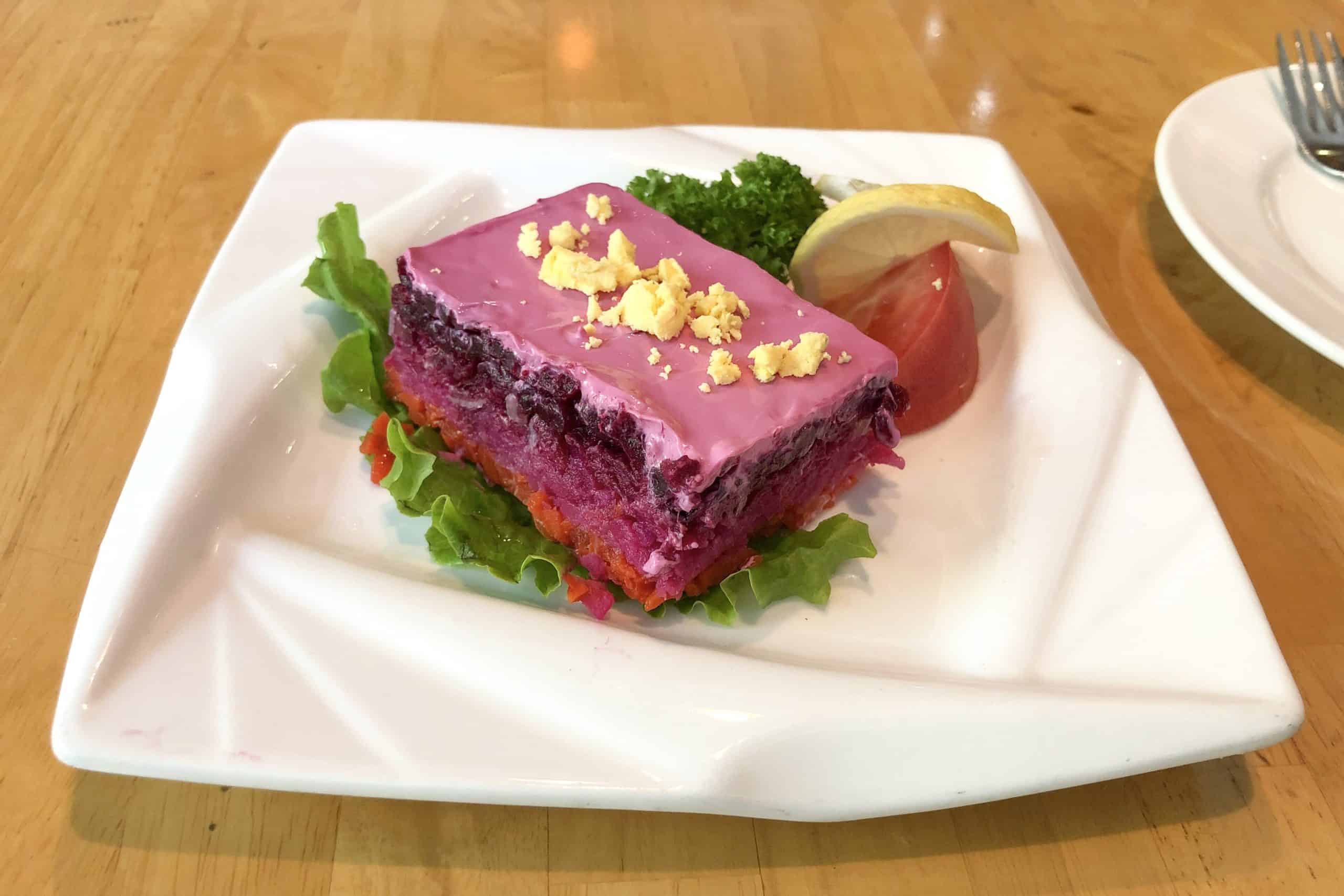
A small drizzle over vanilla gelato with a pinch of sea salt can feel beautifully modern. Over dark chocolate, it cuts through the richness and leaves a clean, citrusy finish. With ricotta, honey and figs, it brings a Mediterranean ease. With Indian-style citrus shrikhand, it could add an unexpected, polished lift.
Stylish, sharp and full of character, blood orange olive oil gives dessert a little Mediterranean swagger.
Lambda and the Collector’s Pour
For a true luxury cue, Lambda Ultra Premium Olive Oil sits in a league of its own. The brand positions Lambda as the first luxury olive oil in the world since 2007, made in limited production using olives from old Greek trees, handpicked and pressed with care, then bottled and labelled by hand. Retail listings also describe the oil as made from some of Greece’s oldest olive trees and available in a 100 ml glass bottle.
That is why such an oil is more than a pantry item. It carries origin, rarity, handwork, packaging, quality control and brand storytelling. On a dessert plate, it can appear with vanilla gelato, sea salt panna cotta, olive oil cake, figs with ricotta or almond sponge. It gives the dish a subtle collector’s flourish.
Luxury olive oil works best when the dessert is restrained. Too many flavours will hide its personality. A clean panna cotta, warm almond cake, fresh fig tart or good vanilla ice cream gives it space to show its fruitiness, bitterness and peppery finish.
In many ways, premium olive oil has begun to behave like wine on the dessert menu. It asks diners to notice origin, harvest, texture and aroma. It turns a drizzle into a detail worth discussing.
The New Sweet Grammar
The rise of vegetable desserts and luxury oils says something interesting about modern indulgence. Sweetness alone is no longer enough. Diners want surprise, memory, texture, origin, colour and a story that feels worth the calories.
Vegetables bring that complexity naturally. Beetroot adds depth and colour. Carrot brings warmth. Pumpkin gives silk. Fennel brings perfume. Sweet corn gives milky sunshine. Tomato offers acidity. Green pea adds freshness. Indian sweets already knew how to coax richness out of these ingredients; fine dining is now styling that wisdom with sharper lines.
Luxury ingredients take the idea further. Truffle gives aroma and drama. Argan oil brings Moroccan warmth. Pistachio oil adds quiet green richness. Blood orange olive oil gives lift and attitude. Lambda turns a pour into a collector’s gesture.
The garden has moved to the dessert plate, and it looks beautifully at home there. It has colour, charm, nostalgia and a little mischief. It has the confidence to sit beside chocolate, cream and caramel without disappearing. It gives dessert a fresher language, one where indulgence feels more layered, more travelled and far more interesting.
Read More: Food Voyager