

Plan a memorable Wayanad itinerary through forest roads, ancient caves, freshwater lakes, spice gardens, tea slopes, wildlife belts and misty hill stays
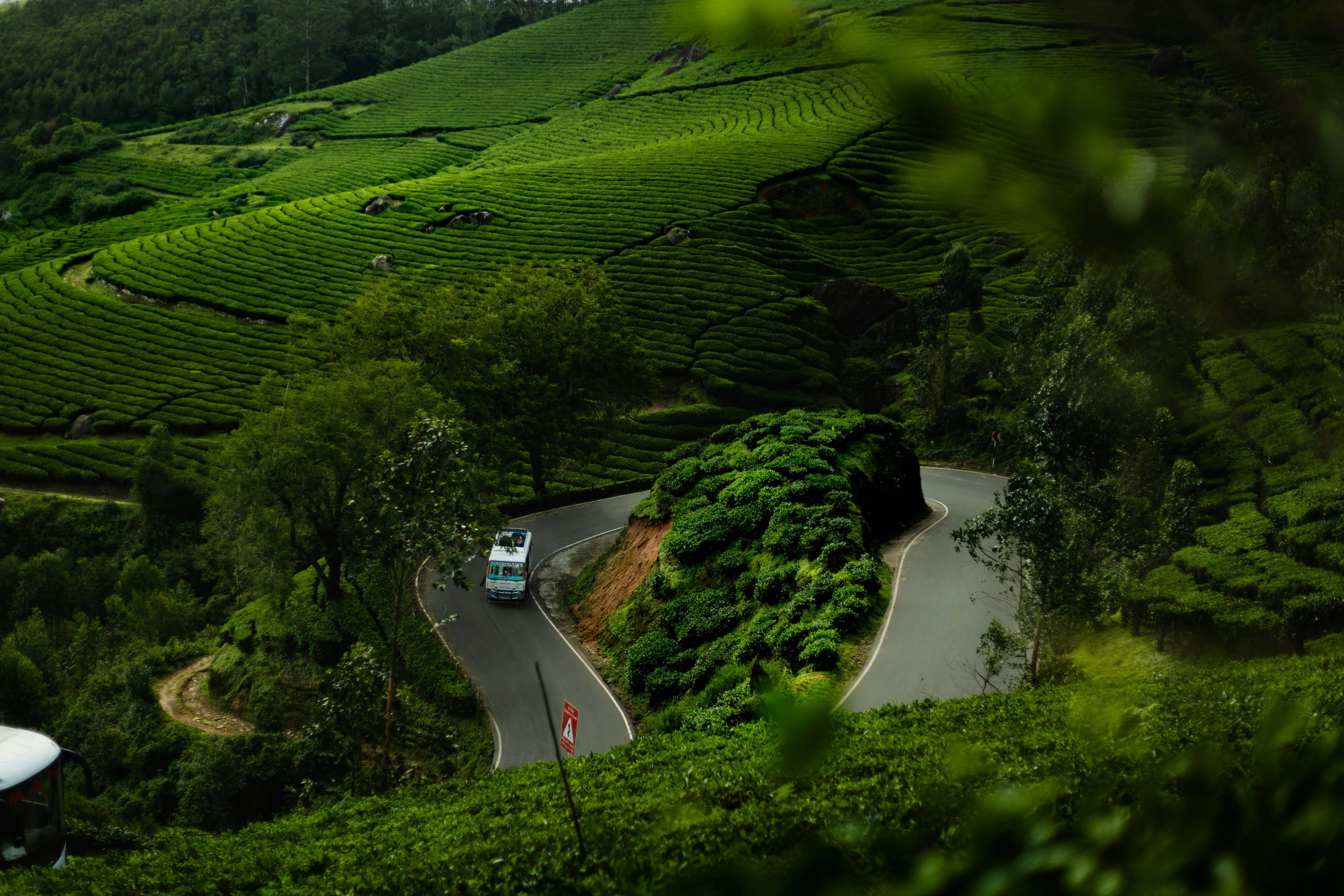
Wayanad feels like Kerala taking a deep breath inland. The coast falls away, the road climbs into the Western Ghats, and the scenery changes into coffee estates, paddy fields, bamboo clusters, spice gardens, forest edges and hill villages tucked between green folds.
This is not a classic hill station built around a single promenade or central market. Wayanad is a whole district, and that is what makes planning important. The main experiences are spread across Kalpetta, Vythiri, Meppadi, Sulthan Bathery, Mananthavady and the forest areas around Muthanga and Tholpetty. A good Wayanad itinerary should move through zones instead of a random list of attractions.
Three days are ideal for a first visit. Begin with the Vythiri and Kalpetta side, including Lakkidi, Pookode Lake and Banasura Sagar. Keep the second day for Edakkal Caves and the Ambalavayal side. Use the third day for one deeper experience: Chembra Peak, Kuruva Island, or a wildlife visit, depending on the season, fitness, and access.
Wayanad at a Glance
- State: Kerala
- Region: Western Ghats, north-east Kerala
- District headquarters: Kalpetta
- Altitude range: Roughly 700 to 2,100 metres across the district
- Main travel bases: Kalpetta, Vythiri, Meppadi, Sulthan Bathery and Mananthavady
- Nearest major airport for many travellers: Calicut International Airport, around 90 kilometres from Wayanad
- Other useful airports: Kannur, Mysuru and Bengaluru, depending on route and base
- Nearest railway gateways: Kozhikode, Thalassery, Kannur or Mysuru
- Recommended stay: Three days for a first-time trip
- Best sightseeing season: October to March
- Greenest season: June to September
- Best for treks and wildlife: Usually winter and post-monsoon, subject to local permissions
First, Understand the Shape of Wayanad
Wayanad is easier to enjoy once you choose the right base. Kalpetta is the most balanced option for first-time visitors because it is well-suited for trips to Pookode, Lakkidi, Banasura, Meppadi, and Edakkal. Vythiri feels greener and more resort-like, with quick access from the Kozhikode ghat road. Meppadi is better for tea estates, Chembra Peak and quieter hill stays.
On the other side, Sulthan Bathery works well for Edakkal Caves, Ambalavayal and travellers arriving from Mysuru or Bengaluru. Mananthavady is useful for Kuruva Island, Tholpetty Wildlife Sanctuary and Thirunelli.
This layout matters because Wayanad is not a place to zigzag through. Roads can be narrow, rain can slow movement, and forest stretches may have access rules. A smooth trip comes from grouping nearby places together and leaving space for weather, meals and slow drives.
When Wayanad Feels at Its Best
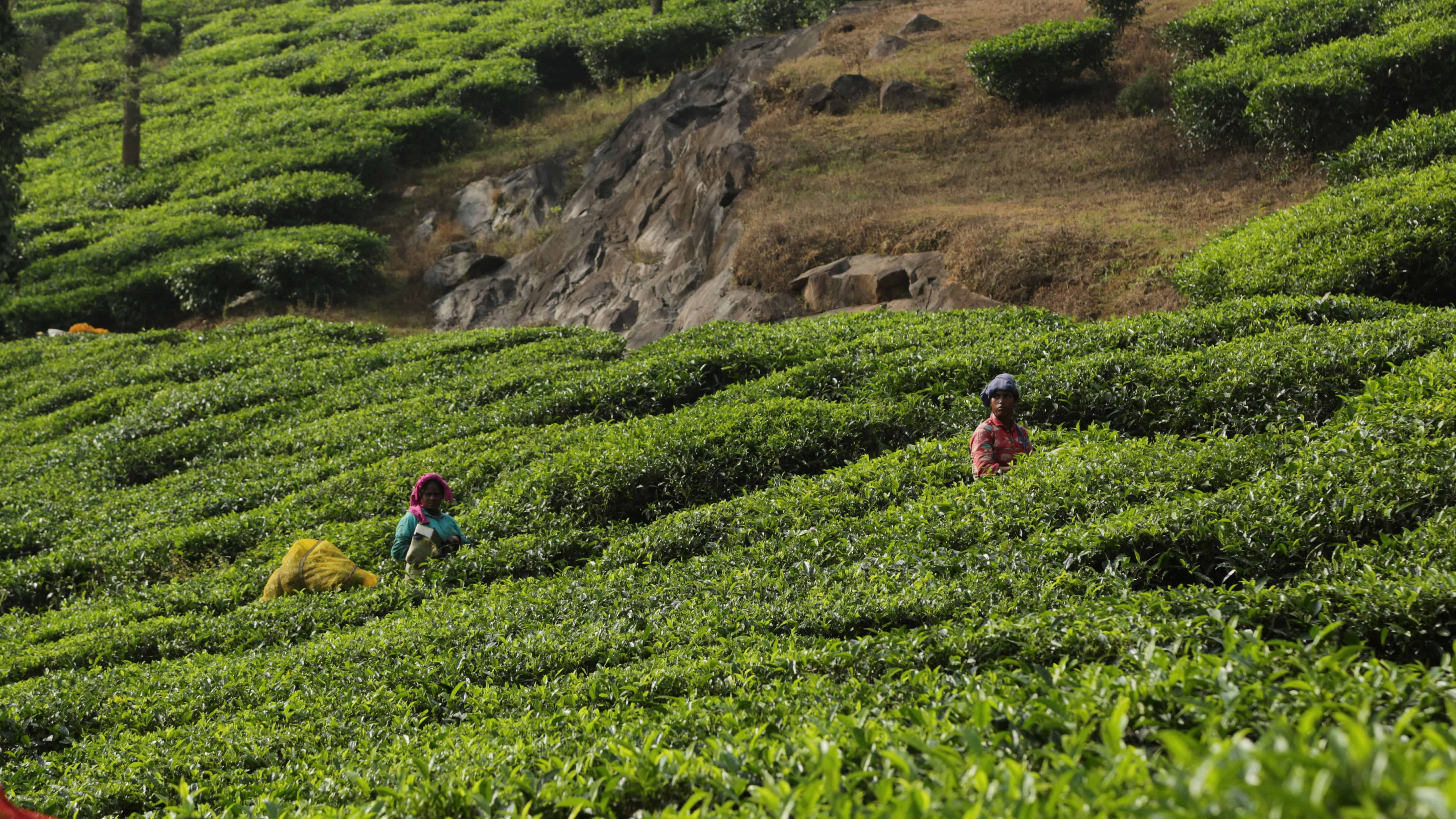
October to March: The Easiest Travel Season
This is the most comfortable time for a first trip to Wayanad. The monsoon has usually passed, the hills remain green, and the weather is pleasant enough for caves, lakes, viewpoints and plantation roads.
Families, first-time visitors and road trippers will find this season the easiest to manage. Mornings are good for sightseeing, evenings can feel cool in Vythiri and Meppadi, and resort stays feel especially rewarding.
What to expect:
- Pleasant sightseeing conditions
- Greener post-monsoon landscapes
- Better roads than peak monsoon
- Comfortable walks around lakes and caves
- Higher demand during holidays and long weekends
April and May: Warm Days and Early Starts
Summer in Wayanad is not as cool as some travellers expect. Town areas and lower sections can feel warm during the day, though forested roads, shaded resorts and higher pockets remain more comfortable than the plains.
The best plan is to start early, avoid heavy walking in the afternoon and return outdoors towards evening. Choose accommodation with shade, airflow, views and easy access to your preferred side of the district.
June to September: Monsoon Beauty with Caution
Monsoon gives Wayanad its lushest personality. Forests grow deeper, streams fill up, waterfalls revive, and plantations look rain-washed. For travellers who love mist, rain and slow hill holidays, this can be a beautiful season.
It also needs careful planning. Heavy rain can affect roads, trekking permissions, forest access and visibility. Some routes may become slippery, and outdoor plans may need to change at short notice.
Carry during monsoon:
- Waterproof jacket
- Shoes with a strong grip
- Extra socks
- Phone and camera protection
- Buffer time between stops
- Flexible sightseeing plans
Reaching Wayanad
By Road
Most travellers enter Wayanad by road. The Kozhikode route climbs through the Thamarassery Ghat and Lakkidi, while travellers from Bengaluru and Mysuru usually approach through Sulthan Bathery. The drive is scenic, but the hill sections need patience.
Hairpin bends, fog, rain, traffic and slow-moving vehicles can all affect travel time. Avoid filling the arrival day with too many attractions, especially if you are coming from Bengaluru, Kochi, Mysuru or Kozhikode.
Useful Road Distances
- Kozhikode to Kalpetta: Around 70 to 75 kilometres
- Mysuru to Kalpetta: Around 130 kilometres
- Bengaluru to Kalpetta: Around 280 kilometres by the Sulthan Bathery route
- Ooty to Kalpetta: Around 127 kilometres
- Kalpetta to Pookode Lake: Around 15 kilometres
- Kalpetta to Banasura Sagar Dam: Around 15 to 20 kilometres
- Kalpetta to Edakkal Caves: Around 25 kilometres
- Sulthan Bathery to Edakkal Caves: Around 16 kilometres
- Mananthavady to Kuruva Island: Around 17 kilometres
By Train
Wayanad does not have a major railway station within the hill district. Kozhikode is often the most useful railhead for Kalpetta and Vythiri. Kannur or Thalassery can work better for travellers staying near Mananthavady. Mysuru is practical for those approaching from Karnataka.
From the station, continue by taxi or bus. A pre-arranged transfer is more comfortable if arriving late or travelling with family.
By Air
Calicut International Airport is one of the most commonly used airports for Wayanad, followed by a road journey into the hills. Kannur, Mysuru, and Bengaluru can also make sense, depending on the chosen base and broader itinerary.
For first-time travellers, the best airport is not always the closest on paper. Compare flight times, road distance, weather conditions, and where you are staying in Wayanad.
Day One: Lakkidi, Pookode Lake and Banasura Sagar
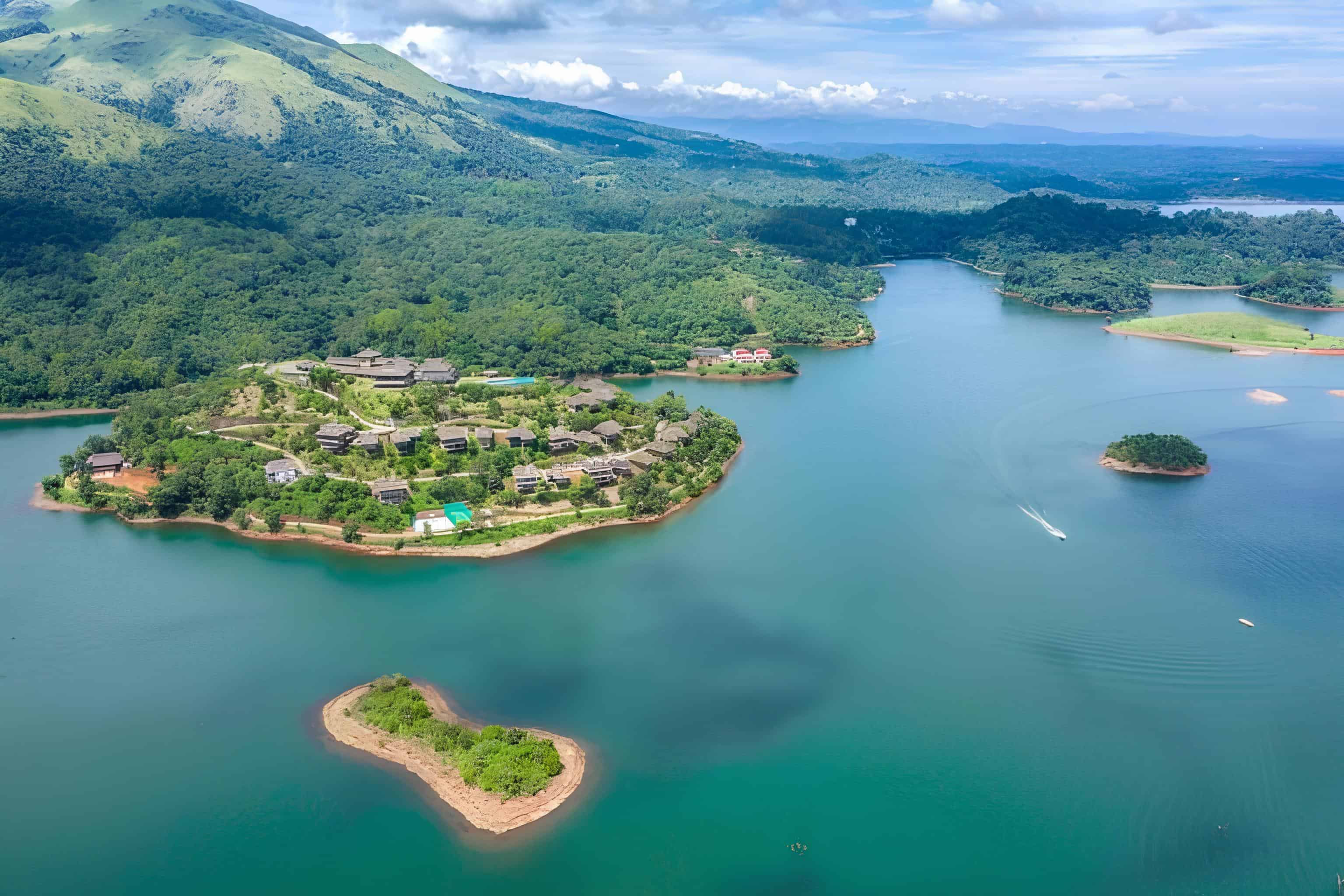
The first day should bring you gently into Wayanad’s hill country. Keep it around Vythiri, Kalpetta, and the district’s lakeside.
Begin at Lakkidi View Point
If you are arriving from Kozhikode, Lakkidi is the natural first pause. The ghat road winds through curves and greenery before opening onto views of hills, valleys, and the road below. It gives the first clear sense that you have entered Wayanad.
Morning is better for visibility. During the monsoon, mist can move quickly across the viewpoint, so wait a few minutes if the view is hidden.
Continue to Pookode Lake
Pookode Lake is one of Wayanad’s easiest introductions. It is a natural freshwater lake near Vythiri, surrounded by trees and gentle walking paths. Boating is usually the main draw, but the lake also works well as a slow family stop.
Do not rush it. Walk around, enjoy the greenery, take a boat ride if available, and use the stop to settle into the district’s slower pace.
Morning plan:
- Arrive via Lakkidi
- Pause at the viewpoint
- Continue towards Vythiri
- Spend time at Pookode Lake
- Stop for lunch around Vythiri or Kalpetta
Afternoon at Banasura Sagar Dam
Banasura Sagar brings a wider, more dramatic landscape. The reservoir, hills and open water create one of Wayanad’s strongest visual stops. In the rainy and post-monsoon months, the surroundings feel especially lush.
Activities can vary depending on the weather, water levels, and local rules. Keep boating or adventure options flexible rather than treating them as guaranteed.
Evening in Kalpetta or Vythiri
End the day simply. Wayanad is not about late-night sightseeing. A quiet resort dinner, a short drive through Kalpetta town or an early night in Vythiri works better after a day of travel and sightseeing.
Day Two: Edakkal Caves and the Ambalavayal Side
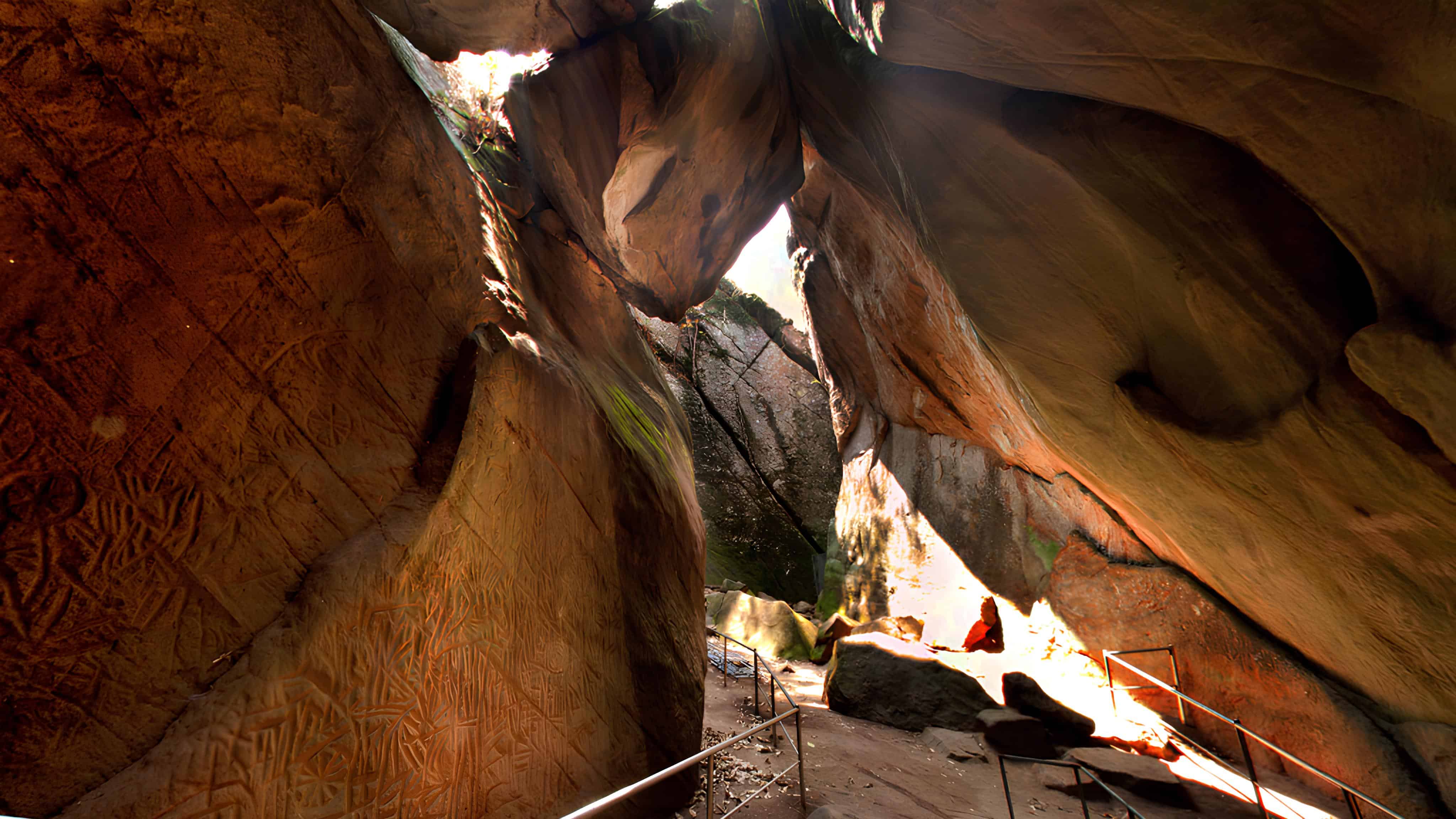
The second day should move towards southern Wayanad. This is the day for Edakkal Caves, Ambalavayal and one or two nearby stops.
Start Early for Edakkal Caves
Edakkal Caves are among Wayanad’s most significant sites. The visit involves a climb up Ambukuthi Hill, so start early before the day gets warm and before crowds build up.
The name Edakkal refers to a stone placed in between, and the site is more of a rock shelter or fissure than a typical cave. Inside, the walls bear ancient carvings and markings, making this one of the region’s most important heritage experiences.
The climb is part of the visit. It passes through hill scenery and requires steady walking, so wear proper shoes and carry water.
Edakkal tips:
- Start early
- Wear shoes with a good grip
- Carry water
- Avoid rushing the climb
- Follow all rules near the carvings
- Do not touch the rock art
Add Wayanad Heritage Museum
After Edakkal, continue towards Ambalavayal for more context. The Wayanad Heritage Museum helps connect the district’s archaeology, tribal culture and older settlement history.
It works well after Edakkal because the caves raise questions about the region’s past. The museum gives the day a more layered feel rather than making it only about one climb and one viewpoint.
Choose Karapuzha Dam or Phantom Rock
The afternoon can be shaped around the group’s energy. Karapuzha Dam offers a calm reservoir setting, while Phantom Rock is a quick natural formation stop near Ambalavayal.
Choose one rather than trying to fit in everything. Wayanad becomes tiring when the day turns into constant driving.
Suggested Day Two Flow
- Leave Kalpetta or Vythiri early
- Visit Edakkal Caves
- Stop for lunch around Ambalavayal or Sulthan Bathery
- Add Wayanad Heritage Museum
- Choose Karapuzha Dam or Phantom Rock
- Return before dark
Day Three: Choose One Deeper Wayanad Experience
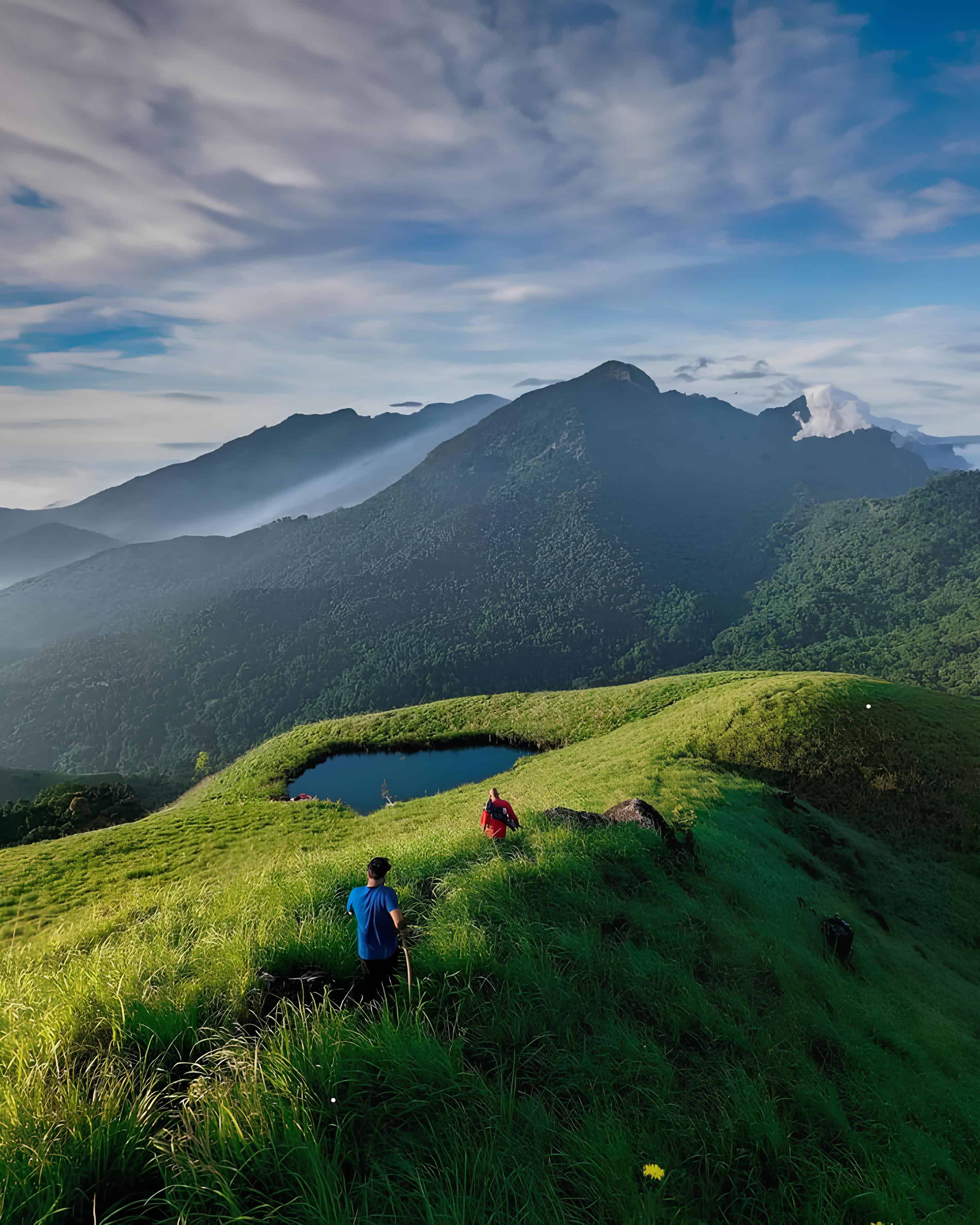
The third day should not be overloaded. Wayanad’s best final-day experiences need time, permission or seasonal access. Pick one main direction: mountain, river island or wildlife.
Option One: Chembra Peak for Active Travellers
Chembra Peak is the choice for travellers who want a more active day. Located near Meppadi, it is the highest peak in the Wayanad region and is usually approached with permission from the forest authorities.
The route is known for tea estate scenery, hill slopes and the famous heart-shaped lake associated with the trek. Access rules may change, so Chembra should always be planned as permission-dependent.
Best for:
- Trekkers
- Active travellers
- Clear-weather days
- Visitors staying near Kalpetta or Meppadi
Option Two: Kuruva Island for a Softer Nature Day
Kuruva Island lies on the Kabani river system near Mananthavady. It is known for wooded paths, bamboo, birds, butterflies and a quiet riverine landscape.
This is a softer choice than Chembra, but it is also seasonal. Access can depend on water levels, forest rules and local conditions. Check before driving across the district.
Best for:
- Families
- Birdwatching
- Slow nature walks
- Travellers staying near Mananthavady
Option Three: Wayanad Wildlife Sanctuary
Wayanad Wildlife Sanctuary is divided into the Muthanga and Tholpetty sections. Muthanga is more convenient for travellers staying near Sulthan Bathery, while Tholpetty suits those staying towards Mananthavady.
This is not a guaranteed wildlife sighting experience. Elephants, deer, birds and other animals may be seen, but the forest decides the day. Be patient and follow the rules set by the forest staff.
Best for:
- Wildlife enthusiasts
- Early morning plans
- Travellers staying near Sulthan Bathery or Mananthavady
- Visitors are comfortable with uncertainty
Choosing Where to Stay
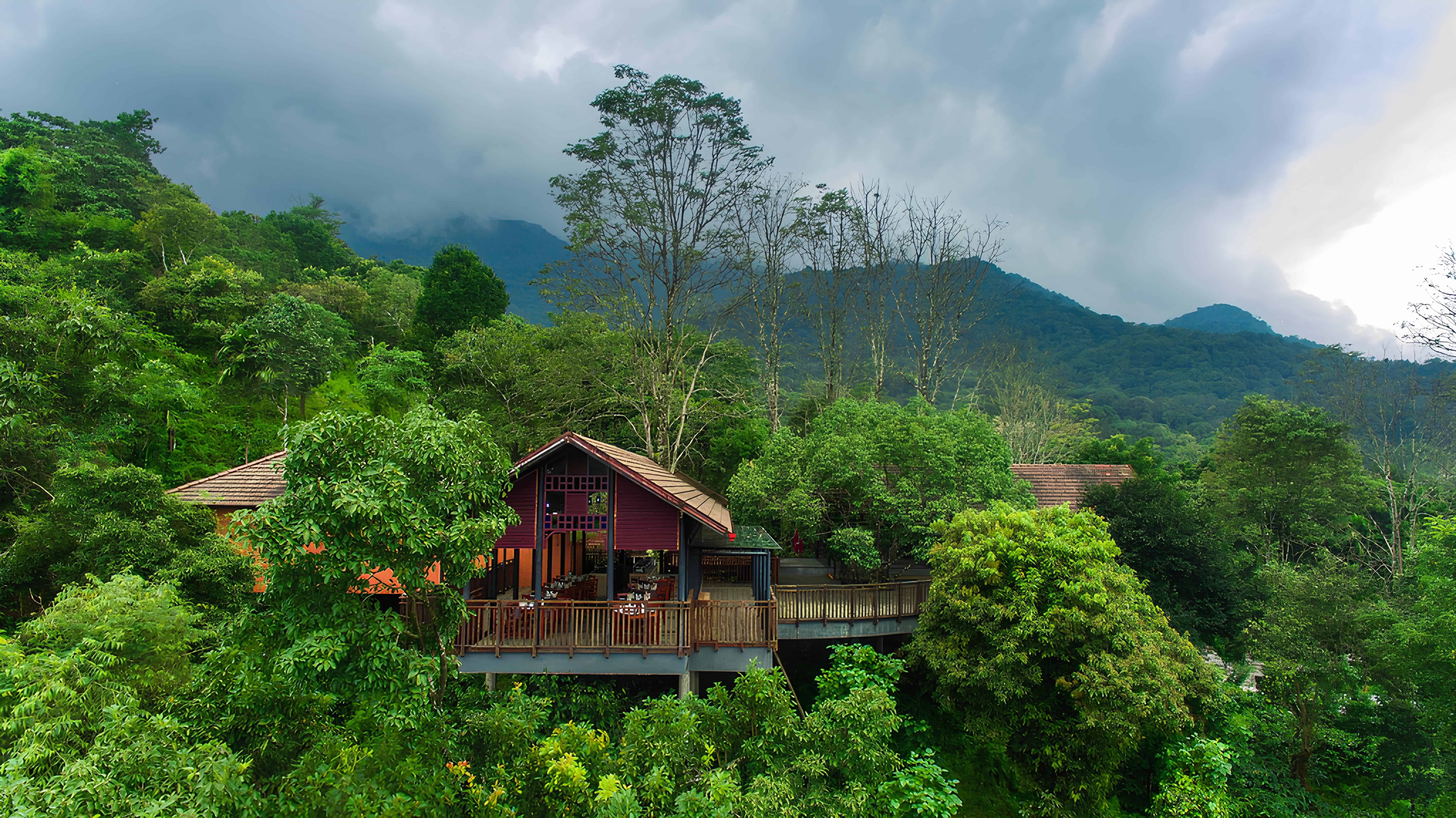
Kalpetta
Kalpetta is the most practical base for a first trip to Wayanad. It offers balanced access across different zones and keeps driving manageable.
Works well for:
- First-time visitors
- Short stays
- Families
- Travellers covering multiple sides of Wayanad
Vythiri
Vythiri is greener and more atmospheric, especially for resort stays. It is also convenient for travellers arriving from Kozhikode.
Works well for:
- Couples
- Plantation resorts
- Misty mornings
- Slow holidays
- Easy ghat-road access
Meppadi
Meppadi suits travellers who want tea slopes, quieter stays and access to Chembra.
Works well for:
- Trekkers
- Scenic stays
- Chembra-focused plans
- Longer holidays
Sulthan Bathery
Sulthan Bathery is practical for Edakkal, Muthanga and road trips from Karnataka.
Works well for:
- Bengaluru and Mysuru road trips
- Edakkal-focused itineraries
- Wildlife plans around Muthanga
Mananthavady
Mananthavady is better for northern Wayanad, especially Kuruva Island, Tholpetty and Thirunelli.
Works well for:
- Northern Wayanad trips
- Kuruva Island
- Tholpetty wildlife plans
- Quieter stays
Questions to Ask Before Booking
- Is the property near Kalpetta, Vythiri, Meppadi, Sulthan Bathery or Mananthavady?
- How far is it from the places you want to visit most?
- Is the approach road safe during the monsoon?
- Does the property have parking?
- Are meals available on site at night?
- Can the hotel arrange local taxis?
- Is the room in a plantation, forest-edge or town setting?
- Is mobile network coverage reliable?
- Can the hotel help check Chembra, Kuruva or wildlife access?
- Are there steep internal paths or stairs within the property?
Before You Begin the Journey
- Treat Wayanad as a district, not one compact town
- Choose your base according to your main sightseeing zone
- Keep one day for Lakkidi, Pookode and Banasura
- Keep another day for Edakkal and Ambalavayal
- Choose only one major plan for the final day
- Check permissions for Chembra, Kuruva Island and wildlife visits
- Carry rain protection in all seasons
- Wear shoes with a reliable grip
- Avoid late forest-road drives where restrictions apply
- Keep monsoon plans flexible
- Book drivers who know local roads
- Respect heritage sites, forest rules and plantation communities
Wayanad should be travelled slowly. Its beauty is not limited to one famous lake, one cave or one viewpoint. It lies in the way the road moves from coffee to paddy, from bamboo to forest, from tea slopes to river islands, and from ancient rock carvings to quiet village roads.
A Wayanad itinerary works best when each day has a clear focus. Let Vythiri and Pookode introduce the green highlands, let Edakkal bring in the deep history, and let the final day belong to either mountain, forest or river. Done this way, Wayanad becomes a layered journey through one of Kerala’s richest inland landscapes.
Read more – Discover Your India