

Plan a memorable Gangtok itinerary with monasteries, mountain viewpoints, MG Marg, high-altitude lakes and Sikkim’s distinctive Himalayan culture
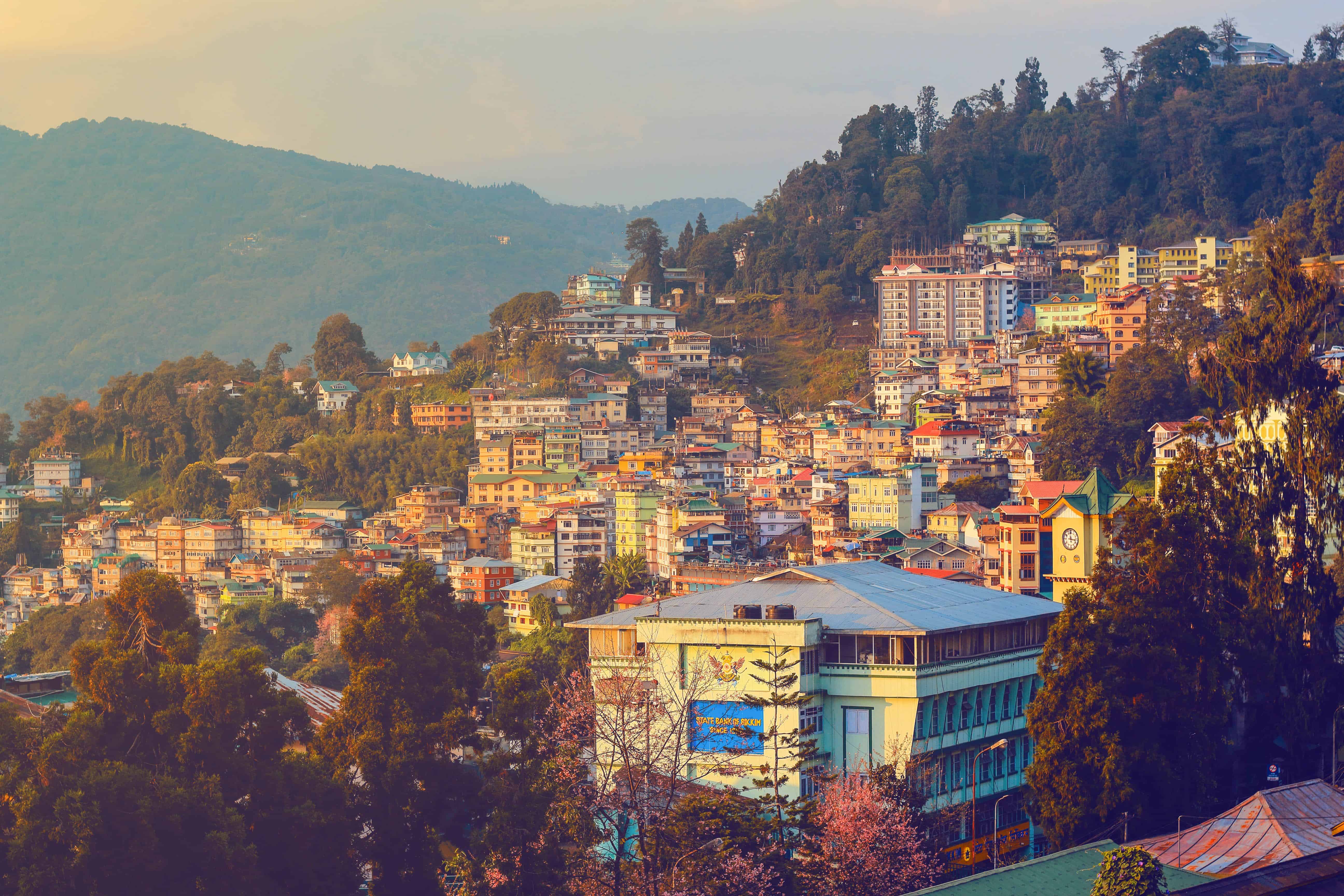
Gangtok is best understood through its climb. The city rises along steep mountain slopes, with roads looping around ridges, homes stacked above valleys, prayer flags moving in the wind and glimpses of the Himalaya appearing between buildings. It has the order of a capital city, the ease of a hill town and the spiritual presence of a place shaped by Buddhist culture.
The experience changes throughout the day. Morning belongs to viewpoints, monasteries and clear mountain light. The afternoon is better for museums, cafés, and local sightseeing. Evening settles naturally around MG Marg, where travellers, locals, bakeries, restaurants and shops bring the city into one walkable stretch.
A good Gangtok itinerary should not try to turn every day into a long drive. The city deserves time of its own. Spend one day easing into central Gangtok, one day exploring monasteries and cultural landmarks, and one full day for the high-altitude route towards Tsomgo Lake, with Nathu La added only when permits and road conditions allow.
Gangtok at a Glance
- State: Sikkim
- Approximate elevation: Around 1,650 metres
- Nearest major railway station: New Jalpaiguri Junction, about 124 kilometres away
- Nearest airport in Sikkim: Pakyong Airport, about 31 to 35 kilometres from Gangtok
- Most practical major airport: Bagdogra Airport, around 124 kilometres away
- Distance from Siliguri: Around 114 kilometres by road
- Distance from Tsomgo Lake: About 40 kilometres
- Distance from Nathu La: About 50 kilometres
- Recommended stay: Three days for Gangtok and Tsomgo Lake
- Best sightseeing seasons: March to May and October to December
- Monsoon months: June to September, when rain and landslides can affect travel
Getting a Sense of Gangtok
Gangtok is not a flat, easy-grid city. A place that looks nearby on a map may sit above or below your hotel, and the actual route may involve stairs, steep lanes or a longer road curve. This is important while choosing where to stay.
MG Marg is the most convenient centre for first-time visitors. It is clean, pedestrian-friendly and lined with cafés, restaurants, shops and hotels. It works especially well in the evening, when the city slows down, and people gather around the promenade.
The viewpoint belt sits higher. Ganesh Tok, Hanuman Tok and Tashi View Point are best visited early, before clouds begin to gather. On clear days, the views stretch across the ridges and sometimes open towards the snow peaks.
Gangtok’s cultural side is evident in its monasteries, stupas and institutions. Enchey Monastery, Do-drul Chorten, Namgyal Institute of Tibetology and Rumtek Monastery add depth to the itinerary and help visitors understand Sikkim beyond scenery.
When Gangtok Is Most Rewarding
March to May: Flowers, Soft Weather and Clear Mornings
Spring is one of the most pleasant times to visit Gangtok. The weather is comfortable, flowers brighten the hillsides, and local sightseeing becomes easy. This is a good season for MG Marg walks, monastery visits, short viewpoints and the Tsomgo Lake excursion.
Mornings usually work better for mountain views. By afternoon, clouds can gather over the ridges, so keep outdoor viewpoints early in the day.
What to expect:
- Pleasant sightseeing weather
- Fresh greenery and flowers
- Comfortable walks around MG Marg
- Good conditions for monastery visits
- Busier holiday periods
June to September: Mist, Rain and Slower Roads
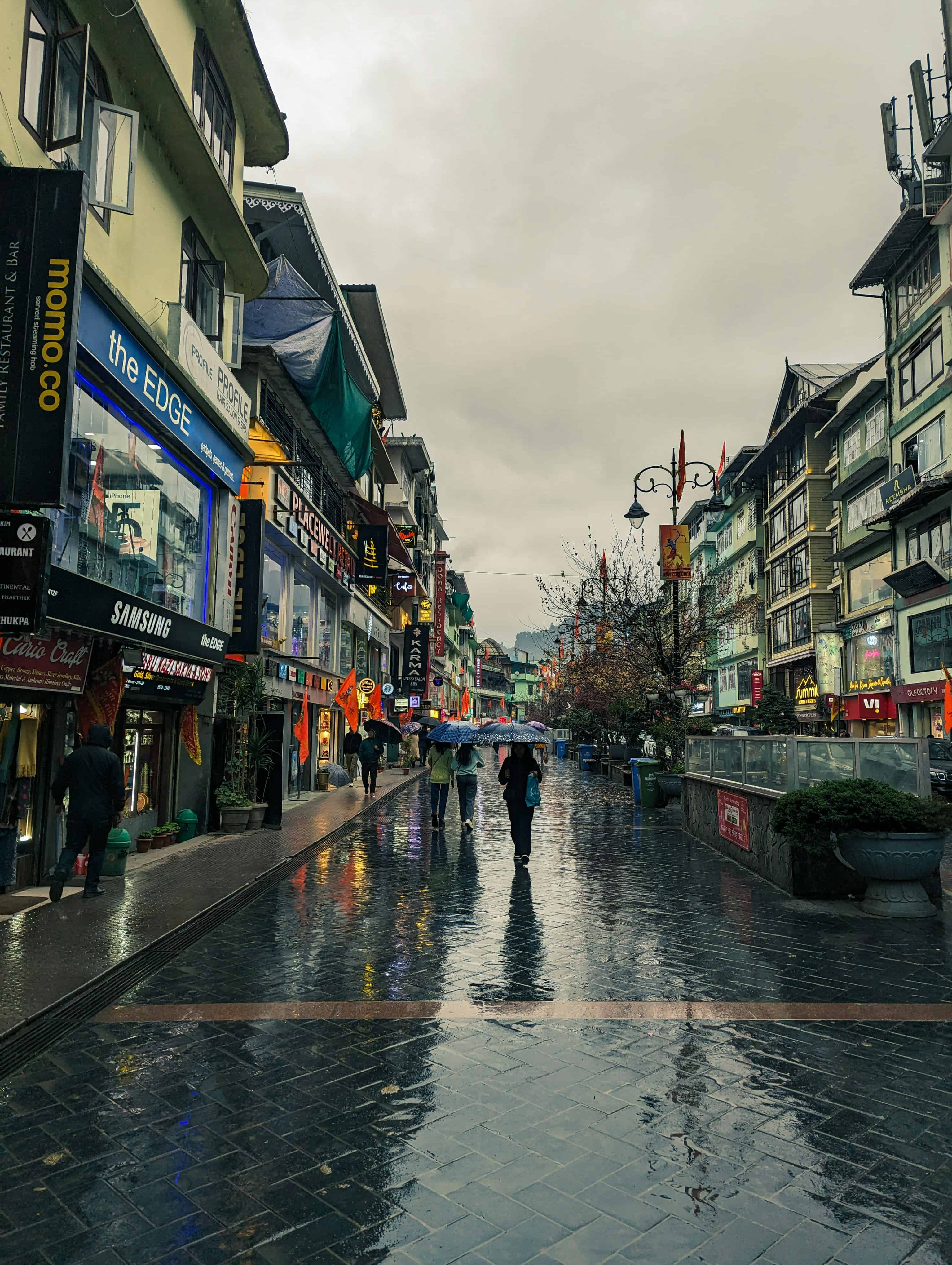
Monsoon changes Gangtok’s mood completely. The hills turn a deeper green, clouds move across the slopes, and waterfalls along the roads grow stronger. It can be beautiful, but travel needs patience.
Rain can affect visibility and road movement, especially on routes beyond the city. High-altitude trips may be delayed or cancelled, and the road from Siliguri or Bagdogra can take longer than expected.
Carry during monsoon:
- Waterproof jacket
- Shoes with a strong grip
- Extra socks
- Waterproof phone cover
- Buffer time between transfers
- Flexible sightseeing plans
October to December: Crisp Skies and Strong Mountain Views
Autumn and early winter are excellent times to visit Gangtok. The monsoon has cleared the air, the views are often sharper, and the weather is comfortable during the day. This is one of the best periods for Tsomgo Lake, local viewpoints and monastery circuits.
Evenings become cold, especially in November and December. A warm jacket is important, even when the afternoon sun feels pleasant.
January and February: Cold Days and Uncertain High Roads
Winter gives Gangtok a quieter feel. The city remains accessible, but higher routes to Tsomgo Lake and Nathu La may be affected by snow, ice, or temporary closures.
This season works well for travellers who enjoy cold weather and do not mind some uncertainty. Avoid scheduling Tsomgo or Nathu La on the last day before departure, as weather can disrupt plans.
Reaching Gangtok
By Road
Most travellers reach Gangtok by road from Bagdogra, Siliguri or New Jalpaiguri. The route follows the Teesta valley for a long stretch before climbing into Sikkim.
The drive is scenic, but it should not be rushed. Rain, road repairs, landslides and traffic can affect travel time. It is better to keep the arrival day light rather than add heavy sightseeing immediately upon arrival.
Useful Road Distances
- Siliguri to Gangtok: Around 114 kilometres
- New Jalpaiguri to Gangtok: Around 124 kilometres
- Bagdogra to Gangtok: Around 124 kilometres
- Pakyong Airport to Gangtok: Around 31 to 35 kilometres
- Gangtok to Tsomgo Lake: About 40 kilometres
- Gangtok to Nathu La: About 50 kilometres
- Gangtok to Banjhakri Falls: Around 7 kilometres
- Gangtok to Rumtek Monastery: Around 22 to 24 kilometres
By Train
New Jalpaiguri Junction is the main railhead for Gangtok. Taxis and shared vehicles are available for the onward journey, but a pre-arranged transfer is more comfortable for families, late arrivals and travellers with luggage.
The road journey can take several hours, so avoid planning a tight schedule on the same day.
By Air
Pakyong Airport is geographically closest to Gangtok, but flight operations can be limited or affected by weather. Bagdogra Airport is usually the more dependable choice because it has stronger connectivity and more frequent flights.
Travellers should check current flight operations before building the entire itinerary around Pakyong.
Day One: MG Marg, Ropeway and First Views of the City
The first day should gently introduce Gangtok. After a long road journey, stay close to the city centre and avoid high-altitude plans.
Begin with MG Marg
MG Marg is the easiest place to begin. The pedestrian street gives Gangtok a clean, organised and relaxed centre. It is ideal for cafés, local shopping, bakeries, restaurants and an easy first walk.
Visit during the afternoon if you arrive early, then return after sunset. The evening atmosphere is livelier, with locals and visitors filling the promenade.
Easy first-day plan:
- Check into the hotel
- Walk through MG Marg
- Stop for tea, coffee or momos
- Browse local stores
- Keep dinner close to the hotel
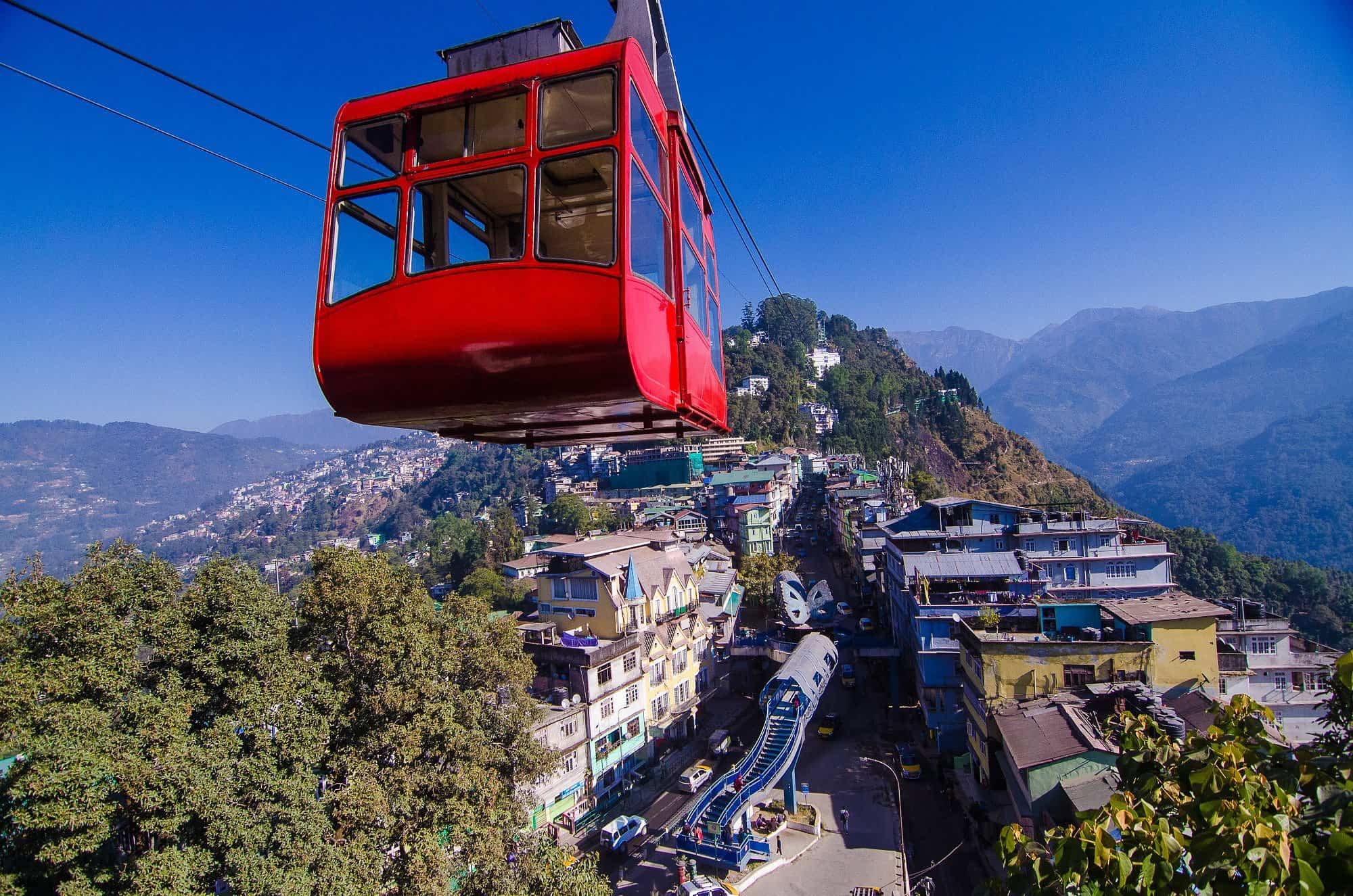
Take the Gangtok Ropeway
If the weather is clear, the ropeway is a good way to see how Gangtok is built along the slope. The ride gives views of the city’s layered houses, roads and surrounding hills.
Go before mist or evening crowds set in. Visibility can change quickly, especially during monsoon or cloudy afternoons.
Add One Viewpoint
Choose either Ganesh Tok or Hanuman Tok for the first day. Both sit higher than the main town and offer a broader look at Gangtok’s surroundings.
Do not try to cover every viewpoint on arrival. One good stop is enough, especially if you have travelled from Bagdogra or New Jalpaiguri the same day.
Return to MG Marg for Dinner
Gangtok’s food scene is one of the pleasures of staying in the city. Around MG Marg, you will find Sikkimese, Tibetan, Nepali, Indian and Chinese influences. Momos, thukpa, shapta and noodle bowls are easy to find, along with cafés and bakeries.
Keep the evening relaxed. The next day can carry the heavier sightseeing.
Day Two: Monasteries, Tibetology and Rumtek
The second day should focus on Gangtok’s spiritual and cultural side. This is where the city feels most connected to Sikkim’s Buddhist identity.
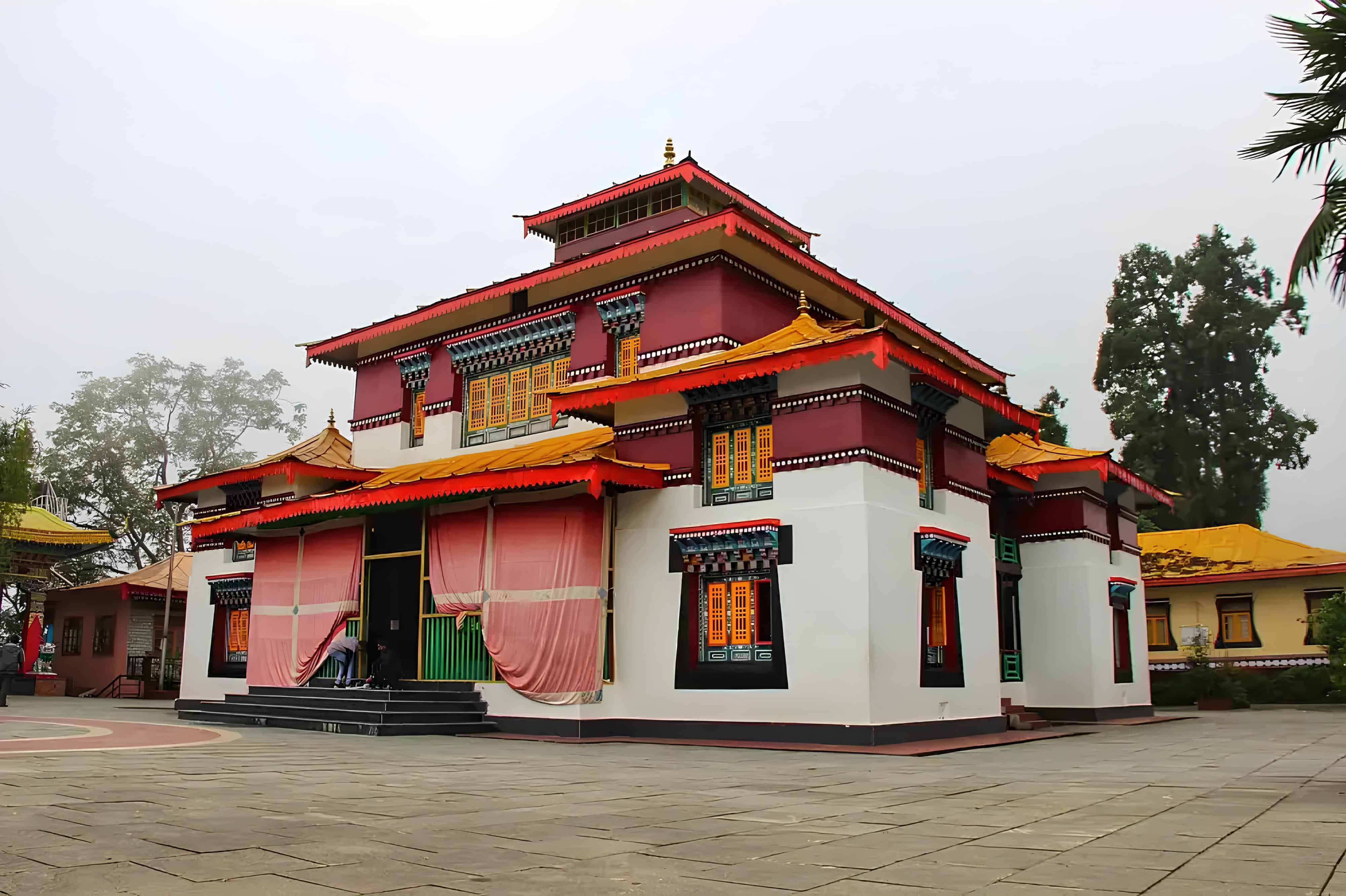
Start at Enchey Monastery
Enchey Monastery is one of Gangtok’s important religious sites. Its quiet setting, prayer spaces, and traditional architecture make for a strong start to the day.
Visit in the morning, when the surroundings are calmer. Keep your voice low, dress respectfully and follow any instructions about photography.
Monastery etiquette:
- Dress modestly
- Remove shoes where required
- Keep conversations quiet
- Follow photography rules
- Do not disturb monks or worshippers
- Walk slowly through prayer spaces
Continue to Do-drul Chorten
Do-drul Chorten is one of Gangtok’s well-known Buddhist landmarks. Prayer wheels, the stupa and the surrounding complex create a peaceful pause after Enchey.
This stop is best experienced slowly. Allow time to walk around, observe the prayer wheels and take in the rhythm of the place.
Visit Namgyal Institute of Tibetology
The Namgyal Institute of Tibetology adds context to the entire trip. Its collections include Buddhist art, scriptures, ritual objects and cultural material connected with Tibet and the Himalayan region.
This is a valuable stop for travellers who want to understand more than the surface of the monasteries. Allow enough time for the museum and do not treat it as a quick photo stop.
Keep the Afternoon for Rumtek
Rumtek Monastery lies outside the main city and deserves its own time. The drive away from central Gangtok offers a wider view of the surrounding valleys.
Rumtek is one of the most important monasteries to visit around Gangtok. Its courtyards, prayer halls and setting make it a meaningful final stop for the day.
Suggested Day Two Flow
- Enchey Monastery in the morning
- Do-drul Chorten
- Namgyal Institute of Tibetology
- Lunch
- Rumtek Monastery in the afternoon
- Return to MG Marg for dinner
Day Three: Tsomgo Lake, Baba Mandir and Nathu La
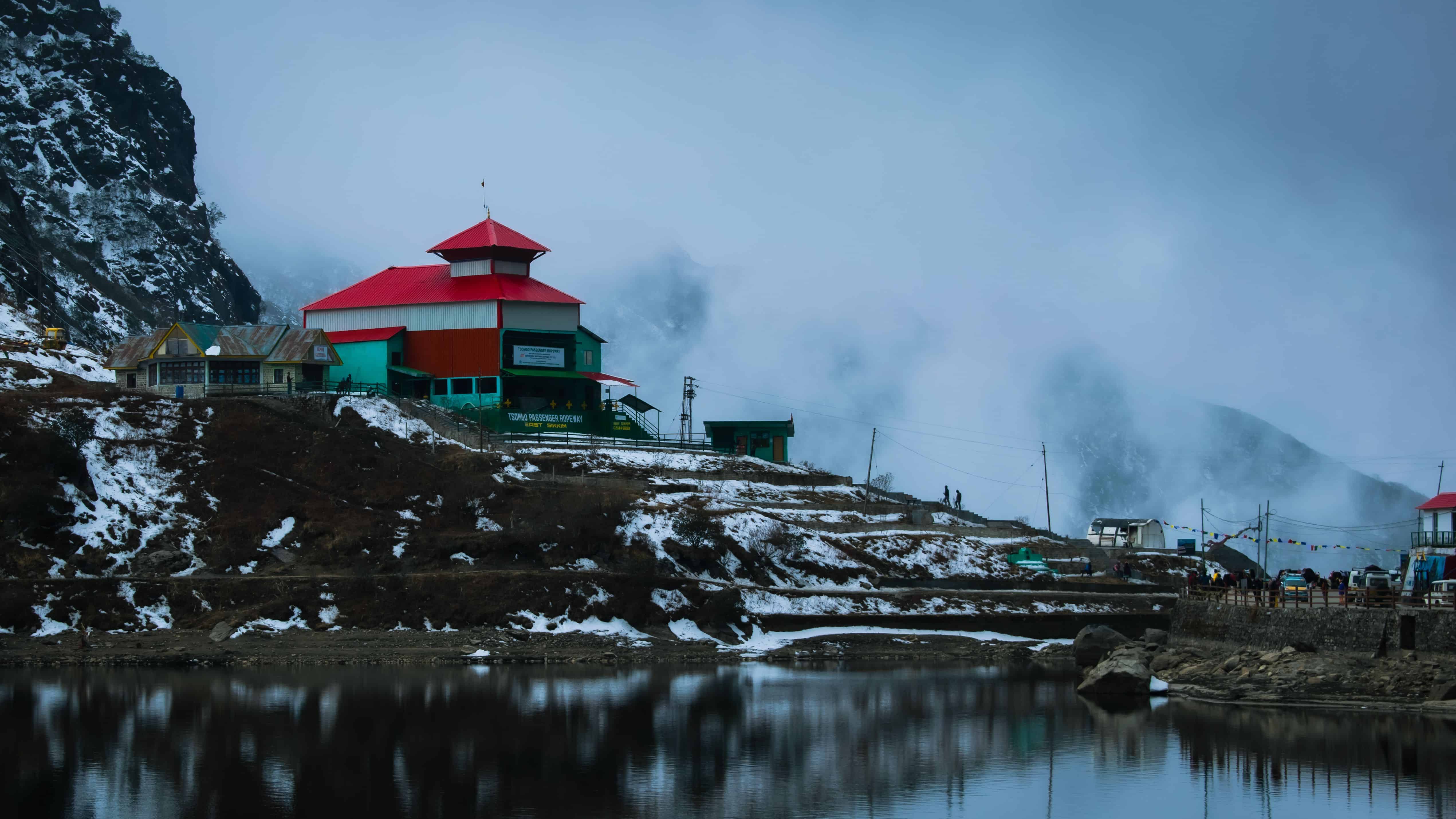
The third day should be reserved for the high-altitude route. This is the most dramatic day of the itinerary, but also the most dependent on permits, weather and road conditions.
Leave Early for Tsomgo Lake
Tsomgo Lake, also called Changu Lake, lies around 40 kilometres from Gangtok at a much higher altitude. The road climbs quickly, and the scenery changes from city slopes to military roads, colder air and rugged mountain terrain.
Permits are required for this route. Most travellers arrange them through authorised local operators or hotels. Keep identity documents ready and confirm requirements a day in advance.
The lake can look very different across seasons. In winter, it may freeze. In spring and autumn, the surrounding slopes and clear air make it especially photogenic. During monsoon or snowfall, access can become uncertain.
Add Baba Mandir if the Route Allows
Baba Mandir is often combined with Tsomgo Lake on the same excursion. Add it only if the road is open and your permitted route includes it.
Drivers usually adjust the day according to official instructions, weather and traffic. Trust local advice on this route, as conditions can change quickly.
Treat Nathu La as a Bonus
Nathu La is a major attraction, but it should never be treated as guaranteed. It is a sensitive border area with permit controls, restricted access, operating-day rules and weather dependence.
If Nathu La is approved and open, it can be added to the Tsomgo circuit. If not, the day is still worthwhile with Tsomgo Lake and Baba Mandir.
Suggested Day Three Schedule
- 7.00 am: Leave Gangtok after permit and vehicle checks
- Morning: Drive towards Tsomgo Lake
- Late morning: Spend time around the lake
- Midday: Continue to Baba Mandir or Nathu La if permitted
- Afternoon: Return towards Gangtok
- Evening: Keep free for rest
Carry warm clothing, sunglasses, water and basic medication. The altitude is much higher than Gangtok, so move slowly and avoid overexertion.
If Tsomgo Is Not Possible
Weather, road conditions or permits may occasionally disrupt the high-altitude plan. In that case, use the day for a softer Gangtok nature circuit.
Banjhakri Falls and Energy Park
Banjhakri Falls is an easy local outing with a waterfall, landscaped paths and cultural displays inspired by traditional shamanic beliefs. It works well for families or travellers who want a lighter day of sightseeing.
Himalayan Zoological Park
The Himalayan Zoological Park introduces visitors to mountain wildlife in a forested setting. It can be combined with Ganesh Tok or Hanuman Tok, as they are in the upper part of the city.
Flower Exhibition Centre
Gangtok is known for flowers and orchids, especially in spring. The Flower Exhibition Centre can be added for a short, easy stop if seasonal displays are open.
This alternate day is especially useful during the monsoon, with older family members, or when high-altitude travel does not suit the group.
Choosing Where to Stay
Around MG Marg
This is the most convenient area for a first trip. Restaurants, shops, cafés, taxi access and evening activity are close by.
Works well for:
- First-time visitors
- Short stays
- Families
- Travellers without private transport
- Easy meals and evening walks
The area can be crowded and more expensive during peak season.
Tibet Road and Development Area
These areas keep you close to the centre while offering a slightly calmer stay than MG Marg itself.
Works well for:
- Couples
- Longer stays
- Travellers who want central access with quieter evenings
- Guests using local taxis
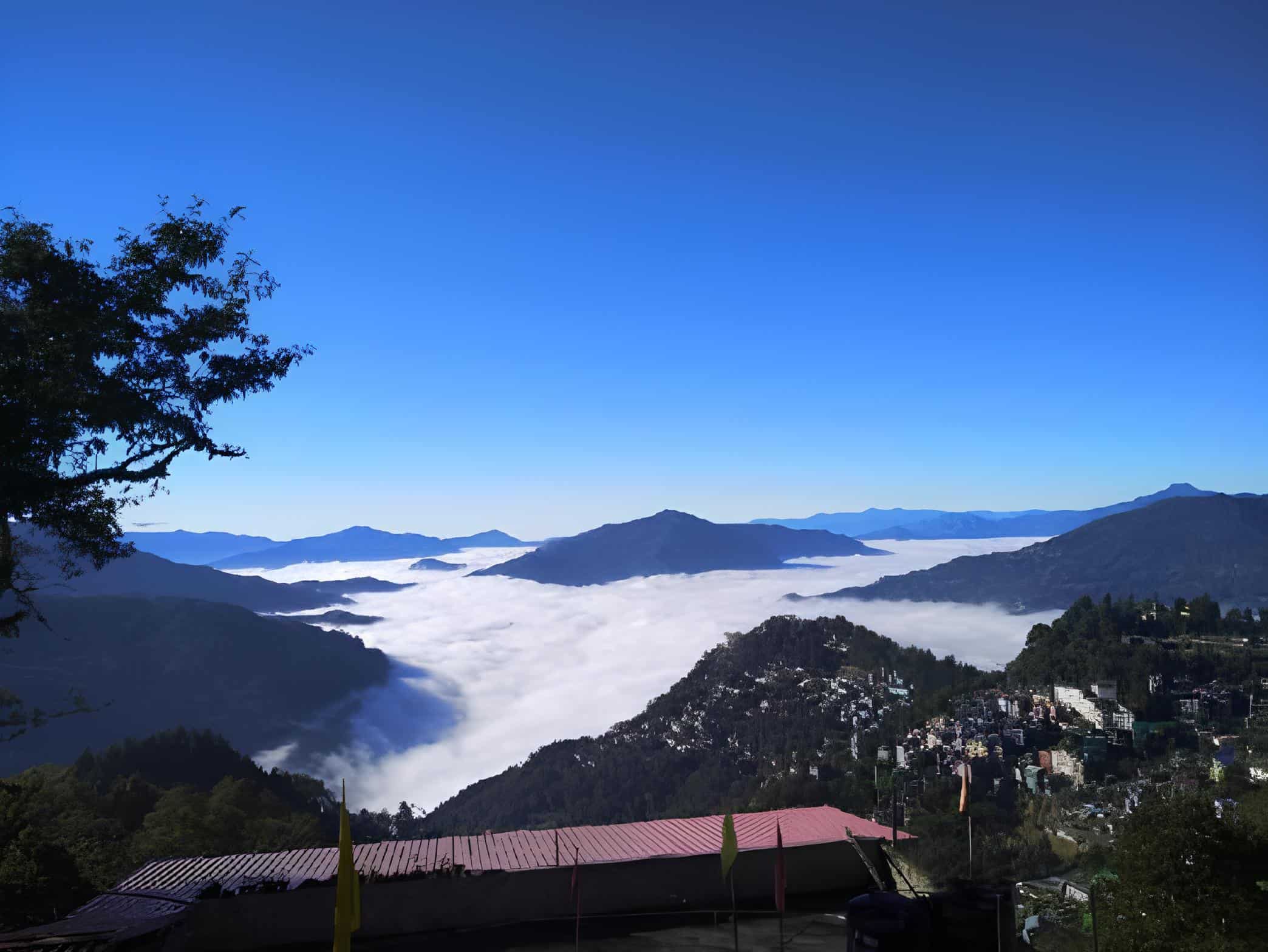
Upper Gangtok
Works well for:
Higher neighbourhoods may offer better views and quieter surroundings, though they usually require more taxi use.
- Scenic stays
- Slower holidays
- Travellers with private vehicles
- Clear morning views
Rumtek or Outside the City
Staying outside Gangtok creates a quieter experience, but it is less practical for first-time visitors who want easy access to restaurants, MG Marg and local operators.
Works well for:
- Retreat-style holidays
- Monastery-focused trips
- Travellers with extra days
- Visitors using private transport
Questions to Ask Before Booking
- Is the hotel on MG Marg, above it or below it?
- Can a taxi reach the entrance directly?
- Are there stairs between the road and the reception?
- Is heating available in winter?
- Is parking available?
- How far is the taxi stand?
- Can the hotel help arrange permits for Tsomgo and Nathu La?
- Is there a power backup?
- Are meals available after a late return from Tsomgo?
- Does the room have a mountain view or a city view?
Before You Begin the Journey
- Keep the arrival day light
- Stay near MG Marg for convenience on a first visit
- Visit viewpoints early for clearer skies
- Keep one full day for Tsomgo Lake
- Treat Nathu La as conditional
- Arrange permits through authorised local operators
- Carry a valid ID proof
- Confirm the Pakyong flight status before booking around it
- Use Bagdogra or NJP for stronger connectivity
- Avoid tight onward plans after high-altitude excursions
- Carry warm clothing even outside of winter
- Keep monsoon plans flexible
- Respect monastery etiquette
- Move slowly at Tsomgo because of the altitude
Gangtok should not be treated only as the starting point for bigger Sikkim journeys. The city has its own rhythm: a mountain promenade, Buddhist institutions, view roads, local cafés, prayer flags, steep neighbourhoods and the high road towards Tsomgo Lake.
A well-planned Gangtok itinerary gives each side its space. Let MG Marg ease you into the city, keep the monastery circuit for cultural depth and save the final day for the climb into the high mountains. In three days, Gangtok becomes a complete Himalayan break, not merely a stopover.
Read more – Discover Your India