

Plan a refreshing Mount Abu itinerary with marble temples, lake evenings, Aravalli viewpoints, forest roads and sacred hill trails
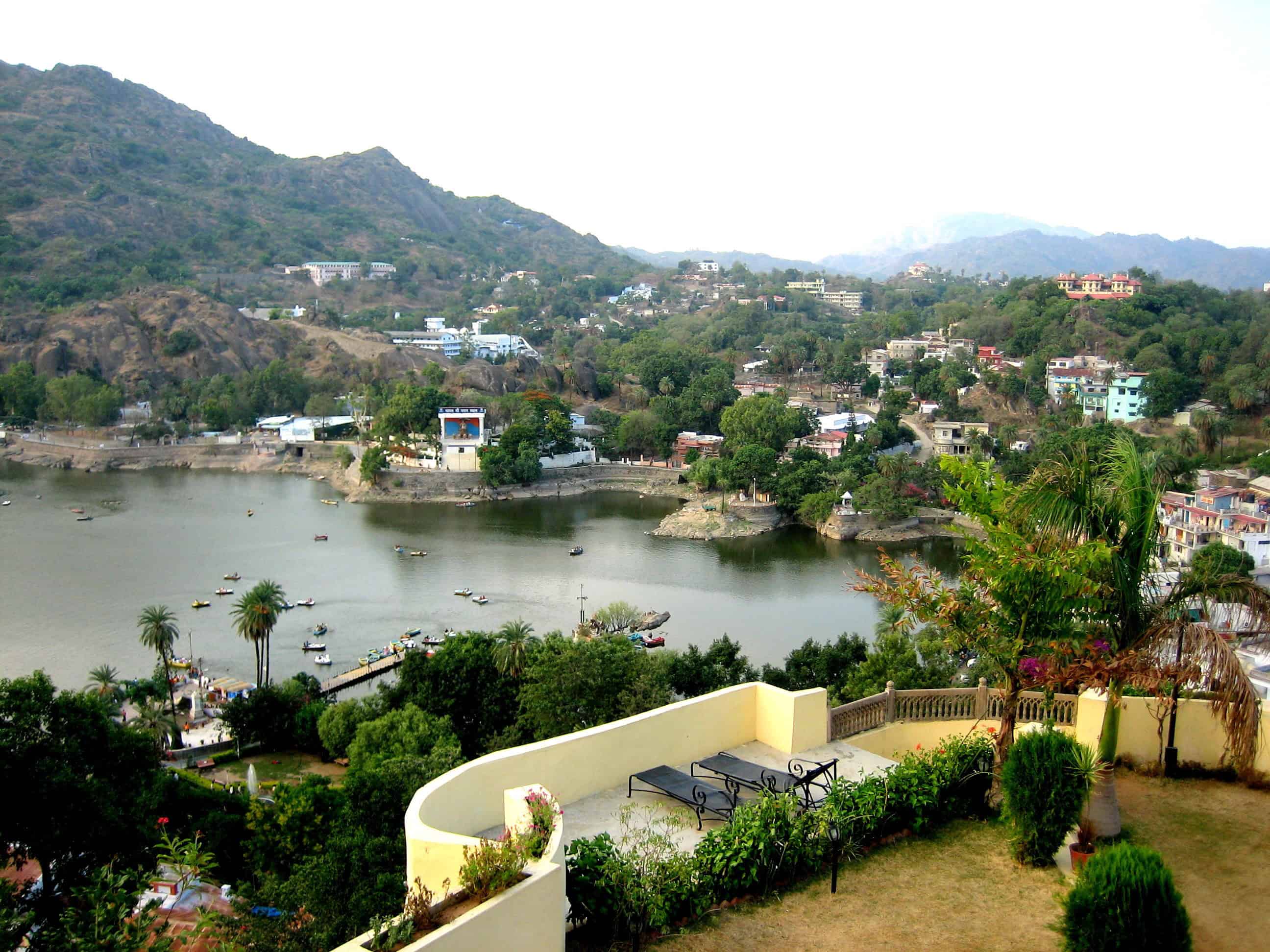
Mount Abu arrives as a surprise in Rajasthan. After the heat, dust, forts and desert tones of the plains, the road begins to climb into the Aravallis and the scenery changes quickly. The air cools, the rocks become bolder, the trees thicken, and the mood shifts into something slower and greener.
This is Rajasthan’s only recognised hill station, but Mount Abu is not simply a summer retreat. Its appeal comes from a rare mix of temple architecture, old pilgrimage routes, lake life, forested drives and hilltop views. Nakki Lake gives the town its holiday rhythm. Dilwara Jain Temples bring extraordinary marble craftsmanship. Guru Shikhar adds height, scale and a sense of the ancient Aravalli landscape.
A three-day Mount Abu itinerary works well because the destination is compact without feeling limited. One day can stay close to the lake and market, another can focus on temples and quieter roads, and a third can move higher towards Guru Shikhar and Achalgarh.
Mount Abu at a Glance
- State: Rajasthan
- District: Sirohi
- Approximate town elevation: Around 1,220 metres
- Highest nearby point: Guru Shikhar, 1,722 metres
- Nearest railway station: Abu Road, approximately 27 to 28 kilometres away
- Nearest airport: Maharana Pratap Airport, Udaipur, around 176 kilometres away
- Distance from Udaipur: Approximately 163 kilometres
- Distance from Ahmedabad: Around 220 to 240 kilometres, depending on the route
- Recommended stay: Three days for the main sights
- Best periods for sightseeing: October to March and the post-monsoon months
- Summer advantage: Cooler than much of Rajasthan, though afternoons can still be warm
First, Know the Shape of Mount Abu
Mount Abu is easy to explore, but it should not be planned like a flat town. The roads rise, dip and curve around rocky slopes. A hotel may look close to Nakki Lake on a map, but still involve a climb, a narrow lane or a short vehicle transfer.
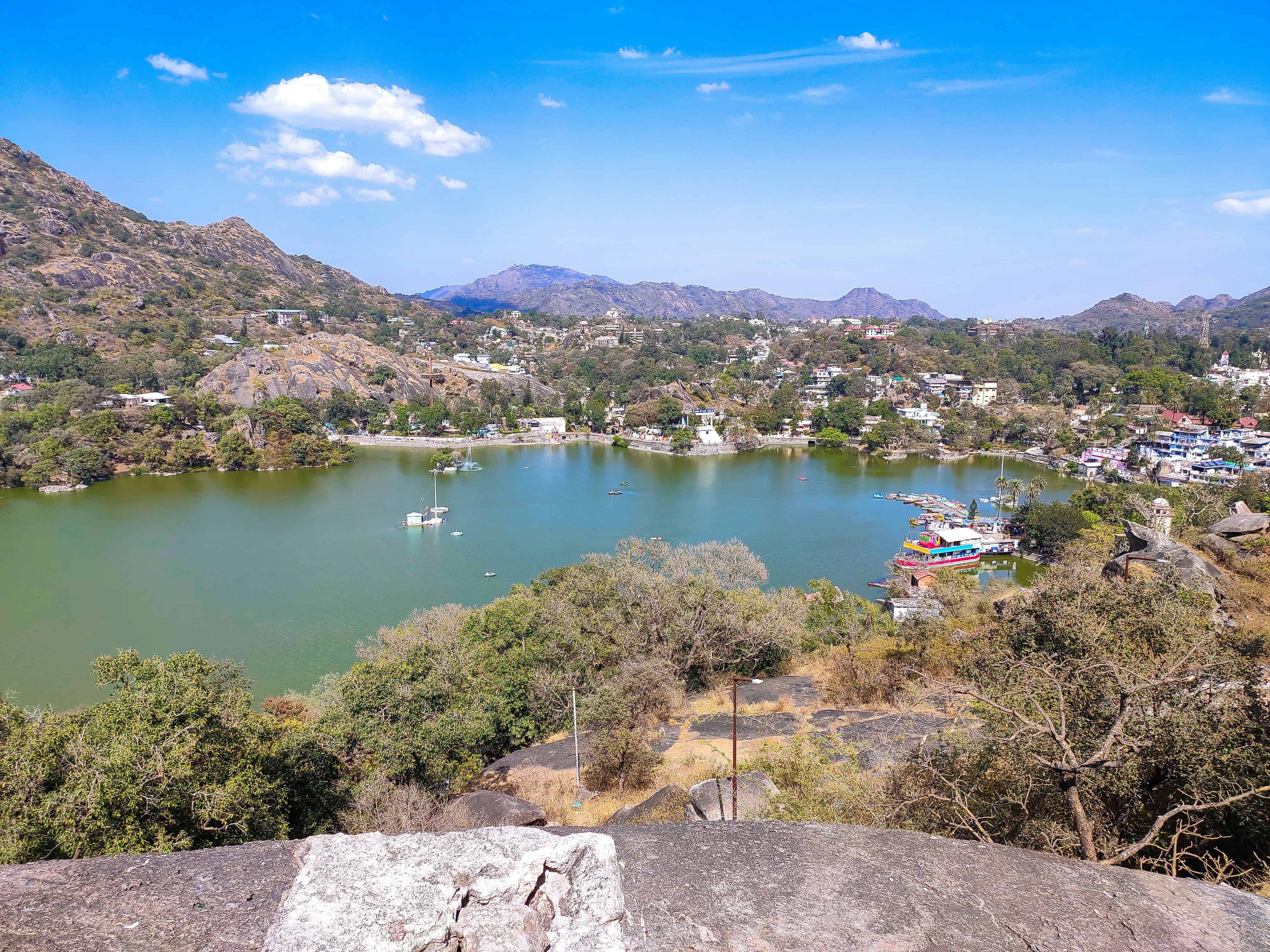
Nakki Lake is the natural centre of activity. This is where travellers come for boating, snacks, shopping, photographs and easy evening walks. It is the most convenient base for a first visit, especially for families or travellers who like being close to restaurants and market activity.
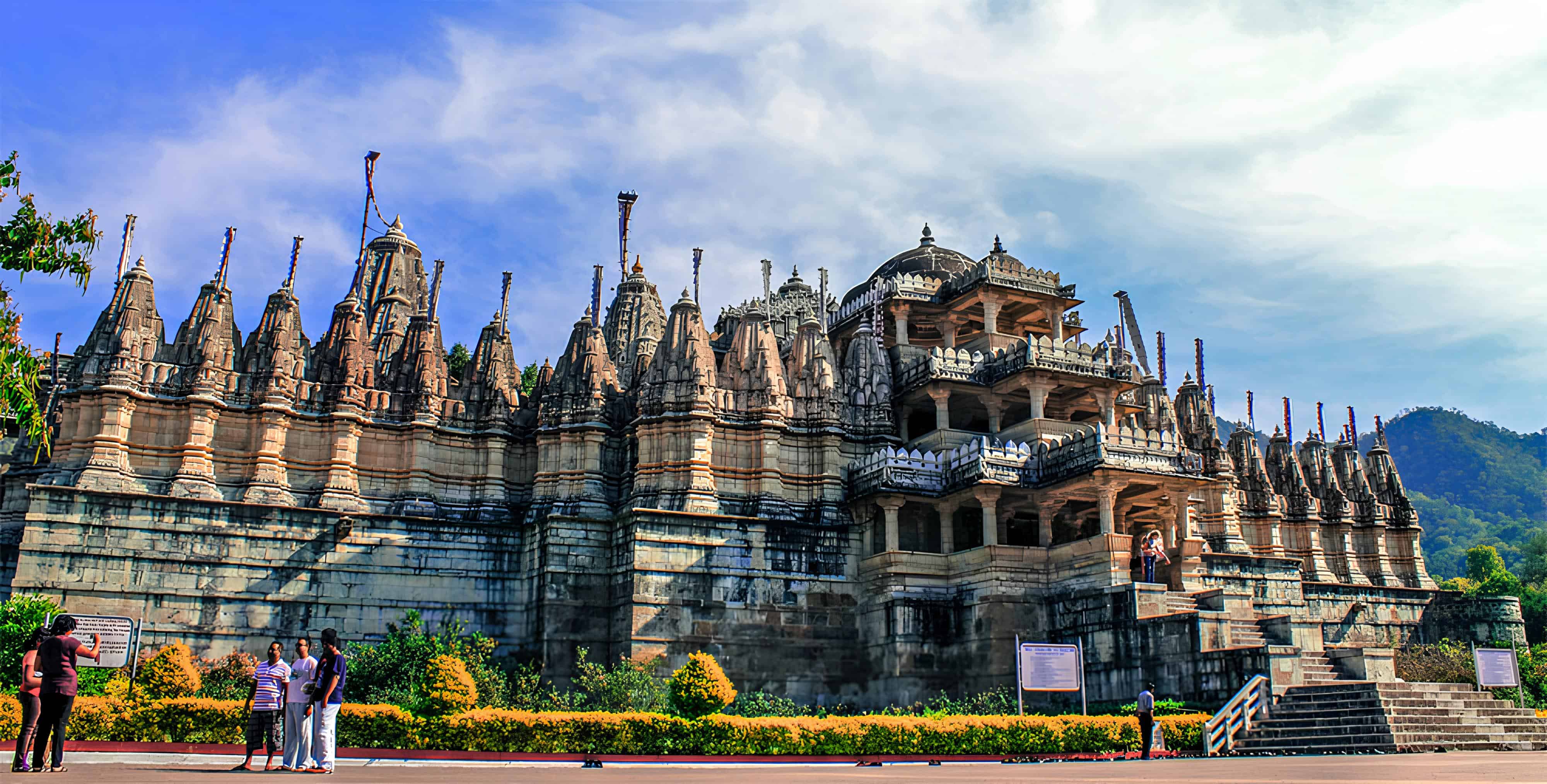
A short distance away, the mood changes. Dilwara Jain Temples sit in a quieter setting and reveal Mount Abu’s most refined architectural side. The temple complex is famous for its white marble interiors, delicate carving, ornate ceilings and richly worked pillars.
Beyond the town, the hill landscape takes over. Roads towards Guru Shikhar, Achalgarh, Trevor’s Tank and the sanctuary belt move through forest patches, rock formations and wide Aravalli views. This outer circuit is where Mount Abu feels less like a holiday town and more like a hill plateau layered with history, worship, and wilderness.
When Mount Abu Feels at Its Best
October to March: The Classic Season
This is the most comfortable time to explore Mount Abu. Days are pleasant, skies are often clearer and walking around the lake, temples, and viewpoints becomes easier. Winter evenings can be cold, especially in December and January, so warm clothing is useful.
This period is ideal for travellers who want lake walks, temple visits, scenic drives, family sightseeing and clearer views from Guru Shikhar.
What to expect:
- Comfortable sightseeing weather
- Cooler evenings
- Better walking conditions
- Busy weekends and holiday periods
- Clearer views from the higher ridges
April to June: The Summer Hill Escape
Mount Abu has long been Rajasthan’s relief from the summer heat. While afternoons can still feel warm, the elevation makes it cooler than many cities in the plains. Summer holidays bring crowds, so hotel prices and traffic can rise during peak dates.
The best way to plan summer days is simple: start early, keep indoor or temple visits for the hotter hours, and return outdoors towards evening.
Useful summer plan:
- Visit Toad Rock and the lake areas in the morning
- Keep Dilwara for late morning or early afternoon
- Rest after lunch
- Return to Nakki Lake around sunset
July to September: Green Hills and Monsoon Drama
Monsoon gives Mount Abu a softer, greener personality. The rocks darken, the hills freshen, and clouds move across the slopes. This is a good season for travellers who enjoy mist, greenery and a less polished hill atmosphere.
The trade-off is slower movement. Rocky paths can become slippery, viewpoints may get covered by clouds, and narrow roads can take longer. Comfortable shoes and flexible planning matter more in these months.
Reaching Mount Abu
By Road
Mount Abu is well-connected with Rajasthan and Gujarat. Travellers commonly arrive from Udaipur, Ahmedabad, Abu Road, Jaipur or Jodhpur. The last stretch from Abu Road climbs into the hills and brings the first real sense of arrival.
The ascent is scenic but winding. Travellers prone to motion sickness should keep medication handy and avoid a heavy meal before the climb.
Useful Road Distances
- Abu Road to Mount Abu: Approximately 27 to 28 kilometres
- Udaipur to Mount Abu: Approximately 163 kilometres
- Ahmedabad to Mount Abu: Around 220 to 240 kilometres
- Jaipur to Mount Abu: Around 480 to 500 kilometres
- Mount Abu to Dilwara Jain Temples: Approximately 2.5 kilometres
- Mount Abu to Trevor’s Tank: Approximately 5 kilometres
- Mount Abu to Achalgarh Fort: Approximately 26 kilometres
- Mount Abu to Guru Shikhar: Approximately 15 kilometres
By Train
Abu Road is the main railway gateway. It lies on an important rail route and connects with several major Indian cities. From the station, taxis and buses continue uphill to Mount Abu.
A pre-booked taxi is useful for late-evening arrivals, families with luggage, or travellers visiting during peak season.
By Air
Mount Abu does not have an airport. Udaipur’s Maharana Pratap Airport at Dabok is the closest major airport, around 176 kilometres away. Ahmedabad is another practical option because of wider flight connectivity, although the road journey is longer.
Choose the airport based on flight timing, road transfer comfort and the rest of your Rajasthan or Gujarat itinerary.
Day One: Nakki Lake, Toad Rock and a Slow First Evening

The first day should be kept light. Mount Abu is best entered gradually, especially if you have arrived after a long road or rail journey.
Begin at Nakki Lake
Nakki Lake sets the tone for the town. Boats move across the water, families gather along the edges, shops stay busy through the day, and the surrounding hills give the area its easy holiday feel.
Morning is quieter and better for a walk. Evening is livelier and better for people-watching, boating, and snacks. If you are staying nearby, return twice instead of trying to finish the lake in one visit.
Morning plan:
- Walk around Nakki Lake
- Take a boat ride if the weather permits
- Stop for tea or breakfast nearby
- Continue towards Toad Rock
Climb to Toad Rock
Toad Rock is one of Mount Abu’s most familiar natural landmarks. Its shape, often compared to a toad about to leap into the lake, makes it popular with photographers and families.
The climb is short but uneven. It is best done in comfortable shoes, especially after rain. The reward is a fine view over Nakki Lake and the surrounding hill town.
Explore the Local Market
The market around Nakki Lake is useful for small souvenirs, snacks, casual cafés and local browsing. It keeps the day relaxed and avoids excessive driving upon arrival.
This is also a good time to get a sense of the town’s pace. Mount Abu can get crowded on weekends, but it still carries an old-fashioned hill-holiday charm when explored without a hurry.
End with Sunset
Sunset is part of the Mount Abu ritual. You can either head to a formal sunset point or stay around the lake if you prefer a gentler evening. During peak season, sunset areas can become crowded, so arrive early or choose a quieter viewpoint if travelling with older family members.
Day Two: Dilwara, Peace Park and the Quieter Hill Roads
The second day brings Mount Abu’s spiritual and architectural depth. It is best to plan slowly because Dilwara deserves time, attention, and a respectful pace.
Start with Dilwara Jain Temples
Dilwara Jain Temples are the finest architectural highlight of Mount Abu. Built between the 11th and 13th centuries, the complex is known for its white marble work, richly carved ceilings, detailed pillars and intricate interiors.
The craftsmanship is delicate and astonishing. This is not a place to rush through between two viewpoints. Keep enough time to observe the marble ceilings, sculpted doorways and the quiet discipline of the temple spaces.
Temple etiquette:
- Dress modestly
- Keep voices low
- Follow photography restrictions
- Respect prayer areas
- Avoid touching carved surfaces
- Check visiting hours before arrival
Continue to Peace Park
Peace Park offers a calmer contrast after Dilwara. Associated with the Brahma Kumaris, it combines gardens, quiet corners and a reflective atmosphere. It works well for travellers who want a pause between heavier sightseeing stops.
This part of the day should feel unhurried. Mount Abu is not only about ticking off places; some of its best moments come from slowing down between them.
Add Trevor’s Tank
Trevor’s Tank lies a short drive from town and brings in the natural side of Mount Abu. It is known for its wooded setting, birdlife possibilities and crocodile breeding association.
Treat it as a quiet nature stop rather than a guaranteed wildlife experience. The atmosphere depends on season, water levels and access conditions.
Afternoon plan:
- Visit Dilwara Jain Temples in the morning
- Continue to Peace Park
- Stop for lunch
- Add Trevor’s Tank if time and energy allow
- Return to Nakki Lake or the hotel by evening
Day Three: Guru Shikhar, Achalgarh and the Aravalli Heights
The third day should be reserved for the upper roads. This is where Mount Abu opens out into ridge views, old fort remains and sacred hill sites.
Begin at Guru Shikhar
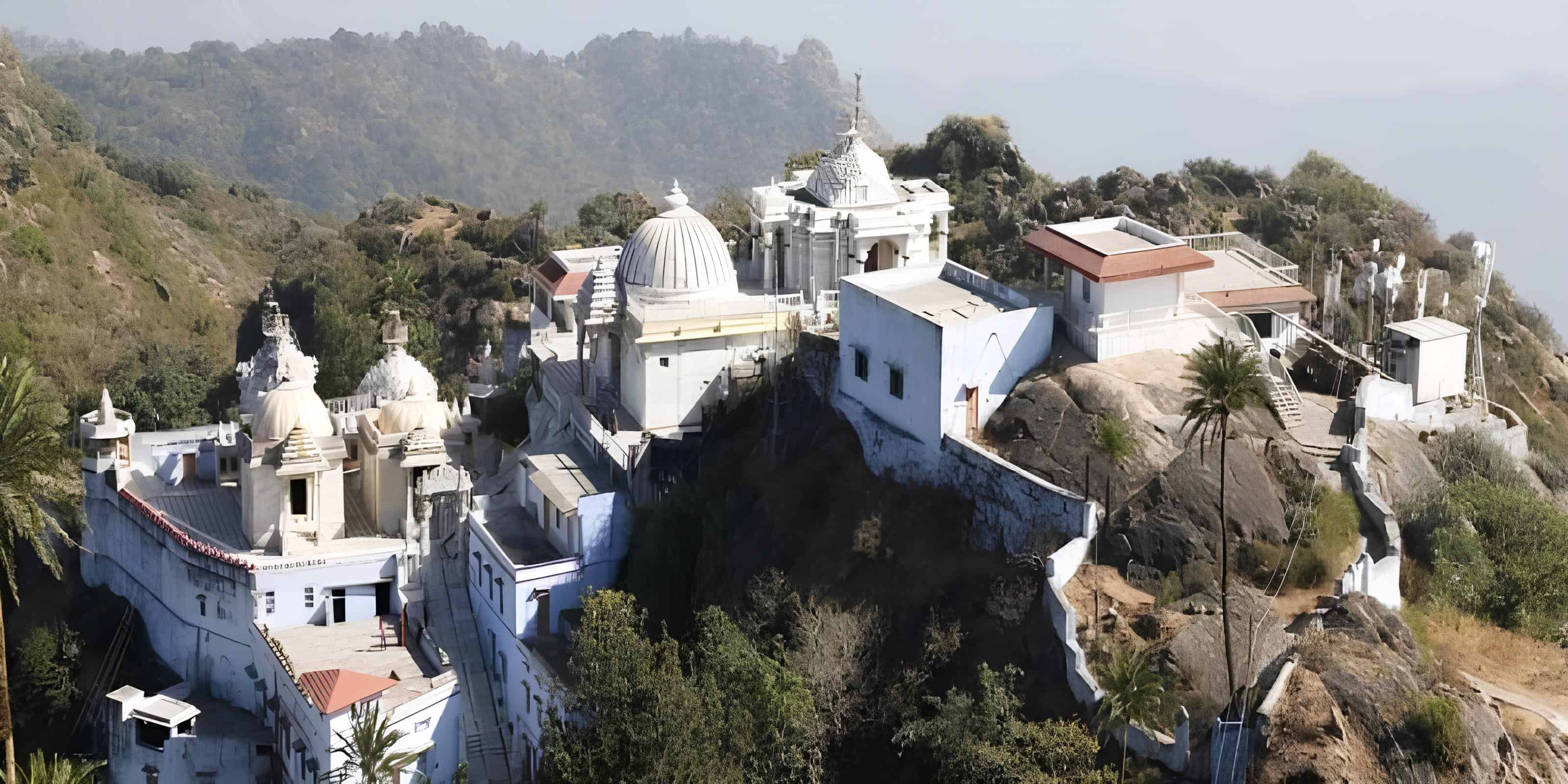
Guru Shikhar is the highest point of the Aravalli range at 1,722 metres. The drive itself is part of the experience, moving away from the busy lake area towards higher, quieter terrain.
Visitors climb a series of steps to reach the Guru Dattatreya Temple near the summit. The climb is not very long, but it can feel tiring in strong sun or for travellers unused to steps. Start early for cooler weather and clearer views.
Morning plan:
- Leave town early
- Drive towards Guru Shikhar
- Climb the steps at a steady pace
- Visit the temple respectfully
- Spend time with the views before heading back down
Continue to Achalgarh Fort
Achalgarh Fort lies around 26 kilometres from Mount Abu. The site has links with the Paramara dynasty and was later renovated by Maharana Kumbha in the 15th century.
The fort is atmospheric rather than perfectly preserved. Expect ruins, old walls, temple structures and views across the hills. Good footwear is important because the ground can be uneven.
Visit Achaleshwar Mahadev Temple
Close to Achalgarh Fort, Achaleshwar Mahadev Temple adds another sacred layer to the day. Dedicated to Lord Shiva, the temple is associated with local legends and is often visited along with the fort.
Together, Guru Shikhar, Achalgarh and Achaleshwar Mahadev create a strong final day by combining height, history and worship without returning too quickly to the crowded centre.
Suggested Day Three Schedule
- 8.00 am: Leave for Guru Shikhar
- 9.00 am to 10.30 am: Visit the summit and temple
- 11.00 am to 12.30 pm: Continue towards Achalgarh
- 12.30 pm to 1.30 pm: Lunch or short break
- 1.30 pm to 3.30 pm: Visit Achalgarh Fort and Achaleshwar Mahadev
- Before evening: Return towards town
Keep the schedule flexible during the monsoon, weekends, and holidays, as narrow mountain roads can slow down quickly.
Mount Abu Wildlife Sanctuary as a Nature Detour
Travellers interested in the natural landscape can set aside time to visit Mount Abu Wildlife Sanctuary. Spread across 288 square kilometres, it protects a hill ecosystem of forest, rocky slopes and wildlife habitats.
Do not approach it as a big-cat safari destination. The sanctuary is better experienced through its terrain, birdlife, seasonal greenery and forest atmosphere. Follow local rules, stay on permitted routes and avoid loud behaviour in wildlife areas.
Adhar Devi and Gaumukh for a Spiritual Extension
If you have extra time, Adhar Devi Temple and Gaumukh can be added as a spiritual circuit. Both involve steps or uneven terrain, so they suit travellers who are comfortable walking.
Adhar Devi is a popular temple stop, while Gaumukh is associated with Sage Vashistha and local legends tied to Mount Abu’s older sacred identity. Add these only if you have time to spare or if you are replacing another sightseeing plan. They should not be squeezed into an already full day.
Choosing Where to Stay

Around Nakki Lake
This is the most convenient area for a first visit. Restaurants, shops, boating and evening activities are close by.
Works well for:
- Families
- Short stays
- First-time travellers
- Visitors without private transport
- Evening walks and shopping
The area can become noisy and crowded during peak travel periods.
Delwara Road and Temple Side
This side is calmer and convenient for Dilwara Jain Temples.
Works well for:
- Temple visits
- Quieter stays
- Couples
- Older travellers
- Guests using taxis or private cars
Guru Shikhar and Achalgarh Side
The outer roads are better for travellers who want a scenic, peaceful stay away from the busy centre.
Works well for:
- Longer holidays
- Quiet views
- Private car travellers
- Slower itineraries
Abu Road
Abu Road is useful for transit, not for the full hill experience. It works if you arrive late by train or leave early the next morning.
Works well for:
- Transit nights
- Budget stays
- Railway convenience
- Quick onward travel
Questions to Ask Before Booking
- Is the property near Nakki Lake or on an outer road?
- Does it have parking?
- Can a taxi reach the entrance?
- Are there steep stairs inside the property?
- Is room heating available in winter?
- Is air conditioning available in summer?
- How far is Dilwara Jain Temple by road?
- How far is the market on foot?
- Does the hotel arrange transfers to Abu Road station?
- Are meals available after evening sightseeing?
Before You Begin the Journey
- Keep the arrival day light and local
- Visit the Dilwara Jain Temples early
- Check temple rules before entry
- Wear comfortable shoes for Toad Rock and Achalgarh
- Carry a warm layer in winter
- Carry sun protection in summer
- Keep monsoon plans flexible
- Do not rush Guru Shikhar and Achalgarh
- Pre-book transfers from Abu Road during peak season
- Choose Nakki Lake if evening activity matters
- Choose outer roads if quiet views matter more
- Respect Jain and Hindu temple etiquette
- Follow forest rules near sanctuary areas
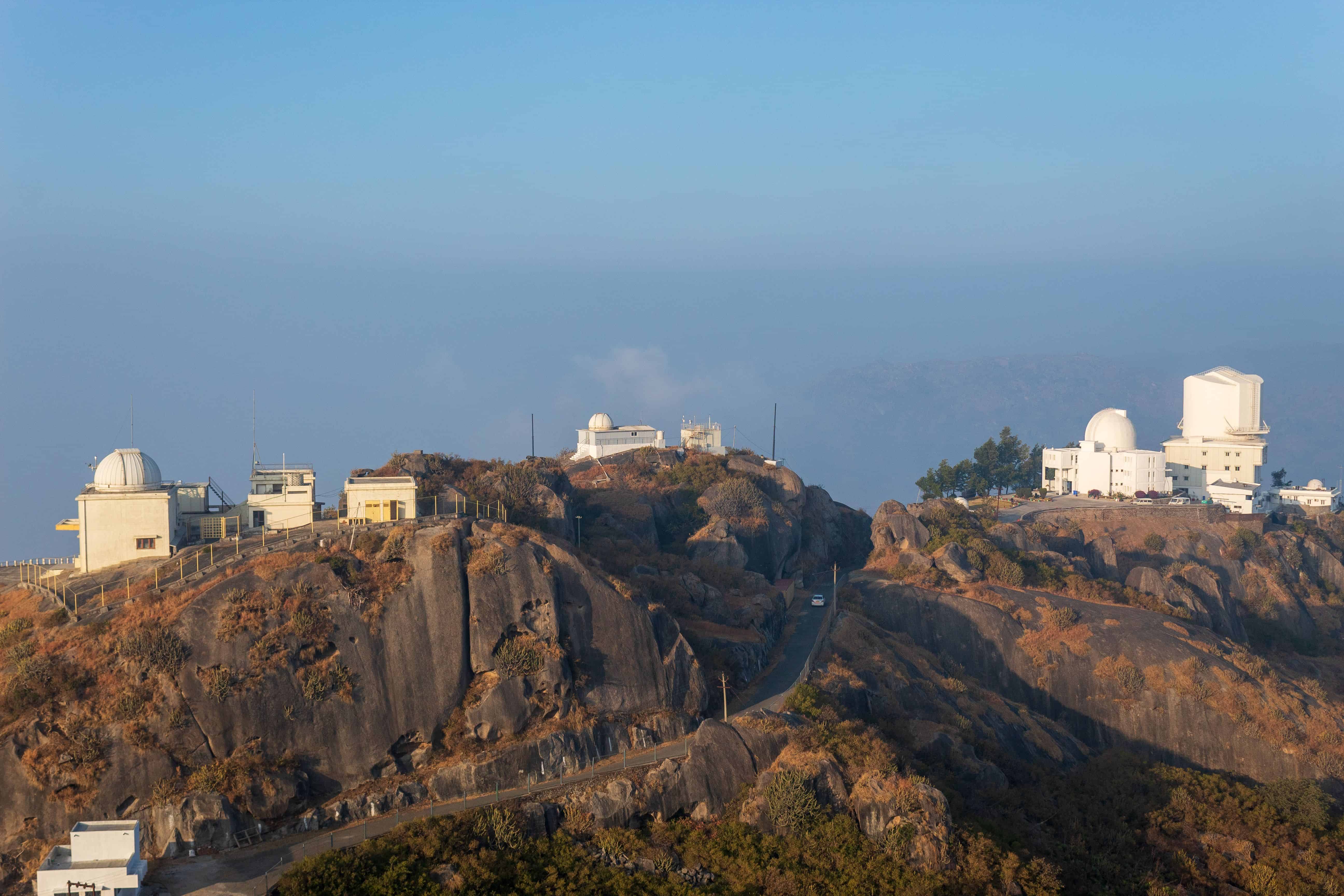
Mount Abu stands apart because it softens Rajasthan without losing its character. It has marble temples instead of palace courtyards, hill roads instead of desert highways, lake evenings instead of grand city squares and sacred ridges instead of crowded fort ramparts.
A good Mount Abu itinerary is more than the sum of its parts. Let Nakki Lake set the pace, give Dilwara the attention it deserves and keep Guru Shikhar for the wider Aravalli view. In three days, the town becomes more than a cool retreat. It becomes Rajasthan’s quieter, greener and more contemplative side.
Read more – Discover Your India