

Plan a classic Darjeeling itinerary with Kanchenjunga views, tea gardens, the Toy Train, monasteries, hill walks and old-world mountain charm
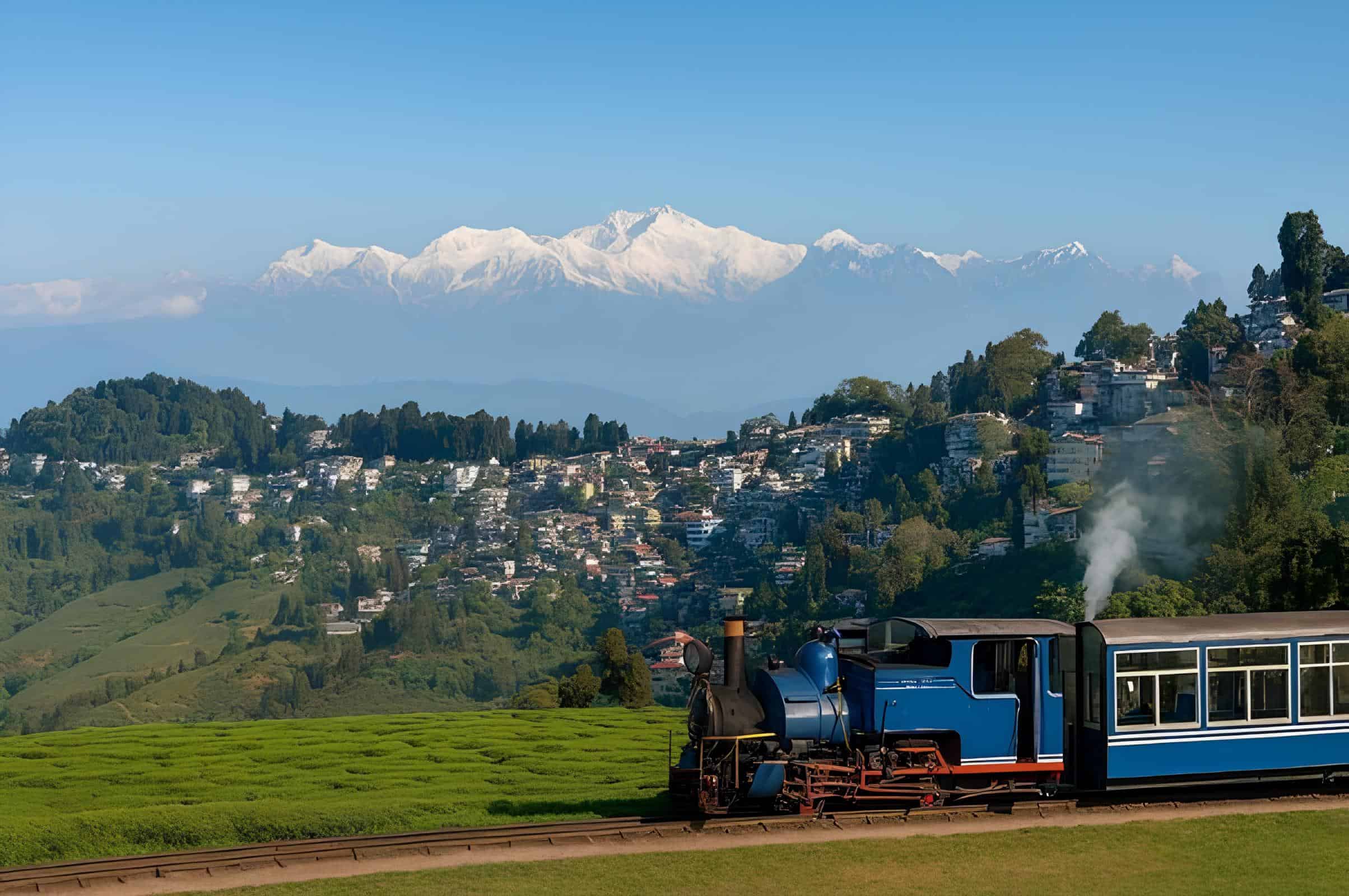
Darjeeling has a rhythm that belongs to another era. The town rises across steep ridges, tea gardens fold into the valleys below, toy train tracks run beside hill roads, and the snowy face of Kanchenjunga appears like a reward when the weather clears. It is one of India’s most-loved hill destinations, but the best Darjeeling itinerary needs careful pacing because the roads are narrow, the slopes are sharp, and the finest experiences are spread across different corners of town.
This is not a destination to rush through. Darjeeling is best enjoyed in layers: a slow evening at Chowrasta, a sunrise run to Tiger Hill, a morning around Ghoom and Batasia Loop, a ride on the Darjeeling Himalayan Railway, a visit to the zoo and Himalayan Mountaineering Institute, and time inside a tea estate. The district administration describes Darjeeling as a collage of Himalayan ranges, walking tracks, valleys, monasteries, momos, tea plantations and the Toy Train.
Three days work well for a first visit. Keep the first day for Chowrasta, Observatory Hill and local orientation. Use the second for Tiger Hill, Ghoom, Batasia Loop and the Toy Train. Reserve the third for the zoo, Himalayan Mountaineering Institute, Happy Valley Tea Estate and a slower tea-town afternoon.
Darjeeling at a Glance
- State: West Bengal
- Region: Eastern Himalaya
- Approximate elevation: 2,042 metres
- Nearest airport: Bagdogra, around 90 kilometres away by NH 110
- Nearest major railway station: New Jalpaiguri, around 88 kilometres from Darjeeling Himalayan Railway Station
- Distance from Siliguri: Around 77 kilometres by NH 55
- Famous for: Darjeeling tea, Kanchenjunga views and the Darjeeling Himalayan Railway
- Recommended stay: Three days for a first-time itinerary
- Best viewing months: October and November for clearer mountain views
- Best general seasons: March to May and October to December
- Monsoon period: June to September, with rain, mist and road delays
Darjeeling is located in the Lesser Himalayas at an elevation of about 2,042 metres. The district administration identifies Bagdogra as the nearest airport, New Jalpaiguri as the key rail gateway, and Siliguri as the main road access point.
First, Understand Darjeeling’s Layout
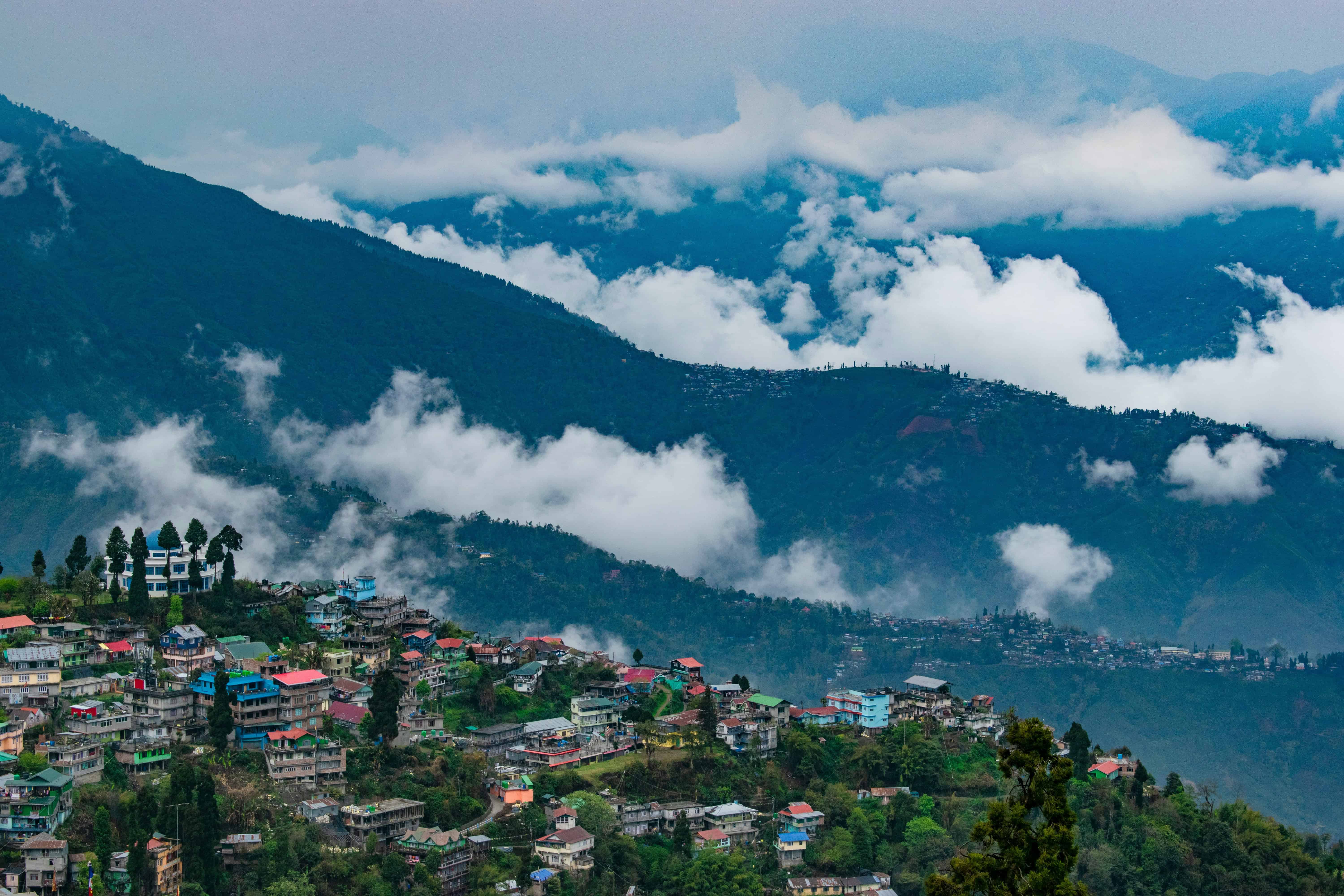
Darjeeling is a hill town of levels, loops and viewpoints. A place may look close on the map, but the real route may involve steep walking, one-way traffic, taxi stands or long road bends.
Chowrasta and Mall Road form the social heart of the town. This is where travellers walk, sit, shop, drink tea and let Darjeeling settle in slowly. Observatory Hill and Mahakal Temple stand close by, giving the centre a mix of mountain views and sacred atmosphere. The district administration notes that Chowrasta and The Mall are among Darjeeling’s main tourist centres.
Ghoom, Batasia Loop and Tiger Hill are located away from the town centre and are usually covered together on an early-morning circuit. Tiger Hill is famous for its sunrise views, while Batasia Loop is closely tied to the Darjeeling Himalayan Railway experience.
The zoo and the Himalayan Mountaineering Institute side work as a separate half-day plan. This is one of Darjeeling’s strongest family-friendly and educational circuits, especially for travellers interested in Himalayan wildlife and mountaineering history.
Tea estate areas such as Happy Valley bring in the landscape that Darjeeling is globally known for. Happy Valley Tea Estate, established in 1854, lies around three kilometres north of town and is described by the district as Darjeeling’s second oldest tea estate.
When Darjeeling Feels at Its Best
March to May: Tea, Flowers and Hill Holiday Energy
Spring and early summer are among Darjeeling’s busiest and most attractive months. The weather is comfortable, the town is lively, and tea gardens are active. Happy Valley Tea Estate notes that March to May is its busiest period, when plucking and processing are in progress.
This is a good season for families, first-time travellers, tea estate visits and relaxed hill stays. Hotels can fill quickly, especially during school holidays and long weekends.
What to expect:
- Pleasant sightseeing weather
- Active tea gardens
- Busy Mall Road and Chowrasta
- Higher hotel demand
- Good conditions for Toy Train joy rides
June to September: Mist, Rain and Slower Roads
Monsoon gives Darjeeling a soft, moody look. Mist moves across the town, tea gardens become intensely green and the hills feel more atmospheric. It can be beautiful, but sightseeing becomes less predictable.
Clouds may hide Kanchenjunga, sunrise views may not be visible, and road travel may slow down. This season suits travellers who enjoy rain, cafés, tea estates, and quieter hill moods more than fixed-viewpoint plans.
Carry during monsoon:
- Waterproof jacket
- Shoes with grip
- Umbrella
- Extra socks
- Buffer time for road travel
- Flexible sightseeing plans
October to December: Clearer Views and Crisp Hill Air
This is one of the finest periods for Darjeeling. The monsoon has withdrawn, the air is clearer and mountain views improve. The district administration notes that the view from Chowrasta and Observatory Hill is clear from October to November.
October and November are especially good for Tiger Hill, Batasia Loop, tea garden walks and photography. December brings colder evenings, so warm clothing is important.
January and February: Cold, Quiet and View-Focused
Winter is quieter and colder. Skies can be clear, but mornings and evenings require proper woollens. This season is useful for travellers who prefer fewer crowds and do not mind cold weather.
Tiger Hill sunrise trips can feel very cold at this time, so layers, gloves and a cap are important.
Reaching Darjeeling
By Road
Most travellers reach Darjeeling by road through Siliguri. The district administration states that the main road access is via Siliguri, around 77 kilometres away by NH 55. Four common routes are listed: Tindharia-Kurseong, Dudhiya-Mirik, Rohini and Pankhabari.
The drive is scenic but can take longer than the distance suggests. Traffic, roadworks, weather, landslides and congestion near Ghoom can slow the journey. During peak season, recent reports have noted that travel times between Siliguri and Darjeeling can increase sharply due to tourist traffic.
Useful Road Distances
- Bagdogra to Darjeeling: Around 90 kilometres
- New Jalpaiguri to Darjeeling: Around 88 kilometres
- Siliguri to Darjeeling: Around 77 kilometres
- Darjeeling to Tiger Hill: Around 13 kilometres
- Darjeeling to Happy Valley Tea Estate: Around 3 kilometres
- Darjeeling to Jorpokhri: Around 20 to 28 kilometres, depending on route and reference point
- Darjeeling to Mirik: Usually planned as a longer day excursion
The distances to Bagdogra, New Jalpaiguri, and Siliguri are listed by the Darjeeling district administration, while West Bengal Tourism places Tiger Hill 13 kilometres from Darjeeling town.
By Train
New Jalpaiguri is the main railway gateway for Darjeeling. From NJP, travellers continue by road or take the Darjeeling Himalayan Railway when services and timings suit the plan. The district administration places Darjeeling Himalayan Railway Station 88 kilometres from New Jalpaiguri Railway Station.
By Air
Bagdogra is the nearest airport and has flights from major cities including Kolkata, Delhi and Guwahati. Taxis are available from the airport, and the district administration also mentions prepaid taxi services from both NJP railway station and Bagdogra airport.
Day One: Chowrasta, Observatory Hill and Darjeeling’s First Mood
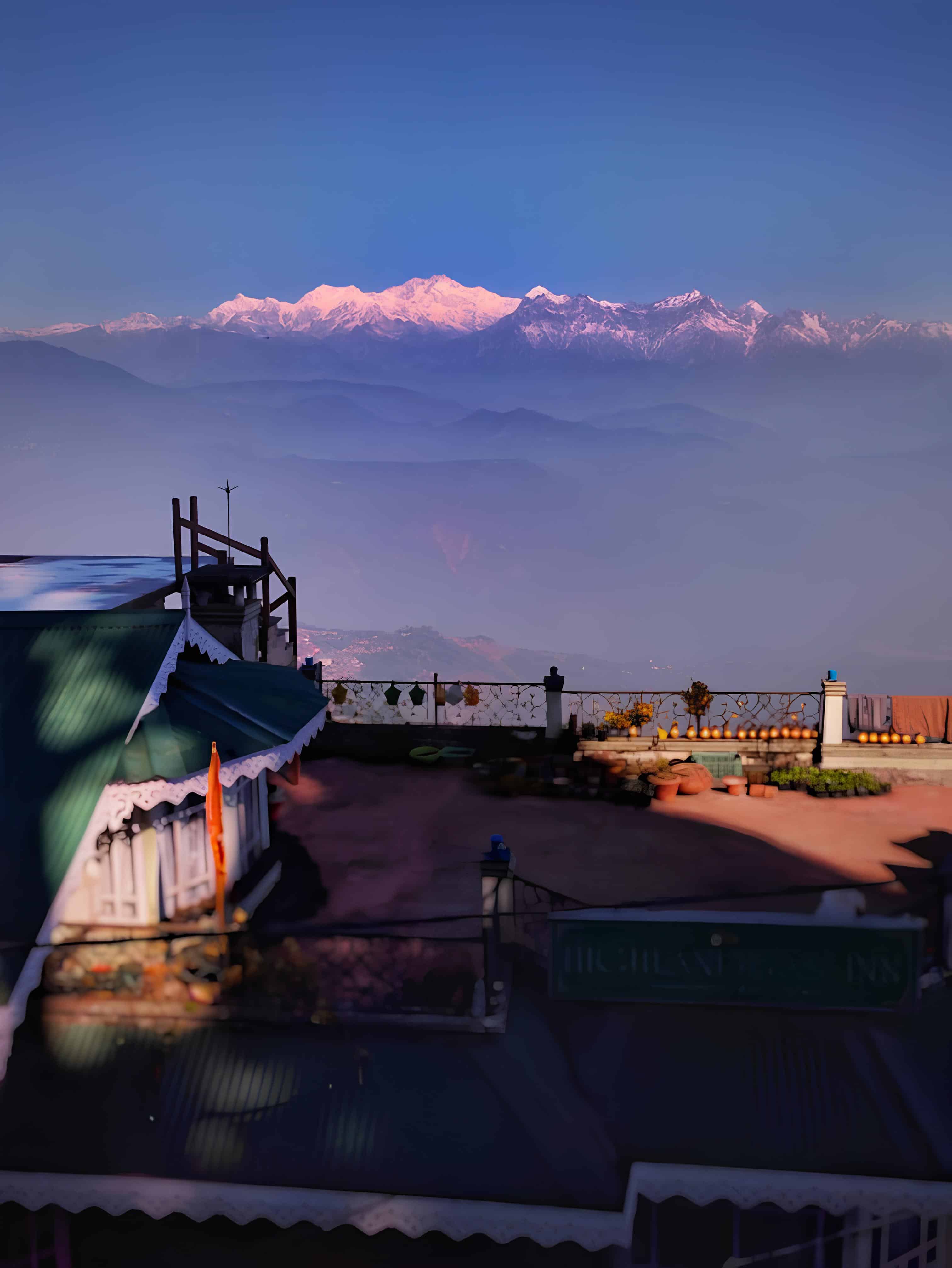
The first day should stay close to town. After the road climb from Bagdogra, NJP or Siliguri, avoid loading the day with long drives. Let Darjeeling begin with walking, tea and views.
Begin at Chowrasta and Mall Road
Chowrasta is Darjeeling’s most natural starting point. It is open, walkable and full of the old hill-town mood that makes Darjeeling special. Horses, benches, cafés, shops, and views create a positive first impression.
Walk slowly along Mall Road, stop for tea, browse local stores and get used to the slope of the town. This is also a good area for families because it offers a gentle start with minimal vehicle traffic.
Easy first-day plan:
- Check into the hotel
- Walk to Chowrasta
- Explore Mall Road
- Stop for tea or snacks
- Keep dinner close to the hotel
Walk to Observatory Hill and Mahakal Temple
Observatory Hill rises near Chowrasta and holds both sacred and scenic value. The district administration notes that snow-clad peaks including Kanchenjunga are visible from here in clear weather, and that Mahakal Temple now stands on the hill.
The walk involves steps and slopes, so it is best done slowly. Watch out for monkeys around the temple area and avoid carrying visible food.
Add a Short Local Stop
If there is enough time and energy, add one light local stop such as Lloyd Botanical Garden, Dhirdham Temple or a café with valley views. Do not overfill the arrival day. Darjeeling rewards slow beginnings.
Evening Back at Chowrasta
Return to Chowrasta after sunset. The town feels different in the evening: lights come on, the air cools, cafés get busier and the hill-station nostalgia becomes stronger.
Day Two: Tiger Hill, Ghoom, Batasia Loop and the Toy Train
The second day is the classic Darjeeling day. It starts before sunrise and continues through the railway heritage belt.
Start Early for Tiger Hill
Tiger Hill is the most famous sunrise point near Darjeeling. West Bengal Tourism places it at an altitude of 2,590 metres and around 13 kilometres from the town. It is known for sunrise views over Kanchenjunga and the eastern Himalayan ranges.
The Darjeeling district page notes that Kanchenjunga is illuminated before the sun appears at lower elevations and that Mount Everest is just visible from Tiger Hill on a clear day.
Leave very early, dress warmly and keep expectations realistic. The weather decides the day. Some mornings are spectacular; others are completely hidden by mist.
Tiger Hill tips:
- Start before dawn
- Carry warm layers
- Keep gloves and a cap in winter
- Expect crowds in peak season
- Do not schedule it on the departure morning
Visit Ghoom Monastery
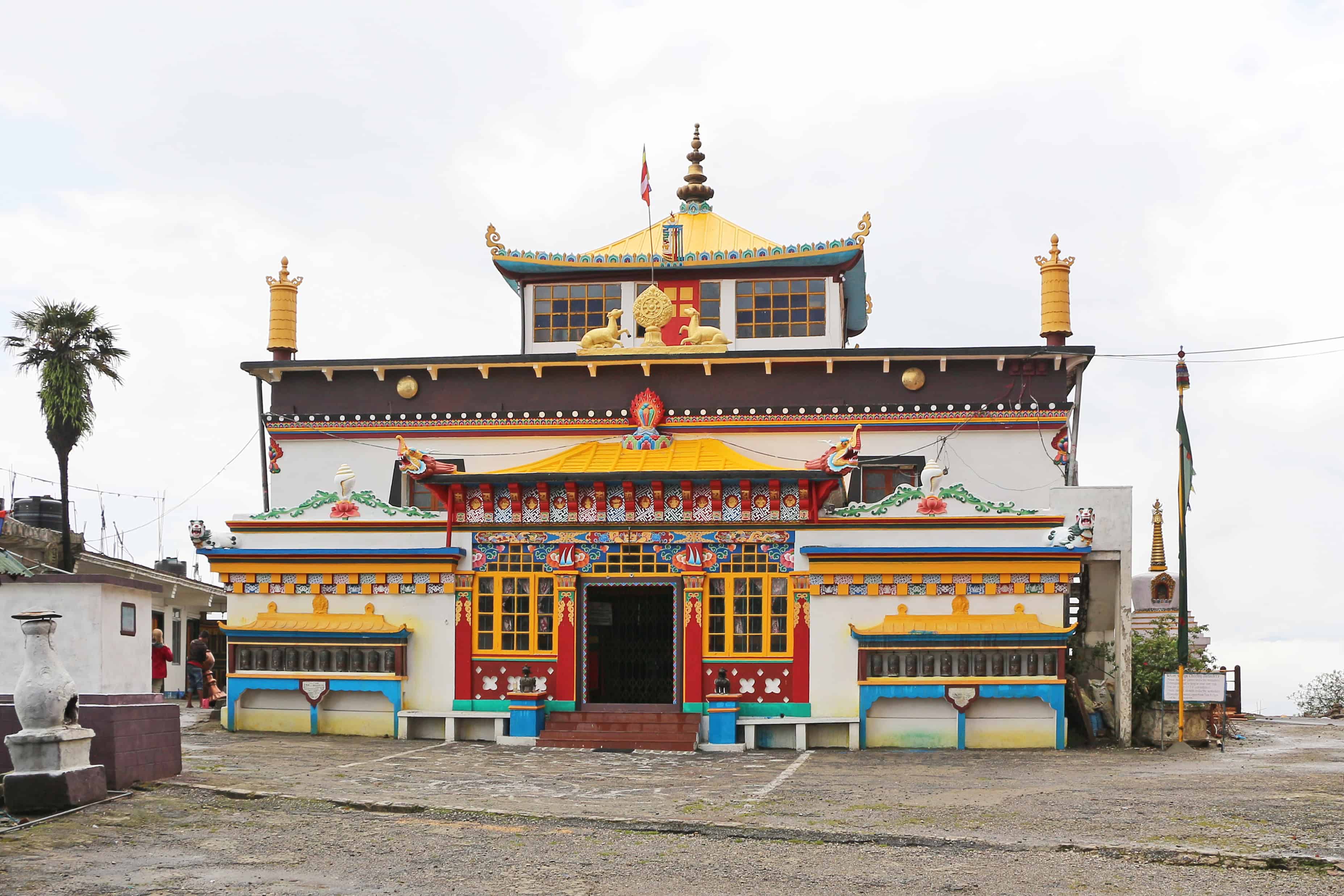
After Tiger Hill, continue towards Ghoom. Yiga Choeling Monastery, often called Ghoom Monastery, is one of the important monastery stops in the area and is listed among Darjeeling’s places of interest by the district police and tourism references.
The stop brings a quieter spiritual note after the crowded sunrise experience.
Stop at Batasia Loop
Batasia Loop is one of the most photographed points on the Darjeeling Himalayan Railway. The loop allows the Toy Train to negotiate the mountain gradient and also provides views towards Kanchenjunga on clear days.
The district administration’s DHR joy ride page notes that the Darjeeling-to-Darjeeling joy ride runs via Batasia Loop and Ghoom.
Take the Darjeeling Himalayan Railway Joy Ride
The Darjeeling Himalayan Railway, popularly called the Toy Train, is a central part of Darjeeling’s identity. UNESCO describes it as the first and still the most outstanding example of a hill passenger railway, opened in 1881, and notes that it applied bold engineering solutions to mountainous terrain.
The district administration describes the DHR as a 2 ft gauge railway between New Jalpaiguri and Darjeeling, built between 1879 and 1881, and about 88 kilometres long. It also notes the daily tourist trains between Darjeeling and Ghum.
Book the joy ride in advance during peak season. It is better as an experience than a fast transport option.
Suggested Day Two Flow
- Tiger Hill before sunrise
- Ghoom Monastery
- Batasia Loop
- Breakfast or tea break
- Darjeeling Himalayan Railway joy ride
- Afternoon rest
- Evening at Mall Road
Day Three: Zoo, Himalayan Mountaineering Institute and Tea Estate Time

The third day should bring Darjeeling’s natural history, mountaineering legacy and tea identity together.
Start at Padmaja Naidu Himalayan Zoological Park
Padmaja Naidu Himalayan Zoological Park was established on 14 August 1958 in the Birch Hill neighbourhood of Darjeeling to study and preserve Himalayan fauna. The district administration notes that the zoo houses endangered animals including snow leopards, red pandas, gorals and endangered birds.
The zoo’s own website highlights conservation breeding work involving red panda, snow leopard, Himalayan salamander, Himalayan wolf, pheasants, blue sheep, Himalayan tahr and Himalayan goral.
This is not only a children’s stop. It is one of India’s most important high-altitude zoological parks and gives the day strong Himalayan character.
Add Himalayan Mountaineering Institute
The Himalayan Mountaineering Institute is located in the same broad complex area as the zoo and is closely associated with Darjeeling’s mountaineering legacy. It is best paired with the zoo on a single visit, especially for travellers interested in Everest history, Himalayan expeditions, and mountain training.
Keep enough time for both. Rushing through the zoo and HMI reduces the value of the day.
Continue to Happy Valley Tea Estate
Happy Valley Tea Estate is one of the easiest tea estates to visit from Darjeeling town. The district administration states that it was established in 1854, is Darjeeling’s second-oldest tea estate, covers 177 hectares, sits at 2,100 metres, and lies around three kilometres north of town.
The estate is especially active between March and May, when plucking and processing are in progress. It is usually open Tuesday to Saturday from 8 am to 4:30 pm, according to the district listing.
End with a Slow Tea-Town Afternoon
After Happy Valley, avoid adding another long drive. Return to Chowrasta or choose a café with good views. Darjeeling’s charm sits as much in its pauses as in its sightseeing.
Suggested Day Three Flow
- Padmaja Naidu Himalayan Zoological Park
- Himalayan Mountaineering Institute
- Lunch
- Happy Valley Tea Estate
- Evening tea or shopping around Chowrasta
Alternative Third Day: Rock Garden, Ganga Maya Park or Jorpokhri
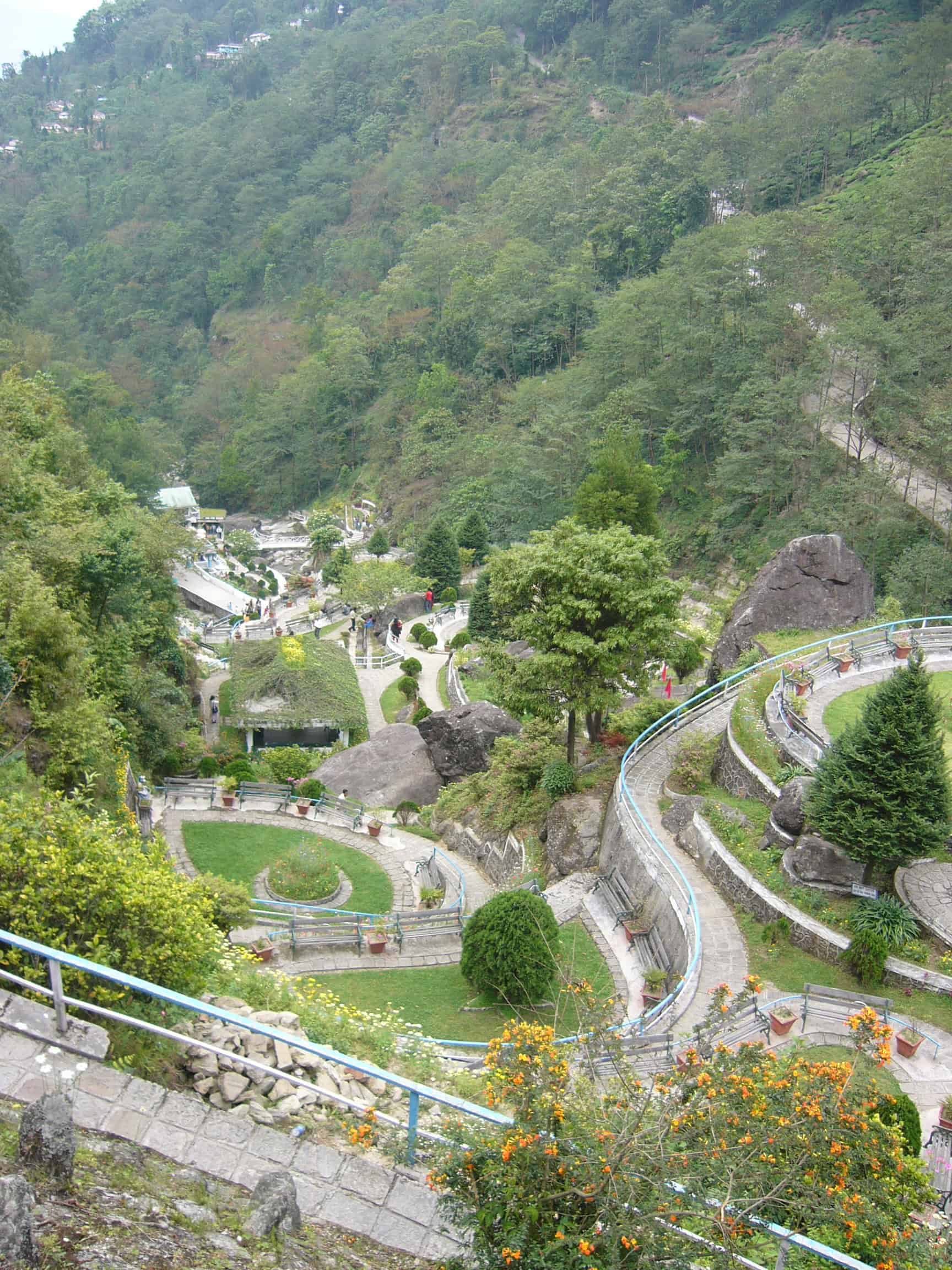
If you want a more scenic driving day instead of the zoo and tea estate circuit, choose one focused outing.
Rock Garden and Ganga Maya Park
Rock Garden and Ganga Maya Park are often paired as a lower-valley excursion from Darjeeling. The drive involves bends and descents, so keep enough time for the return.
This works best for travellers who enjoy landscaped stops, waterfalls and photography.
Jorpokhri
Jorpokhri is a quieter option outside Darjeeling town. West Bengal Tourism notes that Jorpokhri Wildlife Sanctuary is known for scenic beauty and the Himalayan newt, also called salamander locally, and places it about 20 kilometres from Darjeeling town centre.
This is a good choice for travellers who want fewer crowds and a softer nature outing.
Mirik as a Longer Extension
Mirik can be planned as a longer day trip or as part of the return route towards Bagdogra or Siliguri. It should not be squeezed into an already full Darjeeling sightseeing day.
Choosing Where to Stay
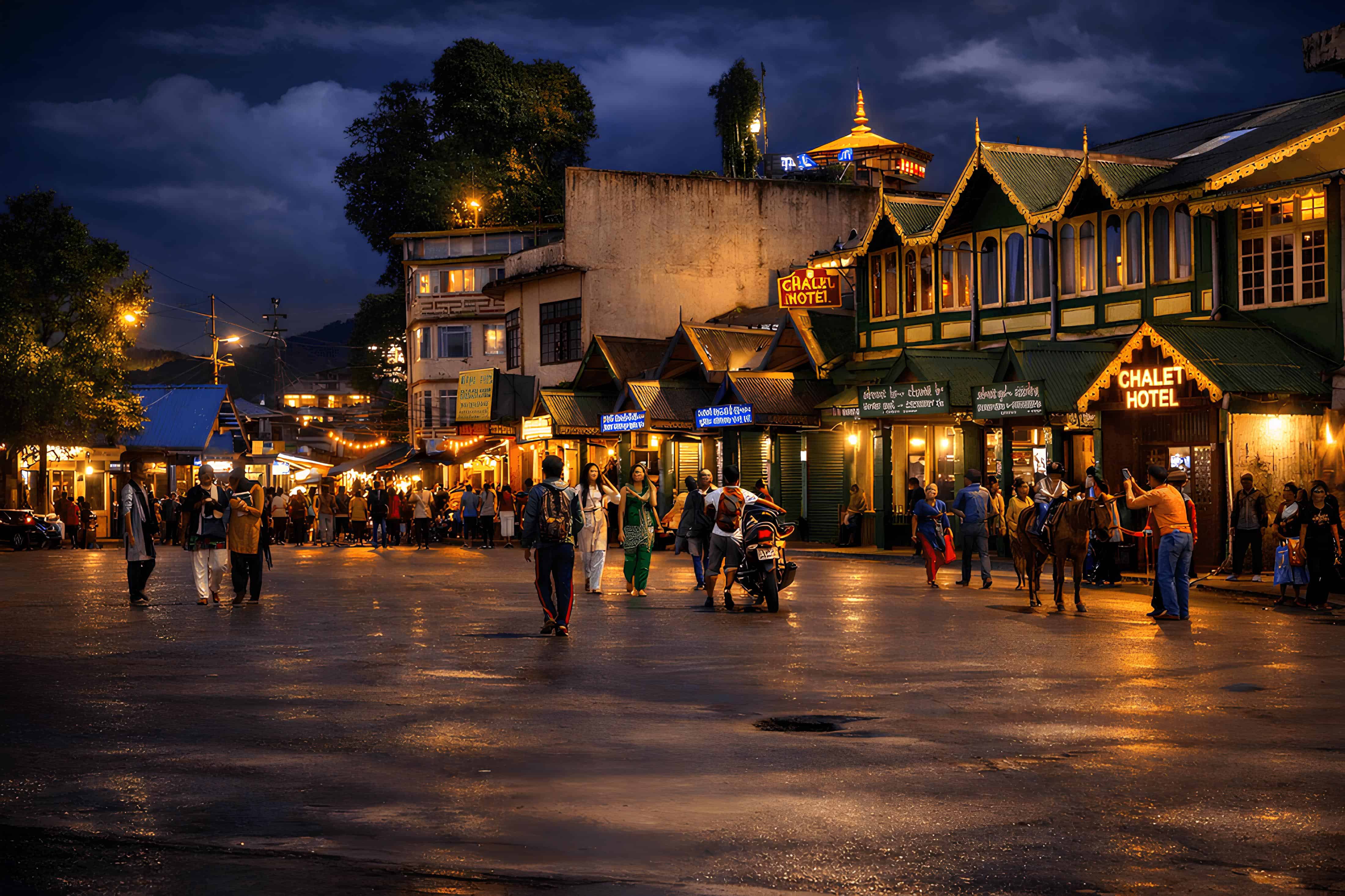
Around Chowrasta and Mall Road
This is the most convenient base for first-time visitors. Cafés, shops, restaurants and evening walks are close by.
Works well for:
- First-time travellers
- Families
- Short stays
- Visitors without private transport
- Evening walks
The area can be expensive and crowded during peak season.
Gandhi Road and Central Darjeeling
This area offers access to town activity while sometimes being easier for taxis and transfers.
Works well for:
- Practical stays
- Travellers using local taxis
- Families needing road access
- Short itineraries
Near the Zoo and Birch Hill Side
This side is quieter and useful for travellers who prefer a calmer setting.
Works well for:
- Slower stays
- Families
- Travellers interested in zoo, HMI and tea estate visits
- Guests comfortable using taxis
Tea Estate and Outer Ridge Stays
These properties offer a more scenic and relaxed Darjeeling experience, but they require transport for Mall Road and town activities.
Works well for:
- Couples
- Longer stays
- Scenic views
- Tea-focused holidays
- Travellers seeking quiet
Questions to Ask Before Booking
- Is the hotel walkable from Chowrasta?
- Does the route involve steep stairs?
- Can a taxi reach the entrance directly?
- Is parking available?
- Is room heating provided in winter?
- Does the room have a Kanchenjunga view or a town view?
- How far is the nearest taxi stand?
- Can the hotel arrange Tiger Hill transport?
- Is breakfast available before early sightseeing?
- Does the property have power backup?
Before You Begin the Journey
- Keep the arrival day light
- Book Toy Train joy rides in advance during peak season
- Visit Tiger Hill only with realistic weather expectations
- Carry warm layers for early mornings
- Wear comfortable shoes for Mall Road and Observatory Hill
- Keep extra time for road transfers
- Avoid tight onward plans after the hill drive
- Choose Chowrasta if convenience matters
- Choose an outer stay if views and quiet matter more
- Visit Happy Valley during working days if tea processing is important
- Respect monastery and temple etiquette
- Do not overpack the itinerary with distant day trips
Darjeeling is not only a checklist of famous sights. Its real appeal lies in its atmosphere: the first light on Kanchenjunga, tea gardens below the road, the whistle of the Toy Train, prayer flags near old monasteries, and evenings that naturally return to Chowrasta.
A good Darjeeling itinerary gives the town time to breathe. Let the first day settle around Mall Road, keep the second for sunrise and railway heritage, and use the third for wildlife, mountaineering and tea. In three days, Darjeeling becomes more than a hill station. It becomes a layered Himalayan classic.
Read more – Discover Your India