

A journey through Flavours Across India, exploring the foods that define its regions, climates and cultures
Across India, cuisine moves with the landscape. Mountain kitchens lean into warmth and slow cooking; desert food draws character from grain, ghee and preservation; river regions bring fish, mustard and freshness to the plate; coastal belts fold coconut, tamarind, kokum and seafood into everyday meals. As the terrain shifts, so does the appetite, creating food cultures that feel intensely local even within a few hundred kilometres.
The pleasures of this journey often begin long before a dish reaches the table. There is the fragrance of spices being ground, the hiss of tempering in hot oil, the sight of bread puffing over a flame and the unmistakable aroma of food cooked over wood. Recipes carry family preferences, seasonal ingredients and techniques refined over generations.
Travel across these regions and the contrasts become deliciously apparent. A Kashmiri feast unfolds in carefully prepared courses, while a Rajasthani thali celebrates ingredients suited to an arid climate. Maharashtra moves between coastal freshness and fiery inland kitchens. Tamil Nadu offers an astonishing range of spice, grain and texture. Further east, Bengal, Assam and Nagaland introduce their own distinctive expressions of fish, fermentation, smoke and sweetness.
The journey follows the ingredients, the people who cook them and the flavours that make every region worth exploring.
Kashmir, Saffron in the Valley
A Kashmiri meal carries warmth in its fragrance. Fennel, dry ginger, cardamom and slow-cooked meat fill the room with deep, rounded aromas that seem perfectly matched to mountain air. In the Valley, cooking has a distinctive rhythm, built around patient preparation, careful spicing and dishes that acquire their character over time.
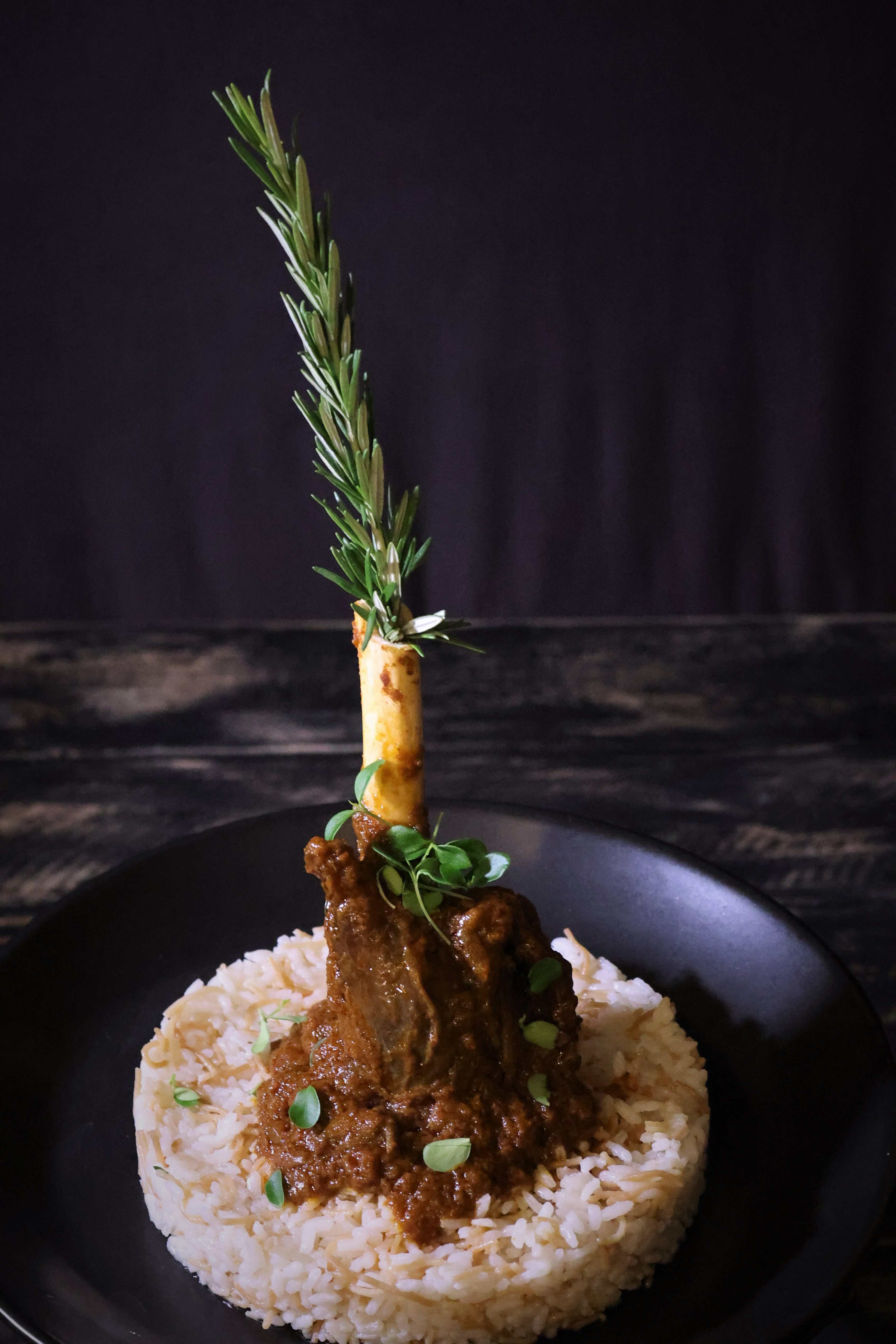
Rogan Josh arrives glossy and red, with tender lamb carrying the perfume of its spices. Its rich colour traditionally comes from Kashmiri chillies and, in some preparations, ratan jot. Rista brings soft, finely pounded meatballs in a vibrant gravy, while Gushtaba has a velvety yoghurt base that lends a gentle tang to the meat. Yakhni is more restrained, allowing cardamom, cloves and yoghurt to create a delicately fragrant sauce.
Wazwan, Kashmir’s celebrated ceremonial feast, turns the table into an occasion. Traditionally prepared by skilled cooks known as wazas, it reflects generations of culinary craftsmanship. Guests often share food from a large copper platter called a trami, with rice forming the foundation for successive servings of meat and accompaniments. The meal celebrates both the cook’s skill and the pleasure of eating together.
Tabak Maaz offers lamb ribs with crisp edges and succulent meat. Daniwal Korma carries the fresh fragrance of coriander, while the arrival of Gushtaba traditionally signals that the feast is drawing towards its conclusion.
Beyond Wazwan, everyday Kashmiri food has its own appeal. Dum Aloo brings potatoes steeped in a vivid, aromatic gravy. Haak, a preparation of leafy greens, is pleasingly simple, often cooked with mustard oil and chillies. Nadru, or lotus stem, introduces a distinctive crunch, appearing in yoghurt-based dishes and other preparations.
Modur Pulao adds a sweeter note, with saffron, dried fruit and warm spices lending fragrance to rice. Kashmiri breads deserve equal attention. Girda, lavasa and bakarkhani accompany meals and tea, each offering a different texture.
A cup of Kahwa, fragrant with saffron, cardamom and sometimes almonds, makes a fitting finish. Noon Chai, the Valley’s traditional salted pink tea, belongs to another familiar ritual of daily life.
Kashmir’s cooking rewards a leisurely appetite. The fragrance develops gradually, the flavours remain beautifully balanced, and even the simplest meal seems to carry something of the mountains.
Rajasthan, Desert, Dialled Up
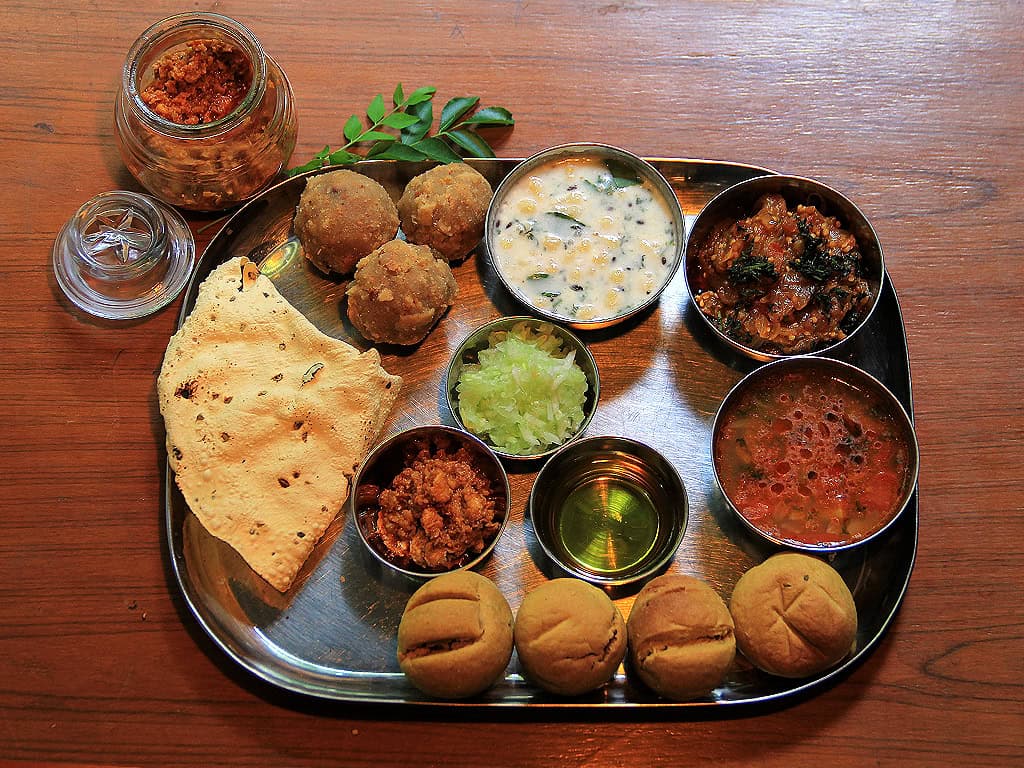
A hot baati cracked open at the table changes everything once ghee begins to sink into its coarse centre. Dal follows, rich and spiced, with churma adding a grainy sweetness to the plate. Dal Baati Churma feels substantial from the first mouthful, combining flavours and textures that have become inseparable from Rajasthan’s culinary identity.
The desert leaves its imprint everywhere. In a landscape where fresh produce was historically governed by rainfall and availability, grains, pulses, dried vegetables and preserved ingredients became essential to the kitchen. Those practical traditions produced a cuisine of remarkable richness.
Ker Sangri brings together hardy desert berries and beans in a preparation full of tang and spice. Gatte ki Sabzi places gram-flour dumplings in a smooth yoghurt gravy, while Papad ki Sabzi transforms a familiar crisp accompaniment into a lively curry. Bajre ki Roti has an earthy nuttiness, especially when served hot with ghee, garlic chutney and a bowl of kadhi.
Laal Maas brings heat and depth, with mutton cooked in a chilli-rich gravy that gathers intensity with every bite. Traditionally associated with Rajasthan’s royal and hunting kitchens, its appeal lies in the powerful flavour of red chillies and slow-cooked meat.
Safed Maas offers another expression of royal cooking. Its pale, creamy gravy, enriched with nuts, yoghurt and aromatic spices, creates a more delicate flavour. The contrast between these two preparations reveals the range within Rajasthan’s meat traditions.
Street food brings a different energy. Pyaaz Kachori gives way with a crisp crack, releasing a hot onion filling fragrant with spice. Mirchi Vada wraps a large green chilli in seasoned gram-flour batter, delivering crunch and heat in quick succession. In Jodhpur, the pleasure of these snacks is inseparable from the bustle of markets and old-city food shops.
Sweetness has an equally generous presence. Ghevar, with its honeycomb-like texture and rich toppings, is closely associated with festive occasions. Mawa Kachori brings together pastry, dense milk solids and syrup, while Malpua offers soft, syrup-soaked indulgence.
The Rajasthani thali gathers these tastes into one abundant experience. A little sweetness follows something fiery; yoghurt cools the palate; ghee rounds out the grain.
Rajasthan’s food has grown from a demanding landscape into a culinary tradition of extraordinary variety, where ingenuity and indulgence share the same plate.
Maharashtra, Coast Meets Fire
Along Maharashtra’s western coast, coconut, chilli and kokum move easily through the kitchen. Fishing villages, spice markets and home kitchens along the Konkan have shaped a cuisine that captures the freshness of the Arabian Sea.
Malvani fish curry brings these ingredients together in a bowl that is creamy, tart and hot, especially good when spooned over steaming rice. Freshly ground spice mixtures lend the gravy its character, while coconut softens the chilli and kokum introduces a pleasing sourness.
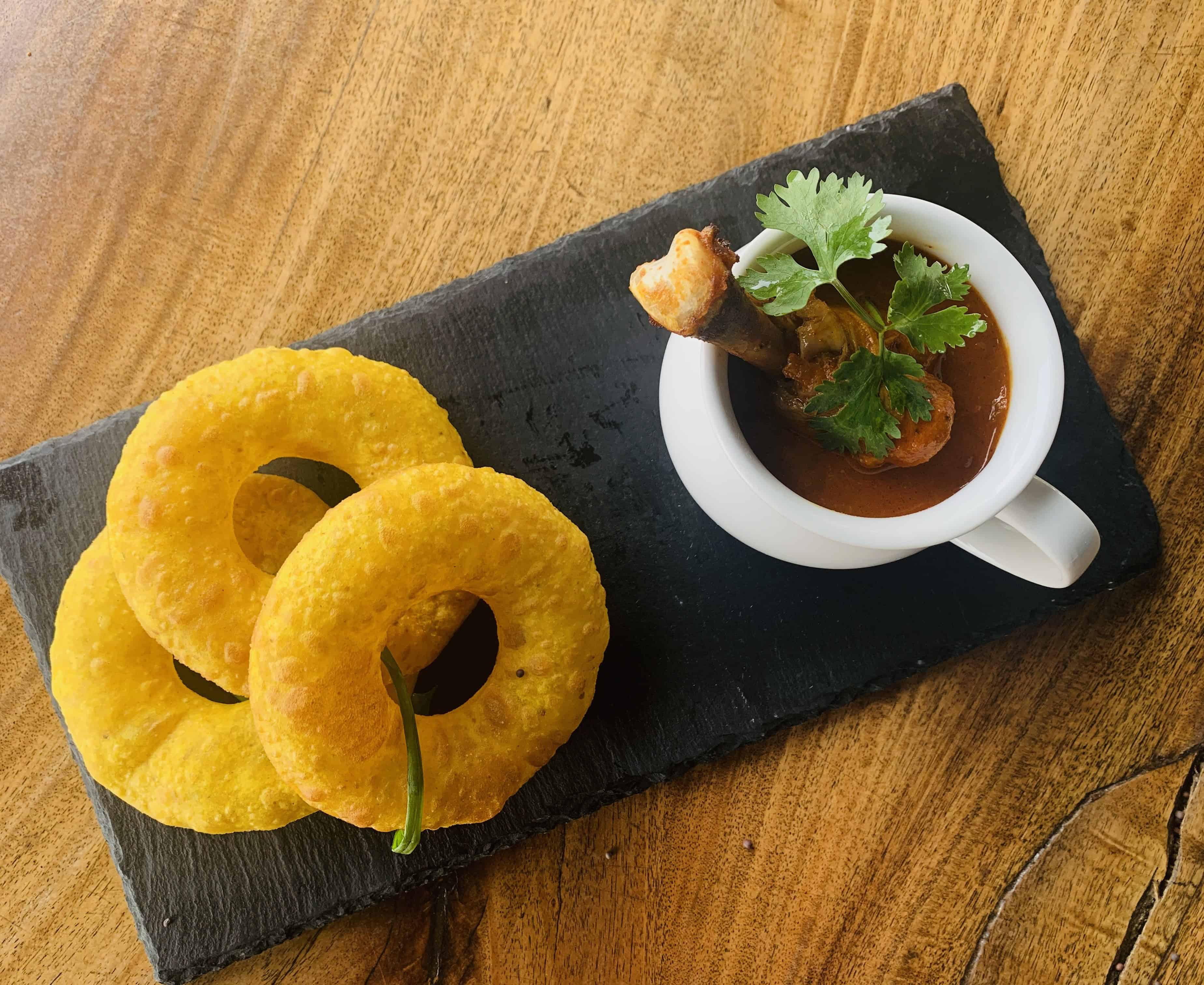
Kombdi Vade pairs a robust chicken curry with crisp, puffed vade that soften beautifully once they touch the gravy. A glass of cooling Solkadhi nearby carries coconut milk and kokum, its pale pink colour hiding a sharp, refreshing acidity.
Seafood is another great pleasure of the coast. Fish coated in spiced semolina and fried until crisp arrives with a squeeze of lime. Prawns absorb the warmth of coconut and roasted spices, while shellfish curries reflect the day’s catch and the preferences of individual households.
Further inland, Kolhapur turns towards deeper spice. Tambda Rassa is fiery, red and aromatic, drawing its character from chilli and a carefully prepared masala. Pandhra Rassa has a smoother richness, with meat stock, coconut, poppy seed and other ingredients contributing to its distinctive flavour. Served together, the two gravies offer a memorable expression of Kolhapuri cooking.
Pune and Mumbai bring another side of Maharashtra to the table. Misal Pav piles sprouts, spicy gravy, farsan, chopped onion and bread into a plate full of crunch, softness and heat. Its intensity varies considerably by region and kitchen, which makes discovering different versions part of the fun.
Vada Pav remains one of the state’s great everyday pleasures. A spiced potato fritter tucked into soft bread, sharpened with chutneys and often accompanied by a fried green chilli, it is perfectly suited to the quick rhythms of city life.
At home, Bharli Vangi gives small brinjals a thick filling of peanut, sesame and coconut. Thalipeeth, a multigrain savoury flatbread, offers earthy depth with yoghurt or butter. Pithla and Bhakri bring gram flour and traditional grains together in a satisfying rural staple.
Puran Poli rounds things off with soft flatbread, warm jaggery and a sheen of ghee. Shrikhand adds a cool, creamy sweetness fragrant with cardamom and saffron.
From the fishing communities of the Konkan to the spice-rich kitchens of Kolhapur and the lively snack counters of Mumbai, Maharashtra offers an ever-changing appetite. Every few kilometres seem to introduce another way of celebrating familiar ingredients.
Tamil Nadu, Heat, Tang, Rhythm
A Tamil kitchen comes alive through sound and scent. Mustard seeds crackle in hot oil, curry leaves release their fragrance, dosa batter hisses on the griddle, and tamarind slowly deepens in a pot of kuzhambu.
Rice provides the foundation for much of the state’s cooking, accompanied by lentils, vegetables, coconut, pepper and an extraordinary range of spice combinations. The everyday meal can move from tangy and fiery to soothing and delicately seasoned within a few servings.
Chettinad cooking draws on peppercorns, fennel, cumin, cinnamon, cloves, star anise and kalpasi, an aromatic lichen used in regional spice blends. Chettinad Chicken carries these spices in a dark, fragrant masala that clings closely to every piece. The flavours are assertive, with freshly ground ingredients giving the dish its distinctive depth.
The Chettinad table extends well beyond chicken. Pepper-based meat preparations, vegetable curries, paniyaram and idiyappam demonstrate the variety of this culinary tradition, which developed around the prosperous mercantile communities of southern Tamil Nadu.
Kongunadu cooking brings pepper, cumin, coconut and local grains to the everyday table. Its regional repertoire includes Arisi Paruppu Sadam, a comforting preparation of rice and lentils, and dishes built around country chicken, vegetables and millets.
Pongal is soft and comforting, with rice, lentils, ghee, pepper and cumin creating a bowl that asks to be eaten slowly. Served with coconut chutney and sambar, it is one of the great pleasures of a traditional Tamil breakfast.
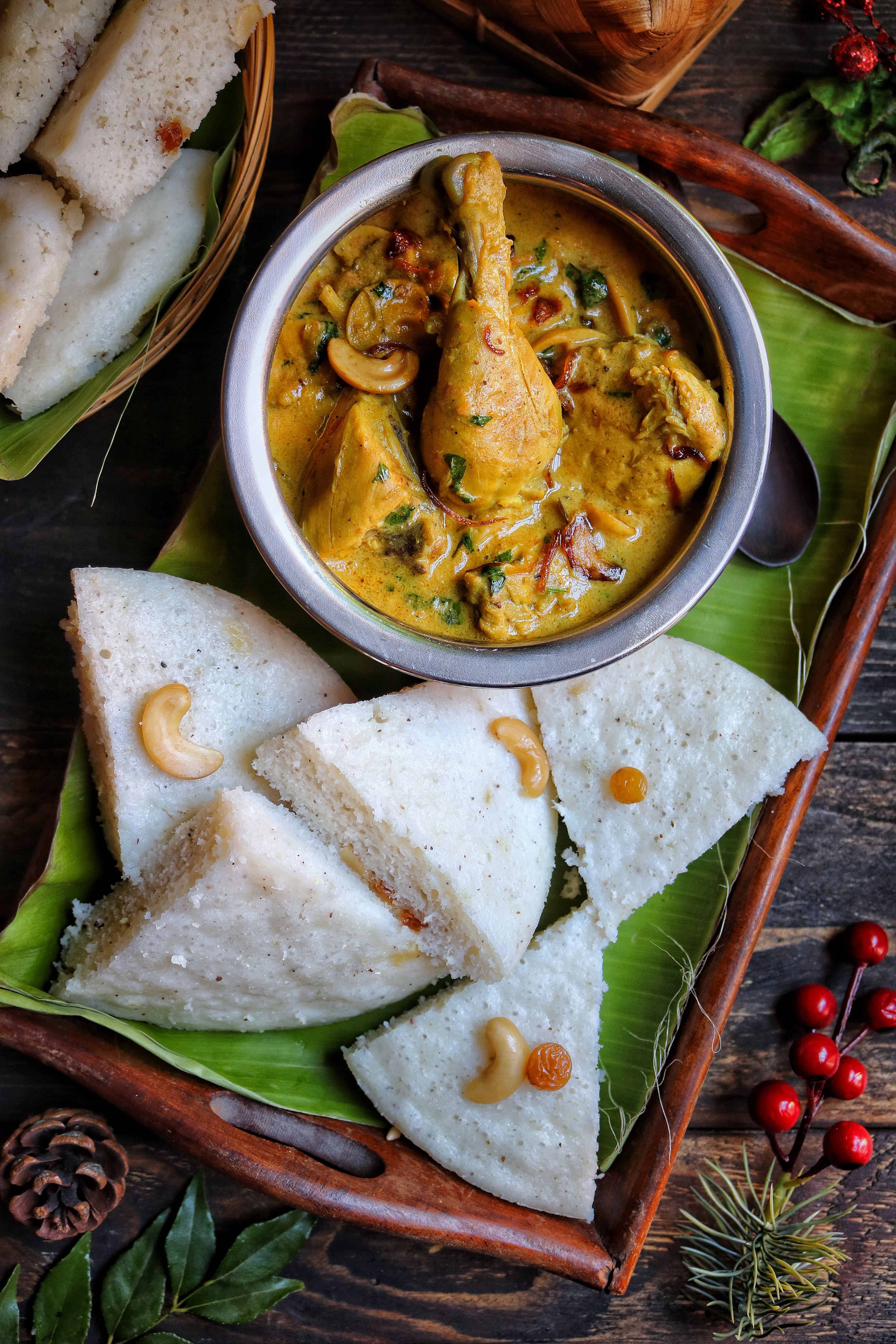
The familiar pairing of idli and dosa reveals considerable diversity. Crisp dosa, soft idli, fluffy uthappam and delicate appam each offer a different way of enjoying fermented batters and rice-based preparations.
Kothu Parotta brings theatre to the griddle. Flaky parotta is chopped rapidly with masala, egg or meat, gathering crisp edges and richly coated pieces along the way. The rhythmic sound of metal spatulas striking the hot surface is part of the experience.
Madurai has its own vigorous food culture. Kari Dosa arrives hearty and deeply savoury, often layered with meat and egg. Pepper-rich preparations and late-night food stalls lend the city an unmistakable culinary personality.
Then there is Jigarthanda, Madurai’s celebrated chilled drink, creamy and sweet, traditionally prepared with milk, almond gum, syrup and ice cream. It provides a refreshing finish to a meal dominated by spice and heat.
Tamil Nadu’s culinary pleasure lies in its variety. A simple lunch of rice, rasam, poriyal and curd can be every bit as satisfying as a lavish spread, while the state’s regional kitchens continually reveal new combinations of flavour and texture.
Bengal, Mustard, River, Sweetness
Mustard fills the senses quickly. Its sharp fragrance rises with green chilli and mustard oil, especially when hilsa is involved. In Bengal, fish occupies a special place in the culinary imagination, shaped by rivers, ponds, markets and generations of home cooking.
Shorshe Ilish brings rich fish together with a pungent mustard gravy, coming alive over hot rice. The fish’s distinctive flavour meets the sharpness of mustard, while green chilli adds freshness. It is a dish that demands attention, particularly when the fish is cooked gently enough to retain its delicate texture.
Chingri Malai Curry surrounds prawns with a smooth coconut-based sauce. The gravy carries a gentle sweetness, allowing the seafood to remain the centre of attention.
Kosha Mangsho takes its time, with mutton cooking until the gravy turns dark, glossy and concentrated. The spices gradually deepen as the meat becomes tender, creating a dish that is especially satisfying with luchi or steamed rice.
Aloo Posto has its own quiet indulgence. Potatoes sit beneath a creamy coating of poppy seed paste, with green chilli adding a gentle lift. Luchi arrives puffed and golden, soft inside and perfect for dragging through the last streaks of gravy.
The Bengali meal also knows how to celebrate vegetables. Shukto combines different vegetables, often including bitter gourd, in a delicately seasoned preparation traditionally enjoyed near the beginning of a meal. Chorchori brings assorted vegetables together with spices, allowing individual textures to remain distinct.
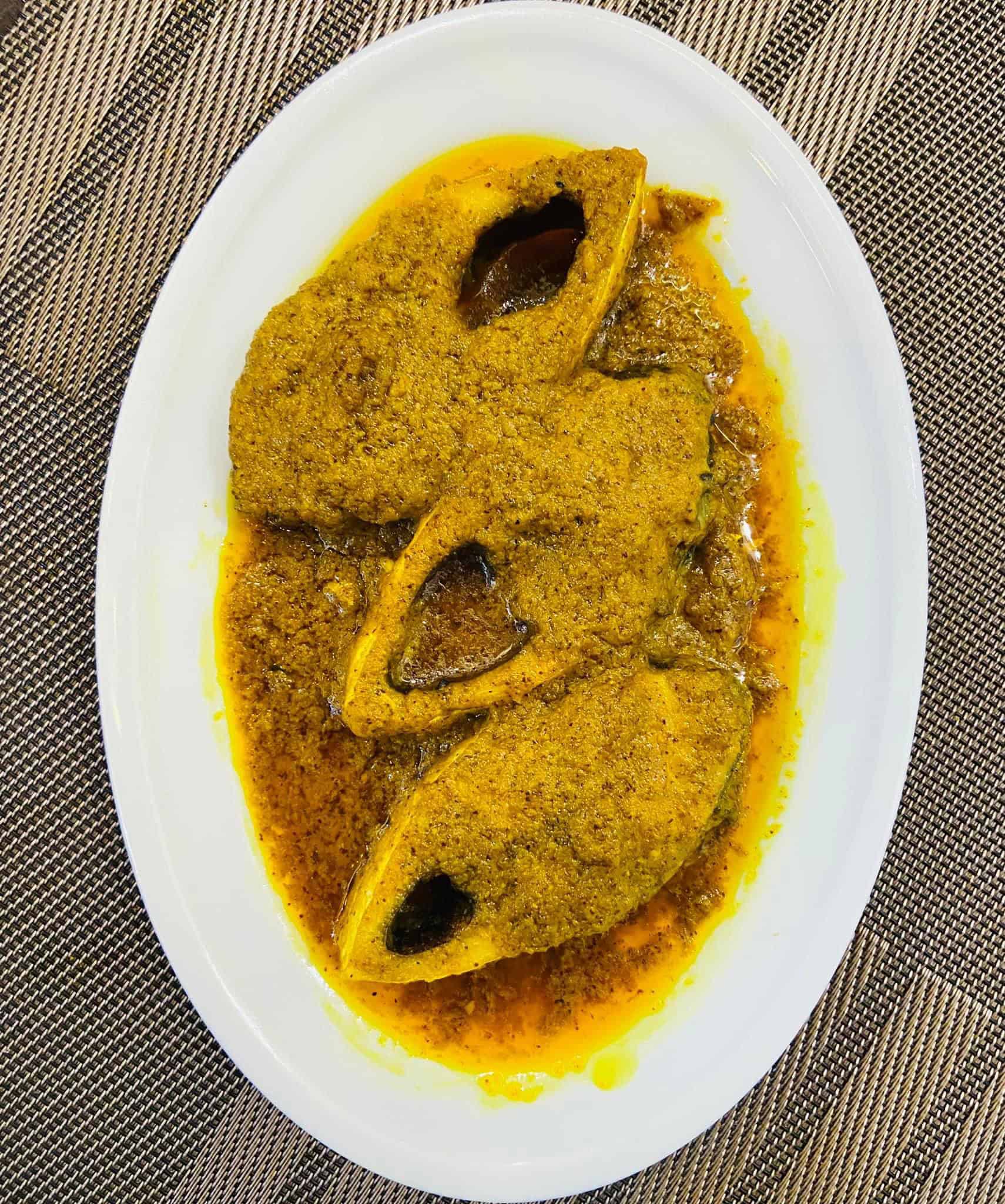
Bengal’s food culture extends into the lively streets of Kolkata. Kathi rolls combine flaky paratha with spiced fillings, onions and sauces, while telebhaja offers crisp, freshly fried snacks enjoyed with afternoon tea. Puchka delivers its own exhilarating burst of tamarind, spice and crunch.
Sweetness deserves an entire chapter. Mishti Doi cools the palate with its thick texture and gently caramelised flavour. Sandesh offers delicate variations built around fresh chhana, while Rosogolla brings soft cheese balls soaked in light syrup.
During festive seasons, kitchens fill with further specialities, from patishapta, a delicate stuffed crepe, to an assortment of rice-based pithas and payesh.
A Bengali meal often follows a considered progression, allowing vegetables, fish, meat and sweets their individual moments. The result is deeply satisfying, with mustard, river fish, slow-cooked gravies and gentle sweetness all finding their place.
Assam, Clean, Sharp, Unexpected
In Assam, the plate often feels fresh and uncluttered. Rice anchors the meal, surrounded by greens, fish, vegetables and flavours that draw their character from sourness, fermentation and local produce.
The Brahmaputra Valley gives Assamese cooking much of its identity. Rivers and wetlands provide fish, while gardens and fields supply leafy vegetables, herbs, bamboo shoots and seasonal produce. Cooking techniques often preserve the natural character of ingredients, allowing a carefully chosen souring agent or traditional seasoning to shape the dish.
Khar has a distinctive alkaline quality and occupies a special place in Assamese cooking. Traditionally prepared using an alkaline extract obtained from the ashes of dried banana peels, it is used with ingredients such as raw papaya, pulses or vegetables. The result is a flavour unlike the familiar spice-heavy curries found elsewhere.
Maasor Tenga brings fish into a light, tangy gravy where tomato, elephant apple, raw mango or lemon may provide the sour note. It is bright, clean and especially satisfying with steamed rice. During warmer months, the dish’s refreshing acidity feels particularly welcome.
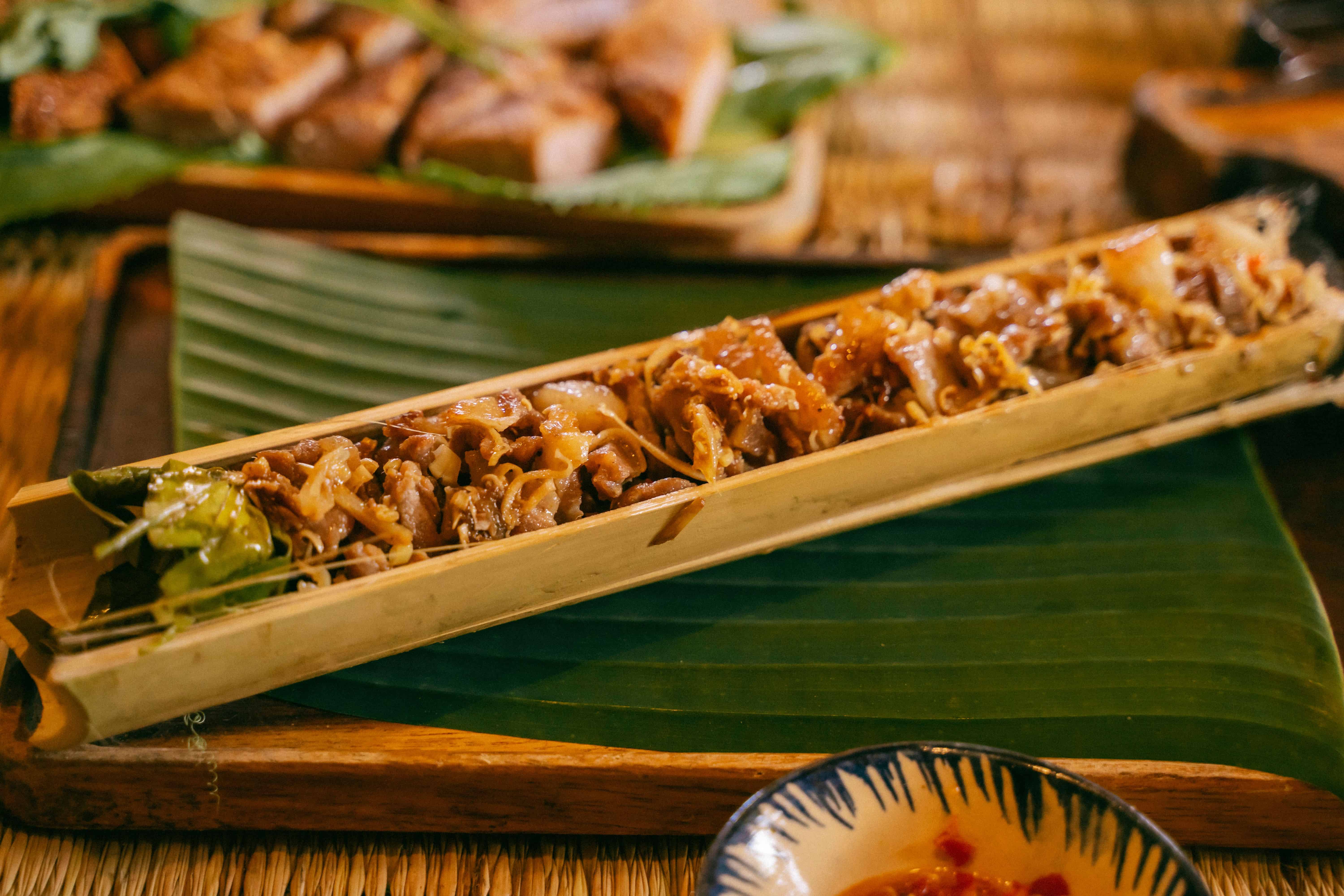
Aloo Pitika is simple comfort: mashed potato with onion, green chilli and mustard oil, soft enough to mix straight into rice. Other pitika preparations use roasted vegetables or fish, demonstrating how a handful of ingredients can produce considerable flavour.
Duck with ash gourd is richer and warmer, particularly popular during colder months and special gatherings. The duck develops a deep savouriness, while the vegetable softens into the gravy.
Xaak brings leafy freshness to the table. Seasonal greens may be lightly cooked with garlic or other simple seasonings. Ou Tenga introduces the unmistakable tartness of elephant apple, a fruit that lends remarkable character to fish and vegetable preparations.
Assamese meals frequently include small accompaniments and chutneys that transform a simple serving of rice. Fermented ingredients, mustard oil, chillies and herbs each contribute their own dimension, while variations across communities offer different approaches to familiar produce.
The region’s love of rice extends naturally to its sweets and festive food. During Bihu celebrations, kitchens prepare an assortment of pithas and larus. Til Pitha combines rice and sesame with jaggery, offering a gently sweet, nutty bite. Ghila Pitha brings a soft, fried texture, while coconut and sesame larus add further variety.
A cup of Assam tea feels entirely appropriate here, its brisk character providing a familiar conclusion.
The pleasure of Assamese cooking comes from the clarity of its flavours. Sourness feels lively, vegetables retain their identity, and even richer dishes have a wonderful freshness. It is a cuisine that encourages travellers to appreciate the smaller details of a meal.
Nagaland, Smoke Signals
Smoke hangs close to many Naga kitchens. Meat takes on the fragrance of the hearth, bamboo shoot brings fermentation and acidity, and axone contributes the deep savouriness of fermented soybean.
Across Nagaland’s hills, food traditions have developed around locally grown ingredients, seasonal greens, foraged produce and methods of preservation suited to the climate. Smoking and fermentation remain central to many preparations, giving the cuisine flavours that are distinctive even within India’s remarkably varied culinary landscape.
Smoked Pork with Bamboo Shoot has extraordinary depth. The pork is rich and tender, the bamboo sharp and tangy, and the smoke runs through the entire dish. Simmered together, the ingredients create a powerful, satisfying combination, especially when eaten with steamed rice.
Pork with axone goes further into fermentation. Axone, also known as akhuni, is prepared from fermented soybeans and brings a strong aroma and savoury intensity to stews, chutneys and vegetable dishes. Its flavour is immediately recognisable and particularly prized by those familiar with Naga food.
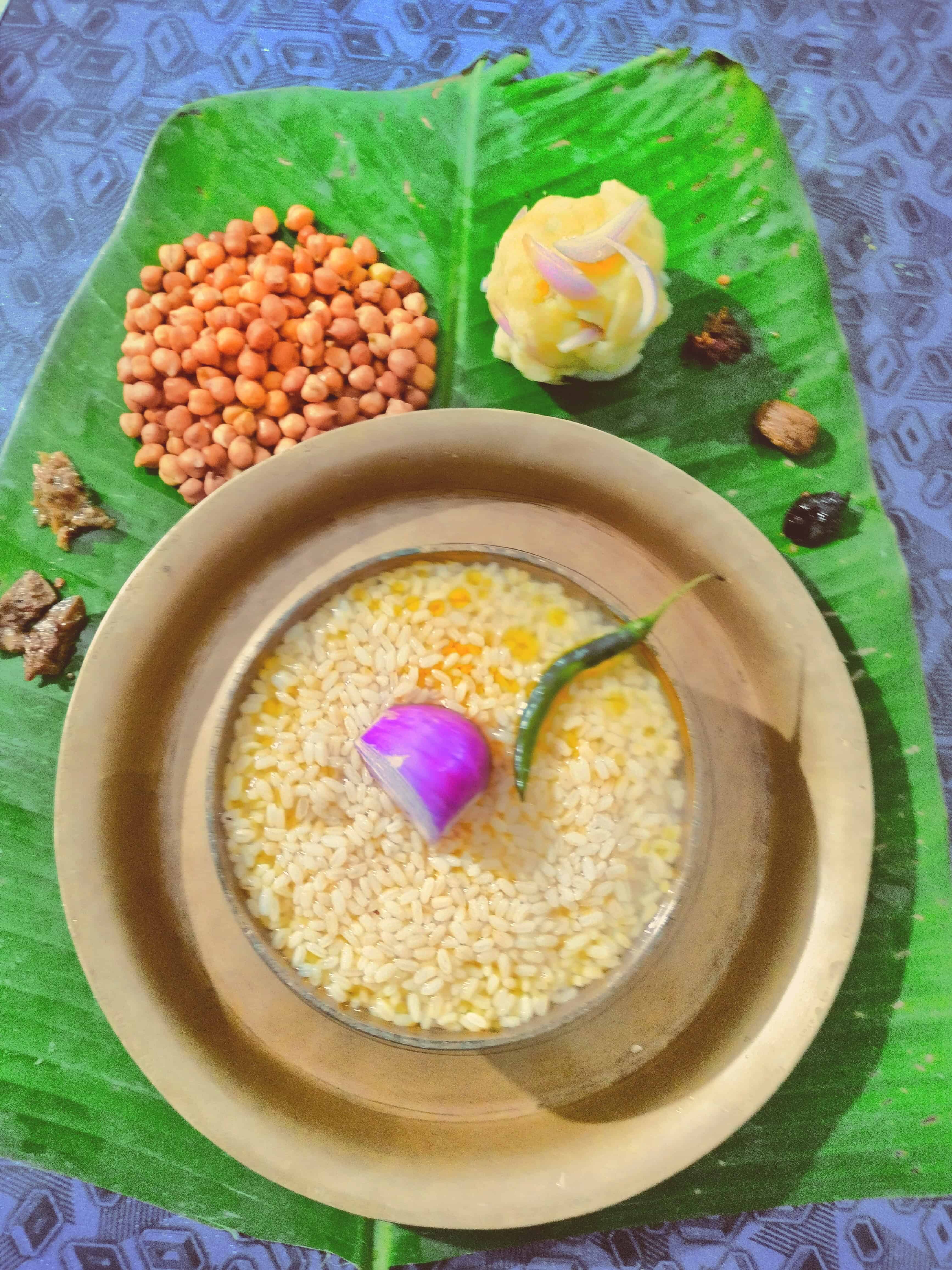
Across Angami, Ao, Sumi and other Naga food traditions, local greens, chillies, smoked meats and fermented ingredients shape the table in distinctive ways. Recipes reflect individual communities and family preferences, with considerable variation in the use of vegetables, herbs and preserved foods.
Anishi, associated especially with Ao Naga cooking, is made from fermented and dried taro leaves. The leaves are processed and preserved, then used to bring an earthy intensity to preparations with pork and other ingredients.
Galho combines rice, vegetables and sometimes meat in a warm, comforting bowl. Its soft consistency and nourishing character make it a familiar part of home cooking, especially when the weather turns cool.
Freshwater fish also appears in traditional preparations, sometimes cooked with bamboo shoot, local herbs or fermented ingredients. Green vegetables may be simply boiled or steamed, allowing their natural flavour to complement stronger accompaniments.
Chillies contribute another memorable dimension. The famously powerful bhut jolokia is used in regional cooking, often in small quantities, bringing intense heat to chutneys and other preparations. Its strength is best appreciated alongside rice and the deeper flavours of smoked meat.
Local markets offer a fascinating introduction to this food culture. Bundles of leafy vegetables, seasonal shoots, fermented products, dried fish and smoked meats reveal the ingredients that sustain everyday kitchens. Much of Nagaland’s culinary identity becomes apparent simply by observing what is sold and how it is prepared.
There is a distinctive generosity to the way these foods are shared. Rice provides the centre of the meal, with meats, vegetables and accompaniments enjoyed together, each contributing its own flavour.
Fire, forest produce and fermentation sit close together here. Every ingredient has a purpose, and the resulting food carries a powerful sense of place.
A Journey That Stays on the Palate
India’s culinary map is continually revealing new routes. A change in altitude can alter the ingredients, while a river, coastline or stretch of dry land can transform the way a familiar dish is prepared. Even within a single state, neighbouring communities may have entirely different ways of working with the same grain, vegetable or spice.
The greatest discoveries often happen away from elaborate menus: at a breakfast counter, in a family kitchen, beside a market stall or over a meal prepared according to an old household recipe.
What remains after the journey is a collection of vivid tastes. The fragrance of saffron in Kashmir, the warmth of ghee in Rajasthan, the sharpness of kokum along the Konkan, the crackle of curry leaves in Tamil Nadu, the bite of mustard in Bengal, the brightness of Assamese tenga and the lingering smoke of a Naga hearth.
Every region leaves something memorable on the palate, and another reason to return.
Read More: Food Voyager