

Creative art practice creates sensory presence, emotional space and freedom from constant performance pressure
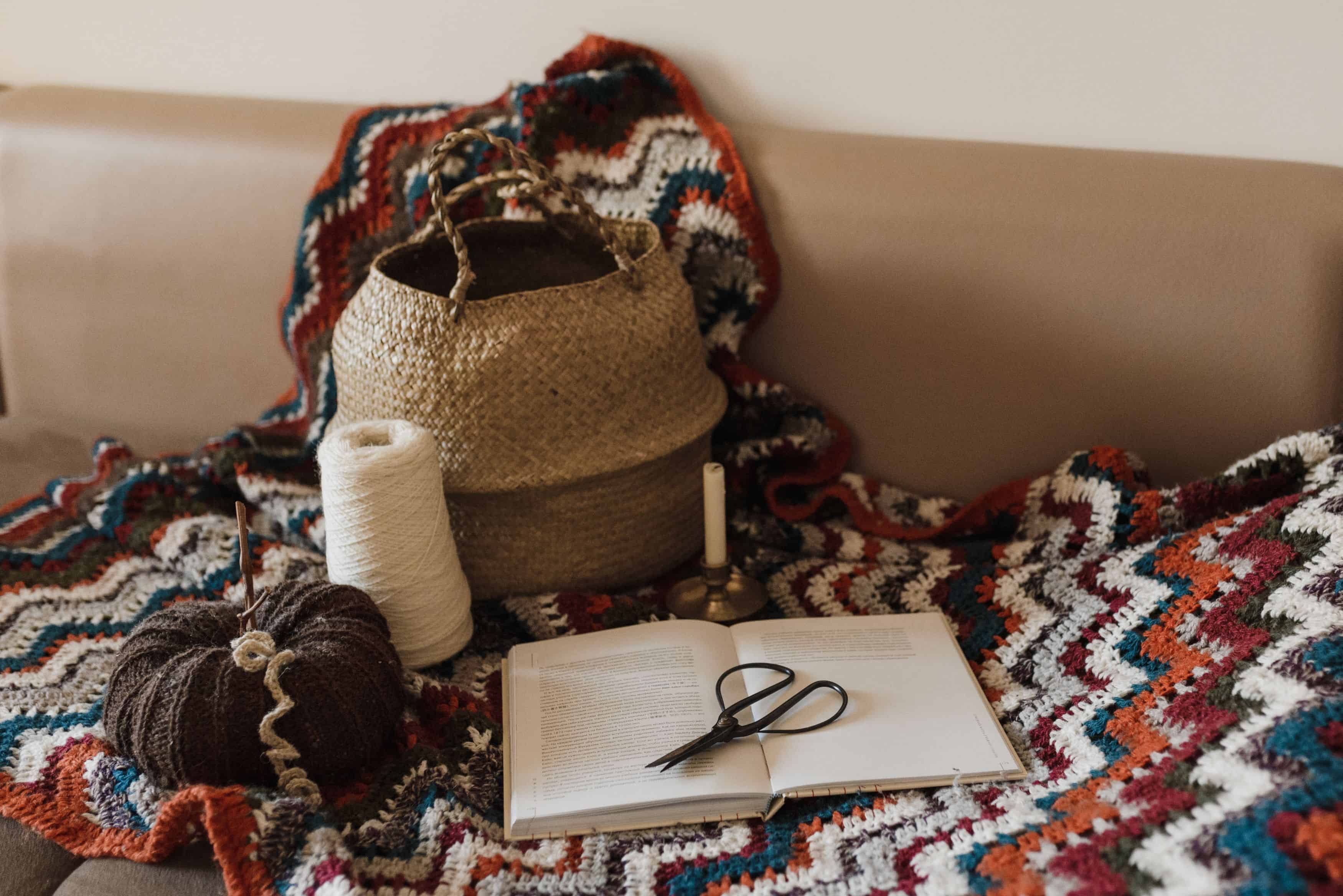
Art is among the oldest human impulses. For millennia, people marked walls, shaped vessels, dyed cloth, carved wood, and made objects for daily use, ritual, memory and pleasure. In today’s world, where our minds are spread too thin by stress, screens, and constant stimulation, walking down the ancient lanes of art offers a way to reconnect and ground ourselves.
This is a world of wellness practices that deals with clay that bends under our fingers, knives that carve through layers of wood, and soap, needles and paintbrushes. Here you meet art on its own terms and experience how it can promote wellbeing through grounding, self-expression, slowness, play and community.
The Body Comes Back Into the Room
Grounding is often described as a return to the present, yet the instruction to “be present” can feel frustrating when the mind is anxious or exhausted. Art offers a gentle, practical, and a more intuitive way to ground oneself.
The mind does not become empty. Instead, its activity gathers around a material task. Rather than circling through several worries at once, attention narrows to the next line, stitch and fold. The repeated movement creates rhythm, while the material offers immediate feedback and keeps the senses engaged.
Pottery, weaving, charcoal drawing, embroidery and botanical sketching can therefore become forms of mindfulness in motion. They bring awareness back through touch and movement, allowing presence to develop through participation rather than effort alone.
This is what makes creative grounding so accessible. It does not demand perfect stillness or complete control over thought. It simply invites the body back into the room and gives the mind somewhere real to settle.
The Luxury of Taking Time
Many traditional crafts resist haste. Clay must dry. A pot must survive firing. Paint layers need time to settle. Weaving develops thread by thread, while mosaic work advances one fragment at a time. To engage in them is to refuse yourself instant gratification.
That refusal can feel almost luxurious. Contemporary life rewards speed, immediate results and an insatiable urge for productivity. Creative work introduces a slower measure of progress. The maker must stay with the process, even when the final object remains uncertain.
This acceptance of uncertainty can be restorative. It reminds the maker that participation matters even when outcomes cannot be guaranteed.
For people living with burnout, that change can be significant. A hand built bowl or carved block progresses according to the material’s pace. The maker is no longer racing the clock. For a while, the clock becomes less important than the work.
Play, Choice and the Return of Agency
Adults often enter creative spaces carrying embarrassment. Years of scrutiny have taught them that creativity must produce something attractive, technically skilled or publicly useful.
Play interrupts that expectation.
Practices like blind contour drawing ask a person to sketch without looking at the page; the idea of perfection is inherently foreign to such practices. While puppet work, masks, collaborative murals and temporary installations allow people to create without needing every result to last, bringing together a community of like-minded individuals.
Making also restores choice. The artist decides the colour, scale, texture, arrangement and point of completion. They can erase, repaint, reshape, cover or begin again.
These decisions may appear small, but their psychological meaning can be considerable. Stress, illness and exhaustion often leave people feeling acted upon by forces beyond their control. Creative work allows them to become authors of a process. The maker experiences themselves as someone capable of shaping, responding and altering.
Repair, Belonging and Making Together
Some of the most powerful creative practices begin with damage.
Visible mending like sashiko reinforces torn fabric while allowing the repair to remain seen. Mosaic forms a larger image through fragments. Repaired ceramics can preserve the history of a break instead of disguising it completely.
These practices offer a philosophy of healing. Recovery does not always mean returning to an untouched earlier state. A person may carry evidence of grief, illness or disruption while building strength around it.
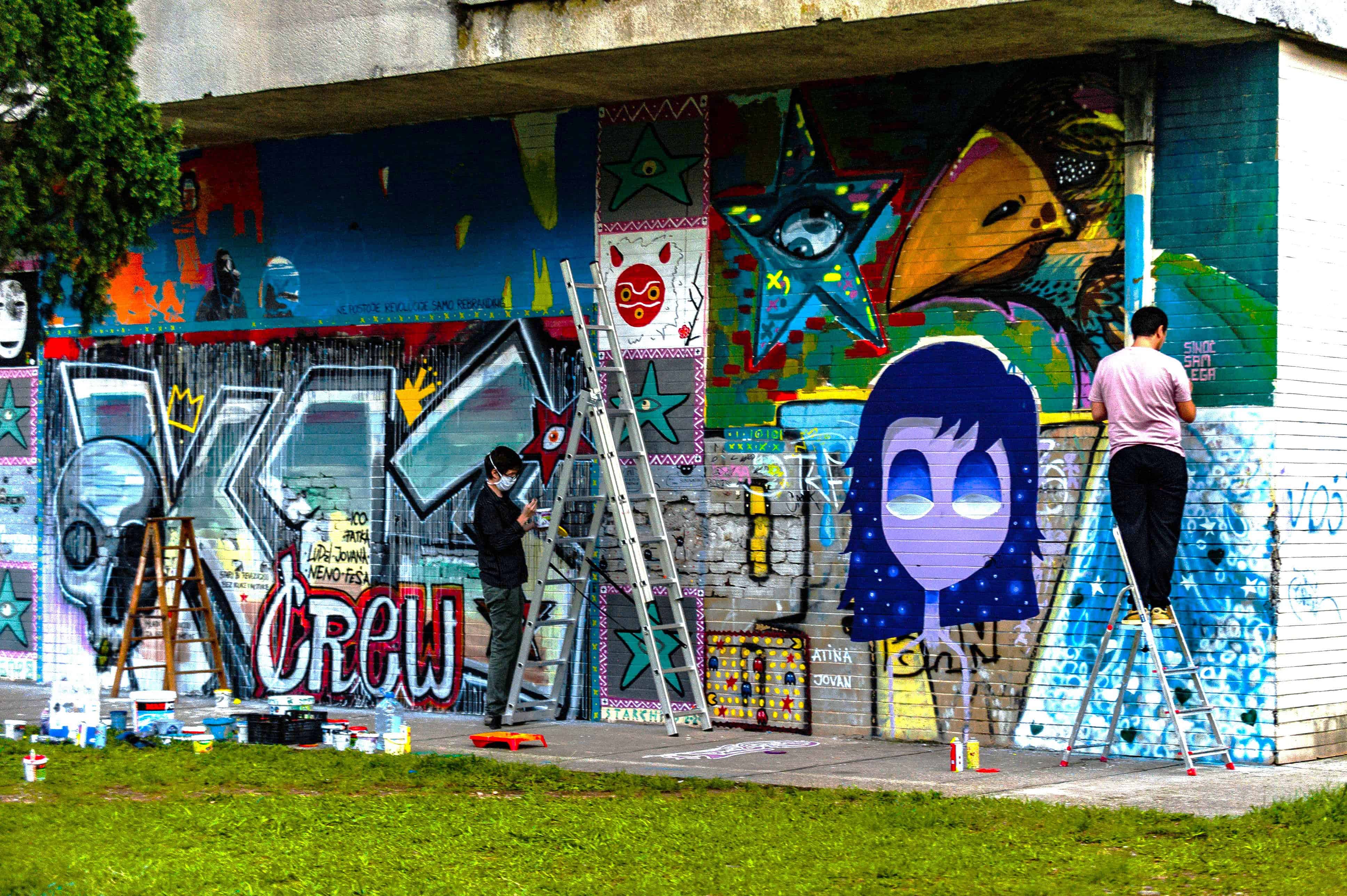
Quilting circles, communal weaving, group pottery studios, public murals and collaborative installations bring people together around a shared task. Participants work beside one another without the pressure of constant social performance.
Traditional craft carries this sense of belonging even further. Madhubani, Gond and Warli painting, Kalamkari, kantha, basketry, block printing, ritual floor art and regional pottery traditions hold endemic relationships with land, family, belief, labour and inherited knowledge.
Engaging with these practices can create continuity across generations and a deeper connection with place. This engagement need not be limited to the visual arts either, learning dance, poetry and songs are another way to connect both with yourself and your heritage. The very act of making, singing and dancing together is a powerful one. Especially for people who have moved into new cities, this can be a way to find a community and root yourself in a new place.
Artist collectives and sustainable art groups add another powerful dimension to creative wellbeing. Across cities and communities, many makers are turning discarded plastic, metal scraps, fabric waste, broken wood, old paper and found objects into murals, sculptures, public installations and immersive artworks.
The process is creative, social and ecological at once. It asks participants to look at waste differently, not as something useless, but as material with memory, texture and possibility. Working together on a large installation also creates a sense of shared purpose. People sort, cut, assemble, paint, bind and build, watching fragments become form through collective effort. In this way, sustainable art becomes more than environmental messaging. It becomes a practice of repair, imagination and community, reminding us that beauty can emerge from what was once discarded.
Art’s wellness value does not come only from making. It can also begin with looking, noticing and slowing down in the presence of beauty. A museum gallery, a painted wall, a carved doorway, a textile display or a sculpture garden can offer the mind a pause from everyday speed. The eye begins to rest on colour, texture, scale and detail, while the body moves more gently through space. This kind of slow looking can create a quiet emotional shift, replacing distraction with attention and stress with curiosity. In such moments, art becomes more than something to admire. It becomes a place to breathe, observe and return to oneself.
Creativity Without Performance
To engage in creative wellbeing, one must resist the urge to make art an arena for achievement.
The pressure to post finished work, improve quickly, sell objects or produce something beautiful can recreate the same anxiety the practice was meant to soften. Art does not need an audience to matter.
In times of such pressure, it would do well to remember how even legends like Leonardo da Vinci often took years to finish their work. Even professional artists across the world would confess to the piles of unfinished work they have, experiments that failed and venues that they have never explored. And these are people who have made art their life and livelihood.
Creative wellbeing begins when the maker stops asking whether the work is good enough and starts noticing what happened while making it. Perhaps attention deepened, the body relaxed or an hour passed without the usual mental noise. The object may remain unfinished, yet the practice may already have done its work.
Try to free yourself from the quagmire of productivity; this, after all, is one of the major ideas behind such a wellness practice, to engage in something for the sake of itself, to enjoy the journey and not fixate on the imagined destination.
The Pleasure of Making Something Useful
Some creative practices carry an added satisfaction: they leave behind something that can be worn, used, held, gifted or folded into daily life.
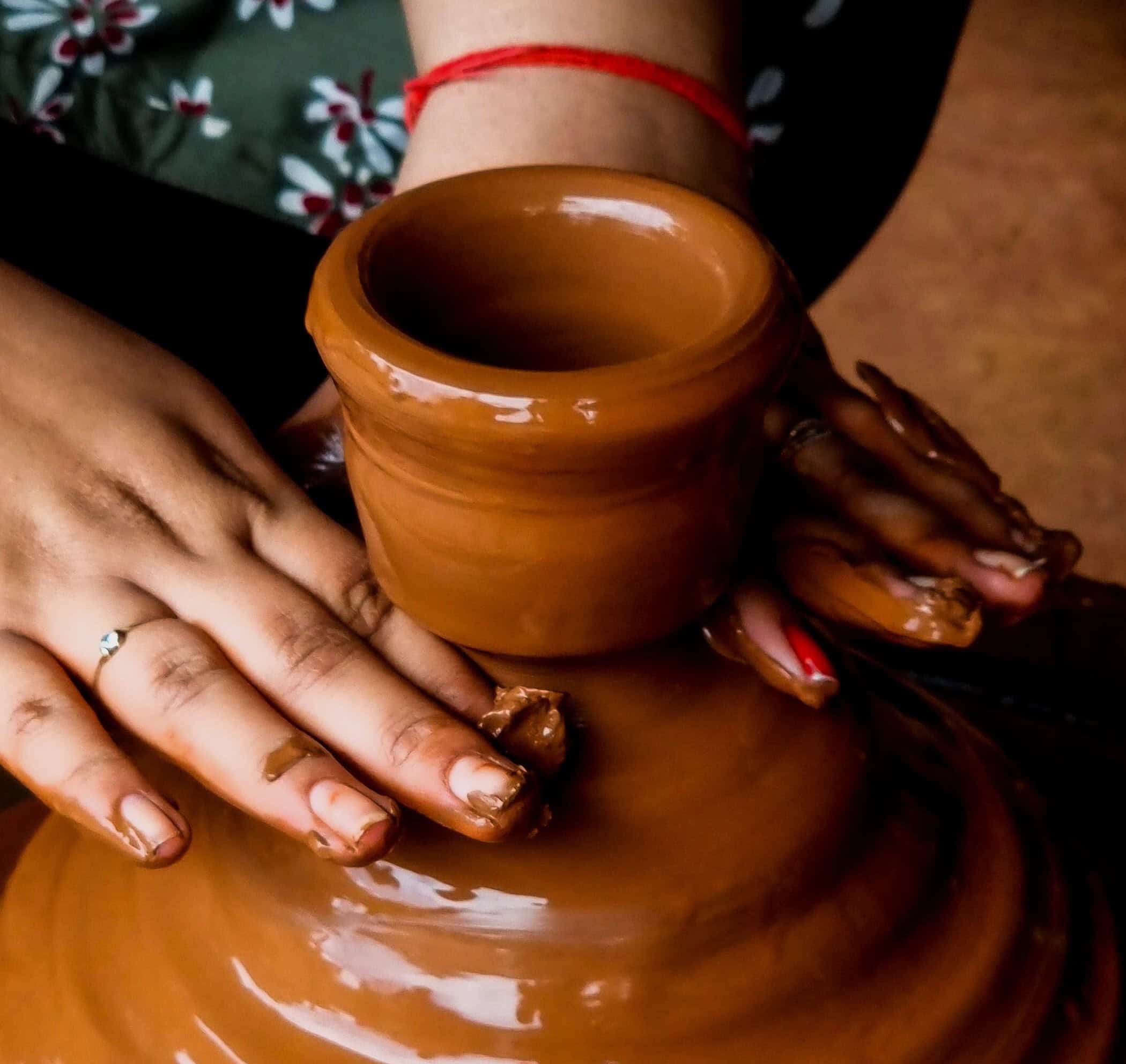
Crochet, weaving, soapmaking, candle making, jewellery making, pottery, block printing and simple textile work all blur the line between art and everyday utility. Gifting a handmade object, a hand-carved wooden spoon, a scarf for the winter, simple cloths, embroideries, and handmade soaps all create art that can get into the nuances of daily lives.
In a world where people are constantly alienated from themselves and the things they can produce, these objects remain as tangible proofs of your effort and care. It enters life. It can be touched, worn, shared and returned to again. In a world where so much is bought quickly and replaced easily, making something functional restores a deeper relationship with objects.
Crochet and weaving are especially powerful because they build slowly through repeated movement. One loop follows another. One thread crosses the next. The maker sees progress accumulate through patience rather than speed. Soapmaking offers a different pleasure: measuring oils, choosing fragrance, pouring a mould and waiting for the bars to cure. The process combines creativity with anticipation, turning care into something tangible.
Handmade objects also carry intimacy. A machine can produce perfection, but there is a lot of humanity in the slight variation in stitch, texture, or shape that reminds us that someone spent time with the material. When gifted, such objects say more than convenience. They say: I thought of you, and I made this with my hands.
This is another route into wellness. Making something useful can restore purpose without slipping into performance. The aim is not to impress, but to create an object that serves, comforts or connects. It allows creativity to move beyond the studio and into the ordinary rituals of living.
Affordable Ways to Begin
Creative wellness does not need an expensive studio, specialist equipment or a perfectly planned class. It can begin at a table, on a balcony, in a quiet corner of the house or even with a small box of materials kept aside for a few unhurried minutes. The idea is not to become an artist overnight, but to create a simple space where the hand, eye and mind can work together without pressure.
Crochet is one of the easiest ways to begin because it needs only yarn and a hook. The movement is repetitive, portable and forgiving. A beginner can start with a small square, a coaster, a scarf strip or even a simple chain of loops. Weaving can be equally accessible. A cardboard loom, leftover thread, wool or fabric strips can become the beginning of a wall hanging, bookmark or small table mat. With both crochet and weaving, progress appears slowly but visibly, row by row and thread by thread, which can be deeply calming.
Soap carving offers a gentle entry into sculptural work. A plain bar of soap, a pencil outline and a small safe carving tool are enough to begin. Flowers, leaves, simple animals, abstract patterns or small decorative shapes can emerge through careful cuts. It is low-cost, low-pressure and satisfying because the material is soft enough for beginners. Soapmaking brings a different kind of pleasure. It involves fragrance, colour, moulds, texture and waiting. Even a simple handmade soap can feel like a small ritual, something made with care and later used in daily life.
Clay modelling is another beautiful starting point. Natural clay allows the maker to press, pinch, roll, smooth and shape with direct contact. It can become a small bowl, diya, bead, figure, tile or textured keepsake. Synthetic clay, polymer clay and air-dry clay make the process even more accessible for beginners because they do not always require a kiln. These materials allow people to make jewellery, fridge magnets, miniature objects, name tags, ornaments or small gifts at home. Clay is especially grounding because it responds immediately to the hand. It can collapse, change, soften and begin again.
Sketching is perhaps the simplest doorway of all. A pencil and paper are enough. One can sketch a cup, window, plant, street corner, hand, fruit bowl or object already lying in the room. Painting, too, does not need to begin with expensive materials. Student-grade watercolours, poster colours, acrylic paints or even basic brush pens can open a world of colour. The page does not need to become a masterpiece. It can simply become a place where attention rests for a while.
The most important thing is to begin lightly. Choose one material, set aside twenty minutes and keep the phone away. Do not judge the result while it is still forming. A crooked clay bowl, a few uneven rows of crochet, a carved soap flower, a small painted page or a rough sketch can all be enough. Each one offers a doorway into patience, focus and the quiet pleasure of making something by hand.
Over time, these small beginnings can become personal rituals. A weekend crochet hour, an evening sketchbook, a box of clay for slow afternoons, a soapmaking session with family or a simple weaving project can create pockets of calm within ordinary life. Creative wellness grows best when it is approachable. It does not ask for perfection. It asks only for time, touch and the willingness to make a beginning.
A Material Form of Wellness
Art cannot solve every form of distress, nor can a creative workshop replace professional care when deeper support is needed. That distinction matters. There are moments when therapy, counselling, medical support or structured healing spaces are necessary. Creative practice should not be asked to carry what belongs in professional hands. Yet it can still offer something valuable, gentle and deeply human within everyday life.
What creative practices provide is often what modern life withholds: direct contact with the senses, freedom from instant results and permission to proceed without certainty. They ask participants not to fixate on the finished object, but to lean into the act of creation itself. The value lies in the touch of clay, the pull of thread, the scrape of a carving tool, the movement of pencil across paper, the mixing of colour, the pause between one stitch and the next.
It could begin with just 20 minutes kept aside for yourself. A person might sketch an object already in the room, knead a small ball of clay, paint without a plan, carve a simple shape in soap, thread a needle, make a rough collage or begin a few rows of crochet. None of these beginnings needs to become impressive. Their purpose is not to produce something polished, but to create a small pocket of attention in which the mind can slow down and the body can return to the present.
Learning a new skill can be beneficial in itself. It asks the brain to focus, adapt, remember and try again. But creative wellness also teaches something softer: how to live with imperfection. A slightly uneven bowl, a crooked line, a half-finished painting, a loose stitch or a carving that did not turn out as expected can become part of the practice. To accept these small irregularities is to loosen the constant demand for control. It is to recognise that not everything meaningful has to be flawless.
During the making, something else may have occurred. The mind slowed enough to notice. A feeling found a shape. The body returned through touch and movement. Time widened. Choice became possible again. The object may remain unfinished, imperfect or private, yet the practice may have already done its work. This is a form of wellness held in the palm, pressed into clay, carried through thread, drawn across paper and slowly carved out with patience.
Read More: Latest