

Supriyo Chakraborty, lecturer-cum-instructor at Lalit Suri Hospitality School, examines the importance of Diversity, Equity and Inclusion (DEI) in the hospitality industry through the closely connected lenses of guest experience, workplace culture and employee retention.
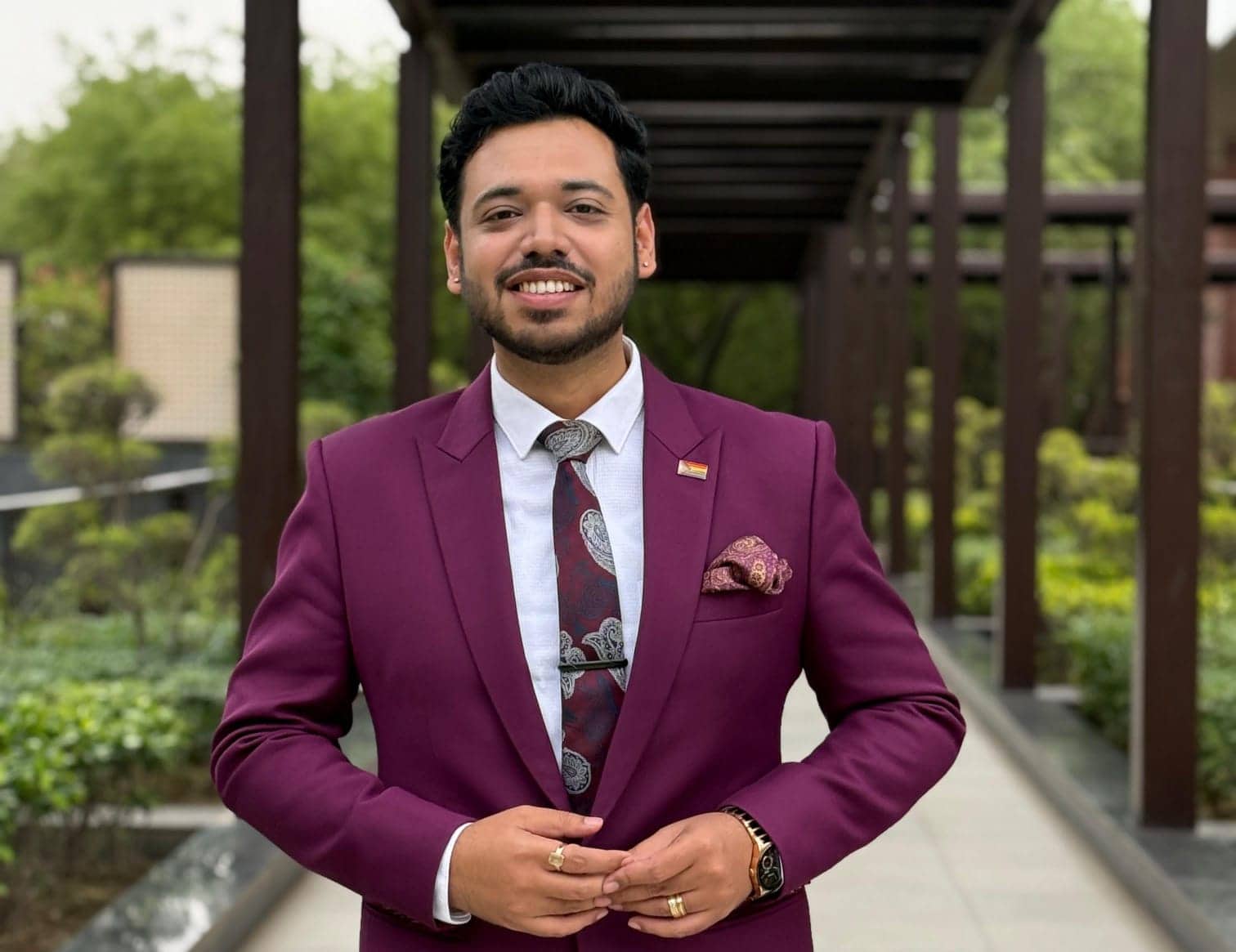
In a sector built on human interaction, DEI is no longer confined to policy language or compliance frameworks. It shapes how guests feel seen, respected and at ease, while also influencing how employees experience the workplace, engage with their roles and choose to stay with a brand over time.
TT Upskilling Team: For many years, Diversity, Equity, and Inclusion were viewed as HR or compliance-driven initiatives. Why has DEI now emerged as a CEO and board-level priority in hospitality?
Supriyo Chakraborty: Because hospitality operates at the intersection of people, perception, and public trust. Unlike manufacturing or technology, our “product” is not tangible; it is emotional. Every guest experience is shaped by human behaviour, language, and sensitivity.
At the leadership level, DEI today is about strategic foresight. We are operating in a world where travellers are more global, more aware, and more vocal than ever before. A hotel brand can no longer afford cultural blind spots. One insensitive interaction, be it around gender identity, disability, race, or language, can escalate into reputational damage within hours.
From a boardroom perspective, DEI has become a matter of brand protection, revenue continuity, and long-term relevance. Hospitality leaders now recognise that inclusion is not a peripheral value; it is a governance issue that directly impacts market trust.
TT Upskilling Team: The term “ROI of DEI” is often debated. How do you define and measure it in a hospitality context?
Supriyo Chakraborty: The return on DEI becomes visible when we stop searching for a single headline metric and instead observe patterns of performance over time. In hospitality, its impact reveals itself through stronger repeat guest ratios, improved online reputation and sentiment, higher levels of employee retention and engagement, more effective service recovery, and growing brand preference among global travellers.
Research across hospitality and service industries consistently demonstrates that inclusive teams deliver superior customer satisfaction because they anticipate needs more intuitively and respond with empathy rather than rigid protocol. This directly reflects what the Oxford Review describes as Diversity Return on Investment, where inclusive cultures enable better decision-making, greater innovation, and deeper stakeholder trust. Simply put, DEI reduces friction in human interactions. And when friction is reduced, service flows more smoothly, complaints decline, loyalty strengthens, and the financial impact becomes both tangible and sustainable.
TT Upskilling Team: Can you elaborate on how DEI directly influences guest experience and revenue?
Supriyo Chakraborty: Guest experience today is deeply psychological. Travellers may be on vacation, on business, or in vulnerable personal moments—but they all seek one thing: ease. Inclusion creates that ease.
For example, when a hotel staff member confidently and respectfully addresses a same-sex couple, or intuitively assists a guest with invisible disabilities, it builds trust instantly. That trust translates into longer stays, brand advocacy, and repeat visits.
We’ve seen brands gain loyal customers simply because guests felt emotionally safe. In contrast, exclusion, intentional or accidental, creates discomfort that no luxury amenity can compensate for.
In revenue terms, inclusive hotels benefit from Higher Net Promoter Scores, Stronger global brand appeal and Increased corporate and MICE business from values-driven organisations
Inclusion, therefore, is not a soft advantage. It is a commercial differentiator.
TT Upskilling Team: There’s a perception that DEI initiatives increase costs. How should hospitality leaders reframe this narrative?
Supriyo Chakraborty: This is one of the most persistent misconceptions. The real cost lies in exclusion, not inclusion.
Hospitality already struggles with high attrition. Every resignation carries hidden costs of recruitment, training, service inconsistency, and loss of institutional memory. Inclusive workplaces consistently demonstrate lower attrition because employees feel respected and psychologically safe.
Take global hotel groups that have invested in inclusive leadership training and equitable workplace policies, and their retention rates outperform industry averages. Stability in teams leads to consistency in service, and consistency protects revenue.
From a CEO’s lens, DEI is cost optimisation through culture.
TT Upskilling Team: Leadership commitment is often cited as critical. What does authentic DEI leadership look like in practice?
Supriyo: Authentic DEI leadership is not about being perfect; it’s about being present. It asks leaders to listen without defensiveness, admit when they don’t have all the answers, and correct course openly. Inclusion becomes real when it shows up in everyday decisions, such as who gets hired, who is promoted, and how conflicts are handled. It not just in statements or celebrations. People don’t follow what leaders say; they follow what they do. When DEI is pushed aside or delegated, it fades. When leaders lead with honesty, humility, and a willingness to learn, it becomes part of the culture.
A strong example of this approach is The Lalit Hotels. What sets the brand apart is consistency and intent. The Lalit has integrated LGBTQIA+ inclusion across hiring, benefits, workplace policies, and sensitisation training, extending well beyond corporate offices to frontline roles. The business impact is tangible: higher employee engagement, deeper trust among global travellers and multinational clients, and a strong reputation as a safe and welcoming hospitality brand.
Ultimately, employee experience is the foundation of guest experience. Inclusive workplaces inspire discretionary effort. The difference between simply doing a job and truly owning the guest’s journey. Global leaders like Marriott International have consistently linked inclusion to leadership development and culture, demonstrating that diverse and inclusive teams outperform in customer satisfaction and innovation. When employees feel respected, they take pride in service delivery and pride, unlike compliance, cannot be mandated. It must be cultivated. And when it is, performance follows.
TT Upskilling Team: As the industry evolves, how important is it for hospitality education to embed DEI into its curriculum? How is The Lalit Suri Hospitality School preparing future professionals in this space?
Supriyo Chakraborty: Hospitality education plays a foundational role in shaping how future professionals think, respond, and lead. If inclusion is introduced early, it becomes instinctive rather than reactive.
At The Lalit Suri Hospitality School, the approach reflects this shift. DEI is not treated as a standalone subject, but as a continuous learning process embedded across the student journey. An important aspect of this learning environment is that it is inclusive. The campus brings together students from diverse backgrounds, including individuals from the queer community, neurodivergent learners, and varied socio-cultural contexts. This diversity is not incidental; it becomes a lived classroom. Students learn as much from each other as they do from formal curriculum, building empathy through everyday interaction.
It begins with sensitisation at the foundation level, where students are introduced to concepts of identity, bias, accessibility, and respectful communication. This helps build awareness and self-reflection early on.
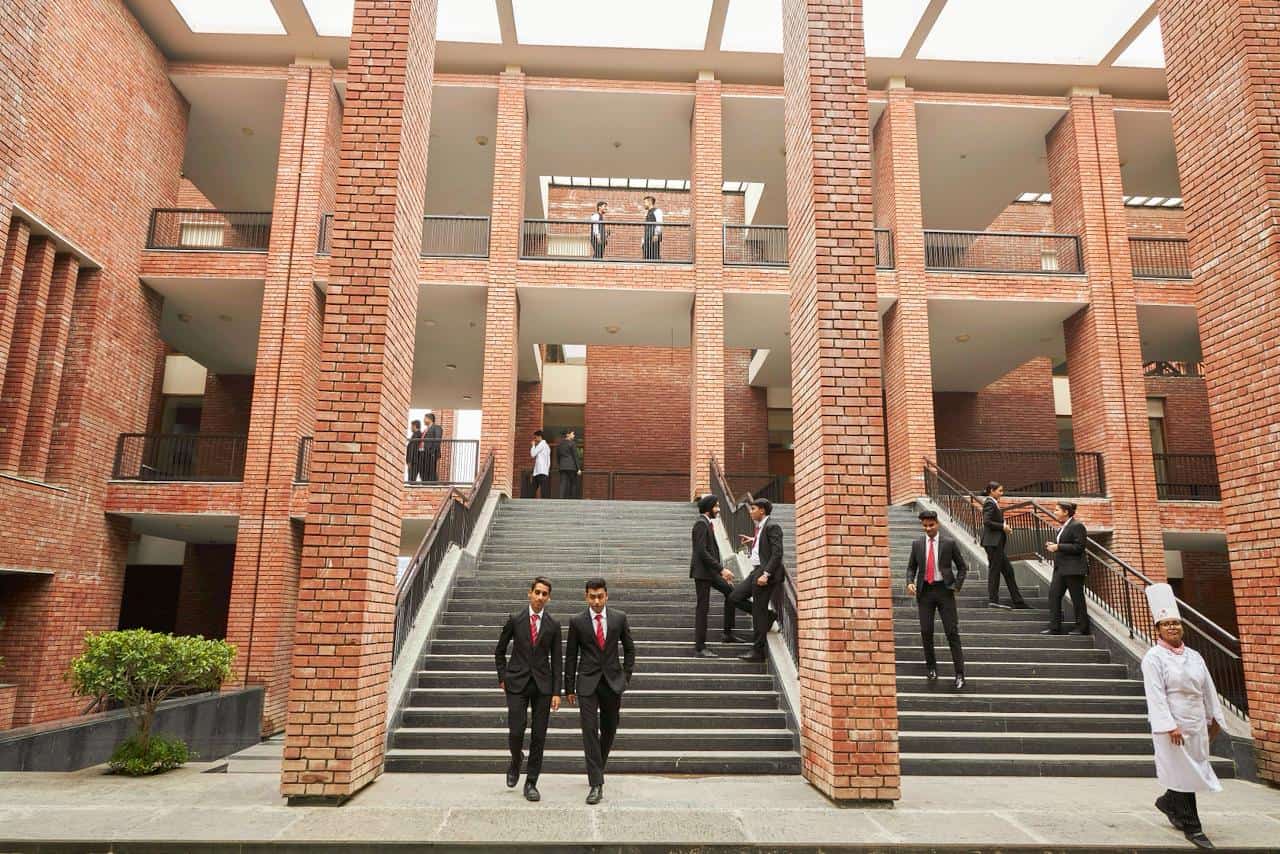
This is followed by experiential learning, where students engage with real-life scenarios, case studies, and role plays that simulate guest interactions across diverse backgrounds whether it is gender identity, cultural differences, or invisible disabilities. The objective is to move from theoretical understanding to practical application.
The next layer is exposure to inclusive workplace practices. Through internships, industry interactions, and immersion within The Lalit ecosystem, students observe how inclusive policies translate into everyday operations across hiring, team dynamics, and guest engagement.
Over time, this structured approach creates professionals who are not only operationally skilled but also socially aware and adaptable. And ultimately, that preparedness translates into stronger service delivery, improved team retention, and more consistent guest satisfaction, outcomes that directly contribute to long-term business performance and ROI.
TT Upskilling Team: Is DEI also a form of risk management in hospitality?
Supriyo Chakraborty: Absolutely. Hospitality brands operate under constant public scrutiny. Inclusive cultures reduce the likelihood of discrimination-related incidents and improve response quality when challenges arise.
From a governance standpoint, DEI strengthens ethical decision-making and crisis preparedness. In today’s environment, silence or missteps can be more damaging than operational failures.
DEI acts as a reputational insurance policy that also fuels growth.
TT Upskilling Team: What should leaders prioritise if they want DEI to drive real ROI?
Supriyo Chakraborty: Three things: intent, integration, and measurement.
Intent ensures DEI is value-driven. Integration ensures it influences operations, leadership, and service standards. Measurement ensures accountability.
Inclusion must be tracked just like revenue, retention, and reputation. What gets measured gets managed.
TT Upskilling Team: You’ve spoken about DEI as a revenue enabler. Are there industry signals that leaders should be paying closer attention to right now?
Supriyo Chakraborty: Absolutely, and many of these signals are already visible if leaders choose to look beyond traditional metrics.
One key indicator is guest choice behaviour. Corporate travel policies globally are increasingly value-led. Large organisations now evaluate hotel partners on inclusion, accessibility, and ethical practices, not just price or proximity. This directly impacts MICE business, long-stay contracts, and brand partnerships.
Another indicator is talent migration. Younger hospitality professionals are actively choosing employers whose values align with their own. Brands that lack inclusive cultures are quietly losing talent, not through exits alone, but through disengagement. That disengagement shows up in service fatigue, inconsistency, and declining guest satisfaction.
What we are witnessing is a shift from transactional hospitality to values-based hospitality. DEI sits at the centre of that shift.
Read More: Upskilling India