

Finnish cuisine unfolds slowly through rye, fish, forests and foraging, offering travellers a calm, nature-led food journey
Finnish cuisine, shaped by its lakes, forests, and short summers, can be a wildly novel experience for travellers arriving from India, as they explore this culinary world, its textures and most importantly the food culture.
The cuisine in many ways is built around the staples of rye, fish, berries, and game (wild meat), but the real pleasure lies in how these staples move across the day, shifting form without losing their character. Understanding Finland through food means eating slowly, noticing textures, and allowing the landscape to guide the plate.
First Light: Rye Bread, Dairy, and the Coffee That Runs the Country
Mornings begin with coffee, almost without exception. Finland is famously coffee-loving, being the country with the highest per-capita consumption of coffee.
Breakfast tables could savoury with ruisleipä, the dense sour rye bread that could be compared to open sandwiches, topped with butter, cheese, ham, cucumber, or tomato, the kind of food that keeps you warm in the climate that created it.
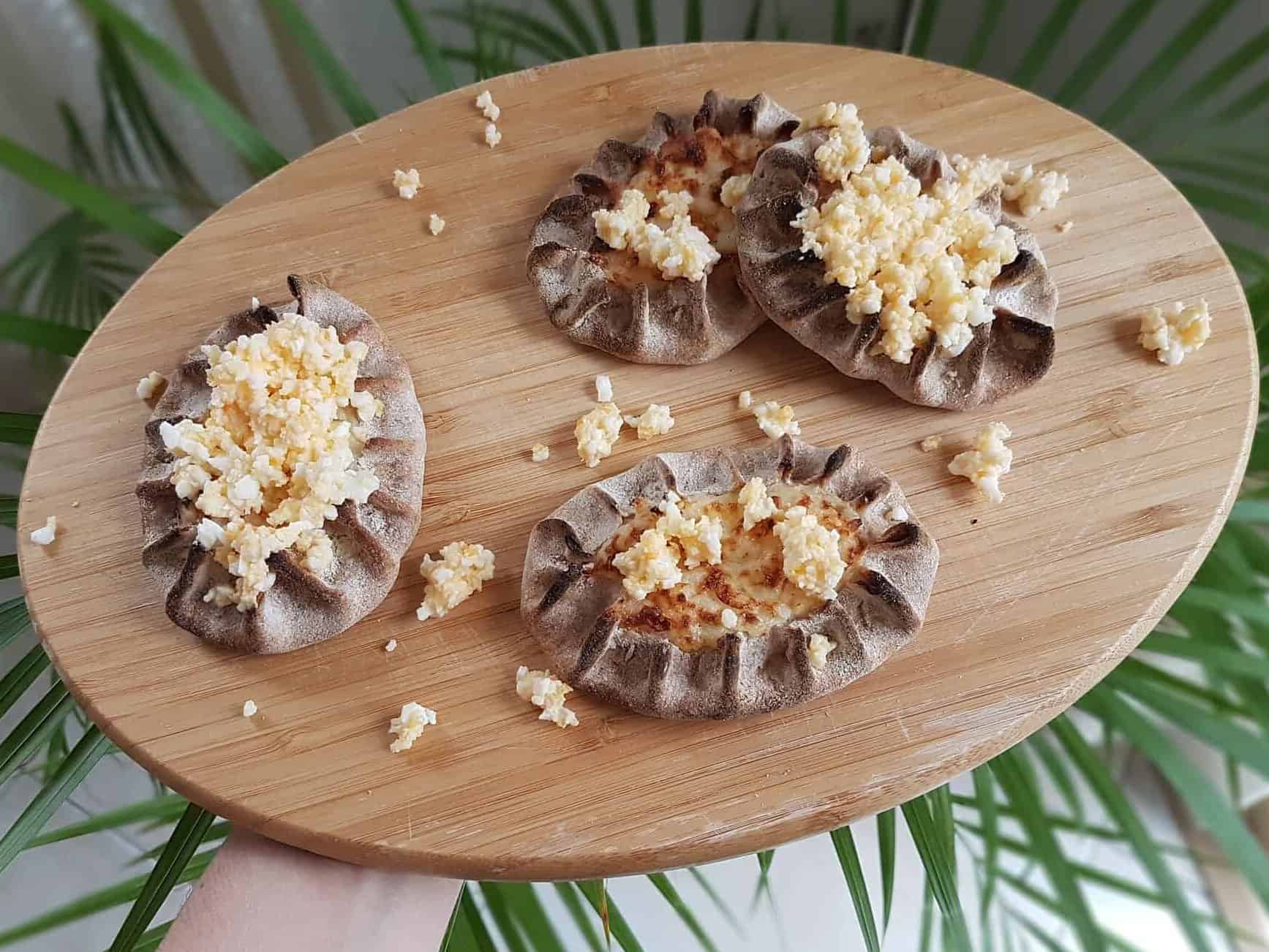
If you want something more traditional, look for karjalanpiirakka, Karelian pies with a thin rye crust and a soft rice porridge filling, served warm with munavoi, the classic egg butter that melts into the surface.
Alongside it, you might find viili, a thick fermented dairy with a mild tang and a velvety texture, often eaten with berries.
When mornings turn cold, Finland leans into porridge. Mannapuuro and riisipuuro arrive steaming, sweetened with jam or berries, uncomplicated but deeply comforting. And then there is leipäjuusto, the “squeaky” cheese, baked until lightly browned and served warm with cloudberry jam. It is the kind of breakfast that feels both nourishing and quietly indulgent.
Midday Finland: Soups, School Classics, and the Buffet Culture of Lounas
One of the most loved foods for midday is lohikeitto, creamy salmon soup with potatoes, carrots, leeks, and dill, gentle but satisfying. You will also see hernekeitto, thick pea soup traditionally eaten on Thursdays, often followed by pancakes in the same meal rhythm that Finns have kept for decades.
Hearty plates appear too. Lihapyöryköitä, Finnish meatballs served with gravy, mashed potatoes, and lingonberry jam, deliver that signature Nordic balance of savoury and tart. Makaronilaatikko, the baked macaroni casserole enriched with milk and egg, is a nostalgic school lunch classic that many adults still love. For something more home-style, find siskonmakkarakeitto, a sausage soup with vegetables and broth that tastes like a winter afternoon in a bowl.
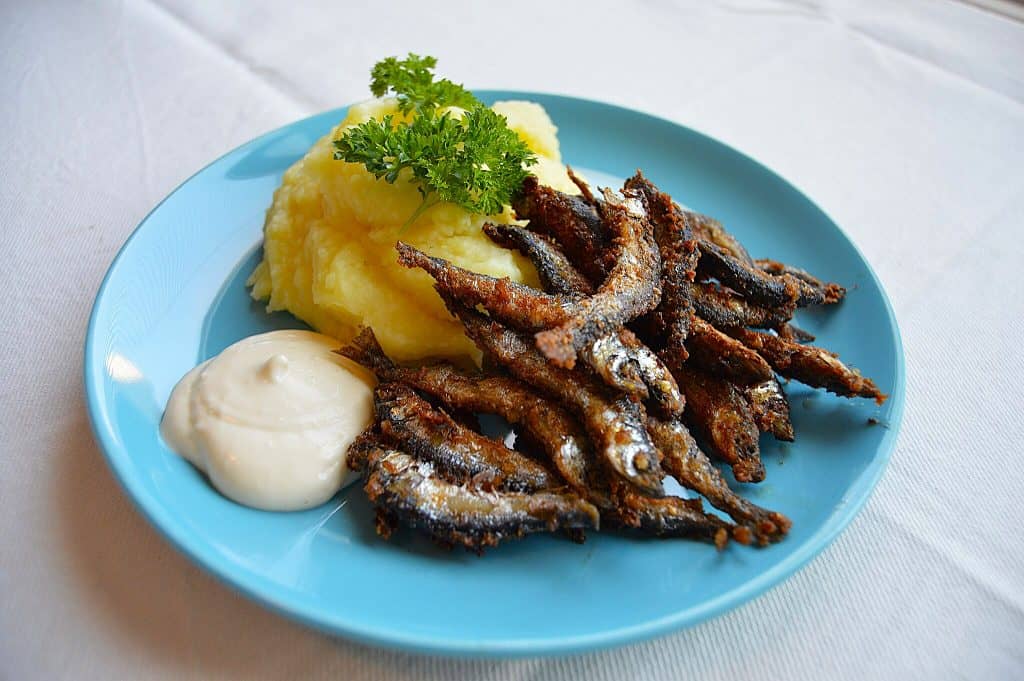
Near lakes and market squares, you will encounter paistetut muikut, small vendace fish fried whole and crisp, best eaten fresh with your fingers, especially in summer when the light seems to last forever.
Afternoon Tastes: Cured Salmon, Berry Pies, and a Pastry Culture That Loves Coffee
Afternoons in Finland, while often built around coffee, are also when the sweet side of the country steps forward. Korvapuusti, the cardamom-scented cinnamon bun crowned with pearl sugar, is a national favourite for a reason. It is soft, fragrant, and designed for slow eating.
You might find savoury snacks too, especially in summer buffets or café counters. Graavilohi, cured salmon with salt, sugar, and dill, appears sliced thin, elegant and clean, often paired with rye bread.
For a sweet bite, seek mustikkapiirakka, the bilberry pie whose wild berries taste deeper and more earthy than the blueberries many travellers know. Served with vanilla sauce, it is quietly addictive. In some towns, you may stumble upon lörtsy, a moon-shaped fried pastry filled with meat and rice or apple, a regional speciality that feels like a secret you were meant to find.
The Forest on Your Plate: Foraging, Markets, and the Finnish Right to Gather
One of the most distinct aspects of Finnish food culture is foraging. The country’s Everyman’s Rights allow people to pick berries, mushrooms, and herbs for personal use across vast natural areas, with common-sense boundaries. This right is applicable in areas other than private gardens, restricted zones, and areas close to homes, and you respect the land by not damaging plants. National parks have their own set of rules, as there are certain protected species that are off-limits, which is why guided walks can be a smart choice for visitors.
While August offers the richest overlap of berries and the most rewarding foraging experience for tourists, June- October are great times to go foraging. You just need to know what to look out for. Wild strawberries appear first in late June and July along sunny forest edges, followed by bilberries from July through September, peaking in August across wooded areas.
Cloudberries, considered a northern delicacy, ripen briefly between July and August in Lapland’s marshlands. Lingonberries arrive later, from late August to October, carpeting forests with tart red fruit, while wild raspberries appear sporadically in August and early September along paths and clearings. For travellers, If you are staying near Helsinki, the woodlands around the city and nearby national park landscapes make for easy day trips. Lakeland areas offer a beautiful pairing of views and seasonal picking. If you want the experience without the uncertainty, local operators run foraging walks that include safe identification and often end with simple snacks.
Market squares, meanwhile, are the easiest way to taste the season without hiking. They are where Finland displays its edible calendar: berries in baskets, mushrooms in clusters, and local produce that looks as clean as it tastes.
Evening Plates: Reindeer, Stews, Cabbage Comfort, and the Deep North in a Bite
If you want an iconic northern dish, try poronkäristys, sautéed reindeer, served with mashed potatoes and lingonberries. It is lean, earthy, and surprisingly delicate.
For something that feels like a national memory, order karjalanpaisti, the slow-cooked Karelian stew of beef and pork with peppercorns and root vegetables. It is not complicated, but it is deeply satisfying, the kind of dish that tastes better because it has been made the same way for generations.
Fish remains a constant. Beyond salmon soup, you will find kalakeitto, fish soup made with mixed fish varieties and potatoes, often appearing as a household staple rather than a tourist headline.
Then come the casseroles, the unsung heroes of Finnish comfort food. Janssonin kiusaus, a rich bake of potatoes, onions, anchovies, and cream, carries a Swedish-influenced Nordic warmth that works beautifully in winter. Kaalilaatikko, the cabbage casserole with minced meat, rice, and a hint of syrup, is one of those dishes that tells you exactly how Finland survives cold months: by eating food that holds you steady.
And for travellers who want something truly regional, there is kalakukko, a rye bread loaf filled with fish and pork, baked until the flavours merge into something dense, savoury, and surprisingly satisfying when sliced.
Unique Sweets and Seasonal Favourites
Finland also has foods that do not fit neatly into meal boxes, and those are often the ones visitors talk about most.
Mämmi, the dark rye-and-malt dessert served cold around Easter, looks intimidating but tastes malty and gentle when paired with cream or vanilla sauce. Vispipuuro, whipped semolina porridge with lingonberries, is airy and pink, somewhere between mousse and comfort food. Pannukakku, the oven-baked pancake cut into squares, appears whenever someone wants a warm, fuss-free sweet, served with jam and cream.
For the adventurous, there are veriletut, blood pancakes, a traditional savoury item that reflects older rural food culture where nothing was wasted. It is not for everyone, but it is undeniably a part of Finland’s culinary story.
Where the Journey Begins for Indian Travellers
For travellers flying in from India, the culinary shift often begins before landing. With direct connectivity between Delhi and Helsinki, Finnair’s Nordic onboard dining cues you into the flavour philosophy: clean, seasonal, restrained, and quietly satisfying. By the time you arrive, Finland’s food culture already makes sense. You start noticing the rhythm: coffee pauses, rye bread rituals, soups that warm the body, berries that taste like forests, and dinners that feel designed for long winters and softer living.
In Finland, food tells the story of place without raising its voice. If you eat with that same patience, the country opens up, one simple, hearty dish at a time.
Read More: Latest