

In the quieter corners of India, where food follows weather, memory and ritual, a different kind of loss is underway. It slips away softly, one dish at a time
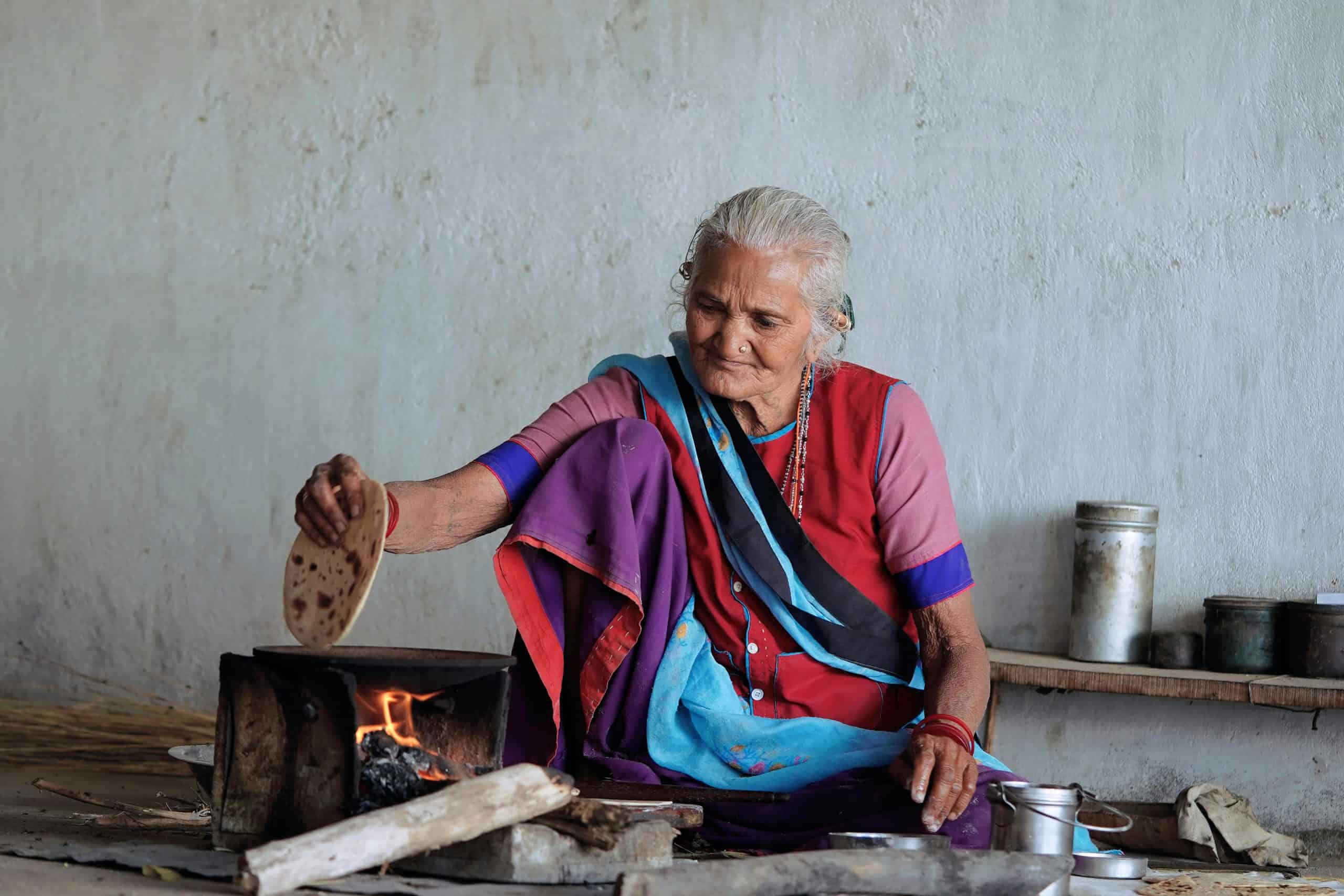
The most intimate food stories are often the ones slipping quietly out of everyday life. A porridge no longer stirred at dawn, a bitter green left unpicked in the monsoon, a fermented batter abandoned because it asks for patience, a smoked relish remembered only when an elder mentions it in passing.
Across the country, dishes once tied to harvest cycles, temple offerings, mountain winters, desert survival and community feasts are fading from daily life. When a local preparation vanishes, something larger goes with it: the knowledge of a landscape, the rhythm of a season, the taste of a people’s relationship with place.
For travellers, this is where India becomes more compelling than the sameness of standard menus. Beyond the restaurant circuit lies another India, fragrant with wood smoke, wild leaves, sour grains, hand-pounded spices and recipes carried in memory rather than cookbooks.
When Food Followed the Land
There was a time when India’s kitchens answered directly to the land. Coastal tables leaned on kokum, fish and coconut and salt-heavy air. Desert communities turned bajra, buttermilk and hardy pods into sustaining meals with quiet brilliance. In the hills came fermentation, barley, ghee and smoked meat, while forest belts drew flavour from tubers, wild mushrooms, mahua and gathered greens.
In Rajasthan, raabdi, a fermented pearl millet gruel cooled in earthen pots, offered relief in fierce summers. In Kerala, pezhukkal turned yams and coconut into monsoon comfort. These were not novelty dishes, but lived responses to place.
Recipes belonged not merely to states, but to altitude, rainfall, temple customs, trade routes and agricultural wisdom. Today, as menus become more standardised and city palates more driven by convenience, that diversity is under strain. Butter chicken travels farther than chains. Paneer tikka gets more room than patrode. Distinct food memories risk fading into one broad, familiar blur.
Forgotten Plates, Powerful Stories
Some of India’s most compelling dishes are not entirely gone, but they are no longer secure. They survive in villages, seasonal kitchens and the memory of older cooks.
In the Northeast, khura soups enriched with chhurpi carry a Himalayan tang. In Kerala, karkidaka kanji, the medicinal monsoon porridge made with rice, herbs and restorative ingredients, once nourished families through the lean, rain-heavy season. Today, it is more likely to be remembered than routinely prepared.
Coastal Karnataka still holds on to patrode, colocasia leaves layered with spiced rice paste, rolled and steamed. In Himachal, sidu, with its fermented wheat dough and gloss of ghee, remains a mountain comfort food, especially alongside aktori, soft potato-and-spinach pancakes of home kitchens rather than hotel buffets.
Further inland, Chhattisgarh offers bafauri, steamed gram dal dumplings that prove how light and satisfying traditional food can be. In central India, millet-based dishes such as bhanje speak of older grain cultures that once shaped daily diets.
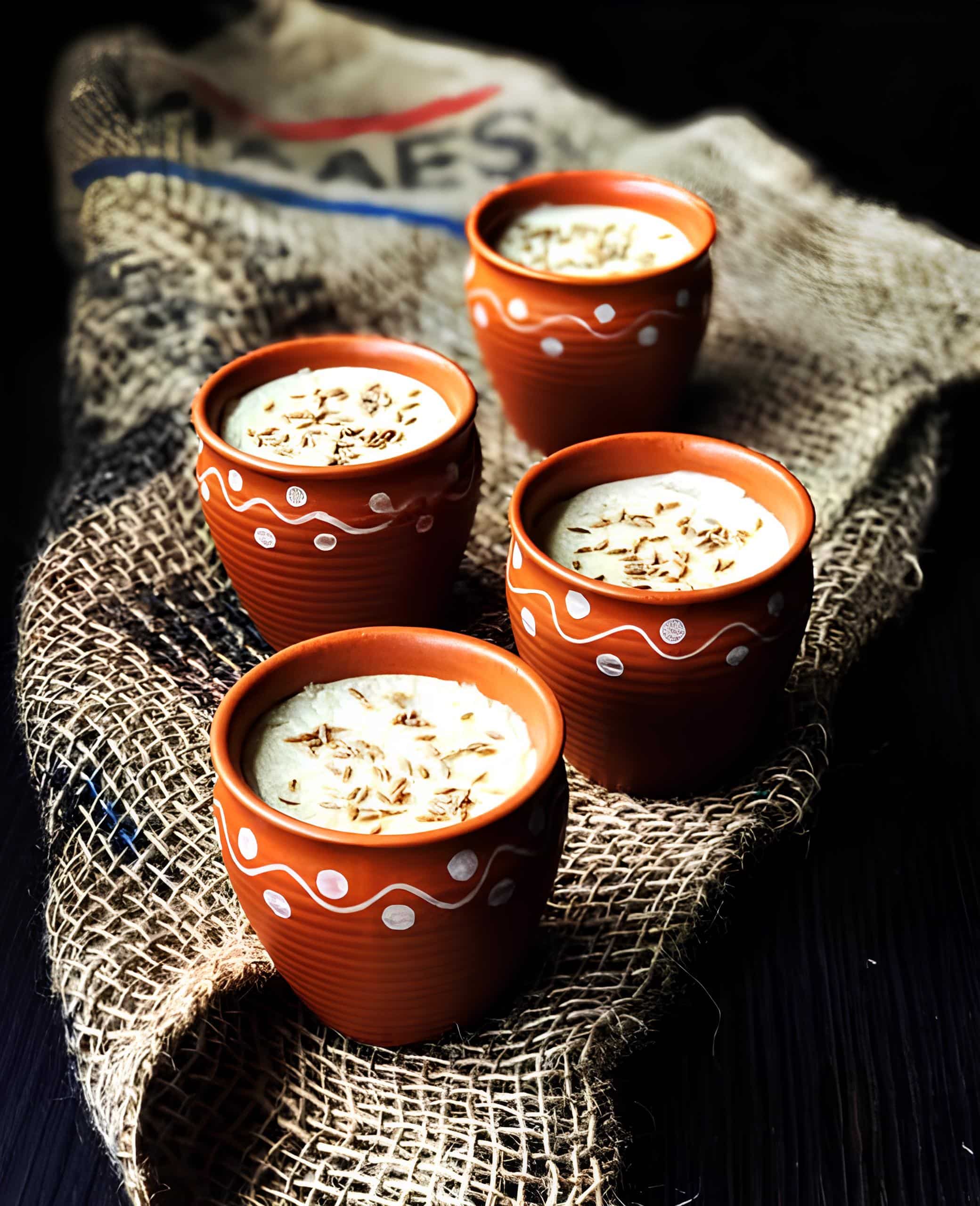
Each one reveals something larger: a survival strategy, a climate response, a ritual code or an inherited understanding of nutrition. They are edible maps.
Where Tradition Still Tastes Real
If these dishes survive at all, it is because some kitchens still remember. A grandmother in Himachal kneads the sidu dough and leaves it overnight because that is how it should be done. In Odisha, temple kitchens continue to prepare poda pitha with the care of an offering. In the Northeast, meats still meet smoke in ways city kitchens cannot imitate, while fermented ingredients develop flavours that refrigeration has nearly edited out of daily life.
In Chhattisgarh, bafauri persists in homes that still value steamed, oil-light cooking rooted in tradition rather than trend.
What moves you about these kitchens is their lack of performance. They are not preserving heritage for applause. They are doing it because food still means continuity. Only instinct, repetition and belief.
When Ingredients Vanish, Recipes Follow
A recipe rarely disappears alone. It takes its ecosystem with it.
India’s indigenous rice, local millets, bamboo shoots, native gourds, wild greens, dried fish, kokum, timbur and forest tubers all belong to food cultures shaped over centuries. When farming changes, hybrids dominate, pesticides erase edible weeds, and younger generations stop recognising what grows around them, the ingredient base begins to thin.
That is why many forgotten foods cannot be revived fully in a generic way. They belong to soil, humidity, smoke, vessels, local grain behaviour and to the cook who knows, by smell alone, when a batter has fermented enough.
A Regional Taste Trail Worth Travelling For
For travellers willing to go beyond the obvious, India’s forgotten food map is one of the most rewarding routes in the country.
In Kashmir and Ladakh, barley-based dishes such as paba, served with buttermilk or rustic accompaniments, speak of altitude and endurance. Dried stews built around preserved ingredients remind you that winter once dictated the pantry.
In Himachal and Uttarakhand, sidu, chainsoo, jhangora preparations and bhatt-based dishes reveal a cuisine of mountain intelligence: hearty, frugal and full of character. Rajasthan and Gujarat tell another story, where bajra raabdi and ker-sangri reflect a cuisine sharpened by scarcity and skill.
In Bengal and Odisha, pithas, posto-rich preparations and temple foods balance comfort with ceremonial depth.
Maharashtra and Goa offer old Saraswat preparations, toddy-fermented breads and dry fish chutneys that still carry the humidity and salt of the coast. Further south, Kerala, Karnataka and Tamil Nadu continue to hide treasures in plain sight: jackfruit steamed in leaves, patrode, old gruels, yam dishes and native vegetable preparations.
Then there is central and tribal India, where mahua-linked food cultures, forest mushrooms, smoked chutneys and coarse grains create one of the country’s least understood yet most original food landscapes.
Why These Flavours Faded
Urban life rewards speed, not soaking, fermenting, pounding or slow simmering. In many homes, the rhythms that once shaped cooking have been interrupted by shorter workdays at home, longer commutes, smaller kitchens and a growing dependence on convenience.
Foods that demanded patience, seasonal familiarity and inherited intuition slowly began to disappear from everyday life. Aspirational eating has also pushed rustic foods to the margins, branding millets, hand-pounded grains and village dishes as unfashionable until the wellness industry returned them with a more marketable image. What was once dismissed as ordinary is now repackaged as premium, often stripped of its original context.
Standard restaurant menus prefer familiarity and easy recognition. Packaged masalas flatten nuance, reducing deeply regional flavour systems into broad, interchangeable tastes. Local agriculture has also shifted towards crops with stronger commercial demand, leaving many indigenous grains, greens and pulses underused or forgotten. Wild ingredients, once gathered with intimate ecological knowledge, lose both habitat and audience as landscapes change and food habits narrow.
Many young Indians inherit pride in food culture, but not always the time, tools or training to cook its most regional forms. Recipes that were once learned by watching, repeating and tasting are harder to pass on when families no longer cook together in the same way. Once a dish slips out of routine, revival becomes harder because memory alone cannot preserve flavour. It needs practice, ingredients, and a place at the table.
The Return of the Old Table
Yet all is not lost. Across India, chefs, home cooks, boutique stays, regional food festivals and culinary archivists are beginning to restore what was nearly sidelined. Their work is not merely nostalgic; it is cultural recovery through taste.
Heritage menus are turning attention towards mountain grains, temple sweets, old ferments, heirloom rice varieties and foraged ingredients that carry the memory of landscape and labour. In some places, grandmothers’ recipes are being documented before they vanish. In others, younger cooks are returning to community kitchens, local markets and oral traditions in search of what modern dining left behind.
Social media, too, has unexpectedly become an archive and a bridge. Recipes such as sidu, bafauri, patrode or pej are finding new audiences far beyond the regions where they first belonged. Video storytelling, food writing and regional creators are helping dishes travel without erasing their roots. This matters because revival works best when food is not treated as a novelty, but as living knowledge.
They do not treat regional food as costume. They honour it as something practical, evolving, and deeply delicious. They understand that traditional food is not frozen in time; it adapts, yet keeps its soul.
A Region, Remembered Through Taste
What is slipping away is not only food, but a way of knowing place through taste. A dish can hold climate, caste histories, farming cycles, migration stories and rituals of care, all within a single meal. To lose such food is to lose a vocabulary of belonging.
To find these dishes, then, is to find a deeper, quieter India, one still speaking through grain, smoke, leaf and fire.
That may be the most memorable journey of all — not across distance, but into memory, continuity and the many flavours that still carry the spirit of a region.
Read More: Food Voyager