

Beverage tourism transforms tasting into travel through immersive journeys celebrating origin, flavour and local culture

Across the world, drinks are becoming destinations. A precisely brewed tea in Uji, coffee tasted on a Colombian finca, or a long vineyard lunch in Mendoza can now shape an entire journey. Travellers still care about what is poured, but they are equally interested in the landscape, craft and people behind it.
This is changing the meaning of beverage-led luxury. Prestige no longer depends only on an expensive label or formal service. It can be found in a private garden walk, a conversation with a producer, a tasting timed around the harvest or an unhurried afternoon in an estate bungalow. The pleasure lies in giving the experience attention.
Tea, coffee and wine fit naturally into the growth of slow, culinary and wellness travel. Each carries a strong sense of origin. Altitude, soil, rainfall, variety and technique influence flavour, while the surrounding rituals reveal how a destination eats, socialises and understands hospitality.
The movement is global, although it develops differently across markets. Established regions are reinterpreting centuries of heritage for modern travellers. Emerging destinations are using premiumisation, speciality production and immersive hospitality to establish a place on the map. India provides one of the clearest examples of this change, but it belongs to a much larger international story.
Why Drinking Well Has Become a Travel Experience
Several consumer shifts are converging around the cup and glass. People are paying more for provenance, functional benefits and craftsmanship. They are also moderating alcohol, looking more closely at ingredients and choosing memorable occasions above habitual consumption.
The supplied research shows the strength of this change in India, one of the world’s most dynamic beverage markets. Its health drinks market reached about USD 9.63 billion in 2024 and is projected to rise to USD 28.45 billion by 2033, at an 11.81% CAGR. The wider non-alcoholic drinks market was valued at around USD 14.95 billion in 2024, with tea expected to remain its largest contributor by value.
Alcohol is following a related pattern. India is the world’s third-largest alcoholic beverage market, with annual sales of approximately USD 44 billion, yet growth is increasingly value-led. Premium and super-premium segments are expanding faster than mass categories, while younger consumers are showing greater interest in quality, flavour and experience.
Global moderation data adds important context. Light drinkers now form the largest segment across several leading markets. In major Indian cities, 71% of affluent drinkers surveyed reported practising temporary abstinence, the highest result among the markets studied. Luxury hospitality is responding with smaller pours, alcohol-free pairings and programmes centred on food, landscape and learning.
Tea Tourism: A Global Trail of Gardens and Rituals
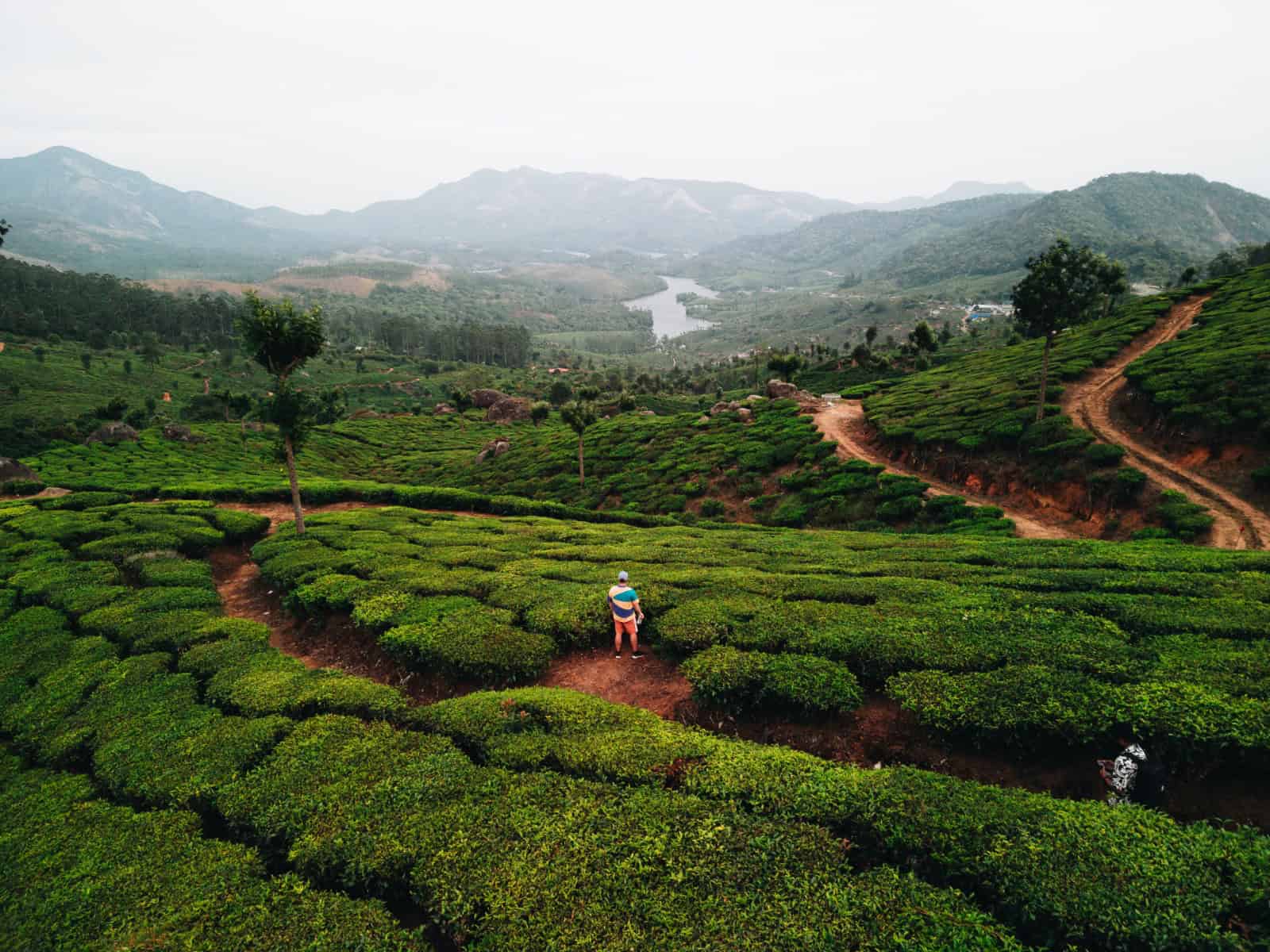
Tea may be one of the world’s most familiar drinks, yet its travel possibilities are remarkably varied. A tea journey can lead through ancient growing areas in China, the ceremonial culture of Japan, Himalayan gardens, Sri Lankan highlands, Kenyan estates and volcanic fields in the Azores.
East Asia: Tea at Its Cultural Source
China offers the broadest historical and stylistic canvas. Around Hangzhou, villages near West Lake are closely associated with Longjing green tea. Visitors can walk through gardens, watch pan-firing and learn how leaf shape, water temperature and short infusions affect the cup. Fujian opens the door to oolong and white tea traditions, while Yunnan introduces ancient tea landscapes and the complex world of pu-erh.
In Japan, the experience becomes highly precise. Uji, near Kyoto, is known for matcha, sencha, and gyokuro, as well as tea houses and the teaceremony. A guided session explains far more than whisking technique: the placement of utensils, the host’s movements, and the relationship between matcha and seasonal sweets all form part of the encounter. Japan’s official tourism platform also connects Uji’s tea culture with its riverside setting and sacred sites.
Shizuoka adds expansive growing areas and, in some locations, views towards Mount Fuji. Together, Uji and Shizuoka show how tea tourism can move comfortably between tradition, contemporary design and working agriculture.
South Asia: Heritage Bungalows and Highland Tea
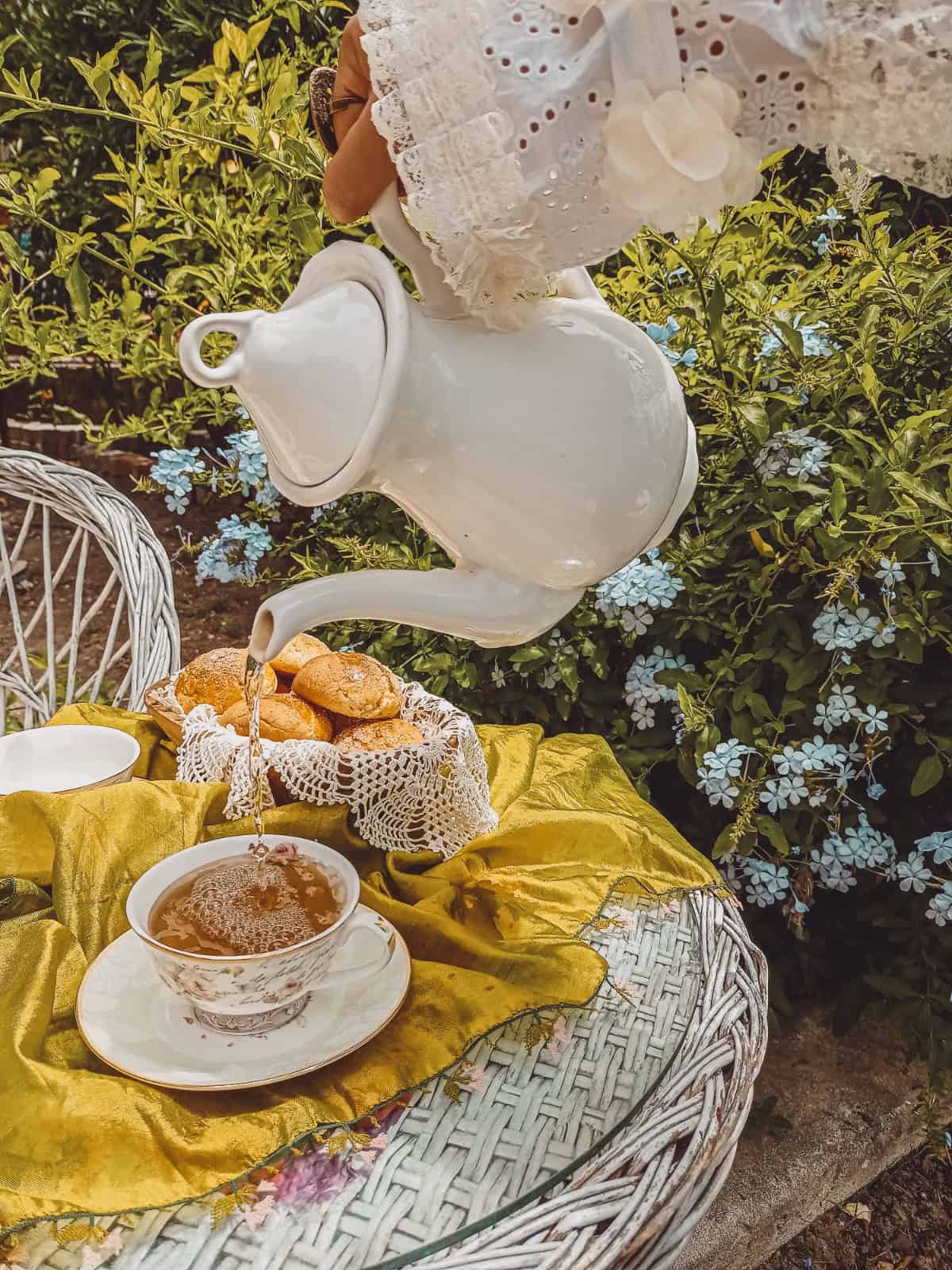
Sri Lanka’s central highlands have become one of the world’s most recognisable tea escapes. Around Nuwara Eliya, Hatton and Ella, plantations roll across cool slopes divided by waterfalls, forest and estate roads. Historic bungalows, scenic rail journeys and highland hotels make it possible to build a complete holiday around the leaf.
Factory visits follow tea through withering, rolling, oxidation, drying and grading. Tastings then reveal how elevation and production style alter colour, fragrance and body. The strongest stays connect this knowledge with guided walks, local meals, fireside evenings and time on a veranda overlooking the fields.
India brings several distinct tea landscapes into the same journey. Darjeeling offers steep Himalayan gardens and seasonal first- and second-flush teas. Assam combines powerful black tea with river country and plantation heritage. Munnar and the Nilgiris place tea within the green highlands of the Western Ghats, while Kangra has gained attention for smaller-scale green, black and speciality production.
The original data explains the commercial energy behind these experiences. India’s domestic tea market was valued at roughly USD 11.5–11.9 billion in 2024. Black tea remains the backbone, accounting for about 38.8% of the market, but premium green, herbal, white and oolong teas are attracting disproportionate interest.
India’s herbal tea market reached approximately INR 1,931.8 crore in 2024 and is projected to reach INR 6,180.3 crore by 2033, growing at 13.1% CAGR. Globally, herbal tea was valued at USD 3.82 billion in 2024, with Asia-Pacific accounting for more than 42% of revenue. A 2026 Indian consumer study found that 51% of respondents primarily chose tea for health and wellness, while 73% consumed teas associated with functions such as digestion, immunity or stress relief.
These shifts are visible at tea estates. Guests can join seasonal plucking, blend leaves, compare harvests and stay in restored bungalows. Yoga, nature walks and tea-based spa treatments are extending the traditional factory tour into a broader wellness retreat.
Tea Beyond Asia
Kenya’s highlands offer a different scale and landscape, particularly around Kericho. Farm visits and cycling routes introduce tea as an important part of contemporary agriculture and local life.
On São Miguel in the Azores, tea grows between volcanic hills and the Atlantic. The island contains Europe’s only two tea plantations producing at an industrial level. Porto Formoso offers guided visits and tastings overlooking the fields, while Gorreana has operated since 1883. Tea can be combined with thermal pools, crater lakes and coastal drives, giving the Azores one of the category’s most unusual itineraries.
Coffee Tourism: Origin Becomes the New Luxury
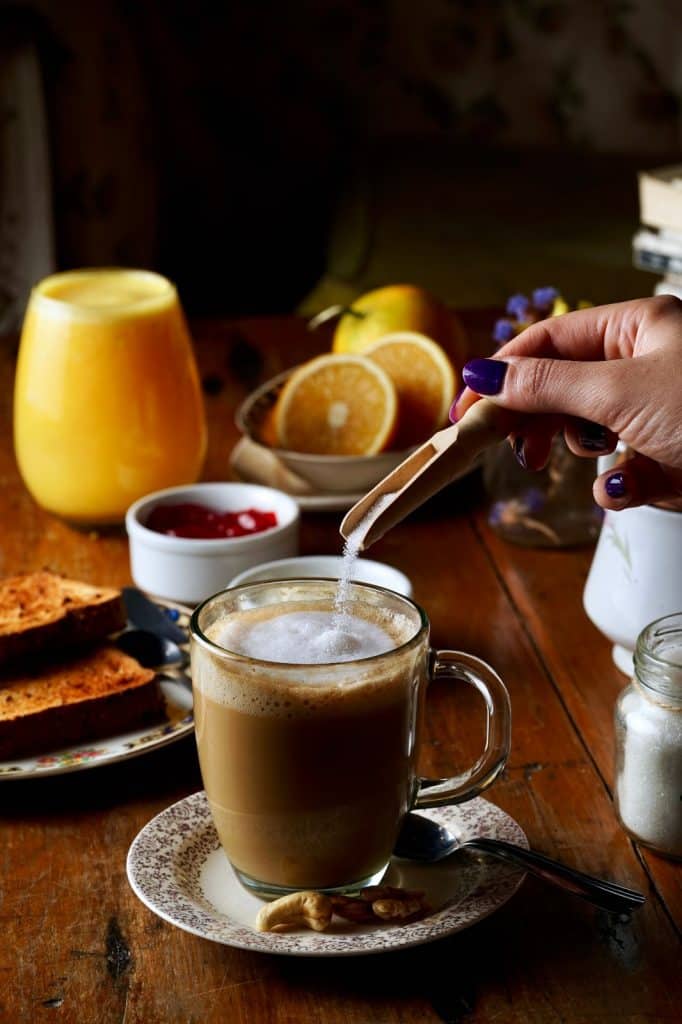
Coffee culture has moved rapidly from a simple choice between blends to detailed conversations about estate, variety, processing and roast. Speciality cafés have trained consumers to recognise washed, natural and honey-processed coffees. Travel takes that curiosity back to the farm.
Ethiopia and Colombia: Coffee as Living Heritage
Western Ethiopia offers an essential starting point. The region is recognised as the birthplace of Arabica coffee, and the Kafa Biosphere Reserve still contains wild coffee varieties within its montane rainforest. Farm and forest visits can be combined with the Ethiopian coffee ceremony, where beans are roasted, ground, brewed and shared as a long act of welcome.
Colombia has developed one of the world’s most polished coffee-travel models. Its UNESCO-listed Coffee Cultural Landscape encompasses six farming landscapes and 18 urban settlements, recognising the relationship between mountain cultivation, community and regional identity.
Working fincas across Quindío, Caldas and Risaralda invite visitors to follow the cherry through picking, depulping, fermentation, drying and roasting. Boutique stays, colourful towns, birdwatching and Andean scenery turn the tasting into a broader cultural journey.
Central America and Indonesia: Farms, Forests and Rare Lots
Costa Rica has integrated coffee tours into its nature-led tourism. Visitors can learn the complete production process before pairing the experience with volcanoes, cloud forests and hot springs. Panama’s Boquete and Volcán highlands attract enthusiasts interested in rare geisha lots and intimate producer-led tastings.
Indonesia creates another wide origin trail across Sumatra, Java, Sulawesi and Bali. Coffee visits here can be linked with volcanic landscapes, food and village life. Ethical selection matters: responsible operators should be transparent about sourcing and avoid attractions associated with confined or force-fed civets.
India and the Growth of Speciality Coffee
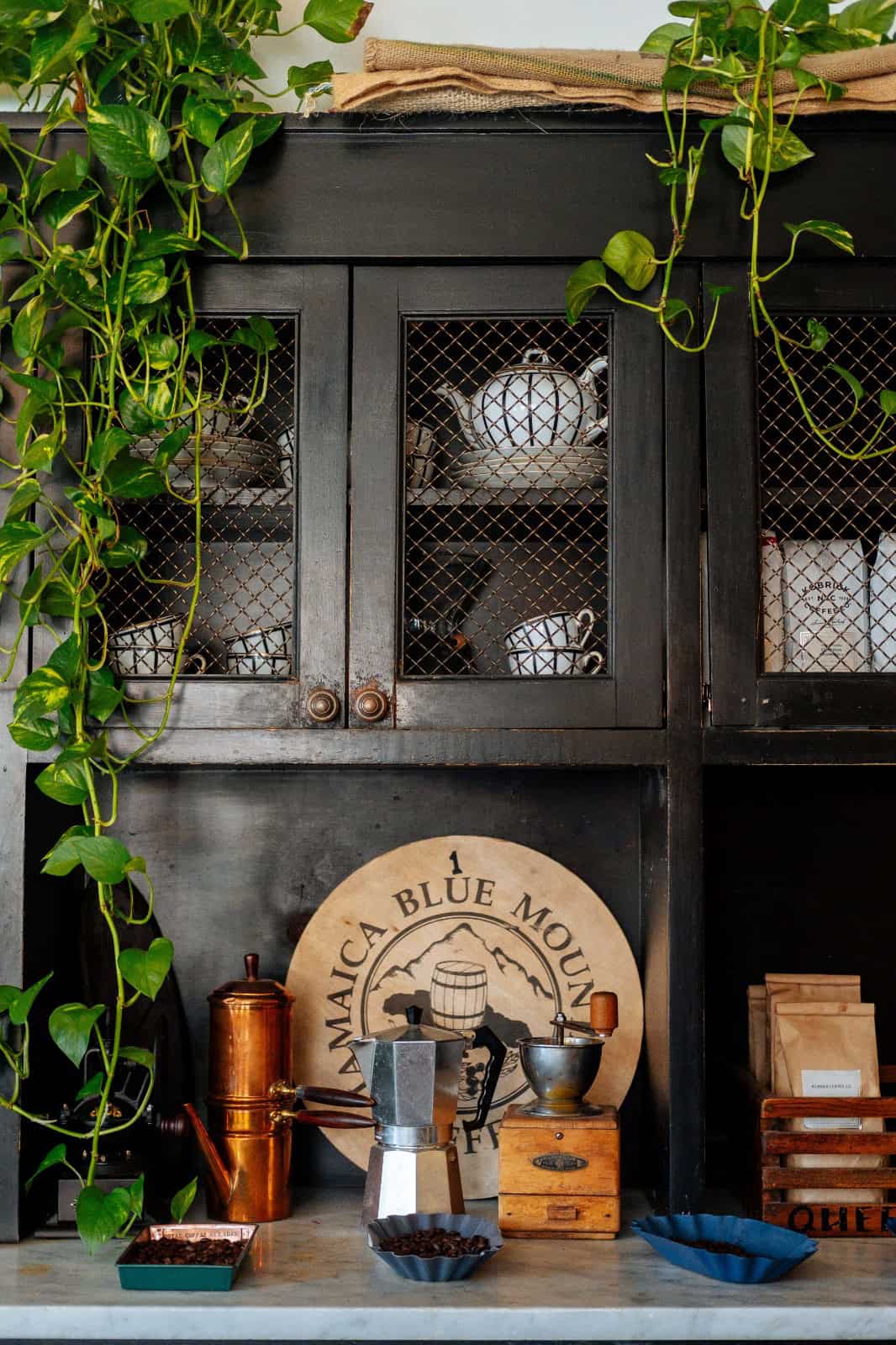
India illustrates how quickly an established growing country can develop a new domestic coffee culture. Its coffee market generated about USD 1.96 billion in 2025 and is projected to reach USD 3.54 billion by 2033, at 7.7% CAGR. Domestic consumption was estimated at 1.36 million 60 kg bags in 2025/26, up from 1.15 million the previous year.
A 2026 speciality coffee analysis identified 84 roasters and 1,009 active or seasonal coffees. The ten largest roasters accounted for only 30.7% of listings, leaving 69.3% spread across 74 independent businesses. The median price reached approximately INR 673 per 250 g, and 59% of the coffees were priced between INR 500 and INR 999.
The branded café segment grew 12.7% in the year ending September 2025, reaching 5,339 outlets. These cafés function as tasting rooms, workspaces and community venues, hosting cuppings, brewing workshops, readings and creative events. They provide the urban doorway to plantation travel.
Coorg and Chikkamagaluru lead that travel story. Coffee grows beneath mixed shade among pepper, cardamom, jackfruit and silver oak. Estate stays offer walks, harvest activities and cupping sessions, often alongside birding, hiking and regional Kodava or Malnad cuisine. Wayanad adds rainforest and spice country, while Araku Valley brings an indigenous, community-linked coffee narrative in the Eastern Ghats.
The most credible coffee retreats explain the ecology as carefully as the brew. Shade-grown cultivation can support tree cover and biodiversity, but standards vary. Travellers should look for clear information about water, chemical inputs, worker welfare and the estate’s relationship with surrounding communities.
Wine Tourism: Where the Glass Meets the Landscape
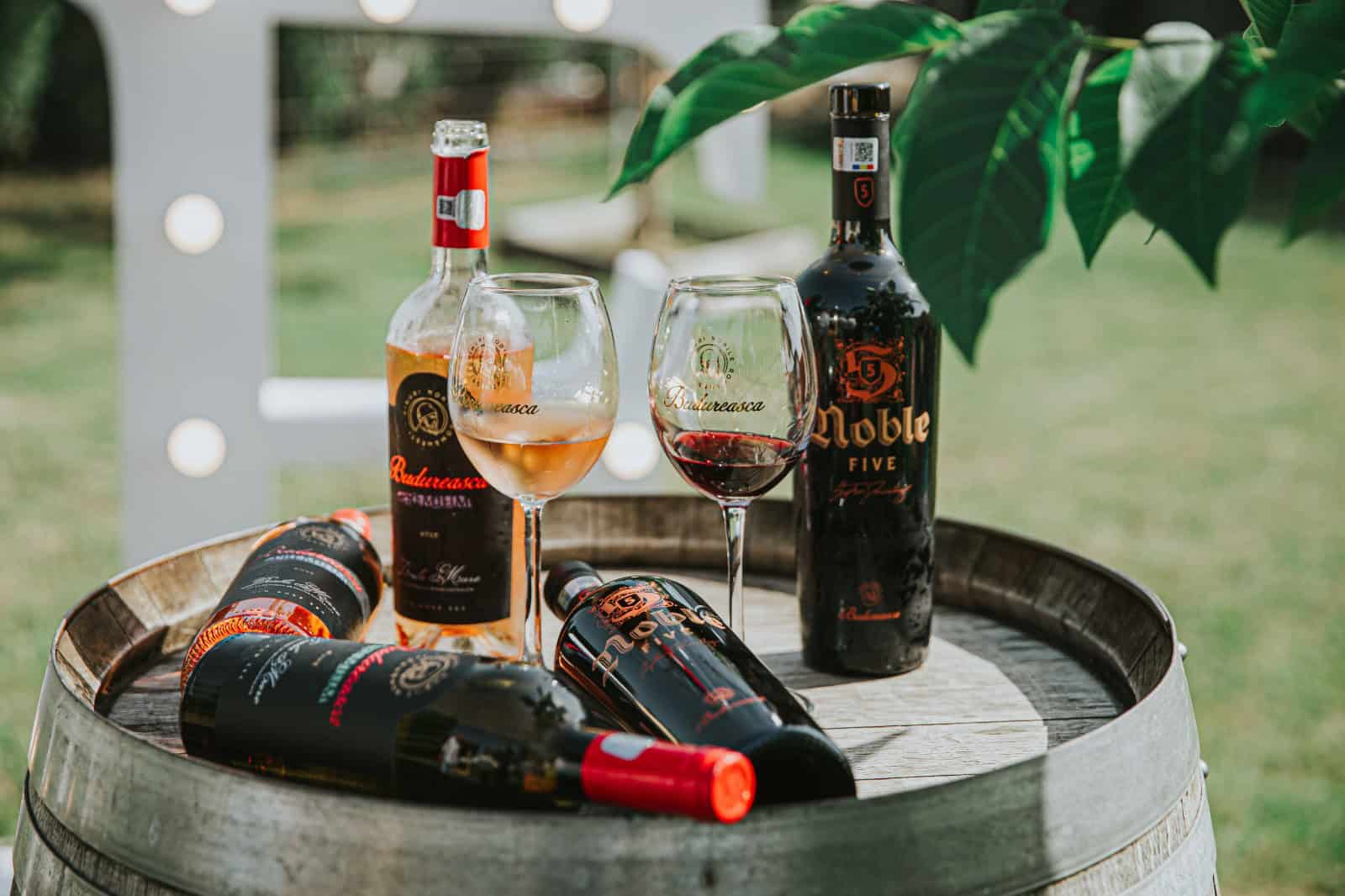
Wine has the world’s most developed network of beverage-led travel. Historic cellars, vineyard hotels, design-driven wineries and destination restaurants can turn a tasting into several days of culture, architecture and food.
Europe’s Classic Routes
France remains central to the wine-travel map. Bordeaux pairs renowned estates with an elegant city and strong gastronomy. Burgundy rewards slow movement through villages and closely defined vineyard sites, while Champagne brings travellers into chalk cellars and the heritage of sparkling wine. French wine routes can now be explored by bicycle, boat, foot and even hot-air balloon.
Italy offers Tuscany’s rural estates, Piedmont’s Barolo and Barbaresco landscapes, Prosecco country in Veneto and the volcanic vineyards of Sicily. Several Italian wine landscapes have UNESCO recognition, including Langhe-Roero and Monferrato.
Portugal’s terraced Douro Valley combines wine estates, river journeys and stays at traditional quintas. Spain adds Rioja, Ribera del Duero, Priorat and Jerez. La Rioja alone has more than 500 wineries, with experiences that range from cellar visits to cycling, architecture and vineyard dining.
The New World and Emerging Wine Destinations
Napa Valley supports more than 400 wineries open for tastings, alongside acclaimed restaurants, spas and luxury resorts. Private appointments and small family estates allow travellers to move beyond the busy tasting-room circuit.
Mendoza places Argentina’s Malbec culture against the Andes. More than 300 wineries are open to visitors across Maipú, Luján de Cuyo and the Uco Valley, where winery restaurants and ambitious architecture have become as important as the cellar tour.
Stellenbosch and Franschhoek combine South African wine with mountain scenery, Cape Dutch heritage and a serious culinary scene. Australia’s Barossa Valley offers more than 150 wineries and 80 cellar doors, while New Zealand’s Central Otago pairs Pinot Noir with cycling and alpine landscapes.
India’s young wine sector adds a useful perspective on how new destinations emerge. Wine sales were estimated at approximately USD 556 million, with projections of USD 792 million by 2027. Domestic production stands near 18 million litres, while annual consumption remains only about 0.04 litres per person.
Nashik has converted that small base into a visible tourism identity. Sula Vineyards produces more than half of India’s domestic wine and, according to the supplied research, attracts around 400,000 visitors annually. Tours, tastings, concerts, resort stays and pairing dinners have made the region a popular short break from Mumbai and Pune. Nandi Hills and Akluj provide smaller alternatives, while Georgia, Uruguay and Brazil demonstrate how quickly the international wine map continues to expand.
Cities Are Creating the Appetite for Origin Travel

The journey often begins long before a flight is booked. Speciality tea houses, independent roasteries and wine bars in cities such as London, Tokyo, Singapore, Dubai, Mumbai and Melbourne introduce drinkers to origin, harvest, processing and pairing. Tasting flights and workshops build enough curiosity for travellers to seek the garden, farm or vineyard behind the menu.
Research describes these venues as modern third spaces. They operate as neighbourhood meeting points, creative studios and learning environments as much as beverage counters. Weekend tea sessions encourage slower brewing with loose leaves and dedicated teaware. Coffee shops host cuppings, latte-art events, poetry readings and launches. Wine bars make unfamiliar regions easier to explore through smaller servings and guided flights.
Convenience is evolving alongside ritual. India’s ready-to-drink tea and coffee market, for example, is projected to rise from USD 3.7 billion in 2025 to about USD 6.9 billion by 2034. Premium brands increasingly present these formats through flavour, provenance and wellness instead of caffeine alone. The same shift is visible internationally: even a drink designed for speed now needs a story.
Wellness Claims Without the Hype
Tea, coffee and wine are often discussed through wellness, but accuracy matters. Green and black tea contain catechins and flavonoids. Research summarised in the supplied material associates regular tea consumption with lower risks of cardiovascular disease, stroke and overall mortality, although results vary and cannot be treated as a guarantee.
Herbal infusions require ingredient-specific judgement. Chamomile, peppermint, tulsi and hibiscus have different evidence bases, while concentrated extracts can behave differently from a brewed cup. Masala chai contains ginger, cardamom, cinnamon and cloves, but sugar and full-fat milk still shape the final nutritional profile.
Moderate coffee consumption of approximately three to five cups daily has been associated with lower risks of type 2 diabetes, liver disease, Parkinson’s disease and certain cancers. These findings are observational and individual caffeine sensitivity varies. High intake may worsen anxiety, sleep or cardiac symptoms, while syrups and cream change the health equation considerably. Decaffeinated coffee retains many polyphenols, so coffee’s potential benefits are not tied to caffeine alone.
Red wine contains polyphenols such as resveratrol, but it should not be presented as a health treatment. The World Health Organization states that no form of alcohol consumption is risk-free, and non-drinkers should not begin for perceived benefits.
For hospitality, the credible approach is to support informed choice: smaller wine pours, alcohol-free options, moderate coffee service and tea programmes that avoid exaggerated promises.
The New Luxury Is Time and Attention
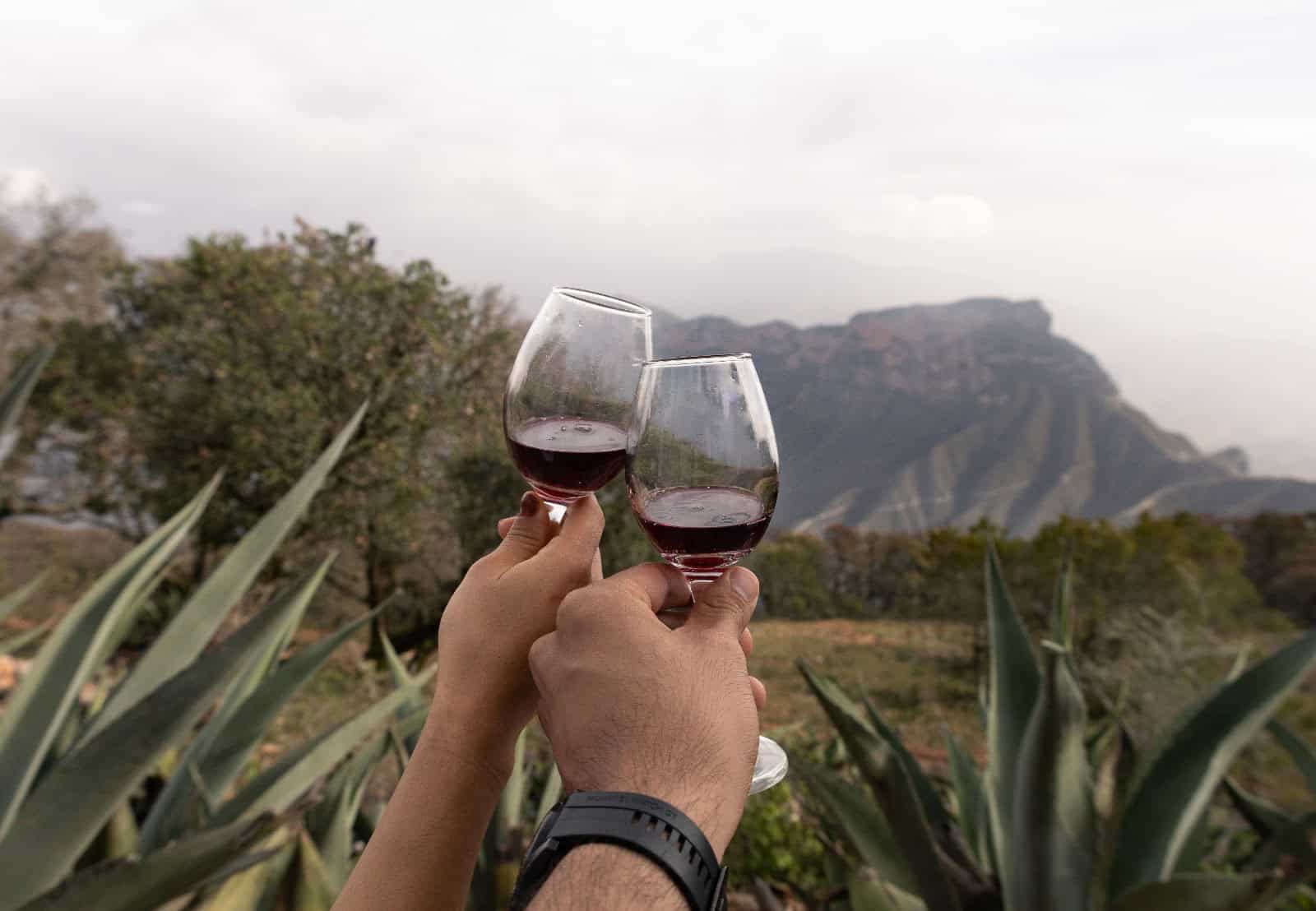
Tea, coffee and wine rituals offer structured pauses in highly digital lives. Watching leaves unfurl, grinding beans by hand or sharing a bottle over a long meal can slow the pace of a day. These small ceremonies also create communities through tea clubs, cupping circles, wine societies, festivals and workshops.
For travellers, the experience becomes most powerful at origin. A plantation or vineyard makes labour, ecology and season visible. It turns flavour into something tangible: altitude underfoot, weather moving across the fields and a producer explaining why one harvest tastes different from the last.
The best itineraries remain spacious. One or two detailed visits in a day leave time for local food, nature and conversation. Private transfers are valuable in wine regions, while seasonal activities should be confirmed before travelling because agricultural calendars change with altitude, climate and hemisphere.
Across tea gardens, coffee forests and vineyards on six continents, luxury is increasingly measured by how closely a traveller can connect with the source. The drink opens the door. Time, understanding and a deeper relationship with place are what make the journey memorable.
Read more – Food Voyager