

Indian biosphere reserves are nature’s classrooms, protecting forests, reefs, mangroves, mountains and communities
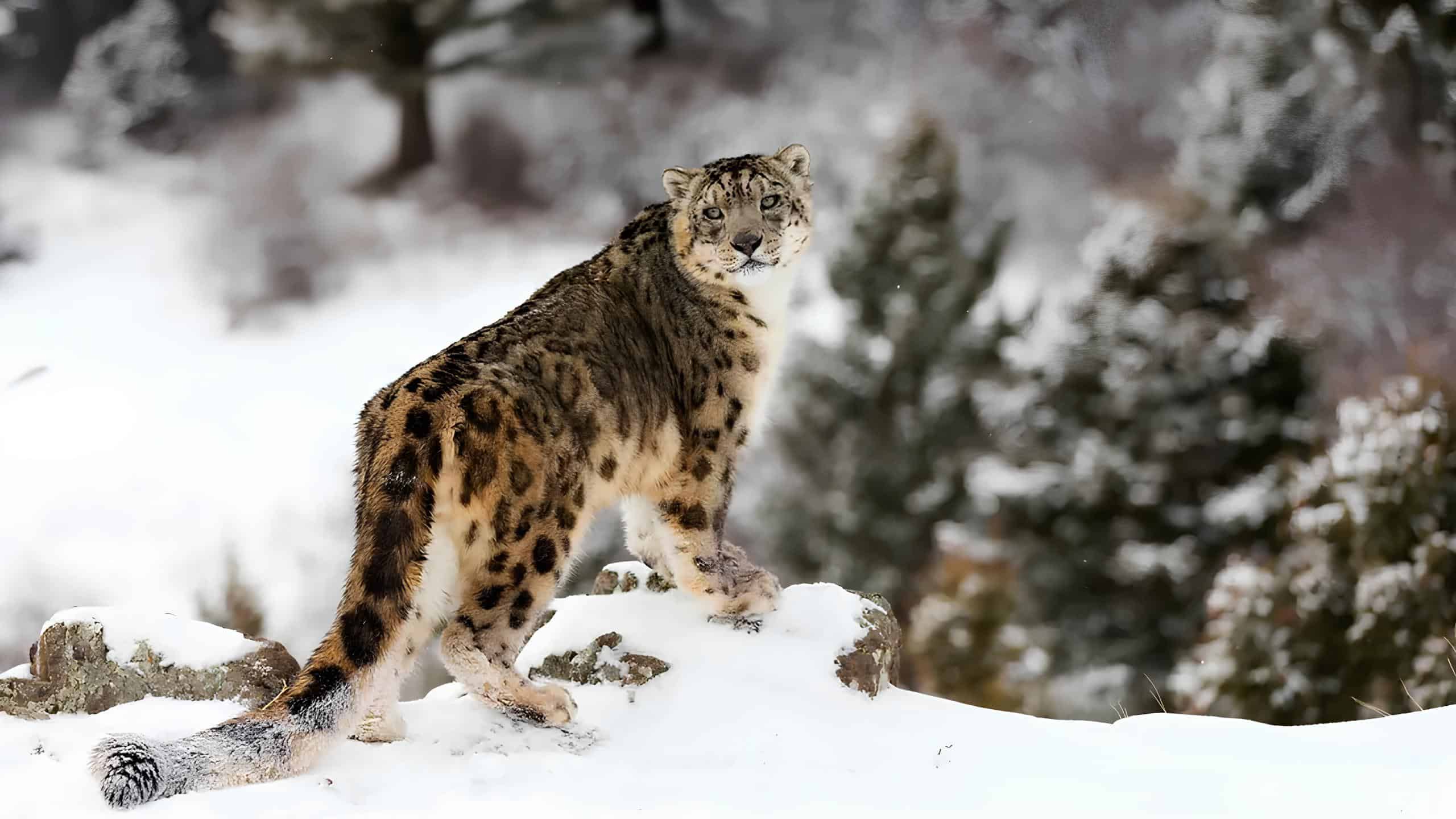
India’s biosphere reserves are among the country’s most absorbing wild landscapes, not only because they protect rare species, but because they hold entire worlds together. Mountains, mangroves, reefs, grasslands, sacred forests, tribal settlements, river systems, pilgrimage routes, research zones, tea estates, fishing villages, and fragile coastlines all sit inside their wider ecological frame. They are not single wildlife parks built around one star animal. They are living landscapes, layered, complex, and often deeply moving.
India has 18 notified biosphere reserves covering about 91,425 square kilometres, with 13 recognised under UNESCO’s World Network of Biosphere Reserves. The scale alone is remarkable. These sites stretch across Himalayan ice fields, tropical rainforests, Central Indian sal forests, high altitude deserts, coral rich waters and tidal mangrove labyrinths. For travellers, especially those seeking thoughtful comfort rather than ordinary sightseeing, they open up a richer idea of nature travel. A journey here may include a tiger trail in the morning, a village kitchen by noon, a temple town at dusk, and a naturalist-led discussion under a sky loud with insects after dark.
At their best, India’s biosphere reserves remind us that wilderness is never empty. It has memory, labour, belief, food, science, livelihood and silence. It also has rules. That is what makes the experience so different. These are places meant for conservation and careful access, where the pleasure of travel sits alongside responsibility.
How Biosphere Reserves Work
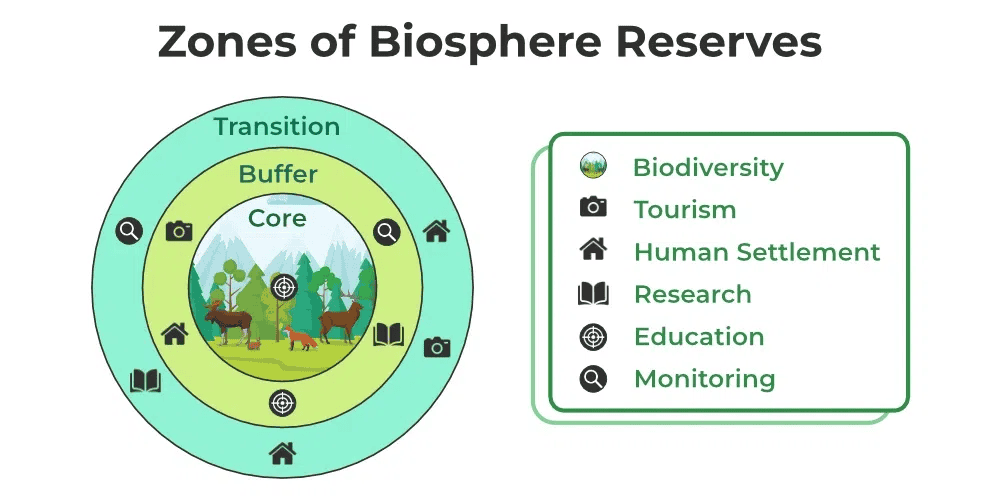
Biosphere reserves emerged through UNESCO’s Man and the Biosphere Programme in the early 1970s. The idea was ambitious but sensible: protect biodiversity while allowing human communities, researchers and visitors the space to explore sustainable ways of living with nature. In simple terms, these are “learning places” for conservation, not fenced-off islands of wilderness.
Each reserve is organised into three zones. The core zone receives the strictest protection. It usually overlaps with a national park, sanctuary or fragile habitat where research and conservation matter most. Tourism, if allowed, stays highly regulated. Around it lies the buffer zone, where nature education, limited tourism, research and interpretation may take place. Beyond that sits the transition zone, often the most human part of the reserve, with farms, villages, temples, markets, homestays, craft traditions and livelihoods linked with the landscape.
For the traveller, this zoning creates a layered experience. One day may involve a jeep drive through tiger country. The next may lead into a village walk, a forest produce story, a monastery visit, a coastal fishing settlement, or a reef interpretation session. The finest biosphere journeys do not rush through these layers. They listen.
The New Meaning of Luxury in Wild Landscapes
Luxury in these landscapes rarely means chandeliers, grand entrances or highly polished urban hospitality. It tends to be quieter. A private deck over a forest stream. A warm meal after a cold trek. A guide who can read pugmarks in damp soil. A small boat entering a creek at first light. A stone fireplace in a restored planter’s bungalow. Clean design, deep knowledge and a sense of being placed properly inside the landscape.
In popular wildlife circuits such as the Nilgiri landscape or Satpura, high comfort lodges offer spacious rooms, excellent guiding, private drives, local cuisine and careful design. Yet the best properties keep a low profile, using local materials, rainwater harvesting, rewilded gardens and community employment. In remote reserves such as Great Nicobar or the Cold Desert, luxury becomes even more elemental. A heated room, reliable hot water, a skilled spotter, safe access and honest information may matter far more than decorative indulgence.
Timing shapes the journey too. The Western Ghats, including Nilgiri and Agasthyamalai, are best between November and March for clear skies and wildlife sightings, while the monsoon turns the forests lush, moody and waterfall rich. The Sundarbans and Gulf of Mannar work beautifully between November and February, when boat excursions are more comfortable. Central Indian highlands such as Similipal, Pachmarhi, Achanakmar, Amarkantak and Panna are rewarding between October and March, with April and May favouring intense big cat sightings. Himalayan and cold desert reserves have their own calendar. Nanda Devi, Khangchendzonga and similar high country open best through the warmer months, while Spiti’s snow leopard season comes in deep winter.
A good biosphere trip is rarely accidental. It is planned around seasons, access, permits, walking ability and local conditions. That planning, far more than extravagance, creates the real privilege.
Nilgiri Biosphere Reserve: The Western Ghats Classic
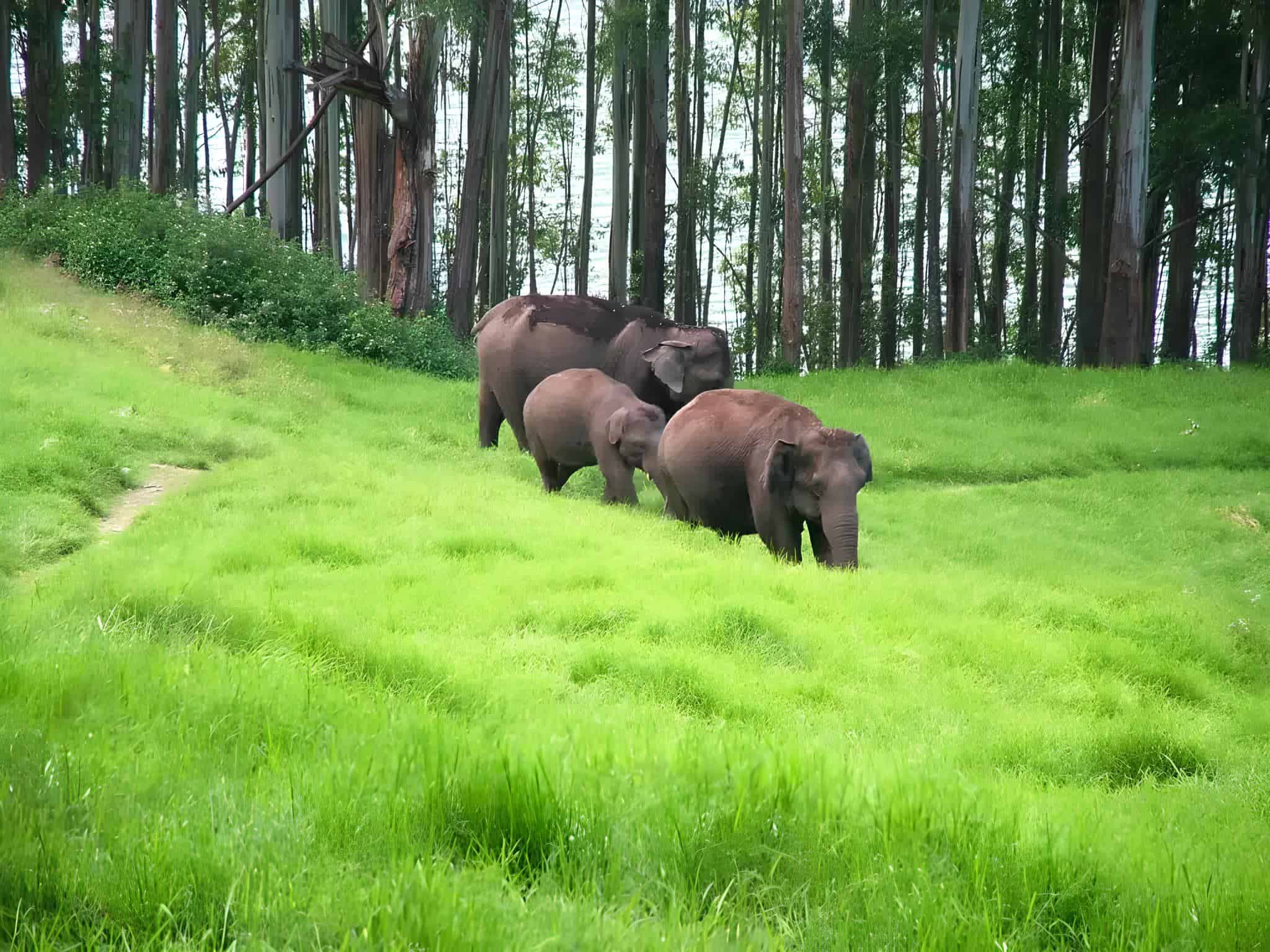
The Nilgiri Biosphere Reserve was India’s first biosphere reserve, established in 1986. It stretches across Tamil Nadu, Karnataka and Kerala, joining the Nilgiri Hills with major Western Ghats habitats. Its sweep includes Bandipur, Nagarhole, Mudumalai, Wayanad and Silent Valley, along with montane shola forests, grasslands, tea estates, coffee estates and deciduous forests.
This is one of India’s great biodiversity landscapes. Tigers, Asian elephants, gaur, Nilgiri tahr, lion-tailed macaques, endemic amphibians and rich birdlife all share this ecological mosaic. Yet Nilgiri’s charm lies in its variety. It can be safari country, hill station memory, plantation retreat and rainforest classroom in one journey.
Kabini, on the Nagarhole fringe, remains a favourite high comfort base. Here, riverine safari landscapes meet stylish lodges with private decks, guided jeep drives, boat safaris and naturalists who turn every track and alarm call into part of a larger story. Around Ooty and Coonoor, restored bungalows bring another mood: fireplaces, old stone walls, tea tastings, misted windows and drives through shola patches where sambar and gaur appear quietly through folds of cloud.
Nilgiri suits travellers who want comfort with ecological depth. It is polished enough for first-time wildlife lovers, yet diverse enough for serious naturalists.
Sundarbans Biosphere Reserve: Tides, Tigers and Mangrove Mystery
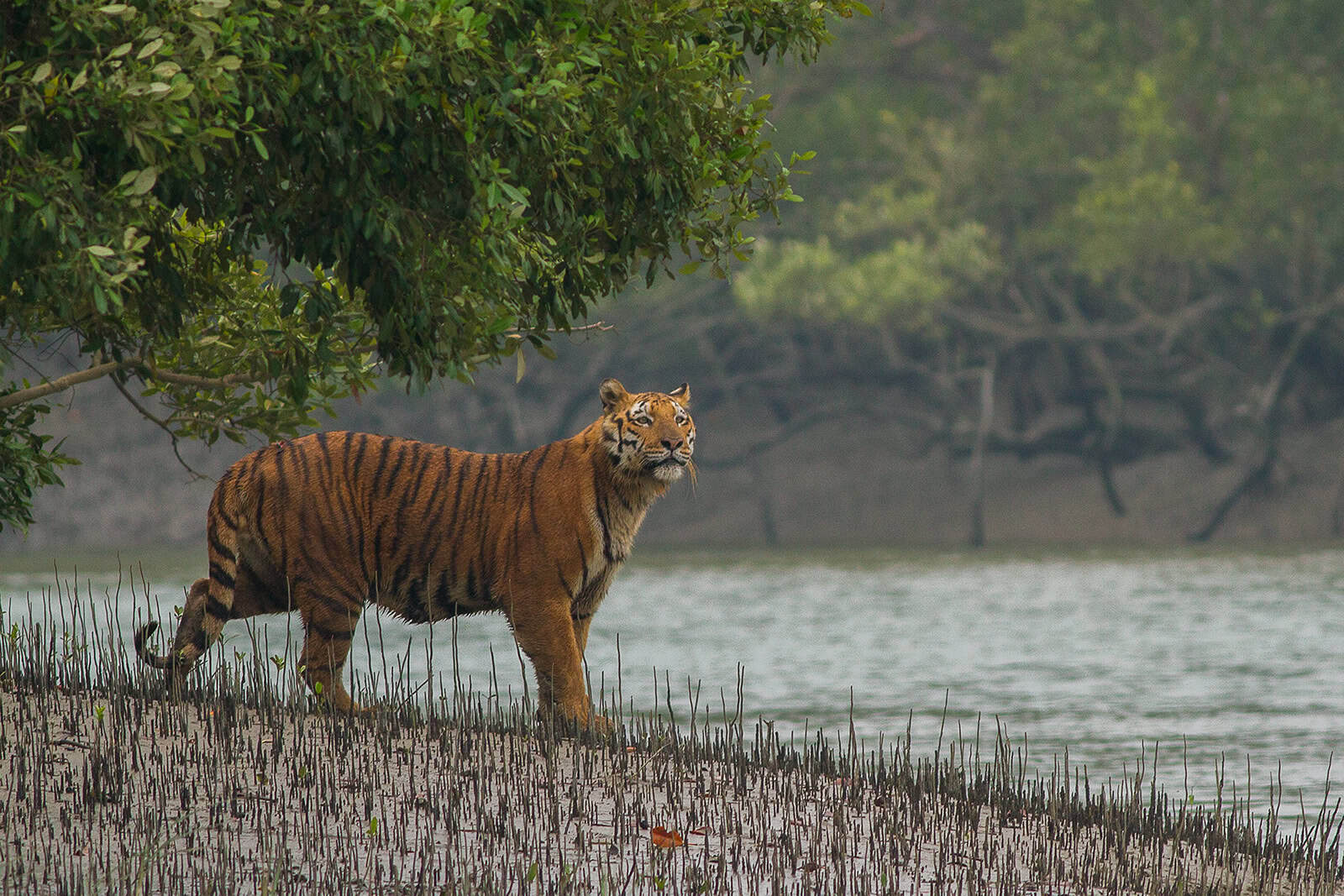
The Sundarbans Biosphere Reserve in West Bengal forms part of the world’s largest mangrove forest, a vast delta shared with Bangladesh at the mouth of the Ganga, Brahmaputra and Meghna river system. Spread across channels, mudflats, islands and tidal forests, it is one of India’s most atmospheric wild places.
The Royal Bengal Tiger is the headline species, yet the Sundarbans is much more than tiger country. Estuarine crocodiles, Gangetic dolphins, fishing cats, monitor lizards, raptors, waders, mangrove specialists, and countless aquatic species live within this shifting world of salt and silt. Human life here is equally compelling. Honey collectors, fishers and island communities negotiate tides, storms, wildlife and livelihood with a courage that gives the region its emotional weight.
Travel here unfolds by boat. Multi-day cruises and boutique river lodges place guests at the edge of creeks and channels, where dawn light catches mangrove roots, and bird calls echo across the water. Sightings are never theatrical on demand. A tiger may remain absent, marked by pugmarks on wet mud. A crocodile may slide away before the camera lifts. A dolphin may surface once, then vanish.
That uncertainty is part of the spell. Comfortable cabins, fresh fish, rice-based local meals, quiet decks and good interpretation create a style of travel that feels slow, tidal and strangely elegant. Sundarbans is best for travellers who value mood, rarity and patience over easy spectacle.
Nanda Devi and Valley of Flowers: Himalayan Grandeur With a Pilgrim Heart
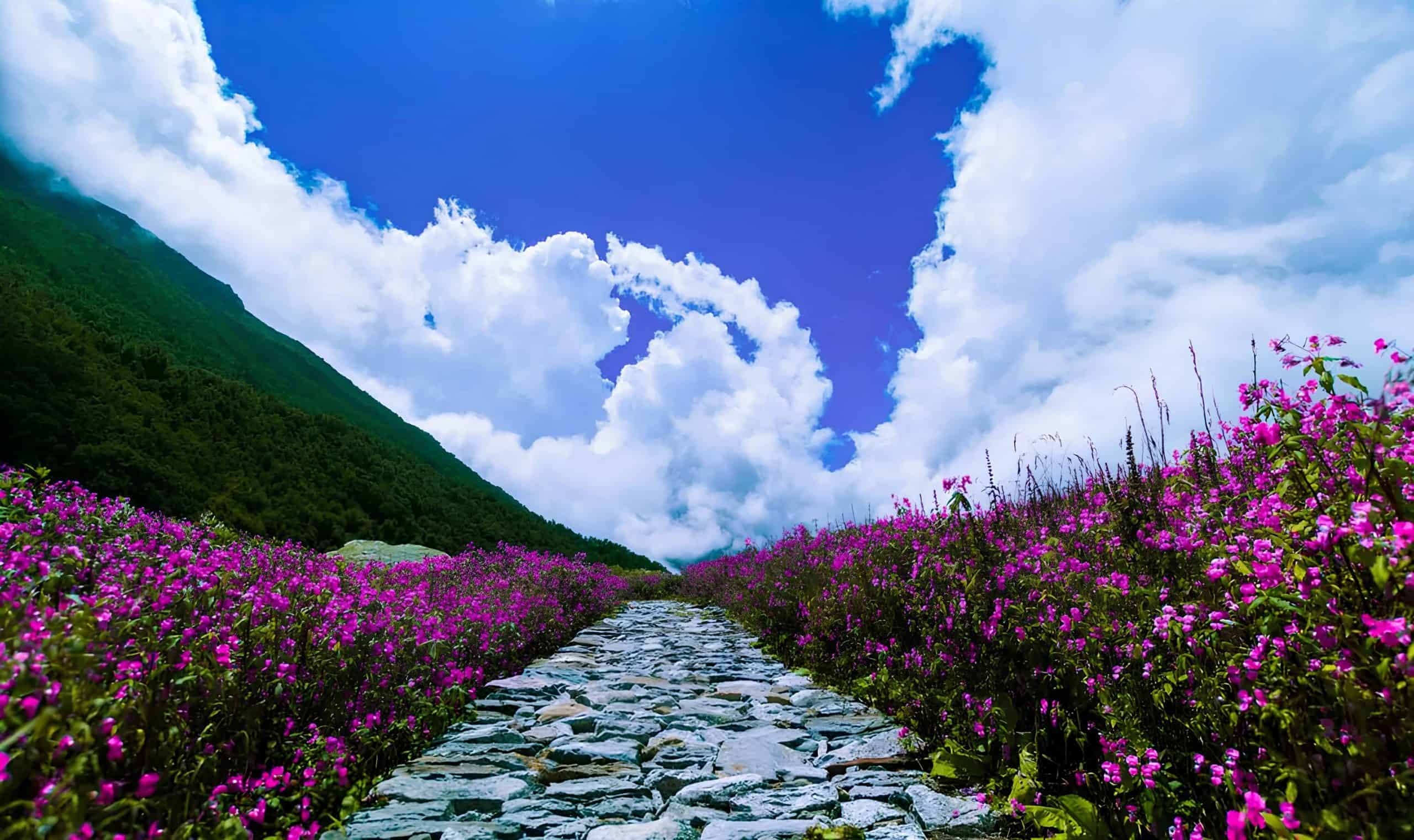
The Nanda Devi Biosphere Reserve in Uttarakhand includes Nanda Devi National Park and the Valley of Flowers National Park, both part of a UNESCO World Heritage landscape. The altitude range is dramatic, rising around the Nanda Devi massif and sheltering snow leopards, Himalayan musk deer, blue sheep, high altitude birds and hundreds of alpine plants.
The Valley of Flowers is the lyrical heart of the reserve. In summer, especially between July and September, meadows burst into colour with primulas, anemones, orchids and other Himalayan blooms. Streams cut through the valley, clouds gather suddenly, and snow-edged ridges frame the scene with a scale that makes human movement feel modest.
Access here is Trek-based. Journeys usually begin around Govindghat and move through Ghangaria, with routes leading into the Valley of Flowers or higher toward Hemkund Sahib, the revered Sikh pilgrimage site. Accommodation on the trail remains simple, though better organised camps and trekker lodges now offer more comfort through improved bedding, hot meals and porter support.
Down valley, Joshimath and Auli provide gentler pleasures before and after the trek: mountain views, local cuisine, cable car rides, temple visits and evenings shaped by stories of the high Himalaya. Nanda Devi suits strong walkers, seekers of beauty and travellers who like their landscapes with a spiritual undertone.
Gulf of Mannar Biosphere Reserve: Reefs, Seagrass and Sacred Shores
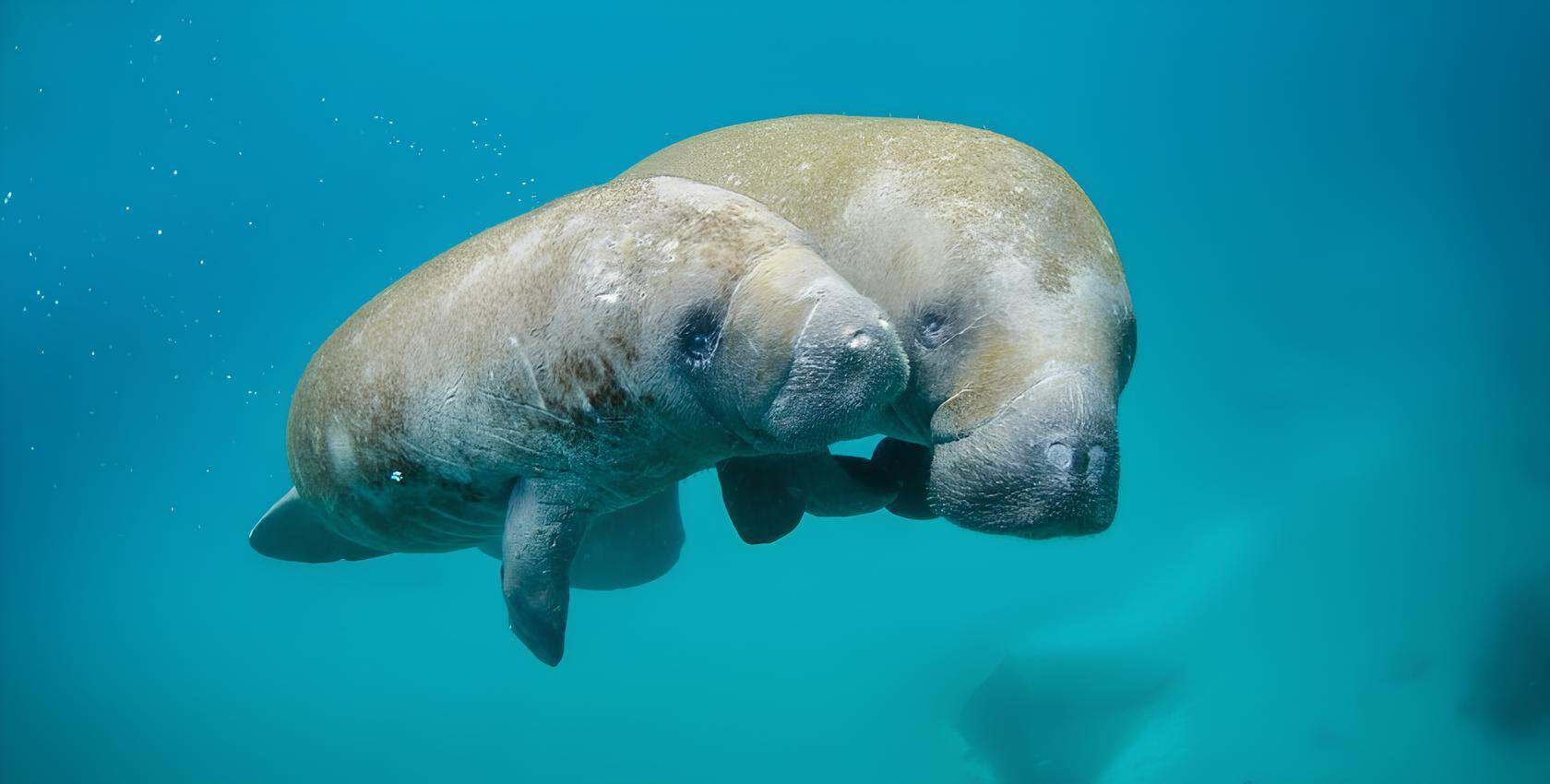
The Gulf of Mannar Biosphere Reserve in Tamil Nadu covers around 10,500 square kilometres of coastal waters, islands and shoreline between Rameswaram and Kanyakumari. It is India’s largest biosphere reserve by area and among its most fragile marine ecosystems.
The reserve includes 21 small islands, coral reefs, seagrass meadows and mangrove patches. More than 3,600 species have been recorded here, including reef fish, sea turtles and the endangered dugong, often called the sea cow. This is not a flashy marine playground. It is quieter, subtler, and ecologically precious.
Most visitors stay around Rameswaram or Mandapam. Regulated glass-bottom boat rides and snorkelling in designated areas reveal coral formations, seagrass beds and marine life under careful supervision. Trained boatmen and conservation groups increasingly play an important role in interpretation, helping visitors understand the sensitivity of the habitat.
The travel experience often blends ecology with pilgrimage. Ramanathaswamy Temple, Dhanushkodi’s wind swept remains, sea-facing stays and conversations around marine conservation give the region a layered quality. The Gulf of Mannar is ideal for travellers interested in coastal ecology, temple culture and low-key seaside comfort, not high-adrenaline water sports.
Similipal Biosphere Reserve: Odisha’s Waterfall-Rich Forest World
Similipal Biosphere Reserve in Odisha forms the core of the Mayurbhanj Elephant Reserve and spans roughly 4,374 square kilometres of sal forests, river valleys, grasslands and waterfalls. Once a royal hunting ground, it is now a tiger reserve, elephant stronghold and one of eastern India’s most rewarding forest landscapes.
The reserve is known for species such as tiger, elephant, gaur, four-horned antelope, giant squirrel and rich birdlife. Its waterfalls give it a powerful visual identity. Barehipani, plunging nearly 400 metres, ranks among India’s tallest waterfalls, while Joranda adds another dramatic forest spectacle.
Similipal remains less commercial than many popular tiger reserves. That rawness is part of its appeal. Lodges and nature stays on the periphery, including cottage style accommodation, offer jeep safaris, walks and cultural experiences linked with Munda and Kharia communities. Food, music, forest knowledge and local craft add a human depth that polished wildlife circuits sometimes lose.
The road journey can take patience, especially via Bhubaneswar or Kolkata, but the reward is clear: lower visitor pressure, old growth forest atmosphere and a sense of travelling inside a landscape still able to surprise.
Pachmarhi Biosphere Reserve: Satpura’s Forests, Caves and Hill Station Grace
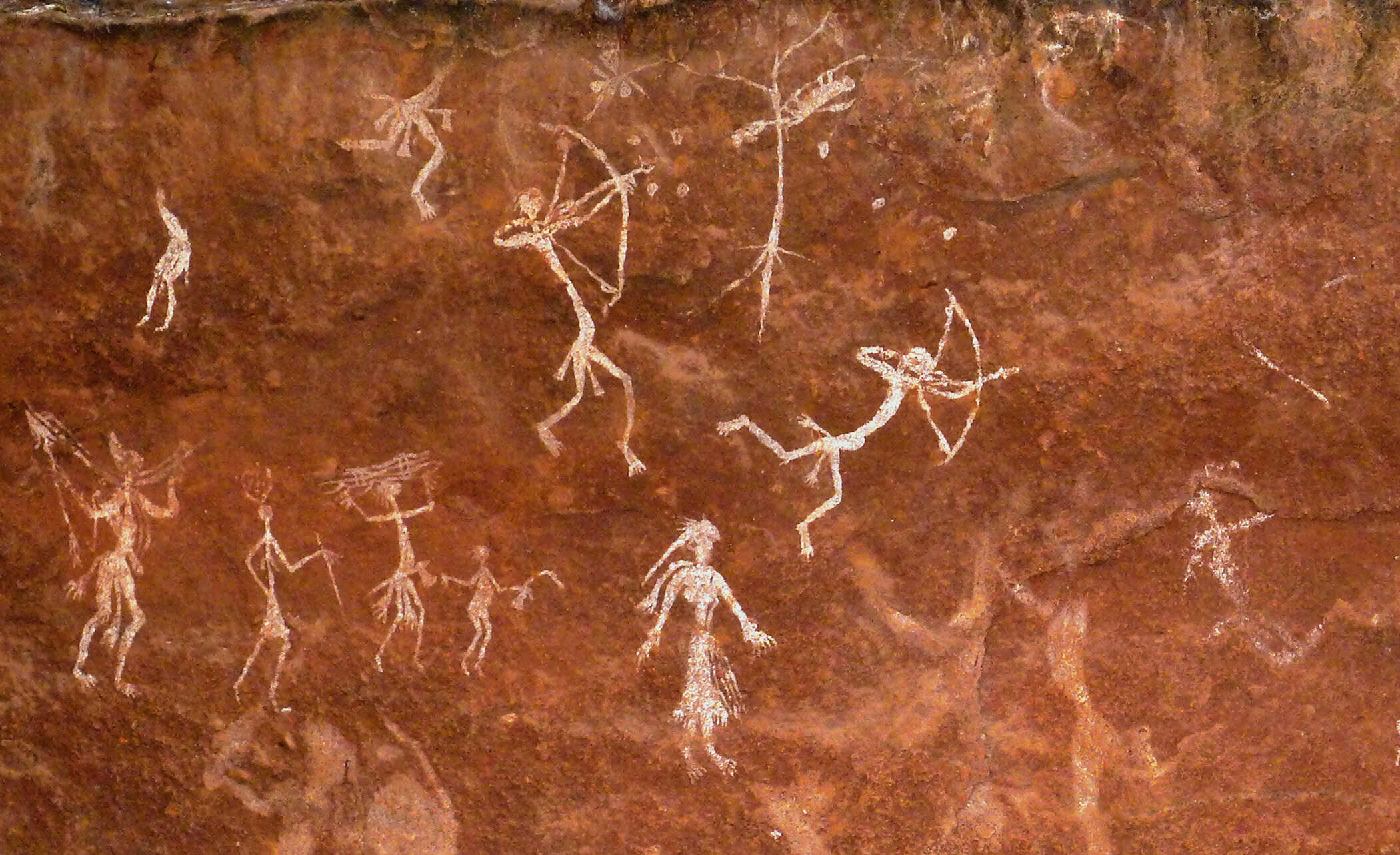
Pachmarhi Biosphere Reserve in Madhya Pradesh covers the Satpura ranges and includes Bori Sanctuary, Satpura National Park and Pachmarhi Sanctuary. Its landscape combines sandstone cliffs, deep ravines, dense forests, waterfalls and caves with prehistoric rock art.
Wildlife includes tigers, leopards, sloth bears, gaur and a wide range of birds. Satpura National Park has earned a reputation for a calmer safari culture, with fewer vehicles and more varied activities than many famous tiger reserves. Canoe safaris, walking trails, jeep drives and boat-based exploration create a slower, more intimate encounter with the forest.
Pachmarhi town adds an old-world note. Churches, colonial bungalows, shaded avenues and heritage hotels give it a quiet hill station rhythm. Travellers can walk through cave sites, visit Bee Falls and Duchess Falls, watch sunset at Dhoopgarh, then spend another day tracking wildlife in Satpura.
This reserve is perfect for those who like natural history mixed with architectural memory. It does not shout. It settles in.
Great Nicobar Biosphere Reserve: Wilderness at the Edge
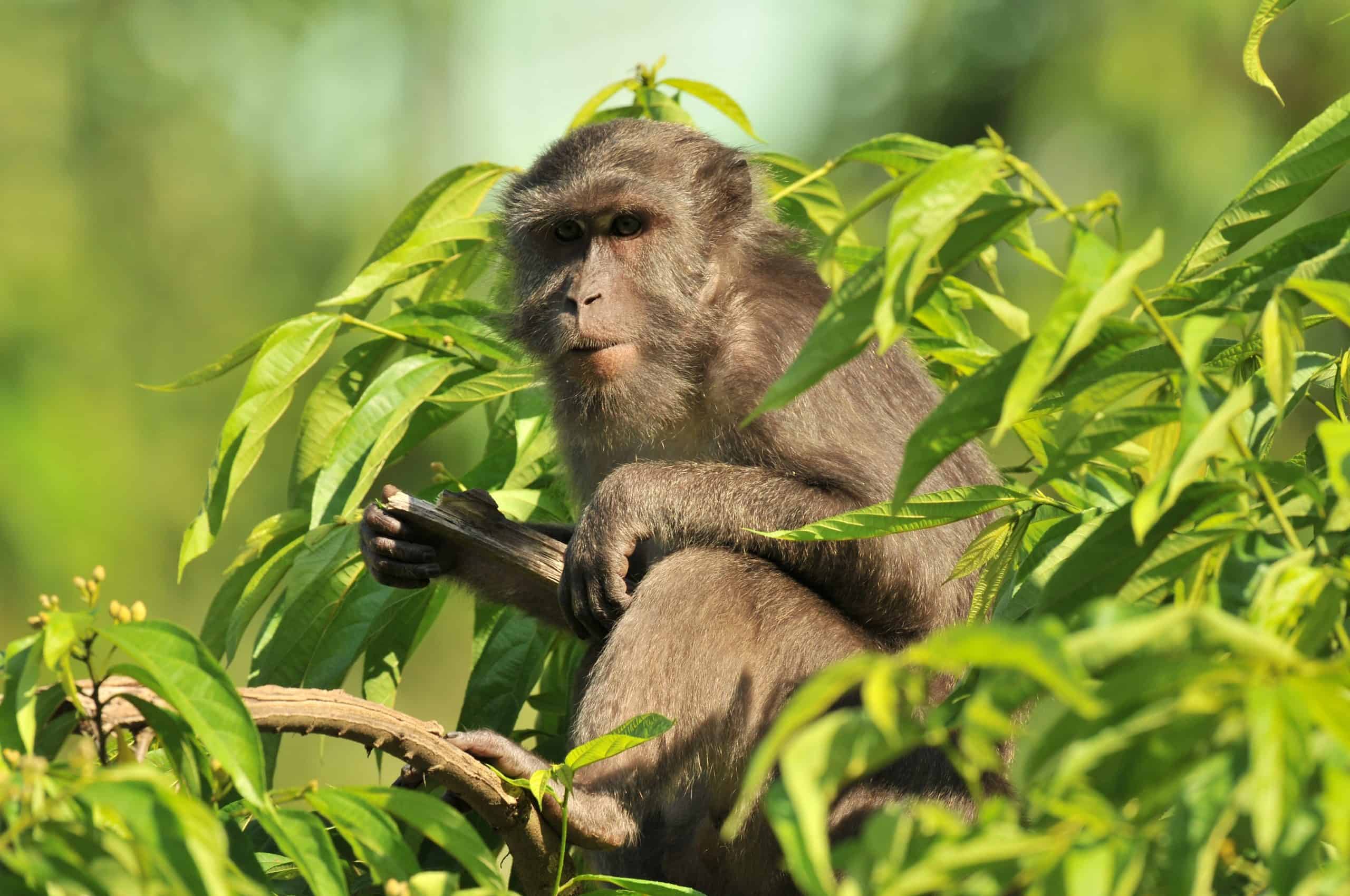
Great Nicobar Biosphere Reserve lies in the southern Andaman and Nicobar Islands, one of India’s most remote ecological frontiers. Dense tropical rainforest, coastal ecosystems, high rainfall and extraordinary endemism define the region. Campbell Bay and Galathea National Parks fall within its larger frame.
The reserve shelters the Nicobar megapode, saltwater crocodiles, marine turtles and rich island flora. It also overlaps with the territories of indigenous communities such as the Shompen and Nicobarese. Their rights, privacy and safety are central reasons behind the tight access restrictions across much of the island.
There are no conventional luxury resorts here. Tourism infrastructure remains minimal, and permits are essential. Visitors stay in basic government lodges or modest accommodation, with movement limited according to rules and ecological sensitivity. For committed nature travellers, however, the rewards are profound: rainforest canopies filled with birdlife, beaches marked by turtle nesting and a rare sense of distance.
Khangchendzonga Biosphere Reserve: Sacred Peaks and Sikkimese Soul

Khangchendzonga Biosphere Reserve in Sikkim centres on the world’s third-highest mountain and the glaciers, valleys and forests around it. It is recognised as a biosphere reserve and also as India’s first mixed World Heritage Site, valued for both natural and cultural significance.
The biodiversity is exceptional. Red pandas, snow leopards, Himalayan tahr, pheasants and high altitude flora inhabit its varied zones. Yet the mountain’s cultural role gives the reserve its deeper resonance. For the Lepcha and Bhutia communities, the landscape is sacred. Peaks, lakes, caves and forests belong within a spiritual geography shaped by Buddhist belief and local mythology.
Travel often takes the form of trekking and cultural exploration. Routes such as Dzongri and Goecha La draw walkers toward dramatic views of Khangchendzonga. Lower altitude journeys through Yuksom, Pelling, and West Sikkim combine monastery visits, village stays, birding trails and organic farms.
Accommodation ranges between homestays and boutique mountain hotels, many with views that feel almost ceremonial at dawn. Khangchendzonga suits travellers who want culture and ecology interwoven, with the mountain not as a backdrop but as a presence.
Cold Desert Biosphere Reserve: Spiti’s Stark Beauty
The Cold Desert Biosphere Reserve in Himachal Pradesh covers high altitude trans Himalayan terrain in parts of Lahaul and Spiti, including areas such as Pin Valley National Park and Kibber Wildlife Sanctuary. Recognised under UNESCO’s global network in 2025, it spans elevations around 3,300 metres up to 6,600 metres.
At first glance, the landscape appears bare. Brown mountains, pale light, thin air and spare vegetation dominate the view. Yet life here is astonishingly adapted. Snow leopards, Himalayan ibex, blue sheep, golden eagles and lammergeiers inhabit this severe terrain, alongside communities whose villages, monasteries and fields survive against climatic extremes.
Winter snow leopard expeditions have become the signature experience. Small groups stay in homestays or simple lodges around Kibber, Langza and nearby villages. Local spotters scan ridgelines for hours, while guests wait behind scopes, sipping butter tea near bukhari stoves between sessions outside. Sightings are never guaranteed. The search itself becomes the journey.
In warmer months, road trips across Kaza, Pin Valley and Chandratal bring a different pleasure: high passes, monasteries, austere valleys and fixed camps that place design behind landscape. This is luxury stripped down to clarity, skill and access.
Agasthyamalai Biosphere Reserve: The Medicinal Mountains of the South
Agasthyamalai Biosphere Reserve straddles Kerala and Tamil Nadu in the southern Western Ghats. Centred on the Agastya peak region, it carries strong mythological associations and exceptional botanical richness. Its forests are known for medicinal plants, rare herbs and endemic species, while protected areas such as Neyyar, Peppara and Shendurney contribute to a larger elephant and tiger landscape.
This place has a more intimate, research driven quality. Access to Agasthyarkoodam peak and core forest areas is tightly regulated through limited permits, often linked with pilgrimage and trekking windows. Stays are simple, usually forest rest houses or modest eco lodges at the edge of rainforest zones.
The best way to experience Agasthyamalai is with a botanist, forest guide or serious interpreter. Here, the thrill lies in plant knowledge, stream ecology, myth, rain sounds and the feeling of being inside one of the oldest green landscapes in India.
Nokrek Biosphere Reserve: Citrus, Red Pandas and Garo Hills Culture
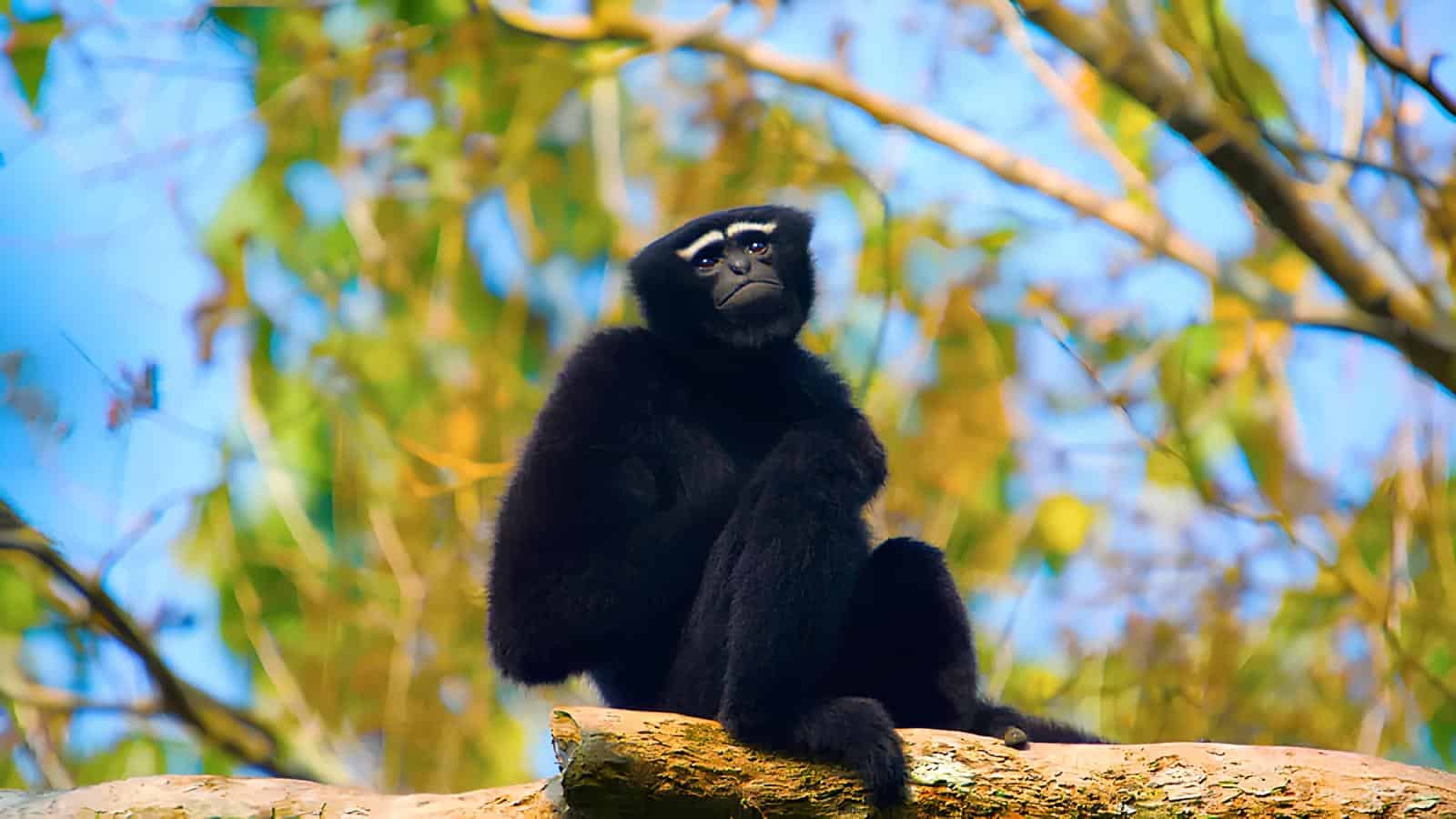
Nokrek, Meghalaya’s only biosphere reserve, lies in the Garo Hills and entered UNESCO’s World Network in 2009. Centred around Nokrek Peak, it contains evergreen and semi evergreen forests, bamboo stands and remarkable wild citrus diversity, including the Indian wild orange protected in a Citrus Gene Sanctuary.
The wildlife list is impressive: red panda, Asian elephant, clouded leopard, hoolock gibbon, Bengal slow loris, birds, orchids and rich insect life. Yet Nokrek’s charm is also cultural. Garo communities, local guides, small guesthouses and eco camps shape the visitor experience.
Travel usually begins via Tura. Treks pass through forested ridges, limestone caves and viewpoints. October through May offers safer trails and better access, while the monsoon turns the forest lush but demanding. Nokrek suits birders, botanists and travellers curious about Northeast India’s softer, rain washed landscapes.
Achanakmar Amarkantak Biosphere Reserve: Rivers, Sal Forests and Sacred Plateaus
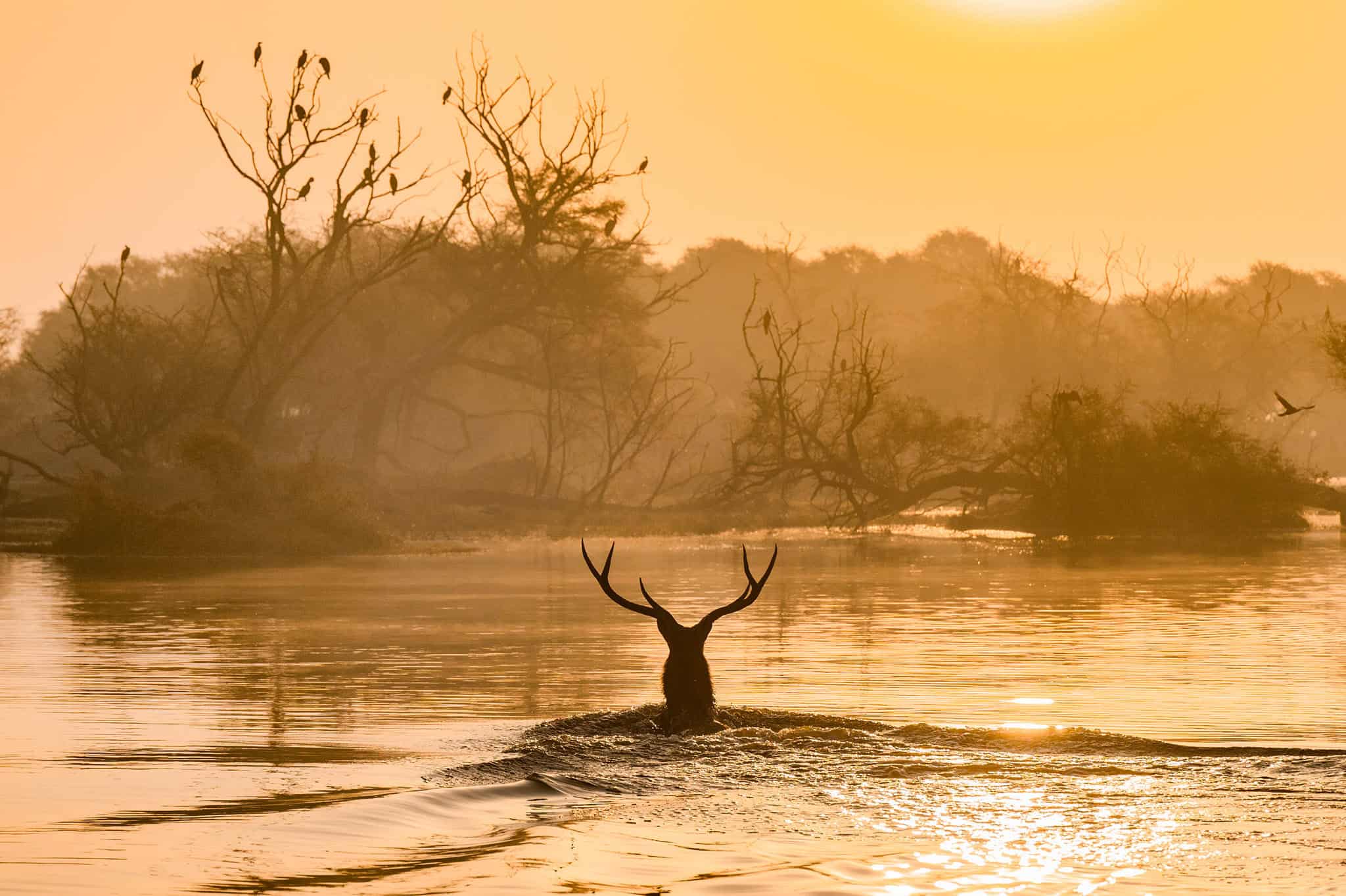
Achanakmar Amarkantak Biosphere Reserve spans parts of Chhattisgarh and Madhya Pradesh, linking Achanakmar Tiger Reserve with the sacred Amarkantak plateau. It covers around 3,835 square kilometres and sits within the Maikal hills of the Satpura system.
The reserve is one of peninsular India’s major watershed landscapes. The Narmada, Son and Johilla river systems originate in this region, giving it immense ecological and cultural value. Sal and bamboo forests support tigers, leopards, gaur, wild dogs, four horned antelope and many threatened species. Tribal communities and pilgrimage traditions deepen the human geography.
Achanakmar offers jeep safaris through sal forest corridors, birding, nature walks and environmental education. Amarkantak adds temples, ashrams and river origin sites, making the journey as much about water and belief as wildlife. Accommodation remains modest, with forest rest houses, simple resorts and homestays forming the base.
Panna Biosphere Reserve: The Tiger Comeback Story
Panna in Madhya Pradesh has one of India’s most dramatic conservation stories. After losing its tiger population in 2009 due to poaching, the park witnessed a carefully managed translocation programme that brought tigers back. Over the following decade, the population recovered, turning Panna into a powerful case study in ecological loss and resilience.
The Ken River gives the reserve a striking character. Canyons, teak forests, grasslands and riverine habitats support tigers, leopards, gharials, vultures and other wildlife. Boutique lodges and camps along the Ken offer boat safaris, buffer zone drives, nature walks and excursions linked with nearby Khajuraho.
Panna appeals to travellers who like a conservation narrative behind the journey. Evening talks, guide stories and river safaris add weight to the experience. It is beautiful, yes, but also instructive.
Why These Landscapes Matter Now
India’s biosphere reserves matter because they protect systems, not isolated attractions. Mangroves in the Sundarbans help buffer storms. Coral reefs and seagrass beds in the Gulf of Mannar support fisheries and marine life. Central Indian sal forests regulate local climates and shelter wildlife corridors. Himalayan reserves preserve water sources, alpine habitats and sacred landscapes under pressure.
They also show how conservation must include people. Honey collectors, fishers, farmers, herders, monks, guides, spotters, homestay owners and forest communities are not outside the story. They are often central to it. Buffer and transition zones allow sustainable livelihoods such as community based tourism, organic farming, responsible guiding and conservation linked enterprise.
For a discerning traveller, biosphere reserves reframe what a meaningful journey can be. The most memorable moment may not be a tiger sighting. It may be a snow leopard spotter explaining tracks in Spiti, a Garo guide identifying wild citrus in Nokrek, a boatman speaking of dugongs in the Gulf of Mannar, or a quiet evening in Pachmarhi where rock art, forest and weather seem part of the same conversation.
Travelling Well, Travelling Light
Choosing the right operator matters. The best partners hire local staff, respect access rules, manage waste honestly, limit water stress, follow speed and noise regulations, and contribute in visible ways to conservation or community welfare. Travellers should ask direct questions before booking. Where does the food come through? Who guides the walks? How is waste handled? Does revenue support local people?
Respect becomes even more important in reserves with indigenous communities, such as Great Nicobar, Nokrek or parts of the Sundarbans. Photography restrictions, trail limits and interaction rules are not inconveniences. They exist for safety, dignity and cultural protection.
A biosphere journey rewards curiosity. It asks travellers to slow down, read the land, accept uncertainty and enjoy comfort without demanding control over every outcome. In a changing climate, these reserves are more than beautiful escapes. They are reference landscapes, warning systems, classrooms and sanctuaries.
For India’s travel imagination, they offer a powerful future facing narrative. The finest journeys ahead may be those where luxury does not stand apart from the wild, but learns how to belong within it.
Read more – Discover Your India