

Iceland’s 2026 trekking season calls planners toward glaciers, geothermal valleys, and unforgettable Highland trails ahead, guided by Arctic Adventures
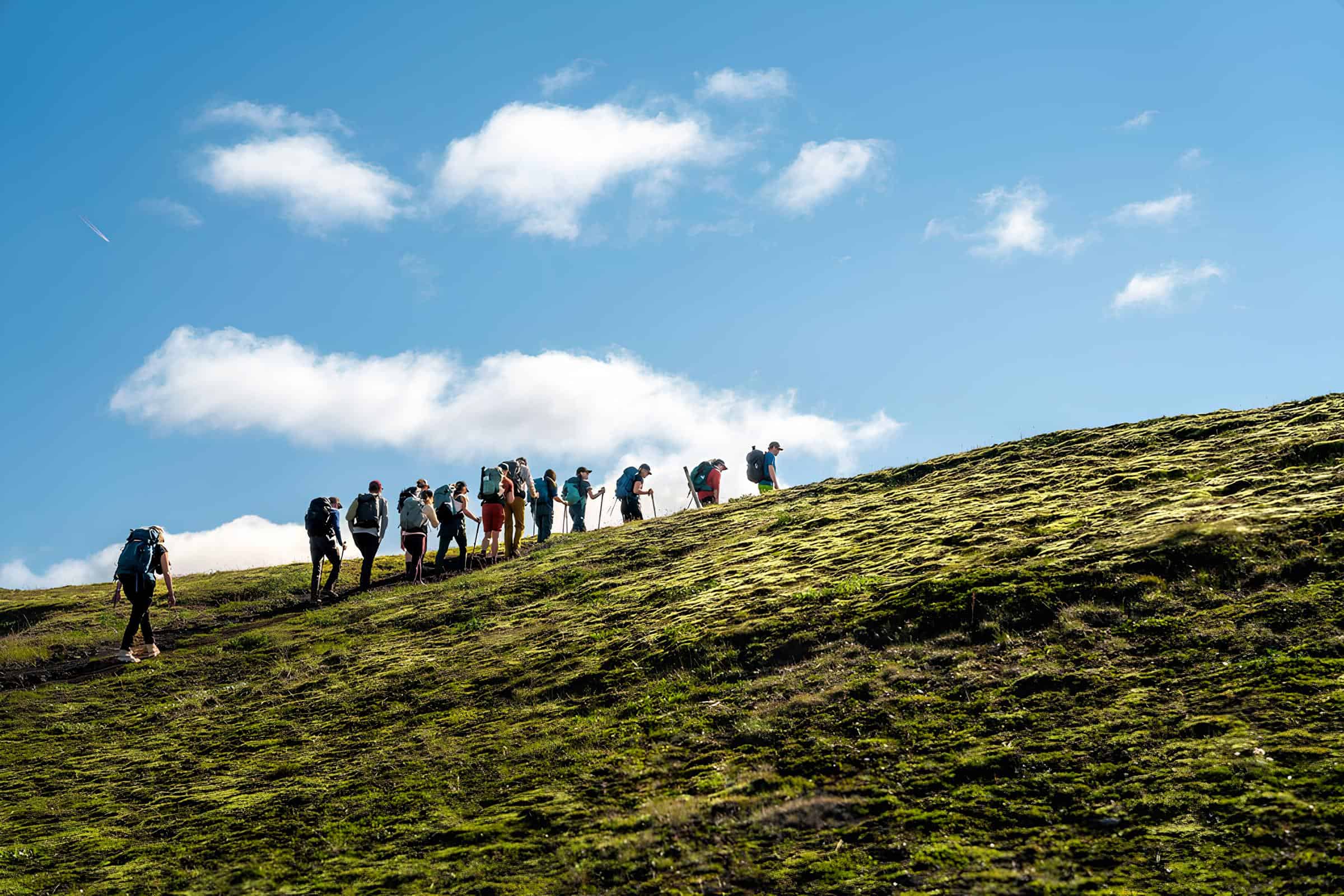
With a short summer hiking window in the Icelandic Highlands and peak-season departures concentrated in July and August, many trekkers start planning well ahead for 2026. The season typically runs from late June through early September, and the country’s best-known routes are available for long days on the trail, from geothermal landscapes to green valleys tucked beneath glacier edges.
“Summer, trekking in Iceland’s wilderness means exploring one of the wildest landscapes on Earth,” says Rebecca McCall, product manager, Arctic Adventures.
She adds, “At Arctic Adventures, we’re preparing every route, guide, and detail to make sure our travellers experience the unforgettable trails safely and comfortably.”
From the Laugavegur Trail to itineraries in the Westfjords, Iceland’s trekking lineup ranges from classic point-to-point routes to quieter wilderness sections. For many travellers, the trip comes down to a few simple choices: which terrain they want most, how many days they have, and whether they prefer a camping-based trek or hut-to-hut style—with the logistics (transfers, meals, and luggage moves) handled in the background.
Why Start Planning for 2026 Now?
Guided trekking in Iceland is concentrated around a few well-known routes, including Laugavegur (Landmannalaugar to Þórsmörk) and Fimmvörðuháls (Skógar to Þórsmörk). Peak-season departures in July and August often fill first, particularly for travellers who have fixed dates or prefer specific trip styles (camping vs huts).
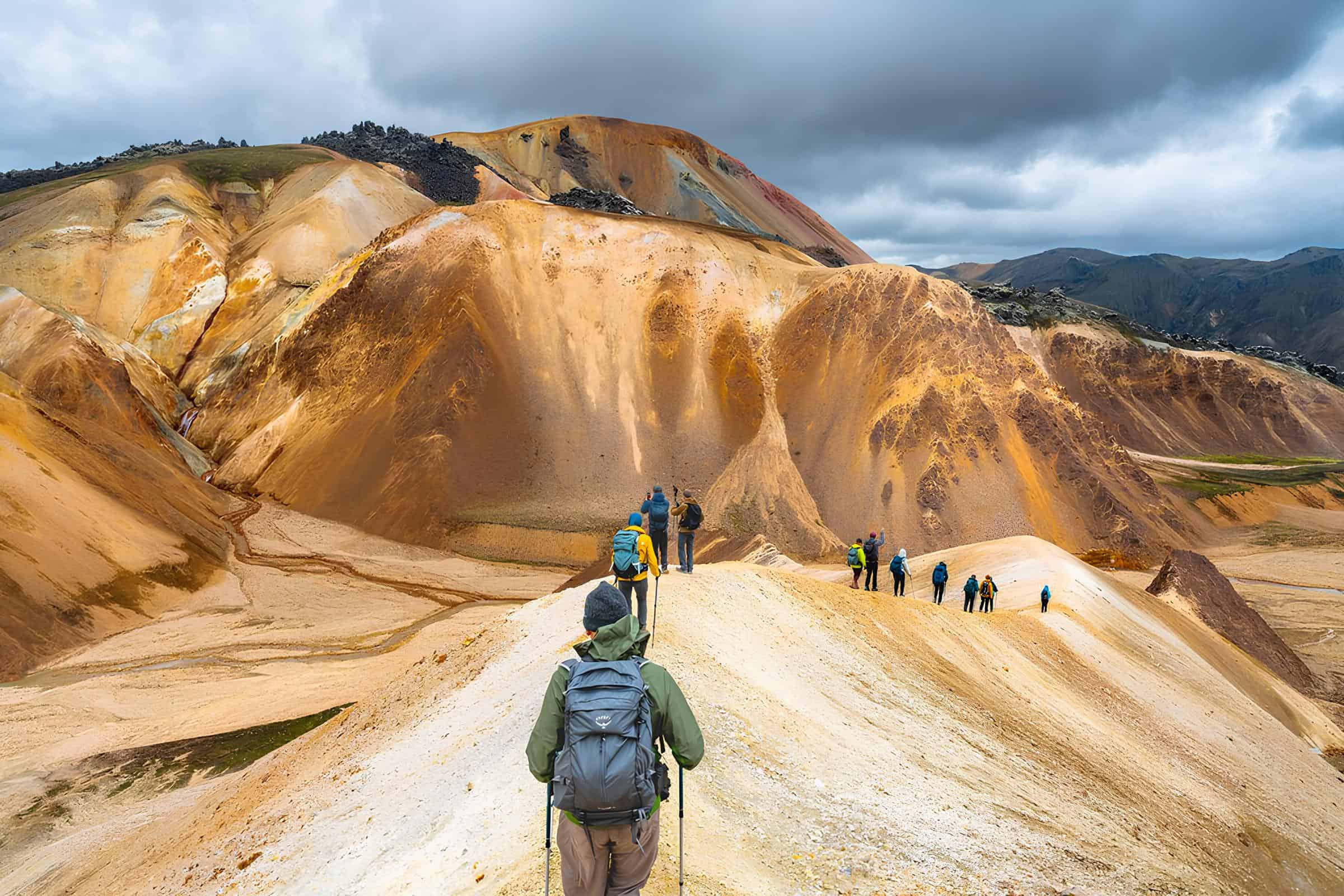
Planning ahead can help trekkers:
- Compare routes and choose realistic daily distances
- Lock in preferred travel dates and trip formats
- Prepare for variable weather and trail conditions
- Understand what guided logistics typically cover (transfers, meals, luggage
transport) and what to pack
What Trekkers Should Know Before Heading into the Highlands
Even in summer, conditions in Iceland’s Highlands can change quickly—wind, rain, and temperature shifts are common—so gear choices matter as much as fitness. Most hikers will want reliable waterproof layers, sturdy broken-in boots, and warm base layers, along with trekking poles for stability and a daypack that can keep essentials dry.
Recommended essentials include:
- Waterproof jacket and pants
- Sturdy, broken-in hiking boots
- Warm layers, including thermal base layers
- Trekking poles
- Daypack and waterproof dry bags
For guided departures, packing guidance is usually provided in advance, outlining required and recommended items. Some multi-day guided treks also include luggage transport between camps, which allows participants to hike with a lighter daypack while heavier gear is moved separately.
Laugavegur: Iceland’s Most Celebrated Trek
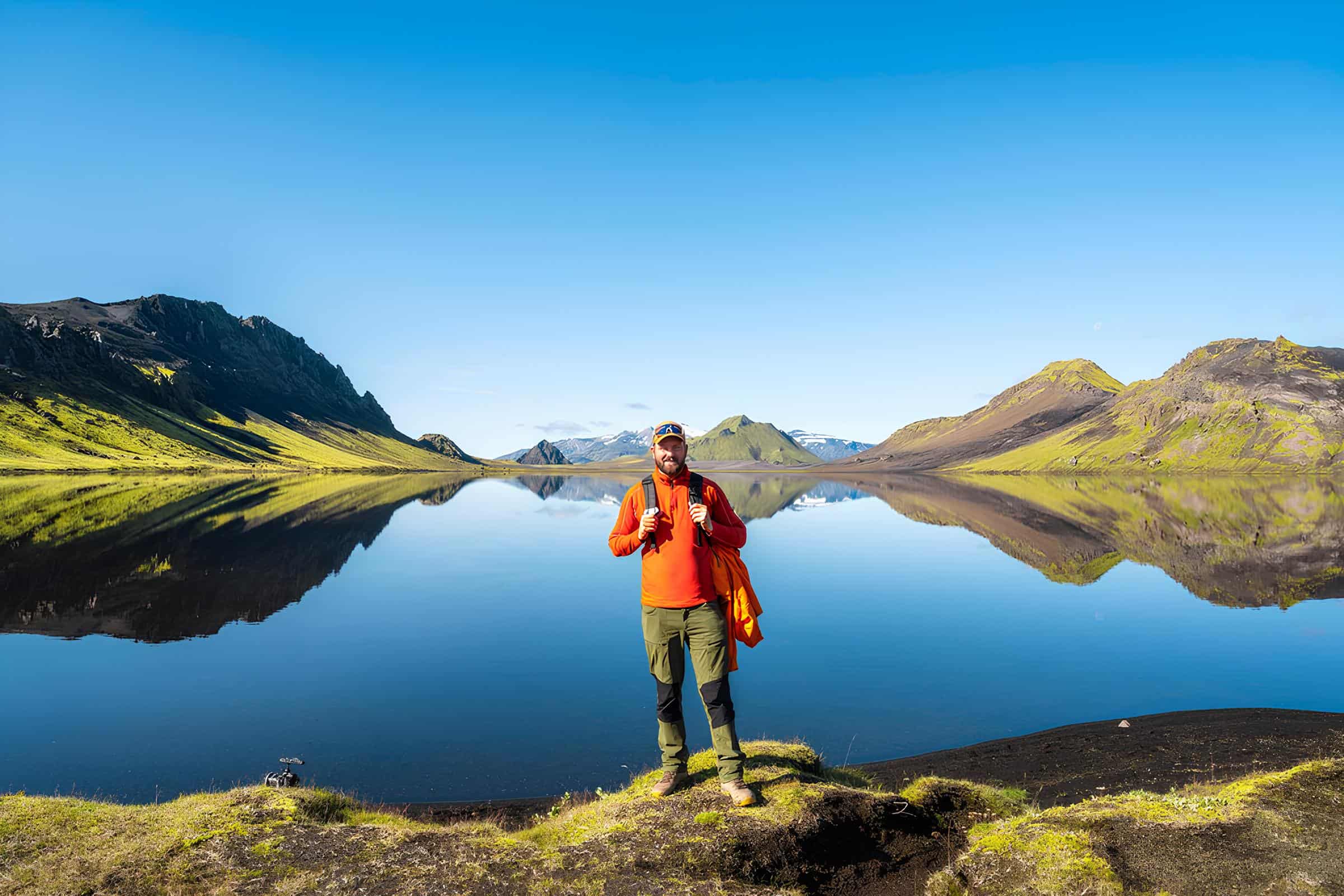
The Laugavegur Trail is Iceland’s best-known multi-day hike, running 55 km (34 mi) from Landmannalaugar to Þórsmörk. Over four days on the trail, the scenery shifts quickly—from geothermal terrain and rhyolite ridgelines to black obsidian stretches and greener valleys—making it a popular choice for first-time trekkers in the Highlands as well as returning hikers.
Guided experiences on this route range from traditional camping-based itineraries to hut-based options, as well as speciality departures such as women-only groups.
Fimmvörðuháls: Between Glaciers and Volcanoes
The Fimmvörðuháls Trail links Þórsmörk Valley with the village of Skógar on Iceland’s South Coast, running between Eyjafjallajökull and Mýrdalsjökull glaciers. The area drew international attention in 2010 during the Eyjafjallajökull eruption, a reminder of how closely Iceland’s landscapes are shaped by volcanic and glacial forces.
The route is often hiked as a standalone trek or as an extension to Laugavegur, finishing near Skógafoss waterfall.
Hornstrandir: Ultimate Wilderness
In Iceland’s remote Westfjords, the Hornstrandir Nature Reserve is one of the country’s most isolated trekking areas. With no permanent settlements, the area is known for steep mountainsides, sea cliffs, and wide fjord views, as well as wildlife such as Arctic foxes.
Guided hikes in Hornstrandir range from shorter multi-day introductions to more demanding backpacking routes that cross valleys and coastlines, with stops near abandoned settlement sites.
Other Notable Hikes
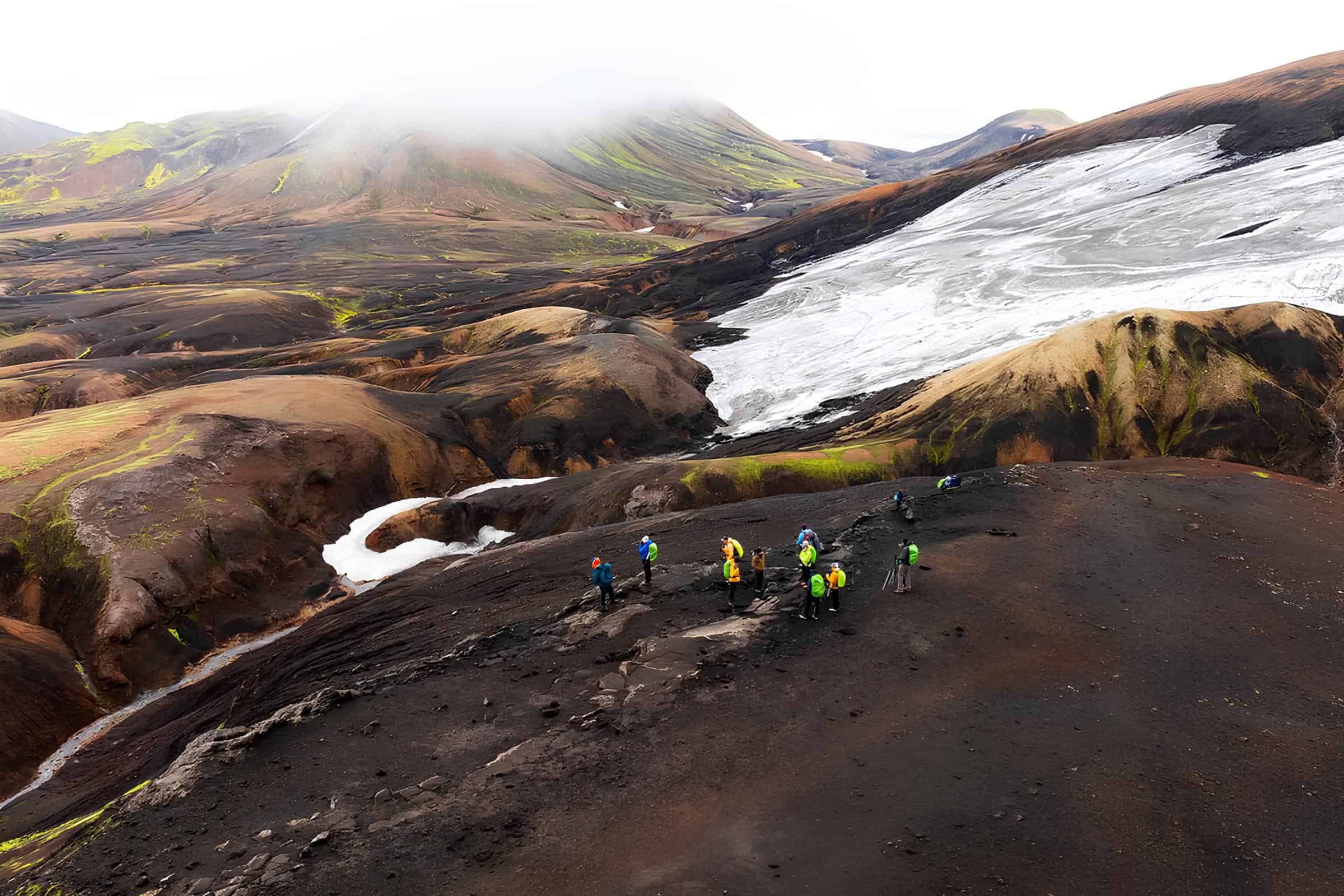
Travellers looking beyond the Laugavegur can also consider guided shorter multi-day and day-hike options in geothermal areas and volcanic landscapes. Routes around Landmannalaugar are known for hot springs and colourful rhyolite terrain, while shorter hikes in Kerlingarfjöll explore steaming geothermal valleys and bright mineral slopes.
About The Author
Arctic Adventures is a leading Iceland-based adventure tour operator offering immersive experiences across the country’s most striking landscapes, from Highland treks and glacier routes to volcanic terrain and geothermal valleys. With experienced guides and well-managed logistics, the company helps travellers explore Iceland’s wilderness with greater confidence, comfort, and care.
Many of Iceland’s best-known trekking routes are not ideal for complete beginners. Unpredictable weather, uneven trails, river crossings, and remote conditions can make these hikes demanding, which is why expert guidance is often essential for safety and a smoother experience.
Read more – Latest