

India’s new pour is stylish, food-loving and proudly local, bringing craft flavour, regional ingredients and gourmet pairings to modern tables
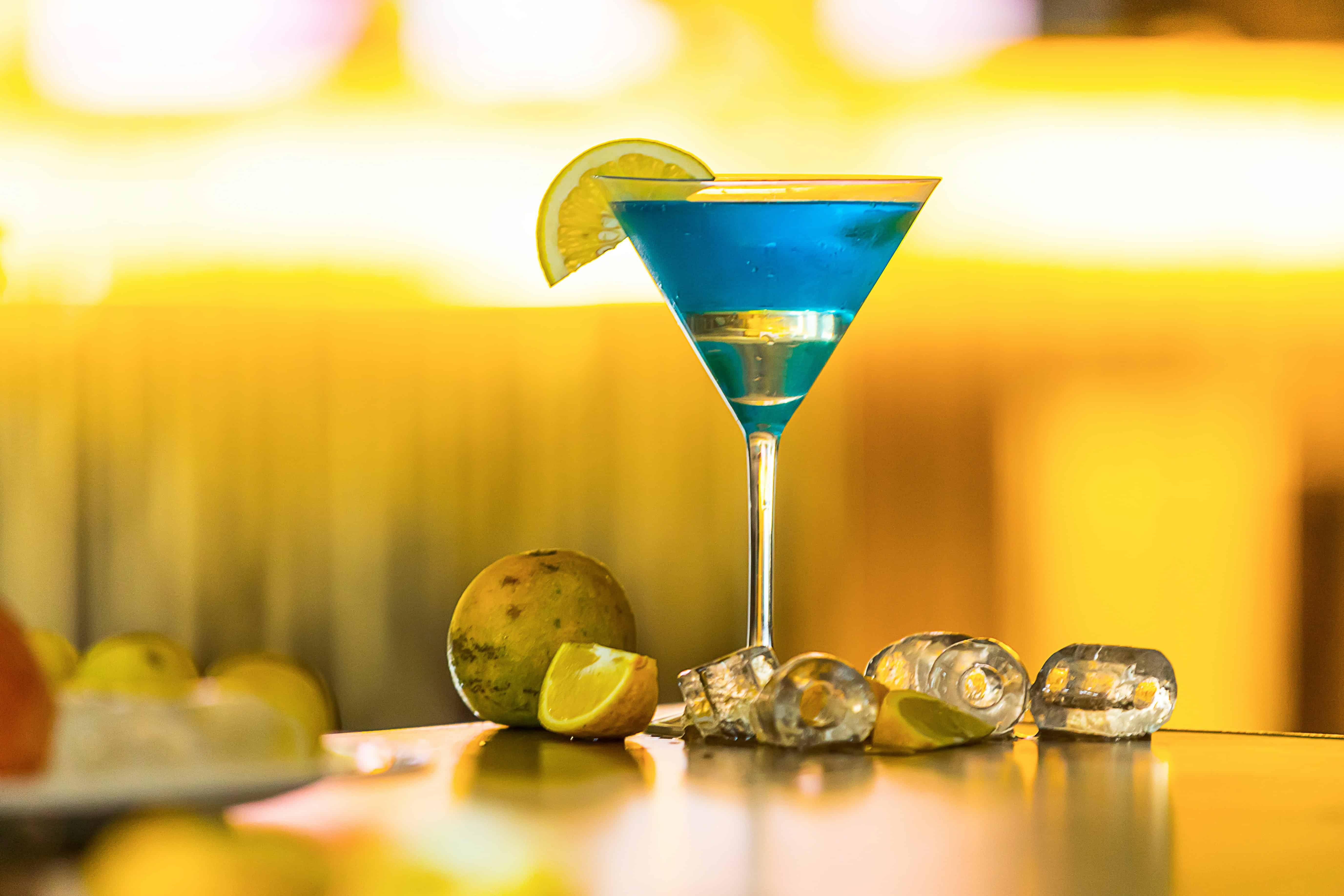
For years, the Indian beer order had one clear brief: make it cold, make it crisp, and make sure something spicy was nearby. A chilled lager with tandoori prawns, fried fish, kebabs or bar snacks became part of the country’s easy-going hospitality grammar. It worked at beach shacks, hotel banquets, airport lounges, cricket nights, wedding bars and long seafood lunches.
Now the glass has dressed up.
Indian beer is no longer sitting quietly in the summer corner. It is moving into flavour-led territory, built around grain, fruit, spice, smoke, rice, honey and regional identity. The mood is sharper, more food-aware, more expressive. Across India, microbreweries and craft beer rooms are becoming places where the evening begins, menus stretch longer, and the plate and glass finally start flirting.
The change is not only about what is being poured. It is about how Indians are drinking, dining, gathering and discovering flavour. Beer has moved out of the simple refreshment box. It is becoming social, stylish, local, experimental and increasingly gourmet.
Microbreweries, Bites And Brilliant Craft Culture
The new Indian beer story is not about one famous label. It is about the rise of the neighbourhood brewery, the taproom, the brewpub, the small-batch experiment and the chef who now thinks about beer as seriously as wine.
India’s craft beer market is set for strong growth over the next decade, driven by urban demand, premium drinking habits and the expansion of microbreweries. IMARC Group places the India craft beer market at USD 5.8 billion in 2025, with expectations of reaching USD 37.9 billion by 2034. The wider beer market in India is also growing, with beer moving steadily into a more premium, lifestyle-led space.
The biggest change, though, is experiential. The microbrewery is no longer an after-dinner stop. It is the dinner plan, the date plan, the office escape, the birthday table, the Sunday lunch that drifts lazily into evening.
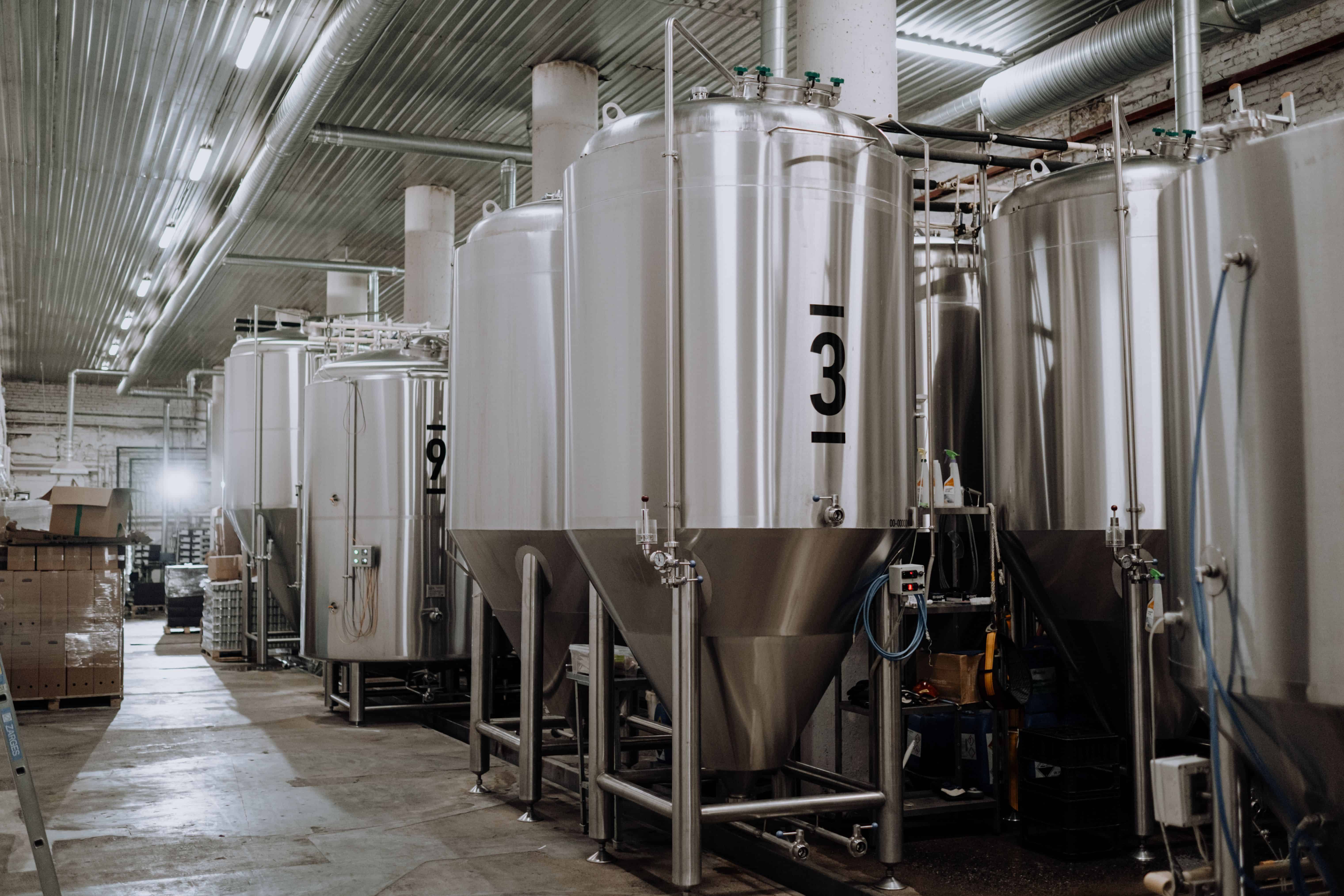
This fits India beautifully. We are not a quiet dining culture. We order in groups, share plates, debate spice levels, overfeed guests and fight over the last kebab with love. Add gleaming tanks, a stage, fresh beer, upbeat service and a menu designed for lingering, and the Indian microbrewery suddenly makes perfect sense.
Beer is brewed before your eyes, served fresh, explained casually and matched with food. It often arrives with music, design, mood lighting and the unmistakable comfort of a table that plans to stay a while.
Global brewery trends also point towards neighbourhood breweries, community engagement, limited batches, collaborations with chefs and artists, and experiences that go beyond the drink itself. In India, this does not feel imported. It feels natural. A brewpub, with food, friends and local flavour, suits the country’s social rhythm.
The Main Plan Is The Experience
What makes the Indian microbrewery interesting is its ability to turn beer into an outing. A pint is rarely alone. It comes with truffle fries, smoked chicken, bao, pepper prawns, biryani arancini, Goan chorizo, nachos, tacos, millet crisps, butter garlic calamari, mushroom galouti or something with a good amount of chilli.
The food matters. A lot.
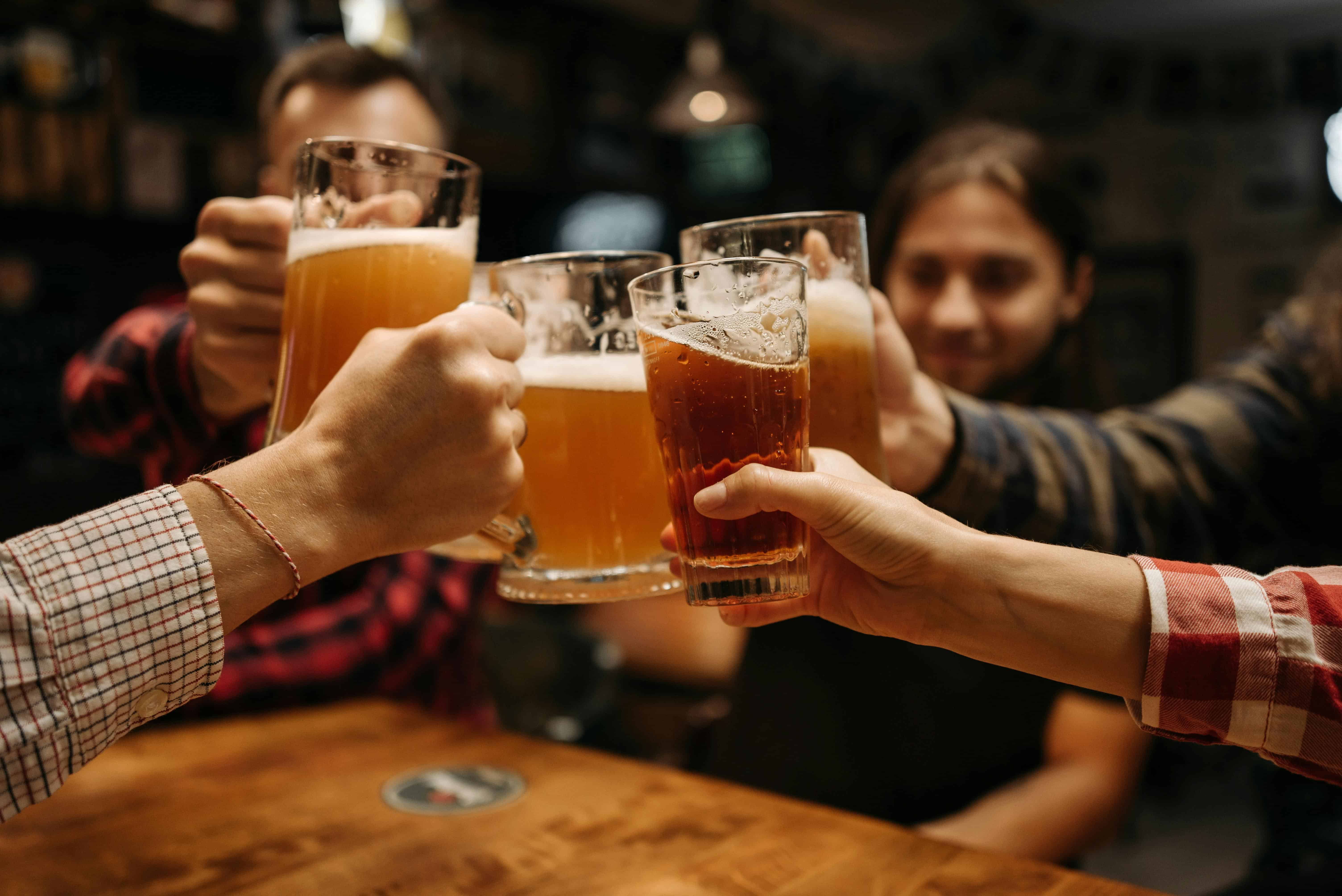
The old idea of beer as a background drink is fading. The new brewpub menu is larger, smarter and more playful. Some places lean global. Some lean regional. Some are unapologetically Indian, with kebabs, chaats, coastal snacks and curry plates made lighter, sharper or more shareable. This is where craft beer has an opening. It can meet Indian food without trying too hard.
A crisp lager can clean the palate after fried prawns. A wheat beer can soften heat. A pale ale can stand beside smoky tikka. A sour can brighten chaat. A stout can sit beside chocolate, coffee, dates and jaggery. Beer has always worked with Indian food. We are only now giving the pairing a little more respect.
The appeal also lies in freshness. Tap beer has a theatre that bottled beer rarely carries. The glass arrives cloudy, golden, amber, dark, foamy, fragrant or tart. There is a small story behind it. Maybe it is a seasonal batch. Maybe the brewer used local honey. Maybe it has mango, kokum, gondhoraj lime, rice, millet or smoked malt. The drink gives the table something to talk about.
And in India, conversation is half the meal.
Small Batch, Big Personality
The magic of craft beer is that it refuses to behave like a one-size-fits-all refreshment. Small batches let brewers test, tweak and occasionally misbehave. A wheat beer might carry a citrus edge. A stout can flirt with coffee and jaggery-like warmth. A sour can take on the tang of street fruit. A lager can become cleaner, leaner and classier.
The best Indian craft beers now understand restraint. They are not throwing random masala into a tank for shock value. The stronger trend is local flavour with intention. Brewers are looking at grains, fruits and spices as ingredients with structure, not decoration.
Recent commentary on Indian craft brewing has noted a shift towards local grains, fruits and spices becoming part of a more mature brewing language. Rice, millet, kokum, mango, saffron, turmeric, ginger, peppercorn, smoked malt and local produce are all entering the conversation, but the better brewers are using them carefully. The goal is balance, not noise.
That matters because Indian food already has drama. A beer does not need to scream over it. It needs to refresh, lift, cut, soften or echo.
A good craft beer knows its role.
Regional India Walks Into The Glass
The new craft beer wave has found its strongest accent in regional flavour. India gives brewers an outrageous pantry: basmati rice, millets, kokum, gondhoraj lime, mango, jamun, guava, pepper, cardamom, honey, coffee, cacao, chilli, palm sugar, citrus peels, herbs and smoke.
A coastal brew can sit naturally beside fried calamari, prawn recheado, cafreal or fish koliwada. A rice-led lager can glide into appams, dosas, coconut seafood and light biryani. A tart fruit beer can lift chaat, ceviche-style seafood, chilli-salt fruit and fresh cheese. A stout can move beautifully towards chocolate, coffee desserts, date pudding and ghee-rich mithai.
This is where India has an advantage. Our food has enough heat, fat, acid, crunch and spice to make beer work hard. The right craft beer refreshes, cuts through richness, softens chilli, brightens fried food and gives grilled meats a cleaner finish. It behaves like a clever dining companion.
Local ingredients also give breweries a stronger identity. A beer made with kokum does not tell the same story as a beer made with mango. A rice lager has a different temperament compared with a smoked amber. A honey ale can feel sunny and gentle. A dark beer with coffee notes can almost behave like dessert.
That is the point. Craft beer gives India’s regions another way to enter the glass.
The New Gourmet Pairing
For years, beer pairing in India meant “serve it cold with anything spicy.” That still works, but the new table is more interesting.
Wheat beers love citrus, herbs and seafood. Pale ales can handle grilled chicken, sharp cheeses and smoky tikkas. Sours are brilliant with chaat, pickles, fruit and coastal plates. Dark beers sit handsomely with barbecue, roasted mushrooms, chocolate and caramelised desserts. Crisp lagers remain unbeatable with fried snacks, prawns, pakoras and hot afternoons.
It is all about contrast and cleansing. Indian food often has layers of chilli, oil, spice, smoke and tang. The carbonation in beer helps refresh the palate between bites. Lower-alcohol craft styles also allow for long meals, especially in a country where lunch can balloon without apology.
This is why chefs are paying attention. Beer can be friendly without being plain. It can support a tasting menu, a casual brunch, a seafood spread, a kebab platter, a vegetarian table or a dessert course. It is less formal than wine, less heavy than many cocktails and more versatile than people give it credit for.
A good pairing does not need to sound complicated. A Belgian-style wit with pepper prawns. A rice lager with Kerala-style fish. A mango sour with chaat. A stout with chocolate mousse. A pale ale with charred paneer. These combinations feel relaxed, but they work.
The new gourmet beer table does not have to be stiff. It should be fun, generous and lightly surprising.
Design Is Part Of The Drink
The new beer movement looks better too. Packaging is getting cleaner, smarter and more tactile. Labels are starting to tell stories with minimal typography, local art, batch notes, playful illustrations and seasonal cues.
That matters because craft beer is also a visual culture. A bottle or can has to look good on a retail shelf, on a restaurant table and in a social media frame. The worldwide packaging conversation now includes eco-friendly glass, recycled materials, returnable bottles, minimalist design, textured labels, batch-specific information and limited-edition artist collaborations.

For Indian microbreweries, packaging is more than surface. It can convey city identity, local ingredients, festival editions and food pairing cues. A good label can tell you that a beer belongs to the coast, the monsoon, summer, a festival night or a late dessert table before the first sip.
There is also a practical reason for better design. Beer is a crowded category. Premium drinkers browse with their eyes first. A well-designed can signals care, quality and confidence. It tells the consumer that the liquid inside has been thought through.
In a younger, more visually fluent market, that counts.
Sustainability Gets Stylish
Brewing takes water, energy, grain and packaging, so sustainability can no longer be a polite footnote. Across global brewery conversations, water conservation, energy-efficient brewing, local sourcing, spent-grain reuse and lower-impact packaging are becoming important parts of the business.
This has real weight in India. Local sourcing can reduce transport impact and build stronger relationships with farmers and ingredient suppliers. Spent grain can be reused creatively, often in food or animal feed. Smarter packaging can cut waste. Efficient brewing practices can help reduce resource pressure.
For a microbrewery, sustainability is also a story the guest can understand. The same diner who reads a menu carefully may also ask about local produce, grain, waste and packaging. Younger consumers are comfortable linking pleasure with responsibility. They want good design, good flavour and a better conscience.
Sustainability should not be treated as a dull technical insert. Done well, it can be part of a brewery’s personality. It can show up in local grain beers, seasonal menus, reusable growlers, thoughtful packaging and kitchen-brewery collaborations. It can be stylish without sounding self-important.
Beyond The Metro Pint
The craft beer conversation started in India’s larger urban centres, but the appetite is spreading. Bengaluru, Gurugram, Pune, Mumbai, Goa and Hyderabad helped build the early culture, but the next chapter is wider.
Industry reports and company commentary have pointed to growing demand for premium beer beyond the metros, with tier two cities showing stronger interest in better-quality drinking experiences. That makes sense. Smaller cities are dining out more, travelling more, celebrating more and demanding sharper hospitality.
A well-run microbrewery in a tier two city can become a social landmark very quickly. It gives the city a new kind of evening: relaxed, modern, local and proudly grown-up. It can host birthdays, live music, casual work meetings, match nights, festive gatherings and weekend lunches. It can also become a showcase for local ingredients and regional food.

Policy will shape this growth. Alcohol regulations in India remain state-led, and microbrewery permissions, licensing costs and operating rules vary widely. Telangana’s 2025 move to expand permissions beyond Hyderabad into other urban centres showed how policy can widen access and encourage fresh beer culture outside one main city. Other states will continue to decide the pace of growth through excise rules, licensing frameworks and hospitality policy.
That is the practical side of the pint. Beer may feel casual at the table, but behind it sits a serious regulatory map.
Premiumisation, But With A Local Accent
India’s beer market is still led by familiar lagers, and that will not change overnight. Standard lager remains the comfort zone for many drinkers. It is accessible, refreshing and widely available. Yet premiumisation is changing the top end of the category.
The consumer is more curious now. They may still want a lager, but perhaps a better lager. They may still want something easy, but with a cleaner finish. They may try a wheat beer because it feels gentle. They may order a sour because it sounds fun. They may choose a stout after dinner because someone at the table recommends it.
This is not a rejection of old beer habits. It is an expansion.
A good craft culture does not need to mock the classic chilled lager. In India, the cold lager has earned its place. It has survived beach shacks, banquets, summer weddings and spicy snacks for a reason. The new craft movement is simply widening the table.
The exciting part is that India does not have to copy another country’s beer culture. We can build our own. Our version will likely be louder, more food-led, more social, more regional and more generous with snacks.
That sounds about right.
The Hotel And Restaurant Opportunity
For hotels, restaurants and luxury resorts, craft beer now offers a fresh hospitality opportunity. A strong beer programme can make a bar feel more current. It can support regional menus. It can add personality to banquets, sundowners, beach evenings, poolside brunches and gourmet festivals.
The real potential lies in curation. A hotel does not need twenty taps to look impressive. It needs the right selection. A crisp lager for easy drinking. A wheat beer for seafood and salads. A pale ale for grills. A sour for chaat and tropical flavours. A dark beer for desserts and slow evenings. Add staff who can explain the pairing in plain language, and the guest experience becomes warmer.

Beer also sits well with India’s growing casual luxury mood. Not every premium experience has to be formal. A beautiful craft beer flight with coastal snacks can feel as special as a wine tasting, but less intimidating. A chef-led beer dinner can be lively, stylish and approachable. A brewery brunch can become a weekend ritual.
Luxury, after all, is not always quiet. Sometimes it is a well-made pint, a good table, excellent prawns and nobody rushing you.
The Next Pour
India’s new beer culture is not only about hops, malt and yeast. It is about confidence. Brewers are becoming more comfortable with local ingredients. Chefs are taking beer more seriously. Consumers are asking better questions. Packaging is becoming sharper. Taprooms are learning that ambience matters. Smaller cities are entering the conversation.
The result is a beer moment that feels fresh, social and distinctly Indian.
The next great Indian pour may be a rice lager with coastal food, a kokum sour with chaat, a millet beer with smoky kebabs, a honey ale with brunch, or a stout with filter coffee notes and chocolate dessert. It may arrive in a polished hotel bar, a warehouse-style taproom, a beachside brewery or a new social hub in a tier two city.
What matters is that the glass has changed. Beer is no longer only the cold companion to spice. It is becoming a flavour partner, a design object, a regional storyteller and a serious part of India’s gourmet table.
Cold is still welcome. Crisp is still welcome. Something spicy nearby is still a good idea. But now, the beer has something to say.
Read More: Food Voyager