

Ylang safaris in Madagascar reveal fragrance at its source, amid lemurs, mist, copper, and memory
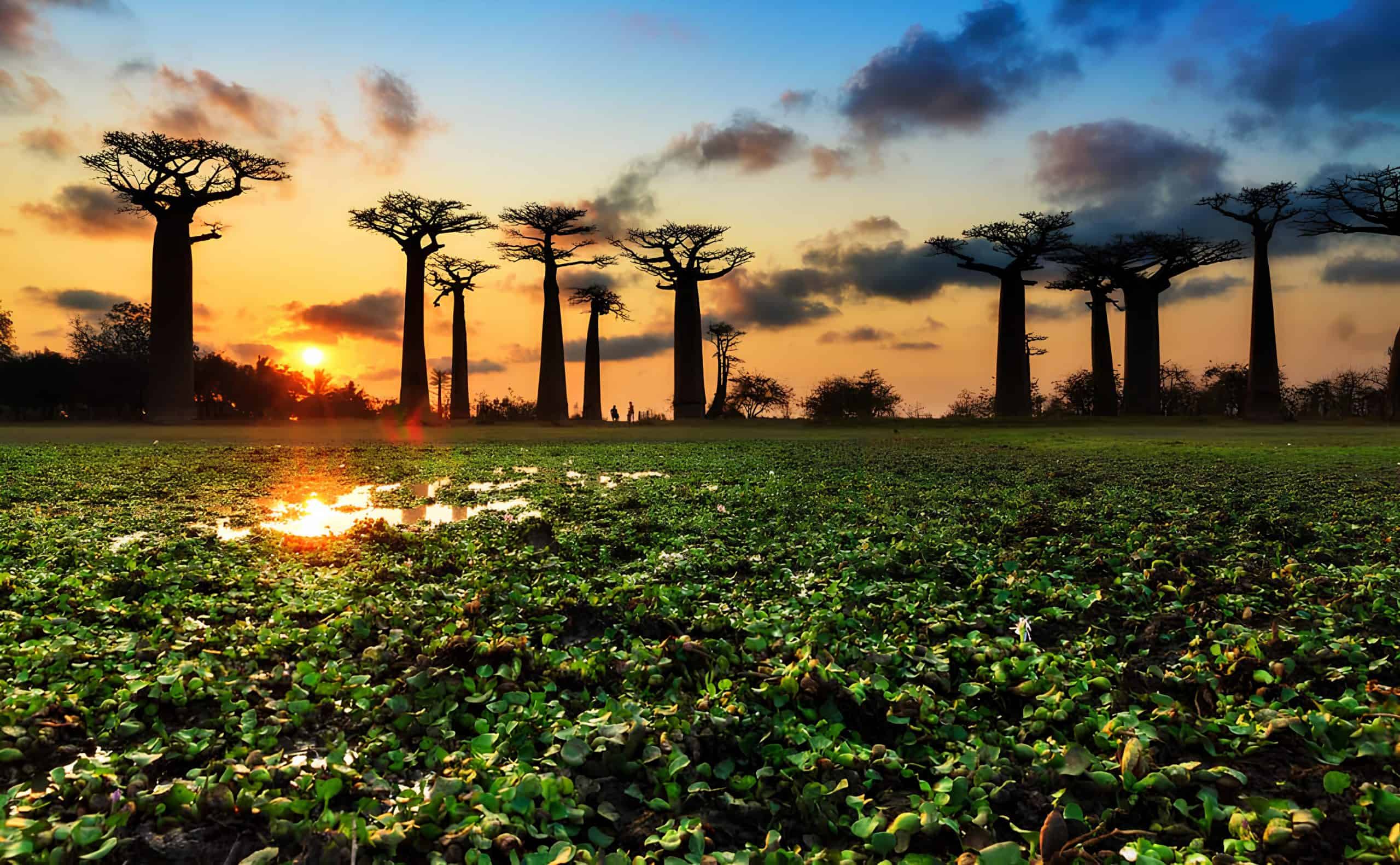
Ranomafana at dawn does not merely sit under fog, it seems wrapped in its own fragrance. First light brushes the Namorona River, pale mist lifts across the canopy, and the air carries a scent both bright and creamy, sharp with citrus at first, then softer, almost velvety. Somewhere beyond the official park line, ylang ylang blossoms open in hidden groves, releasing volatile oils into cool morning air. Moving beneath those trees are the people who know that invisible trail better than any device ever could: the “sniffers”, master foragers whose livelihoods, instincts, and forests remain tied deeply into the flowers they gather.
Mist and Musk grow around that ritual. It is a four-day immersion, reached by helicopter, set within Ranomafana’s perfume economy, built for travellers already fluent in niche scent and ready for an experience richer than a distillery visit. Guests wake in a rainforest glampsite scented lightly with ylang hydrosol, follow foragers across wet slopes while lemurs call overhead, and watch the delicate fraction of ylang oil collect in glass, the same ingredient family that helped shape Chanel No. 5.
This is jungle perfume in its rawest and most refined state at once. Part conservation story, part olfactory pilgrimage, it asks a rare question. How far can indulgence stretch before it becomes stewardship?
Ranomafana: Forest, Fog, and Lemurs
On paper, Ranomafana National Park covers roughly 43,000 hectares in Madagascar’s southeastern highlands, around 400 kilometres beyond Antananarivo. In person, the landscape feels less like a mapped reserve and more like a breathing presence. Hills fold into one another in endless shades of green. Clouds catch on ridges. The Namorona River cuts through rock and vine with a restless white surge.
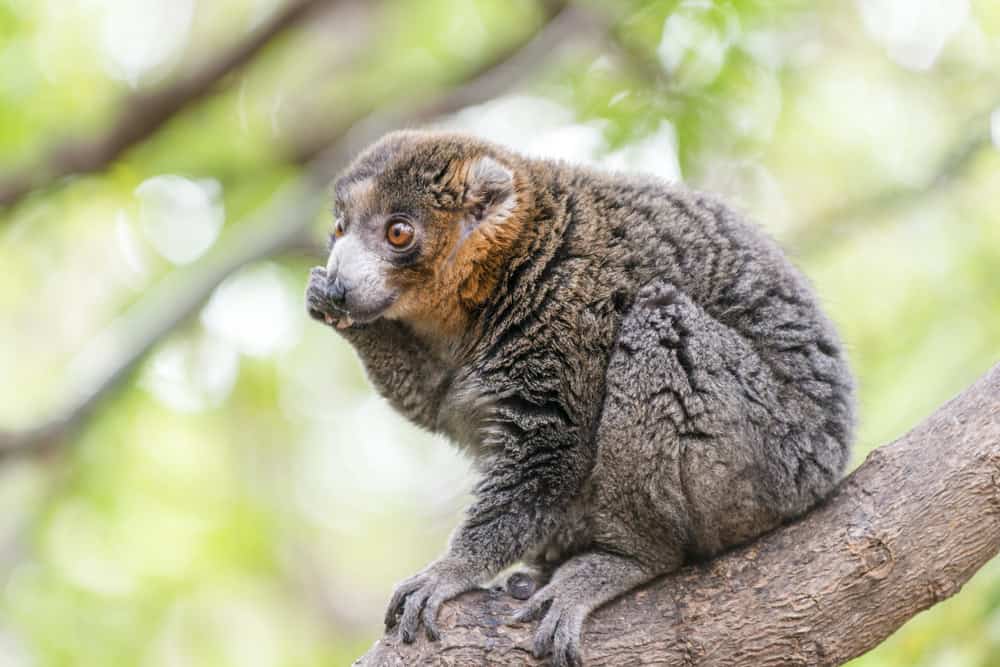
The park emerged in the early 1990s after the rediscovery of the Greater Bamboo Lemur, and the discovery of the golden bamboo lemur turned this tract of rainforest into a conservation priority of global weight. Centre ValBio followed soon after, anchoring years of work on lemurs, frogs, forest systems, and the human communities living along the park’s edges. The vision held unusual ambition for its era: strict protection in the core, development work in surrounding settlements, and alternatives for slash-and-burn farming, known locally as tavy.
Beyond the protected core, the picture grows harder. Forest loss still shapes the broader landscape. Trees fall for fields, firewood, and timber, while poverty, access, and population pressures influence how much woodland a household can afford to sacrifice. Ylang ylang offers another route. It is a high-value crop that rewards standing trees and living scent, rather than another burned slope feeding a brief cycle of subsistence.
That buffer zone gives Mist and Musk their real setting. Bamboo lemurs still forage within the park, while children walk past coffee shrubs, cassava, banana, and ylang trees on village paths.
Flower of Flowers
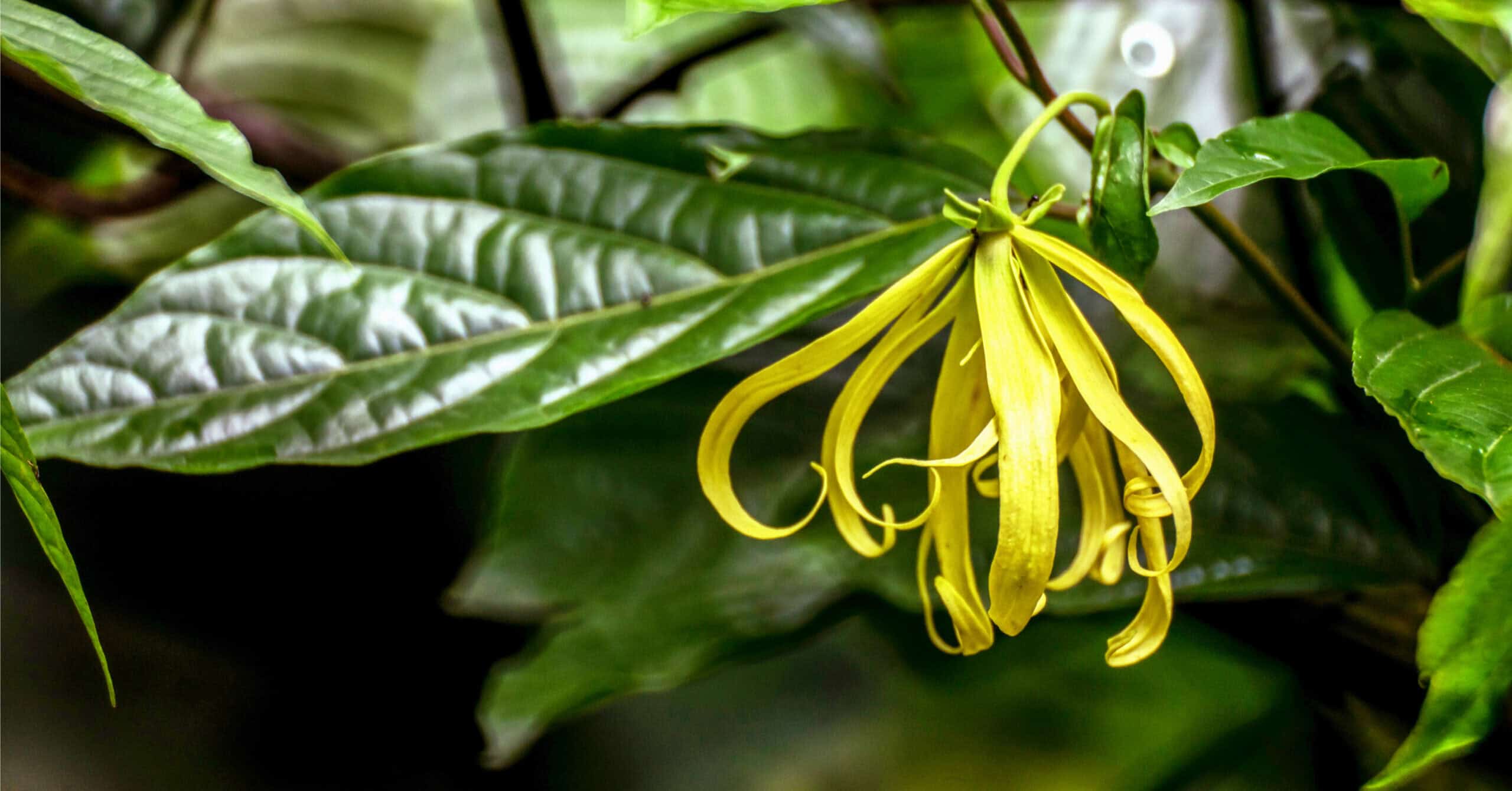
Cananga odorata, better known as ylang ylang, is not native to Madagascar. The tree arrived through Indian Ocean colonial circuits, travelling out of Southeast Asia into island experiment stations, then onward into farming systems that quickly recognised its value. The drooping yellow flowers carried a secret: in the right markets, they could outearn vanilla by weight.
The phrase ylang ylang is often glossed as “flower of flowers” in Tagalog, and the oil drawn out of those blossoms has shaped some of perfumery’s most celebrated formulas. When Ernest Beaux composed Chanel No. 5 in 1921, ylang formed part of its abstract floral heart, offsetting rose and jasmine with something more radiant, more elusive. A century later, Extra grade ylang oil sourced in Madagascar and the Comoros still matters deeply within prestige fragrance.
Those two island worlds remain central pillars in the global ylang story. The Comoros, especially Anjouan, built a major economy around the flower with hundreds of small stills. Madagascar developed its own producing belts, including Nosy Be, where copper stills, brokers, vanilla vines, and coffee trees became part of the same visual field. Ranomafana tells a different version, one rooted in mixed agroforestry beside forest margins, where the same mist cooling a bamboo lemur may later echo across a dressing table in Mayfair or Ginza.
The Logic of the Oil
Perfumers do not treat ylang oil as one single substance. Distillation creates a sequence. As flowers heat over water, aromatic molecules rise and condense at different moments. Distillers separate the oil into fractions, each carrying its own tone, value, and use.
Extra appears first: pale, airy, luminous, and highly prized for prestige compositions. First, or Grade I, follows with more body, still floral yet richer and steadier, ideal for fragrance and quality cosmetics. Second, or Grade II, grows deeper, warmer, at times cocoa-like or balsamic, well-suited for soaps and body care. Third, or Grade III, arrives darker and woodier, with persistence rather than finesse, often reserved for industrial use or robust formulations.
Perfumers discuss these fractions with near vineyard precision. Excess Grade II in a fine composition, and the fragrance drifts toward soap. Excess Extra and the result can turn shrill. In Ranomafana, those balances begin not in a lab, but in copper stills near rainforest slopes, under wood smoke and wet leaves.
The Sniffers
Industrial plantations often shape ylang trees into low umbrellas, making blossom picking easy at ground level. Around Ranomafana, the trees sit inside mixed plots, entangled with coffee, banana, cassava, and shade species, rising more freely, their crowns rougher, their silhouettes less controlled.
Within that patchwork, the sniffers hold status. Many grew up in ylang families, their childhood memories filled with predawn harvests and the sweetness of damp blossoms. Early lessons begin with fallen flowers and colour shifts: green, chartreuse, lemon, deepening yellow. Later, the training turns olfactory. Each stage has its scent.
An unready flower smells green and sharp, close against citrus peel or cut grass. One picked too late slips into overripe fruit, almost pudding-like. The narrow window for Extra sits between those points: petals twisted yet still alive with tension, colour nearing gold, aroma carrying both jasmine brightness and a creamy undercurrent.
The initiation for guests begins before sunrise. A quiet knock. Coffee in a flask. Dew shining in headlamps. Foragers shoulder woven baskets and move upslope at a pace that feels calm until your own footing gives way. Then someone ahead pauses, closes her eyes, inhales, and points toward a half-seen tree in the fog, branches heavy with twisted yellow blooms.
At close range, the scent lands in layers. Lemon first. Jasmine after. Then something warmer, skin-like, humming beneath it all. Guests receive a short lesson: twist, pinch, release into the basket. A bruised petal loses value. A well-picked bloom breaks free with a soft click and a burst of scent strong enough for a physical jolt.
The Harvest Window
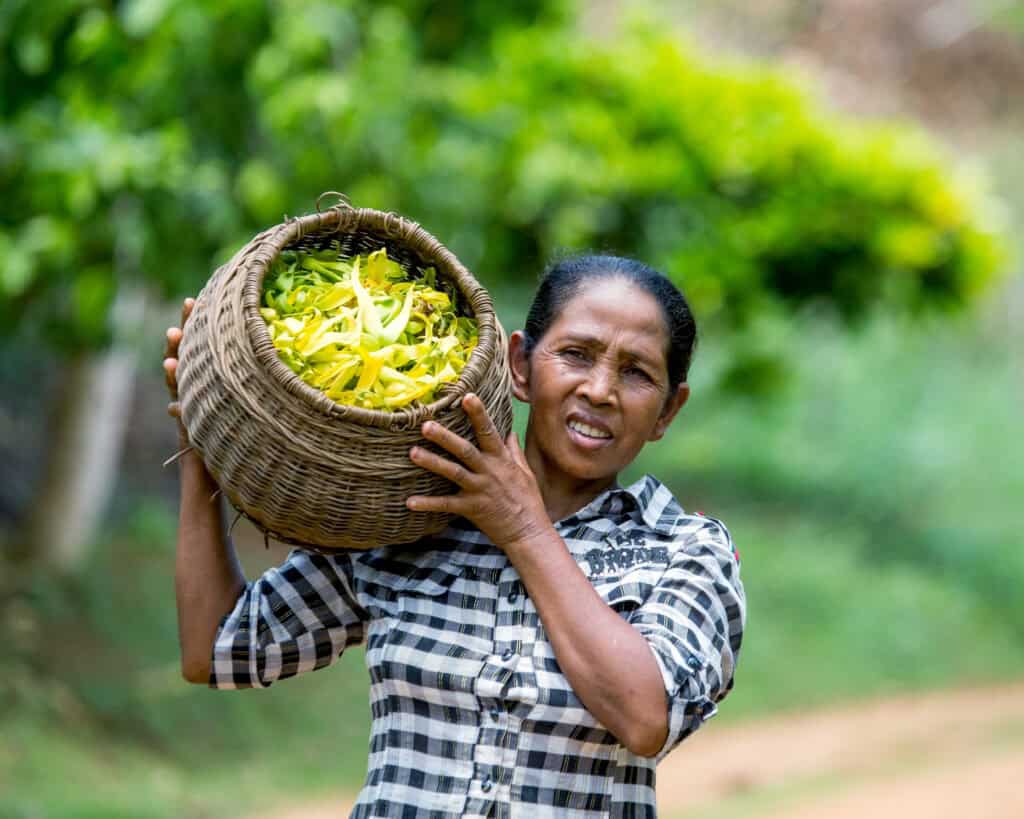
Ylang season in Madagascar can run across several months, yet communities track narrower peaks shaped by weather, flowering cycles, and market demand. In Ranomafana’s highland climate, October through January often brings strong abundance. Outside that period, volume thins and the experience disappears with it.
Timing governs everything. Flowers gathered at six in the morning begin losing volatile compounds by midday under heat. Distillers think in hours, not days. The working rule is blunt: blossoms must enter the still within 24 hours, or quality begins slipping away. A batch with the potential for Extra can fall into lower grades or face rejection altogether if the lag runs too long.
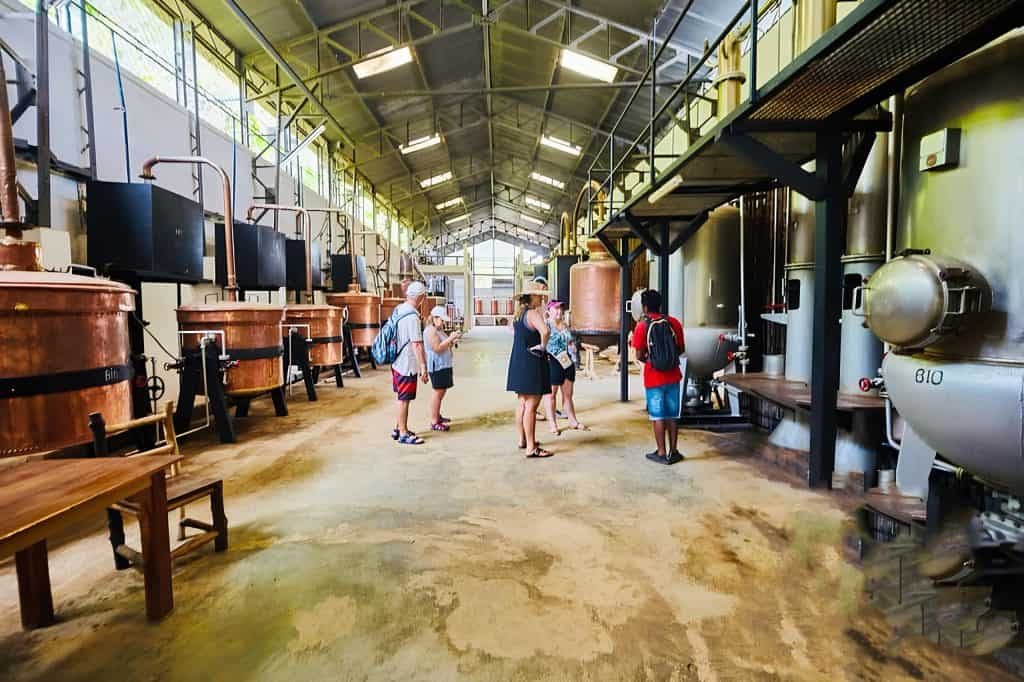
The distillery visited during the journey is small, spotless, and beautiful in an unvarnished way. Hand-welded copper gleams under years of fragrant residue. Fresh blossoms pour into the chamber in a yellow cascade, water and fire working below. Slowly, the furnace builds, and the metal body of the still hums with low heat.
At the condenser, the first thread of hydrosol appears, fragrant water carrying a thin skin of oil across its surface. That upper layer is Extra. The ratios are punishing, tons of petals for only a few litres of oil. Yet one breath explains the economics: citrus, jasmine, and creamy warmth sensed in the grove now arrive sharpened, condensed, almost blinding.
Scent Economy
Ranomafana’s park line was drawn with lemurs, frogs, and rainforest ecology in mind. For families living beyond that boundary, though, the line has always been economic as much as environmental.
When the park first took shape, many villagers felt both threat and possibility. Access was narrowed in some areas, and new projects appeared in others. Research over time has revealed patterns now central within Mist and Musk. Households with viable income through forest-friendly crops or tourism generally clear less land. Where no such option exists, tavy and charcoal continue eroding tree cover.
Ylang ylang sits at a crucial meeting point. It prefers sunlight yet tolerates partial shade. It works well inside agroforestry systems that can also act as wildlife corridors. Under fair contracts, it can compete with the short-term gain of clearing another hectare.
The wider market raises the stakes. The Comoros long dominated the trade, with ylang exports once accounting for roughly a tenth of national export revenue. Madagascar also became vital, especially for brands seeking origin diversity and “Madagascar” on a label.
Mist and Musk link guests into that chain in a more active way. Trip fees help fund premium cooperative contracts tied clearly into forest-friendly practices: no new forest clearing for ylang planting, commitments around replanting, participation in fuel-efficient stove schemes that reduce firewood use. What guests purchase is continuity as much as access. Multi-year agreements allow planning beyond the next week’s cash needs.
Camp briefings make the romance concrete. Graphs map forest cover, lemur trends, and household income shifts before and after ylang. The fog that felt cinematic on arrival acquires weight. If these groves disappear, the perfume sector will adapt. The villages and the forest edge do not hold the same safety net.
Preservation as Luxury
High luxury has long relied on scarcity: rare editions, restricted access, numbered objects. Mist and Musk reframes scarcity in a more grounded, less comfortable way. There are only so many forest edge groves that can support harvest without harming habitat, only so many foragers whose noses carry years of training, only so many small stills running under real environmental limits.
Trip income secures premium multi-year contracts for cooperatives, softening price shocks. It funds replanting, labour, tools, stove programmes, and continued research through Centre ValBio. The fragrance on a wrist can carry accountability, not only allure.
Bottling Ranomafana
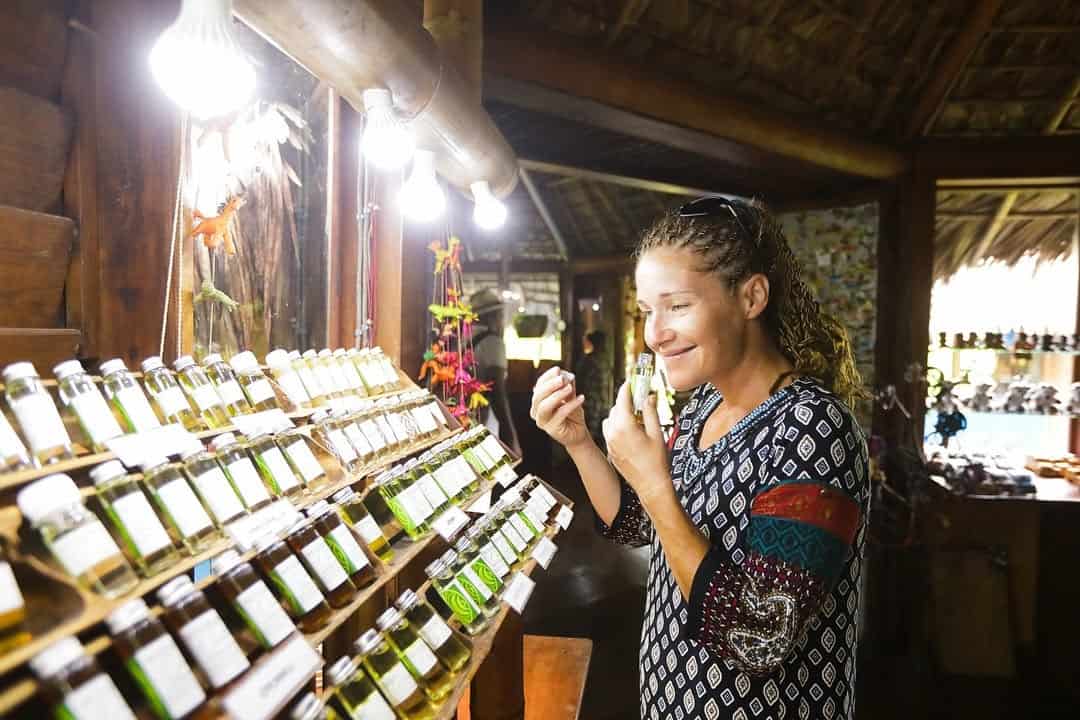
Months later, back home, the finished bottle opens with a gentle hiss and a cool weight in the hand. At first, the perfume seems elegantly simple: lemon brightness, jasmine glow, vanilla warmth, vetiver depth, a soft musky trail. Stand still a little longer, and another layer appears. Damp soil under boots before sunrise. Metal heat around the still. Quiet pride in a cooperative leader’s voice as balance sheets finally show black instead of red.
Mist and Musk promises jungle perfume, foragers. What it actually offers runs deeper. It creates a rare alignment between adornment and ethics, between the story worn on skin and the landscape carrying its cost. It is not a classic safari. It is not a resort workshop with a decorative fragrance angle. It is more a test of appetite, conscience, and attention.
How much luxury can one enjoy while still seeing consequences? In Ranomafana, that question hangs in the fog each morning, fragrant, beautiful, and impossible to ignore.
Read more – Explore the world