

Luxury Wedding Trends 2027: The Next Expression of Luxury Will Lie in What Remains Difficult to Obtain
Image Courtesy: Refuge Weddings
From rare temple access and ceremonial jewellery to private estates, living couture and signature scents, the weddings of 2027 will make luxury deeply personal.
The Indian wedding has spent the past decade learning how to become larger. Guest lists expanded, celebrations stretched across continents, couture wardrobes multiplied and venues became theatrical worlds built for a single weekend. The industry grew with the spectacle. India’s wedding economy is now estimated at around US$130 billion, with eight to ten million weddings taking place each year.
That march towards mind-boggling expenditure will continue. Yet the most influential weddings from 2027 onwards are unlikely to compete only through scale. Size is becoming easier to purchase. A palace can be filled with flowers, a global performer can be flown in and an elaborate set can be recreated almost anywhere.
The next expression of luxury will lie in what remains difficult to obtain: access, provenance, privacy, time and cultural authority.
A sacred space that opens for only a few hours. A wedding textile woven for a year. An old family jewel reconstructed without erasing its history. Flowers grown for one ceremony rather than ordered from a catalogue. A fragrance composed around a place and a memory. A celebration experienced fully by its guests and released to the world only when the family chooses.
Grandeur is acquiring a new grammar.
Sacred Access
The temple wedding is poised for a sophisticated return, particularly among families who want the ceremony to carry more spiritual weight than scenic drama. The most desirable setting may no longer be a hotel designed to resemble a temple. It may be an actual place of worship where access depends upon trustees, religious authorities, conservation rules, local administration and the customs of the shrine.
This will create a new category of high luxury: the access-led wedding. The appeal will come from restriction. A historic temple may permit only the couple, immediate family and a limited ceremonial party. Photography may be controlled. Cooking, amplified music, décor and large-scale production may be prohibited. Timings may be determined by the temple calendar rather than the wedding planner.
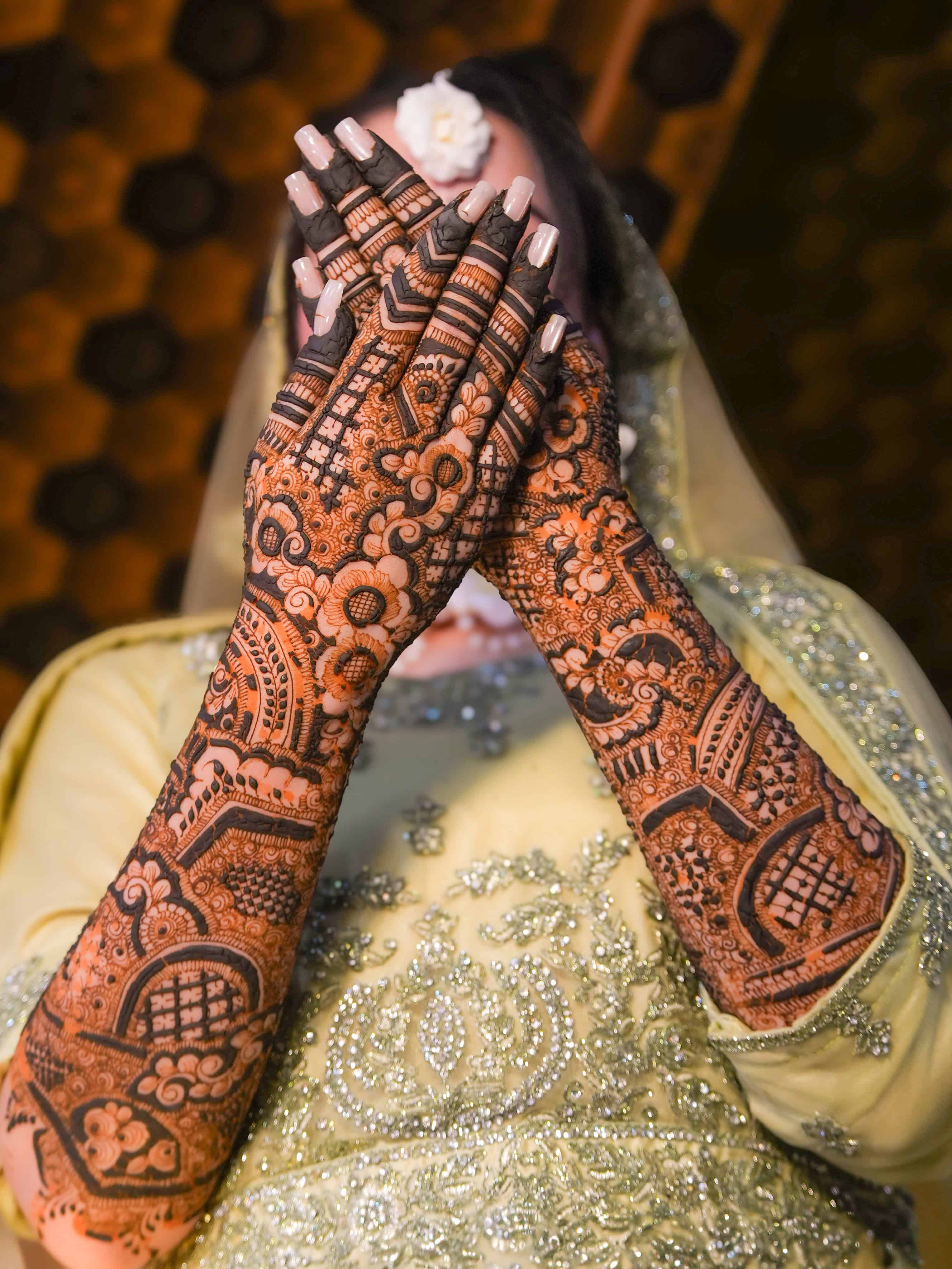
Hampi already illustrates the complexities. Weddings around its protected temple precincts face overlapping rules involving the Archaeological Survey of India, state archaeology authorities and the religious endowment department. Cooking and photography restrictions have made ceremonies there increasingly rare. Such constraints could make carefully authorised ceremonies more coveted among families seeking a genuinely sacred experience.
Gujarat’s 2026–27 destination-wedding strategy also points towards religious and heritage wedding circuits built around places including Somnath, Dwarkadhish and Ambaji. The future opportunity, however, lies in protecting the sanctity of these spaces rather than converting them into elaborate event venues.
The ceremony could take place at dawn, attended by perhaps 20 or 30 people. A larger celebration would follow elsewhere. The temple would provide the spiritual centre of the wedding, not its entertainment infrastructure.
The priest will become important too. Families will seek scholars and respected ritual specialists who understand the couple’s traditions, regional customs and family lineages. For intercultural marriages, ceremonies may include carefully prepared translations explaining each mantra and vow. The highest level of service will come from accuracy, research and sensitivity, rather than from shortening rituals for the convenience of a production schedule.
Gold Becomes More Considered
Gold will retain its place in the Indian wedding, but the relationship with it is already changing. In 2025, India’s gold jewellery demand fell 24 per cent by volume, while annual spending reached a record US$49 billion. By the second quarter of 2026, jewellery demand remained lower year on year, yet its value continued to rise. High prices have accelerated interest in lighter pieces, lower caratage, studded jewellery and exchanges of old gold for new designs.
The wedding jewel of 2027 will therefore be judged less by accumulated weight and more by the quality of its stone, workmanship and story.
Brides may begin with one exceptional jewel and build the wedding wardrobe around it. A rare emerald, an old Golconda-style diamond, an unusual spinel or a family necklace with documented history could become the defining object. Matching sets will give way to collected compositions in which pieces from different periods and regions are worn together.
Rising gemstone scarcity will sharpen interest in unusual natural stones, untreated gems and documented provenance. For leading jewellers, the provenance file may become nearly as important as the presentation box. It could record the source of a stone, the techniques used by the craftspeople, previous settings and instructions for future remounting.
Old family gold will return to the workshop. A grandmother’s necklace may be disassembled and rebuilt so that its original elements appear across the bride’s necklace, the groom’s brooch and a pair of heirloom buttons. Jewels may include removable components that shift from a ceremonial necklace to a pendant or bracelet after the wedding.
The groom’s jewellery wardrobe will also expand. Sarpeches, necklaces, cufflinks, buttons, collar pins and ceremonial brooches will be commissioned as serious pieces rather than decorative additions. The modern wedding jewel will be expected to live beyond the photographs and move through another generation.
Couture With a Biography
Bridal couture is moving away from the assumption that value must be expressed through density. Recent collections have placed greater emphasis on movement, proportion, textile and restrained surface work, while younger clients are showing growing interest in archival clothing and historic textiles.
From 2027, the most desirable wedding wardrobe may begin much earlier than the usual fitting calendar. A sari could be woven to order in the bride’s ancestral town. A textile researcher may locate a discontinued weave. Embroidery could reproduce a motif from a family home, an old manuscript or a piece of jewellery. Names and dates may be encoded into borders where they remain almost invisible.
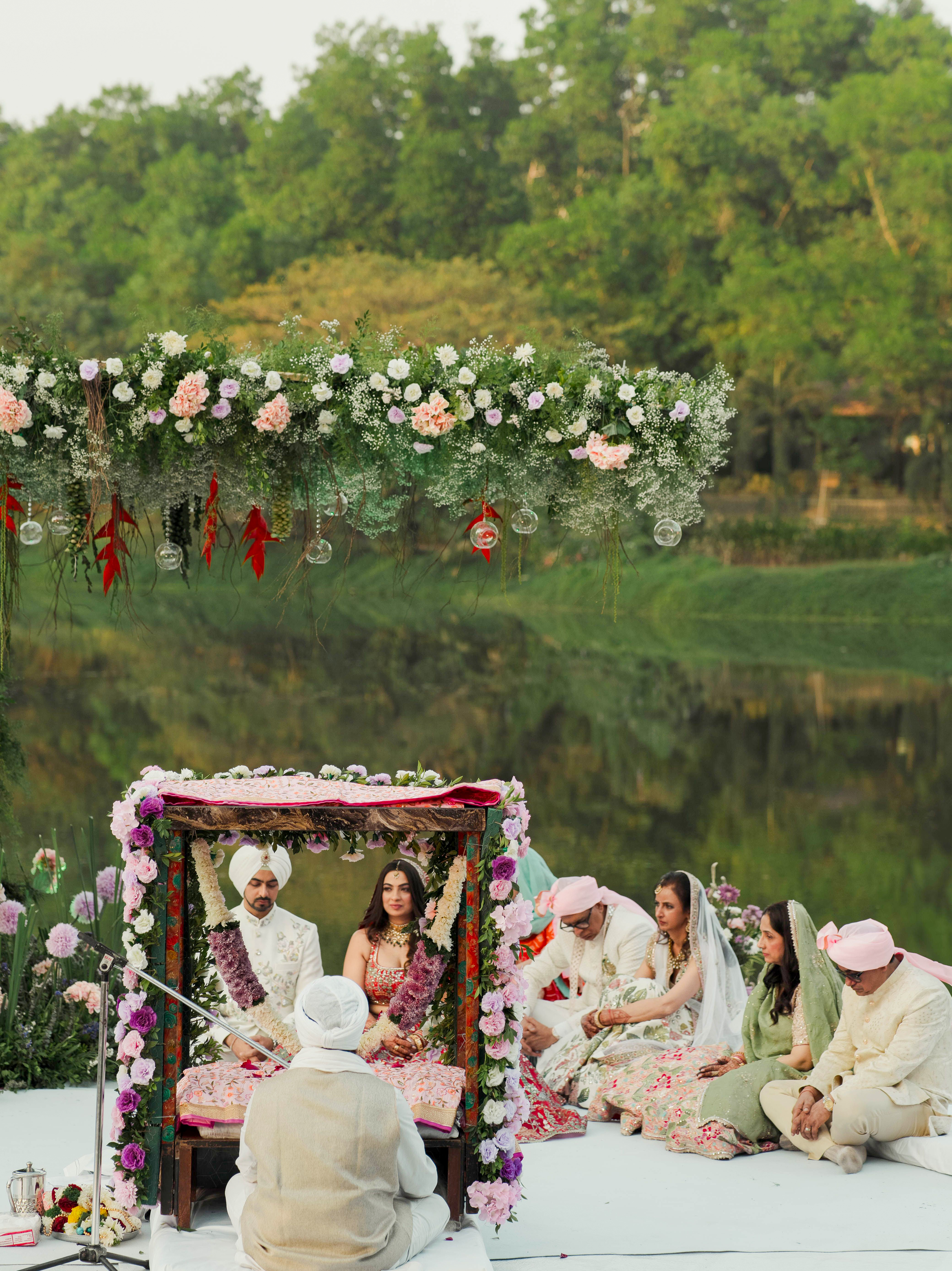
This is couture as biography. The clothes will also be designed for a longer life. A lehenga may separate into pieces that work with simpler blouses and jackets. A wedding sari may arrive with documentation about its weave and instructions for preservation. Designers could offer post-wedding services that transform ceremonial garments into coats, evening pieces, formal kurtas or objects for the home without destroying the original craft.
Archival dressing will develop further. Brides and grooms may borrow from family wardrobes, acquire vintage couture or commission new pieces around an old textile. The goal will be a wardrobe that looks assembled through time rather than delivered in a single season.
Wedding styling will consequently become a larger profession. Stylists are already emerging as influential intermediaries between affluent families, Indian designers and international luxury houses, particularly because Indian clients expect extensive customisation and cultural fluency. By 2027, the leading stylists will operate like curators, balancing clothing, jewels, family archives and dress codes across several ceremonies.
Flowers Grown for the Vows
Flowers will remain abundant, but floral luxury will move closer to agriculture. Couples may reserve sections of flower farms months before the wedding. Specific varieties of jasmine, roses, tuberose, lotus or marigold could be cultivated for the ceremony, with the planting calendar planned around the wedding date. The garlands exchanged by the couple may come from one dedicated harvest, handpicked at dawn and strung according to the floral traditions of their families.
This will give auspicious flowers a new importance. The choice will extend beyond colour. Families will consider season, region, fragrance, religious association and the way particular flowers have historically appeared in weddings within their community.
Rare imported blooms will still have a place, although provenance will carry more distinction than distance. A flower grown exceptionally well near the wedding destination may feel more luxurious than one flown across continents. Floral designers will work with growers, temple garland makers, botanists and craftspeople to create installations that belong to the landscape.
The most advanced floral programmes will also plan the afterlife of every bloom. Flowers may be distilled into attar, pressed into handmade paper, converted into natural colour, composted locally or preserved inside wedding objects. The decoration will acquire a second chapter rather than disappearing the morning after the reception.
The Wedding Gets Its Own Scent
A wedding has always had a smell: henna, incense, jasmine, sandalwood, ghee, rain, food and fresh flowers. Now that atmosphere is becoming intentional.
Scent design is already moving through three layers: fragrance for the couple, scent for the venue and a related fragrance for guests. From 2027, high-end weddings may commission a perfumer in the same way they commission a couturier.
The process could begin with personal memories. The smell of the bride’s grandmother’s garden, vetiver screens in a summer home, cedar from a Himalayan holiday or the first monsoon rain in Mumbai might become part of the brief. Different ceremonies could carry variations of the same composition: fresher for the haldi, floral for the wedding and darker for the evening celebration.
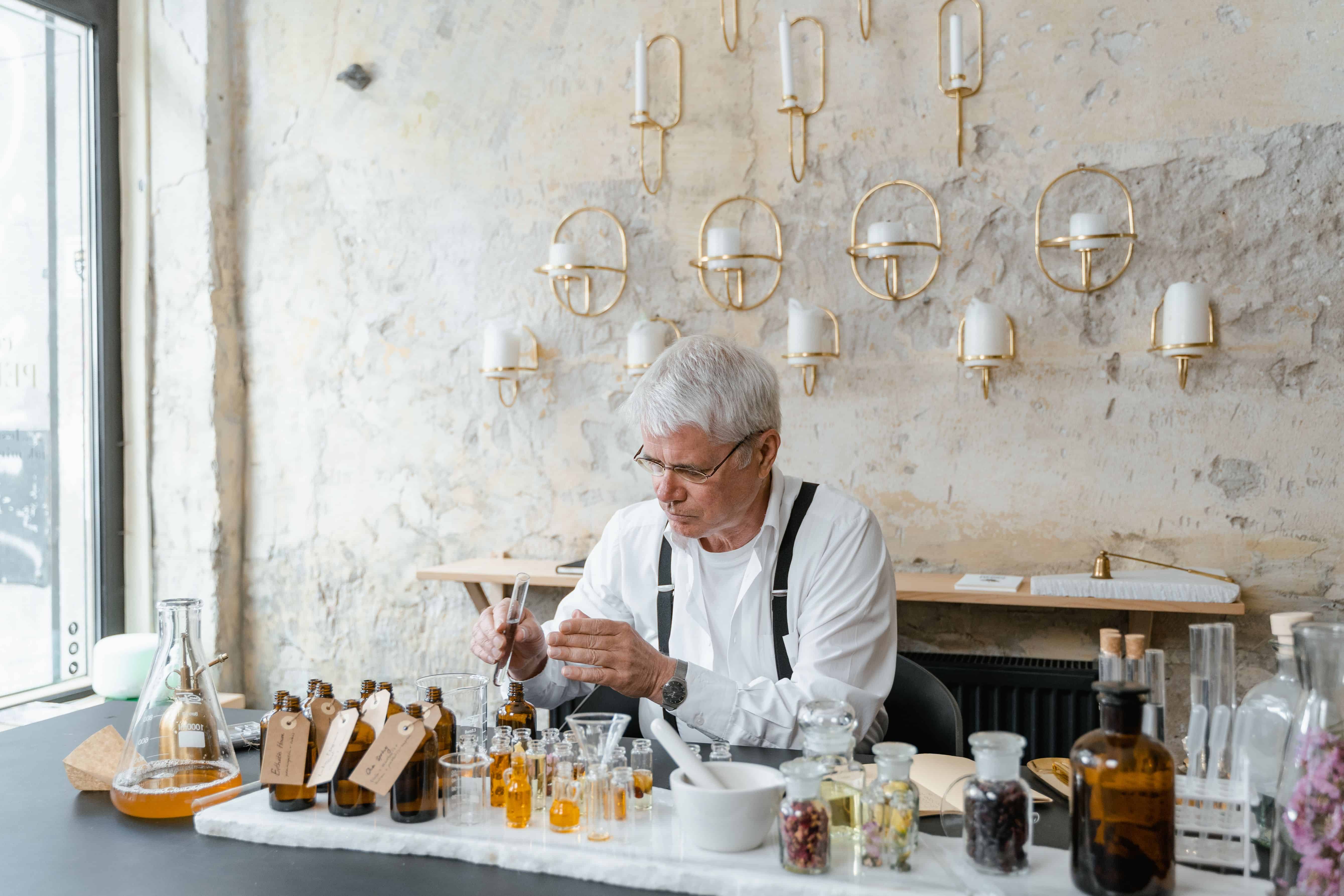
The fragrance will need restraint. It should sit alongside food, flowers and incense without overwhelming them. Used well, it becomes an invisible thread connecting spaces and events.
A small quantity may then be bottled for the couple and their guests. Years later, opening it could return them to the wedding more immediately than a photograph.
Immersion Through Participation
“Immersive” has often meant projection screens, moving sets and performers appearing around the audience. That language will begin to feel familiar. The next stage will place guests inside the culture of the destination.
In Kashmir, guests might meet embroiderers and papier-mâché artists whose work appears throughout the wedding. In Rajasthan, a celebration could be structured around miniature painting, local music and regional food traditions. In Kerala, waterways, temple arts, flower work and dining customs could shape the rhythm of the stay. The destination will function as a living culture rather than a decorative theme.
Food will follow the same direction. Large menus designed to display abundance will be joined by smaller, deeply researched experiences. Family recipes may be reconstructed with culinary historians. Regional cooks could prepare dishes tied to specific festivals or communities. Ingredients may come from named farms, orchards and estates. Each meal will have a reason for being there.
The wedding weekend may also stretch into a private residency. Guests could arrive slowly, settle into a fully bought-out estate and choose from a programme of music, wellness, craft, nature and food before the main ceremonies begin. The greater luxury will be unhurried time.
Privacy Becomes Part of the Design
The more prominent the family, the more valuable control becomes. Private weddings will involve much more than security at the gate. Entire hotels, villas, islands, safari lodges or heritage properties may be bought out so that no unrelated guest enters the wedding environment. Staff access will be tiered. Vendor teams may work under confidentiality agreements. Deliveries, photography zones and backstage movement will be mapped long before the first guest arrives.
Phone-free ceremonies will grow, supported by secure storage, professional guest photography and carefully timed image releases. Invitations may carry individual digital credentials. Different groups of guests may receive different travel information, venue details and access permissions.
Technology will become quieter. WhatsApp-based wedding concierges already manage private, multilingual guest communication and restrict information according to guest groups. By 2027, such systems could remember dietary requirements, room preferences, mobility needs, transport movements and event permissions while escalating sensitive requests to human teams.
Used responsibly, this technology will make the wedding feel more gracious. A guest’s preferred breakfast appears without repeated requests. An elderly relative finds a buggy waiting. A multilingual concierge explains a ritual in the guest’s own language. The system disappears behind the hospitality.
The Most Expensive Thing Will Be Meaning
The grand Indian wedding is not approaching an age of restraint. It is entering an age of selectivity.
Money will continue to pour into extraordinary jewellery, couture, destinations, food and entertainment. Yet the celebrations that set the tone after 2027 will direct that money with greater precision. They will purchase months of an artisan’s time, controlled access to a sacred setting, the privacy of an entire property, the expertise of a ritual scholar and the cultivation of flowers intended for one morning.
High-end will mean made from the beginning. Exclusive will mean unavailable to the general market. Private will mean control over people, information and imagery. Immersive will mean participation in a place, rather than standing inside a set.
The next great wedding may still be dazzling. It may fill a palace, illuminate a forest or bring hundreds of guests across the world. Its real power, however, will sit in quieter details: a Sanskrit vow understood by everyone present, an old jewel given a new life, jasmine harvested before sunrise, a garment woven with the family’s history and a fragrance that returns decades later. The spectacle will last a weekend. The finest choices will be designed to outlive it.
Read More: Latest