

Sacred groves Traditions of India reveal how ancient faith, community traditions and nature have flourished together beautifully
There are forests in India whose trees have been preserved not with fences or watchmen but faith. For some, a patch of green might be the home of a god; for others, it is sacred space that connects to ancestors or simply landscape not meant to be disturbed. There, it is not just a matter of going for a walk in the forest but rather an experience with traditions that are founded on living harmony between communities and their natural environment.
These are patches of natural vegetation, also known as sacred groves, scattered across different parts of India. They have different names, ceremonies and customs from one region to another, but most are based on the same principle: some places in nature deserve a degree of respect that defines how they can be used. It is the outcome of a unique meeting ground between belief and biodiversity, with religious community traditions at its heart.
What Are Sacred Groves?
Sacred groves are naturally vegetated areas conserved due to cultural and spiritual values. Communities may protect them for various reasons. Some are linked with gods or ancestral spirits; others relate to temples, religious tradition and local understandings of the natural world.
Sacred groves and landscapes are acknowledged by the Ministry of Environment, Forest and Climate Change as significant stores of biological diversity and traditional knowledge. In India, these types of community-protected spaces exist in several parts such as Kerala, Maharashtra, Karnataka and Himachal Pradesh.
What they represent is not only their association with their religious traditions. Sacred groves can enable plants and animals refuge from the effects of human disturbance, because such interference may be limited there; they also preserve fragments of vegetation that disappeared elsewhere under greater anthropogenic pressures.
But the most interesting part of their story is that conservation was not always the main goal. Often the only thing that saved a forest was local people coming to an understanding between themselves and their environment, whereby they believed in some holy or sacred element of nature.
Meghalaya: Forests Protected by Tradition
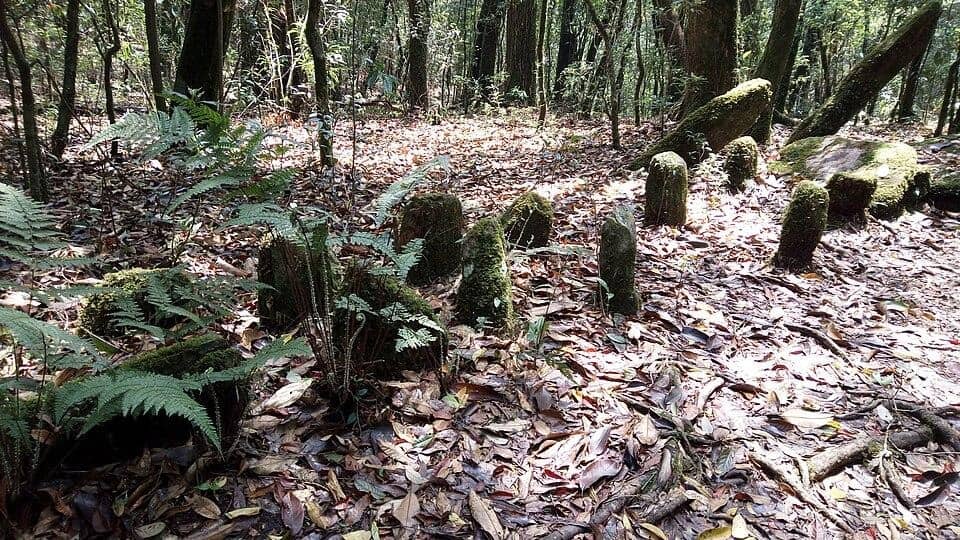
One of the best-known examples in India as far as this relationship between faith and nature is concerned can be found in Meghalaya. In the Khasi Hills, these sacred groves are called Khlaw Kyntang or Law kynTang and, at times, even as `Law Lyngdoh, whereas in the Jaintia hills too, there are traditions for such sacred forests, but their names differ.
According to the Meghalaya Biodiversity Board, these groves are associated with traditional religious practices of Khasi and Pnar tribes. Local beliefs assume that these sacred places are somehow connected or inhabited by forest deities who look after the well-being of the village community.
This has meant very tight control over what could be taken from the forest in historical times. These groves are traditionally forbidden to cut trees, and take flowers & fruits; twigs as well— so the vegetation is usually kept intact.
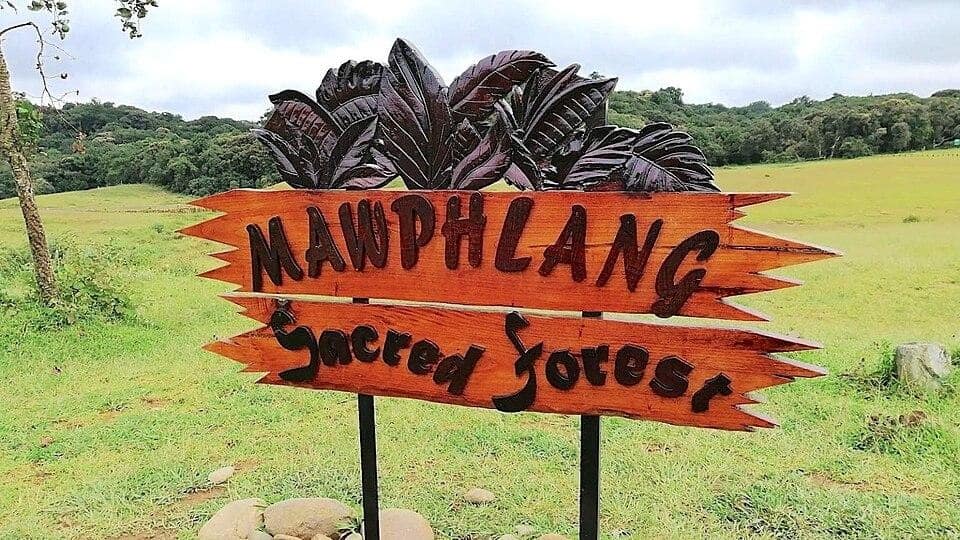
One of the most famous examples is Mawphlang Sacred Grove. The grove is located in the Khasi Hills, and it relies on traditional beliefs that forbid removal of trees, plants and other natural materials. While entering its dense greenery, for a moment at least, you see what the forest is valued for—the beautiful green oceans —not just in aesthetic terms but as evidence of something sacred.
Also important in this context are the sacred groves of Meghalaya. They conserve natural habitats for a variety of plant species, including rare and endemic ones, while maintaining local ecological knowledge passed down through generations who live alongside them.
Kerala: The Green World of Kavu
The concept of sacred groves also has a long history further south: in Kerala, they are called kavu. These green spaces are generally located near houses, temples and settlements as they are closely interrelated with local religious and cultural practices. Kerala Tourism calls the kavu a functional ecosystem that blends religion, culture and ecology. Oftentimes, the groves contain all manner of plants and trees, as well as ponds or streams which are part of the surrounding ecosystem.
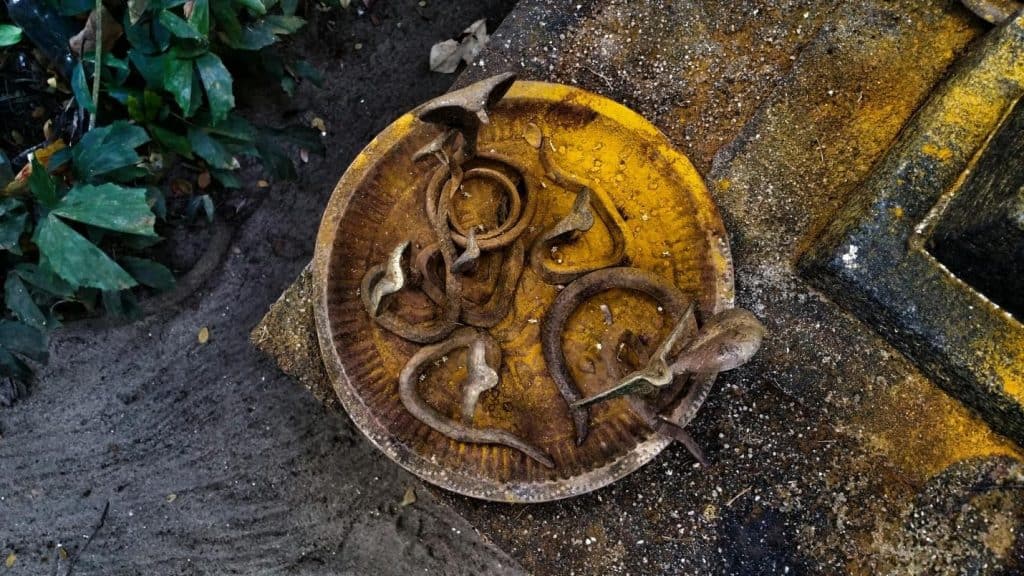
One especially unique type is the Sarpa Kavu, or sacred serpent grove. These spaces are often worshipped in the grove, which is associated with serpent deities. These spaces are dense, and any thick undergrowth could provide a home to myriad plants and other life.
These little forested areas have a deeper significance than just worship. In a world where settlements and agriculture have progressively expanded over time, these patches of vegetation can also provide critical ecological spaces in human-dominated landscapes.
Realising the significance these spaces embody, the Kerala Forest and Wildlife Department has documented sacred groves and developed management plans with community participation.
So the story of kavu in Kerala is particularly fascinating. This tradition–influenced by religious and cultural beliefs has come to play a role in discussions of biodiversity and protection of the environment.
Maharashtra: Sacred Devrai
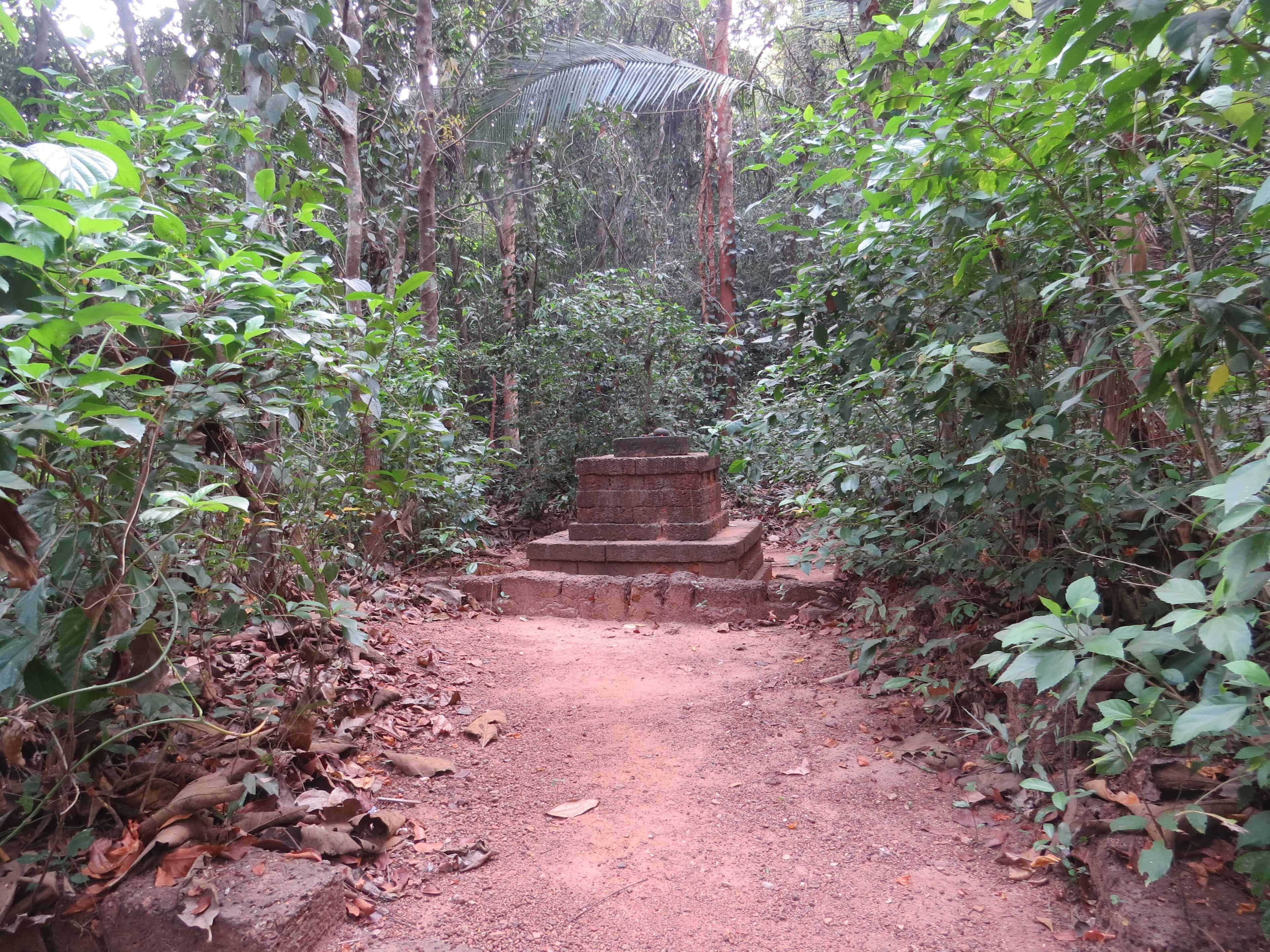
In Maharashtra, sacred parks are traditionally called as Devrai, the term applied to forests or groves set aside for local deities. Historically these spaces were protected by customary beliefs and practices among village communities.
This tradition also shows that sacred landscapes may be expressed differently across regions. A Devrai may thus be associated with a village-linked tradition of worship as well as providing an area for the preservation of vegetation and wildlife in the surrounding landscape.
It is thus the relationship between the community and the grove that is at the core of its protection. The forest is not seen just as a physical resource, but as something that embodies cultural and spiritual importance.
Sikkim: A Sacred Grove of Brotherhood
Another unique example is Kabi Lungchok in Sikkim. It is situated 20 km from Gangtok, and the place is linked to a history of blood-brotherhood between the Lepchas and Bhutias.
Described by the Government of Sikkim as a sacred grove, it is home to an abundance of medicinal plants. It is also the site of Siqueok Puja a thanksgiving ceremony for having a good harvest and pray for more prosperity every year. According to aged traditions they hold the ritual, uniting people at the holy place.
Kabi Lungchok is an example of how a natural space can be maintained not only for the vegetation within it but also to hold memories about family, history and cultural relationships — which distinguishes it from a sacred grove that is protected purely for its tree cover.
The Tradition Takes Different Forms Across India
Sacred groves are not unique to Meghalaya and Kerala. As the community and landscape changes, so do their names and traditions. Environmental reports by the Government of India note sacred-grove traditions in various Indian states, for example, Devrai and associated forms of names in Maharashtra; Sarana in Jharkhand; forest areas related to Buddhist monasteries in Arunachal Pradesh, and sacred bamboo reserves in sections of Manipur.
For instance, the traditional Devrai has been linked to village communities safeguarding forest patches due to spirituality in Maharashtra states. Such groves have traditionally existed on government forest land but also near villages as land belonging to the community and governed by local tradition that limited their use which helped protect them.
Thus, the traditions are not ones of uniformity. The cultural context of a sacred grove associated with a serpent goddess in Kerala may differ significantly from that of a forest linked to a village deity in Meghalaya or even protected under another local tradition in Maharashtra. What ties those together is the notion that nature might have cultural and spiritual value beyond its material function.
When Belief Becomes Conservation
Its a fascinating question to ask when it comes to the story of sacred groves: can faith also become conservation?
Sometimes, it seems that the answer is yes, but they are more complicated than calling them sacred groves conservation areas. Conventional prohibitions would protect trees from being cut down, as well as prohibit over-extraction and other disturbances to allow vegetation and wildlife within the grove to persist.
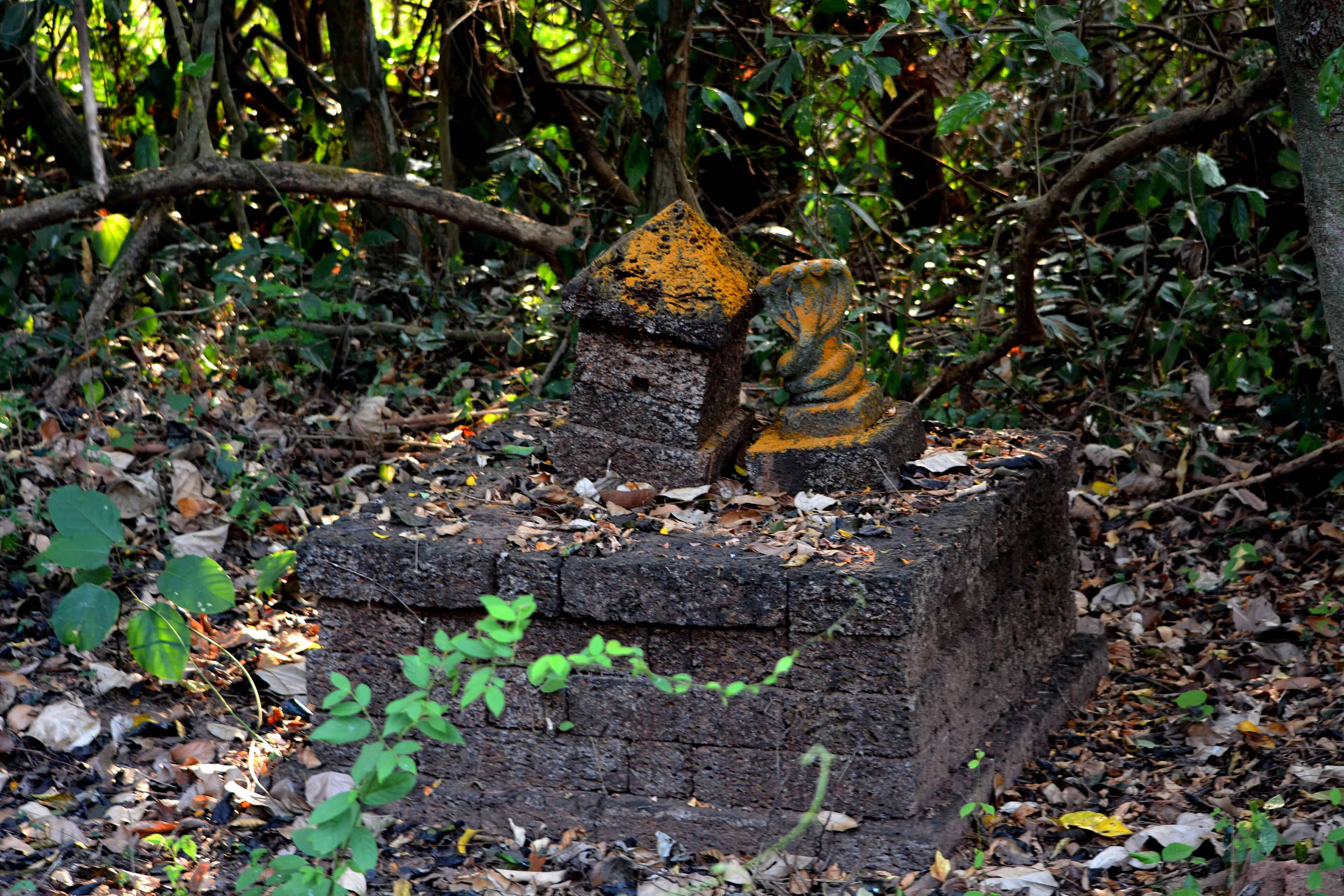
According to the Meghalaya Biodiversity Board, sacred groves are among some of the least disturbed forest patches in the state and they hold great significance for rare and endangered plant species. The array of benefits these spaces can provide also link to soil conservation, water quality and wider ecosystem health.
Kerala’s Forest Department considers sacred groves to be ecologically significant sites that can provide habitat for animal and plant diversity as well as contribute to environmental processes.
However, it would be a mistake to romanticise the tradition. Sacred groves bear considerable pressure due to changing land use, degradation of traditional practices or where communities become less reliant on old belief systems. The Meghalaya Biodiversity Board has observed that there is a loss of tradition and culture to preserve biodiversity, as the sacred groves have been shrinking or degrading.
Travelling Through Sacred Spaces
Sacred groves provide a different take on how humans relate to nature for travellers. But they really shouldn’t be given that treatment of a common roadside tourist site.
The first responsibility is respect. Visitors are required to obey local custom, not removing anything from the grove and requesting permission ahead of photographing rituals, people or religious items.
This is particularly crucial, as the value of a sacred grove extends beyond ecology. It is part of the cultural and spiritual life of the community it protects.
Hence a traveller to such a place is required to look beyond the landscape. The trees, streams and wildlife are part of the experience but so are the beliefs, stories and customs that rendered this natural landscape intact.
Where Faith and Nature Meet
Secret groves in India tell a much older story of paying heed to nature. A forest may provide medicinal plants, water and biodiversity but it may also be a site of worship and abode of God. These senses were not always distinguished.
The sacred groves of today now find themselves at an intriguing juncture between ecological sustainability and cultural heritage. Some are well protected, others struggle with the push and pull of changing lifestyles and development. The future resides not only on documenting their biodiversity but also on understanding the communities and traditions that have been protecting them. Maybe that’s what makes these forests amazing. They remind us that conservation doesn’t always start with a sign or a border or even an official statement. In some cases it starts with the community recognizing that a certain element of nature is sacred and as such deserves to remain.
Read More: Discover Your India