

From LED-lit greens to air protein, farming is finding new ground beyond soil and seasons
The world’s food systems are entering a difficult new era. Rising temperatures, unpredictable weather, and pressure on water are forcing a rethink of how food is grown. Yet human ingenuity has always found ways to farm at the edge of possibility, and today that instinct is taking on bold new forms.
Across the world, scientists, growers and food innovators are turning unlikely spaces into productive ones. Herbs grow in sealed rooms beneath carefully programmed LED lights. Greenhouses glow through long winter nights. Microbes feed on gases inside stainless-steel bioreactors and become protein-rich ingredients. Floating farms place cultivation on water in regions where land is scarce or floods are becoming more frequent.
Greens sprout in the dark
One of the clearest shifts in future food production is the move away from depending entirely on the great outdoors. In places where winter is long, land is limited, heat is rising, or water is scarce, growers are beginning to recreate the basic conditions plants need inside controlled spaces.
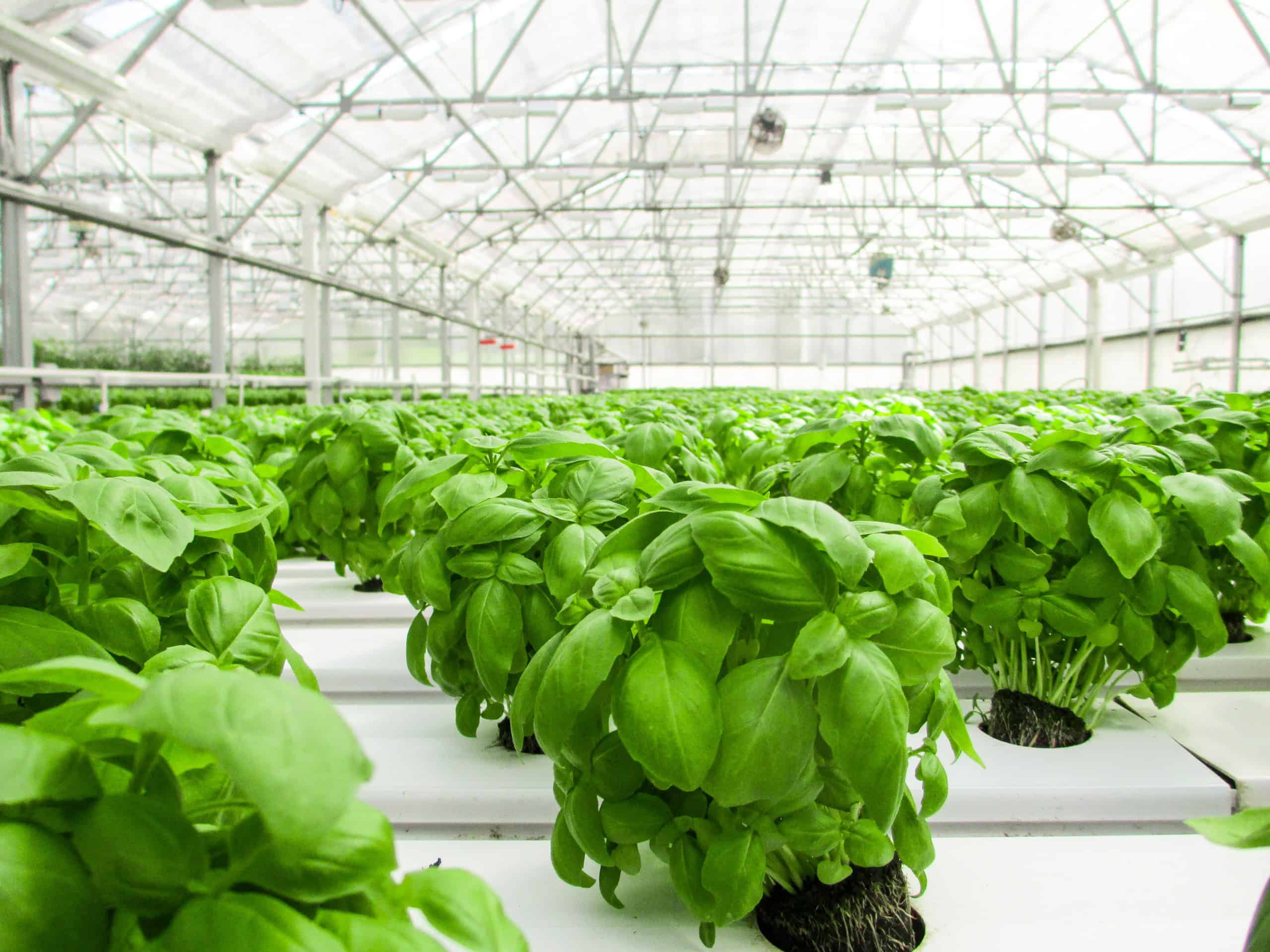
Technology tries to make up for everything the environment fails to provide, making way for Vertical farms and plant factories that create all the necessary factors indoors. Crops are grown on stacked shelves under LED lights that can be adjusted for colour, strength and duration. These “light recipes” can influence growth, leaf shape, colour and, in some cases, flavour.
Oftentimes, even the soil can be foregone for efficiency; using hydroponic or aeroponic systems, Nutrients are delivered to the roots through flowing water or mist. No dirt. No soul required. Sensors monitor temperature, humidity, carbon dioxide, airflow and nutrient balance, while software helps keep the growing environment stable.
Perfect for growing crops like leafy greens, herbs, microgreens, baby leaves and some berries, this model works best with delicate foods that can lose texture, flavour and shelf life during long transport- where growing them closer to cities, hotels, restaurants and supermarkets makes practical sense. It also gives regions affected by cold, darkness, poor soil, water stress or urban landscapes another way to cultivate fresh produce.
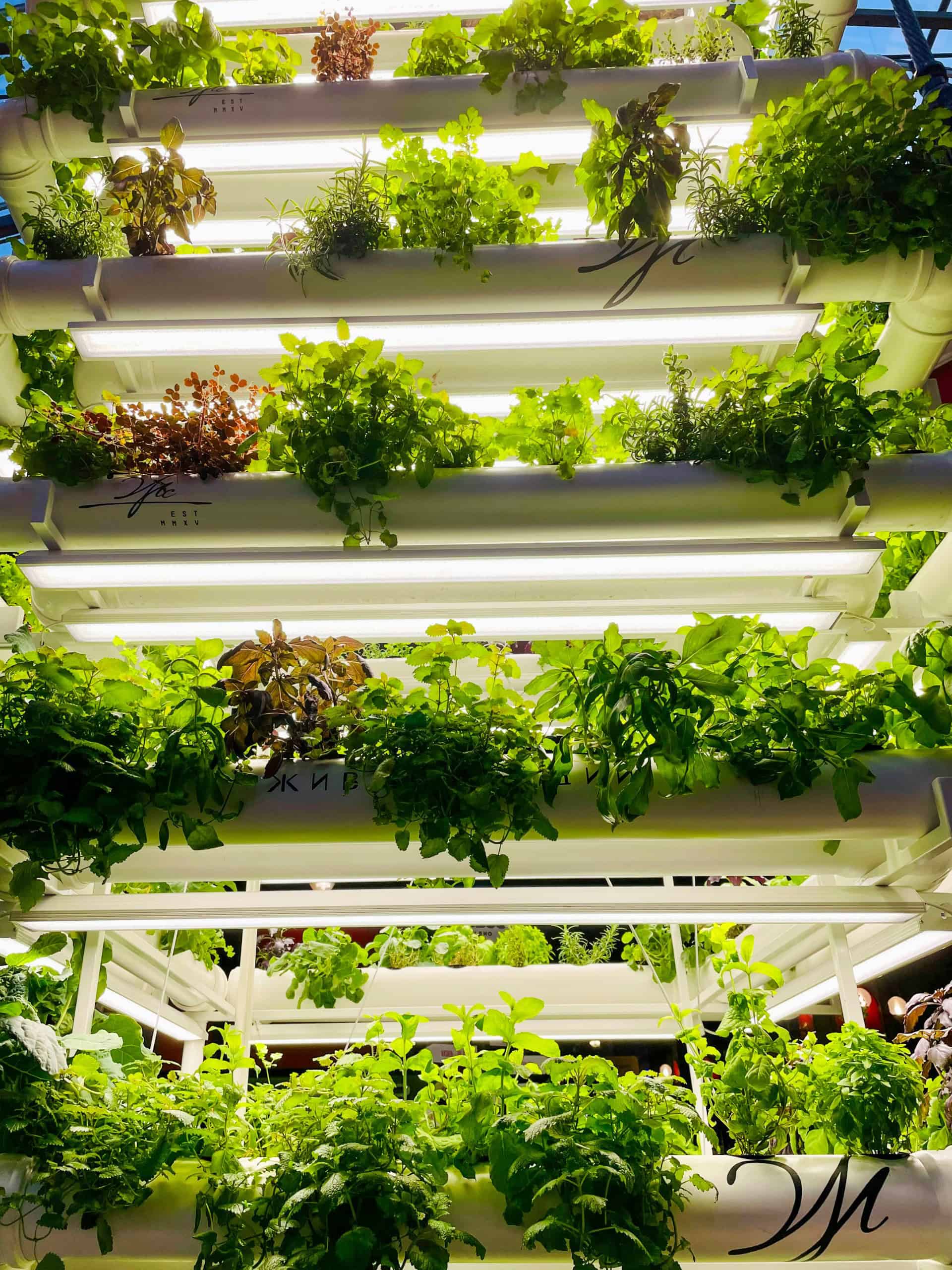
Nothing stops this technology from knocking on doors- mini hydroponic units and microgreen systems are finding their way into apartments, balconies, kitchens and compact urban homes. They will not feed a city, but they do change the relationship people have with food. A small tray of basil, mustard microgreens, or lettuce grown indoors offers a quiet reminder that farming does not always need a field. Sometimes, it begins with light, water and a corner of the home.
Protein Out of Thin Air
The most unusual frontier may not involve plants at all. Air protein, also known as single-cell microbial protein, asks a different question: can protein be made with gases, electricity and microbes instead of soil, crops or animals?
The process takes place inside bioreactors. Certain microbes are fed gases such as carbon dioxide, hydrogen and oxygen, along with minerals. As they grow, they produce protein-rich biomass, which can then be separated, dried and used as a food ingredient. In one sense, this is a new industrial food process. In another, it extends a much older tradition. Humans have always used microbes to transform food through bread, beer, yoghurt, cheese and vinegar. Gas fermentation takes that relationship further by feeding selected microbes with gases and clean energy instead of crops, sugar or grain.
The ingredient produced through this process is not necessarily meant to appear as something unfamiliar on the plate. Its future may lie in everyday foods: protein bars, noodles, baked goods, drinks, dairy alternatives and meat substitutes. This makes the idea more practical than it first sounds. The change may happen quietly, through ingredients added to foods people already know and eat.
The larger promise is independence from some of nature’s conventional constraints. Such ingredients can be produced with little land and water in places where conventional agriculture is difficult. The challenge is that bioreactors still need clean energy, regulation, investment, safety systems and public trust. For air protein to become part of the mainstream food system, it must move beyond novelty and prove itself as safe, scalable, affordable and useful.
Floating Harvest
Climate change is not only bringing greater heat and longer dry spells. In many regions, it also means heavier rainfall, stronger storms, prolonged waterlogging and less predictable floods. This has made flood-resilient cultivation an increasingly important part of future food planning. Floating gardens, aquaponics and algae systems are gaining attention in places where farmland is scarce, frequently submerged or under growing pressure. Instead of treating water only as something used to irrigate crops, these systems make it part of the farm itself.
The idea has deep historical roots. In Mexico, chinampas were raised agricultural beds constructed in shallow wetlands using lake sediment, branches and decaying vegetation, with canals running between them. Around Lake Titicaca, Andean waru waru fields placed crops on raised platforms bordered by water-filled channels, helping farmers manage floods, drought and frost.
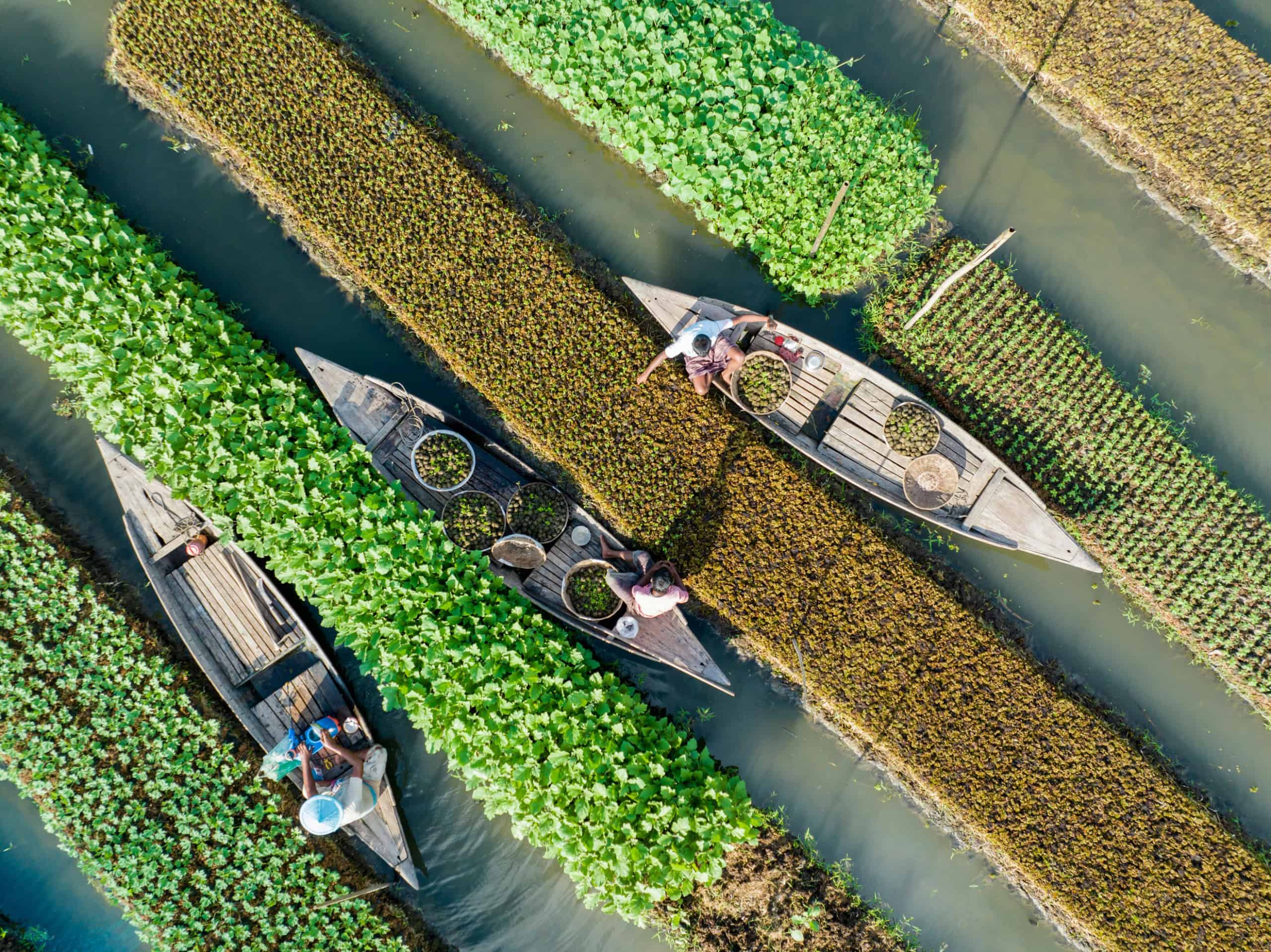
A related tradition remains active in southern Bangladesh. During months when fields stay underwater, farmers build floating beds from water hyacinth, straw and other plant residues. Vegetables, spices and seedlings grow directly on these beds, which move with changing water levels. Once the growing cycle ends, the decomposed material can be returned to the land as organic matter. The system turns seasonal flooding from a complete barrier into a usable growing environment.
Modern aquaponics follows a more engineered route. Fish and plants share a recirculating system in which bacteria convert ammonia from fish waste into nutrients that crops can absorb. As the plants take up these nutrients, they help filter the water before it returns to the fish tanks. The system can recirculate and produce fish and vegetables within the same controlled space, but oxygen, pH, temperature, stocking density and disease must be managed closely.
Algae cultivation widens the possibilities further. Microalgae and seaweeds can supply proteins, oils, pigments, fatty acids and ingredients for food or animal feed. Their commercial potential is significant, although harvesting, processing, contamination control and cost remain challenges.
None of these systems is ready to replace mainstream agriculture. Their importance lies in showing how food production can adapt when ordinary land becomes unreliable. Future harvests may come not only from fields, but also from canals, floating beds, recirculating tanks and carefully managed aquatic cultures.
Desert Agriculture
For thousands of years, communities in arid regions have shaped farming around one central reality: water must be captured, protected and shared carefully.
In ancient Iran, underground channels known as qanats carried groundwater over long distances using gravity while reducing exposure to evaporation. Related systems spread across dry regions, becoming known as karezes in parts of South and Central Asia, khettaras and foggaras in North Africa, and aflaj in Arabia. Around oases, date palms formed a high canopy above fruit trees and annual crops, creating shade and a cooler microclimate.
Other communities depended on brief seasonal rainfall. Ancient farmers in the Negev built catchments, dams and channels to direct runoff towards cultivated land. In Jordan’s Badia, marab systems slowed and spread floodwater, while Rajasthan’s khadins held rainwater behind low embankments so crops could later grow on the moisture retained in the soil.
Today, desert farming is increasingly being shaped by technologies that work around heat, salinity and water scarcity rather than attempting to remove them altogether. Agrivoltaic systems place crops beneath raised solar panels, providing partial shade that reduces midday heat and water stress while generating electricity.
Root-zone cooling takes a similarly targeted approach by lowering the temperature around plant roots instead of cooling an entire greenhouse, reducing energy use while helping crops cope with extreme heat. Biosaline farming is also moving beyond the search for salt-tolerant crops alone. Researchers are testing halophytes, plants naturally adapted to saline conditions, as companion crops that may help reduce salt stress and support the growth of more sensitive vegetables.
At the same time, solar-powered desalination is making it more practical to produce freshwater for smaller, high-value farms in arid regions. Together, these methods point towards a more integrated model of desert agriculture, where shade, clean energy, precise cooling, salt management and carefully selected crops work as one system.
The Promise and the Power Bill
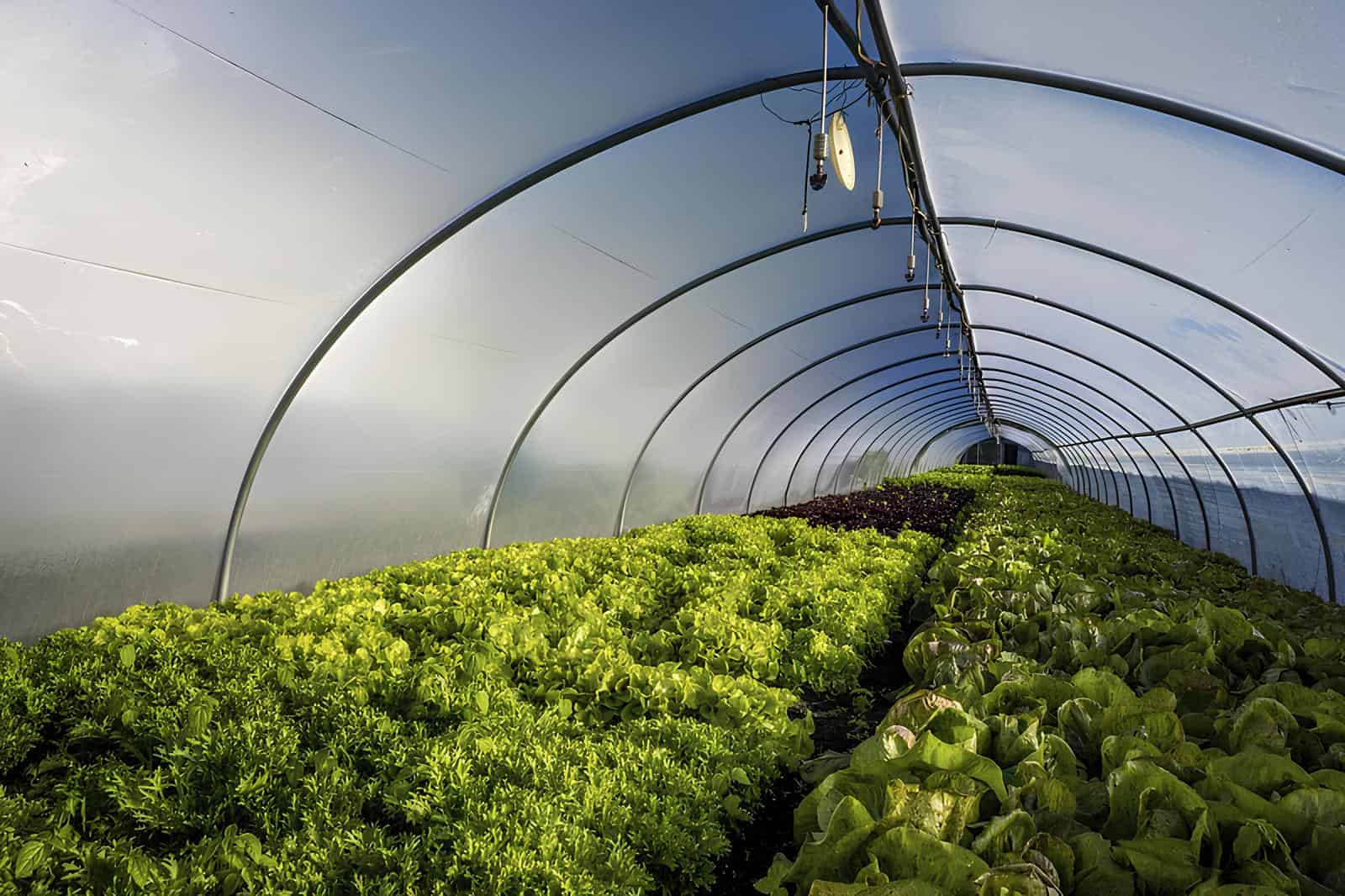
Controlled food systems are not replacing traditional agriculture, but they are becoming a useful support as climate pressures grow. They allow growers to use water more carefully, reduce dependence on pesticides and bring certain kinds of production closer to cities.
The challenge lies in making these systems practical at scale. Lights, heating, cooling, pumps and automation all need reliable power. Infrastructure is expensive, and crop choices must make economic sense. The recent difficulties faced by some vertical farming companies have shown that technology alone cannot carry the model. A farm still needs clear demand, careful costs, strong logistics and a realistic route to market.
This is why the future is likely to be mixed rather than absolute. Conventional farms will remain essential, especially for staples and large-scale food production. Alongside them, greenhouses, vertical farms, floating systems, algae-based ingredients and microbial proteins may take on more specific roles.
None of this is to excuse the exploitation and destabilisation of nature that seems to run rampant in our times. The focus on conservation must never shift. In a world where the weather is less predictable and land is under pressure, farming is not turning away from nature. It is learning how to work around nature’s new uncertainties, using design, energy and biology to keep food growing where older methods may struggle.
Read More: Latest