

Discover 12 unforgettable spiritual experiences in Ayodhya, where sacred memory, living traditions and a fast-changing city meet beside the Saryu
Some of the most unforgettable spiritual experiences in Ayodhya begin before a temple door opens. Ayodhya is immortal in Hindu culture, and stepping into the city feels like travelling back through time, except the past now arrives with airport transfers, illuminated façades, wider roads and a skyline changing by the month.
The first feeling is recognition. Generations have encountered unforgettable spiritual experiences in Ayodhya through the Ramayana, bhajans, Diwali lamps, and family stories. The city can feel familiar even before the first visit. Then the present comes rushing in: temple bells above traffic, pilgrims carrying flowers and smartphones, electric buggies passing old sweet shops, new hotels beside neighbourhood shrines and the Saryu turning gold in the evening light.
Ayodhya is having a moment at full throttle, ancient and emotional, intensely devotional yet alert to the demands of modern travel. Its spiritual power remains the reason people arrive, but the experience now extends across architecture, food, storytelling, riverfront rituals and a rapidly evolving cityscape.
The City That Lived in Stories
Long before Ayodhya became one of India’s biggest travel stories, it was already one of its most remembered cities. Hindu tradition places it at the heart of ancient Kosala and the Ikshvaku, or Suryavanshi, dynasty, whose royal line included King Dashrath and Lord Ram.
The Ramayana unfolds in Treta Yuga, the second of the four principal yugas in Hindu thought, yet Ayodhya’s significance is felt less through chronology than through a story known across generations: Ram’s birth, his exile, the victory over Ravana and his return home. The lamps of Diwali still echo that homecoming, turning an ancient narrative into an annual act of collective memory.
Historically known as Saket, the city also carries Jain, Buddhist, Shaivite and Vaishnavite associations. Saints, poets and pilgrims have left their imprint. The past does not sit behind glass here; it remains present in chants, processions, painted doorways and daily conversation.
Ayodhya rewards devotion, naturally, but also curiosity. Look beyond the headline monument and an entire sacred landscape begins to reveal itself.
Ram Mandir and the New Centre of Gravity
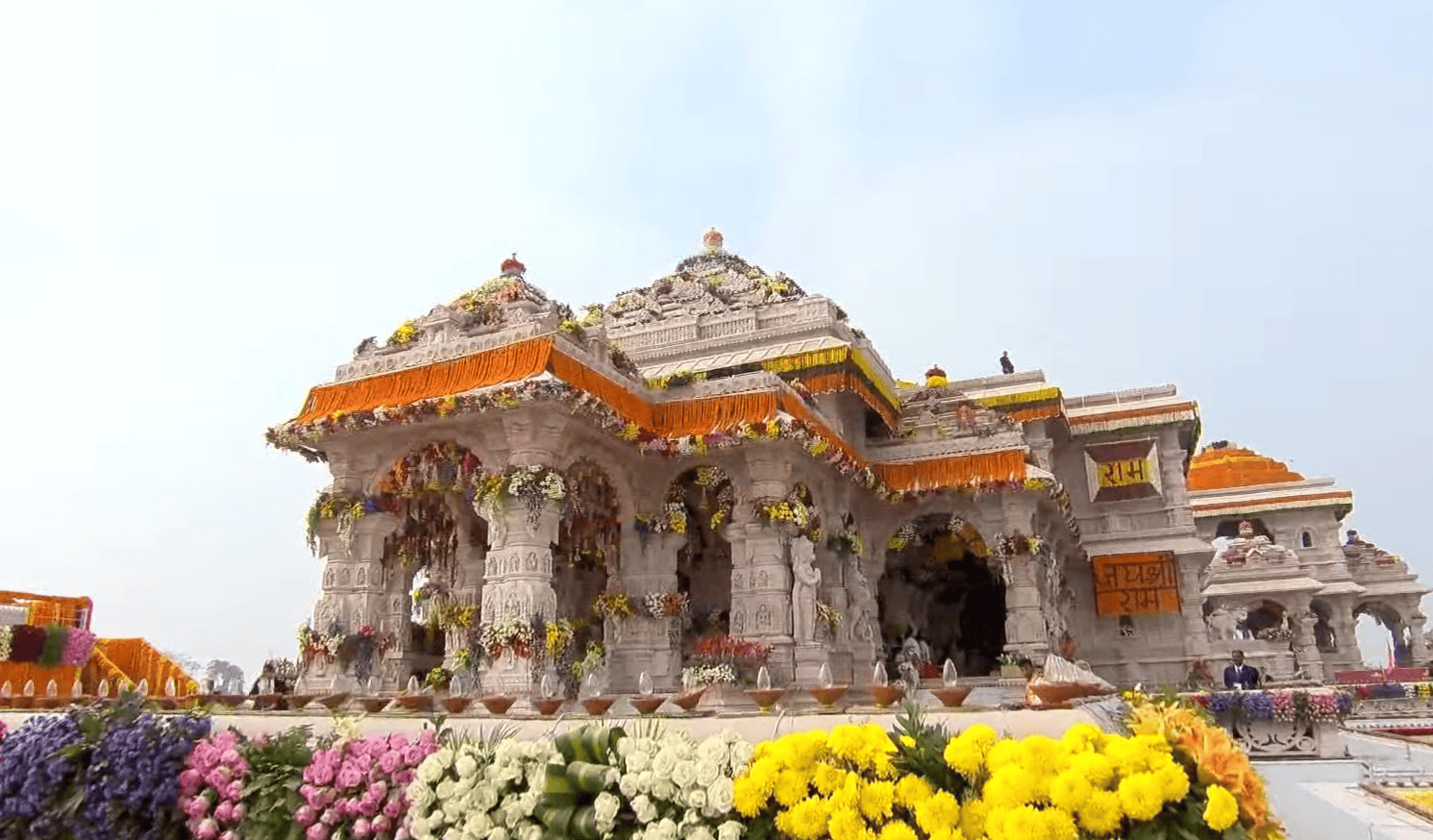
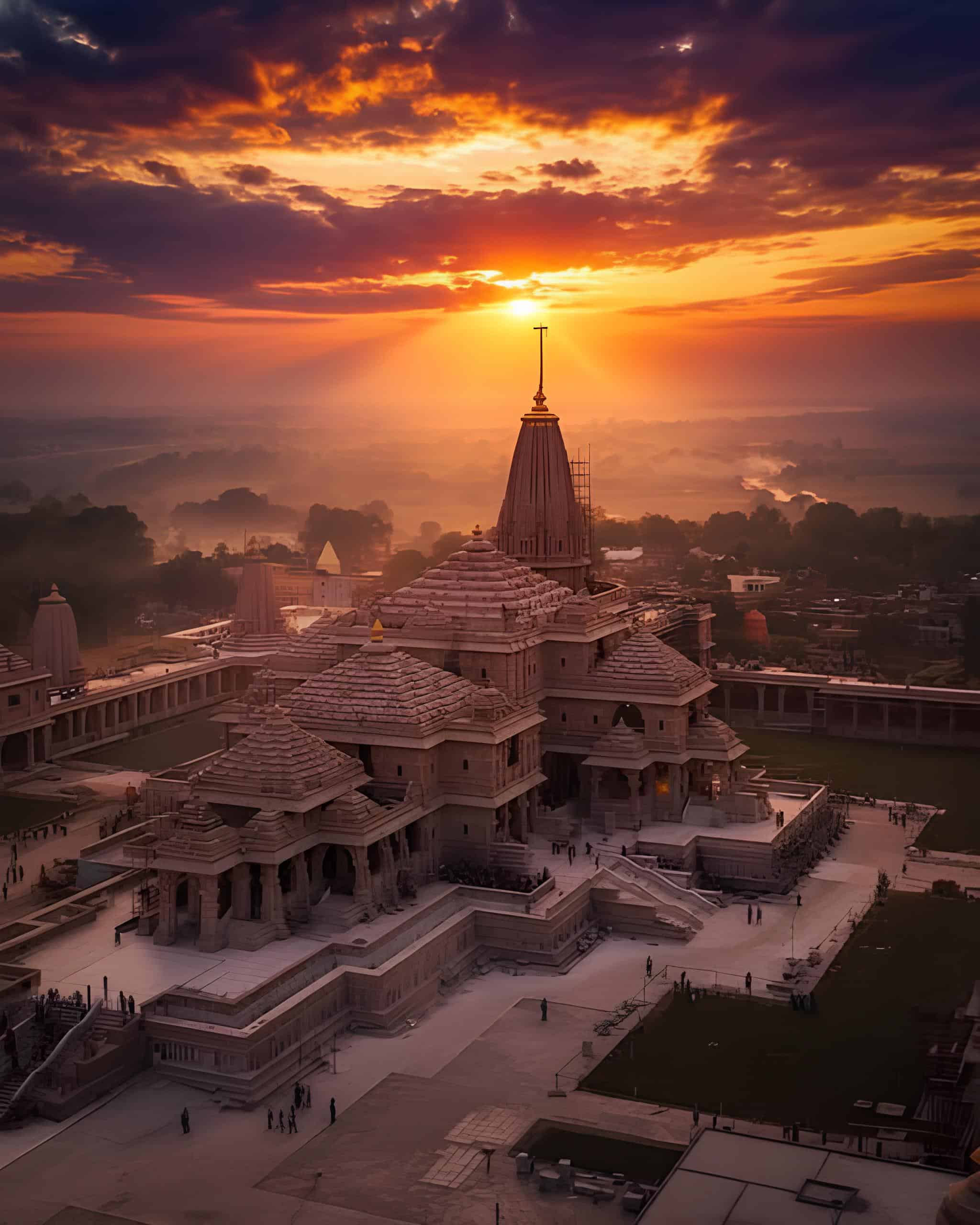
The Shri Ram Janmabhoomi Mandir is now Ayodhya’s spiritual and tourism centre of gravity. Roads lead towards it, crowds gather around it, and almost every first-time visitor hears the same question: “When are you going for darshan?”
The approach has its own momentum. Security checks, lockers and long walking stretches can rearrange the best-laid plans. Some pilgrims chant; others move quietly. Elderly visitors walk with extraordinary concentration, while younger travellers take their final photographs before depositing phones and personal belongings.
Then the volume drops. The scale of the temple, built in the Nagara tradition, takes over. Carved sandstone, tall pillars and the rising shikhara create a sense of ceremony well before the sanctum is reached. Darshan may be brief, yet pilgrimage has never been measured only in minutes.
People emerge carrying prasad, relief and an expression that is difficult to mistake. For many, this is a family wish fulfilled, a promise kept or a journey considered for years. Multiplied across thousands of visitors, that emotion gives the temple its intensity.
Carry minimal belongings, wear comfortable footwear and check the temple trust’s official website for current darshan and aarti arrangements. An early start also leaves space for the rest of Ayodhya, which deserves more than a hurried circuit.
Hanuman Garhi for Steps, Bells and Street Energy
Set in the heart of the old city, Hanuman Garhi is reached by climbing 76 steps and ranks among North India’s most revered Hanuman temples. The lane below is packed with flowers, saffron cloth, sweets, bells and monkeys watching the crowd with professional interest.
The climb is chaotic and full of character. A child counts each step, a shopkeeper argues the case for his laddoos, and someone inevitably pauses at the narrowest point. The bustle is part of the experience, carrying visitors out of the wider ceremonial avenues and into Ayodhya’s dense, social rhythm.
Tradition holds that Hanuman watched over Ayodhya here, and the shrine still feels like the city’s spiritual guard post. Many devotees visit before Ram Mandir. Inside, bells, chants and close quarters replace monumental scale with immediate devotional energy.
Kanak Bhawan and the Prettiest Pause
After Hanuman Garhi, Kanak Bhawan feels like a change of playlist. Its courtyards, ornate arches, coloured details and devotional music soften the pace almost instantly.
Tradition associates the palace temple with Lord Ram and Sita, describing it as a gift presented to Sita after her marriage. Beautifully adorned images of the divine couple occupy the principal shrine, dressed in elaborate textiles and jewellery. The courtyard, meanwhile, offers something precious in a busy pilgrimage city: room to sit, observe and breathe.
The Saryu at Dawn and Ram Ki Paidi After Dark
The Saryu may appear to flow along Ayodhya’s edge, but spend time beside it and you realise that it runs through the city’s emotional centre. The river offers two distinct experiences, and both deserve space in the itinerary.
Morning is soft and devotional. Pilgrims take ritual dips, priests arrange offerings and small boats move through pale light. Tea arrives in small cups, conversations stay low, and the city seems to wake in layers. Travellers with no ritual planned can still enjoy the open space after the concentrated temple lanes.
Evening changes the mood at Ram Ki Paidi. Restored ghats and illuminated façades give the riverfront a grander visual identity. Families occupy the steps, children follow the lights reflected in the water, and vendors sell flowers, lamps and chai through the crowd.
As aarti begins, bells ring, flames rise and diyas move across the water, each carrying a silent prayer. Sit on the steps, sip chai and let the riverfront unfold. Ayodhya makes the strongest impression when the schedule loosens.
Nageshwarnath Temple and a Shaivite Thread
Nageshwarnath Temple introduces a strong Shaivite element to Ayodhya’s predominantly Ram-centred sacred landscape. According to tradition, the temple is connected with Kush, the son of Lord Ram, who is believed to have established a shrine here after a personal encounter by the Saryu.
The present temple has passed through later periods of rebuilding, yet its religious association remains deeply rooted in local life. The atmosphere is usually more intimate than the city’s headline sites. Bells, flowers and familiar rituals replace grand procession, making this the sort of place that helps Ayodhya feel inhabited instead of staged.
Dashrath Mahal in Royal Colour
Dashrath Mahal turns the mood brighter. Colourful façades, decorated entrances, devotional music and a steady stream of pilgrims give the complex a lively, almost celebratory energy.
Associated with King Dashrath and Lord Ram’s childhood, the site carries the memory of Ayodhya’s royal household. Its visual language is exuberant: painted surfaces, ornamented arches and vivid religious imagery fill the approach. Pilgrims sing and gather in the courtyard, while the surrounding lanes keep the experience closely connected with the old city.
This is not a palace visit in the conventional museum sense. Its value lies in living devotion and the way royal memory has been absorbed into prayer, music and daily movement.
Treta Ke Thakur and a Quieter Chapter
Treta Ke Thakur offers another connection with the Ramayana, with local tradition associating the site with Lord Ram’s Ashwamedha Yajna. Located near the river, the temple carries a quieter atmosphere that can be especially welcome between crowded stops.
The shrine is known for its images connected with Lord Ram, Sita, Lakshman, Bharat, Shatrughna and Hanuman. Access and opening patterns may be more limited than at the major temples, so it is sensible to confirm locally before building the day around it.
Its appeal lies partly in that slower rhythm. Treta Ke Thakur feels less like an item to complete and more like a chapter encountered along the way, especially when combined with a walk through the nearby ghats and lanes.
Tulsi Smarak Bhawan and the Ram Katha Museum
Tulsi Smarak Bhawan shifts the story towards poetry, performance and the extraordinary afterlife of an epic. Dedicated to Goswami Tulsidas, traditionally credited with composing the Ramcharitmanas, it explores how the story of Ram travelled beyond Sanskrit scripture and entered a widely understood literary and devotional language.
The nearby Ram Katha Museum widens that lens through sculpture, manuscripts, paintings, costumes and regional interpretations. Together, the two spaces reveal something fundamental about Ayodhya: the Ramayana is not confined to one temple or one book. It survives in songs, paintings, festival stages, folk theatre, household prayers and stories retold across India and large parts of Asia.
After the sensory force of darshan and crowds, these collections offer a useful pause and a richer view of Ayodhya as a cultural source, not only a pilgrimage destination.
Guptar Ghat When the City Slows
Away from the busiest temple lanes, Guptar Ghat has a quieter, more pensive atmosphere. The riverfront feels wide and unhurried, and tradition links the site with Lord Ram’s final departure from the earthly world through jal samadhi in the Saryu.
Come in the late afternoon, walk along the steps and stay as the sun begins to sink. Temple silhouettes sharpen, birds cross the river and local families settle beside the water. The experience is contemplative without demanding silence.
Guptar Ghat is also a reminder that sacred geography extends beyond central Ayodhya. Giving it a separate outing prevents the visit becoming a breathless sequence of shrines and allows the river to shape the mood once again.
Bazaar Browsing Between Blessings
Flowers, diyas, sandalwood, kumkum, copper vessels, prayer beads, sweets, idols and miniature bows spill across Ayodhya’s temple-side shopfronts. Some are bought for worship, some for gifting, and some are simply too charming to leave behind.
The best browsing happens without a strict shopping list. Sellers explain offerings, recommend prasad and carefully pack fragile keepsakes. Old family-run stores sit beside polished souvenir shops, reflecting the same transition visible across the city. Look for small brass bells, framed religious art, wooden toys, devotional textiles and locally prepared sweets that travel well.
Every garland, diya and prasad box belongs to a larger pilgrimage economy supporting artisans, flower sellers, confectioners and generations of temple businesses. Shopping slips naturally between darshan, blessings and the next stop.
A Taste of Ayodhya Beyond Prasad
Ayodhya’s food is largely vegetarian, comforting and designed around the rhythm of pilgrimage. Breakfast can begin with crisp kachori or bedmi puri served with spiced potato curry, followed by jalebi still warm enough to bend between the fingers. Samosas, chaat and cups of strong masala chai keep the streets fuelled through the day.
Peda, laddoo, rabri, imarti and locally loved khurchan-style milk sweets appear in glass cases across the temple quarter. Portions are rich, so sharing creates an excuse to try more than one.
At lunch or dinner, seek a simple satvik thali, seasonal vegetables, dal, rice and fresh rotis. The pleasure lies in freshness and balance, not elaborate presentation. Choose busy, clean establishments, ask about spice levels and carry drinking water during long walking stretches. In Ayodhya, meals are rarely separate events; they arrive between rituals, queues and conversations, turning an ordinary pause into part of the journey.
Festival Ayodhya at Full Volume
During Deepotsav, Ayodhya goes into full spectacle. Ram Ki Paidi and the ghats become a vast riverfront stage, illuminated by immense arrangements of diyas and animated by music, processions, cultural performances and aarti. The visual drama draws enormous crowds, yet its emotional foundation remains the story of Lord Ram’s homecoming.
Ram Navami brings equally powerful devotion as the city celebrates Lord Ram’s birth. Temples fill, chants spill into the streets and darshan becomes the organising force of the day. Shravan Jhula Mela introduces another seasonal mood, with decorated swings, music and rituals centred on the divine couple.
Festival Ayodhya is dramatic, devotional and extremely busy. Hotels fill early, traffic diversions become common and temple queues grow considerably longer. Book well in advance, carry very little and resist overloading the itinerary. Travellers who prefer quiet reflection should choose ordinary weekdays outside major festival periods; those who want collective energy will find the city at its most intense during celebration.
The New Ayodhya Is Already in Motion
The sacred city is being reshaped by infrastructure at remarkable speed. Maharishi Valmiki International Airport has made arrival easier, Ayodhya Dham Junction presents a more ceremonial gateway, and expanded roads carry visitors towards the main pilgrimage zone. New hotels, guest houses, electric mobility options and improved public spaces are changing the practical experience of the city.
Yet development creates its own contrasts. A freshly illuminated avenue can turn suddenly into an old lane. An electric buggy may pause for a slow-moving cow. A contemporary café can stand within walking distance of a sweet shop that measures its history in generations. Construction, traffic adjustments and crowds are still part of the landscape, so flexibility is essential.
The transformation works best when it supports the city’s spiritual character instead of overwhelming it. Ayodhya does not need to become seamless to be compelling. Its appeal comes from the overlap: sacred memory and civic ambition, ritual and commerce, old neighbourhoods and new gateways all occupying the same frame.
Planning the Journey Well
Two full days allow a meaningful first encounter, while three create space for Guptar Ghat, museums and slower riverfront time. Begin the main temple day early, grouping Ram Mandir, Hanuman Garhi, Kanak Bhawan and Dashrath Mahal according to access conditions and walking comfort. Reserve another morning or evening for the Saryu, then place the smaller shrines and cultural stops around it.
October through March generally brings more comfortable weather, although festival dates also bring the largest crowds. Summers can be severe, making early mornings, hydration and rest breaks essential. Modest clothing works best for temples, and footwear that slips on and off easily saves time. Keep a valid identity document available, carry minimal valuables and confirm photography, locker and entry rules at each site.
Local e-rickshaws and electric buggies can cover sections of the sacred circuit, but walking remains unavoidable. Families with elderly members should plan shorter clusters and protect time for rest. Ayodhya has its own tempo; a procession, a longer darshan line or an unexpected evening beside the river can define the day.
Ancient Soul, New Energy
Ayodhya’s power lies in its ability to feel remembered and newly discovered at the same time. The city has lived for centuries in scripture, performance, prayer and family memory. Now it is also a place of new gateways, renewed ghats and changing streets. Together, these unforgettable spiritual experiences in Ayodhya reveal how naturally ancient faith can inhabit a new travel era.
Come for darshan, but leave room for everything around it: the child counting steps at Hanuman Garhi, the bhajan drifting through Kanak Bhawan, the chai beside the Saryu, the sweet seller sealing a box of peda and the diya moving quietly across dark water. The new Ayodhya may be moving quickly, but its deepest experience still asks the traveller to slow down.
FAQ’s
What are the most unforgettable spiritual experiences in Ayodhya?
Ram Mandir darshan, Hanuman Garhi, Kanak Bhawan, Saryu aarti, Ram Ki Paidi and Guptar Ghat offer Ayodhya’s most memorable spiritual experiences.
How many days are enough to explore Ayodhya?
Two days cover the principal temples and ghats, while three days allow time for museums, local food, shopping and quieter sacred sites.
What is the best time to visit Ayodhya?
October through March offers comfortable weather. Deepotsav and Ram Navami bring spectacular celebrations, larger crowds and longer temple queues.
Read More: Discover Your India


1 Comment