

Temples, ghats, ancient sites and living traditions create powerful ways to experience Varanasi’s spiritual side, a city where the sacred refuses to stay still
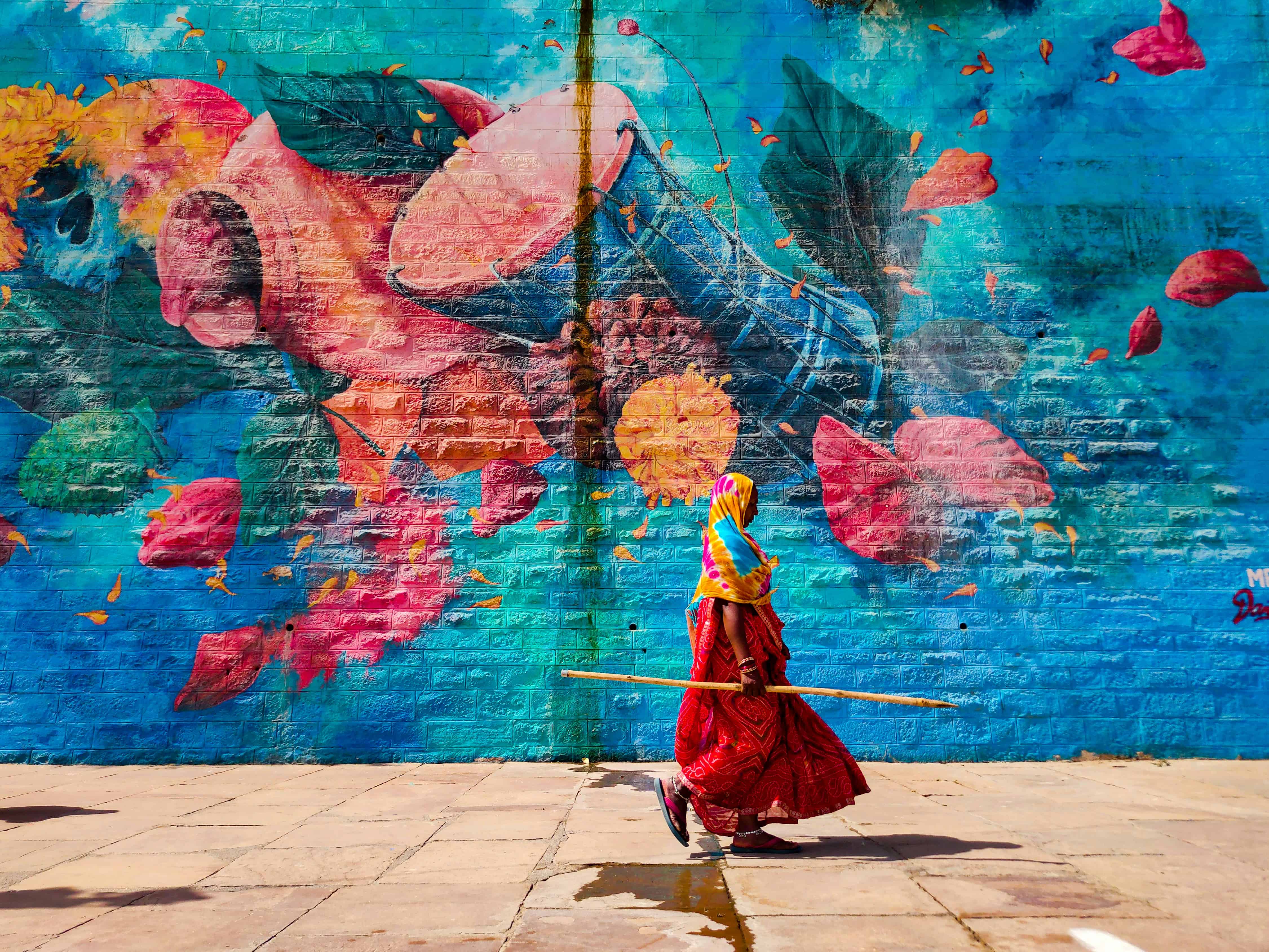
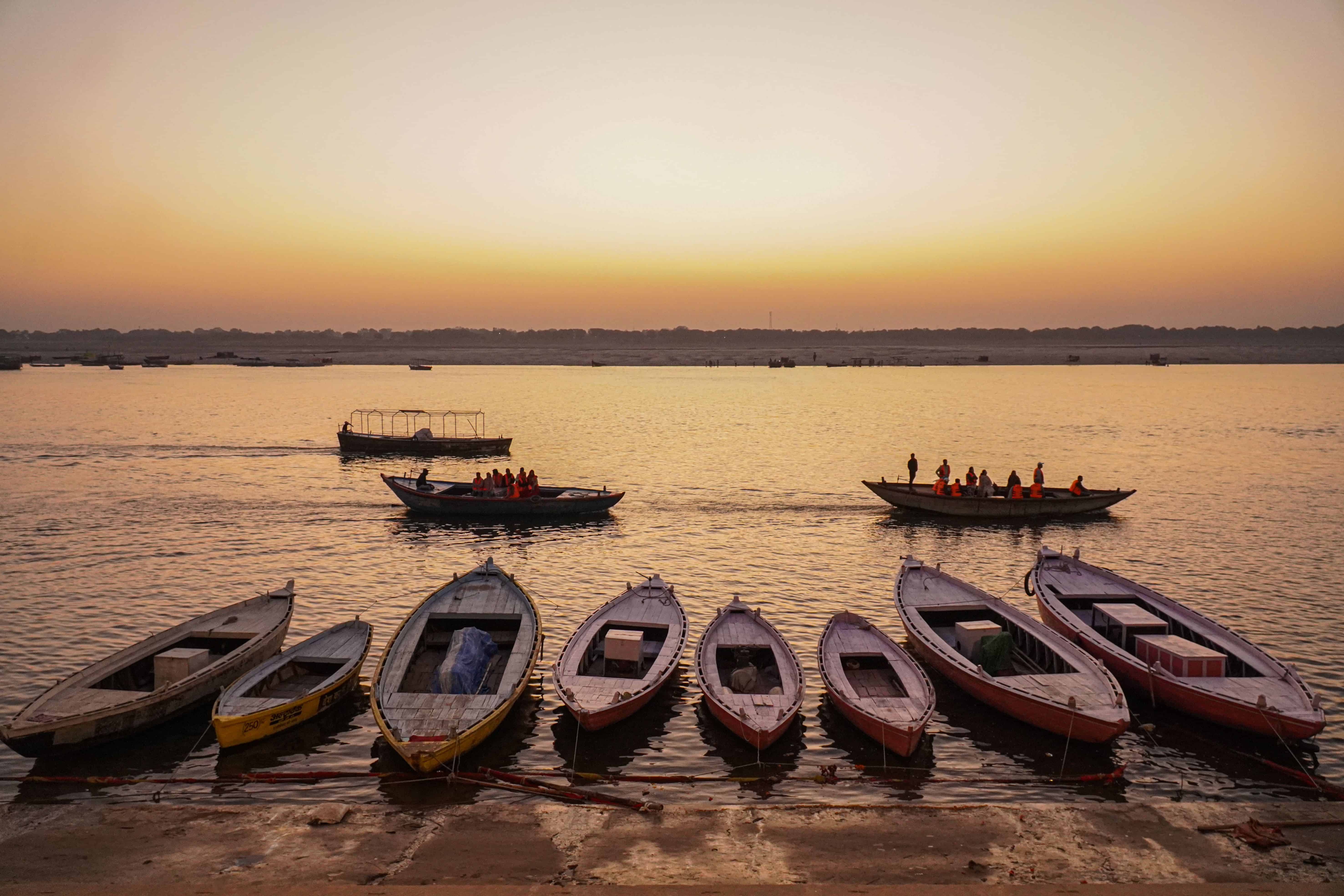
Before sunrise, Varanasi is charcoal and silver. The Ganga holds the last of the night, boats wait in silhouette, and the ghats descend towards the water like an amphitheatre. Then a bell rings somewhere behind the riverfront. Another answers. A conch sounds, oars touch water, and the city begins to glow.
Some of the most powerful spiritual experiences in Varanasi begin this quietly. Pilgrims step into the river with brass lotas cupped in their hands. Priests unfold prayer cloths beneath fading umbrellas. Marigolds arrive in baskets, chai boils in blackened kettles, and incense escapes through temple doorways too narrow to notice at first glance. Morning is not announced in Kashi; it gathers, ritual by ritual.
Varanasi is also Banaras and Kashi, each name carrying its own mood. It is Shiva’s city, shaped by the Ganga and sustained by the promise of moksha. Yet its sacredness is never kept behind temple walls. It spills into lanes, settles on stone, travels through music and appears in gestures of ordinary life. Here, devotion is not an event on the itinerary. It is the atmosphere.
Part of that power comes from repetition. The same gestures return at dawn, through temple queues, beside cremation fires and during evening prayer, yet they never feel mechanically preserved. They belong to people using them now. For the traveller, the city’s antiquity becomes convincing when it appears inside a contemporary day filled with conversation, work, traffic and life.
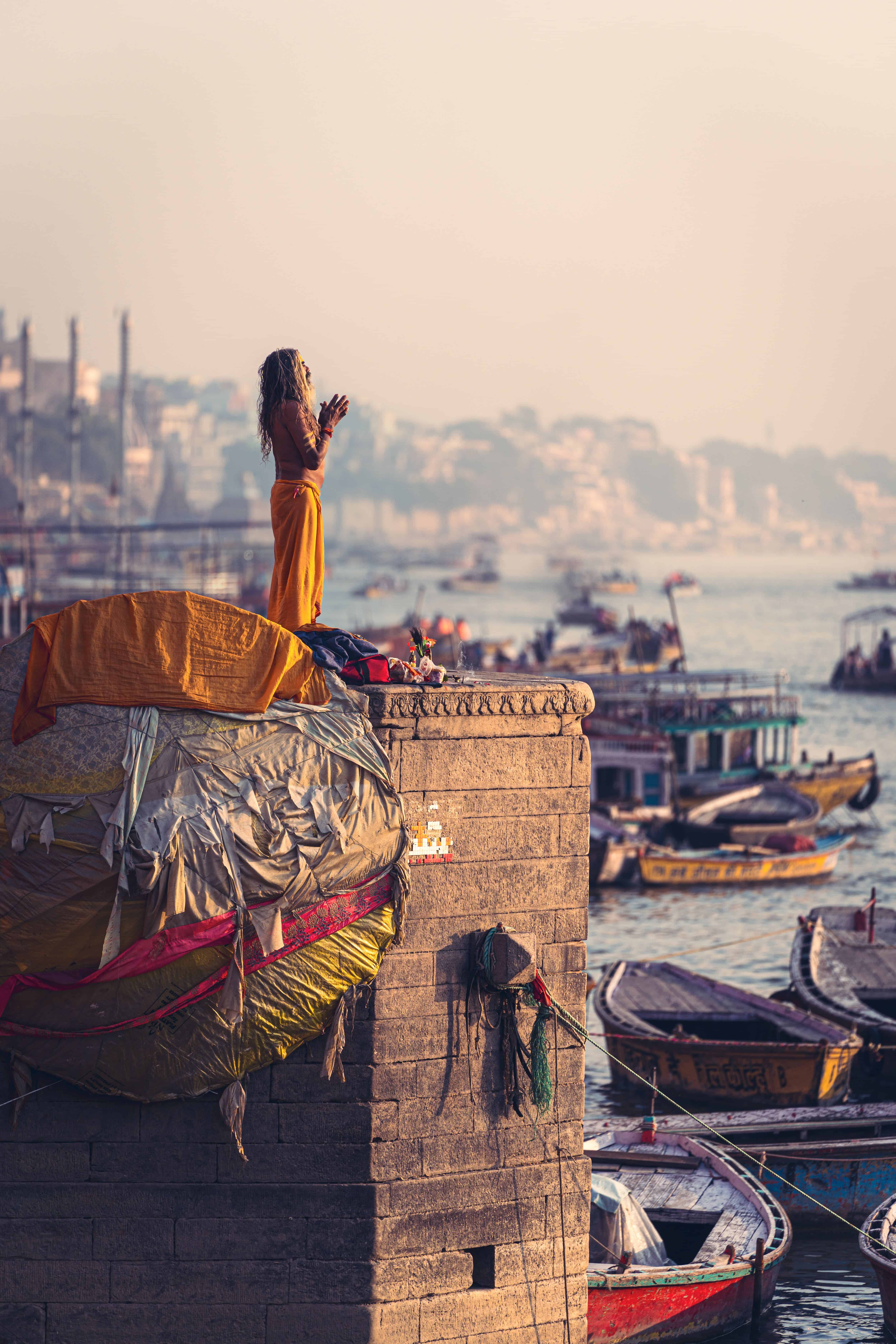
The city can overwhelm a first-time visitor. It is crowded, intense, beautiful and brutally direct, often within the same few minutes. Varanasi reveals itself through experiences, each adding another layer to its spiritual geography.
Meet the Ganga Before Sunrise
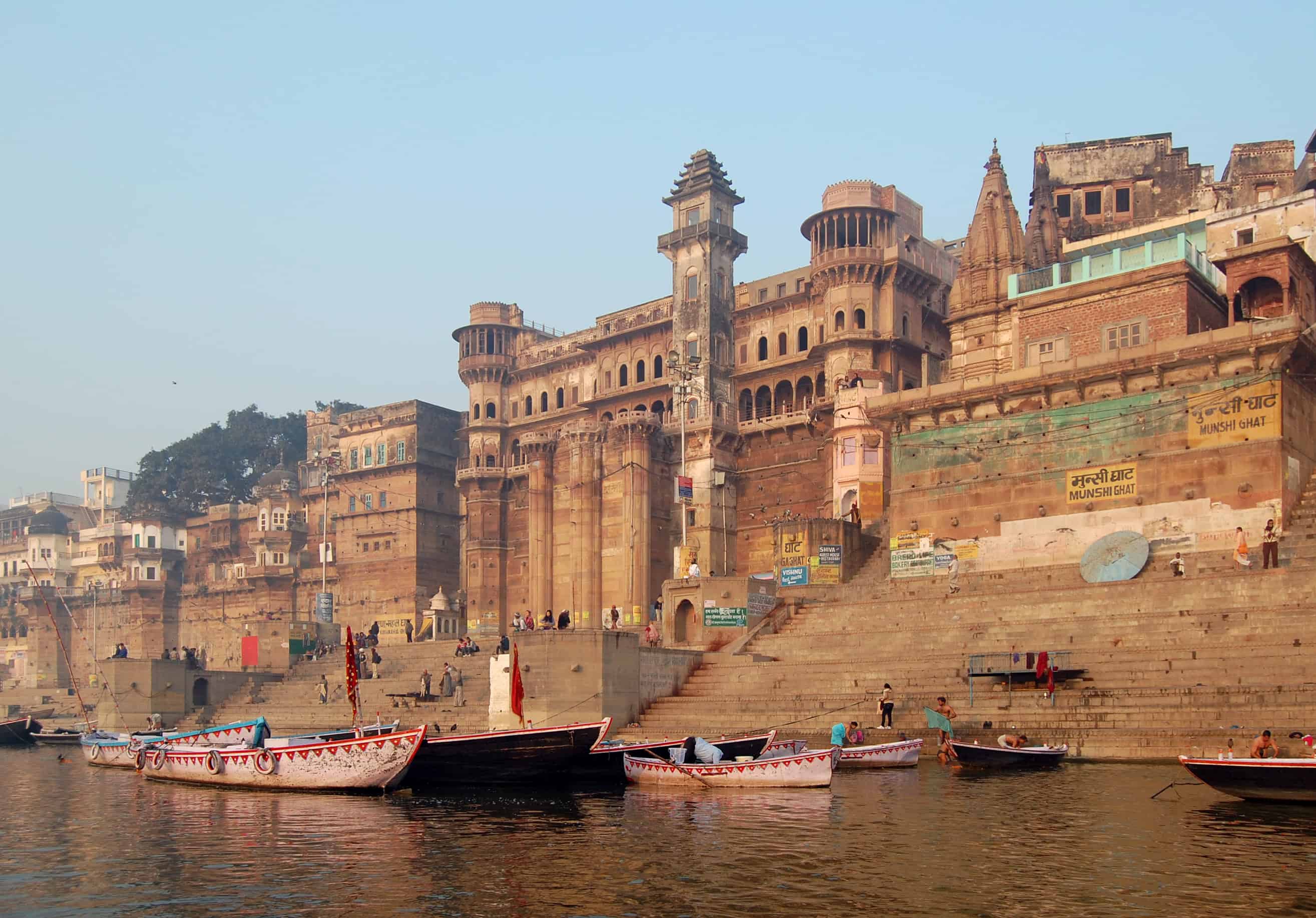
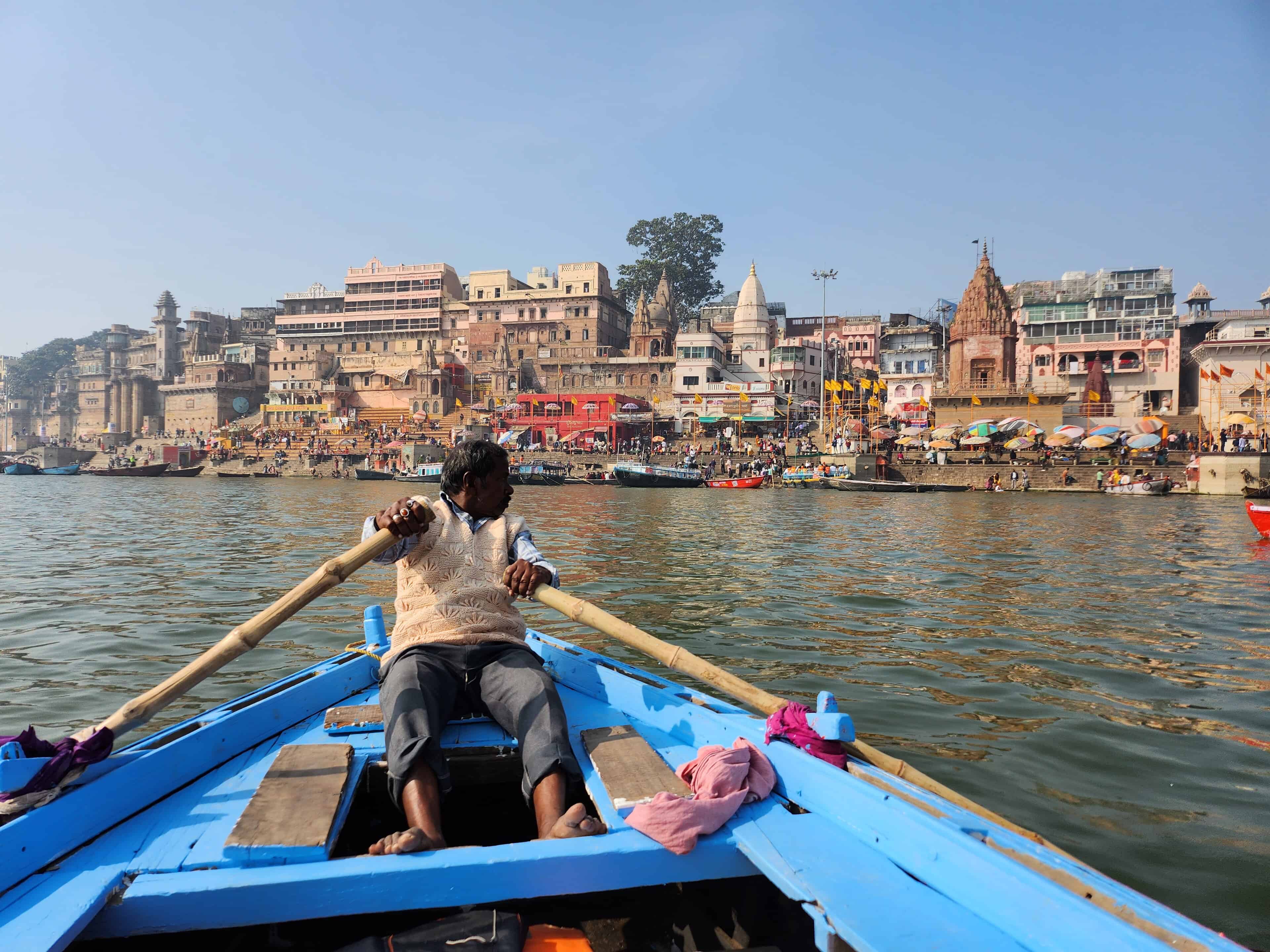
The best first view of Varanasi comes from the river. Board a wooden boat while the eastern sky is still pale and the western bank remains a continuous wall of shadow. As the light rises, palaces appear above the ghats, shrines emerge between houses and stairways reveal the marks of generations of bare feet.
The city rises from the Ganga in ochre, rose, smoke and sandstone. Dashashwamedh Ghat is already awake, while Assi Ghat has a gentler tempo of yoga, morning music and chai. Man Mandir Ghat looks upward as much as riverward, its historic observatory recalling rulers who studied the heavens beside a sacred current.
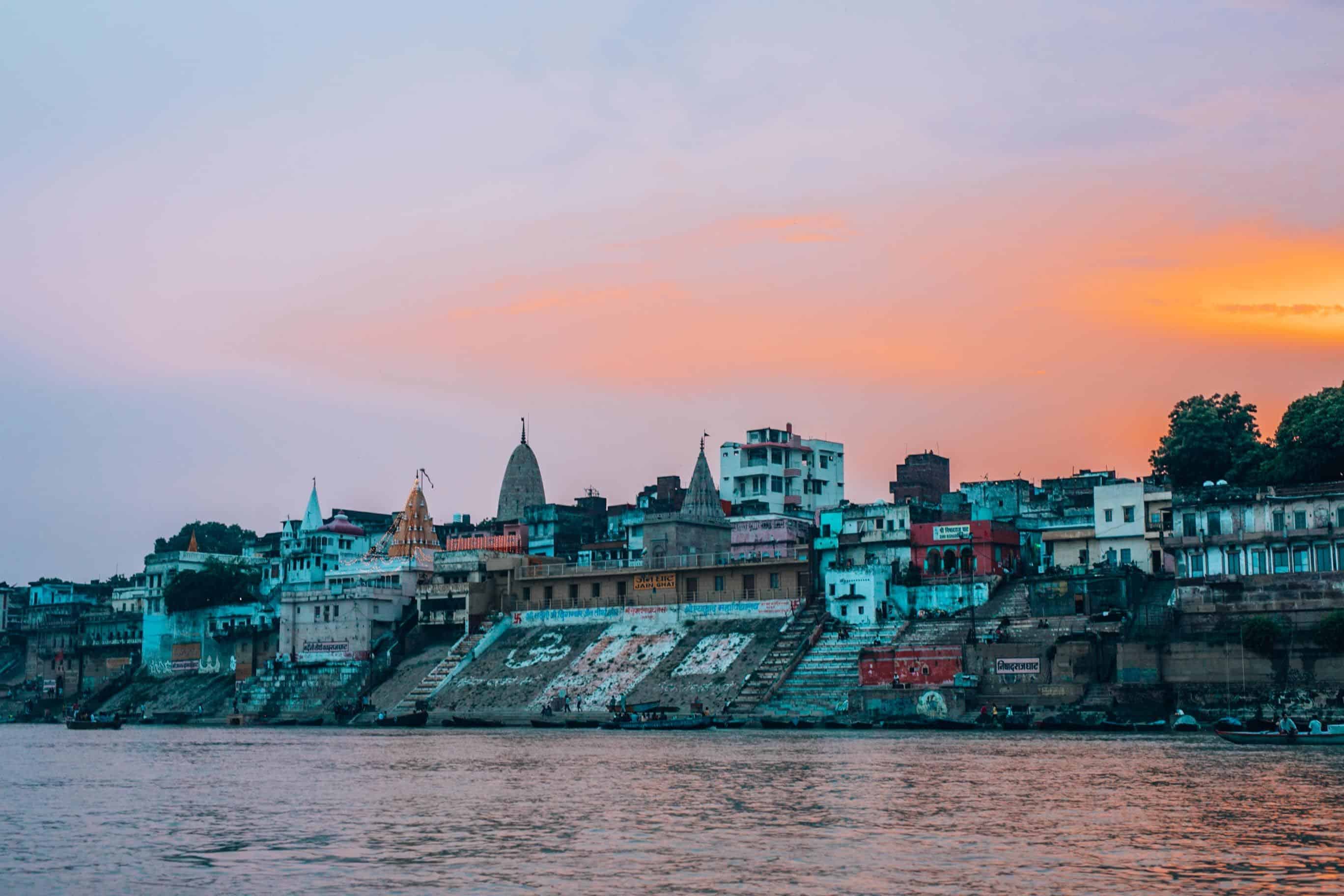
Between the celebrated ghats are quieter scenes: wet saris drying on steps, boys preparing to dive, a barber shaving a pilgrim’s head and an ascetic observing everything and nothing. The riverfront refuses choreography, yet every fragment falls into rhythm.
Sit silently for part of the ride. A boatman can illuminate names and legends, but the river needs space to speak. At sunrise, Varanasi feels like a world slowly disclosing its rules.
Watch Dashashwamedh Ghat Turn into a Stage
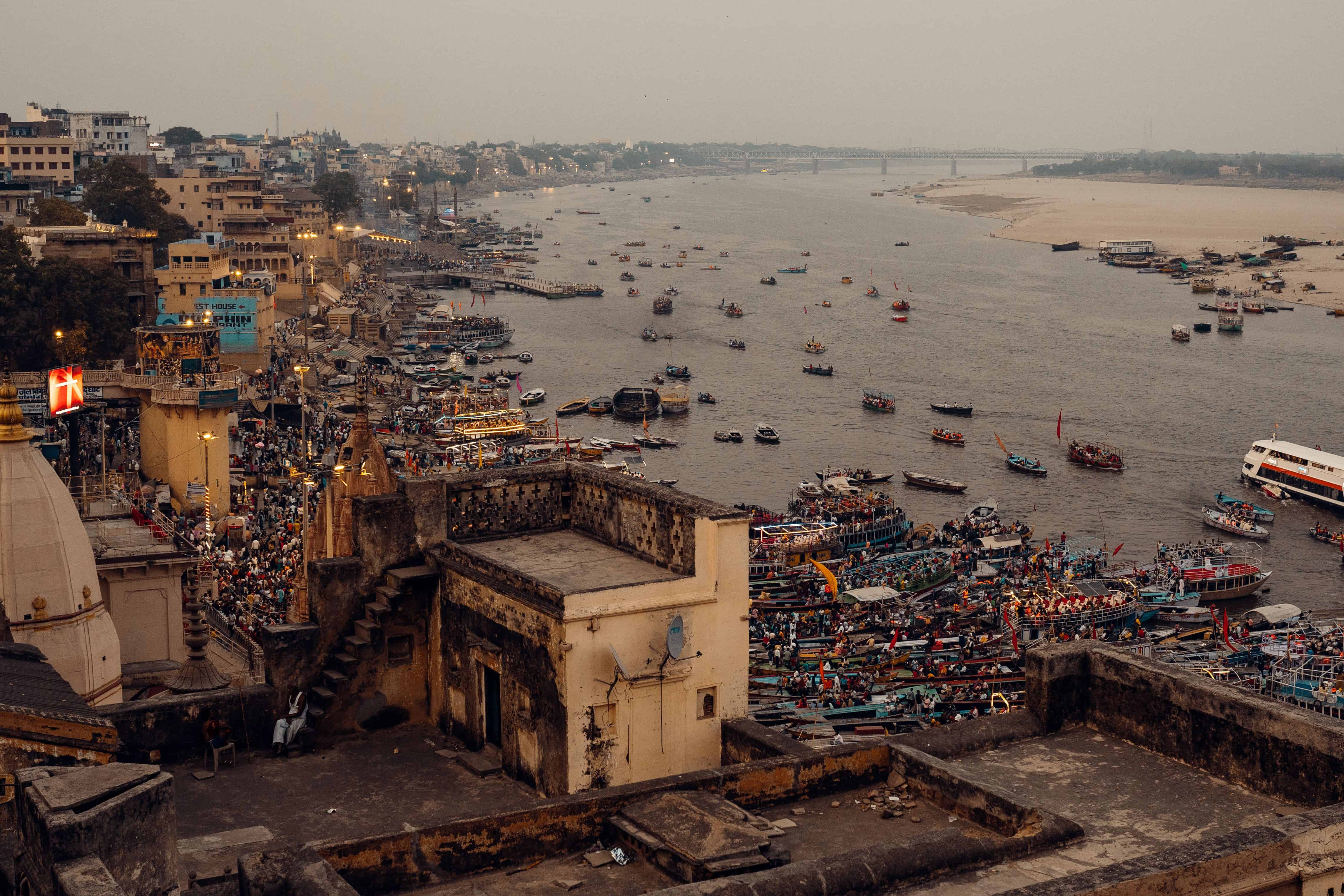
Morning gives Dashashwamedh Ghat its everyday energy. Evening transforms it. Before dusk, people fill the steps, boats gather on the river and priests prepare raised platforms for the first flame.
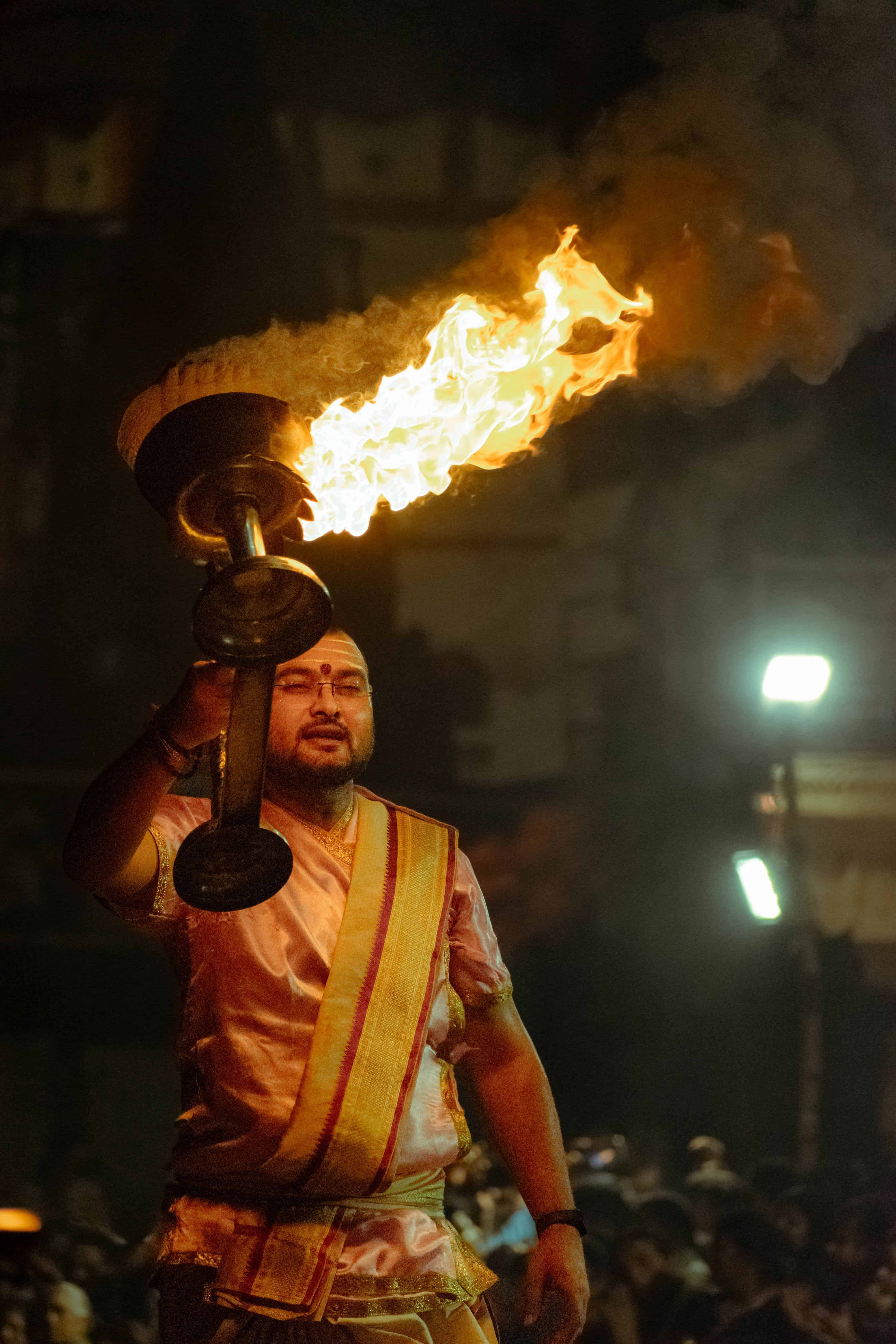
During the Ganga Aarti, brass lamps arc through incense-thick air, bells pulse and mantras rise above the water. Each movement is repeated in measured sequence, giving the ceremony the scale of theatre while retaining the force of worship. Watched from the ghat, it feels immediate and communal. Seen from a boat, the lamps appear suspended between water and sky.
Arrive early enough to settle without jostling. Timings shift with sunset and seasonal arrangements, so local confirmation remains sensible. When the ceremony ends, stay as the crowd disperses, smaller lamps drift along the Ganga and spectacle returns to individual prayer.
Enter the Realm of Kashi Vishwanath
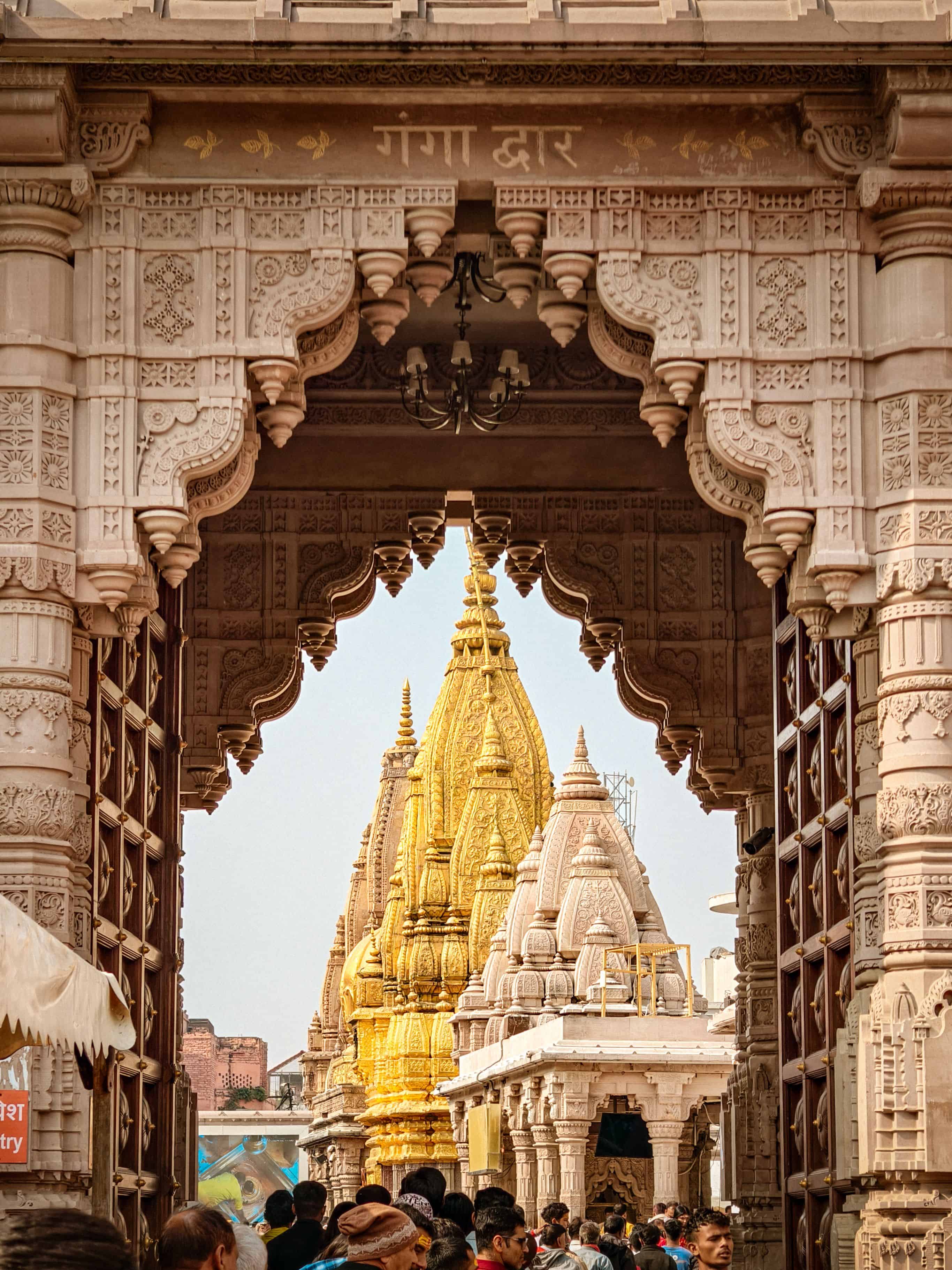
The journey towards Shri Kashi Vishwanath Temple leads into the spiritual heart of the old city. Stone lanes carry pilgrims past flower stalls, carved doorways and small shrines glowing beneath marigold garlands. Temple bells sound above the footsteps, fragments of prayer travel through the air and the chant of “Har Har Mahadev” becomes stronger with every turn.
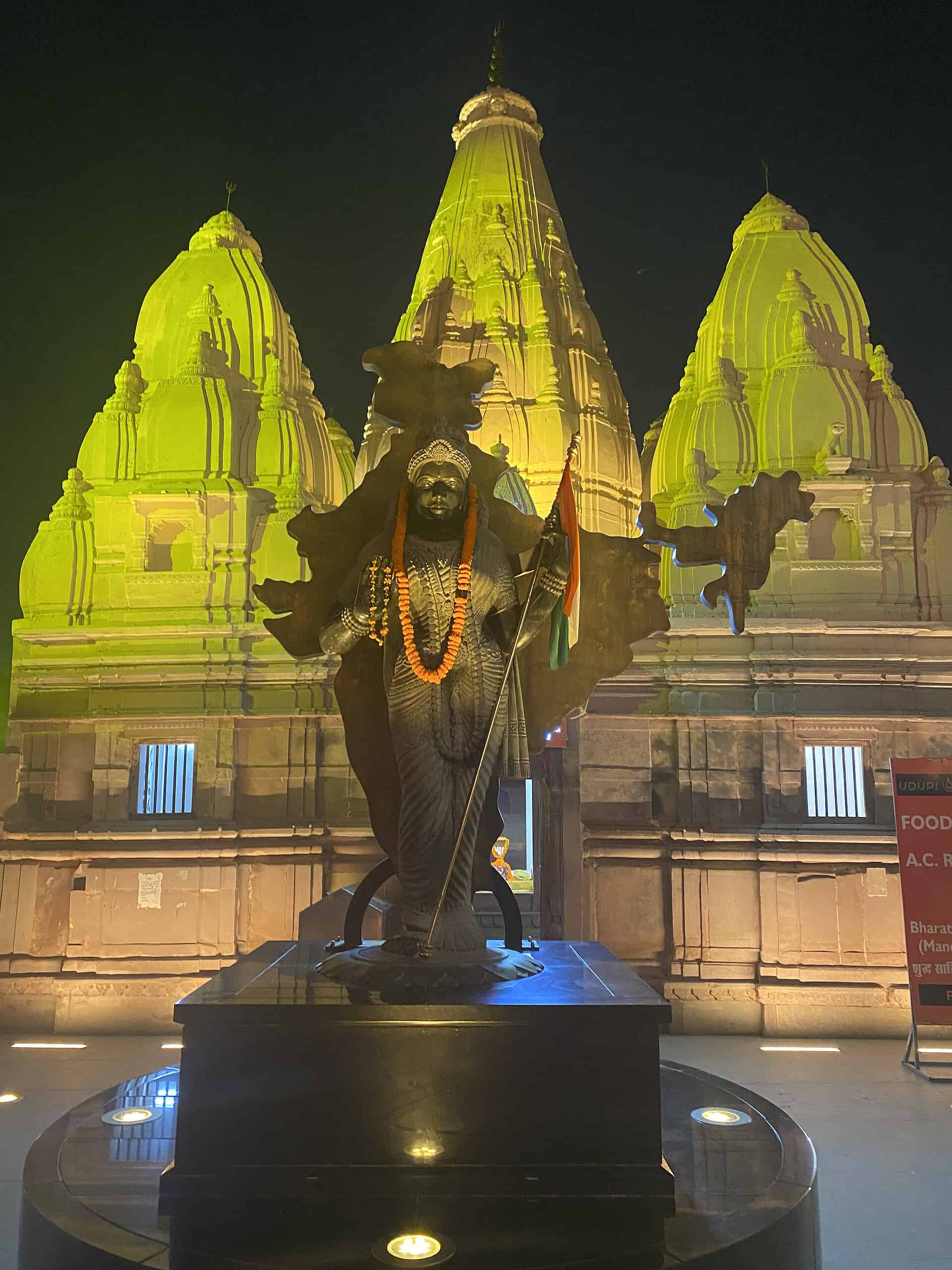
Dedicated to Vishwanath, Shiva as Lord of the Universe, the temple is home to one of the 12 Jyotirlingas. The present structure was built in 1780 under the patronage of Maharani Ahilyabai Holkar of Indore, while its gold-covered domes have become one of Kashi’s most recognisable sacred symbols.
Inside, devotion becomes concentrated and immediate. There is the briefness of darshan, the press of the faithful, the scent of rose petals and sandalwood, and the feeling that generations have arrived carrying the same longing.
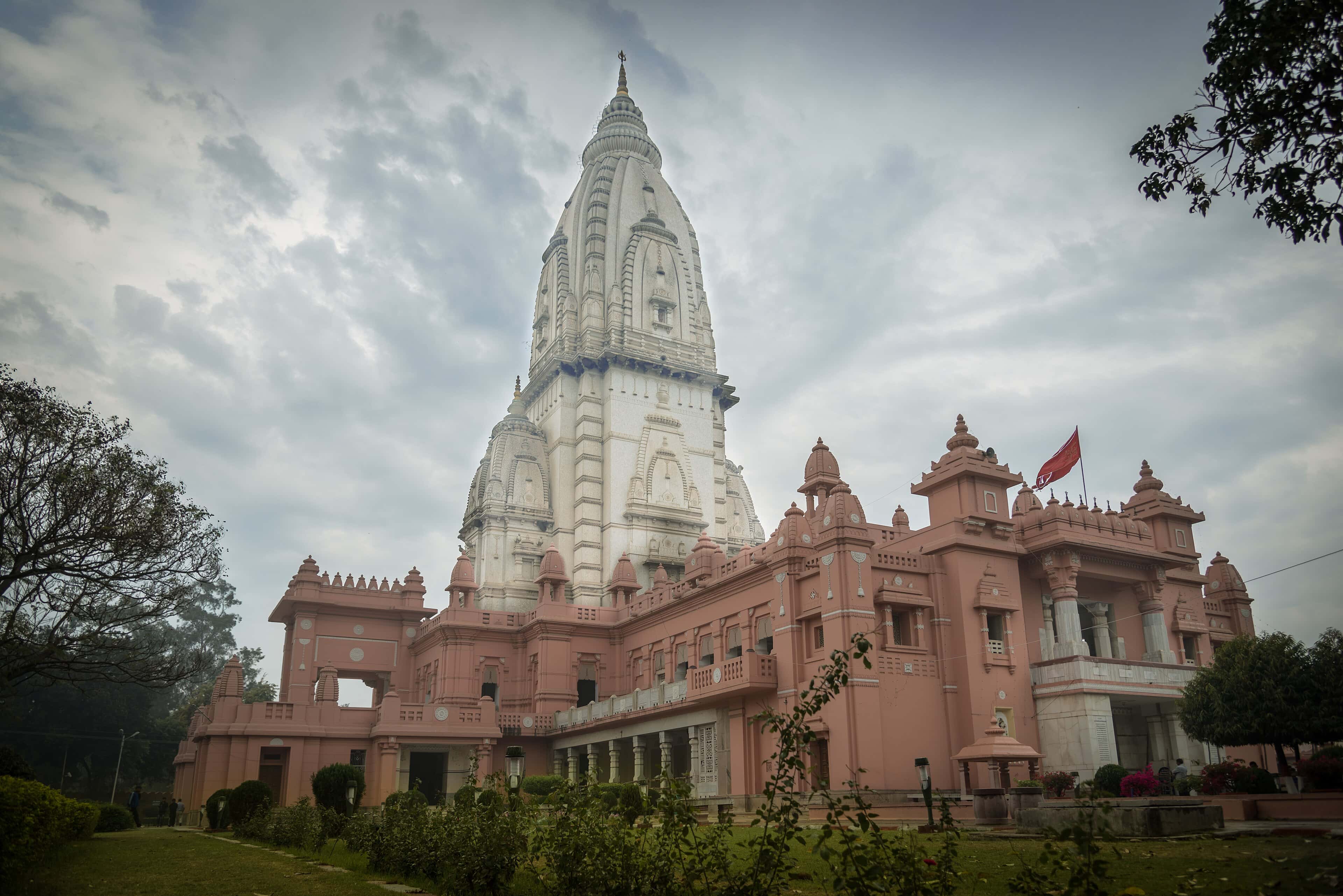
The expanded Kashi Vishwanath Dham has changed the physical approach, creating a more open connection between the temple precinct and the Ganga. Still, the inner experience is best approached with simplicity. Carry minimal belongings, dress respectfully and check the official temple portal for current security, darshan and aarti arrangements. Phones, bags and certain personal items may be restricted in sensitive areas.
Beyond the principal shrine, Shiva appears everywhere in Kashi: beneath old trees, beside wells, inside neighbourhood temples and behind half-open doors. The city does not merely belong to Shiva. It seems to breathe in his presence.
Lose the Map in the Old Lanes
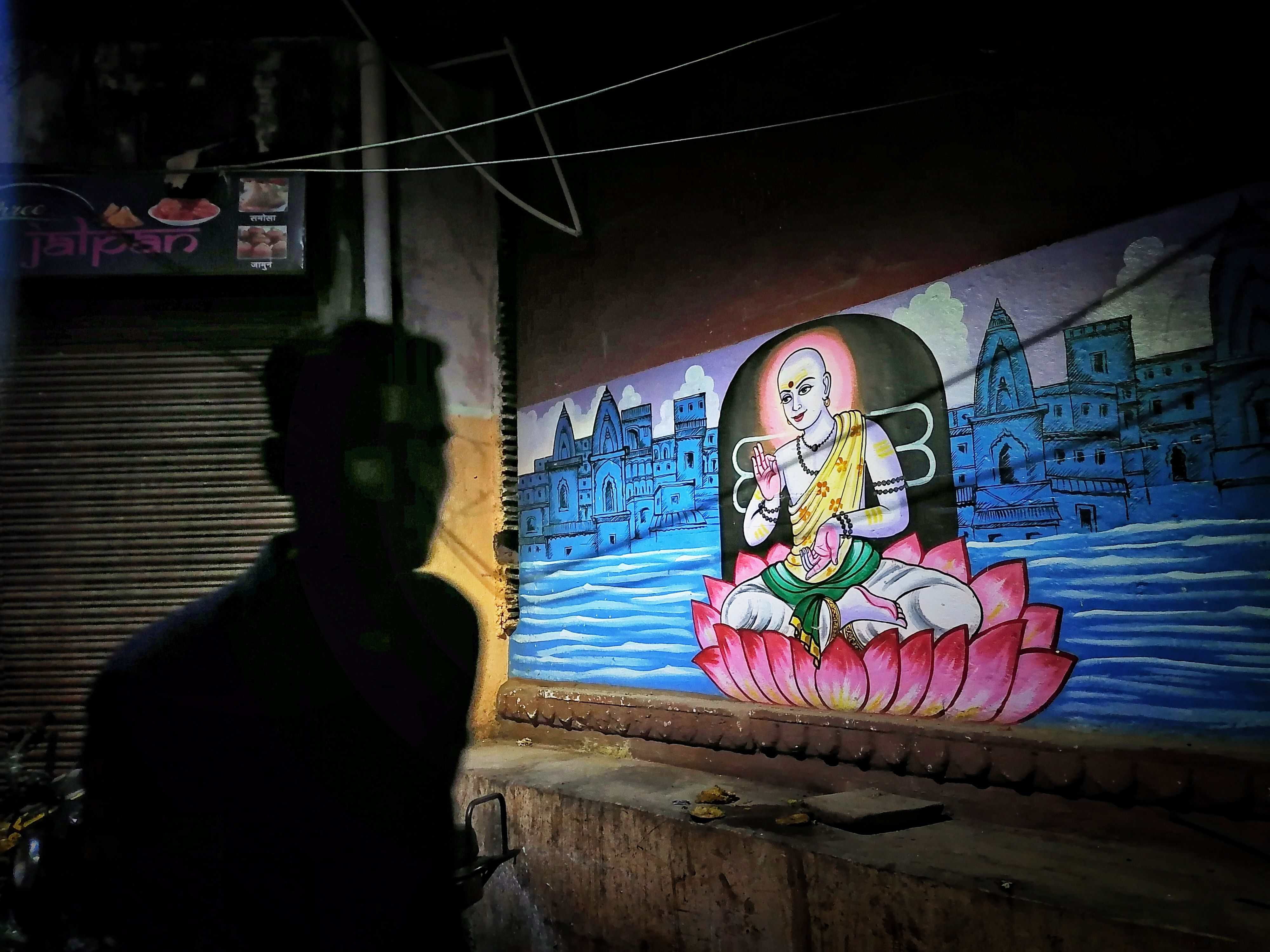
If the ghats are the city’s grand public face, the galis hold its secrets. Vishwanath Gali, Thatheri Bazaar and the passages around Chowk contain hidden shrines, family homes, workshops, sweet shops, flower stalls and sudden pockets of silence. A lane that appears entirely domestic can open onto a temple alive with bells and whispered petitions.
Walking requires patience. Cows pause, processions alter the flow, scooters search for impossible gaps and shopkeepers conduct business within arm’s reach. Look above street level and carved balconies, fading signs and old wooden doors reveal another Banaras.
Small acts become part of the experience. A seller strings marigolds beside a shrine. A resident leaves water for passers-by. Someone touches a stone image while continuing a phone conversation. Sacredness and daily life share the same few square metres without ceremony.
Keep a landmark in mind and avoid rushing. A local guide can explain neighbourhood shrines and old quarters, but the deeper discovery is that Varanasi’s spiritual life is distributed everywhere.
Follow the City’s Constellation of Shrines
Kashi Vishwanath may be the spiritual pulse, but Varanasi cannot be understood through one temple. Every shrine changes the tone of its neighbourhood.
At Sankat Mochan Hanuman Temple, worshippers bring laddoos and boondi, recite the Hanuman Chalisa and seek strength from Hanuman, revered as the remover of distress. The temple is also associated with a long tradition of devotional performance.
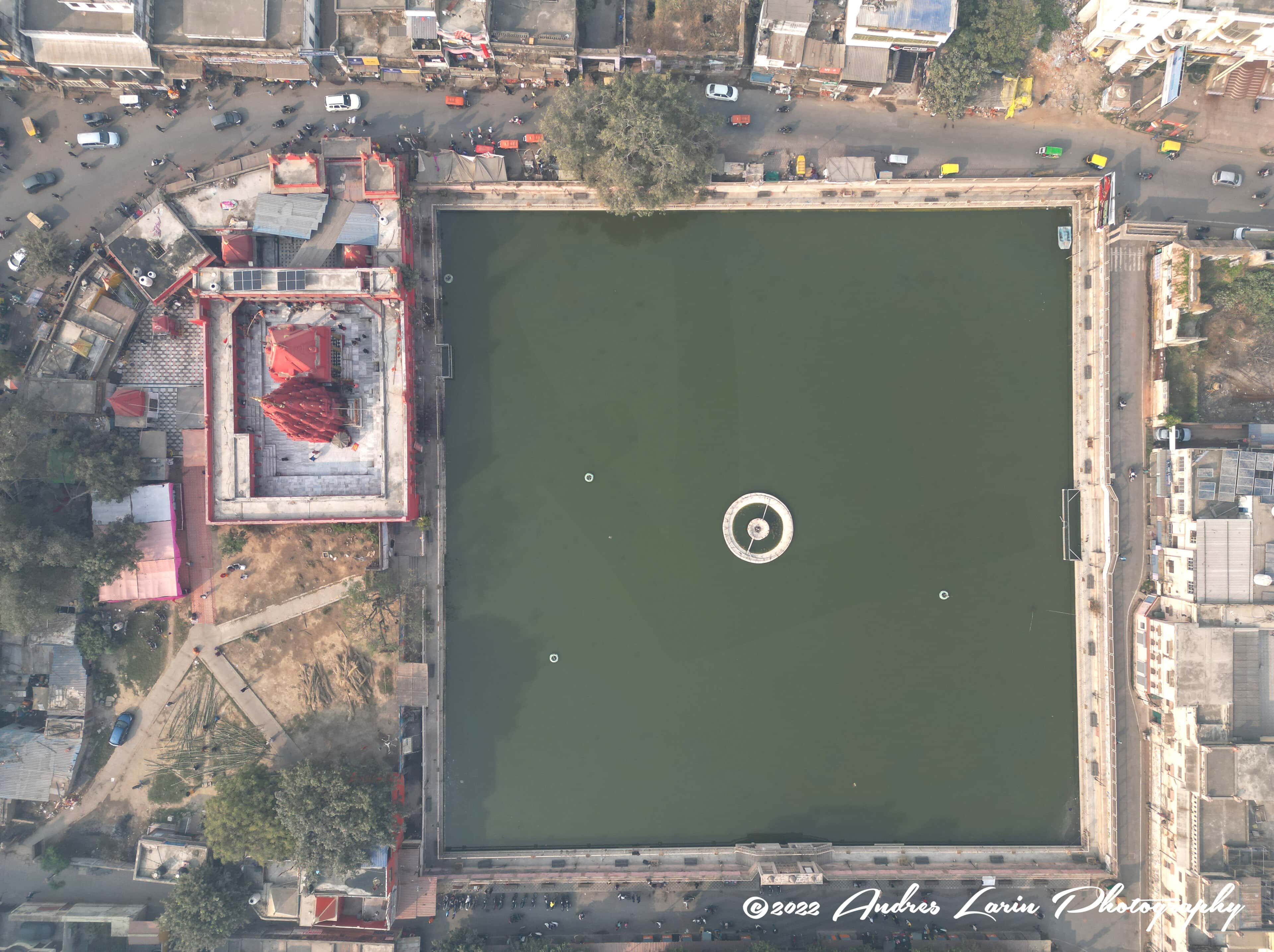
Tulsi Manas Temple draws literature into the sacred landscape. Verses from the Ramcharitmanas are inscribed across its walls, recalling the enormous influence of Goswami Tulsidas and the way sacred poetry moved into speech, song and household worship. The experience is quieter and more reflective than the city’s busiest shrines.
Annapurna Temple honours the goddess of nourishment, linking divine grace with food, abundance and care. Its presence near Kashi Vishwanath reinforces a deeply human idea: spiritual life must also sustain the body. Offerings, temple kitchens and the sharing of food give that belief a practical expression.
Then there is Kaal Bhairav, the fierce guardian of Kashi. The temple carries a darker magnetism, and many pilgrims consider his blessing essential. The experience can feel intense, filled with bells, oil lamps and the energy of devotees seeking protection.
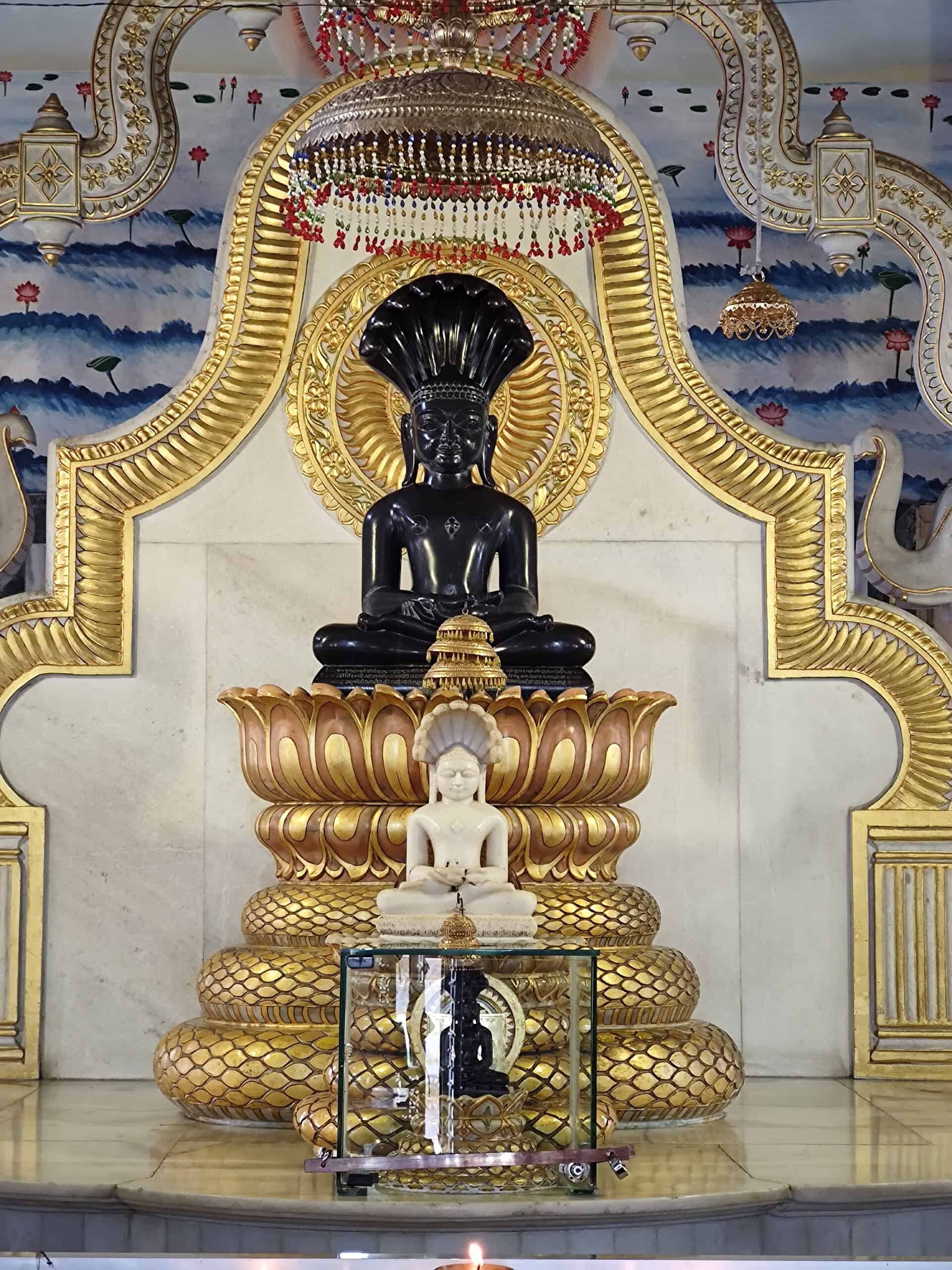
Choose two or three according to personal interest and allow their differences to register. Together, they show devotion in many emotional registers: tenderness, protection, courage, learning, nourishment and surrender.
Stand Respectfully at Manikarnika Ghat
Smoke rises above the rooftops before Manikarnika appears. Wood is stacked along the lanes, funeral processions descend towards the river and pyres burn beside the water as they have for generations. Nothing here is softened for the visitor.
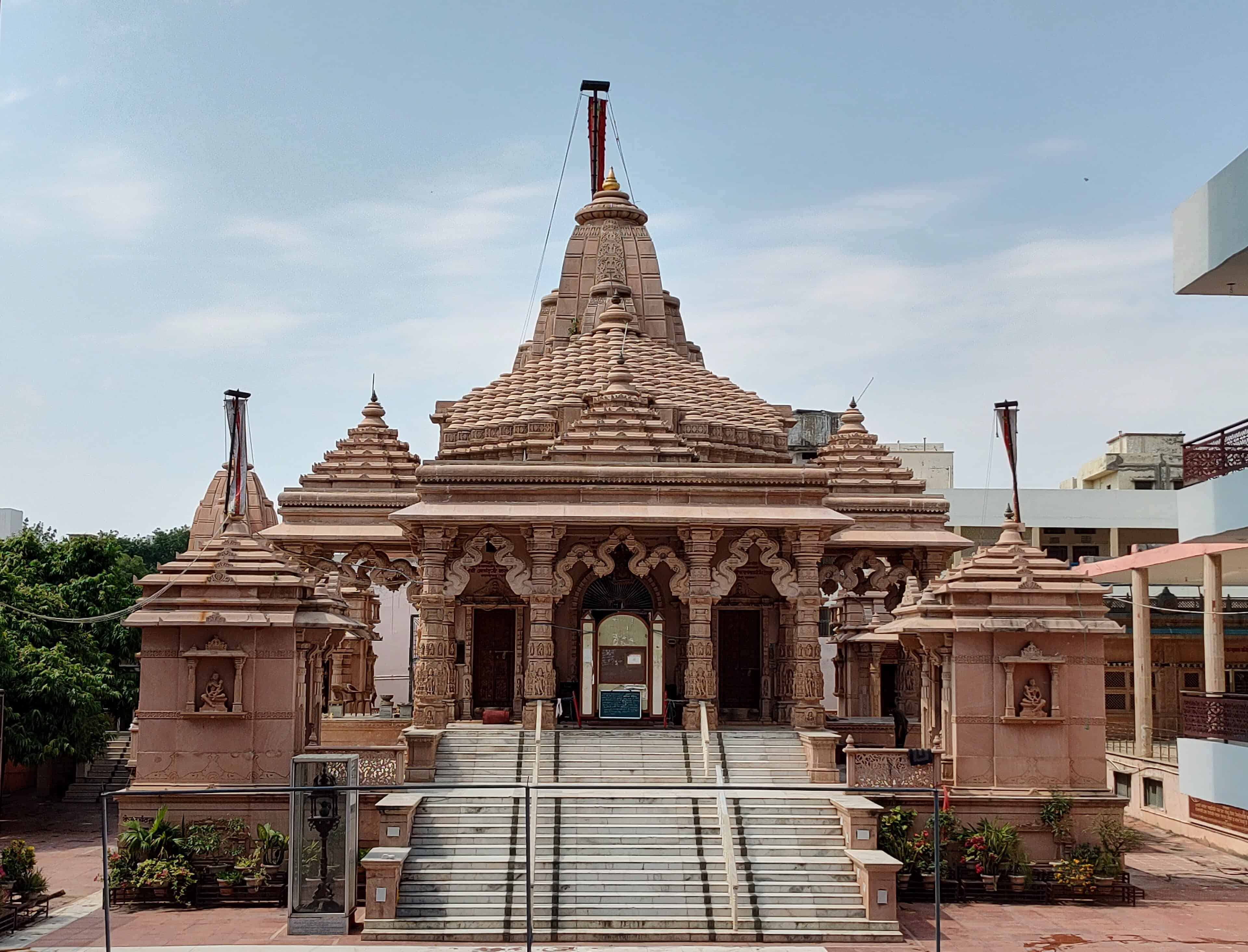
Yet Manikarnika is not a spectacle. Hindu belief associates death in Kashi with the hope of moksha, liberation from rebirth. Fire becomes passage, and the Ganga witnesses the threshold between the visible world and what may lie beyond it.
The ghat requires restraint. Photography of cremations and grieving families is intrusive and should be avoided. Visitors should keep a respectful distance, speak quietly and refuse touts offering inappropriate access. A knowledgeable local guide can explain the religious context without turning a private rite into entertainment.
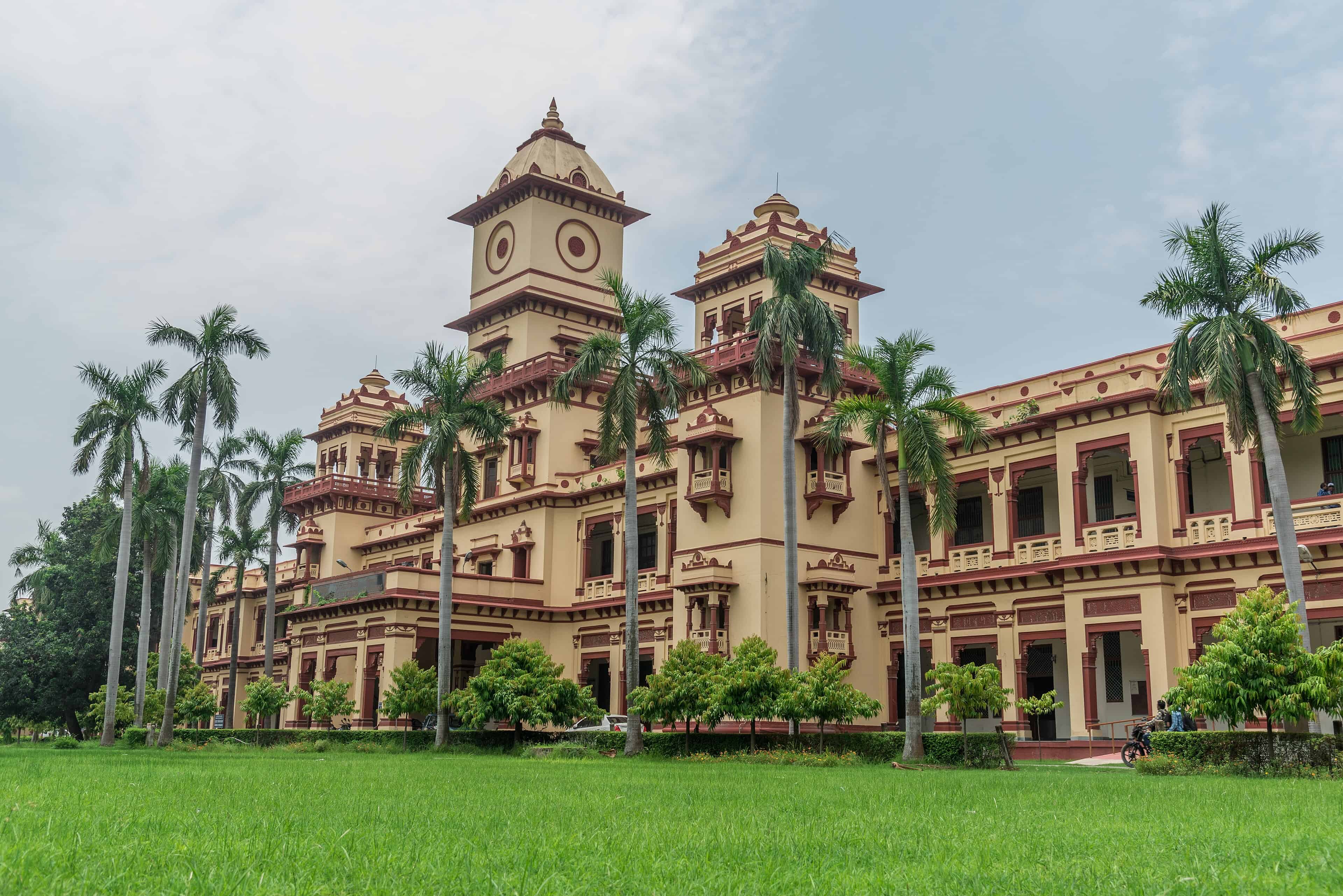
Varanasi places beginnings and endings beside each other. Boats pass, bells ring, children play farther along the riverfront and Manikarnika’s fires continue. The experience is solemn, startlingly human and likely to remain in memory long after the city’s more decorative images have faded.
Let Sarnath Change the Volume
A short drive from the intensity of the ghats, Sarnath changes the volume. Roads open, crowds thin and silence begins to feel architectural. Here, in the ancient Deer Park, the Buddha delivered his first sermon after enlightenment and set the Wheel of Dharma in motion.
The Dhamek Stupa rises with gravity above lawns and monastic remains. Its cylindrical form carries carved stonework at the lower level, while the scale of the structure gives the surrounding landscape a clear centre. Nearby archaeological remains include foundations of monasteries, votive stupas and traces connected with centuries of Buddhist learning and pilgrimage.
The remains of an Ashokan pillar recall Emperor Ashoka’s support of Buddhism, while Sarnath’s celebrated lion capital became the basis of India’s national emblem. The site museum adds context through sculpture and archaeology; check opening days before visiting.
Modern temples and monasteries built by Buddhist communities from different countries add a global dimension. Monks walk beneath trees, prayer flags move in the breeze and visitors instinctively lower their voices.
Sarnath is not a side trip inserted merely because it sits near Varanasi. It reveals another current within the region’s spiritual history: contemplative, philosophical and international. Amid stupas, shaded paths and the memory of the Buddha’s first teaching, the journey turns inward.
Hear Why Banaras Is a City of Music
In Varanasi, music belongs to the sacred landscape. A morning raga can drift across a ghat, a shehnai recording can emerge from a shop and a classical lesson may be heard through an open courtyard. Performance does not always announce itself; it enters the day naturally.
Ustad Bismillah Khan gave the shehnai a global stage, Girija Devi became inseparable from Banaras thumri, and the wider tradition includes vocal music, tabla, sitar and dance. UNESCO recognised Varanasi as a Creative City of Music in 2015, acknowledging a heritage sustained through festivals and the guru-shishya tradition.
Seek a recital, a morning programme at Assi Ghat or a smaller baithak when available. The setting matters as much as the repertoire. Music heard beside the river or inside an intimate hall can feel connected to the same cycles of time, devotion and discipline that shape the city’s rituals.
The spiritual geography of Banaras is therefore also acoustic. Bells, chants, conches and classical notes create invisible routes through the city, allowing faith and art to occupy the same breath.
Taste Banaras Between Rituals
Food in Banaras is woven into worship, hospitality and the practical demands of a long day on foot. Mornings often begin with kachori sabzi, the crisp bread opened into a hot, spiced curry, followed by jalebi for a sharp turn towards sweetness. Chai arrives in small clay cups, warming hands beside the ghats.
Tamatar chaat, chena dahi vada, choora matar and thick lassi provide their own map of the city. Winter brings malaiyyo, scented with saffron and cardamom. Peda and laddoo move easily between prasad and pleasure.
Many popular foods are vegetarian, reflecting the character of the sacred city, though the wider culinary landscape is more varied. Choose busy, clean establishments, start with modest portions and treat the lane itself as part of the meal. Recipes, shops and serving rituals often carry family histories.
Banarasi paan offers the traditional full stop. Prepared with betel leaf and aromatic fillings, it is folded with almost ceremonial attention. Like much else in the city, an everyday pleasure has accumulated style, symbolism and reputation across generations.
See the Ghats in Festival Light
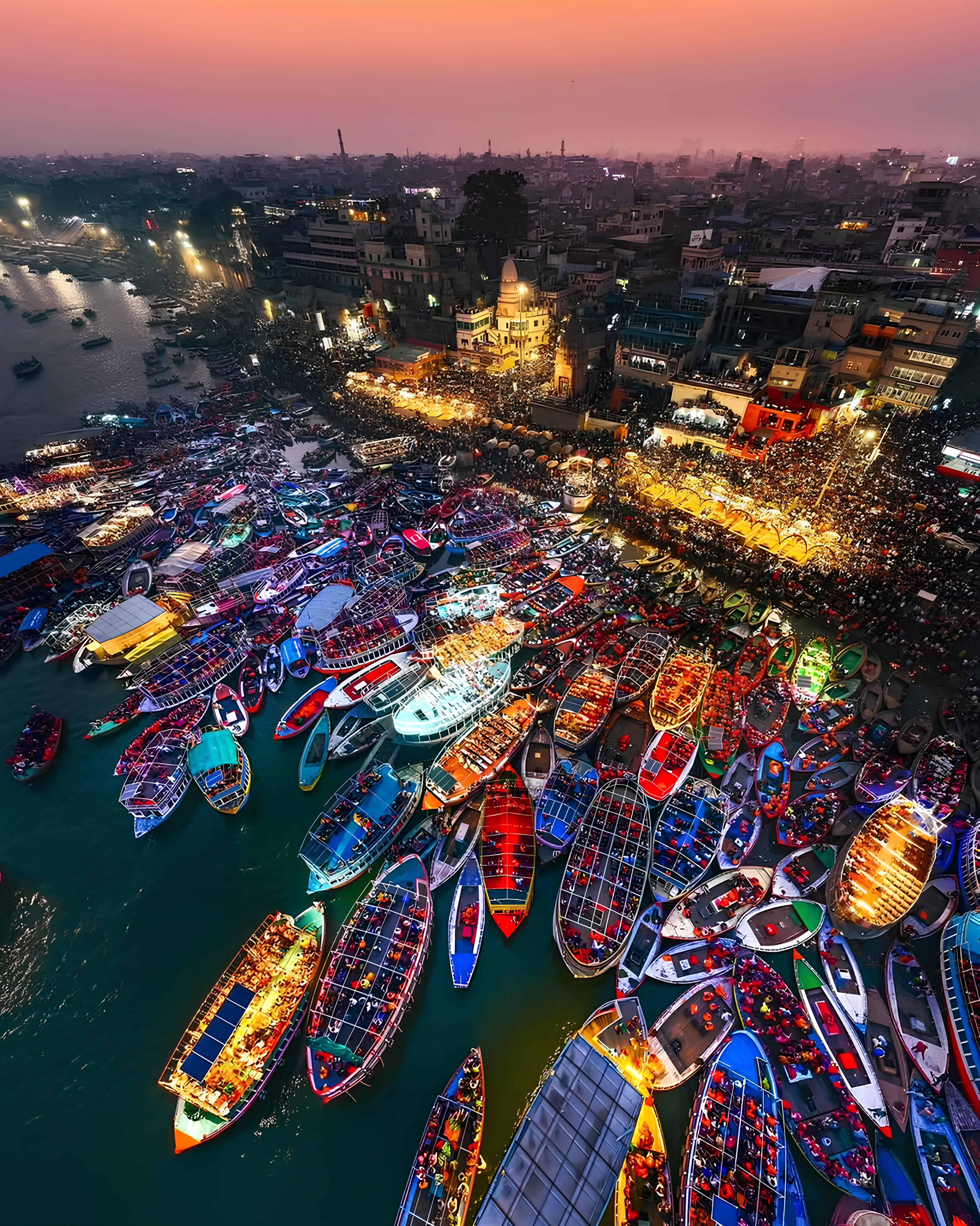
Varanasi celebrates throughout the year, but Dev Deepawali gives the riverfront an extraordinary visual power. Observed fifteen days after Diwali, the festival illuminates the ghats with vast arrangements of lamps. Their reflections multiply across the Ganga while processions, prayers and cultural performances carry the celebration through the city.
The experience is magnificent and extremely crowded. Accommodation fills early, traffic diversions reshape movement and access to the ghats can require long walks. Book well ahead, carry very little and allow local authorities and crowd-control arrangements to determine the route.
Other festivals reveal different aspects of Banaras. Mahashivratri fills Shiva temples, Buddha Purnima draws pilgrims to Sarnath, and Ganga Mahotsav celebrates music, dance and crafts. The Ramnagar Ramlila unfolds the Ramayana across an extended landscape.
Festival Varanasi increases every sensation: bells sound louder, lanes feel narrower, colours become richer and the riverfront appears almost unreal. Travellers seeking solitude should choose ordinary weekdays outside major dates. Those willing to accept the crowds encounter faith as a vast collective act.
Planning Varanasi Without Flattening It
Three days provide a strong first encounter. Give one morning to the river, one evening to Ganga Aarti and a separate block to Kashi Vishwanath and nearby lanes. Keep Sarnath for half a day. A fourth day allows music, crafts or quieter time beside the Ganga.
October through March generally brings more comfortable walking weather, though winter mornings can be misty and cold. Summers are intense, while the monsoon changes river conditions and boat operations. Confirm local conditions rather than assuming every activity will run as planned.
The old city demands comfortable footwear and minimal baggage. E-rickshaws and cycle rickshaws cover wider stretches, but many temple lanes remain accessible only on foot. Dress modestly, follow photography restrictions and treat religious spaces as places of worship before considering them attractions.
Leave time unclaimed. A procession may close a lane, or chai may become more memorable than the next stop. Varanasi rewards attention more than efficiency.
A City Beyond Time
Night returns slowly to the Ganga. Lamps float away like small constellations, music slips from distant courtyards and silhouettes gather on the steps. The day should feel finished, yet Varanasi rarely offers a conclusion. Manikarnika’s fires continue to burn.
These 10 powerful spiritual experiences in Varanasi reveal a city understood through sensations instead of summaries: cool stone beneath bare feet, silk brushing past in a crowded lane, incense caught in the throat, sunrise turning the river to molten gold and the sudden brilliance of a shrine.
Even after departure, Banaras returns unexpectedly through sound, scent, colour and remembered light. Its contradictions remain unresolved because they are meant to coexist: splendour and decay, noise and stillness, grief and celebration, time and eternity. The temples, ghats and ancient sites are visible landmarks, but the deeper journey happens between them. There, amid bells, footsteps, fire and water, the sacred feels astonishingly alive.
FAQ’s
Why is Varanasi considered one of India’s most spiritual cities?
Varanasi is revered as Shiva’s city, where the Ganga, Kashi Vishwanath Temple, ancient rituals and the belief in moksha shape everyday life.
Which ghats should travellers experience in Varanasi?
Dashashwamedh Ghat offers spectacular Ganga Aarti, Assi Ghat has a gentler morning rhythm, and Manikarnika reveals the city’s profound relationship with life, death and liberation.
Why should Sarnath be included in a Varanasi journey?
Sarnath is where the Buddha delivered his first sermon after enlightenment. Its Dhamek Stupa, monasteries and tranquil grounds add a powerful Buddhist dimension to Varanasi’s spiritual landscape.
Read More: Discover Your India


1 Comment