

The go-to beer guide to pilsners, saisons, wheat beers, stouts, sours, India pale ales and the many delicious variations in between
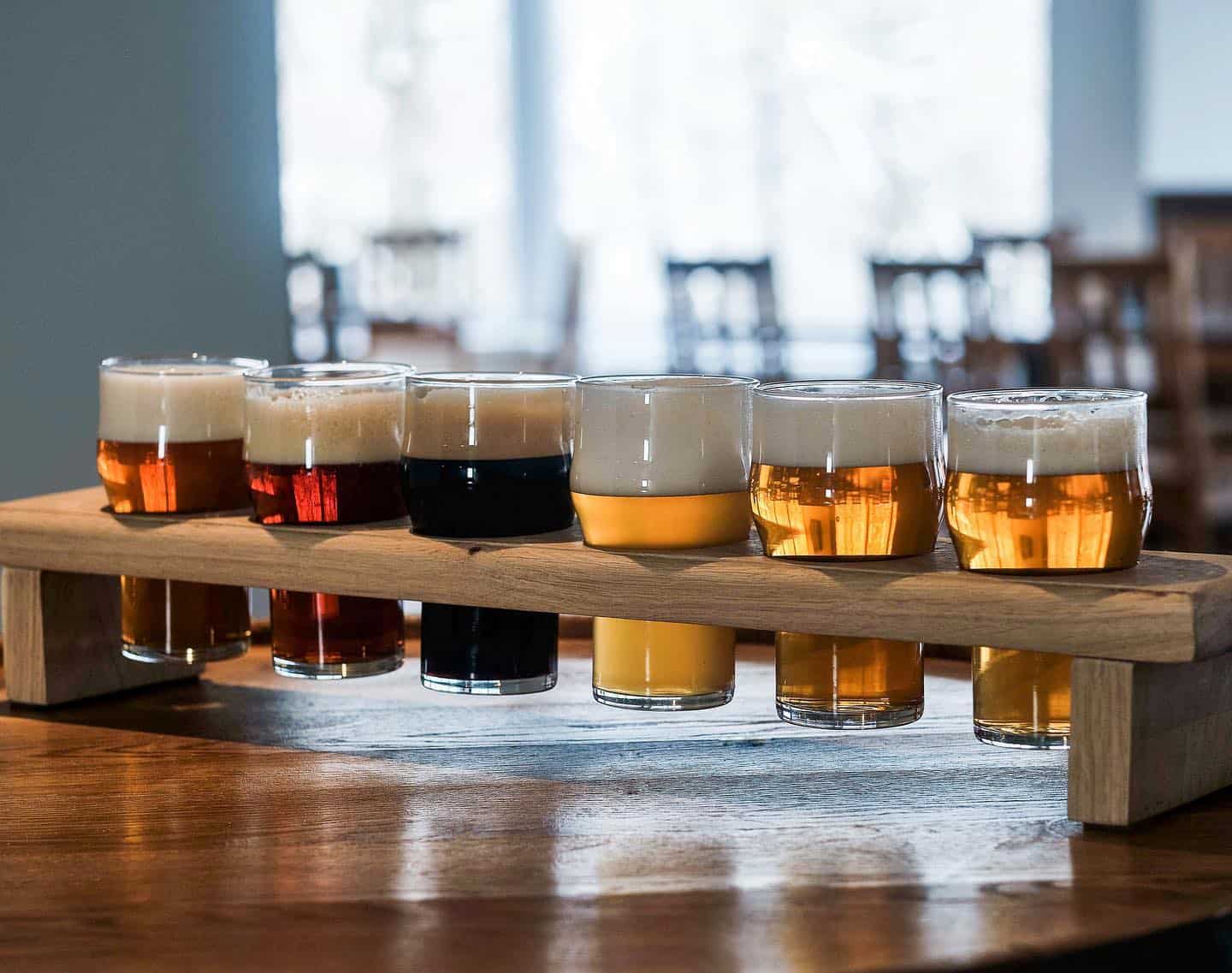
There comes a point on many beer menus when ordering a drink begins to feel like decoding a private language. Pils, wit, saison, gose, gueuze, milk stout, West Coast IPA. The names promise something interesting, though they seldom explain what will arrive in the glass.
Beer is much easier once you stop thinking like a brewer and start thinking like a drinker.
Do you enjoy coffee or citrus? Fresh bread or tropical fruit? Crisp drinks or creamy ones? A dry finish or a little sweetness? Those answers can guide you through most beer menus without any knowledge of brewing science.
Pilsner is crisp and clean. Saison is dry and peppery. Wheat beer is soft and often fruity. Stout brings coffee, cocoa and roasted grain. Sour beer is tart and lively. India pale ale, better known as IPA, is all about hops, aroma and bitterness.
Each style has several personalities. A German wheat beer may smell like banana and clove, while a Belgian witbier carries citrus and coriander. A dry Irish stout can contain less alcohol than a golden IPA. A hazy IPA may smell intensely fruity while tasting softer than a clear West Coast version.
That variety is where beer becomes interesting.
A Little Beer Language Before the First Sip
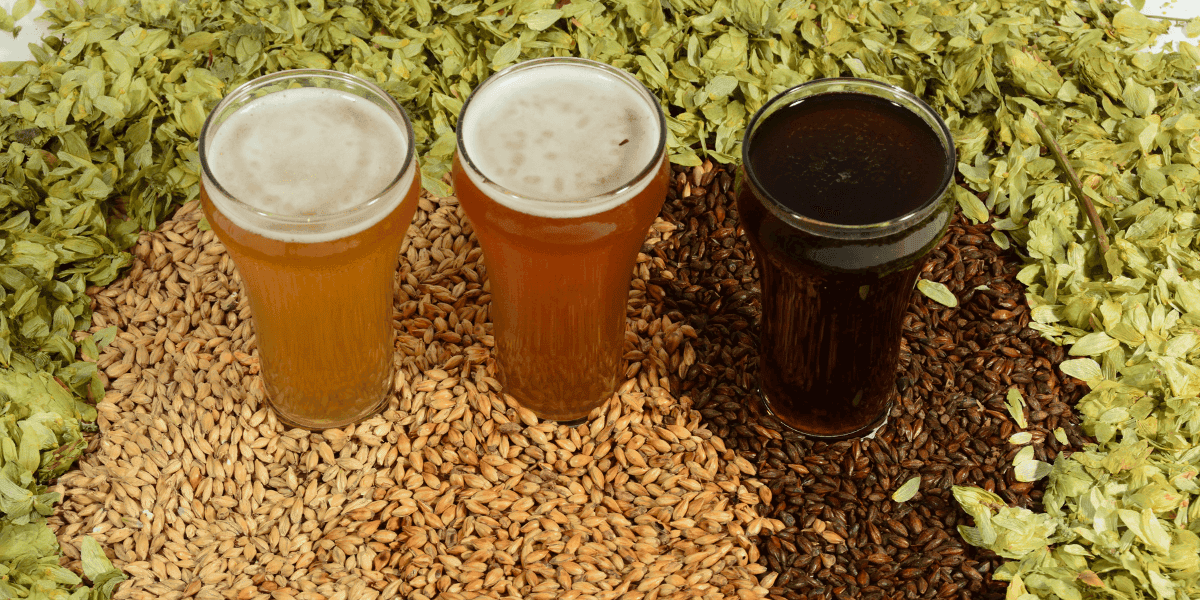
Most beer begins with four essentials: water, grain, hops and yeast.
Grain supplies the foundation. Barley is the most common choice, though wheat, oats, rye and rice also appear. Pale grain can taste like bread, crackers or biscuits. Darker roasted grain creates caramel, toast, coffee and chocolate flavours.
Hops are flowers used for fragrance, flavour and bitterness. Depending on the variety, they can suggest grapefruit, lime, flowers, herbs, pine, mango, passion fruit, berries or spice.
Yeast performs the fermentation and creates flavour of its own. The banana aroma in a German wheat beer usually comes through yeast. No bananas are required. The same principle applies to the peppery character of a saison and the orchard fruit notes found in several Belgian ales.
Water also matters. Soft water can make bitterness feel rounded, while water containing more minerals can create a sharper, drier finish.
Two abbreviations appear frequently on menus and labels. ABV means alcohol by volume. A beer at 4.5% ABV is relatively moderate, while one at 9% deserves a slower pace. IBU means International Bitterness Units. A higher number usually suggests more bitterness, though sweetness and body can soften the effect.
Colour reveals surprisingly little about strength. A dark Irish stout may sit near 4% ABV. A pale Double IPA can exceed 8%.
Now, to the beer itself.
Pilsner: Familiar, Only Better Dressed
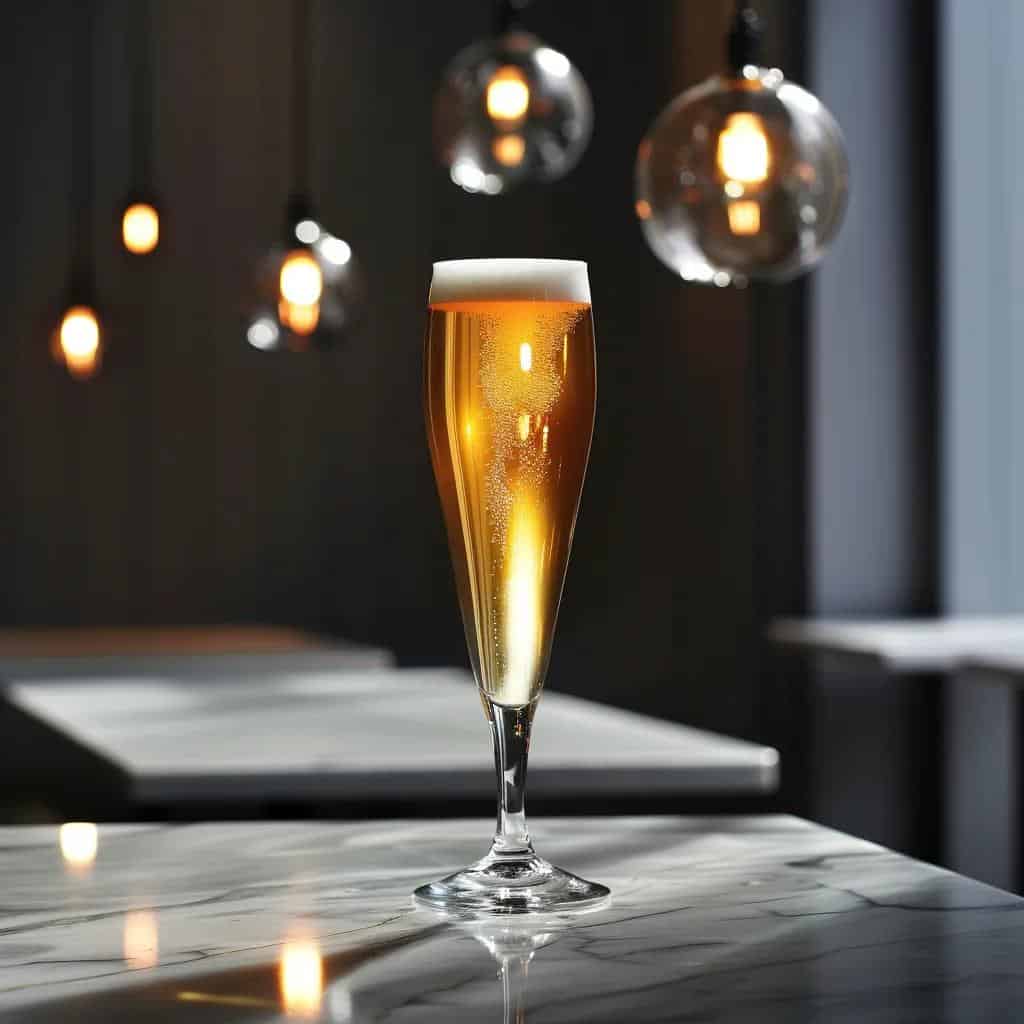
Pilsner is the easiest step beyond everyday lager because it belongs to the same family. It is cold fermented, clean and refreshing, but usually brings more flavour, fragrance and bitterness.
The style began in Plzeň, now in the Czech Republic. In 1842, Bavarian brewer Josef Groll produced a clear golden beer that looked striking beside the darker brews common at the time. Its combination of pale malt, aromatic hops and a clean lager finish became hugely influential. Much of the world’s pale lager culture can be traced back to that moment.
A good pilsner should taste of more than coldness. Look for bread, crackers or a touch of honey beneath herbal, floral or spicy hops. The finish should feel crisp and decisive.
Czech pilsners are usually fuller and rounder. They have a soft bread-like malt character and a firm bitterness that rarely feels harsh. According to the Beer Judge Certification Program, Czech premium pale lagers generally sit between 4.2% and 5.8% ABV.
German pilsners are leaner and drier. They tend to finish with a sharper herbal or floral bitterness and usually fall between 4.4% and 5.2% ABV.
Italian style pilsner is a newer variation with extra hop fragrance. It remains clean and crisp but may carry more flowers, herbs or citrus in the aroma. It is a graceful meeting point between traditional pilsner and pale ale.
Pilsner is brilliant with food because bubbles and bitterness keep the palate awake. It works with fried prawns, fish tikka, pakoras, pizza, grilled chicken, sausages and salty snacks. It also suits long afternoons when heavier beer feels like too much commitment.
If lager is your usual order, pilsner offers familiarity with greater character. Ask if the version is soft and Czech in style or dry and German in style. That single question will tell you plenty.
Saison: A Little Pepper, Plenty of Sparkle
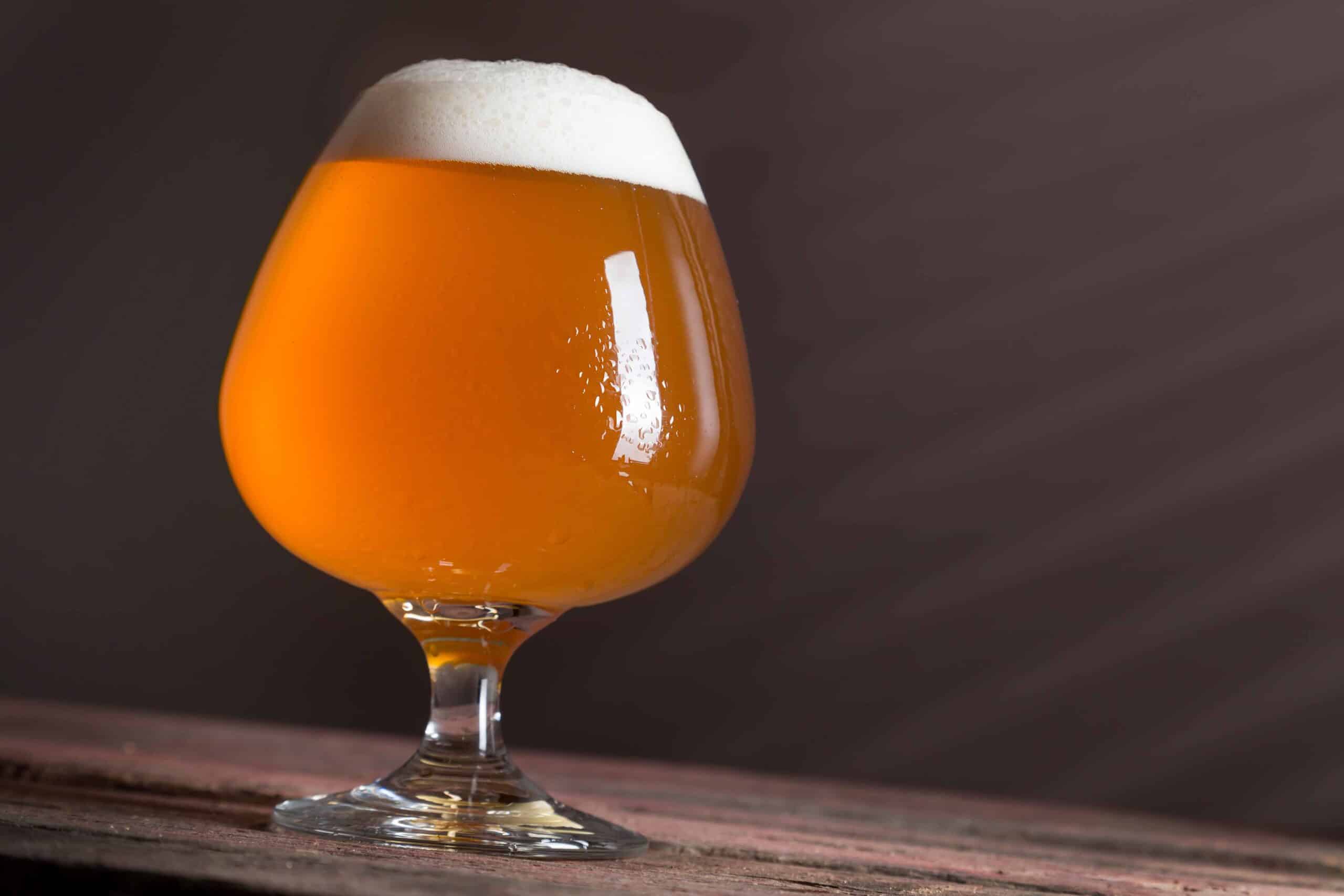
Saison is one of those beers that sounds mysterious until the first sip makes everything clear.
It is dry, highly carbonated and aromatic. Lemon peel, pear, apple, apricot, herbs and black pepper may all appear. The bubbles create an almost sparkling wine quality, while the finish stays lean and refreshing.
The style is historically linked with Wallonia, the French-speaking region of Belgium. Earlier saisons were connected with farms and seasonal workers, though recipes differed across communities. Modern breweries have carried the style far beyond its rural origins.
The most important thing to know is that saison is not automatically sour. Mild tartness can appear, but the recognised style centres on dryness, fruit, spice and lively carbonation. The peppery character often comes through yeast, even when no pepper has been added.
Saison also comes in different strengths. Table saison is the lightest, usually between 3.5% and 5% ABV. It offers the same pepper, citrus and high carbonation with less alcohol, making it particularly good for a long lunch.
Standard saison generally sits between 5% and 7%. It has greater aromatic intensity and a noticeable bitter finish. Super saison can rise as high as 9.5%, though its dryness can make that strength surprisingly difficult to detect.
Dark saison introduces toast, caramel, dark bread and dried fruit without losing the style’s dry, spicy character. It is a useful option for drinkers who enjoy darker malt flavours but dislike heavy sweetness.
Saison belongs at the table. It has enough carbonation for rich food, enough spice for herbs and enough dryness to avoid tiring the palate. Try it with roast chicken, tandoori dishes, paneer tikka, grilled prawns, goat cheese, salads and roasted vegetables.
Wine drinkers often enjoy saison because it shares the dryness and effervescence of a brut sparkling wine. It is also one of the few beer styles capable of moving comfortably across several courses of a meal.
Wheat Beer: Cloudy, Creamy and Very Easy to Like
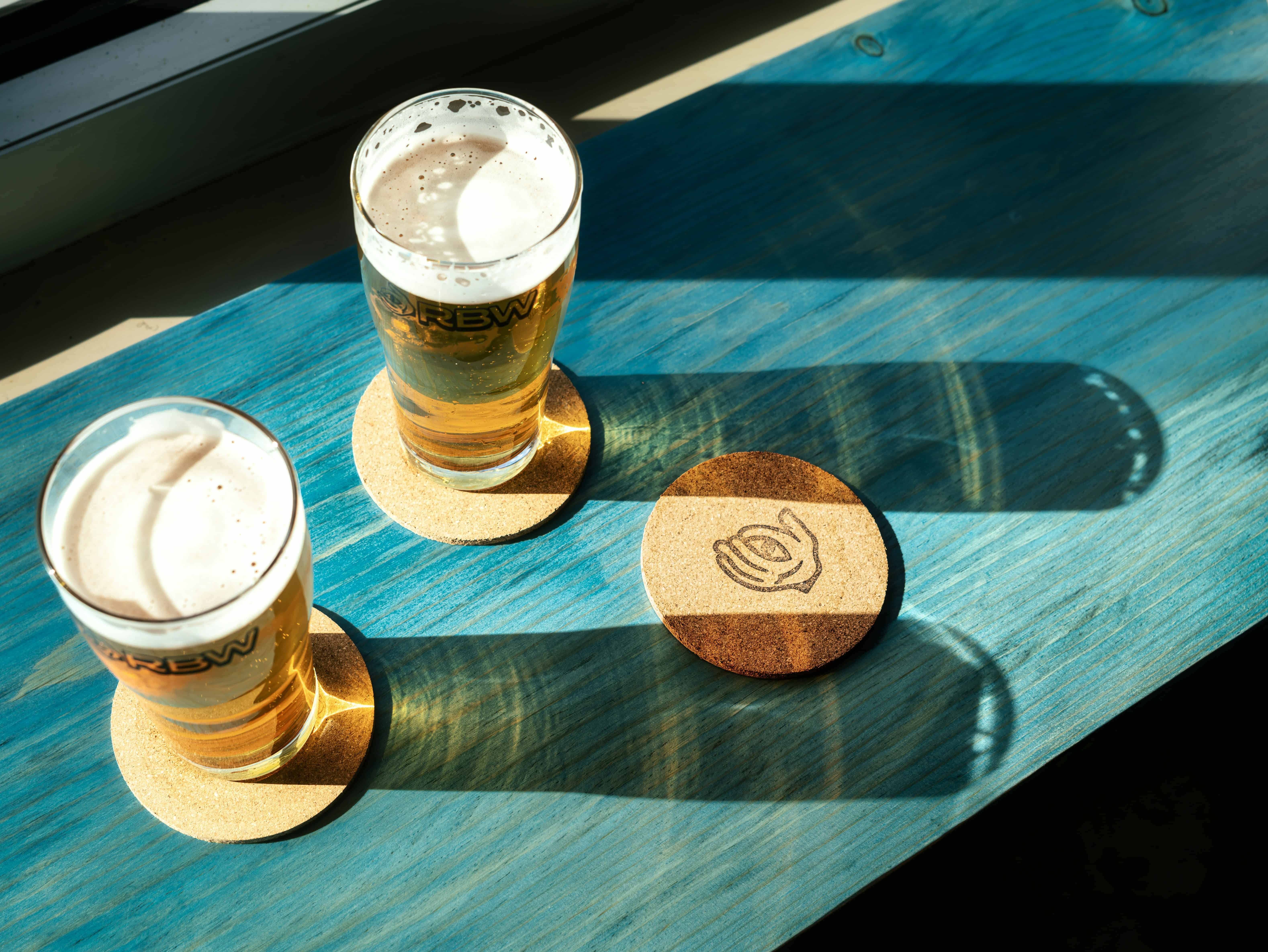
Wheat beer is usually soft, highly carbonated and low in bitterness. For anyone convinced that all beer tastes harsh, this is an excellent place to begin.
Its cloudy appearance is often intentional. Wheat proteins and yeast create the haze, while the grain helps produce a tall white head and a smooth texture.
The broad name “wheat beer” covers several styles, and the differences matter.
German weissbier, also called hefeweizen, is famous for banana and clove aromas. Those flavours develop during fermentation. The wheat adds bread and dough, while high carbonation keeps the creamy texture lively.
Traditional weissbier uses wheat for at least half of its grain mixture and generally contains between 4.3% and 5.6% alcohol, according to the BJCP German Wheat Beer guide. Bitterness remains very low.
Kristallweizen is a filtered version. It keeps the familiar fruit and spice but pours clear and often feels crisper slightly.
Dunkelweizen moves into darker territory. Banana and clove remain, now joined by caramel, toast and bread crust. Despite the deeper colour, its alcohol level is usually similar to pale weissbier.
Weizenbock turns up the strength. It combines wheat beer’s banana and clove character with the richer malt and alcohol of a bock. Versions typically range between 6.5% and 9% ABV, making this a slow beer despite its inviting fruitiness.
Belgian witbier takes a different path. It is pale and cloudy, usually with coriander and dried orange peel. The result is more citrusy and fragrant than German wheat beer. Expect lemon, orange, gentle pepper and fresh grain instead of strong banana and clove.
American wheat beer is cleaner again. Its yeast stays quieter, allowing bread, grain and light hop flavours to emerge. Fruit versions are common because the soft base works well with raspberry, orange, mango and other additions.
For an easy choice, think of the family this way: German wheat beer means banana and clove. Belgian witbier means citrus and coriander. American wheat beer means clean grain and gentle fruit.
Wheat beer works especially well with brunch, salads, sushi, grilled prawns, seafood, malai tikka, soft cheese and mild curries. Its low bitterness also makes it friendly with foods carrying a little sweetness.
Stout: Darker Than It Is Dangerous

Stout’s colour has done more for its fearsome reputation than its alcohol content.
The style can look dense and powerful, yet a dry Irish stout may contain less alcohol than an ordinary pale ale. Its dark appearance comes through roasted grain, which also creates coffee, cocoa and toasted flavours.
Stout developed through the porter tradition in Britain and Ireland. Porter was a popular dark beer during the eighteenth century. Stronger versions became known as stout porters, and the shorter name eventually developed into a family of its own.
Dry Irish stout is the leanest expression. It tastes of roasted coffee, unsweetened cocoa and toast, followed by a dry finish. Draught versions served with nitrogen develop their famous creamy texture because nitrogen produces smaller bubbles than ordinary carbon dioxide.
The BJCP Irish Stout guidelines place the style between 3.8% and 5% ABV. That makes many dry stouts lighter in alcohol than a standard IPA.
Sweet stout, also called milk stout, is softer and rounder. It often contains lactose, a milk sugar that brewing yeast cannot fully ferment. Some sweetness remains, creating flavours reminiscent of sweetened coffee, milk chocolate and caramel. Anyone avoiding dairy should check before ordering.
Oatmeal stout uses oats to create a smooth, almost silky texture. It may taste of cocoa, nuts, coffee and toasted grain. Most versions sit between 4.2% and 5.9% ABV, offering richness without extreme strength.
Tropical stout is sweeter, fruitier and stronger. The word “tropical” refers to the regions where it developed, not necessarily tropical fruit. Molasses, dark rum, dried fruit and chocolate are common associations.
Foreign Extra Stout is stronger and drier, usually between 6.3% and 8% ABV. It carries more roasted flavour and bitterness, reflecting its history as a robust beer made for international markets.
American stout adds a stronger hop presence. Pine, citrus or resin may appear beside coffee and dark chocolate. It often feels like a meeting between stout and IPA.
Then comes imperial stout, where subtlety leaves the room. Alcohol commonly reaches 8% to 12%, sometimes moving higher. Espresso, dark chocolate, caramel, molasses and dried fruit appear in concentrated form. Barrel-matured versions can gain vanilla, oak and spirit-like warmth.
Pastry stout borrows from the dessert counter. Cacao, vanilla, coffee, coconut, maple, cinnamon, nuts and fruit may all enter the recipe. Some are elegant. Others are gloriously excessive.
Stout works beautifully with oysters, grilled meat, seekh kebabs, mushrooms, smoked dishes and mature cheese. Sweeter versions suit chocolate cake, tiramisu, caramel and vanilla ice cream. Imperial stout can serve as an after-dinner drink without any food at all.
Before ordering, ask if the stout is dry, sweet, hoppy or imperial. The answer will save you from expecting a light coffee-led pint and receiving a 10% chocolate dessert.
Sour Beer: The First Sip Is the Surprise
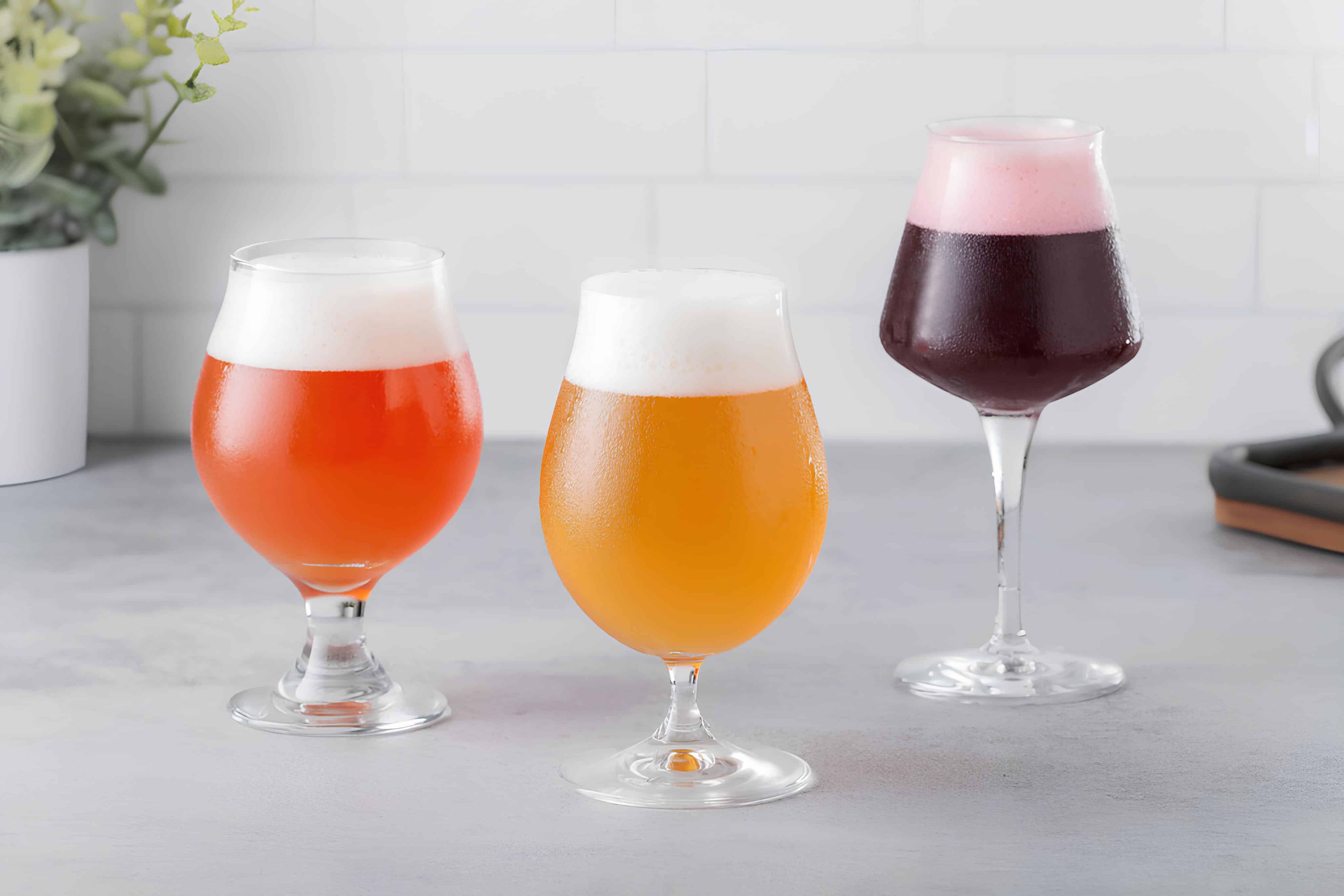
Sour beer replaces the expected bitter finish with acidity. It can taste like lemon, green apple, cherry, yoghurt, cider or sparkling wine.
The acidity is deliberate. Sour beer is a broad family, ranging across bright modern fruit beers and complex Belgian styles matured for years.
Kettle sour is one of the most approachable versions. The brewing method creates clean acidity before the main fermentation is completed. Mango, guava, berries, peach and passion fruit are common additions. These beers tend to be bright, direct and easy to understand.
Berliner Weisse is a pale German wheat beer with lemony tartness, high carbonation and very low alcohol. Traditional versions usually sit between 2.8% and 3.8% ABV. It is light, refreshing and especially good during hot weather.
Gose adds restrained salt and coriander to the sourness. The salt should make the mouth water without creating an obviously salty drink. Fruited versions are now common, though the traditional base remains citrusy, tart and lightly savoury.
Flanders red ale is a deeper Belgian style often matured in wood. Black cherry, plum, redcurrant, orange, vanilla and toast may all appear. Its acidity and tannic finish can recall red wine.
Oud Bruin is darker and maltier, with caramel, toffee, chocolate, raisins, figs and plums. It is usually softer in acidity than Flanders red, making it a good choice for drinkers who want complexity without a sharp sour punch.
Lambic enters a more unusual world. Traditional versions rely on spontaneous fermentation, allowing microorganisms present in the brewing environment to shape the beer. Young lambic can be sharply fruity. Older versions develop earth, hay, citrus peel and savoury depth.
Gueuze is made by blending lambics of different ages, often combining one-, two- and three-year-old beer. The blend develops carbonation in the bottle, producing something sparkling, dry, tart and complex.
Fruit lambic adds cherries, raspberries, peaches, apricots or grapes during maturation. Traditional versions remain dry because the fruit sugars ferment. Sweeter commercial interpretations also exist, so asking about the finish is useful.
Sour beer is superb with food. Acidity cuts through fat, refreshes the palate and creates energy beside rich dishes. Try it with soft cheese, charcuterie, pork, duck, fried food, creamy sauces and fruit desserts.
Cider, kombucha and natural wine drinkers often find an immediate connection with sour beer. Begin with a fruit sour or Berliner Weisse. Move towards gueuze when earthy and aged flavours begin to sound appealing.
India Pale Ale: Welcome to the Hop Show
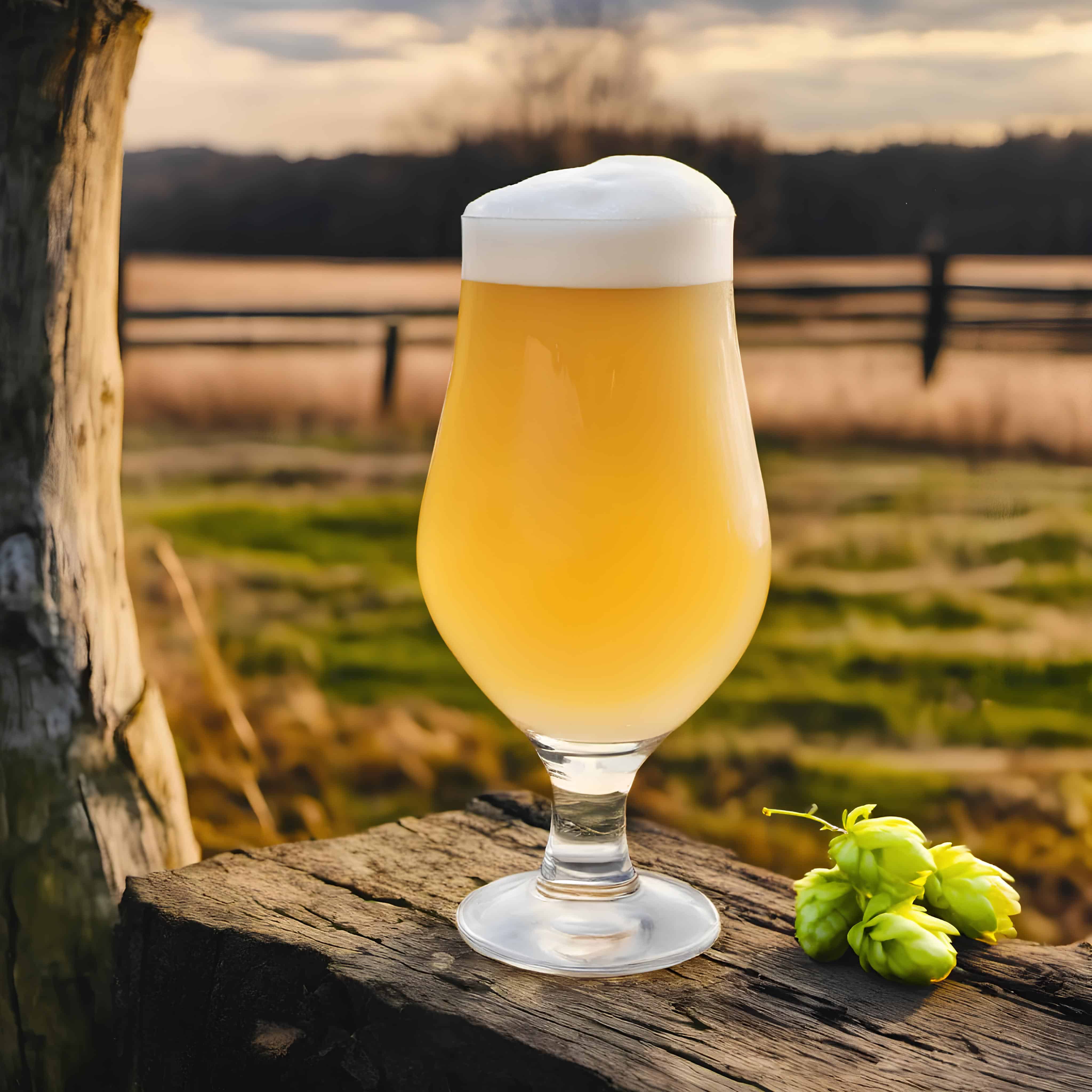
No style has shaped modern craft beer more visibly than India pale ale.
IPA places hops at the centre, though that can mean bitterness, aroma or both. Citrus, pine, flowers, herbs, mango, peach, pineapple, passion fruit, berries and melon can all appear.
At the 2026 World Beer Cup, West Coast IPA received 293 entries, Juicy or Hazy IPA received 274 and Classic IPA received 205. Those figures, published by the Brewers Association, show how many directions the style now takes.
English IPA is the quieter relative. It is dry and hoppy, with herbs, flowers, earth, bread, biscuit and light caramel. Its hop character feels more restrained than many modern American interpretations.
American IPA is cleaner and more assertive. Citrus, pine, resin and tropical fruit lead the aroma, while the finish carries noticeable bitterness. Most versions sit between 5.5% and 7.5% ABV.
West Coast IPA turns the contrast up. It is usually clear, dry and sharply bitter, with grapefruit, lime, pine and resin. There is little sweetness to soften the finish.
Hazy or Juicy IPA looks and tastes completely different. It is cloudy, aromatic and often softer in bitterness. Wheat and oats may contribute a fuller texture, while hops create mango, peach, pineapple, orange and passion fruit.
Despite the name, a Juicy IPA may contain no fruit. The impression can come entirely through hops and yeast.
Session IPA keeps the hop aroma while lowering the alcohol, generally to somewhere between 3% and 5% ABV. Some versions still feel quite bitter because less malt body is available to soften the hops.
Double or Imperial IPA goes the other way. It usually sits between 7.5% and 10% ABV, with more malt, more hops and greater intensity. Tropical aromas can hide the strength, so a smaller serving is often wise.
Belgian IPA combines hops with fruity, peppery yeast. It can taste like an American IPA crossed with a strong Belgian golden ale.
Black IPA brings dark colour and restrained roast while keeping the dry, hop-led structure. White IPA combines American hops with wheat, citrus, coriander and Belgian yeast. Brut IPA is pale, highly carbonated and extremely dry, giving it a sparkling wine quality.
IPA suits burgers, barbecue, fried chicken, mature cheddar, blue cheese, grilled meat, fish tacos and tandoori dishes. Strong bitterness and alcohol can intensify chilli, so an aggressively bitter West Coast version may struggle beside a very hot curry. A softer Hazy IPA usually works better with aromatic spice.
The most useful question when ordering is simple: “Is it clear and bitter or hazy and juicy?” Add a quick check of the ABV, and you know what kind of evening lies ahead.
A Few More Names Worth Knowing
Beer menus rarely stop at six styles. A few additional names can make ordering even easier.
Kölsch is a pale German ale fermented cool and matured cold. It is delicate, dry and lightly fruity, with the clean character of a lager. Most versions sit between 4.4% and 5.2% ABV.
Blonde ale is smooth, balanced and approachable, with bread, light fruit and restrained hops. It is an easy bridge between lager and ale.
American pale ale resembles a lighter IPA. Citrus, pine or tropical hop aromas remain present, but the beer usually carries less alcohol and a more balanced finish.
Porter sits close to stout but often feels softer and more chocolate- or caramel-led. English porter is moderate in strength, while Baltic porter can rise beyond 9% ABV and bring dark fruit, warming alcohol and rich malt.
Vienna lager is amber, smooth and gently toasted. It offers more malt than pilsner while retaining a clean, dry finish.
Belgian Blonde Ale is golden, fruity and deceptively strong, generally sitting between 6% and 7.5% ABV. Expect pear, orange, light spice and a soft malt character.
Märzen is a malty amber lager with bread crust, toast and restrained bitterness. It usually contains between 5.6% and 6.3% alcohol and has strong associations with autumn beer celebrations.
How to Find Your Beer Without Learning the Dictionary
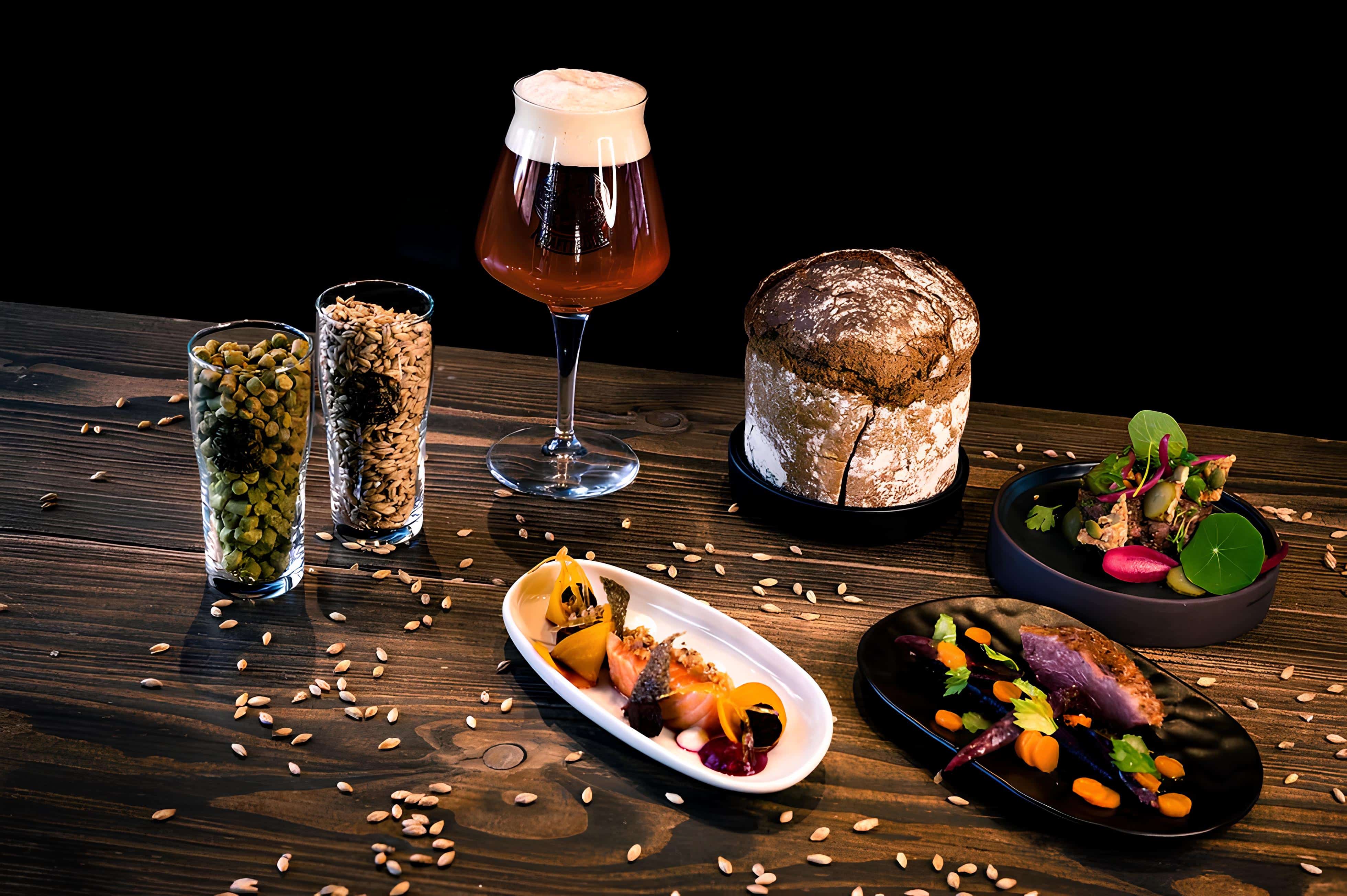
Start with what you already enjoy. Lager drinkers should explore pilsner, Kölsch and Vienna lager. Sparkling wine drinkers may enjoy saison, Brut IPA and gueuze. Coffee lovers can begin with dry stout, oatmeal stout or porter.
Fans of citrus and tropical fruit should try witbier, pale ale or Hazy IPA. Cider and kombucha drinkers will feel comfortable around Berliner Weisse, gose and fruit sour. Anyone avoiding bitterness should look towards weissbier, witbier, sweet stout and softer fruit sours.
A tasting flight is useful when several styles sound appealing. Begin with pilsner or wheat beer, move into saison or pale ale, then finish with stout or sour beer. Drink water between samples and give each glass a few minutes to warm. Aroma becomes clearer as beer moves beyond refrigerator temperature.
There is no prize for choosing the strangest beer on the menu. A beautifully made pilsner can be as satisfying as a barrel-matured sour or an imperial stout.
Read more – Food Voyager