

Across cultures and borders, cocoa and chocolate become the language of love, memory, travel, and shared moments that linger

Chocolate has travelled farther than almost any other indulgence. Long before it became a Valentine’s Day constant, it crossed oceans, survived empires, and entered local rituals, cafés, gift boxes, and personal moments. Today, it carries flavour and romance.
Across cities and cultures, chocolate has evolved into a language of affection that travellers recognise. In Europe, it became wrapped and gift-ready, shaped by cafés, boutique streets, and gifting customs. In Japan, it became precise and symbolic, guided by social codes and seasonal rituals. In Latin America, where cacao first held ceremonial meaning, chocolate still reflects ideas of connection and continuity. In India’s cities, it has blended into modern romance, finding space beside mithai, flowers, and handwritten notes.
What makes chocolate endure as a symbol of love is not sweetness, but adaptability. It fits into winter streets and tropical markets, hotel rooms and department stores. It can be extravagant or understated, shared or personal, spontaneous or carefully chosen. For travellers, chocolate often becomes a marker of memory: a box carried home, a café found on a side street, a tasting shared on a cold evening.
This journey follows chocolate as travellers encounter it around the world, tracing how places, traditions, and brands transformed cocoa into something emotionally charged. Each destination shows how chocolate moved beyond food, becoming a gesture, a message, and a companion to romance.
Belgium’s sweet ritual: The praline, the box, the moment
Belgium is where chocolate moved beyond everyday indulgence and became a gesture with meaning. The transformation began in the early twentieth century, when Belgian chocolatiers shifted focus from loose confectionery to filled chocolates made for gifting. Presentation, preservation, and intention became as important as flavour.
A defining moment arrived in 1912 with Neuhaus Chocolates, founded in Brussels, which is recognised as the creator of the modern praline. Jean Neuhaus Jr. developed the filled chocolate as a centre enclosed in a shell, but the next innovation followed soon after. To protect these pralines, the maison introduced the ballotin, a box designed so chocolates could travel without damage. This changed consumer behaviour. Chocolate could be bought in advance, carried across cities, and opened as part of a moment.
Belgium’s gifting culture grew around this idea. Chocolate shops became boutiques, boxes became keepsakes, and choice became personal. Brands such as Godiva later carried this approach worldwide, positioning Belgian chocolate as a language of romance and celebration. More recently, Pierre Marcolini reinforced the value of chocolate through sourcing and design, appealing to couples who associate love with craft. Leonidas ensured that praline gifting stayed accessible, making generosity rather than exclusivity central to the exchange.
Brussels and Bruges show why this culture endures. Both cities are built for wandering, compact and walkable. Chocolate shops appear along walking routes, turning selection into a shared experience rather than a transaction. In Belgium, romance often begins at the shop window.
Belgium taught the world a lesson: chocolate becomes romantic the moment it is chosen for someone else.
France: When chocolate becomes a language of love
Chocolate was not made into a grandiose proclamation of love in France. Rather, it transformed it into something more private and subdued. Here, rather than serving as a focal point, chocolate became a part of the romantic rhythm, representing a culture that values emotional awareness, balance, and subtlety. Chocolate followed in the footsteps of the French concept of love, which has always prioritised depth above show.
The association between chocolate and romance in France grew alongside Parisian café culture and the rise of specialist chocolatiers in the late nineteenth and early twentieth centuries. Chocolate shifted away from overt sweetness and towards complexity. Darker cacao, refined ganaches, and controlled portions allowed it to sit naturally within romantic moments, often shared at the end of a meal or offered as a thoughtful addition to flowers or wine. Valentine gifting became less about abundance and more about choosing well.
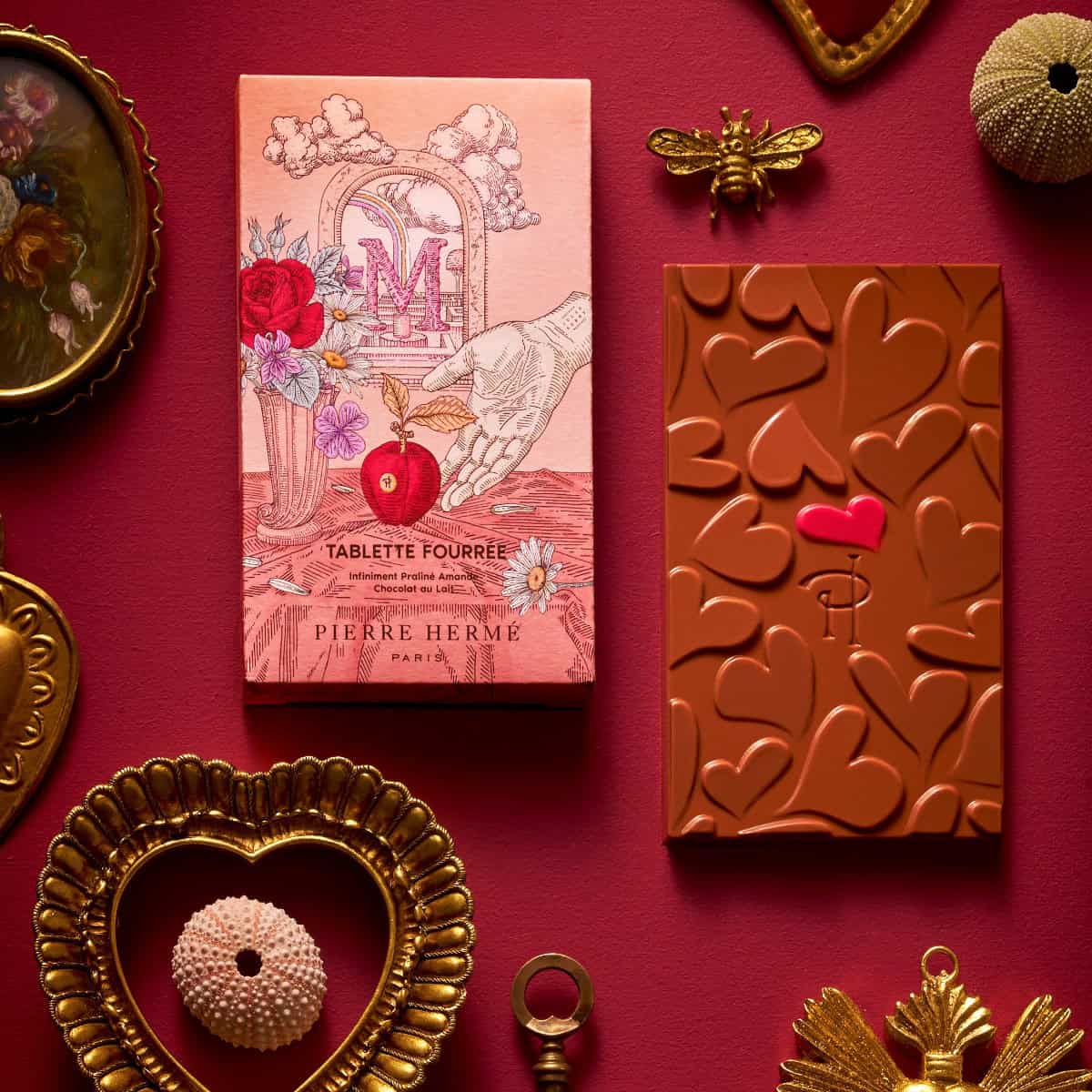
This philosophy is evident in maisons such as La Maison du Chocolat, which helped establish chocolate as an extension of fine dining and emotional refinement. Its collections focus on texture, balance, and subtle flavour progression, encouraging slow sharing rather than indulgence. Patrick Roger introduced a more expressive dimension, using bold forms and intense cacao profiles to turn chocolate into an artistic statement, appealing to couples who see romance as creative and visceral.
Pierre Hermé further blurred boundaries between pastry and chocolate, transforming gifting into an aesthetic experience shaped by colour, flavour harmony, and precision. Behind many of these creations stands Valrhona, a French chocolate producer revered by chefs for its high-quality cacao and flavour consistency, which elevated chocolate’s status as a serious culinary ingredient rather than a simple confection.
Paris continues to define how chocolate fits into romance. Chocolate shops blend seamlessly into neighbourhood streets, appearing between bookshops, florists, and cafés. A box of chocolates rarely announces itself. It arrives quietly, completes the moment, and leaves a lasting impression.
France taught the world that chocolate becomes romantic not by trying harder, but by knowing when enough is enough.
Switzerland: Comfort, purity, and chocolate as enduring love
Switzerland gave chocolate a different emotional role. If France made it subtle and Belgium made it ceremonial, Switzerland made chocolate reassuring. Here, love is expressed through consistency, quality, and trust. Swiss chocolate became romantic not because it dazzled, but because it felt dependable, familiar, and luxurious.
The connection between Swiss chocolate and affection developed alongside the country’s mastery of milk chocolate in the late nineteenth century. Switzerland’s access to high-quality alpine milk transformed chocolate’s texture and flavour, making it smoother, creamier, and deeply comforting. This shift changed how chocolate was experienced. It was no longer intense or fleeting, but soothing and lingering. Over time, this sensory comfort translated naturally into emotional meaning. Chocolate became something associated with warmth, care, and long-term bonds rather than dramatic gestures.
Brands played a key role in shaping this identity. Lindt was instrumental in refining milk chocolate through its conching process, creating a smoothness that became synonymous with indulgence and affection. Its heart-shaped Valentine assortments helped normalise chocolate as a gift exchanged between partners, families, and loved ones across generations.
Sprüngli, with its roots in Zurich’s café culture, reinforced the idea of chocolate as part of shared moments, often paired with pastries, coffee, and unhurried conversation. Läderach introduced a modern expression of Swiss romance through its fresh chocolate slabs, designed to be broken and shared, turning gifting into a tactile, communal act. Cailler, one of Switzerland’s oldest chocolate brands, tied romance to heritage and place, inviting visitors into factory tours that link chocolate with memory and nostalgia.
Travel through Switzerland reveals why this association endures. Chocolate experiences are often woven into landscapes rather than staged separately. Lake towns, mountain routes, and small cities offer factory visits and tasting rooms that feel calm and personal. Couples do not rush. They taste, walk, and talk.
Switzerland taught the world that love does not always need intensity. Sometimes, romance is simply the feeling that something will always be there, melting slowly, exactly as expected.
Italy: Passion, poetry, and chocolate as a declaration of love
Chocolate was given a voice by Italy. Chocolate was a natural addition to the vocabulary of romance, which has always been expressive, emotive, and shameless in this place. Italian chocolate frequently communicates directly, sometimes even leaving a written message behind, in contrast to cultures where chocolate whispers.
No brand captures this better than Baci Perugina. Introduced in the 1920s, Baci transformed chocolate into a literal love letter by enclosing a small note inside every piece. These messages, printed in multiple languages, turned each chocolate into a personal declaration. Over time, exchanging Baci became a shared ritual, especially on Valentine’s Day, when words mattered as much as flavour. The combination of dark chocolate, hazelnut, and poetry made Baci synonymous with romantic intention, not merely gifting.
Venchi shaped romance differently. Founded in the late nineteenth century, the brand built its identity around indulgence and pleasure, pairing rich chocolate with hazelnuts, gelato, and café culture. Venchi chocolates became associated with dates, city walks, and shared desserts rather than formal gifting. Love here was experienced side by side, often over a cone of chocolate gelato or a box chosen together, reinforcing the idea that romance is lived, not staged.
At the premium end, Amedei introduced a quieter but deeply emotional expression of love. Known for its meticulous sourcing and limited production, Amedei positioned chocolate as something rare and thoughtful. Gifting an Amedei bar came to signal discernment and seriousness, a choice made with care rather than impulse. Romance here was about respect for craft.
Caffarel, closely associated with gianduja, linked chocolate to warmth and tradition. Its hazelnut-rich creations reflected comfort and generosity, making them popular gifts for long-standing relationships where familiarity itself is romantic.
Italy taught the world that chocolate can speak to the heart. Whether through words, shared indulgence, or careful selection, Italian chocolate became a declaration, honest, expressive, and impossible to ignore.
Japan: Chocolate as a coded confession of love
Chocolate became a language with rules, timing, and emotional accuracy thanks to Japan. Here, chocolate evolved to represent love via purpose rather than enjoyment. In Japan, Valentine’s Day has developed into a ritualised exchange in which chocolate expresses a person’s feelings and, more crucially, how they want to be understood.
The tradition took shape in the mid-twentieth century, when chocolate companies encouraged women to gift chocolate to men on Valentine’s Day. Over time, this evolved into a finely balanced emotional code. Honmei choco refers to chocolate given out of genuine romantic affection, while giri choco is offered out of social obligation. This distinction gave chocolate emotional weight. Choosing the right chocolate became a decision loaded with meaning, turning gifting into a quiet confession rather than a casual gesture.
Brands played a central role in shaping this culture. Royce’ helped popularise nama chocolate, a soft, ganache-style confection with a short shelf life that emphasises freshness and care. Gifting Royce’s suggests effort and emotional sincerity, as the chocolate must be chosen and given thoughtfully. Meiji, one of Japan’s most familiar chocolate brands, anchored chocolate into everyday life, allowing affection to be expressed simply and consistently. Its accessibility made chocolate a normal part of emotional exchange rather than a luxury reserved for rare moments.
Godiva Japan introduced a different dimension. While the brand is Belgian in origin, its presence in Japan reshaped Valentine’s gifting through seasonal exclusivity. Limited-edition Valentine collections, available only for a short period, elevated chocolate into something anticipated and time-sensitive. Buying these chocolates became an annual ritual tied closely to romantic expectation.
The tradition does not end on Valentine’s Day. White Day, observed a month later, requires men to reciprocate with gifts, often chocolate, reinforcing balance and mutual acknowledgement in relationships.
Japan showed the world that chocolate can say what words sometimes cannot. In its carefully wrapped boxes and deliberate choices, love is expressed clearly, respectfully, and with remarkable emotional intelligence.
Latin America: Where cacao began and love was first ritualised
In Latin America, chocolate did not begin as romance. It began as reverence. Long before Valentine’s Day existed, cacao held symbolic meaning tied to fertility, life, and connection. Over time, this ancient respect for cacao evolved into a modern language of love, where gifting chocolate carries a sense of origin, authenticity, and emotional depth.
The earliest civilisations of Mesoamerica regarded cacao as sacred. It was consumed during ceremonies, exchanged as offerings, and associated with vitality and union. This legacy continues to shape how chocolate is perceived today across parts of Mexico, Ecuador, and Peru. Romance here is less performative and more rooted in shared experience and cultural continuity.
Modern Latin American chocolate brands have drawn directly from this heritage. Ecuador’s Pacari became a symbol of love through purity and place. Its single-origin bars emphasise transparency, ethical sourcing, and respect for the land. Gifting Pacari communicates care not only for a partner, but also for where things come from. Love, in this context, is conscious and connected.
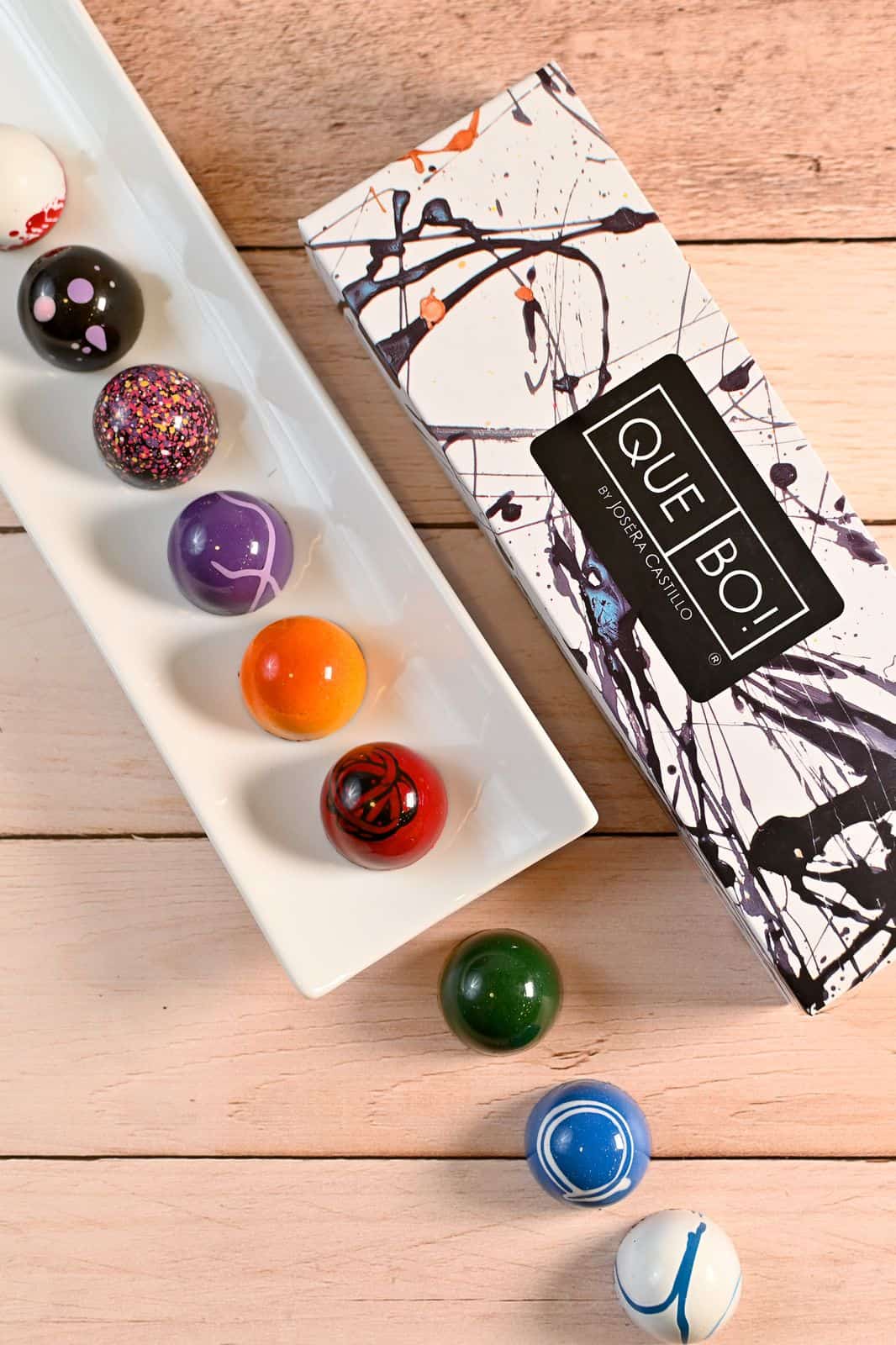
In Mexico, brands such as Que Bo! reimagined chocolate through bold flavours and playful design, blending traditional cacao knowledge with contemporary expression. Their chocolates are often shared rather than stored, reflecting a social approach to affection where love is experienced together, in the moment. Chocolate here feels celebratory, expressive, and communal.
Peru’s Cacaosuyo took a quieter path, positioning chocolate as a tribute to rare cacao varieties and meticulous craftsmanship. Offering a bar from such a brand suggests discernment and respect, transforming chocolate into a thoughtful gesture rather than a spontaneous one.
Travelling through cacao-growing regions reveals why chocolate feels intimate here. Plantation visits, tasting sessions, and drinking chocolate prepared slowly encourage conversation and connection. Love unfolds not through packaging, but through time spent together.
Latin America taught the world that chocolate became romantic long before it was commercial. It reminds us that love, like cacao, is strongest when its roots are honoured.
India: When chocolate became the love token
In India, chocolate became linked with love because it was easy to understand, widely available, and simple to share. Advertising helped create the association, but everyday use made it permanent. Unlike Europe, where chocolate entered romantic culture through long-standing traditions, India absorbed it through repetition and familiarity. Chocolate became a way to acknowledge care without formality.
Cadbury played the most decisive role after entering India in 1948. Its campaigns consistently framed chocolate as an uncomplicated expression of affection. The idea remained unchanged across decades: love did not need explanation. Product formats supported this message. A shared bar implied closeness, filled or layered chocolates suggested extra thought, and smaller portions made gifting socially acceptable. This flexibility suited modern relationships, where subtlety mattered.
Amul added a different emotional register. Its chocolates conveyed familiarity and trust rather than overt romance. Gifting Amul often signalled comfort and steadiness, especially in relationships shaped by companionship. Together, Cadbury and Amul defined Indian chocolate consumption for decades. Dairy Milk, Amul Milk Chocolate, 5 Star, and Milky Bar formed the core of childhood exposure. These products were affordable, sugar-forward, and designed for scale. Chocolates with higher cocoa content and distinct flavour profiles remained uncommon and were largely imported.
This began to shift in the last decade. A more ingredient-aware middle class, higher disposable incomes, and exposure to global food cultures created interest in flavour, origin, and process. Artisanal and bean-to-bar chocolates started entering the higher end of the market. Brands such as Mason & Co, Naviluna, Paul and Mike, Subko Cacao, Manam Chocolate and Ziaho Chocolate began working directly with Indian cacao, focusing on fermentation, roasting, and reduced sugar. These chocolates were positioned as products of process, appealing to consumers willing to pay more for local craft.
At the luxury end, ITC Fabelle represents a corporate-led entry into premium chocolate. Positioned within ITC Hotels and select retail formats, Fabelle bridges industrial scale and artisanal technique. Its focus on single-origin cocoa, controlled sweetness, and structured flavour profiles caters to consumers seeking refinement without moving away from familiar Indian brands. Growing steadily, Fabelle reflects how luxury chocolate in India is being shaped not only by small makers but also by established players adapting to a more discerning palate.
Place also shaped this evolution. Ooty developed a strong identity around locally made chocolates, drawing attention to fresh production and small makers. Similar cultures emerged in Kodaikanal, Munnar, and Puducherry. At the retail end, Tigmon The Chocolate Mall in Gujarat turned chocolate buying into a curated experience, bringing domestic and international brands together.
In India, chocolate entered romance through habit. Artisanal chocolate is now extending that language into taste, origin, and intention.
Why shared chocolate experiences feel more romantic
Chocolate feels most memorable when it is experienced together. Across the world, couples are travelling not to buy chocolate, but to spend time around it. The shift is subtle but meaningful. Romance moves from exchange to participation, turning flavour into memory and choice into conversation.
Chocolate boutiques and tasting menus are often the starting point. In cities known for chocolate culture, these spaces encourage couples to taste side by side, compare notes, and stay longer. Tasting menus unfold gradually, allowing textures and aromas to change over time. Sharing a flight of chocolates invites intimacy because it asks for attention. Each bite becomes a pause, a moment of agreement or discovery shared by the two people at the table.
Factory visits and bean-to-bar workshops take this connection further. Watching chocolate being made turns it from a finished gift into a process. Couples grind cacao, temper chocolate, and mould bars together, learning patience and precision along the way. Making something edible by hand creates a sense of joint ownership. Chocolate made together carries emotional value that no shop-bought box can replicate.
Plantation stays and cacao trails add place and story. Walking through cacao groves, understanding harvest cycles, and tasting chocolate at its source links romance with location. These experiences are unhurried by design. Days are shaped around weather, fermentation, and flavour development, encouraging conversation and shared stillness. Chocolate becomes part of a rhythm that mirrors travel itself.
What makes these journeys romantic is not luxury, but presence. Doing chocolate together removes performance. There is no perfect gift, no right choice, only shared curiosity. Couples remember the laughter during tastings, the mistakes during workshops, and the quiet moments between bites.
In travel, as in love, the strongest memories are rarely purchased. They are made.
When love lingers longer than the last bite
Chocolate endures as a symbol of love because it asks us to slow down. It melts, waits, and rewards attention, much like moments that stay with us after a journey ends. Across cultures, chocolate became romantic not through excess, but through meaning. It learned how to be gifted, shared, and remembered.
What travels best with chocolate is not the box, but the memory attached to it. A praline chosen in Belgium, a tasting in Paris, a shared bar in India, or cacao traced to its source can become markers of time spent together. These experiences turn flavour into feeling and places into personal stories.
In a world where romance is often rushed, chocolate offers pause. It invites touch, conversation, and presence. That is why it returns each Valentine’s Day, not as a trend, but as a ritual.
Love, like cocoa, reveals itself slowly. And when it does, it leaves something behind that no wrapping can contain.
Read More: Latest